Month: April 2018

  • Could This Be the Beginning of the End for MoviePass?

    Could This Be the Beginning of the End for MoviePass?

    Sometimes, a deal sounds too good to be true. That’s how many consumers reacted when MoviePass announced that for just ten bucks a month, you could see one movie a day in the theater. The company reimburses the theater for a full-price ticket every time one of their cardholders sees a movie, and many people wondered how such a business could be profitable.

    Well, it turns out that it might not be.

    Massive Losses and Mistrust

    Despite promises that MoviePass would start turning a profit by 2019, the company has been consistently losing money. In fact, they recently reported a loss of over $150 million—a number that has analysts and investors questioning how much longer the startup can continue.

    The company, which seeks to disrupt the movie theater industry much the same way that Netflix changed the way we consume television, has suggested that they will earn revenue from partnerships with major theater chains and movie distributors.

    However, there has been concern that despite their assurances, MoviePass is also selling information about its subscribers. In March of 2018, CEO Mitch Lowe made an offhand remark about tracking users on their way to and from the theater using GPS data. He later clarified that the app doesn’t actively track your phone, but that it can suggest restaurants located near the theater where you checked in for your movie.

    A Turbulent History and Uncertain Future

    When it originally hit the market in 2011, MoviePass charged nearly $50 for a monthly subscription. They tinkered with the pricing model several times, but it seemed that when they dropped the fee to $9.99, they’d finally found the winning number. The company reported an influx of over 2 million subscribers after debuting the cheaper monthly price in 2017.

    Now, however, it seems as though MoviePass may be considering another dramatic change. While current cardholders are still able to see a movie a day, the only subscription currently offered to new subscribers caps the number tickets at 4 per month. New subscribers also receive a 3-month trial subscription to iHeartRadio’s streaming radio service, but that hardly makes up for the limits imposed by the new model. There’s no word yet whether MoviePass will eventually cap all subscribers.

  • Top 5 Laptop Brands

    Top 5 Laptop Brands

    So its time to purchase a new laptop. There are so many options to consider, size,weight, screen size, power and batteryand dont forget which brand to buy. All Laptops Brands will give you the plethora of build and model options to customize so starting with the brand of laptop is probably the best place to start. Whether you’re purchasing a $1,500 gaming laptop or a $200 Chromebook, the brand matters. That’s why we rate the top 5 laptop brands each year, based on their support, design, innovation, value/selection and, most of all, product quality.
    [adTextOnly]

    1. Lenovo  (8.6/10)

    For 2018, Lenovo retained its place for a second year as the best laptop vendor, but it just barely edged out second-place Dell and third-place HP. Apple, which used to dominate this contest, fell all the way to fourth place, down from second last year.

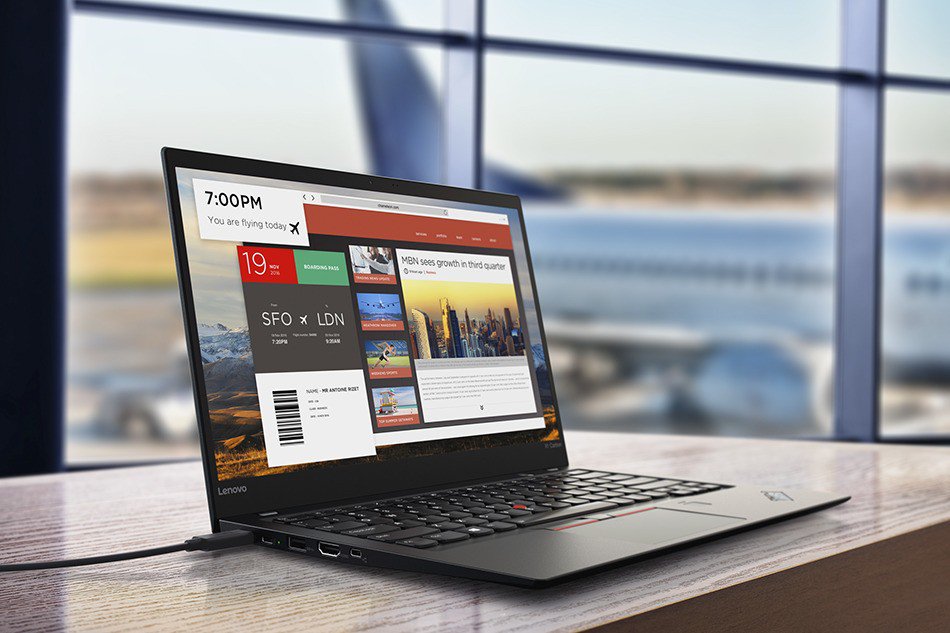
    Lenovo takes first place again this year, on the strength of the company’s fantastic product lineup. From the beautiful ThinkPad X1 Carbon, which was the only product to get a perfect, 5-star review in the past year, to the versatile Yoga 920, Lenovo’s laptops earned the most Editors’ Choice awards of any brand. And a full 53 percent of the company’s laptops scored 4 or higher. However, Lenovo’s tech support scores declined from last year, and stiff competition from HP and Dell made this a nail-bitingly close race.

    [adTextOnly]


  • Laptop Lookout: Razer Blade Pro

    Laptop Lookout: Razer Blade Pro

    The new 14” Razer Blade gaming laptop in Full HD or 4K UHD strikes the perfect balance between power and portability. Experience streamlined performance with the latest 7th Gen Intel® Core™ i7 Quad Core processor and smoother, detailed gameplay graphics or connect a VR headset for an even more immersive gaming experience.
     
    [adSOC]  

    The Great

    • Slim, attractive chassis
    • Choice between a 4K Nvidia G-Sync display and 1080p panel with 120Hz refresh rate
    • Great overall and graphics performance
    • Excellent sound
    • 1080p version has a super-comfortable, customizable keyboard

    The Not

    • Expensive
    • SSD not very fast
    • Gets hot when gaming

    The Conclusion

    Razer manages to fit a high-end graphics card into an amazingly thin laptop. Gamers and graphics pros alike will love the performance, but not the loud fans and misplaced touchpad.

    The Design
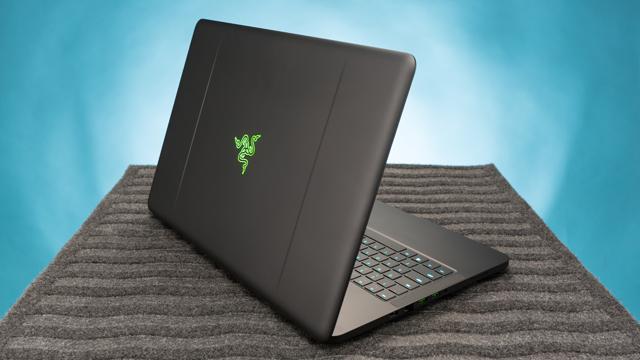

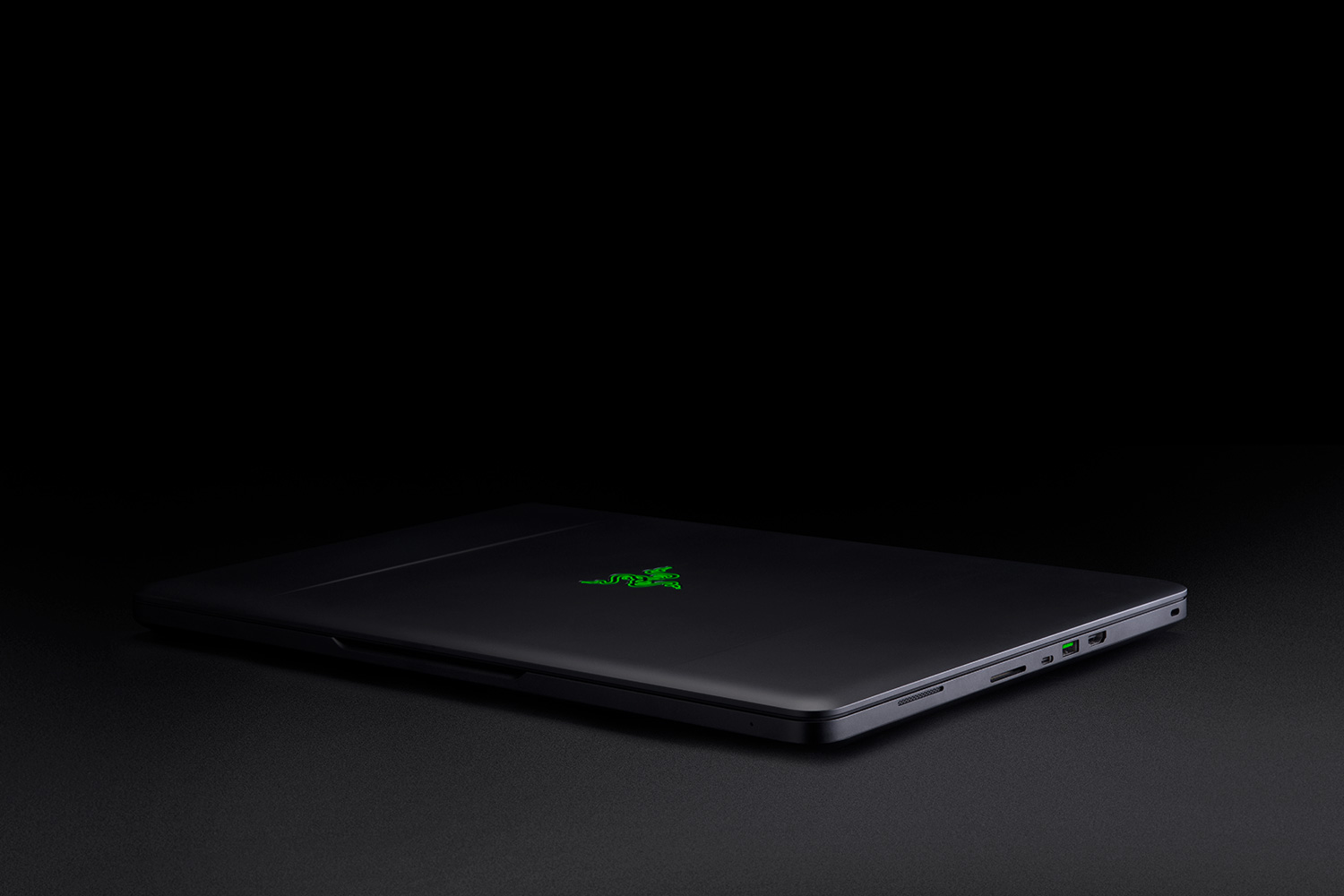
    There’s just something about a Razer laptop that makes the pulse quicken ever so slightly when you see it. Constructed from black CNC aluminum, the Blade Pro follows the Razer design dictates to a T, just on a bigger scale. The center of the laptop’s lid is slightly recessed, creating a pair of subtle ridges that help accentuate the glimmering emerald three-headed snake emblem.

    The system’s interior offers more ebony aluminum, with the center of the deck housing the full-size keyboard and rather large touchpad in a slightly recessed compartment. A power button sits at top center on the device, daring you to press it. At 7.7 pounds, the 16.7 x 11 x 0.89-inch Blade Pro is still the slimmest and lightest 17-inch gaming laptop in the land.

    The Variables

    This system doesn’t seem to struggle at all, even when playing demanding games set to high at its full 4K resolution. Drop your resolution to full HD and you still get playable frame rates with settings at ultra.The Blade Pro can easily replace a desktop, and if that’s your goal, there is an HDMI 2.0 output that handles video and audio. It’s joined by a Thunderbolt 3 port that can also handle display output in addition to three USB 3.0 ports, an SD card slot and Killer E2400 Gigabit Ethernet.
     
    [adSOC]  
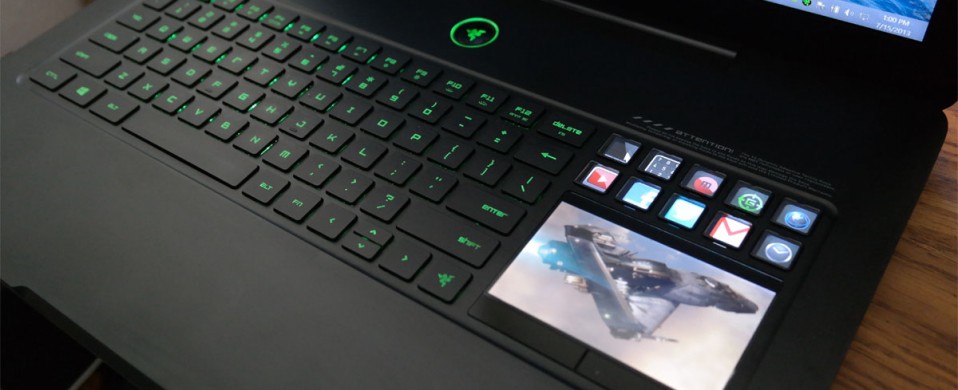
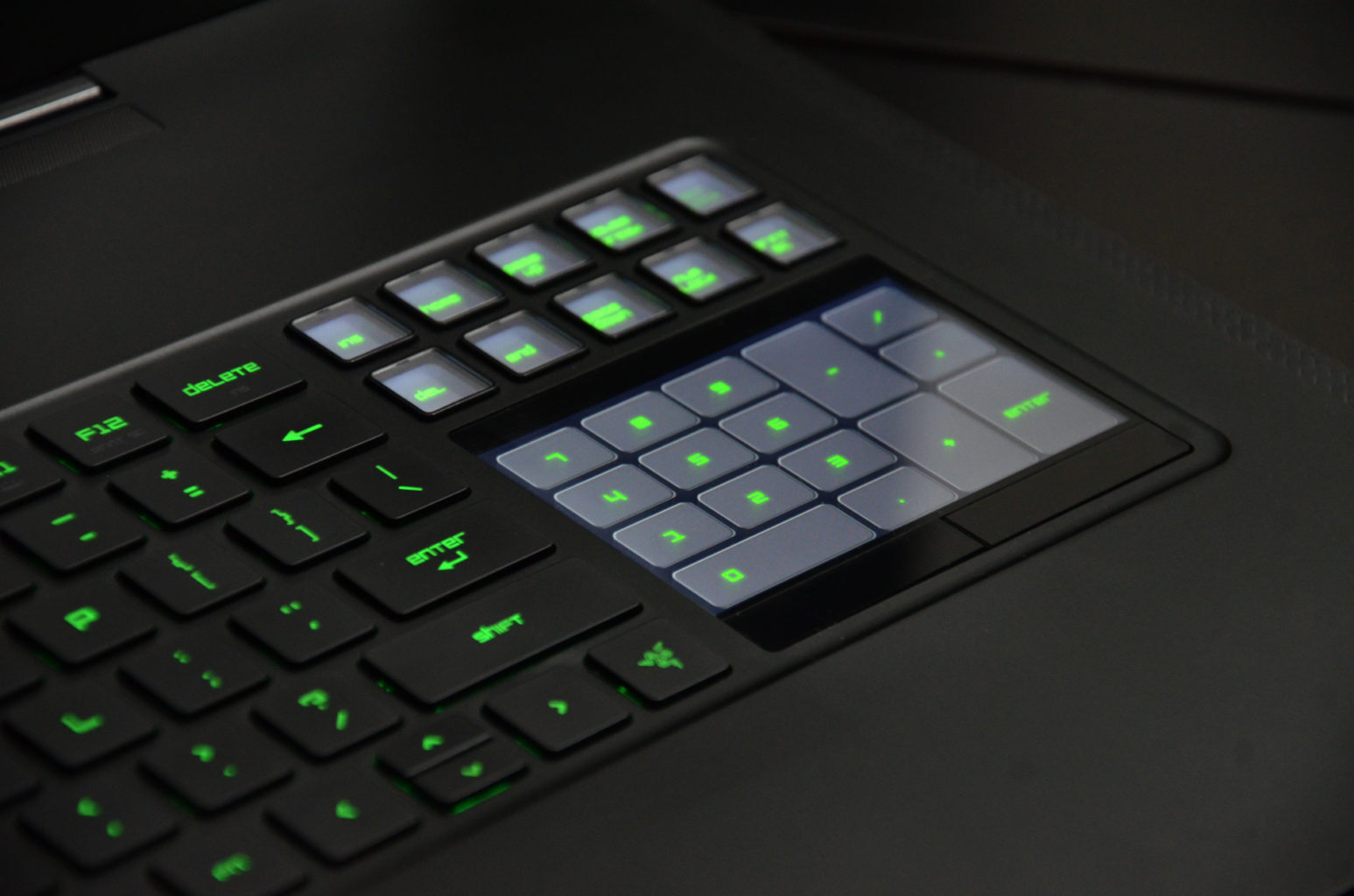
    Rather than positioning the trackpad beneath the keyboard, the Blade Pro’s pointing device is beside it on the right-hand side. More than once, we found ourselves tickling the surface below the keyboard, but it doesn’t take too long to get over this phantom pain. The taller, squarer shape makes scrolling a breeze. It’s an arrangement that feels familiar if you’re used to having your mouse next to a keyboard and it’s also far more convenient to use than a trackpad positioned between the wrist rests.

    What Are The Options
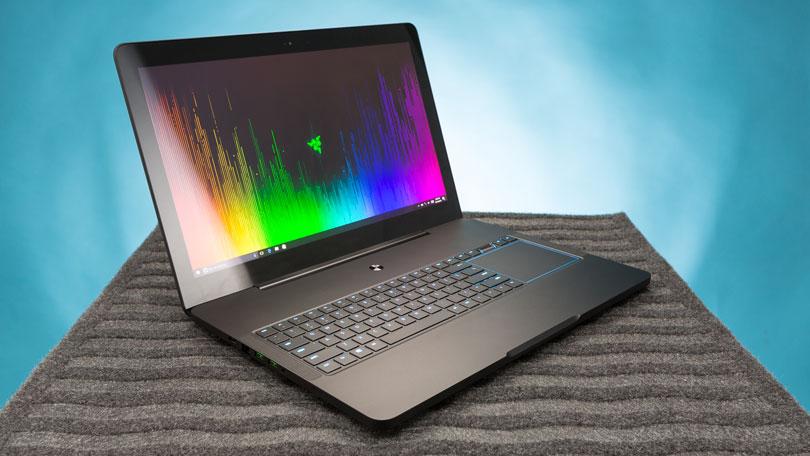

    I had a grand ol’ time reviewing the $3,999 base configuration of the Razer Blade Pro, which has an overclocked 2.9-GHz Intel Core i7-7820HK processor with 32GB of RAM, a pair of 256GB PCIe SSD in RAID 0 configuration and a Nvidia GeForce GTX 1080 GPU with 8GB of VRAM.

    Want more storage? It’s definitely going to cost you. A pair of 512GB PCIe SSD in RAID costs $4,399, while the RAID 0 1TB option brings the price up to $4,899.

    But if you’re looking for a less expensive option, there’s the $2,299 model, which has a 2.8-GHz Intel Core i7-7700HQ CPU, 16GB of RAM, a 256GB PCIe M.2 SSD with a 2TB 7,200-rpm hard drive, an Nvidia GeForce GTX 1060 GPU with 6GB of VRAM and a 1920 x 1080p display.

    The Display
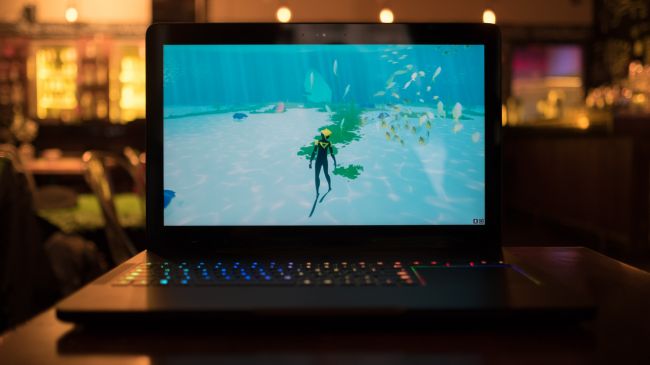

    Staring at the Blade Pro’s 4K panel is like looking into a fever dream of color. The Nvidia G-Sync technology made sure that Geralt’s ashen-white hair cascaded realistically over his broad shoulders as he ran toward a cadre of flesh-eating Ghouls in Witcher 3: Wild Hunt.For gamers who value buttery-smooth graphics over higher resolution, the Blade Pro is also available in full HD (1920 x 1080), a first for this iteration of the desktop replacement. Instead of a super-high resolution, the 1080p panel has a 120Hz refresh rate. It’s not Nvidia’s G-Sync technology, but you should still get some lovely graphics.

    Quick Speck Look
    • CPU: 2.6GHz Intel Core i7-6700HQ (quad-core, 6MB cache, up to 3.5GHz)
    • Graphics: Nvidia GeForce GTX 1080 (8GB GDDR5X VRAM), Intel HD graphics 530
    • RAM: 32GB DDR4 (2,133MHz)
    • Screen: 17.3-inch IGZO UHD (3,840 x 2,160) LED with multi-touch G-Sync
    • Storage: 1TB PCIe SSD
    • Ports: 3 x USB 3.0 port (SuperSpeed), 1 x Thunderbolt 3 (USB-C), HDMI 2.0, SDXC card reader, Killer E2400 Gigabit Ethernet, headset jack
    • Connectivity: Killer DoubleShot Pro Wireless-AC 1535; Bluetooth 4.1
    • Camera: 2MP built-in webcam
    • Weight: 6.76 pounds (3.07kg)
    • Size: 16.8 x 10.9 x 0.88 inches (42.7 x 27.7 x 2.24cm; W x D x H)

    The Final Thought
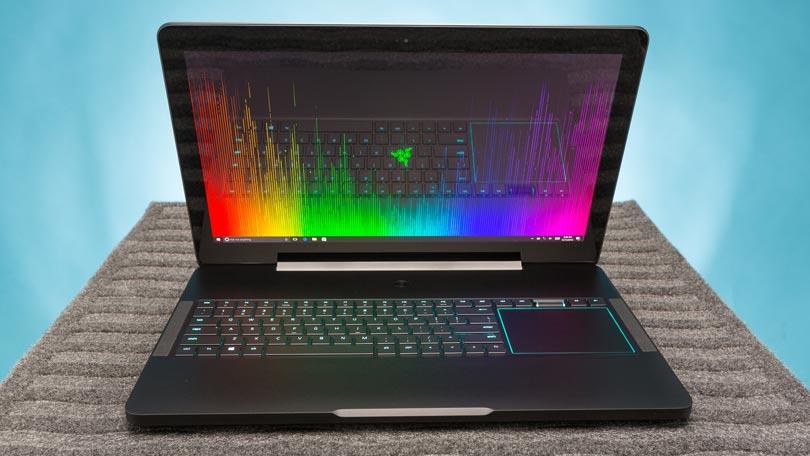

    Thanks to these features, the Razer Blade Pro lends itself to be just as good at rendering beautiful game worlds as it is for accurately color correcting videos.There’s always been a distinction between gaming laptops and desktop replacement laptops, not any more this is Razor town now, Charlie.
     
    [adSOC]  

  • Nest Celebrates Earth Day with Free Thermostats

    Nest Celebrates Earth Day with Free Thermostats

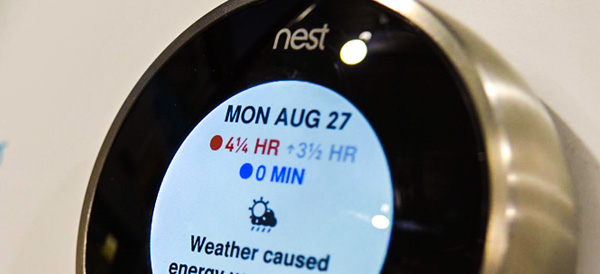
    We’re all trying to be a little more environmentally conscious, right? But for low-income families, it’s not easy being green. That’s why Nest has promised to install a million smart thermostats in low-income homes over the next five years.

    Power to the People

    The initiative is part of Nest’s Power Project, which is focused on reducing energy waste and raising awareness about how homes can become more efficient.

    According to the Power Project, 1 in 5 families spend 20% of their income on energy—far more than the national average. The company hopes to reduce the financial burden of energy waste with this program. It officially launches on Earth Day 2018, the last Sunday in April.

    We’re All in This Together

    Through partnerships with local energy and utility companies, housing organizations such as Fannie Mae, and non-profits, Nest will be able to provide money-saving smart thermostats to households with low to moderate incomes. The Nest E Thermostats will be free or very low cost for these families.

    According to Nest’s head of energy partnerships, Jeff Hamel, the company created the program because “[e]very family deserves to have heat in the cold and light in the dark.”

    Helping Hands

    Nest is committed to giving back and addressing inequality. Through the end of April, Nest will be donating 10 percent of its thermostat proceeds to charity. Nest has also pledged to install a smart thermostat in every house built by Habitat for Humanity during 2018.

    If you’d like to help out with the initiative—or see if you qualify for a free or reduced-cost thermostat—visit Nest’s website. They also provide links to local organizations that can help with energy costs for struggling families.

  • Best Wireless Headphones on a Budget

    Best Wireless Headphones on a Budget

    Whether you’re at the gym, work, traveling, or just relaxing at home, wireless headphones make life easier. These Bluetooth-enabled devices pair with your phone or computer, allowing you to listen to your favorite tunes—or watch a late-night horror movie without disturbing the rest of your household—free from the tangled tether of traditional wired headphones.

    While top brands such as Bose and Beats offer incredible sound quality in their wireless headphones, they also come with a hefty price tag. For the budget conscious consumer, here are 5 of our favorite wireless headphones under $50.

    Skullcandy Uproar

    These headphones combine the classic over-the-ears styling with Bluetooth connectivity and a built-in microphone so you can answer calls. They also come packaged with a remote to control volume and playback. The online reviews are overwhelmingly positive, with 93% of Best Buy customers stating that they would recommend the headphones to a friend.

    JBL T450BT

    Larger than the Skullcandy Uproar, these headphones have a more old-school look. However, they’re foldable for portability. They boast an 11-hour battery life and feature controls on the earcup for volume, playback, and phone calls. For listeners who are all about that bass, JBL delivers! They promise big, booming sound from these lightweight headphones.

    Samsung Level U

    These in-ear headphones are comfortable, lightweight, and last 11 hours on a single charge. The intuitive design has easy-access control buttons and a neck strap that manages not to look too ridiculous when you’re working out at the gym. One word of caution, however; the Level U is not sweatproof, so dedicated exercisers and serious athletes may want to choose a different option.

    Sound Blaster JAM

    These on-ear headphones are easy to use, thanks to the one-click feature that lets you switch between a phone call and your music with a single tap. You can also pump up your jams with the built-in bass-boosting option. The 12-hour battery life and ultralightweight design make these headphones ideal for travel or a long day at the office.

    Anker SoundBuds Slim

    The least expensive headphones on the list are also the best value. With a comfortable in-ear design, carrying pouch, and nifty magnetic earbuds that allow you to wear them like a necklace while not in use, these headphones are fantastic for tossing in your gym bag or purse. They are sweat resistant, but be aware that you’ll only get about 7 hours of use from a single charge.

  • Top 3 Tablets For The Kids

    Top 3 Tablets For The Kids


    The Kids these days love their tech toys, and continue to blow are minds how quickly they can learn to use them and the functions they get out of them. Here is the top beginner tablets for kids that wont break the bank and can handle their abuse.


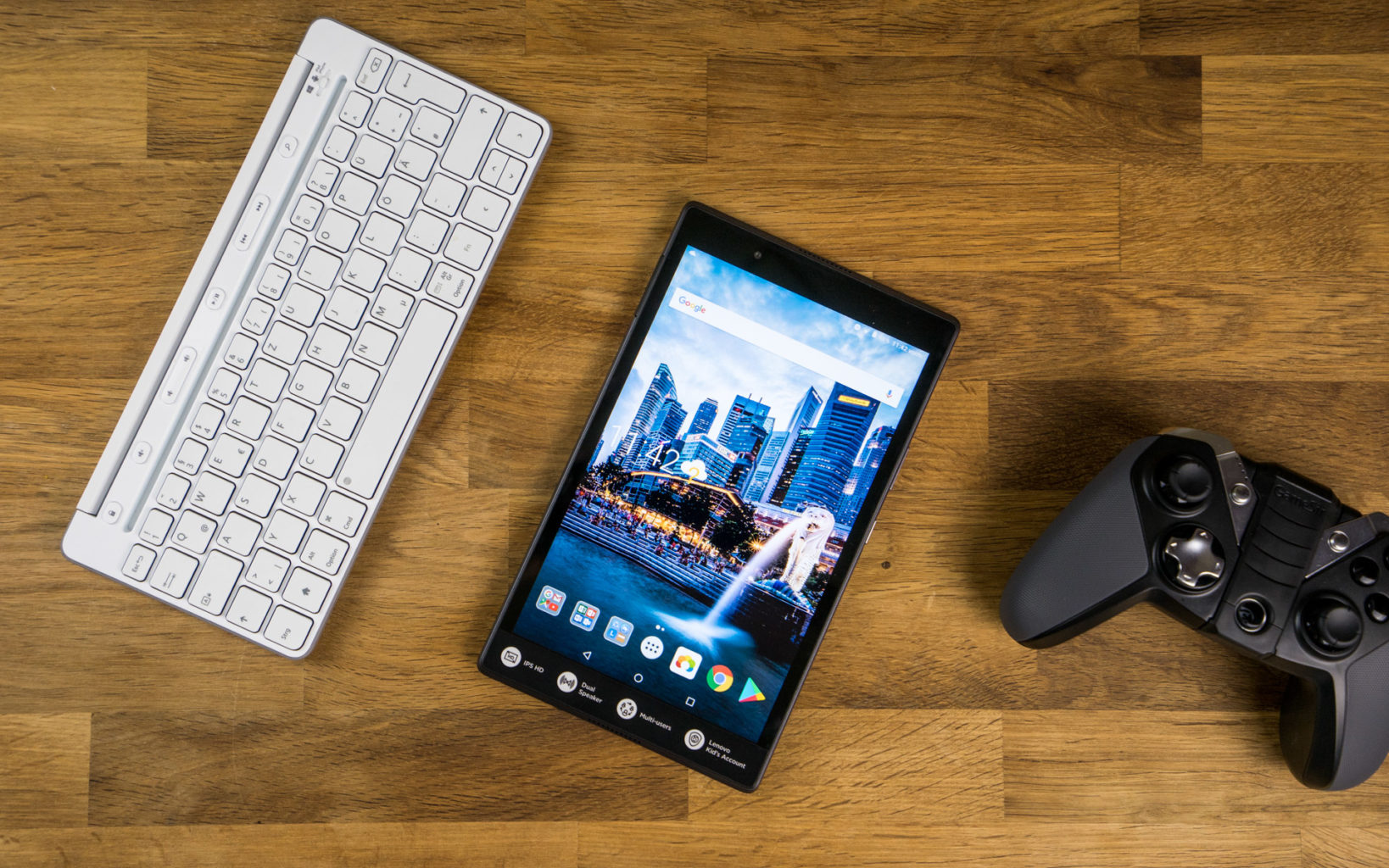
    1.Lenovo Tab 4 8

    Lenovo’s new 8-inch tablet is a good option for slightly older kids, ones with more experience with technology that don’t need the training-wheels of a tablet made for younger tots. Unlike Amazon’s Fire tablets, the Tab 4 8 offers a true Android experience, so you can use Google’s apps without the annoyances and risks involved with side-loading. It also offers good battery life and performance, and a bright, colorful display.

    For $20 extra, you can get Lenovo’s Kids Pack add-on, which includes content curated just for kids, parental controls, options for scheduling and limiting play time, a protective bumper case, stickers and a blue light filter.


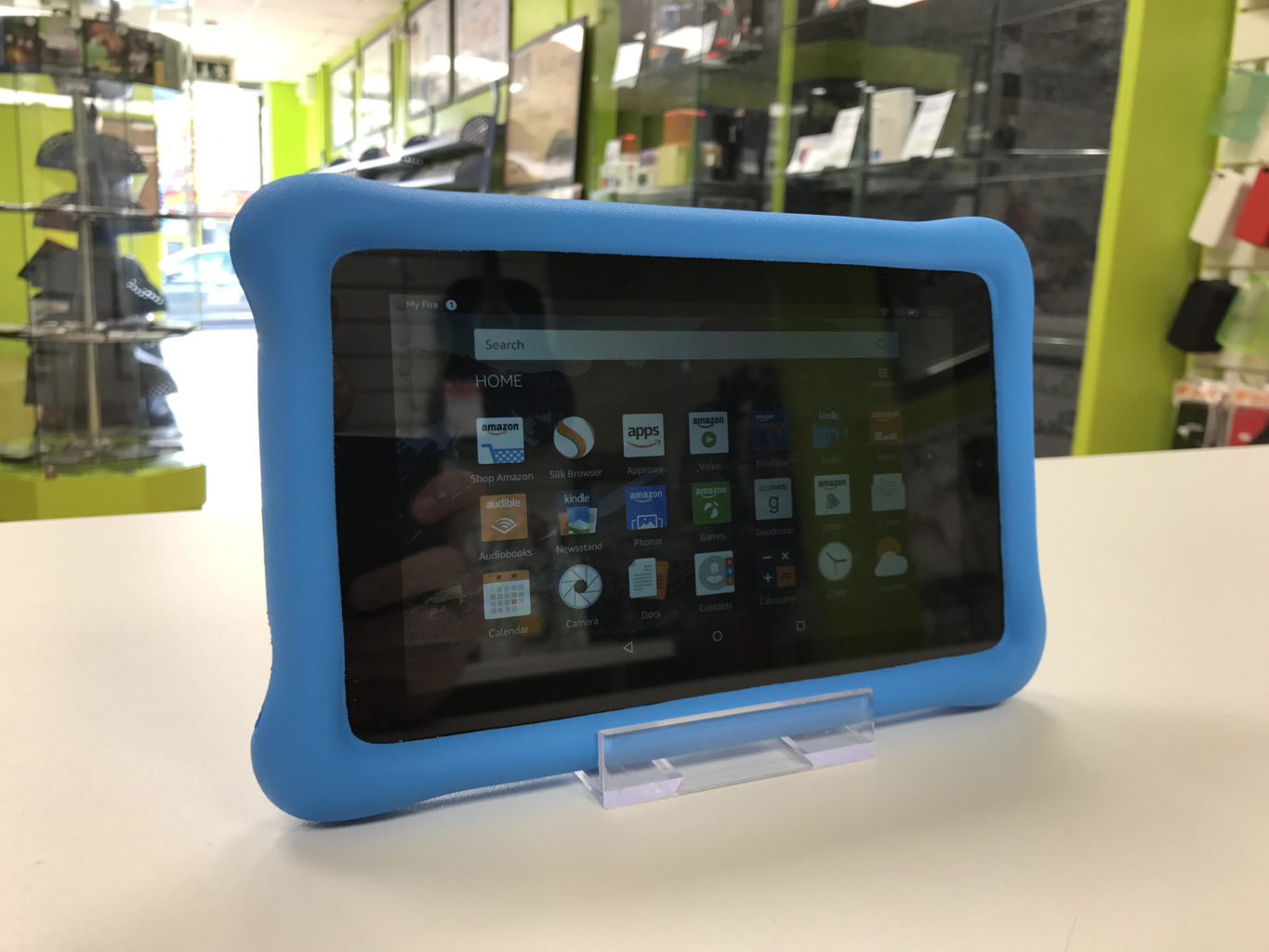
    2.Amazon’s Fire 7 Kids Edition

    .Amazon’s Fire 7 Kids Edition bundles the company’s 7-inch budget tablet ($49 on its own) with a new protective bumper and a year’s subscription to Amazon’s FreeTime Unlimited for just $99 (16GB). Right now, it’s even cheaper, thanks to a sale that knocked it down to the nice price of $69. FreeTime Unlimited gives you more than 10,000 books, videos, educational apps and games curated for children. Plus, a two-year guarantee promises a no-questions-asked replacement if your child destroys the tablet.


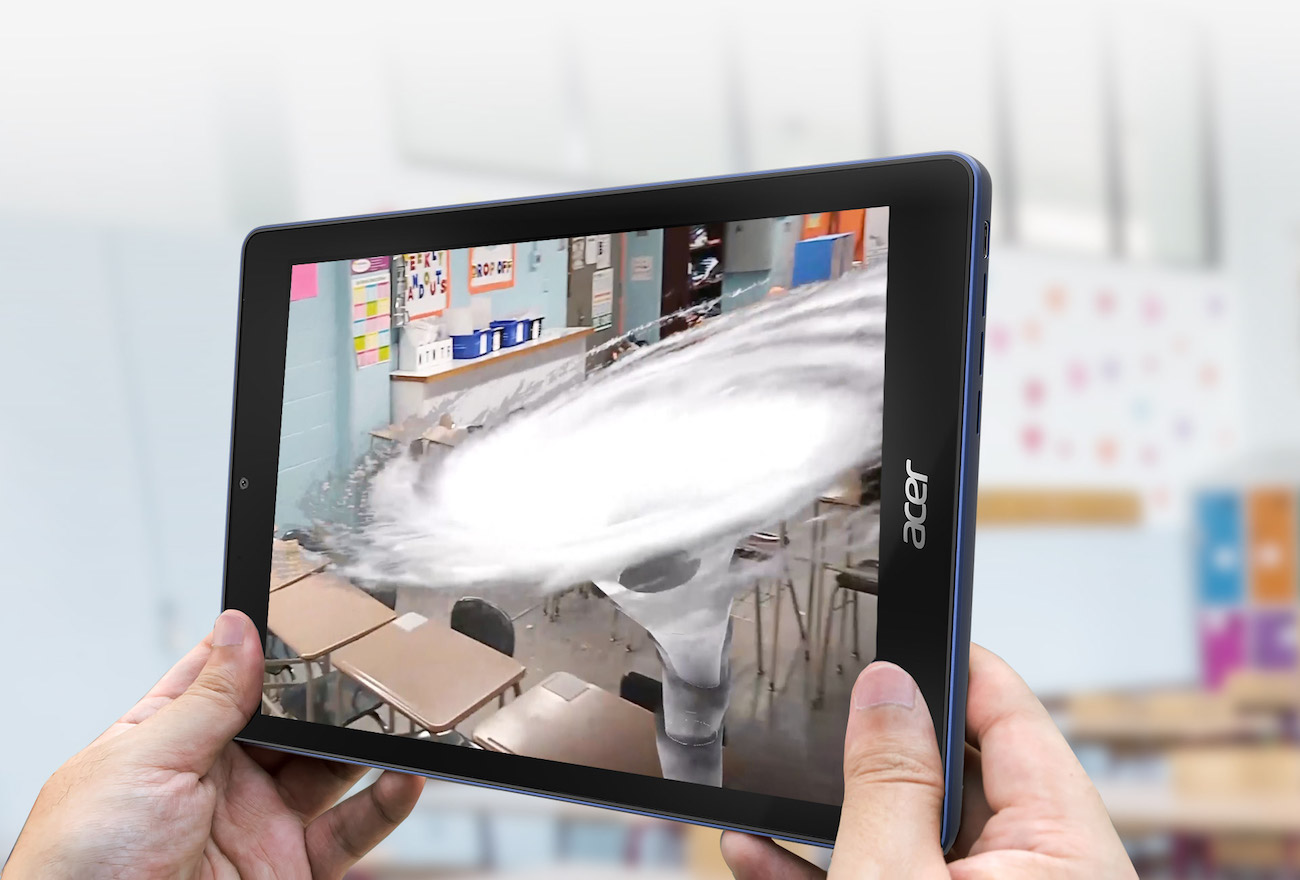
    3.Acer’s Chromebook Tab 10

    Acer’s announced the Chromebook Tab 10, the first tablet running Chrome OS. Made for the classroom, and priced to compete with the 2017 iPad ($329), it features a 9.7-inch, 2048 x 1536-pixel screen, runs on a OP1 CPU with 4GB of RAM and offers 32GB of storage. Includes aWacom EMR stylus and will (eventually) feature Google’s Expeditions AR, a classroom learning tool.


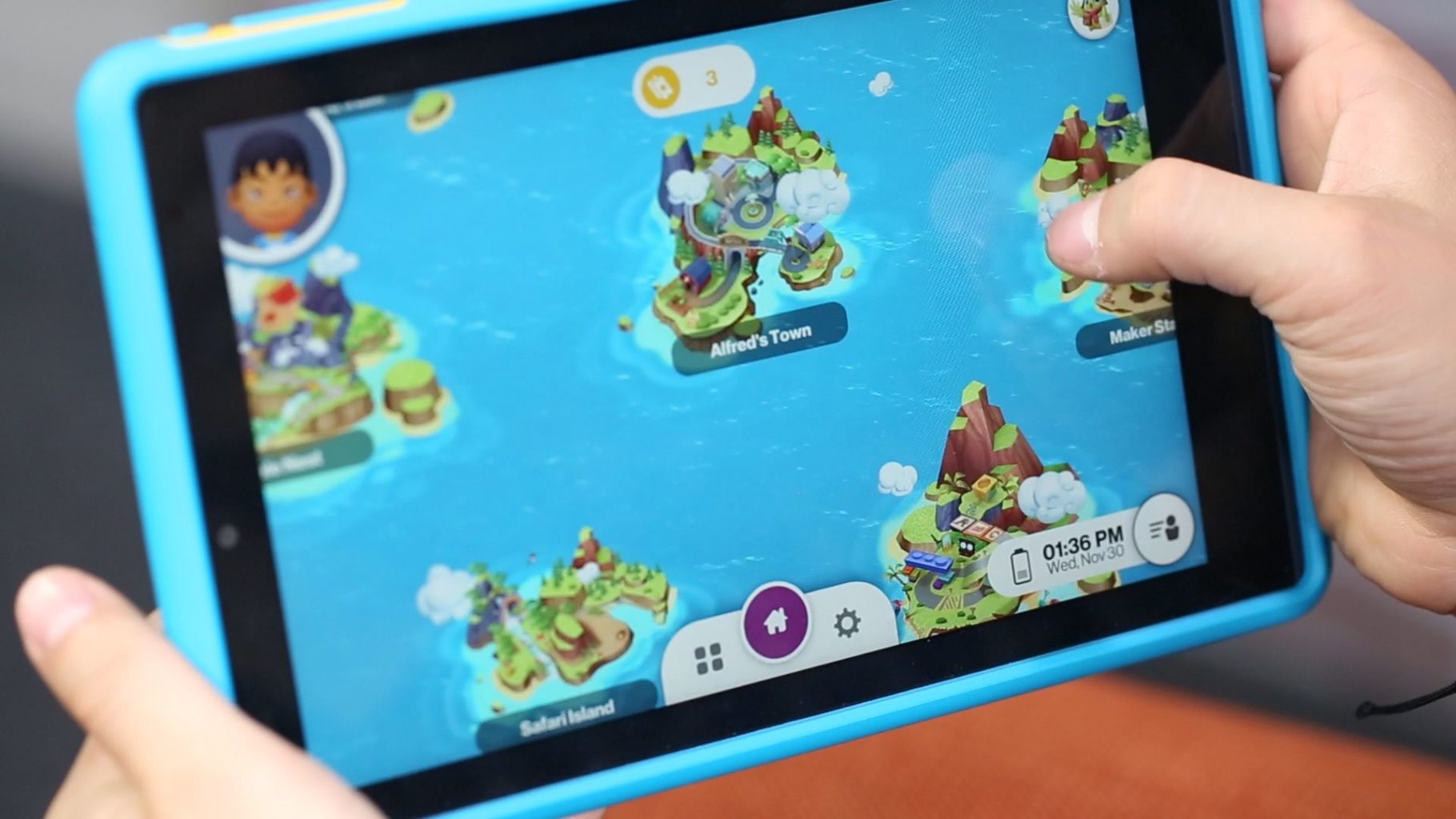
    Honorable Mention: Verizon’s GizmoTab

    Unlike every other tablet on this page, Verizon’s GizmoTab ($80 with a 2-year contract, $250 off-contract) packs LTE connectivity. This way, your kids can never complain about not being able to stream videos or download games on the go. The 8-inch slate comes with a rubber bumper that protects it from falls, so junior can’t break it. If you use the GizmoTab with a Verizon data plan, you’ll get access to 300 kid-friendly apps that offer educational and entertaining experiences.


    The Final Thought

    This generation will prove to be the most knowledgeable, what they do with that knowledge is up to us. They will know where the answers are to any question they can think of, leaving their brain open to progressing those thoughts and answers. Getting them started on the path earlier is probably a good idea and getting the right tablet to do it.

  • Tablet Talk:  ASUS ZenPad Z8s 

    Tablet Talk:  ASUS ZenPad Z8s 

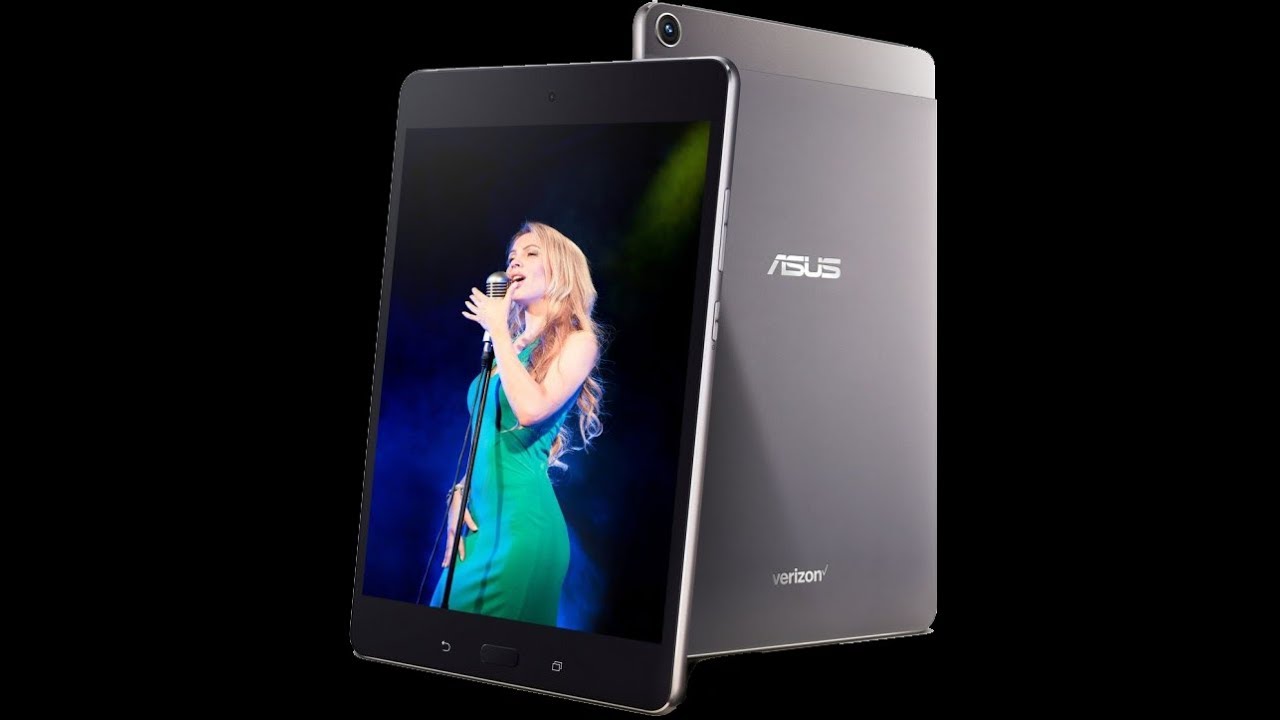
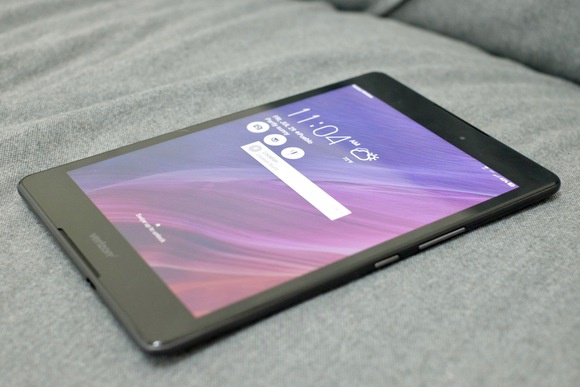
    ASUS ZenPad Z8s  is a Premium 7.9-inch tablet with a stylish, all-metal design, and featuring vivid visuals, cinematic audio, and powerful all-around performance ideal for both entertainment and productivity. ASUS ZenPad Z8s has elegant, modern styling with clean lines and an exquisite metallic texture that feels great to the touch. Its forged aluminum body weighs just 306g, is only 6.9mm thin, and is accented by double, diamond-cut edges, giving ZenPad Z8s a singular beauty that elevates the tablet experience.

    The Great

    • Bright and colorful display
    • Great performance
    • Solid audio
    • Stylish design

    The Not

    •  Verizon Exclusive
    • Short battery life


    The Conclusion

    The Asus ZenPad Z8s is a high-performance tablet that offers a bright display, loud audio and stylish design.


    If you’re a Verizon customer, then you’re in luck, because Asus has an exclusive tablet to serve your media needs. The 8-inch ZenPad Z8s provides a bright display, an impressive sound system and good looks, all for $250. Whether you want to watch videos on YouTube or takes notes in Google Docs, the Asus ZenPad Z8s is a reliable Android tablet that’s worth considering.
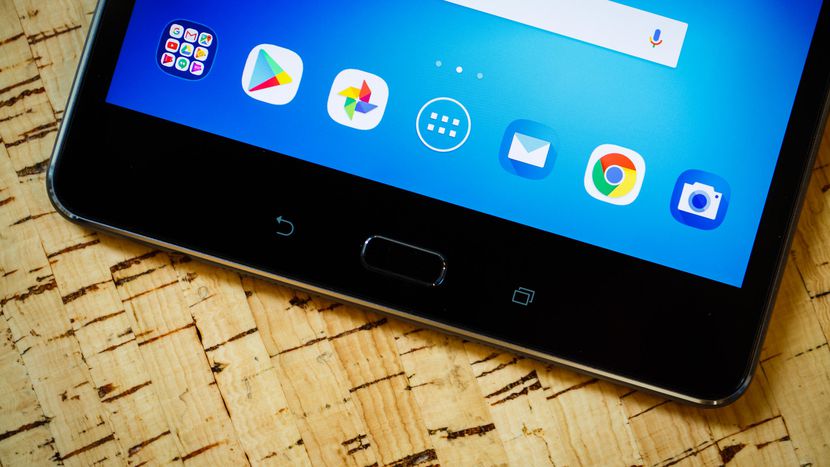
    Design: Stunning

    The Asus ZenPad Z8s measures 8.0 x 5.3 x 0.27 inches and weighs 10.7 ounces, making it the lightest 8-inch tablet I’ve seen so far. Competitors like the Lenovo Tab 4 8 measured 11.2 ounces, while the Amazon Fire HD 8 measured 13 ounces and the 9.7-inch Apple iPad came in at 16.5 ounces.The ZenPad Z8s has a sophisticated appearance. Its aluminum backing is a matte, gunmetal shade with matching plastic sides and a top bezel that houses a 13-megapixel rear shooter. Thin chrome accents decorate the edges of the tablet and rear camera, which really makes the ZenPad Z8s stand out from the competition. A bright silver Asus logo sits in the middle of the shell, while a smaller Verizon logo is situated at the bottom

    The Asus ZenPad Z8S features a Snapdragon 652 Octa-core chipset with an Adreno 510 GPU, 3GB of RAM, and 16GB of internal storage expandable to 128GB via a microSD card.

    The ZenPad Z8S’s performance is generally passable, but not extraordinary. In our testing, it ran most things well, though we did experience slow-downs, occasional delayed response, and dropped framerates in games. The lag is most noticeable while opening the app drawer, Recent Apps or waking the device up. Basically, it seems to struggle with changes to onscreen content. Most of the time it runs smoothly, but the little hiccups are noticeable. Oddly, the default Asus keyboard doesn’t play too nicely with the processor, and feels clunky, but that was nothing a switch to Google’s Gboard couldn’t resolve.

    Quick Speck Look

    • Android 7.0
    • 1.8GHz Snapdragon 652
    • 3GB RAM
    • 16GB internal storage
    • MicroSD card reader, up to 128GB SDXC
    • Micro SIM card slot

    The Final Thought

    The $250 Asus ZenPad Z8s is a speedy media tablet at a decent price. Offering a bright display, great audio and sophisticated design, the ZenPad is hard to beat for the price. And if you’re not sure if you want to shell out the cash all at one time, Verizon offers 24-month financing for $10.41 per month. Or you can opt for a two-year contract and get the ZenPad for $150 instead.

    Shoppers who just want an inexpensive 8-inch tablet may prefer Lenovo’s $128 Tab 4 8 or Amazon’s $80 Fire HD 8, both of which have longer battery life but slower performance. If you don’t mind getting your hands on a slightly bigger screen with better overall specs, then Apple’s $329 iPad may be worth the investment. However, if you just want a 4G Android tablet that you can add to your Verizon line, the ZenPad Z8s is a great choice.

  • 16-Bit Nostalgia with the Sega Genesis Mini

    16-Bit Nostalgia with the Sega Genesis Mini

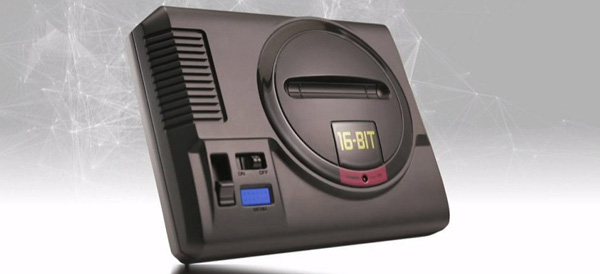
    If you grew up in the 90s, chances were good you had either a Sega or a Nintendo gaming console. Even though technology has moved on, many old-school gamers have fond memories of 16-bit, side-scrolling adventures of their youths. Hot on the heels of Nintendo’s own miniaturized retro consoles, the Sega Genesis (known as the Mega Drive to non-US markets) will be hitting shelves sometime in 2018.

    Call It a Comeback

    In essence, the mini versions of the classic consoles are emulators packaged inside novelty-sized replicas of the originals. After the success of the Nintendo minis, it’s no surprise that Sega is jumping on the bandwagon. But with videogames moving into 3D and VR, not to mention the vast array of mobile gaming apps, these consoles aren’t good for much more than pixilated nostalgia.

    Announced at Sega Fes 2018, the palm-sized device will be able to run familiar titles from the company’s catalog of games through your TV. No word yet on exactly which games will be available, but Sonic the Hedgehog will almost certainly make an appearance.

    Better Than the Flashback?

    This isn’t the first time Sega has tried to cash in on nostalgia. The company partnered with AtGames in 2017 to release the Sega Genesis Flashback, and it turned out to be a disappointment with underwhelming reviews across the board. Despite the lukewarm response to their first attempt, Sega hopes that the new Genesis Mini will prove competitive against their longtime rival Nintendo.

    The Genesis Mini’s release date isn’t yet confirmed, but the company is aiming to coincide with the 30thanniversary of the original console’s debut in October. Expect the price to be comparable to the $80 Super NES re-release.

  • Intel’s Hades Canyon NUC Packs a Powerful Punch

    Intel’s Hades Canyon NUC Packs a Powerful Punch

    Intel promised to deliver the “next unit of computing” with their NUC small form-factor desktop personal computers. Eight generations out, the Hades Canyon NUC is a big step forward in mini-desktop computing.

    Meet the Next Generation

    Although it’s small, the Hades Canyon NUC is mighty. With the iconic skull logo displayed on the top of the box, the machine is a sleek, matte black powerhouse. Similar in price to other mini-desktops, the $999 price tag may be a turnoff to more casual consumers. Tech-heads and tinkerers, however, will love the flexibility, portability, and power of this little machine.

    Under the Hood

    Like other small form-factor, the Hades Canyon NUC is a bare-bones machine, so consumers will need to provide their own RAM, storage, and OS. Because of the easy-access design of the box, it’s relatively simple to access the internal ports. With the Core i7 processor and AMD’s RX Vega M GPU, it has more than enough graphics power to run the latest games or a VR headset with no evident lag. The closed-loop liquid cooling system keeps things running smoothly and reduces fan noise—an improvement over previous generations.

    Ports and Portability

    Considering its size, the Hades Canyon NUC offers a huge number of ports, including an SD card slot, six USB 3.0 ports, two HDMI ports, and two headphone jacks. The machine is VR-friendly, with the Oculus Rift’s headset and sensors easily connecting with plenty of room to spare.

    Although Intel claims this is the smallest VR-capable machine on the market, the box is double the size of the previous generation. The size of the power supply is also an issue; nearly the same size and weight as the box itself, the bulky power supply limits the portability of the device.

    Ideal for use as a gaming computer or home entertainment system, Intel’s latest machine proves that good things come in small packages.

  • Amazon Is Coming to a Best Buy Near You

    Amazon Is Coming to a Best Buy Near You

    As the old saying goes, “If you can’t beat ‘em, join ‘em.” Although they have long been battling each other in the arena of consumer electronics, Best Buy has decided to join forces with Amazon. Beginning in summer of 2018, Best Buy will be the only place you can get Amazon’s new Alexa-enabled smart TVs.

    It’s All About Alexa

    Available in their brick-and-mortar stores, on the bestbuy.com website, and through the new Best Buy seller’s portal on Amazon, the 10+ new smart TV models feature the Fire TV operating system. Fire TV allows users to operate their device with the same voice commands as the Amazon Echo and other Alexa-enabled products such as the Fire Stick.

    The Fire TVs will be manufactured by Toshiba and Best Buy’s own Insignia brand. Although prices have not yet been released, the TVs promise to be an upgrade over the previous Amazon offerings sold at Walmart, Target, and other big box stores.

    This news comes as a blow to smart TV competitor Roku, whose televisions will no longer be manufactured by Insignia as part of the new partnership. Roku stocks tumbled nearly 10 percent when the deal was announced. Best Buy plans to continue offering Roku devices in store, but it’s clear that they are betting big on Amazon.

    Mutually Beneficial

    By bringing more customers into their retail locations, Best Buy hopes to see increased sales across the board. Amazon, meanwhile, can introduce potential buyers to its HD and 4K TV models in a brick-and-mortar showroom. This may be a risky move for Best Buy, which has struggled to establish its own online retail presence to compete with the Amazon juggernaut, but for now, the former rivals are committed to their new partnership.