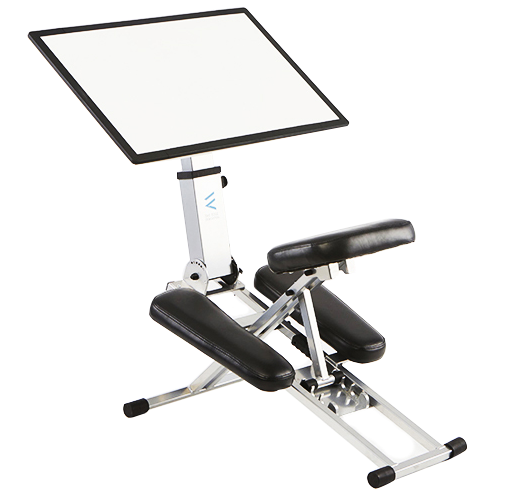
After experiencing a great amount of success on Kickstarter, the Edge Desk is now available. The $400 portable desk is a great choice for those looking for a portable home office that scan stow away in a closet or under a bed.
Unusual Seating Arrangement
The seat of the slim personal desk is a little odd. You kneel in it like a massage chair. While it might look awkward, it’s actually quite comfortable and encourages good posture. Slouching while working is a big problem for many, especially in home offices. The Edge Desk looks to combat that with its unique seat design. The seat is also one of the reasons the desk can fold up to be as small as it is, as it is key to the folding process.
Convenient Adjustable Surface
The desk’s surface is adjustable in nearly every way. Height, orientation and angle are all adjustable to user specifications, ensuring you’re always comfortable while working. The best part is, even bigger users can make use of the desk: it’s rated for up to 250 lbs., and users up to 6’2″.
Attachments
Add-on attachments are also available for the desk. A phone holder and water bottle holder are notable examples. While they’re not necessary, they help you to customize the desk to make sure it’s comfortable and useful.
Edge Desk Bottom Line
The Edge Desk won’t be replacing normal home desks anytime soon. However, for those that travel often or have limited space, it’s a great device. If you live in a small apartment and want a comfortable all-in-one that stows easily, this is for you. The price is a bit steep, but it’s a high-quality, useful product for what it does. If this is for you, you knew as soon as you saw the picture. If it isn’t, you’re likely saying “who would pay $400 for a desk you have to kneel in?” To which we say, touché.
San Diego Comic Con starts on July 19th, which means we’re less than a month away from the biggest comic book show in the world. Comics aren’t the only focus of the mega-convention, though: movies, TV and video games are always heavily featured. What kinds of things can we expect to see, or not, at the show? Let’s talk comics!
DC Shows and Movies
The Warner Bros DC TV shows like Arrow, Black Lightning, Flash and more will be there. They’ve all confirmed their presence at panels, and we can expect to see trailers and teasers for all of them. That’s great news for fans of DC’s TV offerings! Also, given that there will be an Avengers-sized hole in the panels this year, it’s a great time for DC’s movies to make a splash. And who better to splash than Aquaman? A full trailer will certainly be on display at the show this year.
Other DC movies we’re likely to see something from are Wonder Woman 1984, the Joker movie, Shazam and maybe even that new Batman project. Since every DC movie except Wonder Woman has been entirely forgettable, the strength of their next projects is entirely up in the air. While we have high hopes, we’re keeping our expectations realistic.
Fox’s Properties
The next two X-Men films, Dark Phoenix and New Mutants, will almost certainly be on display. However, the pending merger with Disney (or maybe Comcast, who knows right now,) could throw a wrench in those films’ production. If the MCU and the X-Men Universe are able to merge successfully, we’re likely to see the repercussions of that as soon as 2019.
Other properties we’ll be seeing are the various X-Men TV shows. Legion, Runaways and the Gifted would likely all be on display.
Sony’s Spidey-Films
Venom and Spider-Verse are set to release later this year. More trailers for both of them are expected, and possibly panels featuring their casts. Fans are cautiously optimistic about Venom, and downright ecstatic about Spider-Verse. Keep your eyes peeled on this one.
Notably Missing From Comic-Con: The MCU Films
Spoiler warning for Infinity War! After the Snappening, the MCU is about half as populated as it was. The secrecy around Avengers 4 is still swirling and extends to the SDCC festivities. For the first time since the MCU launched, Marvel won’t have a film panel. The only film coming out between SDCC and Avengers 4, though, is Captain Marvel. While we still have few details regarding that project, we were hoping to see something about it at Comic-Con.
That said, Marvel has promised details about its upcoming Netflix series Iron Fist are going to be the center of their Comic-Con showing. That’s pretty exciting if you’re an Iron Fist fan like me! After seeing the character’s more comic-like personality in Luke Cage Season 2, I couldn’t be more excited to see the martial artist return to the small screen.
Believe it or not, some people still prefer a physical keyboard on their smartphones. BlackBerry was quite well-known in the early 2000’s for making early smartphones. And yes, those had physical keyboards too. The release of the iPhone brought about a near-universal change in the realm of smartphones, though, and most manufacturers scrapped physical buttons. It’s hard to imagine now, but at the time the digital keyboard of the iPhone was revolutionary. The tables have turned, now, as BlackBerry attempts to make physical keyboard cool again and is met with skepticism.
The Titular Keyboard
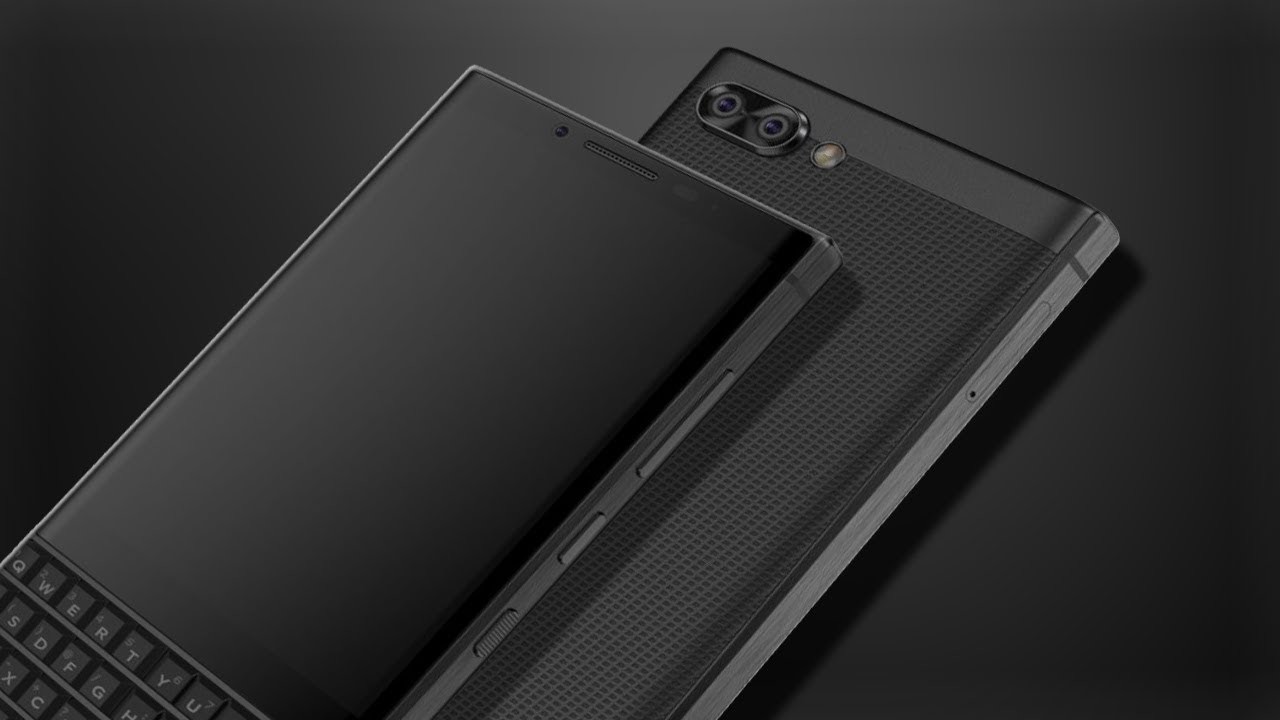
The most surprising thing about the Key 2 is that there was a KeyOne. Alright, jokes at BlackBerry’s expense aside, the Key 2 is better than its predecessor in every way. The keys are more distinct and taller, and they’ve got great grip. The issue, though, is how tiny and cramped the keyboard has to be. As you can tell, having this keyboard on the bottom of the phone cuts down on how much screen you can have. The phone is still almost awkwardly long with the shortened screen, and you can thank the keyboard for that.
While I understand that there are users who don’t want to give up their physical keyboards, the keyboard here compromises a lot to be attached to a smartphone. It simply serves too many masters: it’s far too small for comfortable typing and far too large to be convenient on a smartphone. It just reminds me of why smartphones moved away from physical keys.
Key-Based Shortcuts
The one cool thing the keyboard is capable of, though, is the shortcut feature. Every key on the face can be bound to a different app and called up with a short or long press. This functionality is one of the few that inspires confidence in the keyboard design decision. That said, the functionality isn’t quite enough to justify the keyboard for those accustomed to normal smartphones.
Laggy Touch Screen, Unpolished Operating System
The touchscreen isn’t very responsive; users will find themselves pressing the screen multiple times to no avail. The lag and slowdown would have been unforgivable in 2007 after the iPhone release, and it’s downright embarrassing now in 2018. If BlackBerry wants the Key 2 to be taken seriously, it has to function as well as other flagship smartphones. The most telling sign of the unpolished nature of this product, though, is in the UI. Some apps, like G Mail, will pull up a digital keyboard when opened. That keyboard can’t be closed, and, given the Key 2’s small screen, leaves very little real estate for viewing messages. It’s not a deal breaker, but combined with the phones other shortcomings, it makes it hard to recommend.
BlackBerry Key 2 Release Info
The Key 2 is set to release on July 13th, and will run on Android. It’s MSRP is $649, which, when compared to the competition, is somewhat laughable. If you absolutely must have a physical keyboard, this isn’t the worst phone ever. However, for the price, you can find much better options in both Android and iPhone lines.
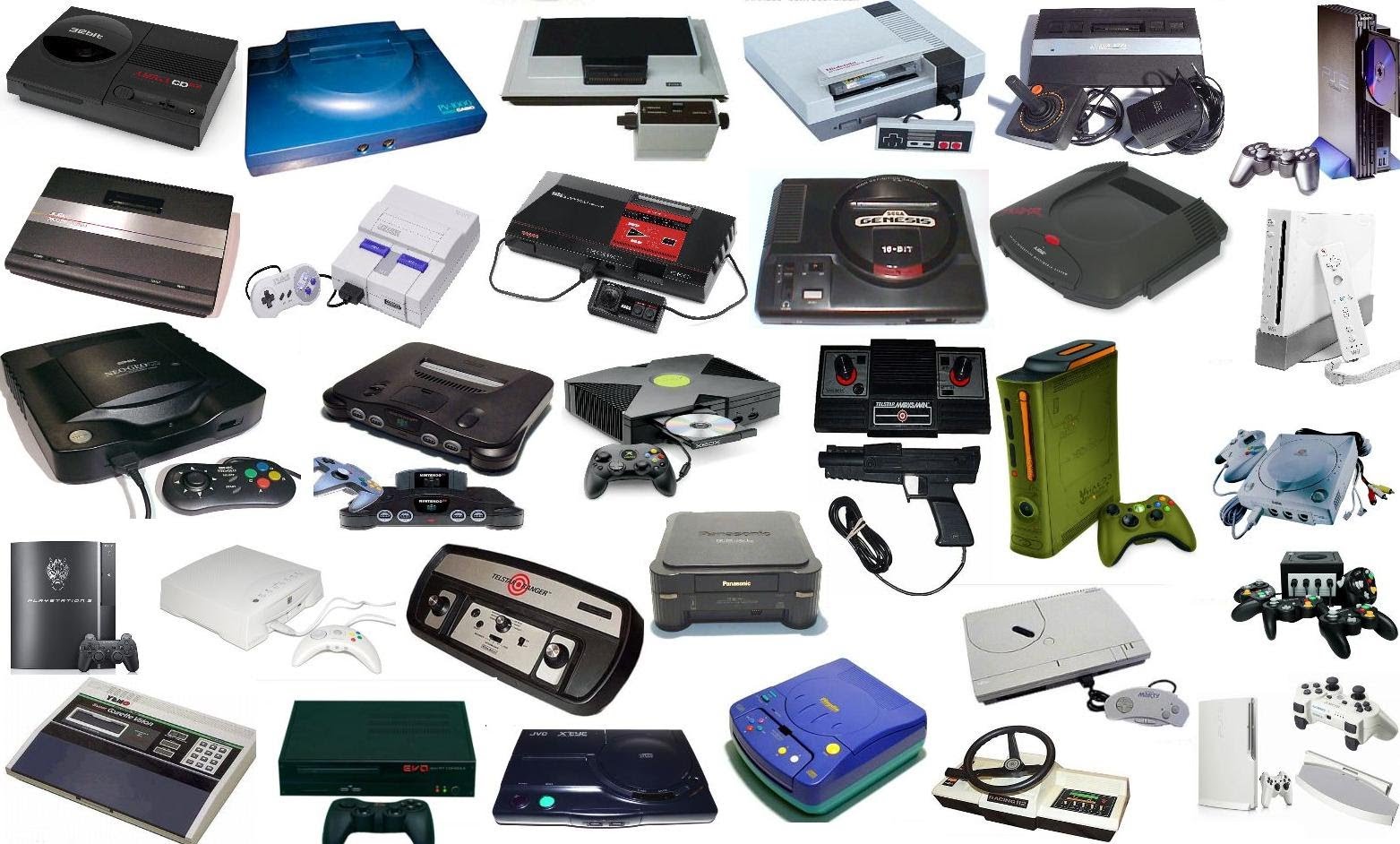
Today, instead of our usual Top Ten, we’re bringing you a Flop Ten! Everyone loves to look back at their favorite game consoles and remember the great times they had with them. However, it’s almost as fun to go back and poke fun at the worst consoles of all time. Today, we’re counting down the console flops that have defined their eras. From systems that failed despite being awesome, like the Dreamcast, to systems that were just plain awful, like the Virtual Boy, we’re counting them down. Let’s talk flops!
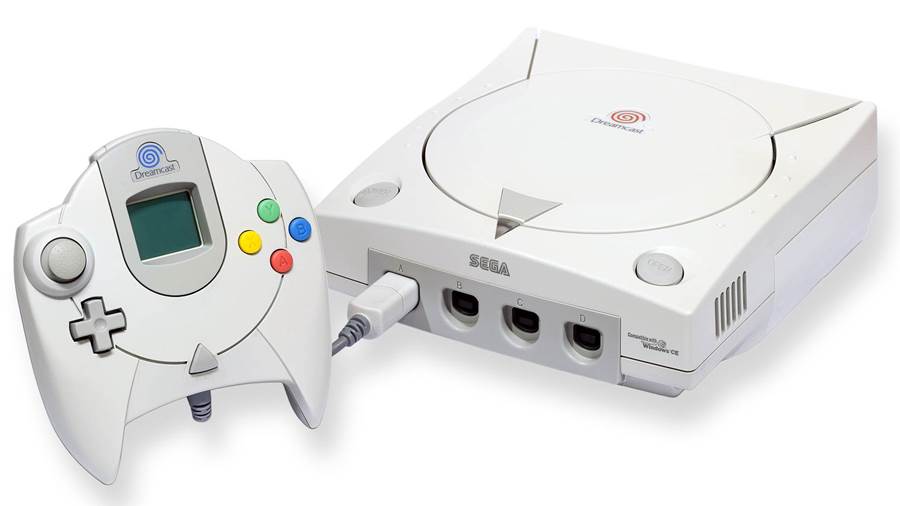
One of the saddest tales in gaming is of the crash of Sega. Sega was a bold company, unafraid to do literally whatever they thought would be cool. It was really their greatest strength: they had no fear! Going toe-to-toe with industry giant Nintendo was a no-brainer for the “no guts, no glory” company Sega. By the late nineties, though, after the failure of the Saturn and it’s many peripherals, Sega was in dire straits. So, their last hurrah was the release of the Dreamcast, an ostensibly excellent console that was doomed from the get-go. As console flops go, this one hurts.
Shenmue, Sonic Adventure and Crazy Taxi were some of the best releases at the turn of the century. However, Sega’s name didn’t inspire confidence in gamers, and Sony’s PS2 was on the horizon. Many gamers saw Sony as the new Sega, and as they believed it, so it was. The Dreamcast was to be Sega’s last home console, and the company transitioned to a third-party developer. Those who remember the Sega of 90’s still miss the bold, risk-taking Sega of that era, though.
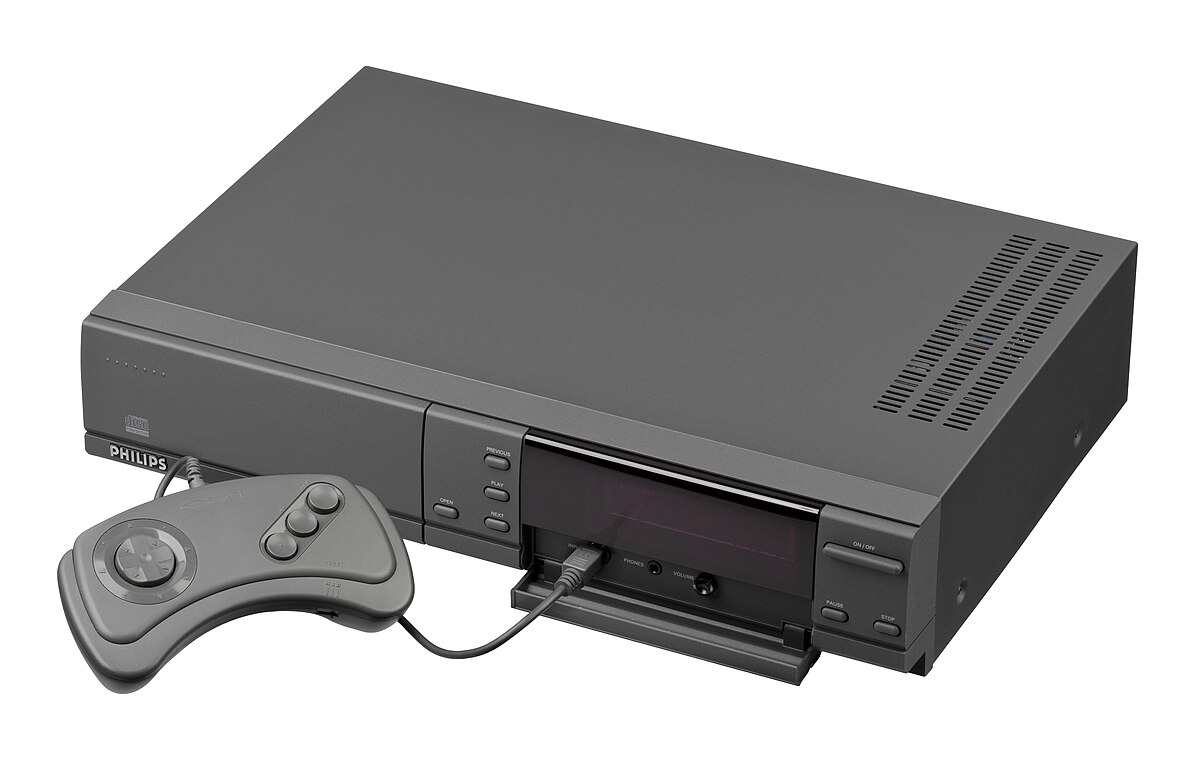
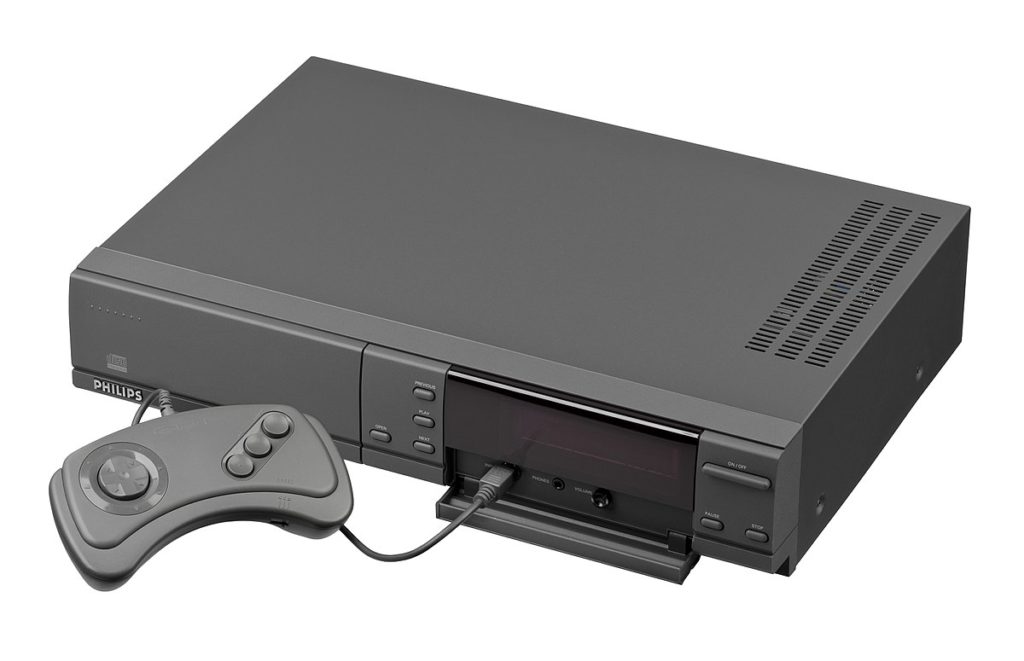
You might not have heard of the CD-I, but you’ve certainly heard of the terrible Legend of Zelda games released on it. Yeah, those, with the voice acting and hand-drawn animations. The CD-I was meant to be the step between home CD player and home computer. It was effectively a giant, glorified disk drive. And it was super weird, even at the time. It was released in 1991 for $700. If that sounds like it was a lot of money, go ahead and account for thirty years of inflation. Needless to say, Phillips didn’t make the mistake of entering the console wars again. While many console flops are due to marketing, this one was a more holistic “meh” reaction by the industry as a whole.
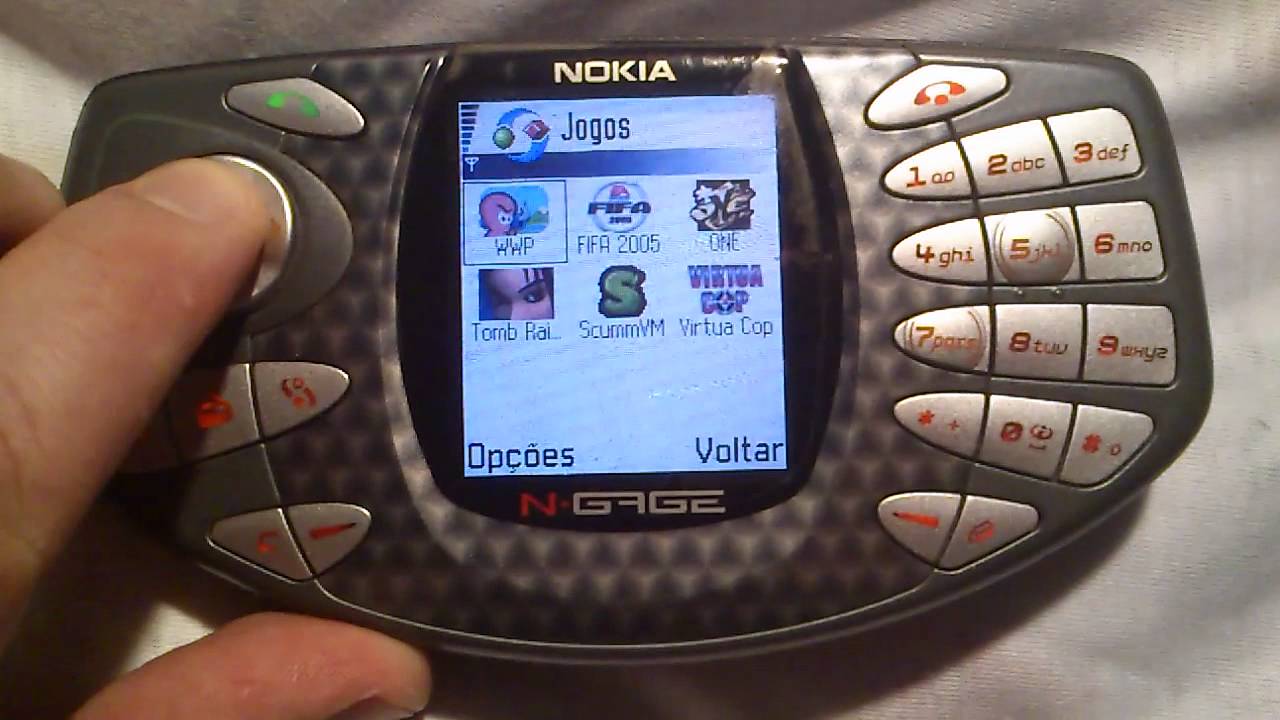
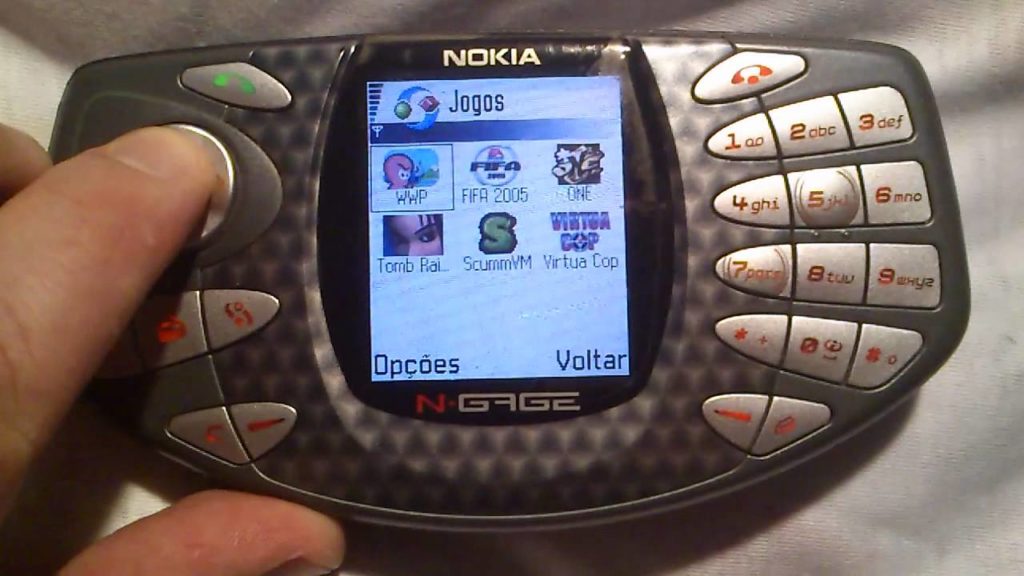
What a positively ridiculous idea, said everyone in 2003 as Nokia released this console/phone hybrid. Nokia’s idea with the Taco Phone was that gamers carried both cell phones and GameBoys. Why not combine these two pieces of technology into a freaking taco? Jokes aside, this thing bombed. No one wanted to play games with phone buttons, and no one wanted to talk into a taco-shaped gaming console. Nokia managed to fail to make the system appealing to any markets at all. A week after release, the system saw a $100 discount, but to no avail.
A year later, Nokia released a redesign called the N-Gage QD that was meant to address the problems of the first model. However, no one even took notice and the gaming community at large saw the platform as little more than a joke. Meanwhile, the GameBoy outsold the N-Gage literally 100-to-1. The moral of this story, and one that you’ll see later in this list, is “don’t mess with Nintendo’s handheld market.” Handheld console flops are a dime a dozen, and N-Gage is the poster boy of them.
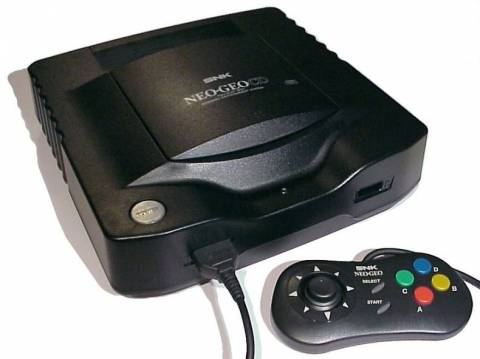
The 90’s, affectionately remembered as the “Disposable Era,” saw the birth of many absolutely terrible gaming consoles. One notable example is the final home console released by SNK, the Neo Geo CD. Between its small game library and long loading time, the Neo Geo wasn’t poised to tackle any of the consoles of the mid-90’s. It was released in 1995 in North America but had been available in Europe and Japan the year before. By the time it hit American stores, though, it had to compete with the more powerful PlayStation and N64. Seeing as how you’ve heard of PlayStation and Nintendo, you can probably guess how things ended for SNK.
For what it’s worth, the Neo Geo X handheld did eventually resurrect the once-dead console line. That handheld also went the way of its predecessors, though, tanking nearly a year after release. It’s tough to be SNK, it seems.
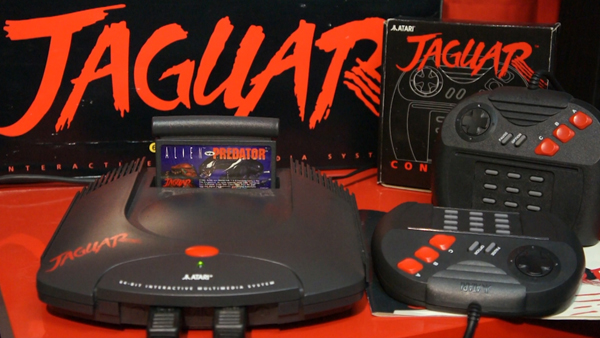
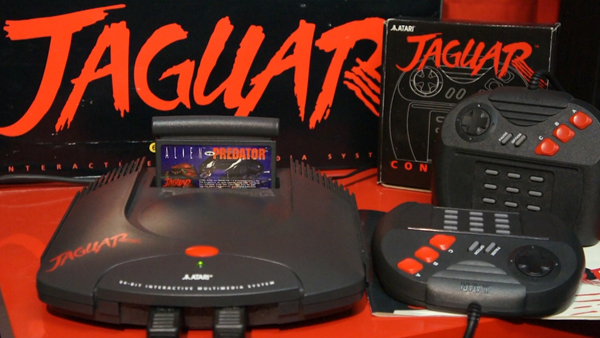
Atari struggled to find its footing again after the Video Game Crash in the mid-80’s. Nothing exemplifies that better than the botched Atari Jaguar. The system was actually much more powerful than the SNES and Genesis systems, but the games released for it were mostly garbage. A ton of rushed shovel-ware and underdeveloped games brought the system down. It was to be Atari’s final entry in the home console market. While the company plans to release a throwback console next year, their once-great name is now synonymous with an era of forgettable, poorly-made games.
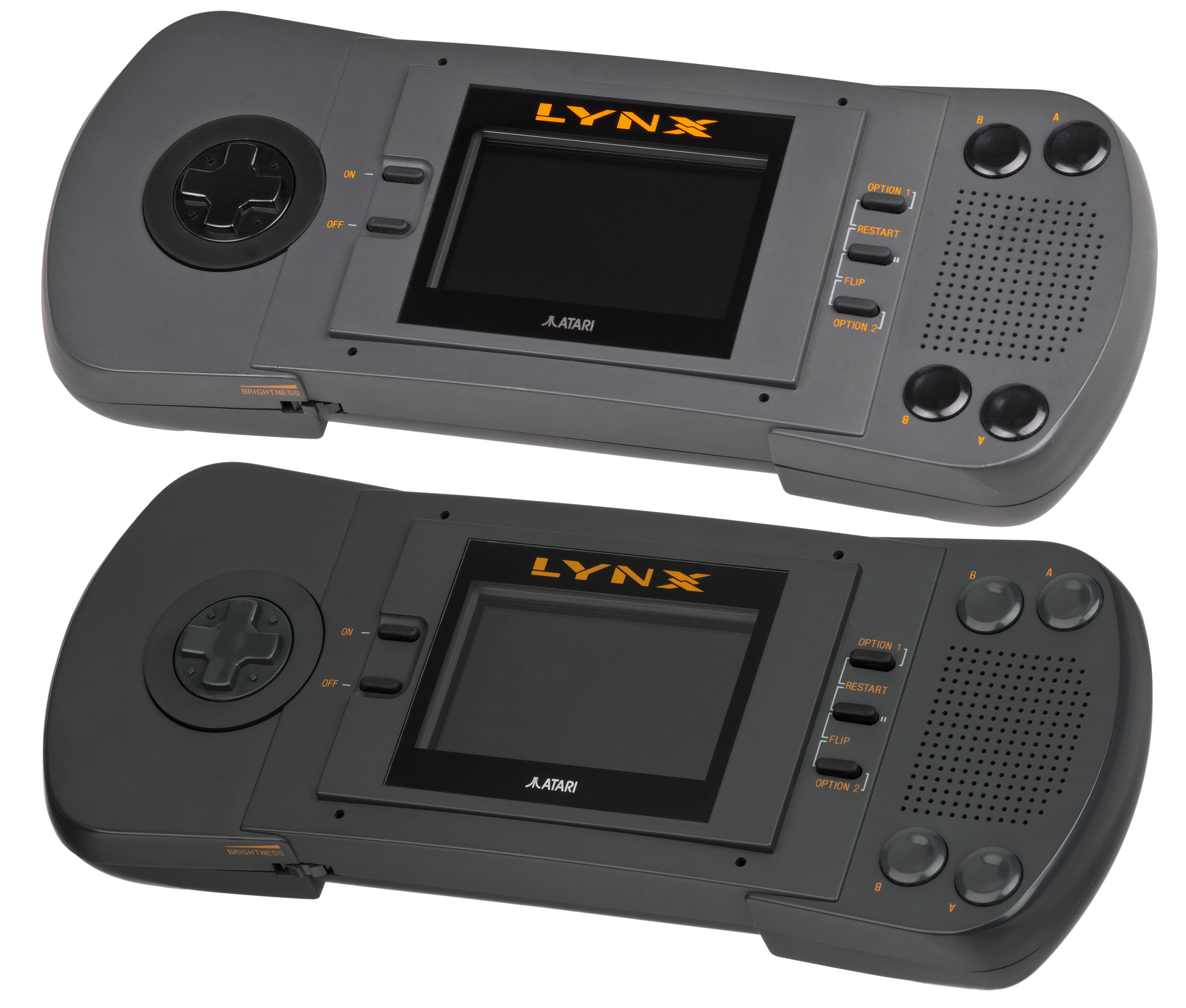
5. Atari Lynx
Photo Credit: Atari Age
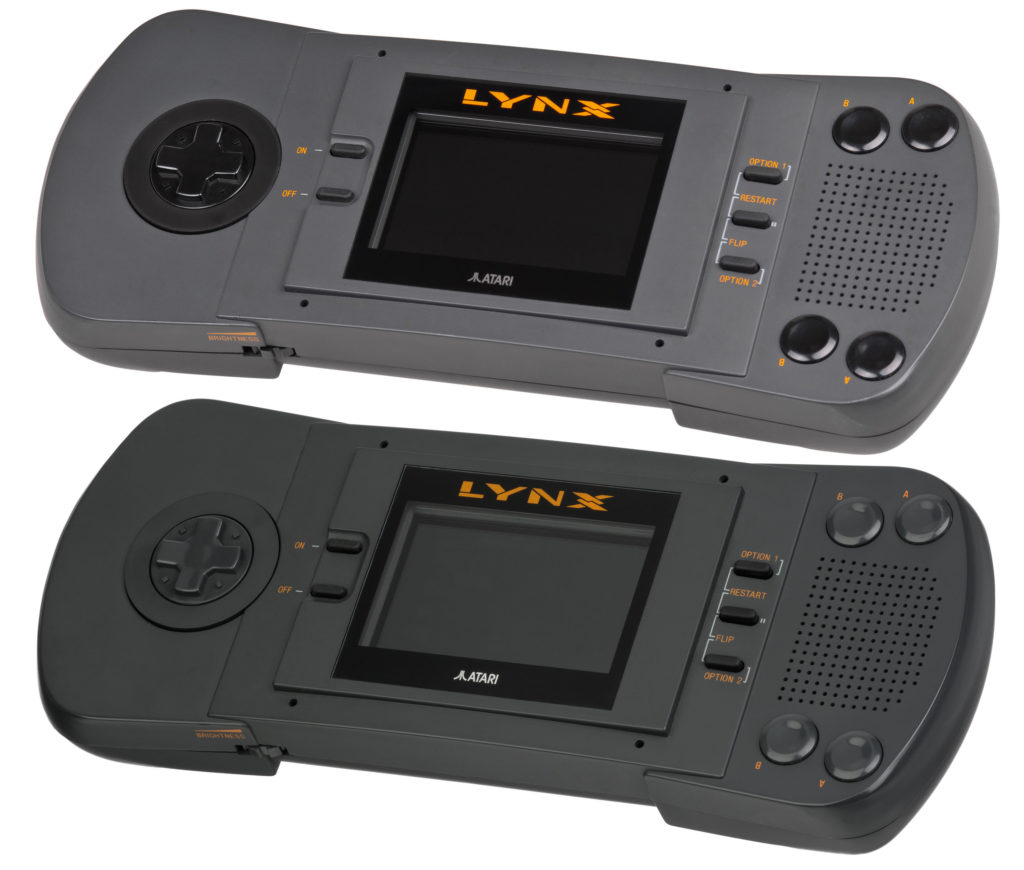
Remember when I said you really shouldn’t try to fight Nintendo on the handheld market? I meant it. Atari learned that lesson the hard way with the ill-fated Atari Lynx in 1989. The system was certainly more powerful than the GameBoy. It had a full-color screen, it sported more buttons and a much sleeker design. But it didn’t have Tetris, or Mario. And, as such, it was doomed to fail. While the system would go on to sell around 3 million units, the GameBoy sold 16 million units in 1991 alone. By 1996, Atari was on its last legs thanks to the failure of the Lynx and Jaguar. Atari sold out to Hasbro that year, thus signaling the end of an era.
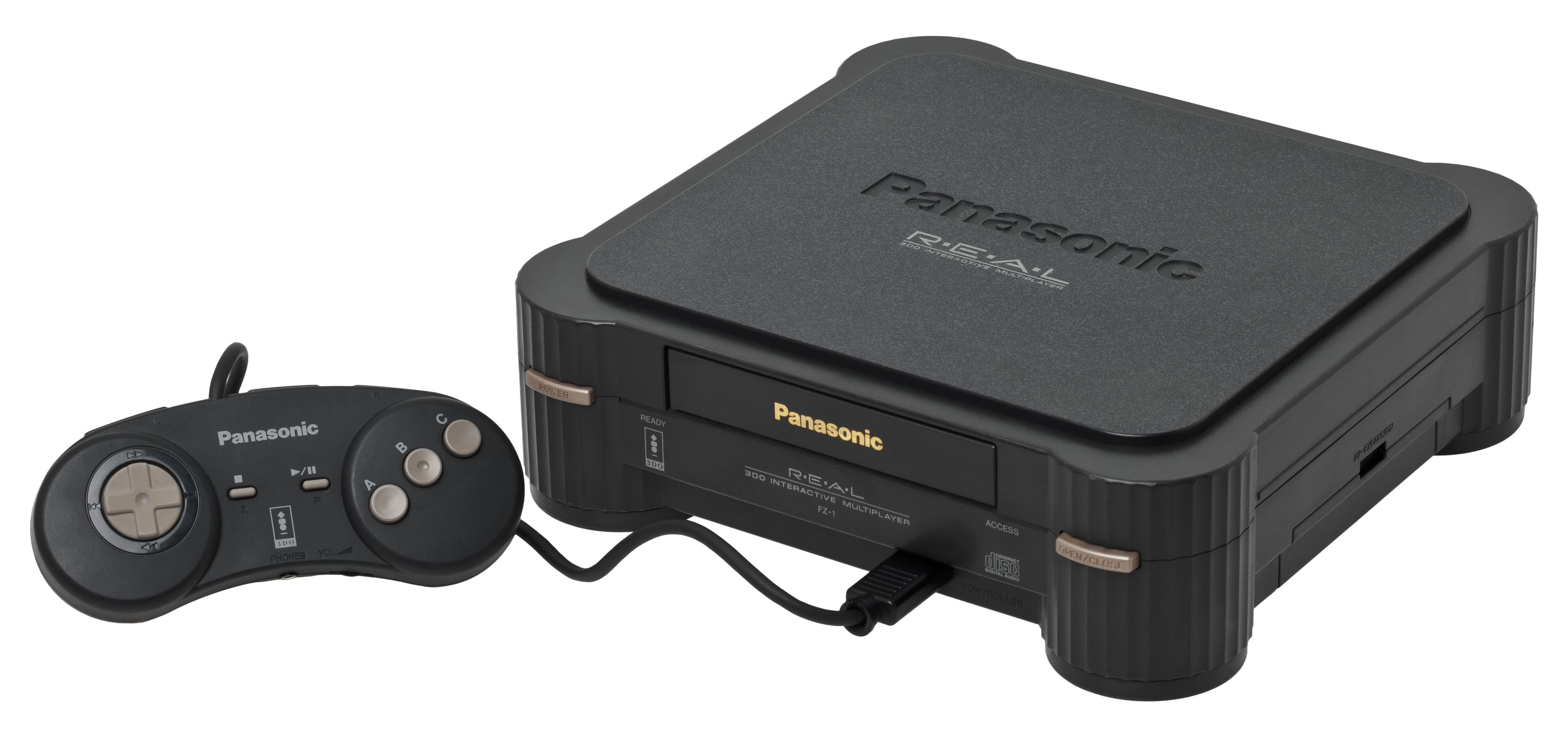
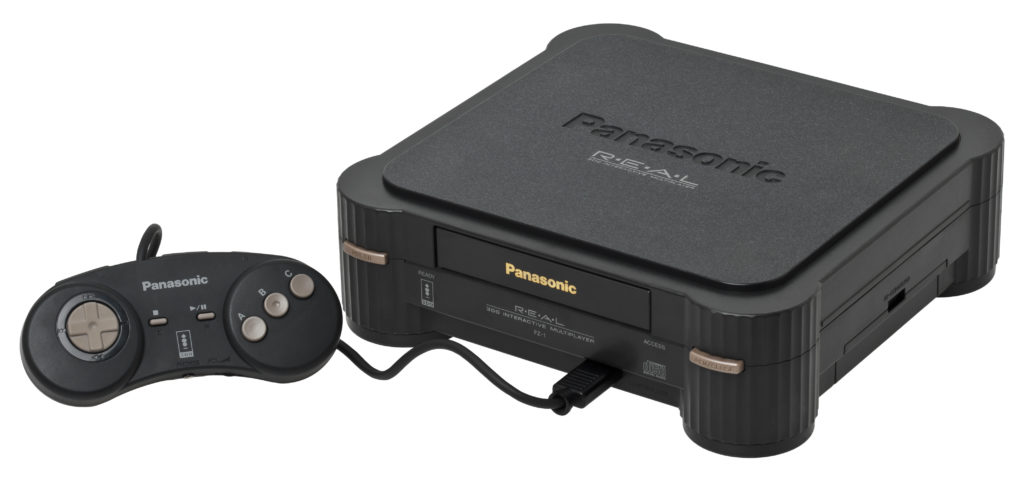
The 3DO, released in 1993, is an example of how poor marketing and pricing can kill an otherwise great system. Despite a strong library of games and good multimedia applications, the 3DO stumbled after the release of the Sega Saturn and PlayStation. The exorbitant price point, $700, didn’t drop until the system was already dead in the water. If the system had been priced more aggressively it could have sold better, but the company was stubborn. The rest is history; have you ever even heard of 3DO? Other companies could learn from their mistakes.
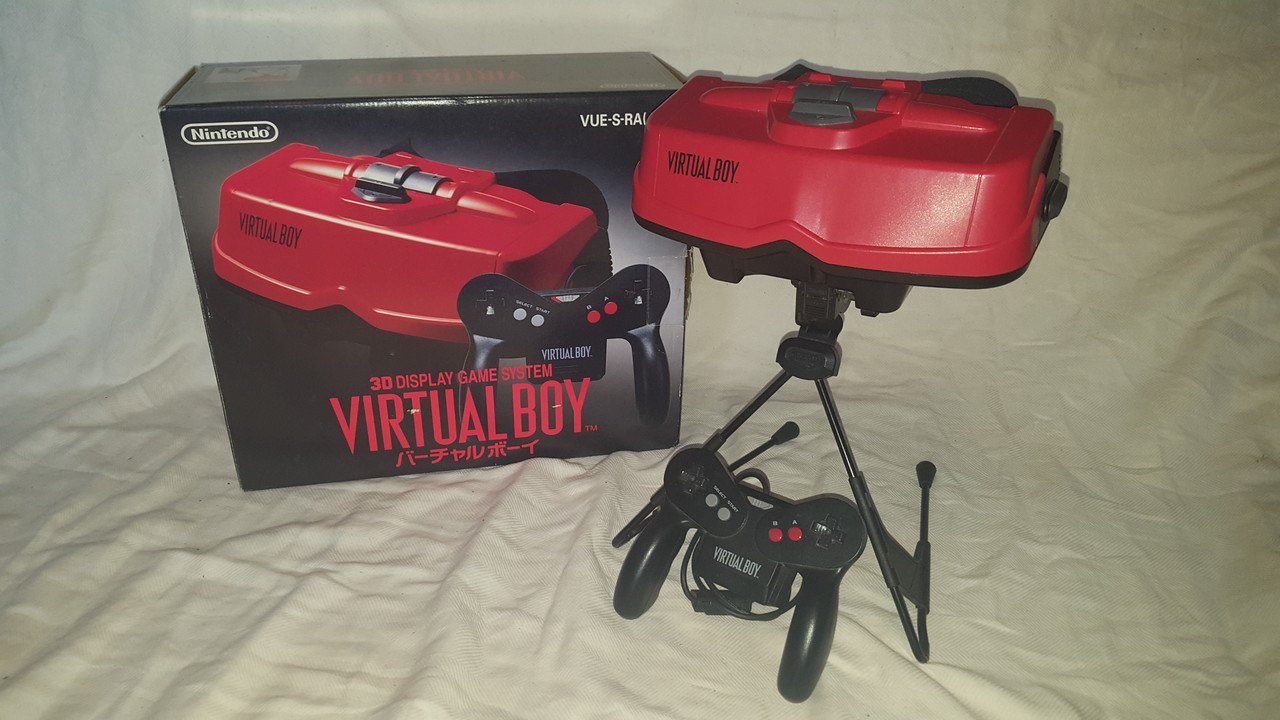
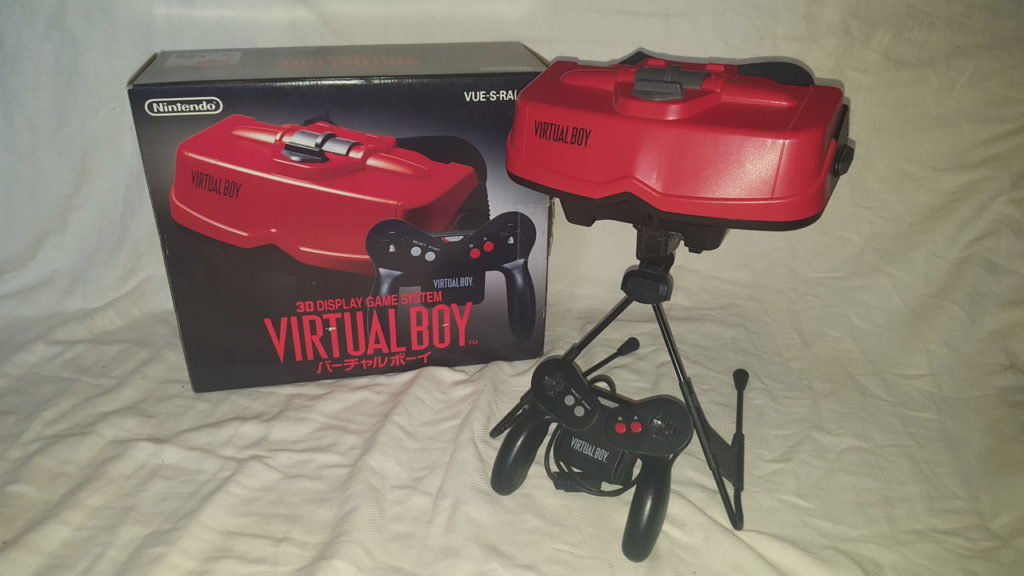
This eye-strain inducing virtual reality console was Nintendo’s first big console flop, but it wouldn’t be their last. Brainchild of GameBoy creator Gunpei Yokoi, the Virtual Boy was meant to appeal to older gamers who wanted a “fully-immersive” experience. Instead, the mono-chromatic red display and awkward headset just hurt people’s eyes and necks. The games themselves weren’t exactly very inspired, either. As the first major video game miss for the ascendant Nintendo, the Virtual Boy marked Yokoi’s exit from the company. The GameBoy Pocket would release after the virtual boy to mild success, but many blame the Virtual Boy for Yokoi’s departure. One thing’s for sure, though: the Virtual Boy sucked.
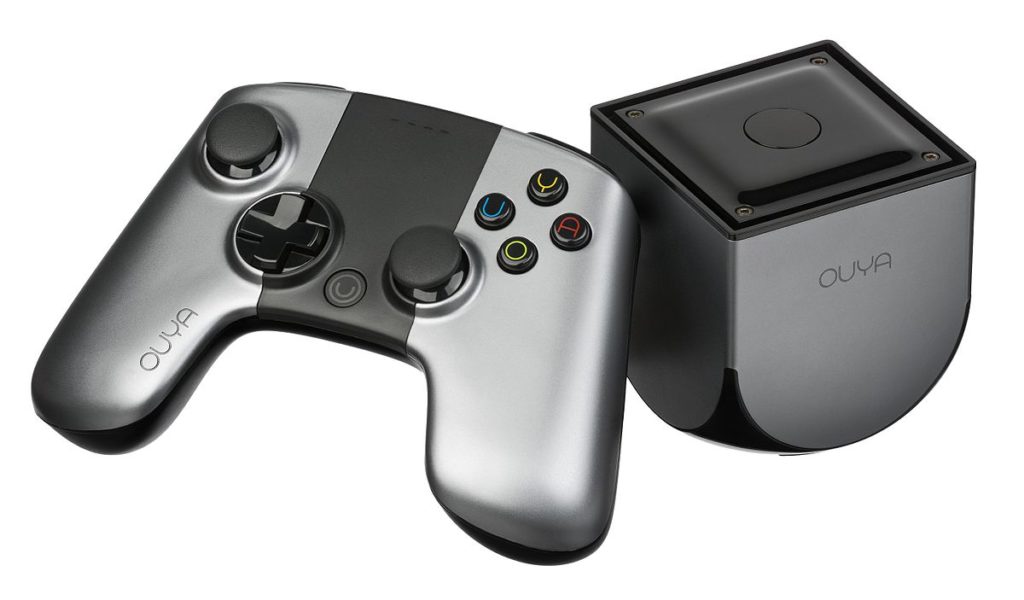
It’s often a good idea to not listen to hype. Especially when the hype claims that an Android-powered micro-console is the future of gaming. Once you finish with your hearty belly laugh at the expense of 2012-era industry analysts, let’s talk about this eminently forgettable Kickstarter project.
The idea here sounded great on paper: it’s a game console running on Android, and every system is also a developer kit! Every owner is a developer! The games will all be free, sort of! Except, no they won’t! The system performed unbelievably well via Kickstarter, where gamers fell in love with the idea of an open-ended platform for gaming that was easily modifiable. Then, the system released. And everyone remembered that PC gaming already existed. Yeah, the fine folks at Ouya missed that aspect of their console: they had accidentally invented PC gaming, but smaller scale and bland.
Flash forward to 2015 and the struggling platform is sold to Razer, makers of fine PC peripherals. Poetic, right? A company synonymous with PC gaming bought a company that tried to invent PC gaming for the console market. The Ouya’s name is now invoked as the punchline when discussing Kickstarter-based attempts to dethrone traditional consoles. Hey, isn’t Atari working on something like that? We’ll see how it goes.
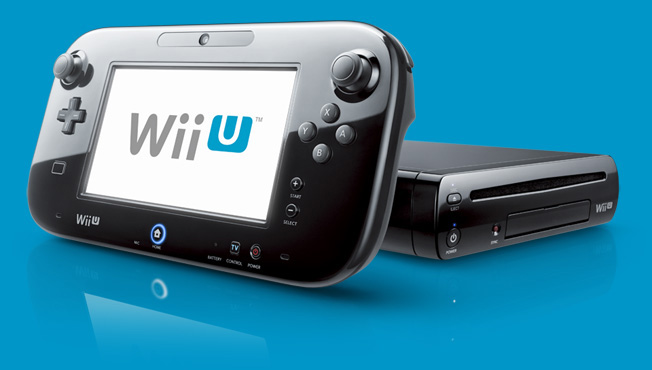
The Virtual Boy was Nintendo’s first big flop, but it wouldn’t be its last. The Wii U followed the mega-successful Wii and was supposed to be aimed more at hardcore gamers. That didn’t exactly pan out, and the system went on to sell less than 14 million units. Compared to the Wii, which sold upwards of 100 million, that number stung for Nintendo. What was worse than those low sales numbers were the glowing critical reviews of many of the Wii U’s games and features. The GamePad was praised by many and its integration in games like Mario Maker was considered revolutionary.
So why was it such a huge flop? For one thing, the marketing around it was terrible. Marketing was primarily aimed at kids and focused on children playing with the system and pestering their parents. The ads hardly screamed “hardcore system for real gamers,” and families were mostly over the whole Wii craze. Speaking of, the name Wii U worked directly against the system: no one knew what it was supposed to be. Was it a new peripheral? Was it a new console? Many thought the tablet-like GamePad was the Wii U, and that it was an add-on for the Wii. This created a perfect storm of negativity, tanking the Wii U and shaking public faith in Nintendo.
In January of 2017 the company discontinued the system entirely, and in March 2017 the Switch was released. The Switch has already sold more than the Wii U, and is on track to break record again this year. Many great Wii U games have been ported to the Switch, and thus get to live again on the successful platform. The Wii U will be remembered as an awesome but poorly positioned console. As console flops go, though, it may have been the most disappointing.
The biggest overhaul to Mac’s OS, the Mojave, is finally in public beta. If you haven’t had a chance to check it out yet, we’ve got a roundup of some of the most notable new features right here for you. Fair warning: this is a pretty early MacOS Mojave beta, and you shouldn’t install it on your primary device. If you’ve got an old laptop hanging around and want to try it out, go for it. But if you use a computer for work, don’t install the beta on it, just read our roundup! It’ll be out for you to try soon enough.
Dark Mode
Finally, Apple shows they’re listening to their users! Mac users have been clamoring for a dark mode for years, so it’s almost hard to believe it’s finally here. It looks pretty good, considering this is just the beta. By the time it goes live we expect it to be up to the normal Apple standards of aesthetic. It’s a small change to some, but it means a lot!
Finder Improvements
Finder has received some updates in look and general usefulness. The new gallery-style view replaces the old cover flow, and it looks great. Additionally, Finder now displays metadata about your files as you go through them. Additionally, new quick actions have been added to allow for faster photo editing. Cropping, rotating and converting are bound to the new allow for faster photo editing. Cropping, rotating and converting are bound to the new actions, as are trimming video files and merging multiple images into a PDF. It’s a lot of generally useful updates that are sure to please any professional Mac user.
Stack it Up
Too many icons cluttering the desktop? Stack them up! Mojave can group your apps and shortcuts together into collapsible groups called Stacks. If you’re constantly shortcutting videos and pictures, Stacks are a great way to keep everything organized.
Dynamic Wallpaper
This last one is just fun. The Mojave beta comes with a dynamic wallpaper that displays a dune in the Mojave Desert. The time of day in the wallpaper changes in live time with the location of the sun in relation to where you are. That’s just cool, and a nice touch by Apple.
We’ll have more info on MacOS Mojave as it comes out, and these are just some highlights of the beta. There’s tons more, but we’ll get into that as it gets closer to release!
How many times have we had to avoid Facebook when our favorite teams are playing for fear of getting updates on the big games you have DVR’ed for later. Not to mention avoiding Game of Thrones spoilers as I tried to catch up on the latest season. Facebook has always been ripe with spoilers. Not any more. No Longer will I have to sift through tons of Trump hate post and political garbage. Now Facebook is giving us the tool to block certain topics from our news feeds. Its true we can now you can mute those topics thanks to a new Facebook feature called “ Keyword Snooze .”
How To Setup The Keyword Snooze
Keyword Snooze is exactly what it sounds like, the feature gives you the option to temporarily snooze posts that contain a keyword of your choosing. When you set up the snooze, you won’t see any posts from individuals or groups that contain that word for 30 days. They’ll still show up for you on those individual’s pages, so you’ll need to browse carefully if you’re trying to avoid spoilers, but it will at least keep your News Feed safe.
Its very simple to activate and implement. To activate Keyword Snooze just tap on the three buttons at the top right-hand side of a post similar to the kind you’re trying to avoid. A pop-up window will appear with options like Save Post, Hide post, and Unfollow. At the bottom, you’ll see “Snooze keywords in this post.” and off we go.
While you still have to find a post about the topic to click the keyword snooze option, which seems like a waste of the function. Facebook is reporting that they are in the works to enable a way of proactively activating the keyword snooze.
The Final Thought
This is part of Facebook revival attempts. They are trying to fix all the issues we have with Facebook in an effort to bring the kids back. Im excited and grateful that this is coming and will be immensely usefully for me. No more spoiled Yankees games or big Aaron Judge homers being bragged about when I haven’t had the chance to enjoy the game first. The good folks on the west coast may now be able to be surprised buy who gets voted off Survivor this season, and #spoileralert that just may make the world a slightly brighter place.
I like to take a look at where I’ve been to evaluate where Im going. Technology is cyclical after all… wait no its not. That said I still like all the feels that come rushing back like a flood of nostalgia every time I get my hand on the tech I grew up with. Im going to go back periodically and take a looking at the stuff that used to blow our hair back and get our minds rolling. Some of these device blew up and changed the world, some where ahead of their time and some just fell flat and became colossal failures. Today we have a massive swing and a miss. This was an idea that seemed right and destined for greatness but just missed. Today lets pull up the old Web TV.
This was the brain child of Steve Perlman. He first combined computer and television as a high-school student when he decided his home PC needed a graphics display. He went to build software for companies such as Apple and Atari. While working at General Magic, the idea of bringing TVs and computers together resurfaced.
One night, Perlman was browsing the web and came across a Campbell’s soup website with recipes. He thought that the people who might be interested in what the site had to offer were not using the web. It occurred to him that if the television audience was enabled by a device to augment television viewing with receiving information or commercial offers through the television, then perhaps the web address could act as a signal and the television cable could be the conduit. Pretty brilliant and right there in front all of our faces.
Web TV and How it Worked
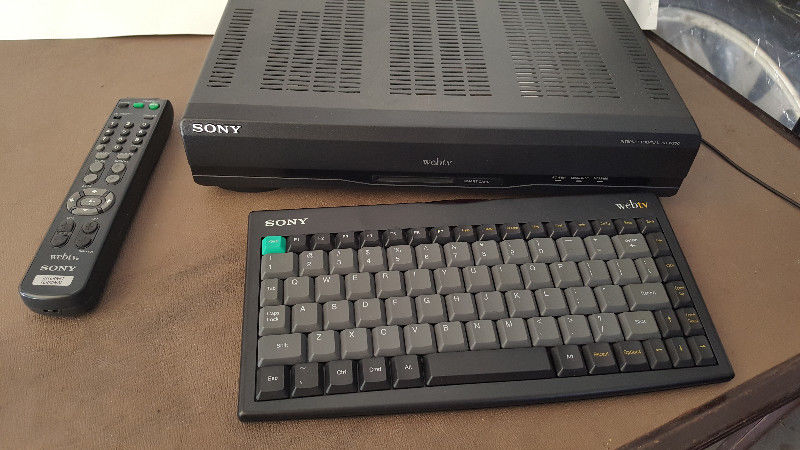
Web TV was launched on September 18, 1996 with Web TV set-top boxes in stores from Sony and Philips. They ran all of the servers in an old BMW dealership.The initial price for the Web TV set-top box was US$349 for the Sony version and US$329 for the Philips version, with a wireless keyboard available for about an extra US$50. The monthly service fee initially was US$19.95 per month for unlimited Web surfing and e-mail. The box featured a 64-bit RISC CPU chip, and a smart card reader. The smart card reader was not utilized significantly. The web browser was compatible with both Netscape Navigator and Microsoft Internet Explorer and the Web TV set-top box featured 2 MB of RAM. The first WebTV set-top boxes had a 33.6 kbit/s modem, and later versions had 56kbit/s modems.
By 1998 Web TV was on its way, they where pulling 1.3 billion dollars a year and it looked like we where on the way to a TV/computer consolidation. Then Microsoft stepped in 2001. They purchased Web TV and it all seemed to fall apart. They keyboard and controls where difficult to use. The applications where not growing with the rest of the tech world. Shortly after the MSN TV re-branding it was all but dead in the water.
The Final Thought
With out the adaptations of the most popular internet apps and functions this just became that cool thing that one friend in the neighborhood had. Skip forward a few years and Smart tvs are a cornerstone to our digital world. While I attempted to find an old Web Tv box and play with it in a demonstration for this article, apparently its just not feasible with there being no internet connection service to log on through. Web Tv came and went with no fanfare, soon to be totally forgotten. Never getting its just deserves and never to be seen or used again but for those brief years of 95-2001.
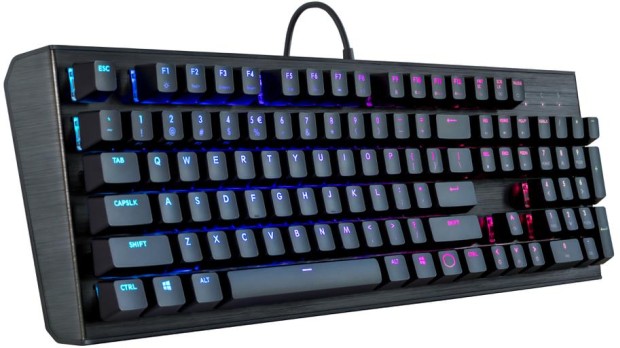
Cooler Master’s newest keyboard, the Cooler Master CK552, released on June 19th. It’s available exclusively through Best Buy. Today we’re rounding up its biggest features and giving you our thoughts! It’s out now for $79, which is a reasonably low price for a mechanical gaming keyboard. Is it good enough to consider for hardcore gaming, or does it compromise too much for that price point? Let’s get into it.
The Keys and Switches
Mechanical keyboards, of course, are known for their switches. The Cooler Master CK552 is available with three different Gateron switch types: reds, browns and blues. The red switches are the “balanced” option, being great for both typing and gaming. Browns are a slightly louder, more tactile switch. Blues are the loudest, clicking and clacking like a typewriter. They’re all great here, just go with whichever fits your preference. Gamers love blue switches for games like World of Warcraft, where key presses have to be purposeful and misclicks are deadly. Browns and reds are preferred for first-person shooters, where linear key inputs aren’t a problem.
Design
The keyboard itself has a sleek, futuristic look. It’s almost industrial-looking, sporting a brushed aluminum look with raised keys. The keys stick far off the base of the board, giving them a sci-fi appearance that looks right at home on a gamer’s desk. The CK552 comes in black, but other models are available in silver and gunmetal colors. The keyboard is sturdy and heavy-duty, which is great for its price. Many gaming keyboards of similar price range don’t feel as sturdy or solid as this, which puts it in the same league as Razer. That’s seriously high praise, as Razer sets the bar for gaming keyboards.
Cooler Master CK552 Star Feature: The Lighting
So, we’ve established that it’s durable and the keys have great action. But the star of the show here is the lighting. You can customize lighting profiles right from the keyboard, which is great for the software-averse. You can also download Cooler Master’s free software and get granular with your lighting profiles. That said, all the lighting options in the world wouldn’t matter if they didn’t look good. But they don’t look good here, they look great. The raised keys and open-style keyboard allow the lights under the keys to spill out all over your desk. It’s a fantastic visual experience, unrivaled by keybaords from any price range.
Bottom Line
For the reasonable price of $79, the CK552 is a stellar keyboard. If you’re in the market for a new RGB keyboard, or looking to try a mechanical keyboard, this is a great start. If you already have a good mechanical keyboard, this one isn’t going to sway you from your preferred input device. That isn’t to slam the Cooler Master, though. It’s still a great entry point for those looking to see what all the hype about mechanical keyboards is about.
If you’re a camper or backpacker, you’re certainly aware of how important a good sleeping bag is. The last thing you want is to be uncomfortable while trying to catch some winks in the wilderness. Whether your bag is too heavy for your pack, traps moisture too easily or is just too thin to keep you warm, the wrong bag can ruin a trip. To keep your trip on the “awesome” side of things, we’ve got a roundup of our favorite heavy-duty sleeping bags for camping! Let’s go on a wilderness adventure!
Patagonia Hybrid Sleeping Bag
Patagonia’s entry on this list is a little odd. It’s actually half a sleeping bag, which might sound like a rip-off, pun intended, but it’s actually pretty sweet. In the summer months, it’s great for cutting excess weight. When you don’t need a ton of extra warmth, having such a light sleeping bag will keep your pack light. Just carry a light blanket to cover your top half! In winter, just pair it with a thick, warm jacket. You’ll already be wearing one, so why not carry a lighter sleeping bag? The Patagonia Hybrid weighs in at 17.3 ounces, which is incredible. You can grab one for $300 straight from Patagonia.
REI Co-Op Igneo 25
A great buy at $270, the REI Igneo is a great pick for temperatures above 25 degrees Fahrenheit. During Fall, Spring and Summer, the Igneo will keep you comfortable and warm. The exterior is 20-denier ripstop nylon, meaning you won’t have to worry about water or rips during normal use. It only weights a hair over a pound, and it packs in beautifully. For a serious backpacker, this is a great buy for the price. The only situation you wouldn’t want this in? Winter time backpacking or camping, for which it’s not rated. For normal three-season outdoors expeditions, though, this is a great choice!
This one is our favorite for a number of reasons. For one thing, it’s incredibly comfortable. You won’t have to worry about being uncomfortable trying to get to sleep after a long hike. Just plop down, zip up and snooze. The warmth-to-weight ratio here is also absolutely nuts: it’s rated for 20 degrees, but you could take it even colder. Feather Friends is known for their modesty in temperature ratings, and it’s better to be safe than sorry. That said, experienced campers could take this one lower than the rating suggests. For $550, this one is expensive, but worth every penny for a serious hiker or backpacker.
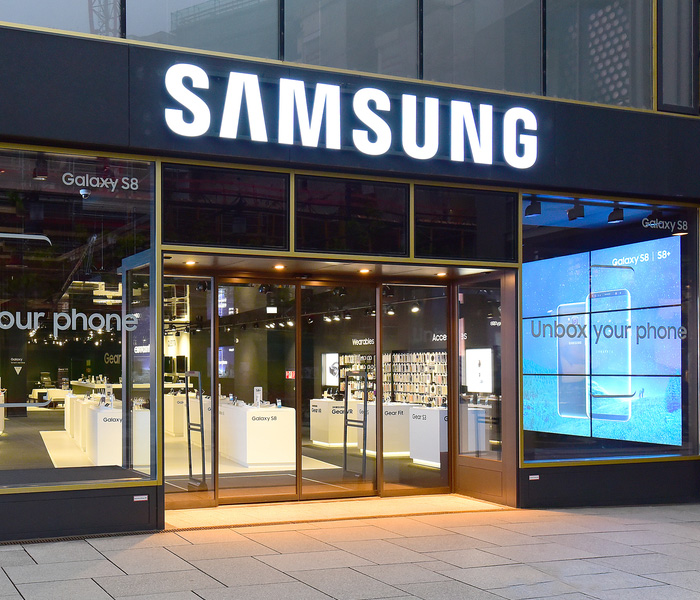
Samsung’s popular range of Galaxy phones are known for being some of the very best smartphones to run Android. As such, it’s understandable that rumors regarding the upcoming releases in the family are eagerly churned out. Which rumors about the Galaxy S10 are the loudest, and which are the most likely? Today we’re rounding up some of the rumors surrounding the upcoming Galaxy phone!
3D Facial Scan
Sources have reported that the newest Galaxy phone will forego the iris scanner in favor of a full 3D face scan. If that sounds familiar, it’s because that’s exactly what Apple’s Face ID is. Samsung seems to be gunning for its American rival with their newest phone. The rumors around this Samsung face scan indicate that if the technology isn’t ready by the time the Galaxy 10 is set to ship, it will continue to use the iris scanner instead.
In-Display Fingerprint Scanner
A feature that was supposed to be in the Galaxy S9, the in-display fingerprint scanner is rumored to be appearing in the S10. Chinese smartphone makers Vivo and Oppo have been pushing the limits on in-display scanners, and Samsung isn’t a company to be outdone. Interestingly, Apple chose to forego this avenue of technology altogether in favor of Face ID technology. Samsung, on the other hand, is pursuing both. While that may seem redundant, perhaps they’re looking to cover all potential bases.
No Phone Notch
Rumor has it that Samsung won’t follow the industry trend of the top phone notch. Instead, they’ll opt for very thin bezels on the top and bottom of the front display. The thin top bezel will house the camera, speaker and other technology that is usually housed in a phone notch. The presence of the bottom bezel is disappointing, but in leaked renders the phone still looks quite slick. However, if all these rumors are to be believed, Samsung might just have an iPhone X-killer on their hands. If they can deliver a phone with 3D facial scanning, an in-display scanner and a powerful processor, they’ll be poised to dethrone the iPhone.





 Web TV and How it Worked
 The Final Thought