Author: GoodFind

  • iPhone XS, XS Max and XR Breakdown

    iPhone XS, XS Max and XR Breakdown

    There has been months of speculation and hype about new iPhone X models rumored to be coming. “Today, we’re going to take iPhone X to the next level,” CEO Tim Cook said during the presentation and unveiling of new iPhone models.

    The iPhone X released last year was a total rethinking of the iPhone with features like Face ID and a edge to edge screen. Anticipation was high among iPhone fans and the day is finally here, and we have all the recaps.  Apple finally took the wraps off its new iPhones, including the iPhone Xs Max, its largest iPhone ever. With 3 new phone announcements, let’s take a look at what makes them different and sort through all the new details and features.

    iPhone Xs and Xs Max

    First off Apple  introduced the 5.8-inch iPhone Xs, which also has an OLED screen. The iPhone Xs is made of surgical-grade steel, is covered in new glass and comes in gold, silver and space gray. With the new A12 chip, more on this later, it allows the storage to be increased to 512 gb. The Xs will have 3 size options, 64gb, 256, or 512gb. The smaller 64gb is cutting a little close these days but 256gb should still be more than enough for 99% of the users out there.

    The iPhone XS will also incorporate more real-world machine learning for features such as augmented reality and FaceTime. The iOS upgrade will also open the door for Siri shortcuts, which users can customize.  For all the Instagram photographers out there the back camera has a 12-megapixel wide-angle camera and 12-megapixel telephoto camera, along with improvements to flash. For the selfie lovers the front camera will feature 7 megapixels.

    Both devices are identical with only one difference, the iPhone Xs is 5.8 inches, the iPhone Xs max is 6.5 inches. There also have been improvements to the overall strength of the glass screen, which is a great improvement for those of us with butter fingers.

    The iPhone XR

    Alongside with the Xs models Apple also revealed it’s midrange iPhone model, the XR.  The XR is the  bargain model that will be more affordable with most of the same features as the Xs. The iPhone XR has an LCD display called liquid retina and it features a 6.1-inch screen. It’s the same size as the iPhone 8 Plus, but with a larger screen because of it’s edge to edge screen.  The iPhone XR will also feature Face ID, and include the A12 Bionic chip like the XS. The big difference among these phones is the back camera: a single 12-megapixel wide-angle camera for the XR. The front camera will feature the same true depth features as the XS.

    On battery life, XR will offer an hour and a half more on one charge than the iPhone 8 Plus. Specs-wise, the XR is notable for matching many of the specs of the new XS, but one notable omission is 3D Touch, which  isn’t available with XR model. 

    While the 6.1-inch display seems large, the reduced bezels above and below the display  will make the XR slightly smaller than a traditional “Plus” iPhone and only slightly larger than the 5.8-inch iPhone XS. The iPhone XR will be available in a variety of colors including black, white, blue, coral, yellow and red.

    Pricing

    The iPhone XR will come in three sizes: 64GB, 128GB, and 256GB, and start at $749. Pre-orders arrive October 19, and ships October 26. XS available in 64GB, 256GB and 512GB starting at $999. The XS Max will start at $1,099. Both Xs models are available for pre-order immediately with shipping to begin on September 21st.


  • Best Over the Counter and Natural Pain Remedies!

    Best Over the Counter and Natural Pain Remedies!

    Sometimes you just need a bit of pain relief. Whether it’s sore muscles, a bad bruise, a killer headache or whatever else, you’d rather it just not hurt so bad.

    Thankfully, there are plentiful over-the-counter remedies available as generics to help relieve your pain. There are also a few natural solutions that many people swear by when it comes to pain remedies. We’ll highlight a few of the most popular so you can make an informed choice!

    Best Over the Counter (or Natural) Pain Remedies

    OTC: Ibuprofen

    The brand name versions of this drug are Advil or Motrin. It’s been clinically tested with a nearly 9 out of 10 rate of people feeling it’s worth taking. It could upset your stomach, so make sure you take it with food. Also, it could cause kidney damage, so don’t take it if you’ve got a history of kidney problems!

    Natural: Turmeric

    Many swear by the anti-inflammatory properties of turmeric. It’s been shown to help with upset stomach, indigestion, and even help as part of treatment for more serious conditions. It could even help with common aches and pains. If you’re the type who doesn’t tend to like taking pills, try this out the next time you’ve got a sore muscle!

    OTC: aspirin

    Aspirin is one of the most well-known pain relievers, often found in the brand-name Alka-Seltzer. In its various forms, it can be either a pain reliever or an indigestion aid. Children under 12 should avoid aspirin, though, as it could be harmful to the liver if taken too much. Keep in mind this is aspirin with a lower-case a, which is different from the version from Bayer with a capital A.

    Natural: Heat and Ice Application

    The pain-relieving qualities of applying heat and/or ice to a sore area are well-document. However, be careful when applying hot or cold items to your body! Apply heat to an area if it is stiff or if your pain is arthritic. Conversely, ice can help reduce swelling and cut back on inflammation. Athletes swear by this pain-relieving method! Speak to a physician about how this natural remedy could be applied to your aches or pains if you’re hurt.

    OTC: Aspirin

    The brand name Aspirin, which is different from Alka-Seltzer’s version, is another well-known pain remedy. It can reduce fever, as well, and is even known to have helpful effects in those with heart disease. However, keep in mind that it is a blood-thinner. If you’re at risk for internal bleeding, stick with ibuprofen or one of the natural pain remedies!

    Natural: Acupuncture

    Seeking pain relief from an acupuncturist may seem silly at first, but it’s a well-documented and ancient practice. The Chinese art helps relieve pain through a process known as qi manipulation, altering the path of your body’s natural energies. Scientific study of the practice has found that the pain-relieving qualities are a result of the serotonin released by the sensation of the needles being driven into your skin. Either way, it’s been proven to help in some cases!

    OTC: Acetaminophen

    This medicine works by affecting the part of your brain that controls temperature and regulates pain messages. As such, it doesn’t alter the physical causes of your pain, but instead tricks you into not feeling the pain. While that might sound scary, it’s quite safe! Prolonged sessions of taking acetaminophen can lead to liver damage, though, so be aware! Just take enough to ease your pain, don’t overdo it.

    Natural: Cryotherapy

    There are a few ways to go about this, whether with a cryotherapy chamber or just an ice bath. The idea behind cryotherapy is that, by shocking your body with cold, you make your body produce special type of protein. These cold-shock proteins have anti-inflammatory properties that can help naturally fight pain!

    OTC: Naproxen

    Those with a history of heart disease may prefer naproxen over ibuprofen. Naproxen is good for treating general aches and pains, as it is an anti-inflammatory. It does run the same risk of upsetting the stomach that many other over-the-counter pain remedies, so take it with food!

    Natural: Pulsed Electromagnetic Field Therapy

    The theory behind PEFT is that using electromagnetic fields to stimulate natural anti-inflammatory compounds. While it sounds high-tech, you can actually get the treatment for between $30 and $60 from a physical therapist or chiropractor. If you want a machine in your own home, they’re a bit pricey: they run around $1500 on the low end.


  • Top 5 Best Car Warranties 2018

    Top 5 Best Car Warranties 2018

    Car warranties are agreements that cover vehicle malfunctions and defects for a certain period of time. For new cars, warranties generally protect the owner from paying repair costs for an average of three years, or 60,000 miles driven, from the date of purchase.

    When the warranty expires, or when purchasing a used vehicle, drivers can opt for the security of an extended warranty from an independent provider.

    Car warranties are best for people unable to cover the large potential costs associated with a sudden repair, which can amount to thousands of dollars. Without a warranty, and depending on the severity of the breakdown, it may sometimes be more cost-efficient to replace the car entirely. Depending on the plan, warranties are also useful as they provide services like roadside assistance and rental car reimbursement.

    When selecting a car warranty, consider the vehicle’s specific coverage needs. There are three main types of coverage: powertrain, inclusionary, and exclusionary. Powertrain warranties only cover the main generative components, and are the least comprehensive. Inclusionary warranties provide a list of specifically covered components. Exclusionary warranties are the most comprehensive, and therefore will usually only list what is not covered rather than what is.

    Finally, before committing to a car warranty agreement, look at the fine print, and make sure you understand all the terms of the contract. Some good questions to ask include: How long is the initial enrollment waiting period? Which documents are needed to file a claim? Are repairs covered by the warranty company, or are they reimbursed later? Will deductibles be charged?

    Our Top Picks

    #1. Endurance

    24/7 roadside assistance
    350,000 certified mechanics in US and Canada
    Vehicles up to 160,000 miles
    30-day money back guarantee
    Rental car benefits
    Waiting period
    No upfront payments
    Consistently #1 in customer satisfaction

    #2. CarChex
    Wide selection of extended warranty plans
    150,000 miles
    10 year vehicles
    Corporate credit card payments
    30 day money back guarantee
    Deductibles

    #3. Infinite Auto Protection
    Online quote process
    30 days money back guarantee
    Cars with up to 150,000 miles
    24/7 claims processing
    100% payment of all covered repairs minus applicable deductibles
    Call center hours are Monday–Thursday, 9am-6pm GMT-4 and Friday 9am-1pm GMT-4

    #4. Complete Car Warranty
    A+, BBB Accredited Business
    Get instant quote online
    Accepted at all dealers and mechanics
    Unlimited repair claims
    Full protection for up to 60% off of dealer prices

    #5. AutoPom!
    Licensed California Agents
    Specializing in CA mechanical breakdown insurance
    Offers vehicle service contracts in most states nationwide
    Unlimited starting mileage (most brands up to 14 years old)
    30 or 60 day money back guarantee
    Rental car assistance
    24/7 roadside assistance
    Choose your own repair facility
    Consultative, low-pressure selling style
    A+ BBB Accredited


  • 7 Signs and Symptoms of Addiction

    7 Signs and Symptoms of Addiction

    When you discover that a friend or family member has a problem with drugs or alcohol, it often comes as a huge surprise to you. But secrecy is the drug on which addiction thrives, so it’s not really that odd that you were in the dark.

    Addiction grows worse over a sustained period of time, and there are some indicators that may give you an idea something is wrong with your loved one before the bottom falls out.  Here are the 7 signs and symptoms of addiction you should look for if you suspect someone you love has a problem with drugs or alcohol.

    7. Change in Behavior

    As people’s addictions get bigger, their lives start to change and the things that they value the most begin to fall away. Depression sets in, and suddenly they stop doing activities or hobbies that they once loved, or maybe their mood becomes erratic. An example of a change in behavior that’s worth noting would be when a person who values health and fitness abruptly stops exercising or eating well.

    6. Change in Friends

    This sign isn’t always the easiest area to recognize, because it’s fairly normal for friendships to fade and new people come into our lives. But when normally social people stop hanging around with their usual group of friends with no explanation, it’s important to take notice — especially if there wasn’t an event that precipitated the change. Or, maybe there’s a new person in their life that just doesn’t seem to be someone they would normally be friends with. This can be a telltale sign that something funky is going on.

    5. Job/Career Issues

    When addiction takes hold, inevitably some issues are going to come up at work or school. Over time, addicts becomes less capable of hiding performance flaws in areas of their lives that are under the microscope. If a normally responsible person is missing deadlines or not following through on commitments, this could be an indicator that something’s up.

    4. Legal Issues

    Addiction is likely to create a bevy of legal issues that are going to make it hard to ignore that something is going on. A DUI or getting thrown in the clink for a drunk and disorderly is an obvious tell that your loved one’s judgment is off. But there are also less obvious signs, like doctor shopping or frequenting ER rooms. And addicts can justify their behavior so that they make you feel foolish for asking why they have so many doctor appointments. But if you think something’s wrong, go ahead and ask anyway.

    3. Family Strain

    Relationships with family are often jeopardized when people develop an affinity for drugs or alcohol. Early on, it may reveal itself in behaviors like retreating to their room after work or spending too much time with their face in the computer, playing games or surfing the Web. Communications become strained, and the addict stops showing up to family engagements, or maybe even to dinner. If you feel a substantial shift in your relationship with a family member, you should start asking questions.

    2. Physical Changes

    Extreme physical changes are a big indicator of a problem. Maybe they’re getting scraggly and smelly because they’ve stopped grooming or showering.  A noticeable weight loss or gain can be a symptom, and the same goes for a change in eating and sleeping habits. For example, crystal meth addicts can stay up for days, then crash and sleep for days. When they eat, they’re likely to ravenously consume sugary foods.

    1. Personality Changes

    In an adult brain, defined as a brain that’s 24 years or older, there are really only three things that are likely to cause a profound personality change in someone. Substance abuse or chemical dependency, mental illness and or a physical ailment, such as a brain tumor are the three things that can cause a profound personality change. Mind you, this isn’t the same as watching a person get a little down in the dumps, or go through a period of anxiety. Profound personality changes are much more extreme. If you witness this, it’s advised to reach out to a professional for guidance and counseling on how to address your loved one.


  • Which Cordless Vacuum is the Best?

    Which Cordless Vacuum is the Best?

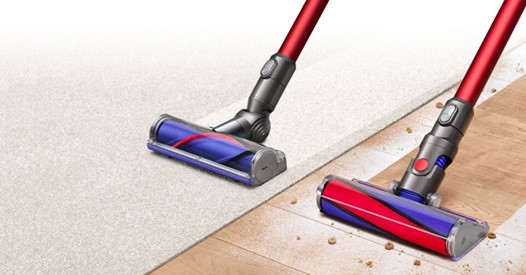
    Everyone hates vacuuming! Although a necessity for keeping carpets clean, vacuums can be difficult chore and a even more difficult purchases due to the wide variety of brands and features to choose from.
     

    One thing that does makes the chore of vacuuming more bearable is a cordless vacuum. Not having to pick around chairs and tables to get to those out-of-the–way spots is a great feature, to be sure! The question is, which cordless vacuum is the best bang for your buck?

    You don’t want to buy a lemon and have to return it, so we’ve got a list of our favorites. If you’re looking to clean up with no cord, check out our roundup: it doesn’t suck, I promise!

    Shark Navigator Freestyle SV1106

    For an impressively low $130, you can pick up this excellent stick vacuum from Shark. It’s quite light and very easy to use and store! It’s also very powerful, great for big messes, and possesses two distinct brush speeds. This lets is work optimally on both carpet and hard floor! While it’s not quite as powerful as most upright vacuums, the low price and great versatility easily make up for it. If you have pets that shed a lot, this is a great choice, is it’s powerful enough to suck up pet hair. That all said, you can’t beat that price!

    Hoover Linx BH50010

    Hoover’s a respected name, and for good reason. This entry to our list retails for $200, which is a fine price, all said. While this vacuum has a shorter handle and no bag, it’s a very modern and useful appliance. It’s got edge-to-edge brush bristles and works great on carpet and floor. This one’s powerful and sports great performance even on rough messes. Not to mention, that shorter handle can recline all the way back to help you get those very out of the way spots. A great buy for the money, and well worth your consideration!

    Electrolux Ergorapido EL2055B 2 in 1

    For $279, this upright vacuum is a great deal. It’s super lightweight and very easy to maneuver around corners. It’s got great detachable tools for getting under sofas and close to walls, too! THat said, it’s not all sunshine and rainbows. For one thing, it only takes name-brand Electrolux filters. That’s an odd feature for a household appliance in 2018, to be sure. What’s weirder, it only works with name-brand accessories. What gives, Electrolux? More importantly, though, the vacuum isn’t as good on carpeted surfaces as we’d hoped. That said, this is still a fine pick if you’re looking for a great, light vacuum.

    Our Favorite Cordless Vacuum: Shark IONFlex 2x DuoClean IF251

    Easily the most expensive on the list, this entry from Shark retails for $450. However, it’s worth every penny of that steep price: it’s a supremely high-end piece of household technology. It sports two battery packs that last a very long time, and while you’re using one you can charge the other. The vacuum has a handheld mode that helps you hunt down those out of the way messes. And, of course, it’s just a great vacuum and picks up dirt like no one’s business. In a crowded field, this high-end cordless vacuum is the best of them.


  • 5 “Smart Home” gadgets every house should have…

    5 “Smart Home” gadgets every house should have…

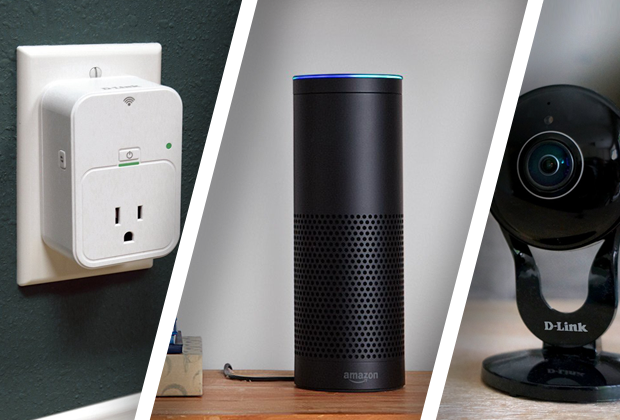
    It’s 2018 folks, and the future is here. Astronauts are driving Tesla’s through space and the Reese’s company is doing some really innovative stuff with popcorn. With all this technology around us, it’s easy to take it all for granted and we sometimes don’t get all the use we can out of it and take advantage of smart home gadgets.

    And the most important place you can use all this cool tech to your advantage is right in your very own home. Here are some amazing new smart home gadgets to make your life easier…

    1. The iRobot Roomba

    Ever since it’s inception in 2002, the Roomba vacuum has been an integral piece of smart home tech. With the ability to program this round robot to vacuum your home 7 days a week it can be a real time saver. With the latest 980 Model, the Roomba is more advanced that ever. With cutting edge mapping technology and dirt detection programs, this “set it and forget it” vacuum is a must have! For dog or pet owners life myself, I can stress it’s value enough. I have a lot on my plate and one thing I don’t to concern myself with is the daily sweeping thank to “Roger the Roomba”. Yes I named my Roomba, he’s family, folks. Word of advice…there are several competitors is the robot vacuum department, do yourself a favor and stick with the iRobot Roomba. You may a little more, but in this case “you get what you pay for”. This was been probably the best $900.00 I’ve ever spent.

    2. The Nest Thermostat

    Coming in at a price tag of $279.00, the Nest Thermostat is well worth the extra cost. Thanks to it’s smart and adaptive AI, the Nest knows when your home and learns your work schedule to monitor the A/C usage. You can also control the thermostat right form your Nest App on your mobile device to fine tune your A/C needs. For a native Floridan like myself, A/C usage and consumption is a real beast you have to tame. In the summer months, electric bills can soar thanks to primitive thermostats. There is nothing like a thermostat shutting down for the day knowing your at work, and then turn on a half hour before you get home so you don’t walk into a hot and muggy house. It’s just bliss. Once I had installed the Nest, I noticed an immediate 50% drop in my A/C consumption and a large drop in my electric bill respectively. This is a must have in your home.

    3. Brilliant Light Switch

    With the ability to control your homes, light, music, ambiance, and even take pictures with voice commands, the Brilliant light switch is a 2018 must have gadget for your home. Brilliant light switch also connects to several of your home’s smart gadgets such as Nest, Alexa, Sonos Speaker, Ring doorbell system, and more. Starting at $200.00 per panel, Brilliant Switch is a costly addition but this innovative new gadget gives your home a brain.

    4. Amazon Echo and Echo Dot

    This smart home “must” is quickly finding it’s way into every home, world wide. Alexa and Echo Dot, is a voice-controlled system that used to play music, make calls, send and receive messages, read the news, set alarms, and even order and Uber or takeout! With the capability of syncing up to Amazon-Fire, Apple Music, Audible, Pandora, and more, you easily find usage and justification for this piece of smart tech in your home. At a price tag of $150.00, the Amazon Echo has many uses to help in your home and is a fantastic smart home gadget. Word to the wise, Alexa has a built in microphone for consumer purposes that is ALWAYS LISTENING…Use responsibly. 

    5. The Ring II doorbell system

    The Ring Video Doorbell, provides you with the capability to see who is at your door from the safety and comfort of  your bed or couch. It lets you accept or deny visitor calls if you’re not home, and uses motion detection to alert you of activity on your doorstep even when the bell hasn’t been rung. By working off your home’s Wifi and mobile data, the 1080HD  camera will alert your smart phone of any activity at your door step day or night. For an extra $3.00 a month, you can pay for cloud storage and have all moments video recorded for later purposes if desired. The newest model also has a 2 way intercom system, and infrared night vision. For that extra bit of security at a relatively inexpensive cost of $199.00, this doorbell is the must have for any smart home.

    The Conclusion

    With so many smart gadgets available, some better than others, these products can make our homes better, safer, and more convenient. 2018 is going to be a big tech year and the “smart home” business is growing evermore advanced daily. If you can pick-up just one of these items this year, you’ll be headed in the right direction. I’m still anxiously awaiting the release for Rosie the robot maid, but I may have to hold my breath for awhile.


  • Which Mobility Scooter is Right for You?

    Which Mobility Scooter is Right for You?

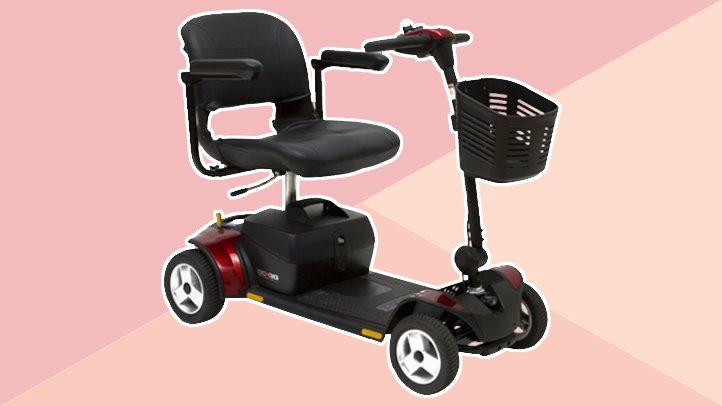
    So your mobility isn’t what it used to be… no problem! Today, some insurance companies will actually help with coverage on a mobility scooter, or even pay for the whole thing. Check it out for yourself! Either way, it may be worth checking them out and seeing if it fits your lifestyle. With that in mind, let’s look at the top ten mobility scooters.

    Drive Medical Phoenix Heavy Duty

    A heavy, sturdy scooter for a great price, this one is a good pick. This one has a headlight, which is good for darker areas. It also has a basket in the front for carrying things, making it great for grocery store trips! The seat is customizable, broad and comfortable. For $1,200, this is a great heavy-duty pick.

    Pride Mobility Go-Go Sport

    This scooter is notable for its four-wheel drive and durability. It’s not terribly fast, topping at 4 MPH. That said, it’s rugged and durable, and works great when outdoors! If you like being outside and enjoying the sunlight, this is a great pick! For a combination of durability and mobility, check out the Go-Go Sport!

    E-Wheels EW-72

    A stylish and slick scooter, the E-Wheels EW-72 has a look inspired by classic cars! For those looking to really zoom, this scooter has a top speed of 15 MPH! As a heavy-duty scooter, it works quite well, as it has a top weight rating of 500 pounds! If you’re looking for a great, stylish, heavy-duty scooter, this is a great choice for you!

    Transformer Electric Folding Mobility Scooter

    Another great choice for carrying in a trunk and carrying around with you, this transforming scooter is pretty neat. It folds up into a nice, compact shape so it can go anywhere with you! The battery is airline compliant, so it can fly with you, which is great for those who fly often. If you’re on the move and need a scooter that can keep up, this is the one for you!

    E-Wheels Jellybean Electric Scooter

    The second E-Wheels scooter on our list, this one is also quite heavy-duty! This one is three-wheeled, though, so it’s got a bit of a different construction from some others on this list. The best thing about this scooter, though, is the high speed! It tops out at 18 MPH, which makes it a serious scooter! It has a great battery, too, offering up to 45 miles on a single charge. This one also has an anti-theft alarm, which is great! It sports a huge back-mounted basket, perfect for trips to the market.

    Spitfire 420 Ex

    Another great scooter, this one has interchangeable panels in different colors. The panels come in red, blue and silver, and are easy to change out! It also boasts quick-connect batteries, a comfortable seat and padded armrests. The wheels are anti-tip, which makes this a very safe pick. The front-mounted basket even has an interior lining, which is great for shopping. If you’re looking for a good mobility scooter for medical reasons, such as old age, this is a good pick.

    SmartScoot Lithium Foldable Travel Scooter

    This folding scooter is great to throw in the trunk or backseat and carry with you to a destination. The best thing about this scooter: the battery! It has great battery life for how portable it is for travel. It lasts for up to 12 miles! It also breaks down into three parts, and only weighs 27 pounds.

    Drive Medical Scout 3 Wheel

    At the very low price of right around $600, this three-wheeled scooter is a popular choice. A little less expensive than its four-wheeled counterpart, this one is a good value. The drawbacks to this scooter include its three-wheeled construction, slightly low battery life and make. There are more comfortable, high-end scooters, but if you’re looking for a good bargain, this is it. This scooter is the most affordable on our list!

    Best Value: Drive Medical Scout Compact 4 Wheel

    For those on a budget, the Drive Medical Scout Compact is a very popular choice. At $700, it’s a fantastic value, and it shows in its popularity. It’s a good scooter, with all the trimmings you’d expect from a medical mobility scooter. Older customers on a fixed income love the low price, and the price doesn’t compromise the quality. This one also has interchangeable panels in red and blue, so you can change your style! A great value for the money for those looking to save.

    Best Overall Mobility Scooter: Shopride Sunrunner

    If you’re looking for an especially comfortable scooter, look no further than the Sunrunner! It has a 300-pound capacity and a huge 25-mile battery. You can opt for a headlight, which is quite useful. It has a front basket, perfect for shopping. The star of the show is the big, comfortable seat, though. You can’t beat the level of comfort on display here! It’s hard to find something this premium and high-quality for this price! It retails for $1,500 but can often be found on sale for less.


  • 7 Signs and Symptoms of Addiction

    7 Signs and Symptoms of Addiction

    When you discover that a friend or family member has a problem with drugs or alcohol, it often comes as a huge surprise to you. But secrecy is the drug on which addiction thrives, so it’s not really that odd that you were in the dark.

    Addiction grows worse over a sustained period of time, and there are some indicators that may give you an idea something is wrong with your loved one before the bottom falls out.  Here are the 7 signs and symptoms of addiction you should look for if you suspect someone you love has a problem with drugs or alcohol.

    7. Change in Behavior

    As people’s addictions get bigger, their lives start to change and the things that they value the most begin to fall away. Depression sets in, and suddenly they stop doing activities or hobbies that they once loved, or maybe their mood becomes erratic. An example of a change in behavior that’s worth noting would be when a person who values health and fitness abruptly stops exercising or eating well.

    6. Change in Friends

    This sign isn’t always the easiest area to recognize, because it’s fairly normal for friendships to fade and new people come into our lives. But when normally social people stop hanging around with their usual group of friends with no explanation, it’s important to take notice — especially if there wasn’t an event that precipitated the change. Or, maybe there’s a new person in their life that just doesn’t seem to be someone they would normally be friends with. This can be a telltale sign that something funky is going on.

    5. Job/Career Issues

    When addiction takes hold, inevitably some issues are going to come up at work or school. Over time, addicts becomes less capable of hiding performance flaws in areas of their lives that are under the microscope. If a normally responsible person is missing deadlines or not following through on commitments, this could be an indicator that something’s up.

    4. Legal Issues

    Addiction is likely to create a bevy of legal issues that are going to make it hard to ignore that something is going on. A DUI or getting thrown in the clink for a drunk and disorderly is an obvious tell that your loved one’s judgment is off. But there are also less obvious signs, like doctor shopping or frequenting ER rooms. And addicts can justify their behavior so that they make you feel foolish for asking why they have so many doctor appointments. But if you think something’s wrong, go ahead and ask anyway.

    3. Family Strain

    Relationships with family are often jeopardized when people develop an affinity for drugs or alcohol. Early on, it may reveal itself in behaviors like retreating to their room after work or spending too much time with their face in the computer, playing games or surfing the Web. Communications become strained, and the addict stops showing up to family engagements, or maybe even to dinner. If you feel a substantial shift in your relationship with a family member, you should start asking questions.

    2. Physical Changes

    Extreme physical changes are a big indicator of a problem. Maybe they’re getting scraggly and smelly because they’ve stopped grooming or showering.  A noticeable weight loss or gain can be a symptom, and the same goes for a change in eating and sleeping habits. For example, crystal meth addicts can stay up for days, then crash and sleep for days. When they eat, they’re likely to ravenously consume sugary foods.

    1. Personality Changes

    In an adult brain, defined as a brain that’s 24 years or older, there are really only three things that are likely to cause a profound personality change in someone. Substance abuse or chemical dependency, mental illness and or a physical ailment, such as a brain tumor are the three things that can cause a profound personality change. Mind you, this isn’t the same as watching a person get a little down in the dumps, or go through a period of anxiety. Profound personality changes are much more extreme. If you witness this, it’s advised to reach out to a professional for guidance and counseling on how to address your loved one.


  • Do You Need a Vitamin D Supplement? Everything to Know

    Do You Need a Vitamin D Supplement? Everything to Know

    Would you believe that the majority of the population — up to 90 percent of adults in the U.S. — is believed to have a vitamin D deficiency?

    Many physicians are starting to take this vitamin deficiency very seriously; in fact, vitamin D is one of the most recommended supplements by physicians today in order to treat and/or prevent vitamin D deficiency symptoms. Most adults are believed to be at least somewhat deficient in vitamin D, however, people with dark skin, people who live in northern regions of the world where less year-round sun exposure is experienced and those who are overweight have an even greater chance of experiencing vitamin D deficiency symptoms.

    According to the National Health and Nutrition Examination Survey, the newest statistics demonstrate that more than 90 percent of people with darker skin pigments (including African-Americans, Hispanics and Asians) living in the United States now suffer from vitamin D insufficiency, while 75 perfect of the white population is deficient.

    As the population of overweight and obese adults and children has risen steadily over the past several decades, so has the incidence of vitamin D deficiency symptoms. Sadly, vitamin D deficiency is correlated with increased risks of developing common cancers, autoimmune diseases, hypertension and various infectious diseases, too.

    A 2017 study recently revealed that occupation can also play a big role in vitamin D levels. Researchers found that shift-workers, health care workers and indoor workers are at a high risk of developing vitamin D deficiency due to reduced outdoor time and sunlight exposure.
    Luckily, there are ways you can naturally increase your vitamin D levels and decrease your risk of developing health conditions like heart disease, cancer, diabetes and other vitamin D deficiency symptoms. Spending time in the sun, without sunscreen, is your surest way to get enough vitamin D, and eating vitamin D-rich foods also helps improve your blood levels. Read on to understand just how much time you need in the sun and what foods will help you to avoid a vitamin D deficiency symptoms.

    What Is Vitamin D?

    Vitamin D is a fat-soluble vitamin that’s stored in the liver and fatty tissues. This means that increased body fat has the ability to absorb vitamin D and keep it from being used within our body. Vitamin D is somewhat different than other vitamins because our bodies make most of our vitamin D on their own, rather than solely relying on food sources. Because vitamin D is a fat-soluble vitamin, which means if you supplement, you’ll need to take your pill with a healthy fat, such as avocado slices.
    The way our bodies make vitamin D is to convert sunshine into chemicals that are used by the body. In particular, when UV-B sunshine rays land on the skin, a substance in the skin called 7-dehydrocholesterol is literally converted into vitamin D3.

    7-dehydrocholesterol or the cholesterol in our skin — and very similar to cholesterol itself — converts “previtamin D” and makes it into usable vitamin D3, which is sometimes also called provitamin D.

    What Causes Vitamin D Deficiency Symptoms?

    It’s worth repeating that 50 percent to 90 percent of most people’s vitamin D comes from casual sunlight exposure. Your skin makes vitamin D when it comes in contact with the ultraviolet B (UVB) rays from the sun. Therefore one of the biggest reasons that a growing population is experiencing vitamin D deficiency symptoms is because of our modern, primarily indoors lifestyle. This contributes to the two most common causes of vitamin D deficiency symptoms:

    1. Lack of Sun

    While years ago people spent more time outdoors, walking to do errands and even working outside, today we see a different situation. Most children spend unprecedented hours inside — watching television, playing video games and surfing the internet. Similarly, most adults work indoors, exercise inside gyms and spend their free time inside their homes where they are sheltered from the sun.
    With all this time indoors, it’s no wonder we don’t get enough of the “sunshine vitamin” and vitamin D deficiency affects over a billion people worldwide. Traditionally, the human vitamin D system begins in the skin, not from the foods you eat. Although food sources of vitamin D can help raise your levels and prevent a deficiency, the sun is your most effective way to sustain proper vitamin D levels.

    2. Sunscreens

    Not only are we failing to get enough time outdoors in the sun, but when we do, many of us wear sunscreen nearly the entire time. As the risk for developing skin cancer has also risen in recent years, doctors strongly encourage the use of sunscreen for children and adults, even through the winter months and when sun exposure is generally limited.
    Alarmingly, some research shows that when you wear sunblock SPF 8, you reduce your body’s ability to make vitamin D by 90 percent. If you choose a sunblock with a higher SPF of 30 (which is the number normally recommended by doctors), you reduce your body’s ability by up to 99 percent. This results in further deficiencies because even though we spend time outdoors, the sunscreen doesn’t allow our bodies to convert vitamin D from the sun. Research also shows that certain health conditions, such as abdominal obesity, type 2 diabetes, insulin resistance and hypertension, also increases a person’s risk of vitamin D deficiency.

    Vitamin D Deficiency Symptoms

    There is a great body of evidence that shows that people with vitamin D deficiency are at an increased risk of developing health complications and conditions like cardiovascular disease, metabolic syndrome, various types of cancer, immune disorders and adverse pregnancy outcomes. According to several scientific studies and reviews, a vitamin D deficiency symptoms can be linked to the following health problems:
    osteoporosis
    heart disease
    high blood pressure
    cancer
    autoimmune diseases
    depression
    insomnia
    arthritis
    diabetes
    asthma
    multiple sclerosis
    chronic pain
    psoriasis
    fibromyalgia
    autism
    Researchers suggest that anyone with these health conditions or the following symptoms should be tested for vitamin D deficiency:
    weakness
    chronic fatigue
    depression
    trouble sleeping
    anxiety
    weak or broken bones
    weakened immune system
    inflammation and swelling

    The only way to know if you are deficient in vitamin D is to have your doctor perform a test, called a 25-hydroxy vitamin D test. This will tell you if, and how severely, you are deficient. When your doctor performs a blood test and gives you the results for your vitamin D levels, keep these numbers in mind:
    50+ equals a good level of vitamin D
    30–50 means you want to supplement with vitamin D, work on spending more time in the sun and add vitamin D foods into your diet
    less than 30 means you are very deficient and definitely want to take immediate action to bring those levels up

    Talk with your doctor about supplementing with higher doses of vitamin D if you are severely deficient or have a very low level according to the tests. When your doctor performs a vitamin D test, specify that you would like to have the 25-hydroxoyvitamin D test done, sometimes also called the 25(OH) D test.
    Some other types of vitamin D tests can show normal or even elevated levels of vitamin D, which are actually inaccurate and can hide a serious deficiency, so the 25(OH) D test seems to be the most accurate when determining your true vitamin D levels.

    How Much Vitamin D Should You Be Getting?

    Adults need 600 international units (IU) of vitamin D each day (800 IU if you’re over age 70), which can be sourced through diet, sunlight, or supplements. Because very few foods have enough vitamin D to reach those levels, and sunshine can be unreliable in certain climates, many Americans turn to vitamin D supplements to get their fill.

    Men and women relying on sourcing vitamin D through diet alone typically don’t exceed 288 IU a day on average.3 But when supplements are added, they get closer to the 600 IU goal. Consider this: Women between ages 51 and 70, who averaged 156 IU through the diet-only approach, reached 404 IU with the help of supplements.



  • Best Over the Counter and Natural Pain Remedies!

    Best Over the Counter and Natural Pain Remedies!

    Sometimes you just need a bit of pain relief. Whether it’s sore muscles, a bad bruise, a killer headache or whatever else, you’d rather it just not hurt so bad.

    Thankfully, there are plentiful over-the-counter remedies available as generics to help relieve your pain. There are also a few natural solutions that many people swear by when it comes to pain remedies. We’ll highlight a few of the most popular so you can make an informed choice!

    Best Over the Counter (or Natural) Pain Remedies

    OTC: Ibuprofen

    The brand name versions of this drug are Advil or Motrin. It’s been clinically tested with a nearly 9 out of 10 rate of people feeling it’s worth taking. It could upset your stomach, so make sure you take it with food. Also, it could cause kidney damage, so don’t take it if you’ve got a history of kidney problems!

    Natural: Turmeric

    Many swear by the anti-inflammatory properties of turmeric. It’s been shown to help with upset stomach, indigestion, and even help as part of treatment for more serious conditions. It could even help with common aches and pains. If you’re the type who doesn’t tend to like taking pills, try this out the next time you’ve got a sore muscle!

    OTC: aspirin

    Aspirin is one of the most well-known pain relievers, often found in the brand-name Alka-Seltzer. In its various forms, it can be either a pain reliever or an indigestion aid. Children under 12 should avoid aspirin, though, as it could be harmful to the liver if taken too much. Keep in mind this is aspirin with a lower-case a, which is different from the version from Bayer with a capital A.

    Natural: Heat and Ice Application

    The pain-relieving qualities of applying heat and/or ice to a sore area are well-document. However, be careful when applying hot or cold items to your body! Apply heat to an area if it is stiff or if your pain is arthritic. Conversely, ice can help reduce swelling and cut back on inflammation. Athletes swear by this pain-relieving method! Speak to a physician about how this natural remedy could be applied to your aches or pains if you’re hurt.

    OTC: Aspirin

    The brand name Aspirin, which is different from Alka-Seltzer’s version, is another well-known pain remedy. It can reduce fever, as well, and is even known to have helpful effects in those with heart disease. However, keep in mind that it is a blood-thinner. If you’re at risk for internal bleeding, stick with ibuprofen or one of the natural pain remedies!

    Natural: Acupuncture

    Seeking pain relief from an acupuncturist may seem silly at first, but it’s a well-documented and ancient practice. The Chinese art helps relieve pain through a process known as qi manipulation, altering the path of your body’s natural energies. Scientific study of the practice has found that the pain-relieving qualities are a result of the serotonin released by the sensation of the needles being driven into your skin. Either way, it’s been proven to help in some cases!

    OTC: Acetaminophen

    This medicine works by affecting the part of your brain that controls temperature and regulates pain messages. As such, it doesn’t alter the physical causes of your pain, but instead tricks you into not feeling the pain. While that might sound scary, it’s quite safe! Prolonged sessions of taking acetaminophen can lead to liver damage, though, so be aware! Just take enough to ease your pain, don’t overdo it.

    Natural: Cryotherapy

    There are a few ways to go about this, whether with a cryotherapy chamber or just an ice bath. The idea behind cryotherapy is that, by shocking your body with cold, you make your body produce special type of protein. These cold-shock proteins have anti-inflammatory properties that can help naturally fight pain!

    OTC: Naproxen

    Those with a history of heart disease may prefer naproxen over ibuprofen. Naproxen is good for treating general aches and pains, as it is an anti-inflammatory. It does run the same risk of upsetting the stomach that many other over-the-counter pain remedies, so take it with food!

    Natural: Pulsed Electromagnetic Field Therapy

    The theory behind PEFT is that using electromagnetic fields to stimulate natural anti-inflammatory compounds. While it sounds high-tech, you can actually get the treatment for between $30 and $60 from a physical therapist or chiropractor. If you want a machine in your own home, they’re a bit pricey: they run around $1500 on the low end.