Author: Cameron

  • Headache Pain Relief: Weathering the Worst Symptoms

    Headache Pain Relief: Weathering the Worst Symptoms

    If you’ve got a mean headache brewing under the surface, you know that horrible feeling. You begin to rub your temples, breath out your nostrils instead of in, and try to get away from loud noises and bright lights. Today we’re going to look at some of the best ways to get relief from your headache pain.

    Headache Pain Relief

    Over the Counter

    One of the most straightforward ways to deal with headache pain is to just take an over the counter pain reliever. These include NSAIDs, like ibuprofen and Tylenol. There are also headache powders you can take, which are usually loaded with caffeine and other ingredients, to help reduce your headache symptoms.

    Dedicated headache relief medicine also exists. These tend to be a great way to throw pain relief directly at whatever type of headache you’ve got brewing. The downside to these types of medication is that they don’t work right away. You’ll often have to wait for as long as two or three hours for your body to metabolize the medicine for it to take effect. For quicker-acting relief, you’ll need to use a headache powder, as we mentioned earlier.

    Setting

    If your headache symptoms stem from migraine tendencies, you might need to change your setting to deal with them. Migraines get worse in the face of bright lights, loud sounds and rooms of extreme temperature. Try to get somewhere dark and quiet with a nice, neutral temperature where you can recover. If you’re still having trouble recovering, try breathing in through your mouth and out through your nose, warming your sinuses.

    Headaches can be caused by inflamed blood vessels around the skull. In these cases, you could get a bit of relief by pinching the bridge of your nose or rubbing your temples. These simple acts are similar to a massage, sending signals to your nerves to relax. This could, in turn, cause your blood vessels to stop expanding and constricting your skull.

    Stay Hydrated

    Many headaches are caused by dehydration. If this is true of yours, a great preventative action could be to try to stay well-hydrated. Keep a reusable bottle for water with you during your job or during class. This will allow you to drink water when you’re thirsty and help to keep you hydrated throughout the day. Make sure to refill it between classes or on breaks from the job.

    Another common cause of headaches is not eating enough food. Make sure you don’t skip any meals throughout the day. In the morning, make sure you get some breakfast. Don’t be afraid to grab some healthy snacks if you’re hungry between meals! Keeping your body hydrated and full of the right nutrients is a cornerstone of good health.

    Relaxation

    Other headaches can be caused by stress, plain and simple. These are the simplest, but also some of the hardest to address. How do you get rid of stress? If you’re suffering from a headache and can’t get away from the stress that is causing it, such as at work, you’ve got a few options available to you. You can keep a stress ball with you to help physically work out any stress you may have.

    Another option is to listen to calming music throughout the day, if your school or work is conductive to this. Consider adopting a mantra, a personal saying, that you can repeat throughout the day to help calm yourself. Other calming techniques include deep-breathing exercises, short jogs while between classes or during breaks, and doing yoga or tai chi before or after school or work. Hopefully some of these tips help you tackle your headaches and manage your pain symptoms!
  • Are Energy Drinks Bad for You?

    Are Energy Drinks Bad for You?

    We all have those days when we need a pick-me-up. Some folks like to start their day with coffee, while others might prefer to have an energy drink with their lunch. Next to multivitamins, energy drinks are one of the most popular dietary supplements in the US. However, many people are curious as to whether these sugary, caffeine-filled drinks are actually good for them. Let’s take a closer look.

    Are Energy Drinks Bad for You?

    High Caffeine

    Caffeine is normally fine for your body to take in when it comes in smaller amounts, such as the 100 mg in a cup of coffee. However, the average energy drink has around 250 mg of caffeine, making it a significantly higher percentage of caffeine per liquid than most other beverages ingested for their caffeine content.

    This high amount of caffeine raises a number of health concerns. Primarily, high concentrations of caffeine have been linked to blood vessel complications, heart rhythm disturbances, high blood pressure, and increases in heart rate. Notably, the high quantity of caffeine can cause damage to younger people’s developing cardiovascular systems.

    With Alcohol

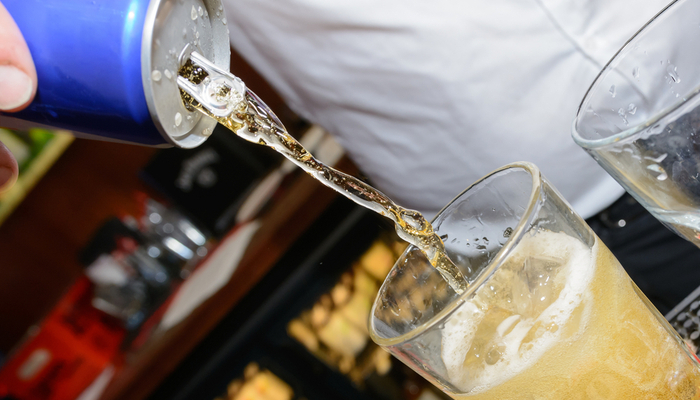
    Many younger adults and even some teenagers who commonly drink energy drinks will often mix them with alcohol. These beverages combined raise a number of serious health concerns. The dehydrating potential of both substances when combined is increased, and they each offset some of the visible negative effects of the other.

    When intoxicated, one of the limiting factors to binge drinking is the drowsiness that accompanies high alcohol intake. Likewise, when drinking energy drinks, the feeling of jitteriness and increased heartrate often keeps people from over-indulging in them. When alcohol and energy drinks are mixed together, however, they offset one another and can lead to a dramatic increase in binge drinking behaviors.

    Added Sugars

    A single 16 ounce can of energy drink can contain as much as 62 grams of added sugars. This is a tremendous amount of sugar, and well exceeds the recommended daily allotment of added sugars in an adult’s diet. Added sugars in energy drinks serve to sweeten and mask the powerful flavors that the high caffeine content generates.

    In the case of these larger, 16-ounce cans, the amount of sugar is enough alone to make them worrisome from a health perspective. The shorter, energy “shot” type of drink tends to have a high sugar content, usually around 30 grams, which still makes them high in added sugars. However, they tend to pack just as much caffeine as the larger-size drinks, so those health concerns remain.

    Sleep Patterns

    Excessive consumption of energy drinks has been shown to interfere with the natural sleeping patterns of teenagers and young adults. Due to the high caffeine content, it’s likely that younger people, with more sensitive systems, stay up for much longer than they may even want to with energy drinks.

    Staying up later means they’ll lose out on sleep, which will make it harder to focus on school or work the following day. This, in turn, leads them to drink energy drinks to wake up from their grogginess. Thus, energy drinks can be a negative, self-reinforcing habit.

    Organs

    The high amount of caffeine and sugar in energy drinks may also cause more strain on internal organs. For instance, the kidneys and liver, which serve to filter impurities from the blood, could be damaged by the high amounts of sugar and caffeine they filter.

    Likewise, energy drinks can have a negative impact on the heart, causing it to beat faster and increasing blood pressure. In short, energy drinks put the body into “overdrive,” pushing it beyond its normal operating limits and putting extra stress on the internal organs. Drink them sparingly, if you really want to drink them, and consider replacing them in your diet with drinks like coffee or tea instead.


  • What Should You do with Your Old Car? Our Tips

    What Should You do with Your Old Car? Our Tips

    When you buy a new vehicle, you’ve got a number of options for what you can do with your old ride. You can trade it in to the dealership towards your new purchase, or you can try to sell it privately. If you’re feeling particularly generous, you could simply donate it to charity. Today we’re looking at these main courses of action to help you figure out which one is right for your specific case.

    What to do with Your Old Ride

    Trade it In

    One of the most common things to do with your old vehicle is to simply trade it in to the dealership. This is the least hassle and most immediate way to get value out of your vehicle. The dealership will offer you a portion of what the old vehicle is worth, usually as a credit towards your purchase of a new vehicle to them. This is why it’s called a “trade-in,” as you’re trading the car for a portion of its value.

    Trade-ins offer a variety of attractive features for some buyers. Firstly, it’s really easy. As long as your car is in reasonable condition and isn’t too old, the dealership will just make you an offer on it. Secondly, it’s much simpler to just drive your car onto the lot, trade it in, and drive off with the vehicle you wanted. Finally, some dealerships offer incentives or deals during sales event that can give you a lot more value for a trade-in, making them more attractive during some seasons that others.

    Typically, you get less value for a trade-in than if you were to just sell the car yourself and then bring that money to negotiate for a new car. When you’re trading a car in, the dealership has you at a disadvantage, because they know you really want the new car and you’re just ready to drive away in a new ride.

    Sell it Yourself

    A much more direct way to make money from your old ride is to just sell it yourself. Keep in mind, however, that this will involve a bit more legwork. You’ll need to list the car for sale, be ready to show it to prospective buyers, and be able to go out with them for test drives. Then, you’ll have to haggle over the price with the buyer, because that’s just how car sales go, sadly.

    This offers some advantages over a trade-in, though. When you’re the one selling, you’ve got the power of denial. If someone gives you a lousy offer, you just tell them to beat it. You’re able to sell the car at whatever pace you’re comfortable with, and when you get the right offer, you can sell to the highest bidder. It’s more difficult, but it nets you a better overall value.

    Charitable Donation

    If you want to avoid all of that nonsense and just do something good with your old ride, you can give it to a charitable organization. This is great for your community, as it means that a person in need can get a car, as well as being good for you come tax time. That’s right: automotive donations are tax deductible.

    If you don’t feel like getting lowballed by dealerships or having to let strangers drive your car around, you can simply give it to charity. This is a great way to recoup some money back from your old vehicle while avoiding a lot of the hassles of the other two methods. Of course, this requires you have the money for a new car up-front, as you won’t see the value from this technique until the next tax season.


  • Losing Weight Without Dieting: Changing Lifestyle

    Losing Weight Without Dieting: Changing Lifestyle

    Despite what some people say, it’s not hard to lose weight. Anyone can pick up a fad diet and see a few pounds fall off in the short term. The trouble, as with anything, is sticking to a lifestyle. Fad diets only get you so far, and by the time you say “forget this” and go back to eating normally, you gain the weight right back.

    Today we’re going over some of the best ways you can lose weight by changing your lifestyle. Remember, as with anything in life, you need to be dedicated to losing weight and you need to be consistent in your lifestyle changes.

    Getting Enough Sleep

    Sleep is a huge factor in weight gain. If you’re constantly staying up too late, you’re likely sleeping in too late. If you’re sleeping in too late, you’re likely slowing your metabolism considerably. Not to mention, when you stay up later at night, you’re more likely to snack on junk food before bed and then sleep on empty calories.

    One of the best places to start when it comes to shifting to a healthier lifestyle is with your sleep. Try to get to bed earlier and wake up earlier. There are a lot of positive associations with people who awake early and start their day off in an active way.

    Exercise

    Waking early means you have more time in the morning to yourself. Use this time wisely! You’re trying to get healthier, so why not exercise? Consider getting an exercise mat or a treadmill so you can work out at home before work. This will not only be good for you, but it gets your blood pumping and adrenaline up for the day!

    Exercise is one of the key ways to lose weight. Most people find that the more they work out, the more they want to work out. This, in turn, develops muscles that are better at burning calories, helping you keep the weight off. It’s a really positive, self-reinforcing cycle that keeps you healthier. Not to mention, you’ll look great with those fit, toned muscles!

    Don’t Skip Breakfast

    You might be noticing a theme here: your mornings are really quite important. After your morning workout, make sure you grab a big, hardy breakfast. Seriously, go all out. Sausage, eggs, fruit, grits, whatever otherwise healthy foods you want to layer on. If you have a big breakfast, you’re actually helping yourself to lose weight.

    Here’s what we mean: when you skip breakfast, you put your metabolism in slow-motion. By the time lunch rolls around, you’re sort of hungry, so you have a medium-sized lunch. Then, your metabolism kicks in, you start getting hungry, and by dinner you have a huge meal. Then you snack all night until bed time, when you sleep on those calories. Why not reverse this trend, front-load the calories and burn them off throughout the day? It’s way better for you!

    Drink More Water

    Stop drinking all those sodas and beers. Liquid calories are really, really hard to notice: they creep up on you. They don’t make you feel full, and then you throw food on top of them. Often, these liquid calories are comprised mostly of sugar, meaning your body pretty much instantly stores them as fat.

    Instead of drinking sodas, consider drinking black coffee or tea for your caffeine. As for the beer, it might be better for you to simply not drink alcohol when you’re trying to lose weight. While not exactly “good” for you, if you would like to drink but don’t want the calories, most hard liquors are nearly zero calorie.


  • Eating Healthier: Best Probiotics

    Eating Healthier: Best Probiotics

    Maybe you’re looking to eat healthier to lose some weight, or you just want to encourage better lifestyle habits in yourself. Either way, you’re probably looking for some good foods to add to your diet. Have you looked into probiotics as ways to make your diet healthier? Today we’re going over some of the best probiotics you can add to your diet!

    Best Probiotics

    What are Probiotics?

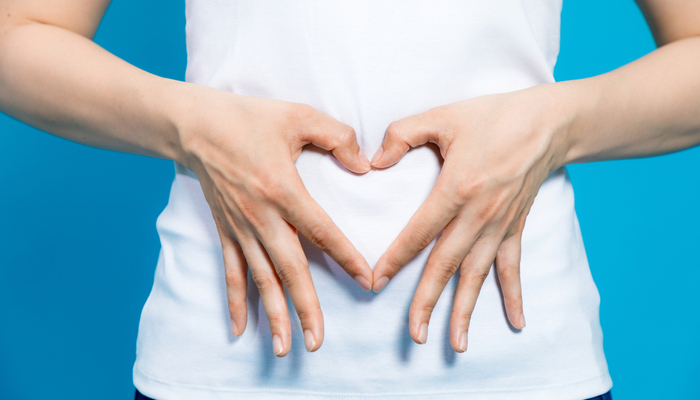
    Probiotics are foods that have been shown to encourage the growth of positive bacteria. Your intestinal tract is home to millions of bacteria that help you break down and process the foods you eat, so taking good care of them is vital for good intestinal health! Here are some of the foods you can eat to encourage good intestinal health.

    Sauerkraut

    A very beloved German dish, sauerkraut is thinly-shredded cabbage fermented by lactic acid bacteria. You’ll often see sauerkraut served on top of sausage at German restaurants, or as a side with traditional German food. It has a distinctive sour and salty taste that is described by some as overwhelming, and others as delicious.

    Sauerkraut is very good for you for a number of reasons. Firstly, it’s packed full of probiotics, which are great for your intestinal health. Secondly, it’s also a great source of vitamins: it’s loaded with vitamin B, vitamin C and vitamin K. Notably, if you want the healthiest version of sauerkraut, you need to get the unpasteurized variety.

    Kefir

    Kefir is a milk-based drink, created by adding kefir grains to cow’s milk or goat’s milk. Kefir grains aren’t grains in the same sense that barley or oats are grains, but are instead created from lactic acid bacteria cultures. They’ve been described as looking similar to cauliflower.

    Notably, even people who are lactose intolerant tend to handle kefir well. This is likely due to the high concentrations of positive bacteria and yeast that are found within kefir, which help to stimulate good digestion and positive intestinal health. People who commonly consume it tend to praise the good overall feeling they get from ingesting the drink.

    Yogurt

    Likely the least exotic of the foods on this list, yogurt is not dissimilar from kefir. Both are great sources of probiotics, and both are dairy-based. Like kefir, yogurt tends to be easier on the stomach for people who are lactose intolerant.

    Yogurt has a variety of positive health impacts. It’s great for bone health, as well as being an excellent source of calcium. Make sure, however, that the yogurt brandy you’re choosing has live cultures or bacteria in it, otherwise it won’t give you the great probiotic health benefits. Likewise, make sure the brand you’re getting doesn’t have a ton of added sugars.

    Kimchi

    The much-beloved Korean food kimchi is another excellent source of probiotics. The fermented cabbage dish has been compared positively to sauerkraut, as the two foods are both fermented cabbage dishes. However, unlike sauerkraut, kimchi can be made from a variety of other vegetables, too.

    As far as health benefits go, kimchi is really great for you. It’s loaded with a lactic acid bacteria named for the dish, Lactobacillus kimchii, as well as vitamin K and vitamin B2. In addition, it’s a great source of iron!

    Miso

    Another far East favorite, miso is a Japanese seasoning that is traditionally made from fermented soybeans with koji, a Japanese fungus. Commonly, miso is added to soup, and such soups are considered a staple of breakfast foods in Japan. The seasoning has been described as earthy, salty and savory.

    Miso is high in both protein and fiber, and has been shown to reduce the likelihood of breast cancer in middle-aged women. Much like other probiotics, miso is also a great source of vitamin K and positive bacteria.


  • Will Electric Cars Replace Gas-Powered Vehicles?

    Will Electric Cars Replace Gas-Powered Vehicles?

    Electric cars have been swirling about in the automotive world for decades now. However, more and more it seems as though they may truly represent the future of automobiles. How realistic is it to assume that the future will be full of electric cars and that gas stations will become a thing of the past? Let’s take a closer look.

    Electric Cars vs Gas-Powered

    Why Gasoline

    While there are many people who speculate that gasoline-powered vehicles are now being buoyed by the oil industry, the origins of automobiles show just how we started with gas. When creating the early automobile, the engineers realized that crude oil was incredibly rich with latent energy. What other substance could you use to carry a few thousand pounds of car for upwards of twenty miles on a single gallon?

    This rich potential energy, and the plentiful supply of crude oil that can be found in the world, long made gasoline the natural go-to for automotive manufacturers. However, the substance brings about a lot of issues. Firstly, sourcing it can lead to serious environmental damage, and burning the fuel source is likely a major contributor to global climate change.

    Alternatives

    Historically, electric-powered cars date back to as early as 1828, when Anyos Jedlik created a prototype electric motor that could push a small car around. However, it wouldn’t be until the mid-1890’s that these types of vehicles became more practical. After the turn of the century, interest in electric cars waned as the distances that could be covered with petroleum far outpaced common batteries at the time.

    In the modern era, batteries are finally advanced enough to compete with gasoline-powered engines in terms of acceleration, top speed and range. Spurred on by the success of the 2008 Tesla Roadster, many automotive manufacturers now offer electric options for some of their vehicles. For instance, cars from manufacturers like Honda, Nissan, BMW and General Motors can now all be found in electric configurations.

    Becoming the Norm

    There are some serious hurdles that electric cars with have to clear before they can become the norm, however. These obstacles include the high up-front cost of the vehicles, their battery range, and resistance from the oil industry. Notably, most electric cars have a high buy-in price, often exceeding $30,000 for a vehicle with comparable performance to gas-powered vehicles.

    While electric enthusiasts are quick to point out that electric vehicles have a lower cost of ownership, due to not needing gas or oil changes, this does little to soften the blow of the hefty initial buy-in. Likewise, for people with longer commutes, electric cars can introduce a bit of “range anxiety.” Unless there happens to be a charging station where you work, you might be worried about running out of range on the way home from work if you have a taxing commute.

    Entrenched Culture

    Bucking the entrenched culture of the oil industry is the biggest hurdle that electric cars will need to clear. While becoming more affordable and offering more reasonable range, such as the ranges seen on some of Tesla’s cars, will help, the biggest issues is going to be dethroning gas as king of automobiles. A lot of the issues here are going to include convincing consumers that electric cars are reliable and powerful, and that making the switch to electric is good for the environment as well as the driver.

    That said, a future is foreseeable where gas stations become charging stations and oil companies shift their priorities away from gas and onto renewable sources of energy. As prices come down and electric motors become better and better, it’s hard to see a reason not to switch over.


  • Side Hustles: Extra Cash for Bills, or Just for Fun!

    Side Hustles: Extra Cash for Bills, or Just for Fun!

    Who couldn’t use an extra couple of bucks before payday? We’ve all been there: you want to hit a movie with your pals but you’re short the cash. Or, you see a new outfit or video game that you really wish you could squeeze into the budget, but you’ve got to pay rent this pay period. If you know that feeling, you could use a side hustle!

    Whether you’re just starting out at your job and trying to make ends meet or you’re just trying to some extra scratch for a fun expense, there are a number of options to fatten your wallet a bit. Most importantly, creativity and a can-do attitude are a great help for anyone looking to make some extra dough.

    Important Notes

    Before you start a side hustle, make sure it doesn’t include any conflict of interest with your day job. This goes double if your day job pays the bills and your side job is just for spending money. For instance, make sure that your side hustle isn’t directly competing with your day job, or is something that is causing you to prevent your employer from getting business.

    On that same note, make sure you don’t spend too much time or energy on your side hustle. You want to make sure that you’re devoting your all to your day job when it’s what keeps food on your table. Unless you’re making enough from your side hustle to convert it into full-time work, you’ll want to keep your day job!

    Freelance Writing

    If you have a knack for the written word but your day job doesn’t involve writing, you could turn your skills into a lucrative side hustle. Freelance writing lets you trade in some of your free time for extra cash. If you draw up a contract with your clients, you can accurately predict how much your side hustle will make you.

    Writers can make around $500 to $3000 extra per month, depending on the contract, how many articles they’re writing and what their limit is. Typically, you can find work as a freelance writer through sites like Craigslist, Upwork and Fiverr.

    Creative Freelance

    You can extend this to most creative fields, beyond just writing. For instance, if you’re a great painter, illustrator or designer, these are also fields you can freelance in to make some side money. Creative freelancers can set their own hours, work from home, and can use their passions to shore up some extra cash.

    Common ways for creative freelancers to find work is through sites like Patreon, DeviantArt, Tumblr and the like. Commissions for their work can vary dramatically in price, though it pays to do some research and ensure your rate is competitive with others in the field.

    Gig Work

    Gig work is a mixed bag. Some people have noted that gig work isn’t great as full-time employment, though many enjoy it as a way to make some side money. While it likely won’t be replacing your main job, it’s a great way to turn your free time into some extra cash. For instance, if you find it difficult to hit bills some months, you might want to drive for Lyft or Uber a few nights and make some extra money.

    There are a number of apps you can use to work as a gig worker. Examples like Uber and Lyft are common, as are delivery apps like GrubHub and DoorDash. Postmates is another common delivery app, though there are many others in this same vein. You’ll often find that working with gig apps is a bit taxing, so make sure you don’t burn yourself out so much that you’re tired at your day job.


  • Tips for Getting to Sleep and Staying Asleep

    Tips for Getting to Sleep and Staying Asleep

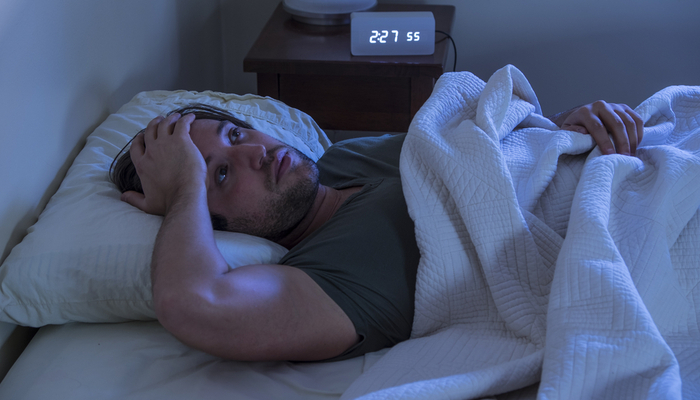
    While some people find themselves falling asleep as soon as their head hits the pillow, others find it nearly impossible to get to sleep. Maybe you’re laying there for an hour or more just wishing you could fall asleep. Your mind races and you can’t seem to doze off. However, in all of these cases, you simply can’t seem to get to sleep easily.

    While there are a number of over-the-counter and prescription medicines that are designed to help people sleep, today we’re focusing on non-medical ways to get to sleep and stay asleep. Let’s talk about counting some sheep and sawing some logs.

    Get Tons of Sunlight

    This might sound counterintuitive but trust us. Getting tons of sunlight exposure during the day is a great way to encourage your body’s natural circadian rhythms. While you might have an indoor job, or work nights, there are still ways to simulate the experience of sunlight. You could, for instance, get a sun lamp for your desk or workspace.

    Make sure that on your days off you get a ton of sunlight, too. The more direct sunlight hits your eyes, the more likely it is that you’ll get to sleep and stay asleep. While it’s difficult for some people to get as much sun as others, it’s still very much worth trying to get in as much as you can.

    Lights Out

    Following up on our last tip, make sure that when it’s bed time, your space is dark. Try to limit your blue light exposure in the evenings. Your brain interprets blue light as sunlight in some cases, so it can help to keep you awake even when you should be sleeping. Set a soft time for lights out to cut off the lights in your room and a hard bedtime for a time by which you need to be laying down with your eyes closed.

    If need be, get thick curtains to block any light that could come in through your windows. Similarly, you could consider getting earplugs if the space you sleep in is noisy and you find it hard to fall asleep there. Another option would be a white noise machine, something to play soft sounds to drown out nearby noises.

    Consistency

    Try to get to sleep at a consistent time every day. Even if you get a regular weekend, you should consider getting to bed and waking up at consistent times throughout the week. This also helps to solidify your circadian rhythms and reinforce your normal sleeping schedule.

    Along this same tip, you’ll want to try to reduce your consumption of caffeine late in the day. Caffeine is really good at doing its job of stimulating your brain and keeping you awake. As such, you shouldn’t drink it within six hours of the time you want to get to sleep.

    Lifestyle

    Try to avoid self-medicating in order to get to sleep. This includes doing things like drinking alcohol to make yourself fall asleep and consuming drugs (whether over-the-counter or recreational) that you haven’t been prescribed by a doctor to encourage sleep. These types of activities can reinforce very negative habits, such as drug and alcohol abuse.

    Instead, consider positive lifestyle habits that can help you get to sleep more readily. These include exercising in the evenings in order to tire yourself out, watching a movie close to bedtime to make yourself more relaxed, and reading a book in bed to get yourself drowsy. Many people even use things like online videos designed to help them relax and get into a sleepy mindset: consider listening to these while wearing light earbuds that are easy to take out as you nod closer to sleep.


  • DNA Tests: Separating Fact and Fiction

    DNA Tests: Separating Fact and Fiction

    Everyone has that basic curiosity about where they come from. While some people might ask “where did I come from?” in a more existential sense, there are ways to find out where your genetics are quite literally from using modern science. Recent advantages in DNA sequencing technology have led to a dramatic increase in interest among people wanting to learn more about their genetic background.

    However, a number of myths regarding DNA tests still persist. Today we’re going to go over some of the most common misconceptions regarding ancestry DNA tests. We’ll look at what the tests can and can’t do to help you decide whether it’s something you want to spend your money on.

    Types of Test

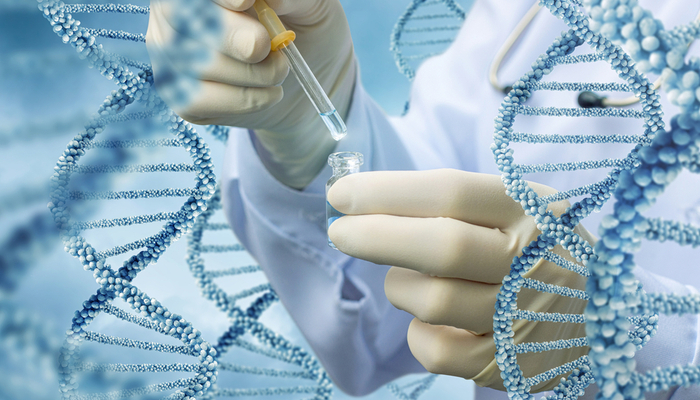
    There are actually three major types of tests that can determine specifics about your DNA. The one you’re likely familiar with is the autosomal DNA test, which is commonly used to determine your ethnic background and your connection to your living cousins. You get half of your autosomal DNA from your father and the other half from your mother. However, it’s worth noting that autosomal DNA can only really be traced back about six generations.

    The other two major ways to trace DNA back are mtDNA tests and Y-DNA tests. These represent tests done to trace the mitochondrial DNA and the Y chromosome, respectively. As such, mtDNA tests are useful for tracing the maternal lineage of a subject, while Y-DNA tests can track their paternal line. It’s worth noting that a subject who doesn’t have a Y chromosome can not benefit from a Y-DNA test.

    On Ethnicity and Origins

    One of the most common arguments among anthropologists and genetic researchers centers on discussions of ethnicity and region of origin. While it’s easy enough to pinpoint certain genetic features shared among currently living humans in modern-day regions, it requires a bit of educated guesswork to say which ethnicity, or which region, certain genetic markers belong to.

    Some of the issues with pinpointing exact geographic origins for genes is that humans, historically, have moved around a lot. If your ancestors were very rooted in place and resistant to influxes of foreigners, it’s likely easy to distinguish your DNA from that of most other people in the world. For an example of this, one could look at Japan’s largely isolationist worldview up until the end of the second World War.

    However, if your ancestry includes lots of people who moved from region to region, even as often as once every few generations, it gets very difficult to pinpoint your exact geographic origins. While researchers do a lot of work to make sure they offer as accurate a view as possible, the truth is, most people have such a complex heritage that it’s difficult to say that their genetics are originally “from” anywhere in particular.

    Extended Family

    One of the common misconceptions about DNA tests also holds that they are able to help determine your distant family members, long-lost distant cousins and ancient relations. However, as we noted, autosomal DNA tests (the kind that most commercial DNA services offer) only reach back around six generations. This means that these tests are great at determining close relations, like parents, siblings and cousins, but not so great with longer stretches.

    In short, DNA testing through a major DNA service is a very cool way to learn about your genetics and how they compare to currently-living humans. You’ll get a great broad picture of your genetic background, and you’ll see some researchers’ best guess as to where your genes hail from. However, DNA testing isn’t a magical way to determine that you were related to some ancient king or long-lost civilization. That doesn’t mean it isn’t fun to dream of, though!


  • Buzz Off: Stopping Mosquitoes from Ruining Your Summer Fun

    Buzz Off: Stopping Mosquitoes from Ruining Your Summer Fun

    Whether you’re grilling out, spending the day by the pool or just relaxing in the back yard, the last thing you need is a bunch of mosquitoes trying to suck the life out of you. They’re annoying, they’re itchy and they can carry some gnarly diseases. Today we’re going over some of the best ways you can take steps to keep mosquitoes off of you and out of your yard.

    Buzz Off, Mosquitoes!

    Keeping Your Yard Clear

    One of the best ways to deal with the amount of mosquitoes in your yard would be to take care of any potential collectors of standing water. Mosquitoes are naturally drawn to still water as a source of nourishment and as a place to breed. Overturned buckets, birdbaths, dishes and the like are all ample breeding grounds for the blood-suckers. Make sure you clear all of these from your yard, and ask your neighbors to do the same to clear up any mosquito issues in the neighborhood.

    Another good strategy for keeping your home mosquito-free naturally is to leave any harmless spiders you see outside alone. Spiders do a great job of controlling local mosquito populations by trapping them in their webs and eating them! As such, if you see any non-harmful spiders spinning webs, or even daddy long-legs spiders, let them be! They’ll help keep your yard bug-free.

    Keeping them Off

    Of course, this is a good way to reduce their number, but you’ll want a way to deal with them in the moment, too. A mosquito swatter is a great first step in this regard: it’s a bit thicker and heavier than a fly swatter, mounted on a springy wire. These types of swatters help you get momentum to swat any errant mosquitoes that have made the mistake of trying to drink your lifeblood.

    Another good way to keep mosquitoes off of you is to wear long-sleeve shirts and long pants that are loose-fitting and breathable. Of course, not everyone wants to wear long clothing during the height of summertime, so this works better if you’re out in the evening when a cooler breeze is blowing through.

    Warding Mechanisms

    You can ward mosquitoes off with citronella products. For whatever reason, mosquitoes become confused and repelled by the smell of citronella. You can wear citronella oil on your skin as a warding agent, keeping mosquitoes from wanting to land on you. Another method is to use citronella candles, burning them to diffuse the smoke throughout the air, which can confound and repel nearby mosquitoes.

    Essential oil diffusers can also be used to diffuse citronella oil into the air. You don’t need to use just citronella oil, either. Other essential oils, like lavender, catnip and lemon eucalyptus can all have mosquito-warding effects. This makes them ideal for use during outdoor events in the summer, as the oils tend to smell nice while keeping you and your guests free of the annoying little bugs.

    Trapping Mosquitoes

    If you’re downright sick of mosquitoes coming around your house and just want to kill them off altogether, you can set up mosquito traps. A low-budget option would be a dish of soapy water. Placing it in an otherwise innocuous location can entice passing mosquitoes to stop for a drink. However, the soap bubbles trap them and make their wings heavy, drowning them.

    There are also more high-tech solutions, mosquito-trapping machines that use heat and carbon dioxide to lure the bugs inside in order to trap them. These are often preferred over generic electric “zapper” devices that indiscriminately kill any bug that enters your yard. Several species of bug are harmless to you, and, in fact, are good for your neighborhood, so zapping them willy-nilly isn’t a great plan.