Blog

  • Managing Cat Allergies when You Own a Cat

    Managing Cat Allergies when You Own a Cat

    Who doesn’t love cats? Their sweet demeanors, soft purrs and adorable meows make them appealing for fans of all things cute. Their propensity for cuddling and spending time in their owners’ laps makes them great for people looking for a little companion. However, they also have unique proteins in their saliva and urine that can cause allergic reaction in some people.

    If you want a cat, or have a cat, but suffer from cat allergies, you’re probably wondering how best to handle the situation. On the one hand, you want a sweet little kitty to keep you company. On the other hand, you don’t want to be sneezing and scratching your eyes in your own home. So, how do you manage your cat allergies?

    The Good News

    Here’s the good news: most people with cat allergies find themselves experiencing less and less symptoms as they are exposed to cats for longer. Most people will lose the worst of their symptoms after they own a cat for a few months. While this isn’t true for everyone, it means that most people can look forward to eventually being able to hug their kitty without sneezing and having their eyes water.

    Cleaning

    One of the first things you’ll need to get in the habit of when you get a cat is cleaning regularly. Their saliva and their urine are the causes of your allergies, and their saliva is present in the dander they leave behind, since they lick themselves to bathe.

    As such, dusting, sweeping and vacuuming need to become common parts of your routine. Letting their dander pool up in corners, under furniture and around the house is going to make you a very sad camper very fast, as your allergies pile up and your motivation to clean vanishes.

    Likewise, you’re going to need to keep that litter box cleaned out. Even if you only have one cat, it’s a good idea to clean their box out once a day. This keeps the smells from accumulating, keeps bugs from infesting the room you keep the box in, and it also helps you to not have as strong of an allergic reaction. On this note, you’ll also want to fully rotate all of the litter from the box about once a week, replacing it with all-new litter.

    Washing the Cat

    We know that washing your kitty is likely about as easy as chasing a car on foot down the highway, but this can help a lot with your allergies. If you can manage to give your cat a proper bath about once every four to six week, you’ll likely see a marked improvement in your allergy symptoms. Just make sure you’re careful and gentle with your kitty: she probably hates the bath tub.

    For a few pieces of advice on how to pull this off without getting scratched all to pieces, ask your vet if they know a way to carefully give your kitty a bath. Some things you could try would include bribing the kitty with their favorite wet food, or even sneaking them some (vet approved) sedatives that will make them kind of drowsy while you sponge them off. Remember: don’t give your kitty any medicine that a vet did not write a prescription for!

    Air Purifier

    Air purifiers can help to contain any lingering cat dander in the air. This is a good way to help your cleaning efforts if you feel like sweeping and vacuuming alone aren’t covering all of the dander in your home. Not to mention, air purifiers can also help to make the smells of the litter box much harder to notice, if at all!



  • Best Treatments for Migraines: Treating the Symptoms

    Best Treatments for Migraines: Treating the Symptoms

    Those who suffer from migraines know the feeling creeping up on them. It’s a tightness behind the eyes, stiffness in the neck and shoulder. Before they can respond, they’ve got a full-blown migraine hammering away inside their head. How can you take steps to alleviate your migraine symptoms?

    Today we’re taking a look at some of the medicines and treatments that are most effective for curtailing the effects of a bad migraine. While there’s no cure-all for the condition, there are steps you can take to make the symptoms a bit more bearable. So, let’s take a look.

    What is a Migraine?

    First, let’s look at what migraines are. Scientists aren’t sure, definitively, what causes a migraine, or what exactly they are. However, the symptoms are well-documented: splitting headaches, photosensitivity, nausea and extreme pain. The prevailing theory as to their physical origins in the body holds that they occur when your brain sends a wave of activity across your nerves into you trigeminal nerve.

    This, in turn, causes something of a “cascade” effect. The body releases a series of neurotransmitters that cause the blood vessels around the skull to enlarge, putting more stress on the nerves and muscles of the cranium. This, in turn, causes more of these neurotransmitters to be released, further engorging the blood vessels and increasing the pain. This creates a feedback loop that makes migraines incredibly painful.

    Remember, however, that migraines are not life-threatening, and you’re in no danger from them: they just hurt very badly. Your symptoms will not cause any long-term damage to you, they’re just highly uncomfortable.

    Setting

    Often, one of the best things you can do for a migraine is change your setting. If you’re finding yourself battling migraine symptoms in public, you might want to try to find a nice, quiet area to rest in. Migraines are usually exacerbated by bright lights and loud sounds, which prevent you from recovering from the symptoms quickly.

    In some cases, extreme temperature fluctuations can also make migraine symptoms worse. If you’re in a very cold room, or a very hot room, try to find an area that’s milder and more neutral. This will help you to focus on just feeling better!

    Stress

    Stress is a major factor in migraines. In many cases, stress is the only actual trigger for the headache, but just an emotional one. If you find yourself experiencing a major migraine while you’re stressing out, grab a stress ball and try to work out your emotions. Breathing meditation, yoga and the like can also be helpful for reducing stress.

    If you work in a stressful environment, consider keeping some tea on hand that you can brew and then drink. Ideally, this will allow you to take a brief break from your duties, if they’re stressing you out, while you steep your tea and drink it. The warm liquid and calming ritual both work wonder in helping you calm down!

    Pain Relievers

    Another way to address migraines is through the use of pain-relieving medicine. If you have them on hand, common NSAIDs can be helpful. Drugs like ibuprofen, Tylenol and Aleve are examples of these kinds of pain relievers. They typically take a few hours to get into your system, but they are rather effective at dealing with headache symptoms in most people.

    Another type of medication you can take is the “migraine abortive” variety of drugs. These usually can’t be taken with migraines that have an “aura” (a period of sensory overload before the onset of the actual migraine symptoms), so speak with your doctor about these types of medications. They’ll be able to help you select one that is right for your specific situation.


  • Which Franchise is the Best to Own?

    Which Franchise is the Best to Own?

    If you’re an entrepreneur considering getting into your own business, you might not know what exactly you want to get into selling. The market in your area may be crowded, and you’re looking for a sure-thing investment that will return your money consistently. In this case, you should consider buying a franchise.

    Franchises give you the benefit of an existing brand you can market, a supply chain you can take advantage of and a legal overhead you can rely on for staying within local and state laws. Of course, when you get into a franchise, you’ve got some up-front costs to consider. Let’s look at some popular franchises that are considered some of the best to own right now.

    Considerations

    Before you get into a franchise, know that you’re signing up for some up-front expenses. These include franchise fees, which you pay to become a franchisee, up-front inventory stocking costs, royalties and real estate fees. As such, you could be looking at a rather heft up-front investment out of your own pocket. While you may be able to get a business loan for the expenses, this is a lot of money to owe.

    As such, make sure you do your research on any franchise you’re considering buying. Make sure they have good brand recognition, a strong financial standing and a good presence to help back up your investment. Otherwise you might be throwing a lot of money away.

    Seven-Eleven

    This highly popular convenience store is one of the best franchises to own at the moment, thanks in part to its recognizable name and potentially low franchise fee. The franchise fee could be as low as $10,000, but could be as a bit higher for certain regions.

    The strengths of Seven-Eleven include its name-recognition and its position as a convenience store with gas pumps. Everyone needs to stop in and get gas from time to time, so you’re guaranteed to make snack and beverage sales when people drop by. This is a surefire way to get some revenue coming in.

    McDonald’s

    Everyone knows the name McDonald’s, and everyone has been into one to grab some food. While McDonald’s might have a very high franchise fee, it’s for good reason. You’d be hard-pressed to find a more recognizable name, or a product that is easier to sell, than McDonald’s burgers. If you can get together the $45,000 franchise fee, you’re likely to have a great investment on your hands.

    Every town in America has a McDonald’s. This gives you a huge edge: everyone already loves the products you’ll be selling. You’ll find it easy to market yourself to people, and you’ll likely find customers just coming to you. It’s every franchisee’s dream.

    Dunkin Donuts

    Okay, they’re just called “Dunkin” now, but they still sell doughnuts, so let’s not mince words. This popular donut shop sells a ton of coffee and a ton of pastries, and is a regional favorite in areas like New England and parts of the Southeast. It’s also got locations all over the world, in 32 countries, and has a very recognizable name.

    As a franchisee, you only need an up-front fee of $40,000 to $90,000 in order to get started. From there, you’re in business selling coffee and donuts to people who have been fans of the long-running brand for years. The company also supports franchisees with help marketing, managing and even selecting and constructing sites! There’s a lot to love about Dunkin, and they make sure to take care of their franchisees. After all, the better the franchise does, the better they do!


  • Best Milk Substitutes: Avoid Dairy without Compromising

    Best Milk Substitutes: Avoid Dairy without Compromising

    Dairy isn’t exactly good for you, but you probably already knew that. However, skipping out on milk and cheese and yogurt can all be quite difficult when you’re living in the US. So, what are some of the best non-dairy options for milk? After all, you still want to be able to cook and eat cereal without getting too much dairy intake. Let’s look at some of the dairy-free favorites.

    Best Milk Substitutes

    Why Avoid Milk?

    Dairy in general is a substance that many people in the world choose to avoid. Globally, about three out of every four people are lactose intolerant. In fact, America is a bit unusual in that it is comprised of so many people that can process dairy. So, if you’ve got lactose intolerance, don’t feel bad, it just means that you’re like most of the species!

    Another reason to avoid dairy is that it’s just flat-out not good for you. Very high in fat, very high in sugar and lacking in many nutrients, milk is something of a weird cultural artifact in American cuisine. It’s one claim to nutrition, that it helps build strong bones through its calcium, is actually debated by many nutritionists as being misleading. After all, almonds, figs and kale are all much better sources of calcium, and they’re much better for your body.

    Almond Milk

    One of the first substitutes for milk anyone will mention is almond milk. It’s common, relatively inexpensive and full of calcium. In fact, if your main reason to drink milk was for the calcium to help build up strong bones, then almond milk is perfect for you. The flavor has been described as being more “watery” than cow’s milk, but when used in cooking or cereal it’s hard to notice the difference.

    There’s notably much less fat and much fewer calories in almond milk than cow’s milk. There’s also lower protein and lower in carbs, and almond milk is one of the least-fattening milk substitutes. If you’re trying to watch your calorie intake and still get plenty of calcium, then almond milk is likely the right substitute for you.

    Soy Milk

    Don’t let half-formed concerns fool you: soy milk is a great replacement for milk if you’re lactose intolerant or just don’t like consuming animal products. This drink is created from soybeans or soy protein isolate, and it is usually thickened by various agents and vegetable oils to help the drink’s consistency.

    Soy milk has a similar concentration of protein as cow’s milk, but it has decidedly less fat, carbs and calories. Soy is also a major source of “complete” proteins that include the full range of amino acids that you have to acquire from your food and can’t create on your own. Contrary to what some internet theories claim, there’s also no evidence that soy milk adversely affects any hormone receptors in the body. Soy milk is perfectly safe and healthy for normal adults to drink.

    Oat Milk

    A very simple milk substitute, oat milk is essentially just oats and water. Often, oils, salts and gums are added to the mix to give the beverage a more “milk-like” texture and taste. Oat milk is popular in cooking, mixed into smoothies and in cereal. It has been noted as being a very close reproduction of the flavor and texture of cow’s milk.

    Notably, oat milk is actually not as good for you as some of the other substitutes available. It’s got double the carbs, the same amount of calories and half of the protein of milk. Thankfully, it also contains half the fat that milk does. However, for those on a diet or watching their calories, oat milk might not be the best substitute.


  • Best Ways to Relieve Back Pain without Breaking the Bank

    Best Ways to Relieve Back Pain without Breaking the Bank

    If you struggle with back pain, you know how much of a drain it can be on your daily life. Whether you’re getting out of bed, standing from being seated too long or just trying to play outside with your kids, chronic back pain can rear its ugly head. Thankfully, there are a few ways you can get some relief from your chronic pain that don’t involve spending an arm and a leg. Let’s get into it.

    How to Stop Back Pain

    NSAIDs

    One of the simplest approaches to tackling back pain would be to take simple NSAIDs like ibuprofen, Advil and the like. These general pain relievers are effective at stopping your pain in the short-term, though they might take a bit longer to get going than you’d prefer. If you’ve tried these and they haven’t helped, read on.

    Heat and Cold

    Applying a cold pack or a bag of frozen veggies (wrapped in a washcloth) to your back during a period of extreme pain can have a numbing effect. This can also help to curb inflammation, which is a common cause of general back pain. Make sure you don’t apply ice to any part of your body for more than 20 minutes.

    After a cold treatment, you can use a heating pad or something similar to apply some heat to the affected area. The heat can help loosen stiff muscles, and often helps to reduce aches. Many people find the one-two punch of ice and heat to be incredibly effective for short-term pain relief when their backs are flaring up with pain.

    Exercise

    This might sound counterintuitive, but you need to get tons of exercise in order to keep your muscles loose and limber. This applies to your back muscles too, which could be the culprit in your back pain. Taking a short walk or a quick dip in a pool for some light laps can be a great way to loosen your muscles and strengthen them for the future.

    Likewise, low-impact exercise regiments like yoga and tai chi are excellent for back pain. They aren’t high-impact, so they won’t cause any damage to your back muscles or spine, and they help you to build up stronger muscles. If you don’t already have one, get into a good exercise routine to combat your back pain.

    Stretches

    If you don’t have time for a full-blown yoga routine, that’s okay. Try some low-impact stretching in the morning to limber your back up and help you to reduce your overall discomfort. For instance, try touching your toes from a standing position by slowly reaching down. This stretches your hamstrings and loosens your back muscles.

    Another stretch to try in the mornings could be a simple yoga exercise called the “child’s pose.” This involves kneeling in a sitting position with your knees parallel to your hips. Then, you stretch forward, putting your head down on the exercise mat and stretching your hands out straight along the floor.

    Orthopedic Shoes

    Make sure your shoes aren’t what is causing issues with your back. Often, if you’re wearing shoes that are ill-fitting or offer no support it could exacerbate, or even cause, back pain issues. If this is the case, make sure you get some orthopedic shoes that offer good support for your body.

    These kinds of shows often include soft padding in the soles that distribute your weight more effectively across your feet. This helps you to keep better posture, which, in turn, is great for your back health. You can often speak to a chiropractor about your back pain issues and get their advice on what kinds of shoes might be helpful.


  • Dental Implants: Everything You Need to Know

    Dental Implants: Everything You Need to Know

    When you’re missing teeth or have to have teeth removed, their absence can be embarrassing and can make it difficult to eat, speak or even go about your daily activities. Today we’re looking at dental implants and how they can help you with your condition. We’ll look at what makes them so popular, what the procedure to implant them looks like, and how they stack up to bridges and dentures.

    Dental Implants

    What are Dental Implants?

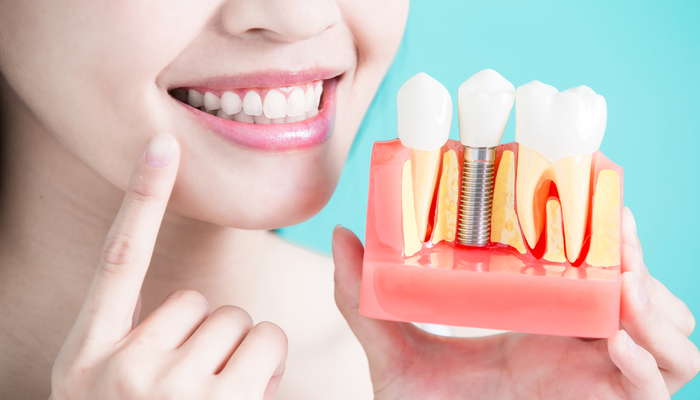
    Dental implants are a relatively knew dental surgical solution for missing teeth. For years, the main way to address lost teeth has been through dentures or bridges. However, dental implants allow for an artificial root to be implanted in the gum to act as a foundation for either fixed or removable replacement teeth.

    As such, they are dental prosthetics, not unlike dentures or bridges. By contract, they are much more in-depth to get: as the name suggests, they have to be implanted directly into your gum. This means that the procedure to get them involves dental surgery, which is daunting for more reasons than just a fear of drills.

    Why Would You Need Them?

    Generally speaking, you would only get a dental implant if you were missing a tooth, or teeth. Typically, people lose teeth to tooth decay, injury or, occasionally, through periodontal disease. Often, younger patients who lose teeth prefer to not have dentures or bridges, due to those prosthetics’ reputations as being for older people only.

    Dental implants offer a number of benefits for patients of any age, though. Firstly, they tend to look better than older prosthetic types. They both look and feel like the patient’s own teeth, since they fuse with the bone and are permanent fixtures.

    Dental Implant Benefits

    There are other benefits for dental implants than just appearance, though. They also offer better comfort, as they are more closely fitted to your own mouth and fit with the rest of your teeth in a natural way, unlike bridges or dentures. Your speech, likewise, is improved when you’re speaking with implants versus dentures, which can slip or slide and cause you to slur or mumble.

    Dental implants are also great for your self-esteem. Since they’re a part of your actual body, there’s no embarrassment about having them. They are more durable, on average, than other prosthetics and can even last an entire lifetime if properly cared for. Finally, dental implants are just more convenient than removable dentures: you don’t have to worry about forgetting them or losing them. They’re just like having your actual teeth.

    Costs

    A drawback to dental implants, as with almost all cosmetic surgeries, is that they are often not covered by insurance. This means you’ll likely have to pay mostly out of pocket to cover the costs of the procedure. As such, you might find dental implants prohibitively expensive compared to other options. However, in some cases, depending on the cause of your tooth loss, insurance may cover the costs of the implants. Your individual case can vary.

    In general, however, dental implants are more costly than dentures or bridges. This is because they become a part of your body: they fuse with your bones and act much like your own natural teeth.

    Bottom Line

    Getting a dental implant is a much more in-depth process, of course, than getting fitted for dentures or a bridge. It involves a surgical procedure that implants a synthetic tooth root in your gum, meaning you’ll have to get a personalized treatment plan from the dental team.

    After the procedure, it can take up to twelve weeks for the gum to heal around the implant. After that, an abutment is attached to the implant to hold the new tooth. Finally, the new false teeth, called crowns, are attached to the abutments and become part of your bite.


  • Botox Treatments: How do they Work?

    Botox Treatments: How do they Work?

    Botox treatments are the most popular non-surgical cosmetic procedure in the world! How much do you know about this popular procedure, though? Maybe you’ve heard about the muscle-paralyzing effects of the procedure, or maybe you’ve just heard that the procedure helps to eliminate wrinkles. Today we’re looking at the treatment, the chemical in question, and whether Botox might be a good idea for you.

    Botox Treatments

    What is Botox?

    The Botox treatment involves using a carefully controlled dose of a neurotoxin to paralyze some of the muscles in your face. That might sound pretty scary, but as long as a professional is applying the procedure it’s perfectly safe. The toxin itself, botulinum toxin, is created in laboratory settings by manipulating a bacterium called Clostridium botulinum.

    The toxin itself is unbelievably dangerous, and is one of the most poisonous substances to humans that science has ever studied. It is estimated that a single gram of botulinum toxin could kill over a million humans, and only a few kilograms could wipe out the entire human race. That’s a pretty scary thought!

    The Toxin

    The toxin itself usually has to be lab-made to be deadly to humans. The bacteria that create it normally don’t do so in their natural environments, unless they transform into vegetative cells. In nature Clostridium botulinum is often found near lakes, in forests and in soil. It often lives in the intestinal tract of small mammals, and can often be found in the gills of fish.

    In high concentrations, the toxin these bacteria create results in a medical condition called botulism. Botulism typically results in serious respiratory distress in affected people, and, if left untreated, results in death. While this all may sound rather scary, the botulinum toxin still has proven to be a successful therapeutic protein.

    What it Does

    Botulinum toxin, when used in small quantities and applied correctly, can paralyze muscles in a very localized fashion. It does this by blocking proteins before they can reach the nerve cells in the muscles. You’ve likely seen the jokes about people getting Botox and being unable to move their facial muscles: this protein-blocking action is the reason why.

    In order for muscles to work correctly, a neurotransmitter called acetylcholine has to be released. It binds to receptors in the muscles and this, in turn, causes the muscles to contract. It’s pretty simple in theory, but in your body is occurs millions of times in a short span of time and across your entire bodily structure. Botulinum toxin is capable of simply cutting this neurotransmitter off at the source, resulting in paralysis. This is what gives it the title “neurotoxin.”

    In Cosmetic Procedures

    All of the scary, nerve-blocking functions would be terrifying in a large dose, of course. In a controlled dose, however, this toxin can have some interesting cosmetic effects. Namely, Botox procedures are normally aimed at reducing the appearance of facial wrinkles or fine lines. It does so through its normal function of blocking proteins and paralyzing muscles, but in a highly localized area.

    By paralyzing these muscles, the intended effect is to cause the face to appear smoother and more youthful. Typically it takes a day or so for the toxin to take effect, though, when it does, it can result in facial stiffness for a few days while the body deals with the toxin. Following the procedure, many find their facial appearance to be much smoother, their wrinkles being reduced.

    There are a few side effects that can occur with the procedure, however. The most common ones include nausea, headaches or migraines, double vision and a general feeling of fatigue. Rarer side effects could include redness or local edema at the injection site, trouble swallowing, neck stiffness or weakness, dry mouth and other side effects.


  • Best Billing and Invoice Software for Small Businesses

    Best Billing and Invoice Software for Small Businesses

    Whether your business has ten employees or a hundred, you need invoicing and billing software. After all, keeping up with who gets money, and how much, is critical to operating your business daily. As such, you need the best billing and invoice software you can get. Today we’re taking a look at some of the best software on the market for your small business so you can get down to business.

    While there’s no one right answer for your business, these are some of the most popular and highly-rated software solutions out there. Your business deserves to succeed, so give it the best chance to by getting the best invoicing software!

    What is Billing and Invoice Software?

    For those who are just starting a small business and might not know, invoicing software is incredibly important to the daily operations of your business. Primarily, this software is for accounting and other financial operations. It can be as simple as something that allows single-entries of data points to more advanced, double-entry applications with more robust features.

    Depending on your business, you might be better served by a simpler software solution that allows you to quickly input and organize data and information. However, your business might be complex enough that it’s more important you have a more thorough and robust software suite available, with functionality such as double-checking your numbers and automating tasks.

    Quickbooks

    One of the most well-known and easily-recognized names in the realm of accounting software, you’ve likely seen commercials from or heard about Quickbooks. That name recognition comes honest: Quickbooks is one of the best software suites for accounting tasks, offering ample features for businesses without overwhelming users with options.

    The user interface is clean, easy-to-navigate and impressive. Task automation is easy and resources to help you find ways to solve problems with Quickbooks are plentiful. One of the best things about choosing a major name like Quickbooks is that most people are already familiar with the software, so your accounting employees will likely have no trouble using it or figuring out how to troubleshoot the software.

    Freshbooks

    Freshbooks, the similarly-named competition to Quickbooks, is another great option for small businesses. While not as recognizable or well-known as Quickbooks, Freshbooks offers a great platform for your accounting needs and is a bit less expensive than Quickbooks. The trade-off, however, is that less people will be familiar with the software, so your accounting employees may need more in-depth training with it.

    Freshbooks is a cloud-based accounting solution, so you can rest assured knowing your books are backed up offsite. Even if your computers go down or somehow you lose your hard drives, you won’t lose all of your accounting information. Automation solutions are as robust as Quickbooks; the only real step down from the competition is that Freshbooks is a bit more complex to learn and use.

    Sage 50cloud

    Another excellent accounting suite you can use for billing and invoicing is Sage 50cloud. Sage’s software solution is, as the name suggests, another cloud-based accounting option. This means that your books will be backed up in the cloud and can be recovered in case you lose your files or hard drive. This keeps incidents like fires or burglaries from being total wipeouts of your data.

    Sage 50cloud is also notable for its user interface. It’s a breeze to set up automated tasks, like payroll or recurring bills and invoices. Organizing invoices and expenditures is easy, and information is presented in a readable and easy-to-parse context. Exporting and importing data is a snap, and you don’t have to worry about minor clerical errors: the software double-checks behind you to make sure everything adds up.


  • Reverse Mortgage: Right for your Retirement?

    Reverse Mortgage: Right for your Retirement?

    If you’re a bit strapped for cash going into your retirement, or even a few years in, you might be considering getting a reverse mortgage. However, you might want to do some research about the type of loan that you’re signing up for. After all, reverse mortgages entail high fees, and they result in the lender owning your home when you pass away.

    Today we’ll take a critical look at reverse mortgages to see if they’re really right for you. There are situations when a reverse mortgage could be a good deal for you financially, but it could just as easily be a bad trade-off. Let’s look a little deeper.

    What is a Reverse Mortgage?

    A reverse mortgage is a loan issued by a bank with the trade-off being the equity in your home. Unlike a normal mortgage, a reverse mortgage goes up in incremental payments made to you as the interest increases. However, they carry heavy fees. In fact, these fees can be up to three times higher than a traditional mortgage. Not to mention, the up-front fees can be ten percent or more of the actual loan.

    Yes, a reverse mortgage will put money in your pocket at the outset, but it can be a hassle for a number of reasons. When you’re borrowing against your home equity, you’ve essentially sold your home to the bank. If you want to move, you have to pay back the reverse mortgage, and since it’s eaten up so much of your home’s equity, this means you’ll have to cover the costs of any move yourself, and still come up with a down payment on a new place.

    Other Drawbacks

    A major reason not to get a reverse mortgage is if you plan to leave your home to your children. In many cases, people leave their assets, including their homes, to their kids when they pass away. If you’ve taken out a reverse mortgage, however, you can’t do so. The lender will take possession of your home and sell it to recoup the loan they gave you for the reverse mortgage.

    This means that reverse mortgages can be a terrible idea for people who intend to leave their homes to their families. If you live in a family home that you want to pass to your kids, stay far away from anyone wanting to give you a reverse mortgage.

    Advantages

    This all being said, there are a few reasons you might want a reverse mortgage. If you’re very strapped for cash in your retirement and you have no children, or you don’t have any plans to leave your home to your children, then you might consider a reverse mortgage. If you don’t plan to move again, this can be an attractive way to shore up your finances to help cover some of your recurring bills.

    The line of credit you get with a reverse mortgage isn’t subject to being frozen by a market downturn. If you have bad credit, or a high debt-to-income ratio, a reverse mortgage can be a good way to get some immediate financial relief to help cover your bills. However, if you can qualify for a home equity line of credit, and you live in a pricey area, you might be better served by downsizing and moving to a less expensive region.

    Bottom Line

    While most people would benefit more from home equity credit lines or home equity loans, there are some who find reverse mortgages to be more appealing to their financial situation. However, unless you are very strapped for cash and have poor credit or a high debt-to-income ratio, you should likely stay away from a reverse mortgage.


  • Pest Control: How to Manage Rodents

    Pest Control: How to Manage Rodents

    Whether it’s mice or rats crawling in your cupboards, you just want them out. No one likes having rodents living in their house unless they’re pets who have their own living space. And, trust us, there’s a big difference between a sweet pet rodent and a serious vermin infestation. Calling out an exterminator can be costly and disruptive, though. What should you do?

    There are a few ways to deal with a rodent problem in your home. Today we’re looking at some of the most straightforward solutions, and how they stack up against one another. Let’s get started!

    Get a Cat

    This incredibly straightforward method is far from fool-proof, but it’s time-tested and has a good chance of fixing your rodent problem. Cats live with humans primarily thanks to their unchallenged mastery of hunting small pests. The average house cat will be delighted to move in with you for the head pats and free food, and you’ll get a sweet little buddy out of the deal. Often, the mere presence of a kitty will be enough to scare savvy rodents away, as your home becomes rather deadly to them.

    Meanwhile, your new feline friend will be having a great time snapping up mice and rats and dealing with the problem for you. This is a win-win solution, assuming your kitty is a dedicated enough hunter and you’re not dealing with terribly intelligent rodents. Of course, some cats aren’t great hunters, so if your kitty doesn’t manage to fix the problem, don’t get rid of her! She’ll still make a great little companion, even if she can’t hunt.

    Deprive Rats of Food

    Well, you have a cat now and the rats are still in your house. Or maybe you just skipped that last step, which is fine, too. In either case, your next step should be to shore up all of the potential food sources in your home that rats are going for. Seal up all foods in airtight containers, clean up your trash and don’t leave any table scraps or crumbs around. This will make the rats hungry and desperate.

    Once the rats’ food sources dry up, they’ll start getting desperate to grab a meal. Sometimes this drives them directly into the paws of your cat, if you have one. If so, great! If not, there’s a few other steps you can take.

    Rat Traps

    Once deprived of food, you can often trick rats into traps with some of their favorite snacks. Some rat traps are deadly, killing the rodent as it enters, leaving you to dispose of the remains. Others are a bit more humane, but then require you to drop the rat somewhere far from your home so they don’t re-enter and restart your problem.

    Traps are a preferred method for a few reasons. Poisons can be dangerous to have around children or pets, and also don’t take effect immediately. Often, a rat who ingests poison will go back to their hiding hole, only to die there. Here’s the issue: rats like to hide in your walls. A dead rat in your walls will stink to high heaven, and attracts bugs.

    Warding Scents

    Another way to deal with rats is using warding aromas. There are many products sold that purport to smell horrible to rats, usually composed of essential oils. Since rodents have such strong senses of smell, it’s not unreasonable that some powerful scents would confuse and repel them.

    If you have pets or children and don’t want to deal with rat traps or rat poisons, using these warding scents can be a good way to try to humanely stop the problem from occurring in the first place. If none of these efforts have any effect, however, it’s time to call in a professional exterminator.