Category: Android

  • Google Takes Aim at iPhone with Pixel 4 Features

    Google Takes Aim at iPhone with Pixel 4 Features

    Back in June, Google “leaked” their own official image of the Pixel 4. Then, they unveiled a YouTube video that showcases the Pixel’s motion sensing technology, and, most impressively, face unlocking technology. Clearly, Google’s got its eyes set on taking a piece of Apple’s pie. Let’s talk about some of the features confirmed to be coming to Google’s newest flagship phone.

    Pixel 4 Features

    Rear Cameras

    One of the confirmed features coming to the Pixel 4 is a multi-camera array on the rear of the phone. The Pixel phones have all sported rather impressive cameras over their lifespan, rivalling even Samsung and Apple for their camera fidelity. While the confirmation that the Pixel 4 is a powerhouse in terms of cameras is far from surprising, it’s still comforting.

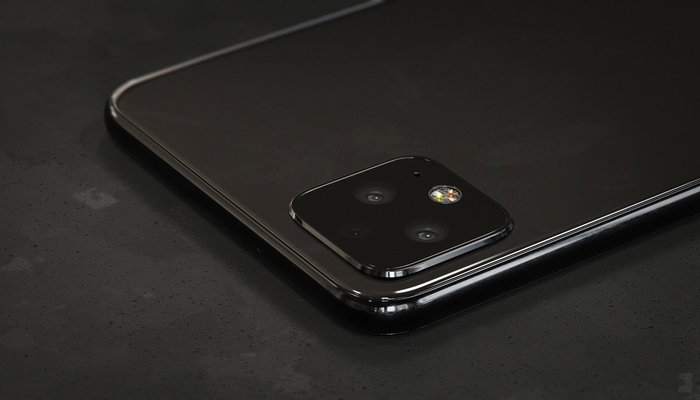
    That multi-camera array is housed in a square-shaped setup on the back of the phone, in the top corner. This square isn’t dissimilar from leaked photos we’ve seen of iPhone 11s, which are also set to release with a multi-camera array in a square housing. As Google continues to make moves to position themselves as “Apple, but open source” its not surprising that they’re emulating the Cupertino design ethos.

    Face Unlock

    The recently-unveiled YouTube video from Google’s official account goes into more detail about the upcoming phone’s features. Notable among them is the face unlock functionality, which Google promises to be robust and responsive. The company has a bit of an uphill battle when it comes to making this technology competitive with Apple’s offering, though.

    Apple’s Face ID technology is downright astonishing. Men using the phone can shave their beards and still be identified. Women under heavy amounts of makeup can still unlock their phones. Essentially, the Face ID technology blows fingerprint scanners out of the water in terms of both security and convenience. Google’s likely trying to emulate this intersection of secure and useful with their own iteration of the face unlock feature.

    Motion Detection

    A very unique aspect of the Pixel 4 is the motion-detecting software shown off by Google in the promotional material. This “touchless” input form isn’t unlike the LG G8 ThinQ, which also allows for various inputs in the form of gestures made with the handset. Google promises functions like skipping songs, pausing videos, silencing calls and snoozing alarms will all be capable through the use of the motion technology.

    Both the motion detection and face unlock seem to be based in the Soli radar chip. This is likely why the phone has only one front-facing camera in spite of offering face unlock. The radar chip can detect distance and motion in ways that other phone chips simply can’t. Apple’s Face ID, for instance, requires two cameras to take a 3D scan of your face in order to secure unlock your device.

    Pixel 4 in Context

    It’s no secret that Google is less than pleased about the sales performance of the Pixel 3 line. There are a number of hurdles that the handset simply couldn’t overcome in order to break through for Samsung-like success in the crowded Android market. For instance, it’s only available through Google’s site or in Verizon stores, though it can operate on any network. Another thing holding the phone back is stiff competition from Samsung, OnePlus, LG and Huawei.

    The Pixel 4 will need to be exceptional to catch the eyes of Android users. By positioning themselves as the “Android iPhone,” Google’s doubling down on the boutique-style, “all in house” feel that Apple offers with their tight focus on iOS through their own devices. Hopefully, for Google, they have more in their bag of tricks this time around to make the Pixel 4 a popular choice for Android users.
  • Samsung Galaxy Fold Release Date Announced (Again)

    Samsung Galaxy Fold Release Date Announced (Again)

    Earlier this year, one of the biggest exciting developments for smartphones was exected to be the advent of folding phones with central displays. However, after the flagship Samsung Galaxy Fold experienced numerous hardware failures during testing, the phone’s April 26th release date was delayed indefinitely. For a time, it was unclear whether Samsung would be shelving the folding phone concept altogether.

    Now, we have confirmation of a new release window for the hotly-anticipated phone. Samsung has now promised that the folding phone will be on sale by the end of September. This is a far cry from the predictions we made: earlier, we had predicted that it seemed as though Samsung would discontinue the original Fold altogether and start from scratch. It seems they have faith in their original design, and they claim to have corrected the issues that had plagued test models back in April.

    Samsung Course Corrects

    Following the announcement of the delay, many tech industry analysts were convinced that the time just wasn’t right for foldable displays. Clearly, if Samsung couldn’t figure it out, how could we expect this tech to take off for anyone? After all, the price point hovers around $2,000, twice as much as the price of the flagship Galaxy 10.

    According to Samsung, the issues that were present in the test models have been addressed. Reviewers founds their screens bending and bowing from debris that had worked between the screen and the phone’s backing. Additionally, some people removed a thin film layer, thinking it was a screen protector, only to find it was actually an integral part of the phone and resulting in full screen failure.

    Addressing the Issues

    So, what has Samsung done to help make the phone ready for a mass release? Firstly, the protective layer has been extended beyond the bezel to make it appear as though it is not something that could be simply removed like a dust cover. Secondly, there are also now reinforcements worked into the phone’s structure to keep debris from wiggling down in there.

    Thirdly, there are now metal reinforcements beneath the plastic screen in order to bolster the otherwise-flexible display. Finally, Samsung introduced protective caps to the top and bottom of the hinge mechanism, making it that much sturdier. This also includes reducing the gap between the hinge and the body of the phone, making it that much harder for debris to slip between.

    Significance

    If they had been unable to resolve the issues with the Galaxy Fold, it would have resulted in a major embarrassment for Samsung. Tech industry analysts had assumed that foldable displays were going to be the next big thing in smartphone design, so Samsung’s inability to stick the landing came as a shock. Had they been unable to deliver, it would have allowed room for another company, like Motorola, to swoop in and steal their thunder.

    With the newly-announced release window, confidence in the brand and the folding display experiment has been renewed. This is a big step for Samsung, and will likely be the biggest move for the company since they first unveiled their Galaxy line over a decade ago. The question remains whether the public will be eager to embrace a $2,000 phone that now has a reputation for being easy to break.

    Release Details

    At the time of this writing, there’s no definitive release date for the Samsung Galaxy Fold. However, we would expect to see it sometime in mid-September to compete with Apple’s new offerings this year. The phone will retail for $1,980, making it far and away the most expensive smartphone in Samsung’s lineup and nearly double the cost of most premium flagship phones. Time will tell if the phone is the seismic shift that analysts expect.


  • Xiaomi Mi A3 Review: A Worthwhile Budget Android Phone?

    Xiaomi Mi A3 Review: A Worthwhile Budget Android Phone?

    Fans of Android phones have a big leg up on iPhone users when it comes to budget options. If you like high-end smartphones, both Android and iOS have great flagships you can pick up. However, if you’re in the market for a smartphone under $300 and you like iOS, you’re going to be rocking a four-year-old phone at best.

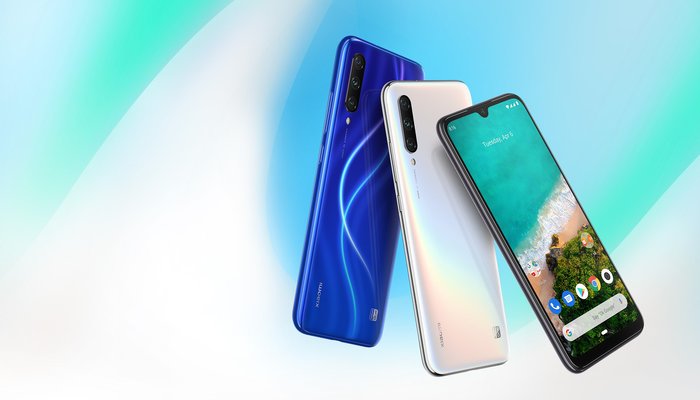
    Android, on the other hand, has a wealth of mid-range and budget phones from various manufacturers that still function as great daily-use cell phones. One such phone is the upcoming Xiaomi Mi A3, the newest in Xiaomi’s “A” line of mid-range Android phones. Is the A3 a worthwhile phone at its budget price, or does it leave too much to be desired? Let’s take a look.

    The Specs

    An important aspect of any smartphone is the technical specifications. The Mi A3 isn’t exactly loaded with top-of-the-line tech, but it’s also only retailing for around $280. The phone is powered by the Snapdragon 665 system on a chip, offers up 4 GB of RAM, and is running an Adreno 610 GPU. The phone has a good number of ports: a 3.5mm headphone jack makes a return, as does the fan-favorite IR blaster (allowing the phone to be used as a universal TV remote).

    Unfortunately, the display of the Mi A3 is only 720p, which leaves a lot to be desired. The screen is OLED, which means it offers great blacks and deep contrast, but the lower-resolution display is very unusual. For the price, it would have been nice to see the A3 sporting a 1080p screen. As it stands, the phone likely won’t age well.

    User Interface

    The A3 also isn’t running Xiaomi’s in-house Android skin, but is running on the stock Android One program. This means that, like the previous “A” models, the A3 will only receive two years of software updates from Google. The Android One program is Google’s way of letting budget phones exist at a lower price by running a bare-bones, minimalist version of Android.

    As such, all the inherent strengths of the open Android OS are here, as are all of its rough edges and warts. If you already love Android, there’s nothing here that will make you hate it. Likewise, if you’re ot an Android fan, the bare-bones Android One won’t be convincing you.

    US Customers

    It’s worth noting that US Customers will need to be wary of the A3’s LTE compatibility. The LTE bands that the phone is compatible with are 1, 2, 3, 4, 5, 7, 8, 20, 28, 38, and 40. This means that the phone isn’t completely compatible with any US carriers. However, T-Mobile is the closest to full support for these bands, so consider the A3 if you use T-Mobile, or don’t mind not always having LTE coverage.

    Xiaomi isn’t exactly a well-known brand in the US: in fact, most Chinese smartphone manufacturers aren’t. Only diehard Android fans tend to know names like Huawei and Xiaomi, though that’s not to say you can’t get the A3 in the US. Sites like Amazon will sell the phone unlocked, so all you need to do is take it to a carrier and have it activated.

    Bottom Line

    For around $280, the A3 is a good deal. The design is sleek, the interface is solid and the included headphone jack and IR blaster are nice to have. If you’re a stickler for nice displays, however, the 720p image is likely to turn you off from this phone. Likewise, the bare-bones software and two-year limit to software support might scare off more tech-savvy users, and the lack of full US LTE coverage could cause some customers to pass on this budget Android phone.


  • Snapdragon 855+: What’s Up With this New Android Chip?

    Snapdragon 855+: What’s Up With this New Android Chip?

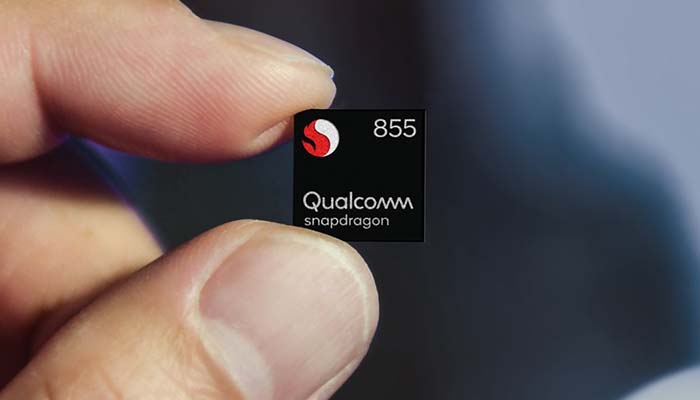
    Qualcomm, one of the biggest manufacturers of Android phone chips, has announced a mid-cycle upgrade for their Snapdragon 855 system on a chip (SoC). The newly-announced Snapdragon 855+ is still an eight-core SoC, and it’s still 7nm, but it has some notable upgrades. What does this mean for upcoming Android phones?

    Today we’re taking a closer look at the hardware that goes into making smartphone tick. We’ll be diving into the technical side of Qualcomm’s SoCs, and what a mid-cycle upgrade could mean for upcoming Android phones. Let’s talk about some silicone.

    System on Chip

    Firstly, a quick primer. A system on a chip means exactly what it sounds like: it’s a computer system on a single chip. While the system in a full-fledged computer, like a desktop or a laptop, has chips specifically for things like processing, graphical capabilities and the like. By contrast, smartphones, tablets and other small technological devices don’t have the space for all of these spread-out components.

    Enter the SoC, and its incredibly useful space-saving capabilities. While you don’t get the same power as you would from a more full-fledged computer, an SoC allows for good performance on a small device without sacrificing much in the way of space or thermal usage. In short, it’s this technology that makes smartphones possible. Were it not for complex and robust SoCs, like Qualcomm’s Snapdragon series, we’d still be using flip phones.

    The Snapdragon 855+

    So, what does this new mid-cycle upgrade mean for Qualcomm? Well, the Prime CPU in the SoC has been bumped up in clock speed. It now clocks in at 2.96GHz, where it was hitting 2.84GHz. This means that the chip can refresh faster, allowing it to accomplish more complex tasks. One of the 855’s strengths is its unusual CPU setup, which sports a “big” cluster of four cores and a smaller set of cores for more power-efficient tasks.

    The 855+ has a new paradigm for this: instead of having a cluster of cores for its “big” core, it now has one Prime core with Cortez A76 infrastructure to handle big tasks. Meanwhile, the new usage of the Prime infrastructure should be useful in delegating tasks, meaning the device will be more powerful overall while also offering better thermals and a lower power consumption for simpler tasks. In short, the 855+ will always use the right tool for the job.

    In Action

    In action, this will mean faster graphics rendering, higher clock rates and better performance. For people interested in using their phones for gaming, levels and textures will load faster. For people more concerned with augmented reality, the graphics will be quicker and more seamlessly integrated. Power users will be able to squeeze tons of utility out of such an upgraded chip, maximizing both their power and battery life.

    Even for users who prefer to use their phones for just browsing the web, answering emails and taking calls, the upgraded chip will offer a ton of new utility and power for any tasks they need to tackle. Swapping between apps, multitasking, screen-in-screen and more will all be faster and more responsive.

    The Phones

    The first phone to roll out with the new chip will be the Asus ROG Phone 2, which will be hitting on July 23rd. We also wouldn’t be surprised to see the new chip infrastructure showing up in the Galaxy Note 10 on August 7th.

    In short, this new Snapdragon 855+ will make for a great upgrade to existing Android phone user interfaces, making gaming and daily use alike faster and more responsive. It’s good to see Qualcomm keeping up with the competition from Apple, who are hard at work on the next iteration of their powerful Bionic chip family.


  • iPhone vs Android: Which is Right for You?

    iPhone vs Android: Which is Right for You?

    One of the fiercest rivalries in the tech world today is the ongoing feud between Google and Apple over control for the soul of the smartphone. Despite ostensibly designing the first true smartphone with 2007’s iPhone, Apple doesn’t enjoy the majority market share that Google’s Android does today. What’s the deal with the Android versus iOS feud? Which of the two big operating systems is better for you, and why?

    Today, we’re going to look at the two OS’s, what makes them different, and whether you should be “taking a side” in this battle. We’ll be looking at features, phones and corporate cultures in order to give you a full picture of the battle of the smartphones.

    Design Ethos

    Google and Apple have very different design strategies when it comes to their operating systems. Much like Apple’s own Mac line of computers, iPhones operate in a sort of “walled garden.” There’s less software available on Apple products overall, but the company curates the selection very diligently. Ostensibly, you won’t find shovelware on the App Store, nor will you be at any risk of ever happening upon a virus.

    However, with Apple, you’re stuck playing inside the wall: you’ll likely not find the same breadth of customization and modularity you see on Android. Google’s more hands-off approach to their OS has made it very wide-ranging in appeal: manufacturers from Samsung to Huawei all create phones that run on some variation of the Android OS. The more open, customizable user interface of Android is more popular with some users who like to fine-tune their own experience.

    “It Just Works”

    Apple is often described as “high technology for people with low tech tastes,” and this is often true in practice. Apple’s products tend to be bleeding edge, top-of-the-line, and terribly expensive. Their user interface tends to be easy-to-navigate and aesthetically pleasing, and people who even have little tech knowledge are usually able to easily find what they’re looking for. In short, it just works.

    Android is a different story. Less tech-savvy users might find it difficult to navigate Android’s more open-ended operating system: there is little structure or direction unless the phone manufacturer has installed their own proprietary launcher. Launcher, in turn, can be downloaded for any Android device to help tailor your phone more explicitly to your tastes and preferred experience.

    Security Features

    This might come as a surprise to Android users, or be a strange statement if you’re an iOS user, but the iOS platform only has one app store. It’s just called the App Store, and it’s locked down tight. Apple strictly controls what can be put up for sale or download on the App Store, meticulously combing for any potential security threats to their users. Viruses on Apple devices are literally unheard of for this reason.

    Likewise, Apple users might be shocked to hear that Android devices actually have several third-party app stores available. As such, viruses are a reality on Android devices. They’re far from common, and you’d be hard-pressed to get one unless you were being careless, but they’re still a cause for some concern. The more pressing reality of Android’s open-ended style is that more apps are allowed in, but there’s less quality control.

    Cognitive Load and User Functionality

    On a more academic note, researchers have found that Apple’s clean, no-frills design ethos lessens cognitive load when using their devices when compared to Android. Android home screens can be done up with tons of widgets and information, making them significantly more likely to overwhelm some users.

    However, this isn’t to say Android is inferior: far from it! However, Android and iOS are simply designed for different types of buyers. In the end, Android remains more popular primarily because it’s available on a wider variety of devices. Further, those devices run the gamut from high-end flagship phones to budget handsets, while Apple’s iOS is only available on the premium-priced iPhone line.


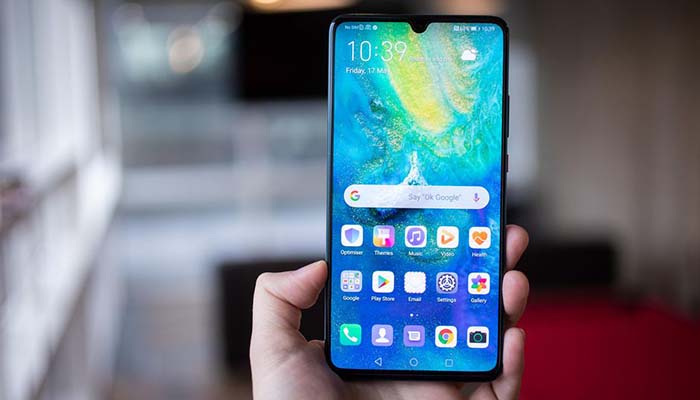
  • Huawei Ban: What This Could Mean

    Huawei Ban: What This Could Mean

    Huawei, the world’s second-biggest smartphone manufacturer, has been having a rough couple of months. Most recently, the Trump Administration issued an executive order that cuts the Chinese company off from American resources such as Google’s Android platform.

    Trump’s order, called “Securing the Information and Communications Technology and Services Supply Chain,” effectively bans Huawei from doing business in America, or with American companies. What does this mean for the Android brand and for Huawei?

    Huawei Ban

    What Does This Entail?

    The Department of Commerce released a statement on the ban in order to explain what it means.

    “The executive order prohibits transactions that involve information and communications technology or services designed, developed, manufactured, or supplied by persons owned by, controlled by, or subject to the jurisdiction or direction of a foreign adversary whenever the secretary of commerce determines that a transaction would pose a threat to national security,” reads the statement.

    This means, in effect, that Huawei, as a Chinese communications company that is known to have close ties to the Chinese government, is being viewed as a “foreign adversary”.

    Why Did This Happen?

    This ban reflects years of tense relations between Chinese and American companies in the tech sector. In 2012, the federal government warned carriers in the US of carrying Huawei’s handsets. There has been a fear that Huawei would use its devices to spy on American corporations and steal secrets.

    In fact, there has long been speculation that Huawei’s meteoric rise and unparalleled technological advancement in the last decade was largely a result of stealing intellectual property from tech companies in other countries. Huawei, for their part, has repeatedly denied any claims that it has stolen IP or engaged in any form of corporate espionage.

    What Will This Mean?

    In the short term, this ban might not amount to any real damage. Without wading too deep into foreign policy, the Trump Administration is in the midst of a very tense trade standoff with China. It’s likely that this Huawei play will be used as a bargaining chip in future trade talks between the two massive economies.

    In the long term, if the ban stays in effect, it’s likely it will slow the US rollout of 5G communications tech. Many telecom companies rely on technology imported from China, much of it made by Huawei. Unlike Samsung or Apple, Huawei is as much a telecom company as a smartphone manufacturer.

    Global Scale

    While Huawei remains a major player in China, their decoupling from Google could prove disastrous for their bottom line. Google has announced they’ll be honoring the executive order, pulling support for their Android operating system from Huawei. That means that Huawei devices won’t be getting updates for their OS, or critical security updates from Google.

    Huawei has stated it will support its own devices with regular security updates, though this is a bold claim. It’s unclear if the company has the programming staff to undertake such a massive job. Meanwhile, the lack of support from Google means that Huawei will have to rely on an open-source version of Android. This will have them several months behind the competition in terms of updates and features.

    Samsung Ascendant

    Huawei was on track to dethrone Samsung as the de facto king of Android. Recent advances in Huawei’s tech had them nipping at Samsung’s heels. For their own part, the Korean smartphone manufacturer has been lagging behind on innovation, with their recent slate of phones being more iterative than revolutionary.

    The ban from Washington DC could prove to be a huge windfall for the Korean company, however. Samsung stands to gain a lot from their chief rival being halted in their tracks and cut off from Google’s support. Samsung, meanwhile, continues to enjoy its partnership with Google, getting early test builds of Android OS to make sure their phones run smoothly.

  • OnePlus 7 Pro: Can it Take on Samsung as an Android Flagship?

    OnePlus 7 Pro: Can it Take on Samsung as an Android Flagship?

    Samsung is the name to beat in the world of flagship Android devices. However, OnePlus, a premier Chinese manufacturer, is gunning for the throne. Their recent releases have been of exceptional quality, all while coming in at a lower cost than the average Galaxy phone or iPhone. Is the OnePlus 7 Pro on this same track, or is it a lesser phone than its siblings?

    OnePlus 7 Pro Review

    The Pros

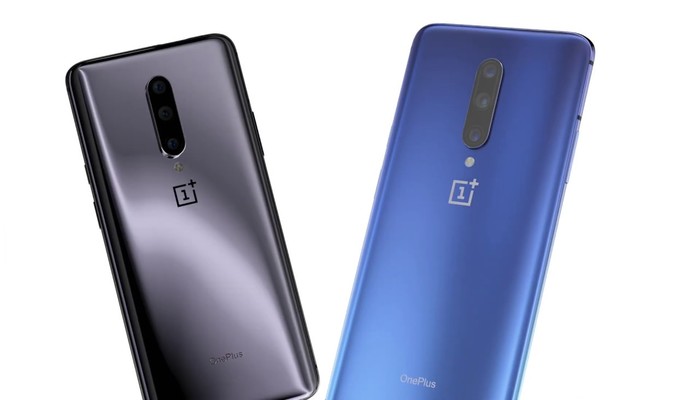
    OnePlus is pulling no punches with their newest handset. The OnePlus 7 Pro sports three rear cameras, a huge screen and a pop-out selfie cam. In light of the numerous selfie cam solutions that phone makers have come up with, we love the huge, break-free screen on the OnePlus 7. The pop-out selfie cam is a little unusual at first, but we much prefer it to a notch or cut-out in the gorgeous screen.

    This phone has excellent performance, befitting of a flagship phone going toe-to-toe with Samsung. All of this power, the gorgeous cameras and top-of-the-line parts all come in at a surprisingly low starting price of $669. That makes this cheaper than both the iPhone XR and the Galaxy S10E.

    The Cons

    This phone isn’t without its faults. Glaringly, this phone lacks a lot of features that are standard among other flagships. It supports no wireless charging, it isn’t water resistant and it has a heavy, plastic construction. This phone doesn’t feel great in the hand the way an iPhone XS or Galaxy S10 does. Frustratingly, there is also no headphone jack, which is the worst impulse of any new flagship phone.

    The Verdict

    The OnePlus 7 Pro is likely the best value for your buck you can pick up in an Android phone. For the low price, this phone sports amazing specs, great performance and a gorgeous display. If you’re looking for a flagship Android phone and don’t want to break the bank, this is the phone for you.

  • Foldable Phone Support Coming to Android Q

    Foldable Phone Support Coming to Android Q

    Google’s newest update for the Android OS will include support for foldable phones like the Galaxy Fold, according to new reports. Despite the Fold’s early stumbling blocks, Google is pushing ahead with full OS support for the new type of smartphone. It seems Google has faith that the foldable phone style will be more than a short-lived fad.

    Android Q and Foldable Phones

    Samsung Galaxy Fold

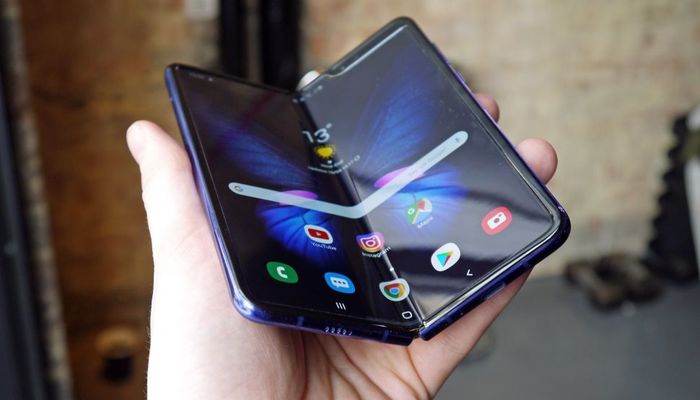
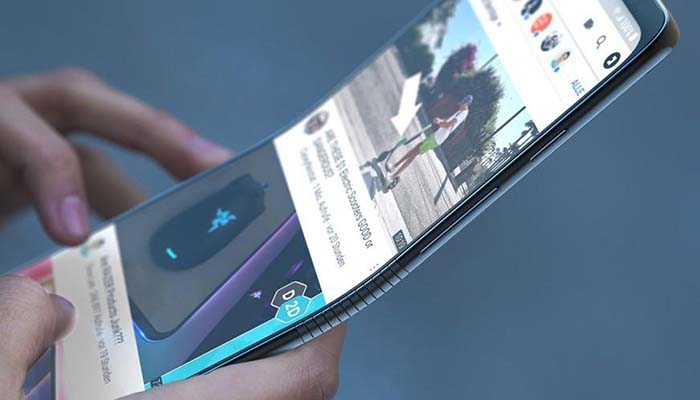
    The only current example of a folding smartphone is the Samsung Galaxy Fold, which has hit a number of stumbling blocks out of the gate. Early review models experienced some serious issues, including flickering or dying screens, bulges beneath the screen and creases in the center of the inner screen. In light of these issues, Samsung delayed the Fold’s launch, making many question the entire folding phone experiment.

    Potential for Folding Phones

    Clearly, Google believes there’s some potential for folding phones. Android Q will ship with support for the new, dual-screen, folding style of phone that Samsung is previewing. Reviewers have noted that, while expensive, the Galaxy Fold is a great phone.

    Notably, a folding phone bridges the gap between phones and tablets. You can fold them up small enough to go in your pocket, and they’re easy to use for making phone calls in their folded configuration. However, when you want to watch videos or play games, unfold the phone and enjoy the massive inner screen.

    Issues to Overcome

    Of course, folding phones offer issues for developers as well as consumers. App developers need to account for the potentially massive screen sizes when developing their products. Likewise, apps need to support the ability to be displayed on a smaller outer screen and then be transferred to the larger inner screen. This makes for a complex problem for designers.

    At time of writing, the Galaxy Fold has been delayed with no release date from Samsung yet known. The company is currently looking into the issues reviewers had with their handsets to ensure the phone launches without issues. This is wise for Samsung, as they have been burned on hasty releases of untested new phones before, like when the Galaxy Note 7 had issues with the battery literally exploding.

  • The Best Budget Android? Google Pixel 3a Review

    The Best Budget Android? Google Pixel 3a Review

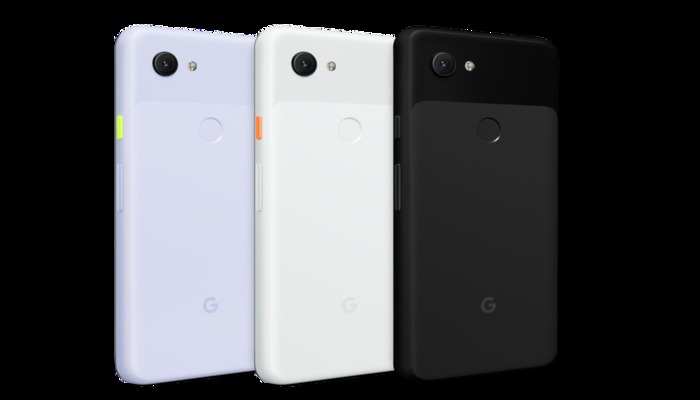
    The only drawback to Google’s stellar Pixel 3 smartphone is the high price tag. That means that the budget-friendly Pixel 3a was high on our radar. Does the handset stack up to the pedigree of its namesake, or has Google cut too much from this budget handset? Let’s get into it.

    Google Pixel 3a

    Overview

    The Pixel 3a is a $400 smartphone with a $1,000 camera. The camera that the Pixel series is so well-known for is here and it looks great. Google wisely cut only the most expensive features and left a pared-down, lean and powerful smartphone with the features all users can enjoy.

    Features

    Essentially, the Pixel 3a and 3a XL function as throwbacks to about three years ago. There’s no in-display fingerprint scanner, no Face ID unlocking, no wireless charging. Instead, this is a bare-bones smartphone that sticks with traditional bezels, a normal fingerprint scanner and even a 3.5mm headphone jack.

    If these features all sound like welcome returns to you, then you’re probably the right person for the 3a. While the features that the 3a lacks are certainly cool on top-of-the-line phones, they’re largely unnecessary. And what new features it brings, it brings well.

    What You Get

    Picture quality on the 3a is incredible, easily matching the earlier phones in this line for capturing beautiful images. The screen is also wonderful, sporting an HD+ OLED panel that’s big and vibrant. While you might not have the most elaborate housing for the screen, it’s still a wonderful smartphone screen.

    You do, however, have some trade-offs. The Snapdragon 670 under the hood is a notably wimpier chip than the Snapdragon 845 found in the normal Pixel 3. However, most users won’t even notice the decrease in power. Also, the phone has a plastic casing, which feels cheap and slippery compared to the glass-and-steel construction of modern flagship phones.

    Bottom Line

    If you’re in the market for a new phone and don’t want to spend $1,000, but still want the best you can get, the Pixel 3a is a very good deal. It’s hard to knock the budget smartphone, as it brings a ton of value for its low price. This is truly the best budget Android device on the market.

  • Which is the Better Smartphone OS, Android or iOS?

    Which is the Better Smartphone OS, Android or iOS?

    When it comes to smartphone platforms, there are two big names to choose from. On the one hand, you have iOS, the original smartphone operating system and a very stable option from Apple. On the other hand, you have the much more open Android system from Google that is used on most other major smartphones. Which is the right call for you?

    Android vs iOS

    Open vs Closed Systems

    Apple is known for their user-friendly, “it just works” attitude towards design. In order to achieve this, however, Apple’s platforms, like iOS and Mac OS, are much more closed-off. While iOS is a very user-friendly and pleasing platform, it doesn’t offer the same range of customization and granularity that Android does.

    Android, on the other hand, has a bit more of a learning curve. It’s more akin to using a Windows computer than a Mac. There are a ton of options available to users, but they also require you learn a lot about your phone and how it works. That said, this openness also comes with a price: platform instability and malware.

    Aesthetics and Functionality

    Generally speaking, both iOS and Android allow users to do roughly the same things. Sending text messages, making phone calls, navigating the internet and using apps are all the same across the two systems. Both allow for music playback, both have support for all major apps and neither has a glaring hole in its functionality.

    If you like the idea of controlling the aesthetics of your phone’s operational appearance, however, Android is for you. Landing pages, backgrounds and basic phone operations are much more malleable on Android, though this does mean you can accidentally make your phone very difficult to navigate effectively.

    The Phones

    One of the biggest drawbacks to iOS is the closed nature of the system in more ways than one. Namely, iOS is only available on iPhones, and not everyone loves Apple’s design ethos. Some people just can’t afford the newest Apple phones, while others don’t like the minimalist design.

    Android, on the other hand, is available on phones from a wide number of manufacturers at wildly varying price points and design styles.

    Bottom Line

    If you’re the kind of person who likes an “all-in-the-box” design style, you’ll love Apple’s iOS. If you prefer to customize your phone and make everything your own, however, you’ll likely prefer to use Android.