Category: News

  • Motorola Razr V4 the Future of Fordable Smartphones

    Motorola Razr V4 the Future of Fordable Smartphones

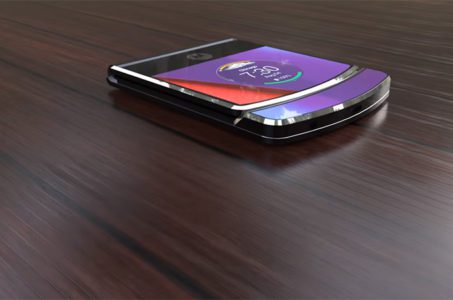
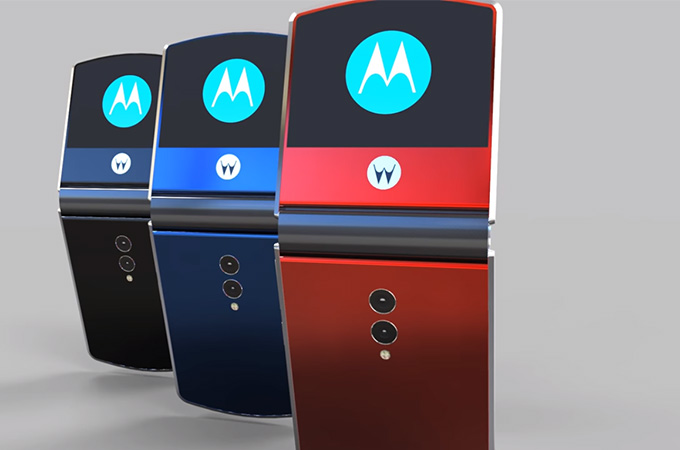
    No this isn’t a tech throwback on the Motorola V3 Razr, comeback Wednesday for that. This is a new Motorola V4 Razr. We have a concept model from Motorola and that they are currently working on a folding phone, and all signs point to the fact that it could carry the iconic Motorola Razr branding. Back in February 2017, Yang Yuanqing, the CEO of Lenovo (which owns the Motorola brand) noted.

    “With the new technology, particularly foldable screens, I think you will see more and more innovation on our smartphone design. So hopefully what you just described [the Motorola Razr brand] will be developed or released very soon”.

    So that alone is very promising, but we are now at the point were some details are emerging.
    Motorola Razr V4 Concept

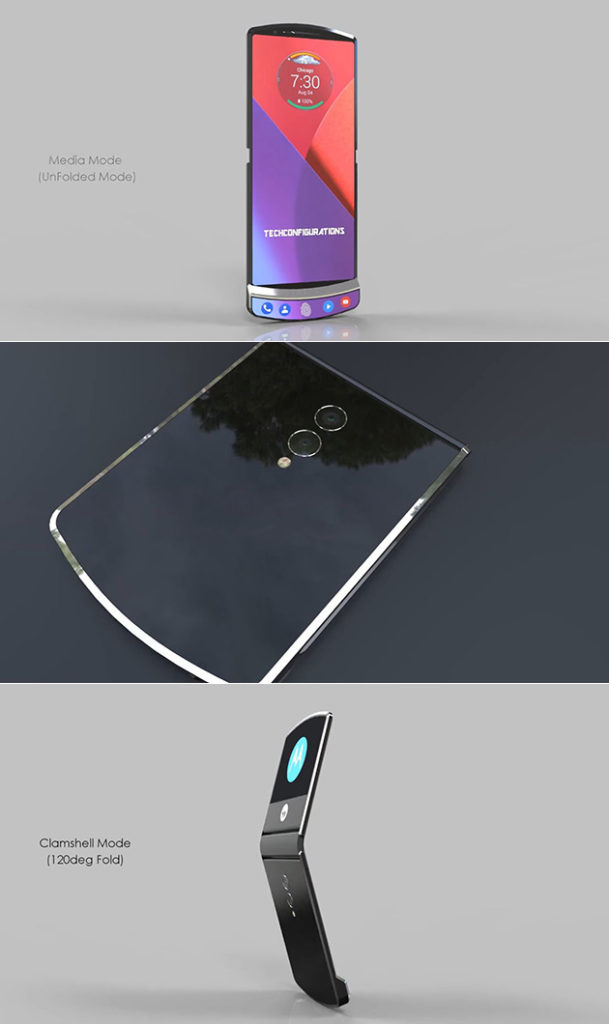
    The Motorola Razr V4 remained very slim when folded reaching 7.5mm and unfolded reaching only 3.7mm. Meanwhile, the device is good enough to give under-display fingerprint scanner available. Notably, Motorola handset features Android Oreo 8.1 out-of-the-box based on Intelligent UI and IP68 certified water/dust resistant.

    From our anonymous source we have a first hand account. “When opened up, the Moto Razr V4 has a 7 inch AMOLED HDR 10 screen, a Snapdragon 855 CPU and a hinge, that feels like it prequels a Surface Phone or Samsung Galaxy X. Crazy enough, this ultra slim device is just 3.7 mm in thickness, when it’s opened up. Folded it reaches 7.5 mm. It feels like Tech Configurations really thought it out this time around,”
    The Spec Rumors

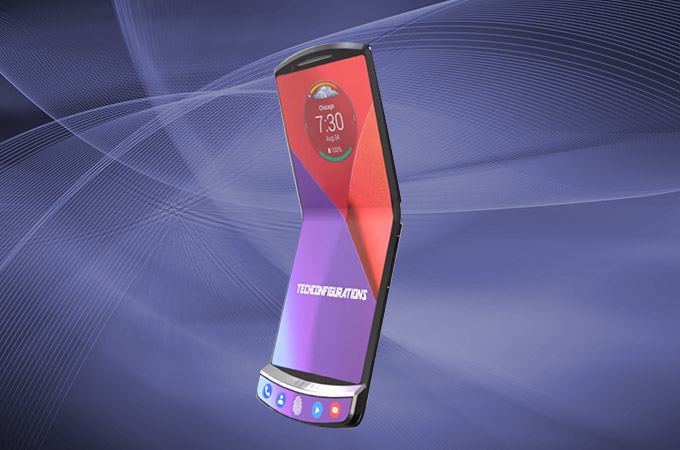
    The Motorola handset will sport a Qualcomm Snapdragon 855 CPU, on the contray to the original infomation we got back in 2017. The handset performance works well on 6GB of RAM and two storage variants including 128GB/256GB ROM (unexpandable). Also, Motorola RAZR V4 camera packs dual 16MP+12MP primary snapper with 4K videos recording ability. Besides, there is a 12MP selfie shooter with a wide-angle lens and an aperture of f/1.8. Further, Motorola phone gets 4100mAh battery.

    At the moment, there is no further information regarding Motorola RAZR V4 price and availability. However, we can expect to meet this legend with the new outlook this June with the price range approximately of $500.
    The Final Thought

    Ive always been  a big fan of the Motorola V3 Razr and the jump in made in the cellular industry. I was also among the very first non Motorola employees to have one. I won a sales contest for Motorola 6 months prior to the release. The initial specs looks on point and these pictures are lighting me up. Is it the next big thing in wireless again? we will see and Ill see you back here for the smartphone spotlight as soon as it releases.

     

  • Beau’s Number 1 App Review: Fortnite

    Beau’s Number 1 App Review: Fortnite

    Beau’s App series. Each week, I install whatever is the No. 1 bestselling app on the iOS or Android store and review it, to save you the effort in case it’s total waste of life. This week a game called Fortnite is not in the top spot but  Im taking it on anyways. How did it get to No. 1? it didn’t, its number 2. Love Balls has been holding strong for over 3 weeks now.. Also because it’s free, because it just came out for phones, and because it’s  already crazy popular console game.

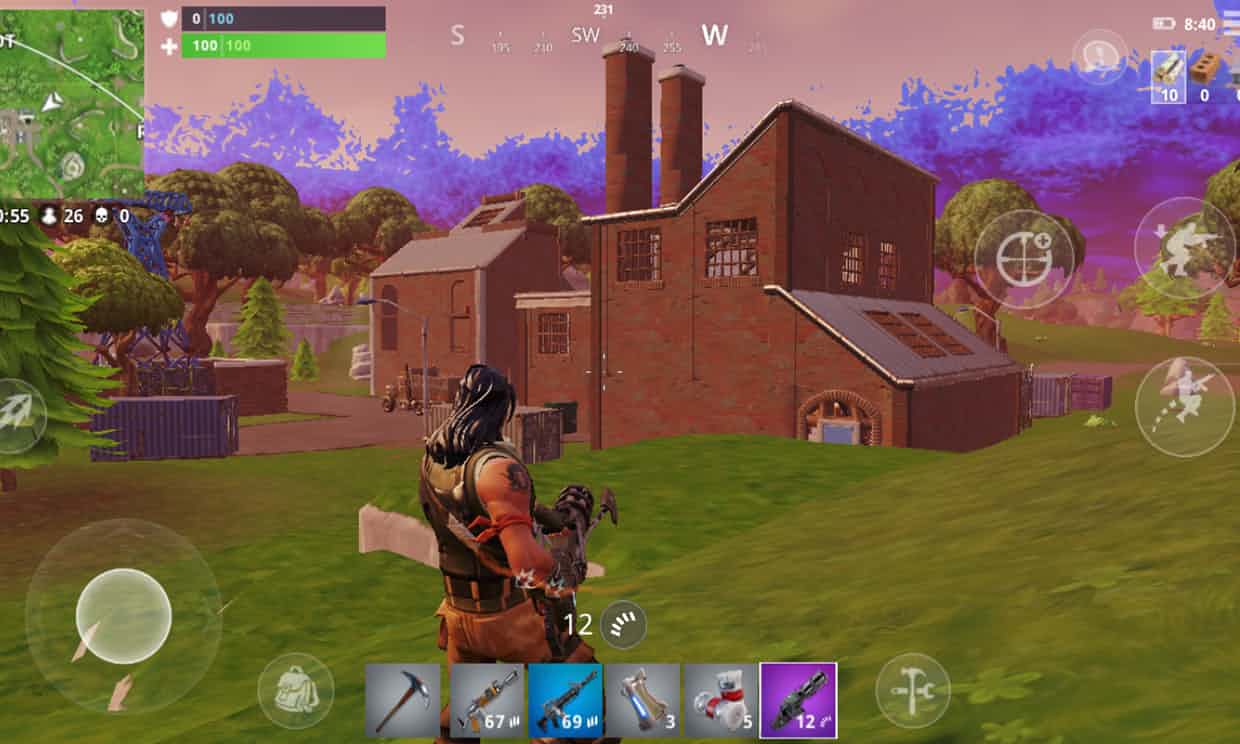
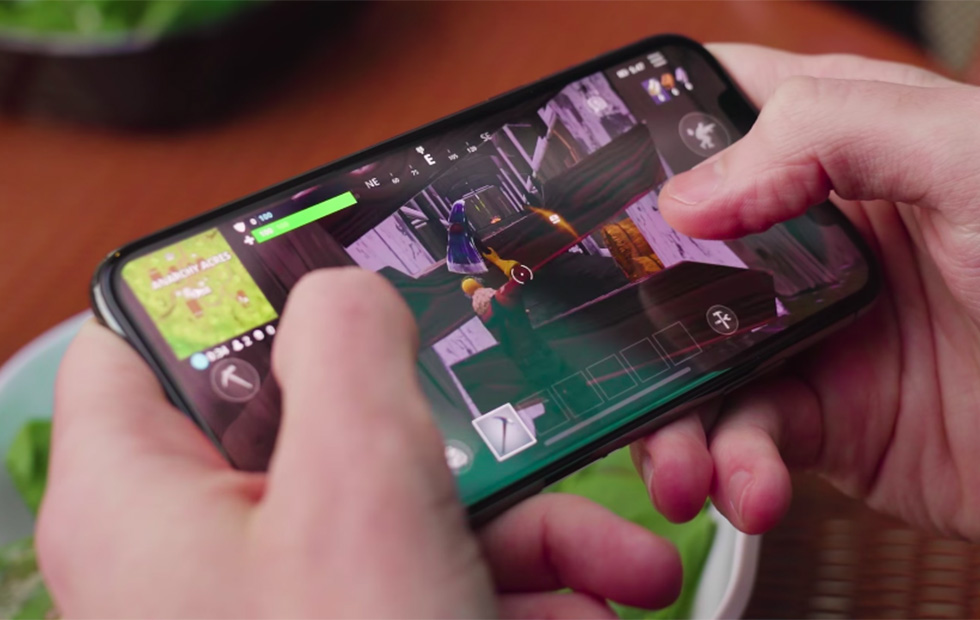
    Fortnite is the latest battle royale style game that is taking the world by storm. Developed by Epic Games, the people behind Unreal Tournament (and the Unreal Engine), the game takes the battle royale format that is made popular by PUBG and brings it to everyone by being free to play everywhere. Today, we are taking a look at the mobile version, which although launched before the mobile version of PUBG, was invite-only for a while.

    The battle royale version is similar to PUBG, you know all about PUBG from the last Beau’s Number 1 App Review. 100 players compete on one island to be the last man standing. During the course of the game, players have to survive by scavenging items such as weapons and health packs, and killing others before being killed themselves. The area of the island is constantly shrinking as time goes on to encourage confrontation and avoid camping. The last person to survive wins the game.

    Some Cool Fortnite Features

    Fortnite actually supports cross-platform multiplayer gaming across iOS, PS4, PC and Mac. There is also a function over PUBG that allows you to build objects with wood, metal and brick you collect through the game. They also have a much varied wepon and character spectrum. Thanos and the infinity gauntlet where recently added as a feature weapon. So think of this as PUBG with Minecraft and a touch of Ratchet and Clank.

    iOS Functionality

    Fortnite runs great on iPhone, delivering the same experience we’ve seen on PC and consoles. Touch controls work fine, but the weapons you usually pick-up during the matches don’t fit well with the manual fire approach.​  Fortnite definitely functions on mobile, although players will have to refine their tactics and become deft with virtual controls that often work against them in the heat of battle. But it looks nice, it’s fun, it’s graphically stable and, if you’re signed into a regular Epic account, XP is shared across PC, mobile and console – so if you’re playing on the train or during your lunch break at work, you’re leveling up for when you get home. You see, it’s productive.

    The Final Thought

    Its a really great game, very exciting and fun. There is a lot more too this game but it isn’t quite as intense as PUBG. I prefer PUBG although it has been dethroned as the top battle royale game in the app store.

  • Red Hydrogen One and a Release Date

    Red Hydrogen One and a Release Date

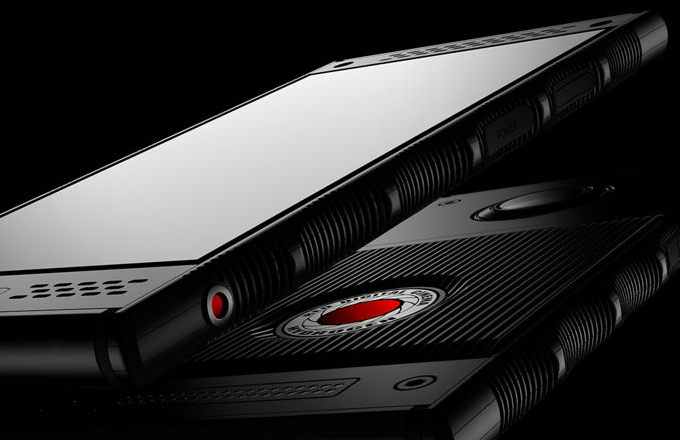
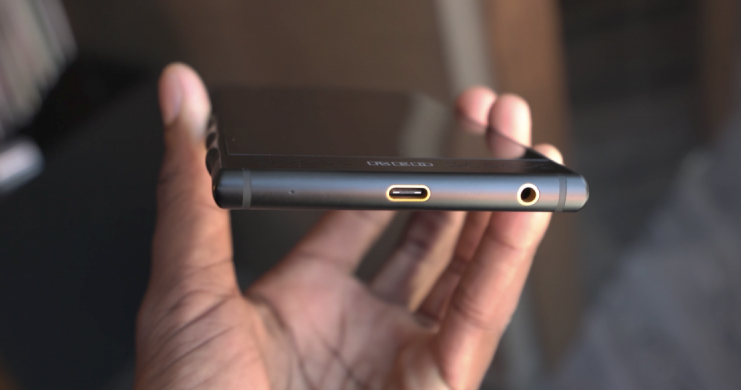
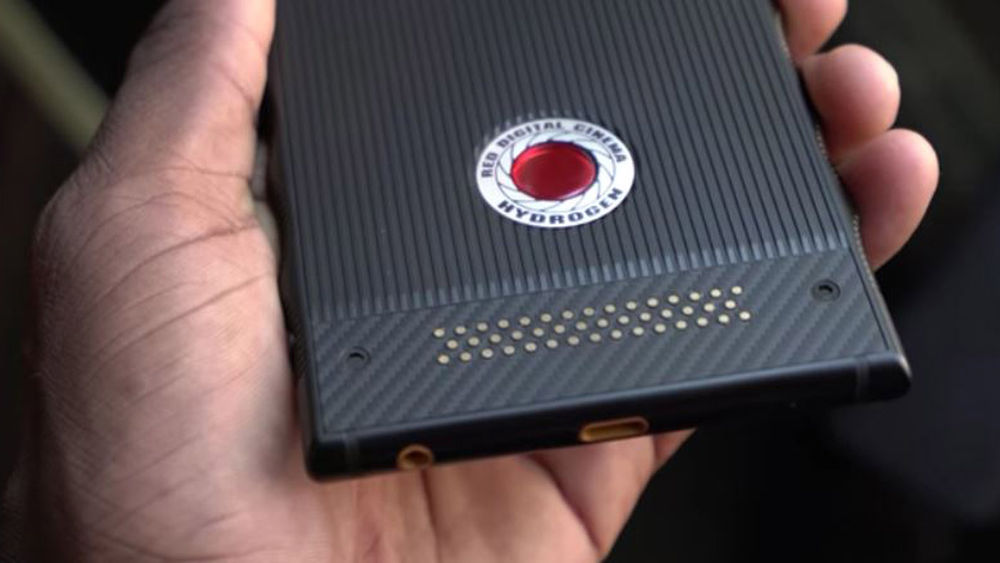
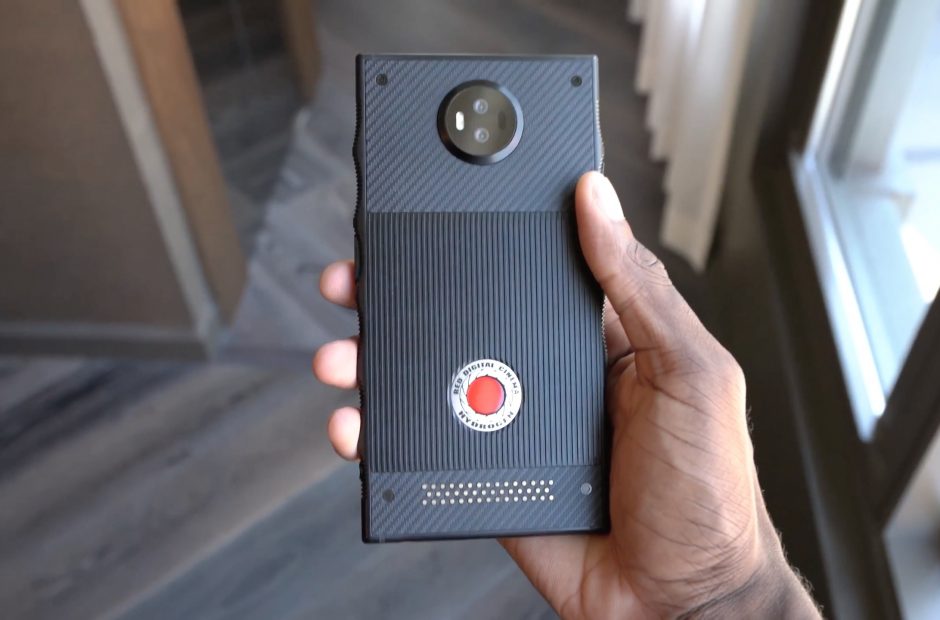
    Red Hydrogen One, lets talk about it. In 2017, the cinema camera making company RED announced it was working a smarthphone with a holographic screen Consumers were unsure what this meant until September 2017. Essentially, the phone would provide a 3D viewing experience on screen, projecting things like buildings and landscapes in an interactive map. A user could essentially take a virtual tour via the phone screen, looking around, above, behind, or in-between various objects. We did a brief info release on the Red Hydrogen One a few months back but lets look at some updates.

    AT&T and Verizon announced today that they will carry the Red Hydrogen One, a strange, costly smartphone from a video camera company that’s garnered a lot of buzz on social media.

    Red is showing off the phone at its Hollywood offices on May 19 and AT&T will demo it at its Shape conference on June 2. AT&T will release the phone later this summer, the carrier says. Verizon says the phone will come to that carrier “later this year.

    “This revolutionary smartphone will provide you with significant advancements in the way you create and view content on the leading network for entertainment,” said Kevin Petersen, AT&T’s SVP of Device and Network Services Marketing. “When the Red Hydrogen One launches, you’ll be able to look around, below and into your screen’s image with a 4-view holographic display, which is even better than 3D.”


    Refresh My Memory

    Back in March a gave you a little insight to what we know about the Red Phone. Its a powerful phone supporting an almost outdated Snapdragon 835 processor. ITs made by a high end Hollywood cameran manufacture. Now We have got a few more developments since we last talked about this phone. One is a feature called “four-view holographic” display. I cant really describe this but let me try to make it make sense.

    Four View Holographic Display

    In 2D mode (normal cell phone) the display is completely as you would expect. 2560×1440 resolution. Fantastic color and brightness. In 4V mode (holographic), the screen dims a bit and out pops a “better than 3D” image… no glasses needed. Best I can say is RED is Red is describing a glasses-free 3D screen. We are going to need to see this a little more in depth


    The Final Thought

    We are getting some big news here. We have the carriers, At&t and Verizon. We have something almost mind blowing in the feature department. We have a new to wireless company being very hush and ambiguous about its product. Lastly we have a Date, we’ll see it for real on June 2. Come back then when I do a full smartphone spotlight on the Red Hydrogen One.

  • New FDA Website To Begin Outing Companies Blocking Cheaper Medicine

    New FDA Website To Begin Outing Companies Blocking Cheaper Medicine

    In a bold move to support the Hatch-Waxman Act related to the operation of pharmaceutical companies, the FDA has announced a new website. The proposed site hosts the names of branded medicine manufacturers blocking generic versions of their medicines. This move, announced by FDA Commissioner Scott Gottlieb, seems to be directly aimed at shaming companies for unethical practices.  

    Gottlieb’s Take 

    “I don’t think this is publicly shaming,” Gottlieb was quoted as saying by S&P Global Market Intelligence. “I think this is providing transparency in situations where we see certain obstacles to timely generic entry.” However, Gottlieb has publicly stated he wouldn’t be against legislation to shame companies acting in ways that were unethical.  

    How Did they Get Away with This? 

    How were these companies keeping their competition from developing generics? One way was blocking samples of their drugs being given to generics makers by hiding behind risk evaluation and mitigation strategies (REMS). REMS allow drug makers to identify which of their drugs have potentially harmful side effects and thus limit who can be given samples of them.  

    The other method for sidestepping the generic process involves contracts with distributors that block sample delivery to generic makers. Both of these practices, according to Gottlieb, violate the spirit, if not maybe even the letter, of the Hatch-Waxman Act. 

    The FDA Flexing Their Muscles 

    This turn of events is potentially quite good for consumers. This move makes it easier to develop cheaper, more accessible drugs. By making it harder for drug makers to hide behind misinformation, the FDA makes it more likely that companies act more ethically. Many commenters view this move as a bold one on the part of Gottlieb. 

    The drug makers themselves have had little response to the proposed website, which launches on May 17th. This turn of events must be frustrating for these manufacturers, though. The agency that oversees you publicly shaming you has to sting.

  • Windows 10 April Update Crashing Intel Solid State Drives

    Windows 10 April Update Crashing Intel Solid State Drives

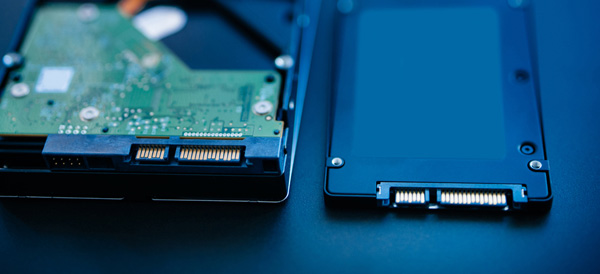
    Microsoft is blocking the rollout of the April Windows 10 update to certain users. Windows users with Intel Solid State Drives are being blocked from the update in order to protect them from a system-crashing series of bugs. Specifically, the Intel SSD 600p Series and Intel SSD Pro 6000p Series are encountering the bug, according to a report by Ars Technica. 

    Solid State Drives Causing Woes? 

    This isn’t the first time new OS updates have caused issues with SSD users. The unique drivers incorporated by SSDs often clash in unexpected ways with operating systems. Linux users experienced similar issues last year, with the new OS’s power management features attempting to override the primary functions of the SSD drivers. 

    What’s the Deal? 

    The details of this bug are currently unknown. It seems unlikely this issue will be terribly massive: a simple fix already exists. Users need only rollback the update from the Safe Mode screen to recover their PCs. However, this is frustrating, given the ubiquity of Intel SSDs and the massive size of Microsoft. How is it that no beta testers found this bug? Or, if they did, why wasn’t it addressed before the updates went live? 

    Sign of Things to Come? 

    This update was already delayed after bugs causing blue-screens were identified by beta testers. The update went back to the developers for fine-tuning, but somehow still went live with computer-crashing bugs. Thankfully these bugs aren’t fatal, but they are still troubling. How does a company as big as Microsoft miss something as big as this? 


  • Surface, Its New Version and a Price Drop

    Surface, Its New Version and a Price Drop

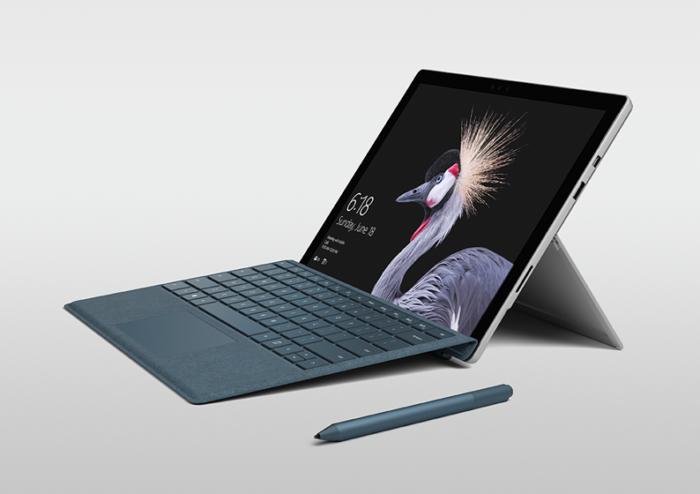
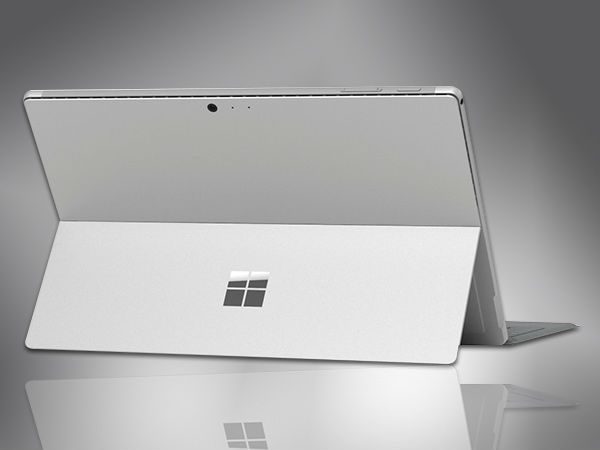
    The Surface wants to compete with the ipad for a broader market, so look for a price drop. A new report out today by Bloomberg claims that Microsoft is planning its next tablet line to be lower-cost in an effort to attract people to their products who aren’t interested in the more expensive Surface Pro. The move is directly aimed at competing with Apple’s recently launched $329 iPad, and could see Microsoft debut the devices as soon as the second half of 2018.


    Low Cost Surface

    From what I am hearing  the tablets will be priced at around $400, so not quite iPad cheap but not far off. They will be the first Surface devices to adopt USB-C and rounded edges “like an iPad,” instead of the square corners of the current devices. Storage tiers will include 64GB and 128GB, as well as LTE options, and the devices will feature 10-inch screens.  All good news.

    There are also rumors of a significant decrease in battery power. While I cant confirm any yet and wont until it gets the Beau’s 6 hour injustice marathon battery test, I will say that the rumors holds some weight. Currently everyone has come to a 6.6 – 14 hour battery life estimate for the current models. What we have hear it the new cheaper tablet will be coming in around 4 hours less. Knocking four hours of battery off a tablet with a 13.5 hour runtime is bad. Knocking four hours of run time off a tablet with a 9.6 hour battery life is terrible. In fact, if that penalty carried over across the board, this new Surface tablet wouldn’t even break the three hour mark. Relax, ill continue to monitor and keep you updated.


    The Final Thought

    Like always Apple steps in and delivers and the rest  of the tech world follow suit. follow suit. This is good new, a low cost Microsoft device is a great option for the marketplace. When the marketplace has diverse low cost options we all win.


  • ChroMorphous: New Color Changing Smart Fabric Controlled by an App

    ChroMorphous: New Color Changing Smart Fabric Controlled by an App

    The next generation of wearable tech is upon us in the form of ChroMorphous, thanks to the hard work of researchers at the University of Central Florida. Their new battery-powered wearable tech changes color when turned on, and can be controlled directly from a phone app. Their color-changing clothes may just represent the future of clothing! If this sounds like a sci-fi novel to you, you’re not alone. 

    How Does ChroMorphous Work? 

    The tech, which is still in the early stages, incorporates a unique combination of micro-wires and color-changing pigments powered by electrical signals. The researchers call it ChroMorphous. The chameleonic fabric is somewhat dense and thick, with comparable texture to canvas, making it somewhat bulky.  

    The researchers are working on making the tech smaller and softer, however, with intentions of mass producing the stylish technology. This technology would likely be tremendously popular! Rather than buying different clothing to match with each other, you could just buy the styles you like and set the color on the fly! 

    Other Applications 

    Technology like this is likely to become the norm in the near future. At Ohio State University, researchers have created similar technology with micro-antennae capable of sending and receiving signals from smart devices. Such technology would allow for application in more than just fashion.  

    Virtual reality games, for instance, could make use of the tech to track users. Smart home devices could identify users and be controlled via body gestures with this kind of technology. Clothes themselves could become smart devices: synching with your home’s virtual assistant and updating your clothing on the fly.  

    The possibilities are really endless! 

  • Project Maven Causing Internal Strife for Google 

    Project Maven Causing Internal Strife for Google 

    Project Maven has led to some dissatisfied employees quitting from Google. According to a new report from Gizmodo, the Maven AI project has driven these employees away due to its combat applications. The original report holds that nearly a dozen employees left the tech giant after their concerns over the project went unaddressed. This type of brain drain is certainly bad for Google. Highly skilled programmers leaving the company only helps Google’s competitors: they are likely to hire such talented employees. Not to mention, continued development of military technology could damage Google’s brand.

    What is Project Maven? 

    Project Maven is an AI piloting program that Google has partnered with the Pentagon to complete. The program’s purpose is to create an AI that can pilot military grade drones. In April, nearly 4,000 Google employees signed a petition beseeching their employer to not have anything to do with drone strikes. More than a month later, some employees felt as though the company hadn’t done enough to distance itself from violence.  

    Militarily speaking, it is understandable why the Department of Defense would be interested in AI to pilot drones. However, such AI would also be quite dangerous, and it makes sense that many Google employees would have less desire to work on such a project than on something more peaceful. 

    Google’s Role in Warfare 

    Google isn’t exactly known for their advancements in military technology: they’re a consumer technology company. This is certainly an unusual direction for them. However, given their new push for dominance in the field of AI, however, Google seems to have attracted military attention—and military money.  

    What will this mean going forward? Will we see more employees leaving if the company pursues Project Maven further? Or will the company back away from this course of action? The answers to these questions may shape humanity’s relationship with AI. 

  • Controversy Erupts over Securus Location Tracking Used by Law Enforcement

    Controversy Erupts over Securus Location Tracking Used by Law Enforcement

    The New York Times reported that a company called Securus is offering a service to law enforcement allowing them to track real-time locations of cell phones. The report claims that Securus is offering this service without going through the due process of law, allowing law enforcement to sidestep the proper legal process and track suspected criminals. This is done using a location API, the type of which is typically used to advertise to cell phone users based on location.

    Securus

    Securus, when confronted on the legality and procedures of this service, had this to say: “The responsibility of ensuring the legal adequacy…lies with our law enforcement customers and their counsel.” This shirking of legal responsibility is not only incredibly flippant and ill-advised, but also incorrect. A senator from Oregon named Ron Wyden has stated that these claims are going to be investigated, and further pushed for the FCC and AT&T to give detailed answers to the questions of how this will be dealt with.

    Regarding the process for accessing the Securus service, Wyden wrote: “To access this private data, correctional officers simply visit Securus’ Web portal, enter any US wireless phone number, and then upload a document purporting to be an official document giving permission to obtain real-time location data.” This is certainly an unprecedented use of such technology, and one that many would find to be both invasive and frightening.

    Sidestepping Legal Process?

    Up to this point, law enforcement agencies have had to rely on records from phone companies to view location data, and that data is only acquired by having a warrant granted by a judge. By providing this same service to law enforcement in just a few clicks, Securus is directly sidestepping the entire legal process associated with location tracking. This story is only just beginning, as there are likely cases going before the courts to address the questions of the legality of this practice.

  • Is The Phone Notch Here to Stay?

    Is The Phone Notch Here to Stay?

    It seems Apple once again has set a trend for the smartphone industry. The beta for Android P operating systems is now being rolled out and developers are revealing more details of the new Android operating system. According to developers, the new OS supports three different phone notch designs: the standard, iPhone X style notch that many find so odd, a top-right corner notch that looks even more strange, and a double-style, top and bottom notch. This somewhat solidifies suspicions that notch-style designs may be the norm for smartphones going forward.

    Why Notches?

    Many find the phone notch to be an odd choice, aesthetically. Why break up the edge-to-edge screen display with a random notch? Well, the answer is one of functionality: if the whole front face of the handset is a display, where do you put the hardware? Things like selfie cameras and speakers for actual phone calls have to go somewhere. This question has a few answers, but it seems, for now, the answer that manufacturers have chosen is the small cut-out notch.

    Surprisingly Appealing

    The success of the iPhone X is no mistake, to be sure: it’s our favorite smart phone right now too! People love the edge-to-edge display, and most users have said they got used to the phone notch pretty early on in their time with the new handset. The initially off-putting design actually has its own aesthetic appeal in addition to being something of a technological necessity for the time being. I, for one, don’t mind it too much. For many, though, these notches are incredibly bothersome and break up an otherwise uninterrupted screen. In any event, it looks like the notch is here to stay.