Tag: Allergies

  • Seasonal Allergies: Best Treatments And Prevention

    Seasonal Allergies: Best Treatments And Prevention

    What Are Seasonal Allergies?

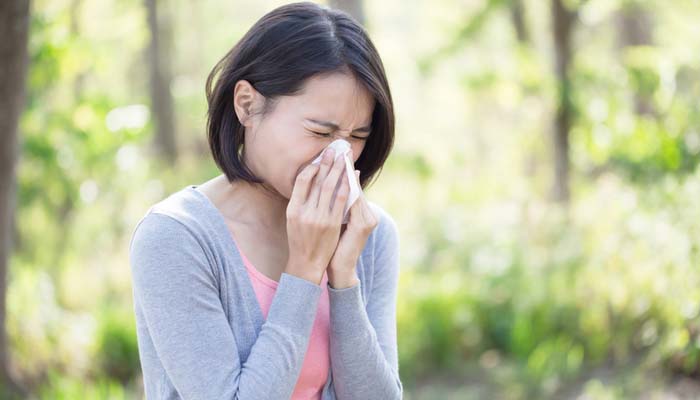
    Fall means that millions of Americans will suffer runny nose, congestion, sneezing, watery, itchy eyes and other symptoms of what we refer to as seasonal allergies, or hayfever. It is caused by pollens from trees, flowers, and grasses, like ragweed, in the spring and fall.

    Here are a few of the more common medicinal and natural remedies for seasonal allergies:

    Antihistamines

    Antihistamines block production of histamine, the agent responsible for your symptoms, and are effective in treating and preventing seasonal allergies.

    Benadryl is a powerful antihistamine and drying agent that is still the ‘gold standard’ in treating seasonal allergies, but due to its high degree of sedation many people avoid it.

    Fexofenadine (Allegra), cetirizine (Zyrtec), and loratidine (Claritin) are also available without a prescription, with the advantages of once daily dosing, and they are non-drowsy.

    Topical Steroids

    Fluticasone (Flonase) is a topical steroid that is available without a prescription, and is sprayed in the nostrils. It is very effective at preventing allergies.

    Natural Remedies

    Locally grown honey can help you boost your immune system in fighting allergy symptoms, and is a powerful cough suppressant.

    Apple cider vinegar has many uses, including fighting symptoms of seasonal allergies.The dose is usually one teaspoonful daily.

    Get started before symptoms of seasonal allergies occur.


  • Managing Cat Allergies when You Own a Cat

    Managing Cat Allergies when You Own a Cat

    Who doesn’t love cats? Their sweet demeanors, soft purrs and adorable meows make them appealing for fans of all things cute. Their propensity for cuddling and spending time in their owners’ laps makes them great for people looking for a little companion. However, they also have unique proteins in their saliva and urine that can cause allergic reaction in some people.

    If you want a cat, or have a cat, but suffer from cat allergies, you’re probably wondering how best to handle the situation. On the one hand, you want a sweet little kitty to keep you company. On the other hand, you don’t want to be sneezing and scratching your eyes in your own home. So, how do you manage your cat allergies?

    The Good News

    Here’s the good news: most people with cat allergies find themselves experiencing less and less symptoms as they are exposed to cats for longer. Most people will lose the worst of their symptoms after they own a cat for a few months. While this isn’t true for everyone, it means that most people can look forward to eventually being able to hug their kitty without sneezing and having their eyes water.

    Cleaning

    One of the first things you’ll need to get in the habit of when you get a cat is cleaning regularly. Their saliva and their urine are the causes of your allergies, and their saliva is present in the dander they leave behind, since they lick themselves to bathe.

    As such, dusting, sweeping and vacuuming need to become common parts of your routine. Letting their dander pool up in corners, under furniture and around the house is going to make you a very sad camper very fast, as your allergies pile up and your motivation to clean vanishes.

    Likewise, you’re going to need to keep that litter box cleaned out. Even if you only have one cat, it’s a good idea to clean their box out once a day. This keeps the smells from accumulating, keeps bugs from infesting the room you keep the box in, and it also helps you to not have as strong of an allergic reaction. On this note, you’ll also want to fully rotate all of the litter from the box about once a week, replacing it with all-new litter.

    Washing the Cat

    We know that washing your kitty is likely about as easy as chasing a car on foot down the highway, but this can help a lot with your allergies. If you can manage to give your cat a proper bath about once every four to six week, you’ll likely see a marked improvement in your allergy symptoms. Just make sure you’re careful and gentle with your kitty: she probably hates the bath tub.

    For a few pieces of advice on how to pull this off without getting scratched all to pieces, ask your vet if they know a way to carefully give your kitty a bath. Some things you could try would include bribing the kitty with their favorite wet food, or even sneaking them some (vet approved) sedatives that will make them kind of drowsy while you sponge them off. Remember: don’t give your kitty any medicine that a vet did not write a prescription for!

    Air Purifier

    Air purifiers can help to contain any lingering cat dander in the air. This is a good way to help your cleaning efforts if you feel like sweeping and vacuuming alone aren’t covering all of the dander in your home. Not to mention, air purifiers can also help to make the smells of the litter box much harder to notice, if at all!


  • Which Allergy Remedy is Best for You?

    Which Allergy Remedy is Best for You?

    If you live with seasonal allergies, you’re likely looking for a good antihistamine or another type of allergy medicine or remedy would work for you. There are a number of options on the market, so it can be hard to narrow down the best and most useful medicines. Complicating matters, most forms of allergy medicine have notable side effects, such as headaches and drowsiness. Let’s take a look at some of the best remedies for allergies, both medicine and otherwise.

    Best Allergy Remedies

    Avoidance

    The first thing you need to do in order to lessen your allergy symptoms is to avoid whatever triggers your allergies. This means you need to make sure to lessen your exposure to pollen, ragweed, or whatever else you have allergies to. In the case of pollen, the most common seasonal allergen, you’ll want to make sure you stay indoors when the pollen count is at its highest.

    Ride with your windows up, and avoid eating outside. When you get in from your day, change your clothes right away and wash the clothes you came in with. Wash your sheets regularly during allergy season to clean the pollen off of them. Your best bet is cleaning your fabrics and keeping windows shut, keeping yourself away from the triggers as much as possible.

    Other Triggers

    Other things could be triggering your allergies, too. Alcohol, for instance, is an inflammatory and an irritant. Drinking heavily during allergy season is a surefire way to inflame your allergies. Likewise, make sure you clean your bathroom and kitchen during allergy season, as molds could be growing in moist corners. Molds are some of the most allergy-triggering things you can find in your home.

    Other things to watch out for are your dishes and cutlery. Make sure you thoroughly wash them, as you don’t want to accidentally ingest any allergens. You’re going to want to wash your hands before you eat, too, as you could have residual pollen on your hands after coming in from your day.

    Allergy-Proofing

    You can allergy-proof your house by taking a few simple steps. You can get a stronger air filter that will grab particulates, keeping them from circulating around your home. Another thing you can do is keep your windows sealed up, and avoid leaving doors open for long periods. Make sure you thoroughly clean your carpets if you have any, as they can be major trappers of pollen and other allergens. Not to mention, carpets can get gross if not regularly deep-cleaned.

    If you have hardwood floors, make sure you sweep thoroughly and regularly during allergy season. This is a great way to keep your floors looking nice while also keeping your allergies from flaring up.

    Medicine

    Notable medicines you can take for allergies include Allegra, Zyrtec, Xyzal, Benadryl, Rhinocort and Claritin. These antihistamine-based allergy medications work by stopping your body’s histamine reactions in their tracks. This keeps you from having the massive amounts of itching and sneezing. Namely, the itchiness of the eyes and uncomfortable, uneasy feeling your skin gets during an allergy attack are related to histamine responses.

    If you’re feeling a lot of congestion, you’ll want a decongestant medicine. Decongestants are distinct from antihistamines, as antihistamines only stop your allergic reactions. Congestion will keep going even once the allergic reaction is gone unless you use a decongestant.

    Side Effects

    Many antihistamine medications have side-effects associated. These can include drowsiness, fatigue, headaches, dry mouth, nervousness, diarrhea, and stomach pain. Other notable side-effects can include dry, red eyes, hoarseness, sore throat, blurred vision and nosebleeds. However, many people have noted that the side-effects of these medications typically are less impactful than their allergy symptoms, making the medications worth the side effects.

  • Top Decongestants for Spring Allergy Season

    Top Decongestants for Spring Allergy Season

    Warm weather, blooming flowers and constant sneezing are the hallmarks of Spring. While we love the pretty flowers and warm temperatures, we could do without all the congestion.

    To help you fight the worst of your Spring allergies, we’re rounding up some of the top decongestants. Here’s how you can beat your seasonal allergies this year.

    Top Decongestants for Spring

    Why Decongestants?

    Decongestants perform a very different role from antihistamines. Antihistamines prevent your body from engaging in the immune behavior that causes allergy symptoms like sneezing, itching, watery eyes and the like. Decongestants, on the other hand, do what their name says. They simply help clear nasal congestion.

    How they do that has to do with the mucus membranes in your nasal cavity. Allergies cause these linings in your nose to swell and become agitated. Decongestants work by causing the blood vessels in these membranes to contract. This, in turn, results in the passageway becoming more open for air to pass through.

    What They Don’t Do

    Decongestants, it’s worth noting, don’t do the same thing as antihistamines. They are unable to help with normal allergy symptoms like sneezing, itching, redness of the eyes and the like. These symptoms are better treated with an antihistamine, such as Allegra or Benadryl.

    That said, taking just an antihistamine alone isn’t enough to address all of your allergy symptoms. If you want full relief, you need both!

    Best Decongestants

    There are several different types of decongestant that are preferred by different people. They can be taken in pill form, as a nasal spray or even as liquids or nose drops. The common types of pill-form decongestants are typically a combination decongestant-antihistamine. An example of such a product would be Allegra-D, or Benadryl Allergy.

    Notably, these types of medications often have the side effect drowsiness. It’s not recommended you start your day taking an antihistamine-decongestion hybrid medication.

    Types

    There are a few different medications that can have decongestion properties. Oxymetazoline is found in products like Dristan and Vicks, for instance. Pseudoephedrine is found in Sudafed, Silfedrine and other such products. Likewise, Sudafed PE and Suphedrine PE contain phenylephrine.

    The differences between these compounds is not noticeable from an “active ingredient” standpoint for the patient. They all have the effect of helping to decongest a stuffy nose! That said, they have distinct properties when it comes to allergies and interactions, so make sure you carefully research any medication, even over-the-counter, before you take it.

  • Best Decongestants for Spring Allergies

    Best Decongestants for Spring Allergies

    It’s almost that time of year. Spring is nearly upon us. That means it’s time to get ready for allergies and congestion for a lot of people. If you suffer from serious Spring allergies, that means it’s time to start looking into good decongestants. That, and good allergy medicine! Today we’re looking at the former to try to help you get that stuffy nose to become a thing of the past.

    Best Decongestants

    Notes

    Before taking any decongestants, be aware of the side effects. Some people note that they get jittery and have trouble sleeping when they’re on decongestant medicine. If this is the case for you, take it easy on caffeine while you’re on decongestants.

    If caffeine doesn’t seem to be the problem and you remain jittery, it’s probably time to leave the decongestants alone. In these cases, you can opt, instead, for nasal sprays. These tend to not have notable side effects and can work well as short-term relief to extreme congestion.

    How they Work

    Generally speaking, decongestants work by shrinking swollen blood vessels and membranes. Allergies cause these areas of the body to swell up, which, in turn, causes congestion. Often, antihistamines alone don’t help with congestion. That’s because the sneezing and itching of allergy symptoms are actually caused by different functions within the body than those that cause congestion.

    People who suffer from extreme allergy symptoms often need both antihistamines and decongestants. Be careful when mixing medications, though! Always speak to your doctor before starting any new medications so they can help you pick the ones that will work best for you.

    Best Types of Decongestants

    Decongestants come in a few forms. The most common of these are in pill form, though there are also nasal sprays and nasal drops. Some people prefer liquid medicines, which are taken orally, though these are less common. Common types of decongestant include pseudoephedrine, though these are often found behind the counter.

    That’s because pseudoephedrine plays a role in the creation of some illicit substances. Buying decongestants with pseudoephedrine, like Sudafed, in bulk can result in attention from law enforcement.

    Other types of decongestants include oxymetazoline, such as Dristan, Sinex and Vicks. Finally, phenylephrine-based medications are also common. Phenylephrine is found in medications like Suphedrin PE and Sudafed PE.

    Combinations

    Many allergy medications include a combination of antihistimines and decongestants. Examples of this type of hybrid medications are Allegra-D, Claritin-D and Benadryl Allergy. These are preferred by many allergy sufferers as they have two-in-one relief for allergy symptoms.