Tag: botox

  • Botox Treatments: How do they Work?

    Botox Treatments: How do they Work?

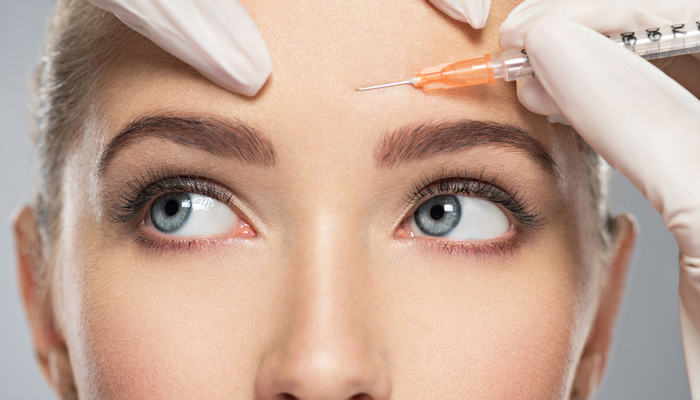
    Botox treatments are the most popular non-surgical cosmetic procedure in the world! How much do you know about this popular procedure, though? Maybe you’ve heard about the muscle-paralyzing effects of the procedure, or maybe you’ve just heard that the procedure helps to eliminate wrinkles. Today we’re looking at the treatment, the chemical in question, and whether Botox might be a good idea for you.

    Botox Treatments

    What is Botox?

    The Botox treatment involves using a carefully controlled dose of a neurotoxin to paralyze some of the muscles in your face. That might sound pretty scary, but as long as a professional is applying the procedure it’s perfectly safe. The toxin itself, botulinum toxin, is created in laboratory settings by manipulating a bacterium called Clostridium botulinum.

    The toxin itself is unbelievably dangerous, and is one of the most poisonous substances to humans that science has ever studied. It is estimated that a single gram of botulinum toxin could kill over a million humans, and only a few kilograms could wipe out the entire human race. That’s a pretty scary thought!

    The Toxin

    The toxin itself usually has to be lab-made to be deadly to humans. The bacteria that create it normally don’t do so in their natural environments, unless they transform into vegetative cells. In nature Clostridium botulinum is often found near lakes, in forests and in soil. It often lives in the intestinal tract of small mammals, and can often be found in the gills of fish.

    In high concentrations, the toxin these bacteria create results in a medical condition called botulism. Botulism typically results in serious respiratory distress in affected people, and, if left untreated, results in death. While this all may sound rather scary, the botulinum toxin still has proven to be a successful therapeutic protein.

    What it Does

    Botulinum toxin, when used in small quantities and applied correctly, can paralyze muscles in a very localized fashion. It does this by blocking proteins before they can reach the nerve cells in the muscles. You’ve likely seen the jokes about people getting Botox and being unable to move their facial muscles: this protein-blocking action is the reason why.

    In order for muscles to work correctly, a neurotransmitter called acetylcholine has to be released. It binds to receptors in the muscles and this, in turn, causes the muscles to contract. It’s pretty simple in theory, but in your body is occurs millions of times in a short span of time and across your entire bodily structure. Botulinum toxin is capable of simply cutting this neurotransmitter off at the source, resulting in paralysis. This is what gives it the title “neurotoxin.”

    In Cosmetic Procedures

    All of the scary, nerve-blocking functions would be terrifying in a large dose, of course. In a controlled dose, however, this toxin can have some interesting cosmetic effects. Namely, Botox procedures are normally aimed at reducing the appearance of facial wrinkles or fine lines. It does so through its normal function of blocking proteins and paralyzing muscles, but in a highly localized area.

    By paralyzing these muscles, the intended effect is to cause the face to appear smoother and more youthful. Typically it takes a day or so for the toxin to take effect, though, when it does, it can result in facial stiffness for a few days while the body deals with the toxin. Following the procedure, many find their facial appearance to be much smoother, their wrinkles being reduced.

    There are a few side effects that can occur with the procedure, however. The most common ones include nausea, headaches or migraines, double vision and a general feeling of fatigue. Rarer side effects could include redness or local edema at the injection site, trouble swallowing, neck stiffness or weakness, dry mouth and other side effects.

  • They thought It Was Just A Headache. Thank Goodness for This Miracle Cure:

    They thought It Was Just A Headache. Thank Goodness for This Miracle Cure:

    Yes, it’s true. Botox will prevent that throbbing migraine before it even starts. In fact, patients reported that two Botox treatments helped to reduce the number of migraine days by a whopping 50%. Here is everything you need to know:

    We’ve all heard of Botox. It is most commonly known as the secret weapon that has been keeping generations of smooth foreheads in Hollywood. What you may not know, however, is that Botox has been successfully bringing great relief to those who suffer from chronic migraines for years. Since Botox was approved to treat chronic migraines in 2010, an excruciating number of patients are reporting great success.

    Migraines and Botox

    The FDA has only approved Botox for those suffering from chronic migraines. What does this mean? You must have 15 or more days of headaches each month. You must also be 18 years or older. Does this sound like you?
    Botox may be the treatment to finally offer you some relief. In fact, the more frequently you suffer from headaches, the better you’ll do with Botox treatments. With that being said, Botox is not recommended for patients who experience less than 15 headache days each month.

    What is the treatment like?

    Your physician will use a tiny needle that won’t feel like anything more than a pinprick. The doctor will continue to inject small amounts of Botox into shallow muscles on your skin. Typically, patients receive about 30 injections in 7 key spots on their head and neck. You should expect your appointment to last about 20 minutes.

    How long does it last?

    You’ll receive a Botox Treatment once every 10 to 12 weeks to dull or prevent migraine headaches. Keep in mind that the treatment won’t work right away. You will see results 2 to 3 weeks after your first treatment.

    What are the side effects?

    Those who treat their chronic migraines with Botox have reported neck soreness as the most common side effect. We recommend using an ice pack to reduce the discomfort.

    Is it covered by my insurance?

    For cosmetic reasons? No. As a chronic migraine treatment? Yes – by most plans, including Medicare and Medicaid. Allergan, a Botox manufacturer, offers a “Botox Savings Card,” which offers patients reduced fees.


  • Botox Treatments: How do they Work?

    Botox Treatments: How do they Work?

    Botox treatments are the most popular non-surgical cosmetic procedure in the world! How much do you know about this popular procedure, though? Maybe you’ve heard about the muscle-paralyzing effects of the procedure, or maybe you’ve just heard that the procedure helps to eliminate wrinkles. Today we’re looking at the treatment, the chemical in question, and whether Botox might be a good idea for you.

    Botox Treatments

    What is Botox?

    The Botox treatment involves using a carefully controlled dose of a neurotoxin to paralyze some of the muscles in your face. That might sound pretty scary, but as long as a professional is applying the procedure it’s perfectly safe. The toxin itself, botulinum toxin, is created in laboratory settings by manipulating a bacterium called Clostridium botulinum.

    The toxin itself is unbelievably dangerous, and is one of the most poisonous substances to humans that science has ever studied. It is estimated that a single gram of botulinum toxin could kill over a million humans, and only a few kilograms could wipe out the entire human race. That’s a pretty scary thought!

    The Toxin

    The toxin itself usually has to be lab-made to be deadly to humans. The bacteria that create it normally don’t do so in their natural environments, unless they transform into vegetative cells. In nature Clostridium botulinum is often found near lakes, in forests and in soil. It often lives in the intestinal tract of small mammals, and can often be found in the gills of fish.

    In high concentrations, the toxin these bacteria create results in a medical condition called botulism. Botulism typically results in serious respiratory distress in affected people, and, if left untreated, results in death. While this all may sound rather scary, the botulinum toxin still has proven to be a successful therapeutic protein.

    What it Does

    Botulinum toxin, when used in small quantities and applied correctly, can paralyze muscles in a very localized fashion. It does this by blocking proteins before they can reach the nerve cells in the muscles. You’ve likely seen the jokes about people getting Botox and being unable to move their facial muscles: this protein-blocking action is the reason why.

    In order for muscles to work correctly, a neurotransmitter called acetylcholine has to be released. It binds to receptors in the muscles and this, in turn, causes the muscles to contract. It’s pretty simple in theory, but in your body is occurs millions of times in a short span of time and across your entire bodily structure. Botulinum toxin is capable of simply cutting this neurotransmitter off at the source, resulting in paralysis. This is what gives it the title “neurotoxin.”

    In Cosmetic Procedures

    All of the scary, nerve-blocking functions would be terrifying in a large dose, of course. In a controlled dose, however, this toxin can have some interesting cosmetic effects. Namely, Botox procedures are normally aimed at reducing the appearance of facial wrinkles or fine lines. It does so through its normal function of blocking proteins and paralyzing muscles, but in a highly localized area.

    By paralyzing these muscles, the intended effect is to cause the face to appear smoother and more youthful. Typically it takes a day or so for the toxin to take effect, though, when it does, it can result in facial stiffness for a few days while the body deals with the toxin. Following the procedure, many find their facial appearance to be much smoother, their wrinkles being reduced.

    There are a few side effects that can occur with the procedure, however. The most common ones include nausea, headaches or migraines, double vision and a general feeling of fatigue. Rarer side effects could include redness or local edema at the injection site, trouble swallowing, neck stiffness or weakness, dry mouth and other side effects.


  • Weird New Uses for Botox Injections

    Weird New Uses for Botox Injections

    Uses for Botox Injections are one of the most commonly administered aesthetic procedures in the United States. Although the treatment is a popular method that is used to diminish the appearance of fine lines and wrinkles. It can also be used to ease migraines, excessive sweating and a few other conditions. When Botox is injected, it is priced two different ways: By the vial or unit. By the area, such as the area between the eyes, where frown lines are often treated with Botox.

    Injections: They’re a popular topic and yet still shrouded in mystery and a veritable amount of secrecy. Most of us venture to a consultation or decide against them without actually knowing much information—how much they cost, what to expect during an appointment, or what the results will be. Because we’re not willing to openly and freely discuss it (or have been taught not to), more often than not these conversations occur through a series of unanswered questions. Like sexual education, relying on abstinence is never going to be enough. We want to feel confident, look good, and make our own choices, and as such, that often leads to investing in modern skincare techniques. Lets take a look at 3 weird new uses for Botox injections.

    Fix that Gummy Smile with Botox Injections.

    There are some individuals who are using Botox to fix their gummy smiles, which is when an individual’s teeth are overpowered by disproportionate gum tissue. These individuals have Botox to keep the lip from raising too much when they smile.

    Botox Injection to Extend Your Blowouts

    A new trend is emerging where women are getting Botox in their scalp to extend their blowouts, and they don’t have to wash hair in between workouts. This works by injecting the Botox in to the sweat glands in the scalp. Giving you control of sweat from the scalp segion. The primary benefit of having Botox injections in the scalp is to control sweat from the top and back of the head. … A scalp is an active place for many different body functions.

    Premature Ejaculation

    Injecting Botox into the penis might relax the muscle and delay ejaculation; Allergan is currently testing Botox for this issue. The company also holds a patent for the treatment of erectile dysfunction, which is currently being tested in a third-party clinical trial.


    When Botox is injected, it is priced two different ways. By the vial or unit ($12 per unit, $15 per vial) or By the area. Such as the area between the eyes, where frown lines are often treated with Botox ($450 — $800 for an area)The decision to use a given number of units or vials, or to treat an entire area. This  depends on the discretion of the provider. Some places have a required minimum purchase