Tag: Cosmetic Surgery

  • Botox Treatments: How do they Work?

    Botox Treatments: How do they Work?

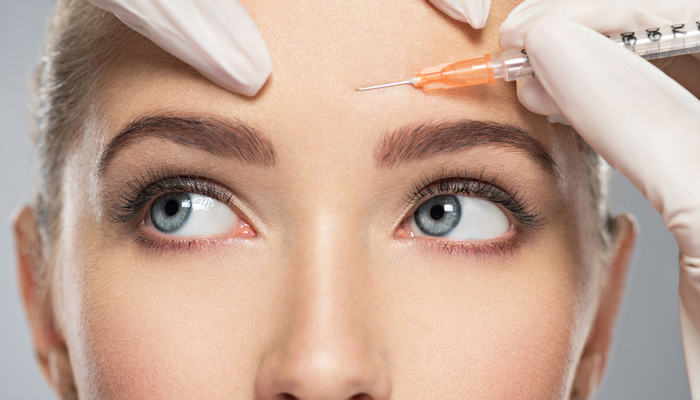
    Botox treatments are the most popular non-surgical cosmetic procedure in the world! How much do you know about this popular procedure, though? Maybe you’ve heard about the muscle-paralyzing effects of the procedure, or maybe you’ve just heard that the procedure helps to eliminate wrinkles. Today we’re looking at the treatment, the chemical in question, and whether Botox might be a good idea for you.

    Botox Treatments

    What is Botox?

    The Botox treatment involves using a carefully controlled dose of a neurotoxin to paralyze some of the muscles in your face. That might sound pretty scary, but as long as a professional is applying the procedure it’s perfectly safe. The toxin itself, botulinum toxin, is created in laboratory settings by manipulating a bacterium called Clostridium botulinum.

    The toxin itself is unbelievably dangerous, and is one of the most poisonous substances to humans that science has ever studied. It is estimated that a single gram of botulinum toxin could kill over a million humans, and only a few kilograms could wipe out the entire human race. That’s a pretty scary thought!

    The Toxin

    The toxin itself usually has to be lab-made to be deadly to humans. The bacteria that create it normally don’t do so in their natural environments, unless they transform into vegetative cells. In nature Clostridium botulinum is often found near lakes, in forests and in soil. It often lives in the intestinal tract of small mammals, and can often be found in the gills of fish.

    In high concentrations, the toxin these bacteria create results in a medical condition called botulism. Botulism typically results in serious respiratory distress in affected people, and, if left untreated, results in death. While this all may sound rather scary, the botulinum toxin still has proven to be a successful therapeutic protein.

    What it Does

    Botulinum toxin, when used in small quantities and applied correctly, can paralyze muscles in a very localized fashion. It does this by blocking proteins before they can reach the nerve cells in the muscles. You’ve likely seen the jokes about people getting Botox and being unable to move their facial muscles: this protein-blocking action is the reason why.

    In order for muscles to work correctly, a neurotransmitter called acetylcholine has to be released. It binds to receptors in the muscles and this, in turn, causes the muscles to contract. It’s pretty simple in theory, but in your body is occurs millions of times in a short span of time and across your entire bodily structure. Botulinum toxin is capable of simply cutting this neurotransmitter off at the source, resulting in paralysis. This is what gives it the title “neurotoxin.”

    In Cosmetic Procedures

    All of the scary, nerve-blocking functions would be terrifying in a large dose, of course. In a controlled dose, however, this toxin can have some interesting cosmetic effects. Namely, Botox procedures are normally aimed at reducing the appearance of facial wrinkles or fine lines. It does so through its normal function of blocking proteins and paralyzing muscles, but in a highly localized area.

    By paralyzing these muscles, the intended effect is to cause the face to appear smoother and more youthful. Typically it takes a day or so for the toxin to take effect, though, when it does, it can result in facial stiffness for a few days while the body deals with the toxin. Following the procedure, many find their facial appearance to be much smoother, their wrinkles being reduced.

    There are a few side effects that can occur with the procedure, however. The most common ones include nausea, headaches or migraines, double vision and a general feeling of fatigue. Rarer side effects could include redness or local edema at the injection site, trouble swallowing, neck stiffness or weakness, dry mouth and other side effects.

  • Dental Implants: Everything You Need to Know

    Dental Implants: Everything You Need to Know

    When you’re missing teeth or have to have teeth removed, their absence can be embarrassing and can make it difficult to eat, speak or even go about your daily activities. Today we’re looking at dental implants and how they can help you with your condition. We’ll look at what makes them so popular, what the procedure to implant them looks like, and how they stack up to bridges and dentures.

    Dental Implants

    What are Dental Implants?

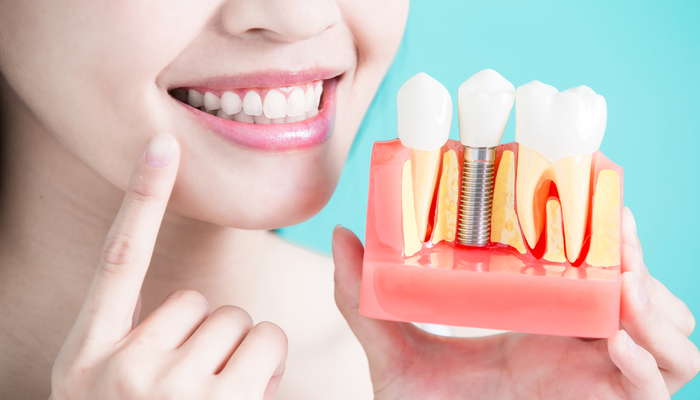
    Dental implants are a relatively knew dental surgical solution for missing teeth. For years, the main way to address lost teeth has been through dentures or bridges. However, dental implants allow for an artificial root to be implanted in the gum to act as a foundation for either fixed or removable replacement teeth.

    As such, they are dental prosthetics, not unlike dentures or bridges. By contract, they are much more in-depth to get: as the name suggests, they have to be implanted directly into your gum. This means that the procedure to get them involves dental surgery, which is daunting for more reasons than just a fear of drills.

    Why Would You Need Them?

    Generally speaking, you would only get a dental implant if you were missing a tooth, or teeth. Typically, people lose teeth to tooth decay, injury or, occasionally, through periodontal disease. Often, younger patients who lose teeth prefer to not have dentures or bridges, due to those prosthetics’ reputations as being for older people only.

    Dental implants offer a number of benefits for patients of any age, though. Firstly, they tend to look better than older prosthetic types. They both look and feel like the patient’s own teeth, since they fuse with the bone and are permanent fixtures.

    Dental Implant Benefits

    There are other benefits for dental implants than just appearance, though. They also offer better comfort, as they are more closely fitted to your own mouth and fit with the rest of your teeth in a natural way, unlike bridges or dentures. Your speech, likewise, is improved when you’re speaking with implants versus dentures, which can slip or slide and cause you to slur or mumble.

    Dental implants are also great for your self-esteem. Since they’re a part of your actual body, there’s no embarrassment about having them. They are more durable, on average, than other prosthetics and can even last an entire lifetime if properly cared for. Finally, dental implants are just more convenient than removable dentures: you don’t have to worry about forgetting them or losing them. They’re just like having your actual teeth.

    Costs

    A drawback to dental implants, as with almost all cosmetic surgeries, is that they are often not covered by insurance. This means you’ll likely have to pay mostly out of pocket to cover the costs of the procedure. As such, you might find dental implants prohibitively expensive compared to other options. However, in some cases, depending on the cause of your tooth loss, insurance may cover the costs of the implants. Your individual case can vary.

    In general, however, dental implants are more costly than dentures or bridges. This is because they become a part of your body: they fuse with your bones and act much like your own natural teeth.

    Bottom Line

    Getting a dental implant is a much more in-depth process, of course, than getting fitted for dentures or a bridge. It involves a surgical procedure that implants a synthetic tooth root in your gum, meaning you’ll have to get a personalized treatment plan from the dental team.

    After the procedure, it can take up to twelve weeks for the gum to heal around the implant. After that, an abutment is attached to the implant to hold the new tooth. Finally, the new false teeth, called crowns, are attached to the abutments and become part of your bite.


  • Botox Treatments: How do they Work?

    Botox Treatments: How do they Work?

    Botox treatments are the most popular non-surgical cosmetic procedure in the world! How much do you know about this popular procedure, though? Maybe you’ve heard about the muscle-paralyzing effects of the procedure, or maybe you’ve just heard that the procedure helps to eliminate wrinkles. Today we’re looking at the treatment, the chemical in question, and whether Botox might be a good idea for you.

    Botox Treatments

    What is Botox?

    The Botox treatment involves using a carefully controlled dose of a neurotoxin to paralyze some of the muscles in your face. That might sound pretty scary, but as long as a professional is applying the procedure it’s perfectly safe. The toxin itself, botulinum toxin, is created in laboratory settings by manipulating a bacterium called Clostridium botulinum.

    The toxin itself is unbelievably dangerous, and is one of the most poisonous substances to humans that science has ever studied. It is estimated that a single gram of botulinum toxin could kill over a million humans, and only a few kilograms could wipe out the entire human race. That’s a pretty scary thought!

    The Toxin

    The toxin itself usually has to be lab-made to be deadly to humans. The bacteria that create it normally don’t do so in their natural environments, unless they transform into vegetative cells. In nature Clostridium botulinum is often found near lakes, in forests and in soil. It often lives in the intestinal tract of small mammals, and can often be found in the gills of fish.

    In high concentrations, the toxin these bacteria create results in a medical condition called botulism. Botulism typically results in serious respiratory distress in affected people, and, if left untreated, results in death. While this all may sound rather scary, the botulinum toxin still has proven to be a successful therapeutic protein.

    What it Does

    Botulinum toxin, when used in small quantities and applied correctly, can paralyze muscles in a very localized fashion. It does this by blocking proteins before they can reach the nerve cells in the muscles. You’ve likely seen the jokes about people getting Botox and being unable to move their facial muscles: this protein-blocking action is the reason why.

    In order for muscles to work correctly, a neurotransmitter called acetylcholine has to be released. It binds to receptors in the muscles and this, in turn, causes the muscles to contract. It’s pretty simple in theory, but in your body is occurs millions of times in a short span of time and across your entire bodily structure. Botulinum toxin is capable of simply cutting this neurotransmitter off at the source, resulting in paralysis. This is what gives it the title “neurotoxin.”

    In Cosmetic Procedures

    All of the scary, nerve-blocking functions would be terrifying in a large dose, of course. In a controlled dose, however, this toxin can have some interesting cosmetic effects. Namely, Botox procedures are normally aimed at reducing the appearance of facial wrinkles or fine lines. It does so through its normal function of blocking proteins and paralyzing muscles, but in a highly localized area.

    By paralyzing these muscles, the intended effect is to cause the face to appear smoother and more youthful. Typically it takes a day or so for the toxin to take effect, though, when it does, it can result in facial stiffness for a few days while the body deals with the toxin. Following the procedure, many find their facial appearance to be much smoother, their wrinkles being reduced.

    There are a few side effects that can occur with the procedure, however. The most common ones include nausea, headaches or migraines, double vision and a general feeling of fatigue. Rarer side effects could include redness or local edema at the injection site, trouble swallowing, neck stiffness or weakness, dry mouth and other side effects.