Tag: Dental Health

  • Which is Better: An Electric Toothbrush, or Manual?

    Which is Better: An Electric Toothbrush, or Manual?

    Dentists advise that you should brush your teeth at least twice a day. At the very least, you should brush once in the morning when you get up and then before bed. But, when it comes to brushing, what kind of toothbrush should you use? Are electric toothbrushes or manual toothbrushes the better option? Today we’re going to get into it.

    Electric Toothbrush or Manual Toothbrush?

    Are Electric Toothbrushes Better?

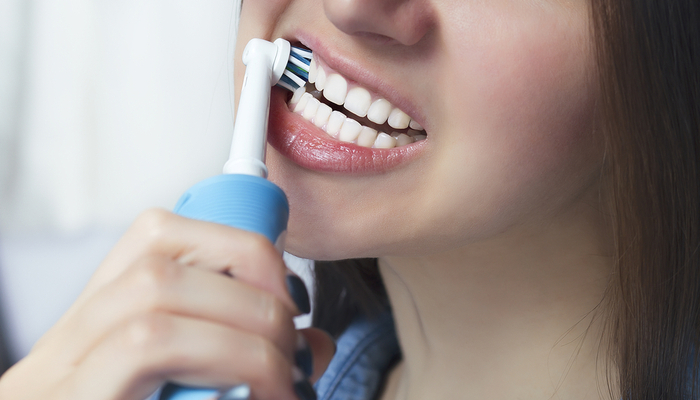
    Electric toothbrushes are often marketed as being able to help you more thoroughly clean your teeth. They use small, motorized mechanics to spin or move back and forth at rapid speeds to knock plaque off of your teeth. It’s generally agreed upon that electric toothbrushes are actually better, on average, than manual toothbrushes, at removing plaque.

    Another big aspect of electric toothbrushes is that they’re great for people with limited mobility. They’re able to do a lot of the work of getting plaque off of your teeth for you. As such, if you have a harder time manipulating a toothbrush, you might want to get an electric toothbrush.

    Electric Benefits

    There are a few unique benefits to electric brushes. One such benefit is that you produce less waste with an electric brush if you only need to replace the head. That way, you’re not throwing away your brush entirely, just the head.

    They could also have built-in timers, which help to make sure that you’re spending the right amount of time brushing. It’s best to keep track of your brushing time so that you’re neither sprinting through it nor taking too long and overbrushing.

    Another benefit is that some studies show you might be more focused on the task at hand when you’re using an electric brush.

    Manual Toothbrush Benefits

    On the flip side, there’s nothing wrong with manual toothbrushes, either. In general, you’re able to get your teeth just as clean with a manual brush as you would be with an electric brush. However, manual brushes are generally less expensive and could have less upkeep required.

    Manual toothbrushes can’t run out of batteries, won’t stop working randomly, and are always able to get your teeth as clean as you need them to be. Keep in mind, however, with a manual brush, that you’ll have to use a bit more elbow grease to get your teeth as clean as you could with an electric brush.

  • Teeth Whitening: Top Tips for a Healthy, White Smile

    Teeth Whitening: Top Tips for a Healthy, White Smile

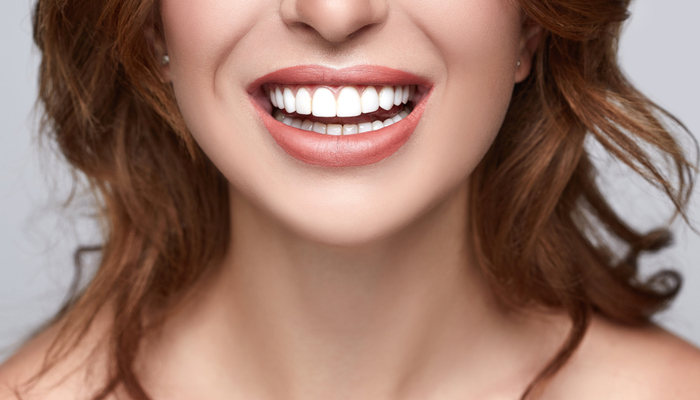
    Everyone wants to have a nice smile. If you’re smiling and showing off yellowed teeth with cavities, people will surely be a bit put off. However, it’s not hard to keep a nice, white smile. Today we’re going over some of the top tips for a pearly-white smile.

    Teeth Whitening

    Brush Those Teeth!

    This might seem like a no-brainer, but it bears repeating. Make sure you brush at least twice daily! Once when you get up, and once before bed, at the very least. When you brush, take care to get near the gums and in between your teeth so you clear all of the stuff that could have gotten trapped!

    Brushing is a very important aspect of dental health. Most dentists will tell you that it’s the best way to get, and to keep, a white smile. Good dental health starts with a good regiment of brushing teeth.

    Floss

    Flossing is a good addendum to brushing teeth. If you’re commonly brushing and flossing, your smile will stay straight and white for longer! You can fight cavities, bad breath and teeth yellowing all by practicing good hygiene with your brushing and flossing.

    Make sure you floss every day after you brush your teeth. It’s a great way to cap off your dental hygiene regiment.

    Avoid Soda

    Fizzy, sugary soda drinks are terrible for your teeth. If you commonly drink soda, make sure you brush and floss after drinking one. Not practicing good dental hygiene while drinking lots of sugary drinks is a surefire way to get cavities and yellow your teeth.

    Likewise, try to steer clear of candies and other sugary items. These items can contribute greatly to the erosion of the enamel of your teeth. Not to mention, the sugar attracts bacteria that can cause cavities. When the bacteria break down the sugar, they can also eat away at the integrity of your teeth.

    Whitening Strips

    People with yellowed teeth often try out various whitening strips to try to brighten up their smile. While these can be good for some people, they’re not a replacement for good dental hygiene. Make sure if you’re using teeth whitening strips that you’re also brushing and flossing daily.

    Also, it won’t help to use whitening strips while you’re still eating sugary foods and drinking sugary sodas. Essentially the two practices will cancel each other out, and you’re wasting your time and money on the whitening strips.

  • Is Your Toothpaste Hurting Your Dental Health?

    Is Your Toothpaste Hurting Your Dental Health?

    Every single person in this world needs toothpaste to keep their teeth clean. If you don’t use toothpaste, you’re probably rocking some pretty gnarly breath. For other people out there who enjoy minty breath, toothpaste is a must-have toiletry. However, could your toothpaste be hurting your dental health?

    There are a number of ways in which your favorite toothpaste brand could be harming your overall dental health. If they don’t have the right mix of additives and ingredients to break down plaque and fight bacteria, your toothpaste could be doing more harm than good. Let’s get into what makes a good brand of toothpaste.

    Is Your Toothpaste Hurting Your Dental Health?

    What Goes into Toothpaste

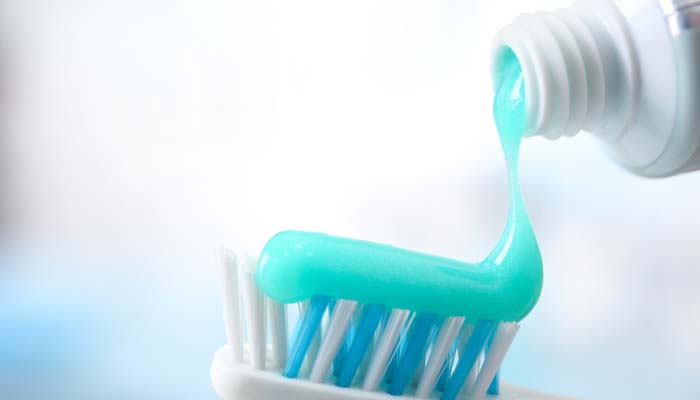
    There are a number of things that go into creating effective toothpaste. One of the main ones is the additive fluoride, which helps to remineralize your teeth while also protecting their enamel lining. Another ingredient commonly seen is a food-grade abrasive of some kind. For instance, hydrated aluminum oxides, silicates and phosphate salts, calcium carbonate and magnesium carbonate all act as abrasives. These help to get rid of plaque buildup and remove surface stains.

    Flavoring agents are also common in toothpaste. Thankfully, the ADA doesn’t clear any toothpaste with tooth decaying materials like sugar, so chemicals like saccharine are used instead. Humectants, like glycerol and sorbitol, are also included to keep the toothpaste from drying out too quickly.

    Sodium lauryl sulfate or sodium N-lauroyl sarcosinate are often present in some capacity as detergents. These allow for the foaming action and also have properties that help them clean your teeth. Finally, binding or thickening agents, like natural gums or synthetic cellulose, are used to give the product a long shelf life and keep the complex mix of ingredients all together.

    Which Toothpaste Should You Use?

    Well, that’s a complex question. Really, it’s best to talk to your dentist about which toothpaste they think is the best for your teeth. Depending on your unique situation, such as whether you have sensitive teeth, stains, cavities or some other complication, you might want specialized toothpastes. In any event, there are a number of brands that are considered highly effective by dentists and users.

    We’ll briefly go over some of the highest-rated toothpastes and explain why users love them. Of course, your mileage may vary, but this is a good starting point for people looking to upgrade.

    Sensodyne Pronamel Toothpaste

    Sensodyne’s Pronamel brand of toothpaste is great for protecting your tooth enamel. If you have very sensitive teeth you might have thin enamel or reduced enamel amounts. If you find your tooth sensitivity is a problem in your everyday life, consider using a Sensodyne toothpaste to help.

    Your enamel is very important for a number of reasons. Not only does it keep your teeth safe from changes in temperature in food and drinks, it also keeps them safe from crumbling. The enamel on your teeth gives them structure, keeping them safe while chewing and crushing foods. As such, toothpastes that can protect your tooth enamel are quite important.

    Acid erosion of the enamel on your teeth is actually quite common, even in young people. If you drink a lot of soda, energy drinks and the like you’re likely at higher risk of having your enamel erode at a young age. Toothpaste like Sensodyne can help your teeth to keep their enamel lining for longer.

    Crest Pro-Health

    Crest is one of the only toothpaste brands that uses stannous fluoride instead of sodium fluoride. This makes the Pro-Health toothpaste a great pick for people with chronic bad breath or issues with cavities. That’s because stannous fluoride is anti-bacterial as well as remineralizing. By killing the bacteria related to bad breath and cavities this toothpaste really takes care of your dental health.

    The other cool thing that Crest Pro-Health does is help to whiten your teeth. If you’ve got stains on your teeth this can be a great way to gradually whiten your smile. Some have even reported that it can help with tooth sensitivity.

    Conclusions

    Toothpaste is a really important cornerstone of dental health and picking the right one is important. Remember, your unique dental situation could change which toothpaste is right for you. If you’ve got a unique dental health issue, don’t hesitate to speak to your dentist and make sure you’re picking the right toothpaste for your condition.

    In any event, remember that there are a lot of things that go into complete dental health. Don’t forget to floss after you brush your teeth and brush at least twice daily!