Tag: Diet

  • Eating Healthier: Best Probiotics

    Eating Healthier: Best Probiotics

    Maybe you’re looking to eat healthier to lose some weight, or you just want to encourage better lifestyle habits in yourself. Either way, you’re probably looking for some good foods to add to your diet. Have you looked into probiotics as ways to make your diet healthier? Today we’re going over some of the best probiotics you can add to your diet!

    Best Probiotics

    What are Probiotics?

    Probiotics are foods that have been shown to encourage the growth of positive bacteria. Your intestinal tract is home to millions of bacteria that help you break down and process the foods you eat, so taking good care of them is vital for good intestinal health! Here are some of the foods you can eat to encourage good intestinal health.

    Sauerkraut

    A very beloved German dish, sauerkraut is thinly-shredded cabbage fermented by lactic acid bacteria. You’ll often see sauerkraut served on top of sausage at German restaurants, or as a side with traditional German food. It has a distinctive sour and salty taste that is described by some as overwhelming, and others as delicious.

    Sauerkraut is very good for you for a number of reasons. Firstly, it’s packed full of probiotics, which are great for your intestinal health. Secondly, it’s also a great source of vitamins: it’s loaded with vitamin B, vitamin C and vitamin K. Notably, if you want the healthiest version of sauerkraut, you need to get the unpasteurized variety.

    Kefir

    Kefir is a milk-based drink, created by adding kefir grains to cow’s milk or goat’s milk. Kefir grains aren’t grains in the same sense that barley or oats are grains, but are instead created from lactic acid bacteria cultures. They’ve been described as looking similar to cauliflower.

    Notably, even people who are lactose intolerant tend to handle kefir well. This is likely due to the high concentrations of positive bacteria and yeast that are found within kefir, which help to stimulate good digestion and positive intestinal health. People who commonly consume it tend to praise the good overall feeling they get from ingesting the drink.

    Yogurt

    Likely the least exotic of the foods on this list, yogurt is not dissimilar from kefir. Both are great sources of probiotics, and both are dairy-based. Like kefir, yogurt tends to be easier on the stomach for people who are lactose intolerant.

    Yogurt has a variety of positive health impacts. It’s great for bone health, as well as being an excellent source of calcium. Make sure, however, that the yogurt brandy you’re choosing has live cultures or bacteria in it, otherwise it won’t give you the great probiotic health benefits. Likewise, make sure the brand you’re getting doesn’t have a ton of added sugars.

    Kimchi

    The much-beloved Korean food kimchi is another excellent source of probiotics. The fermented cabbage dish has been compared positively to sauerkraut, as the two foods are both fermented cabbage dishes. However, unlike sauerkraut, kimchi can be made from a variety of other vegetables, too.

    As far as health benefits go, kimchi is really great for you. It’s loaded with a lactic acid bacteria named for the dish, Lactobacillus kimchii, as well as vitamin K and vitamin B2. In addition, it’s a great source of iron!

    Miso

    Another far East favorite, miso is a Japanese seasoning that is traditionally made from fermented soybeans with koji, a Japanese fungus. Commonly, miso is added to soup, and such soups are considered a staple of breakfast foods in Japan. The seasoning has been described as earthy, salty and savory.

    Miso is high in both protein and fiber, and has been shown to reduce the likelihood of breast cancer in middle-aged women. Much like other probiotics, miso is also a great source of vitamin K and positive bacteria.

  • Best Milk Substitutes: Avoid Dairy without Compromising

    Best Milk Substitutes: Avoid Dairy without Compromising

    Dairy isn’t exactly good for you, but you probably already knew that. However, skipping out on milk and cheese and yogurt can all be quite difficult when you’re living in the US. So, what are some of the best non-dairy options for milk? After all, you still want to be able to cook and eat cereal without getting too much dairy intake. Let’s look at some of the dairy-free favorites.

    Best Milk Substitutes

    Why Avoid Milk?

    Dairy in general is a substance that many people in the world choose to avoid. Globally, about three out of every four people are lactose intolerant. In fact, America is a bit unusual in that it is comprised of so many people that can process dairy. So, if you’ve got lactose intolerance, don’t feel bad, it just means that you’re like most of the species!

    Another reason to avoid dairy is that it’s just flat-out not good for you. Very high in fat, very high in sugar and lacking in many nutrients, milk is something of a weird cultural artifact in American cuisine. It’s one claim to nutrition, that it helps build strong bones through its calcium, is actually debated by many nutritionists as being misleading. After all, almonds, figs and kale are all much better sources of calcium, and they’re much better for your body.

    Almond Milk

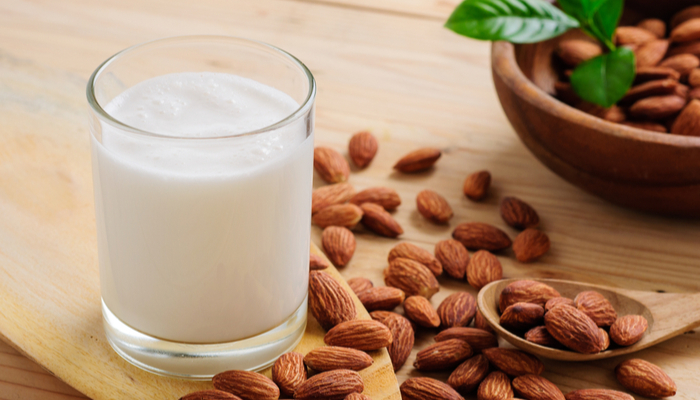
    One of the first substitutes for milk anyone will mention is almond milk. It’s common, relatively inexpensive and full of calcium. In fact, if your main reason to drink milk was for the calcium to help build up strong bones, then almond milk is perfect for you. The flavor has been described as being more “watery” than cow’s milk, but when used in cooking or cereal it’s hard to notice the difference.

    There’s notably much less fat and much fewer calories in almond milk than cow’s milk. There’s also lower protein and lower in carbs, and almond milk is one of the least-fattening milk substitutes. If you’re trying to watch your calorie intake and still get plenty of calcium, then almond milk is likely the right substitute for you.

    Soy Milk

    Don’t let half-formed concerns fool you: soy milk is a great replacement for milk if you’re lactose intolerant or just don’t like consuming animal products. This drink is created from soybeans or soy protein isolate, and it is usually thickened by various agents and vegetable oils to help the drink’s consistency.

    Soy milk has a similar concentration of protein as cow’s milk, but it has decidedly less fat, carbs and calories. Soy is also a major source of “complete” proteins that include the full range of amino acids that you have to acquire from your food and can’t create on your own. Contrary to what some internet theories claim, there’s also no evidence that soy milk adversely affects any hormone receptors in the body. Soy milk is perfectly safe and healthy for normal adults to drink.

    Oat Milk

    A very simple milk substitute, oat milk is essentially just oats and water. Often, oils, salts and gums are added to the mix to give the beverage a more “milk-like” texture and taste. Oat milk is popular in cooking, mixed into smoothies and in cereal. It has been noted as being a very close reproduction of the flavor and texture of cow’s milk.

    Notably, oat milk is actually not as good for you as some of the other substitutes available. It’s got double the carbs, the same amount of calories and half of the protein of milk. Thankfully, it also contains half the fat that milk does. However, for those on a diet or watching their calories, oat milk might not be the best substitute.


  • Meal Prep Delivery Services to Try Out in 2019

    Meal Prep Delivery Services to Try Out in 2019

    When you get home from work, do you feel like cooking dinner? Sometimes you might, but usually you’re pretty tired, right? Maybe you just order takeout instead, or you opt, instead, to grab food on the way home. Well, that’s alright, but it can get expensive, and the food might not be as good for you.

    If you want to save some money and eat healthier at home, consider meal prep! There are a ton of meal prep delivery services that can help you get started meal prepping, saving money and eating healthier.

    Meal Prep Delivery Services to Try Out

    Freshly

    The first service on our list is Freshly, a great service for those who love easy-to-prep food that’s ready to rock. Freshly’s food options arrive at your home fully cooked and ready to go! They’re fully insulated and their packaging is all sustainable. The best part is that the meals they offer are all peanut-free and gluten-free, meaning people with allergies can feel safe ordering from them!

    If you’re buying for just yourself, you can get four meals for one person for $50 per week. If you’re looking for a more comprehensive food solution, go with the 12-meal plan that runs $108 per week. In either case, this is a great way to circumvent eating out too much or preparing food that’s bland or bad for you.

    Blue Apron

    The guys who got this whole meal-kit thing going to begin with are still a fantastic choice for people who want to have meals delivered to their very door. If you’re a culinary newbie looking to get a grip on how to cook, or simply like the added ease of having recipes and ingredients delivered to you, this is the service for you. Interestingly, Blue Apron makes sure that cook and prep times for their meals stick to around 45 minutes, making it easier for working folks to make themselves food.

    Blue Apron is based on sustainability. Their main goal is to change the food industry of the US by practicing sustainable farming and shipping directly, as well as eliminating food waste. The chefs and farmers work together to craft their recipes, ensuring that every meal has a story and is as sustainable as possible. It’s hard not to get behind a program that straightforward and responsible!

    If you want to try it out, it’s $60 per week for two people to get three meals. That goes up to $96 for four people, though it keeps the meal count at three!

    Home Chef

    The Home Chef meal kit delivery service makes our list due to how flexible they are with various options available for different dietary needs. For instance, if you’re vegetarian, pescatarian, vegan, avoiding dairy or any other dietary need, Home Chef has got you. Just tell them what your dietary needs are when you sign up, and your meals will be the right mix for you.

    If you’re really new to cooking and want a good way to get started, Home Chef has you covered. They have a basic suite of kitchenware you can buy from their site to get yourself started with cooking from home! This is a great way for beginners to start cooking. Between the detailed explanations and ingredients delivered right to you, this is a great way to begin cooking for yourself.

    Their normal meals are ten dollars per serving, and you can pick your servings. Shipping is ten bucks for orders under forty-five dollars, though any order above that get free shipping!

    Sun Basket

    If you want a meal prep delivery kit with the highest-quality ingredients, this is the one. Natural, organic, antibiotic-free food is the standard for Sun Basket. No added hormones, wild-caught seafood, sustainability and high-quality are all standard for Sun Basket’s ingredients. You can select between vegan, vegetarian, pescatarian or Paleo options if you need to, making this a great service that anyone can try out.

    Nutritionists approve each and every meal Sun Basket ships, meaning you know you’re getting good, high-quality meals for your money. Also great is the packaging: the meals are shipped in packaging that is totally recyclable, compostable and sustainable. It’s really guilt-free when you get down to it!

    If you want to try it, you can get three meals a week for two people for $72, or you can get two meals for four people for $88 per week. There are other plans available, those these are the best for trying out the service.

  • Guide to Starting the Mediterranean Diet

    Guide to Starting the Mediterranean Diet

    When it comes to diets, not many of them are regionally based. However, one diet in particular is based on the relative health of people from a specific region of the world. That region, of course, is the Mediterranean.

    Historically, people from the Mediterranean region have had lower risks of things like diabetes, heart disease and other dietary ailments. In order to replicate this, many dietitians recommend this Mediterranean Diet as one to help you be happier and healthier.

    How to Start the Mediterranean Diet

    The Mediterranean Diet

    The diet primarily took off due to its relative simplicity and evidence-based claims of its health benefits. Studies show that people who eat this diet have lower risk of heart disease, strokes and other premature deaths related to diet. Generally speaking, the Mediterranean Diet is comprised of foods found around the various cultures of the Mediterranean. This could include areas such as Greece, Libya, Spain, France, Italy, Albania, Turkey, and Syria, and many others.

    What to Have

    While you can look to Mediterranean countries for inspiration, there are some rules related to the diet itself. Namely, the things you want to include in normal quantities in your diet include vegetables, fruits, seafood, potatoes, grains, breads, olive oil, legumes, seeds and nuts. Herbs and spices to make your food tastier is all good, too!

    You’ll want to eat cheese, yogurt, eggs and chicken in smaller quantities than normal. That’s not that you can’t have them, just that you should have less of them. Consider having these in smaller quantities or only one of them per day and at only one meal. For instance, consider cutting chicken, cheese and yogurt out of your diet and just having eggs with your breakfast.

    You’ll also want to make red meat a very rare occurrence in your diet. Consider having it once a week or even less. Consuming too much red meat can put you at a higher risk of heart disease and other lifestyle-related diseases.

    What Not to Have

    So now you know what’s alright in the Mediterranean Diet, let’s talk about what you should avoid. Soda, juices and other drinks sweetened with sugar should be cut from your diet altogether. The same goes for refined grains, refined oils, processed meats and foods with added sugars. Generally speaking, if you would call it “junk food” then you should stop eating it.

    That means that candies, white bread, margarine, canola oil, ice cream and the like are all right out. While that might sound restrictive, it’s not as bad as it might sound. You still have a wide variety of great foods to choose from when it comes to making yourself food on this diet!

    Some Specifics

    Now, as for what you can have when on the Mediterranean diet. Specifically, foods from various Mediterranean countries is what you’re going to want to make. Spinach, onions, carrots, tomatoes broccoli and the like are all great vegetables to start with. You can supplement these with nuts like almonds, macadamia nuts, almonds, cashews and hazelnuts. Fruits you should incorporate are grapes, figs, apples, bananas and oranges, among others.

    For tubers, consider adding more sweet potatoes, yams, turnips and potatoes to your diet. These are all great option to base entire meals around! Brown rice, buckwheat, barley, corn and whole-grain pasta and bread are all wonderful options, too.

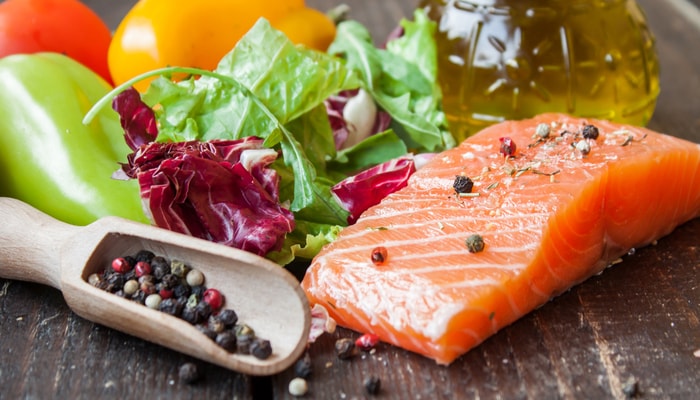
    Salmon, crab, shrimp, oysters, trout and tuna are all great seafood options to add to your meals on this diet. Remember, try to keep meat options to one meal a day or less. They’re generally not as good for you as plant-based meals!

    If you want to have poultry occasionally, stick to chicken, duck and turkey. For dairy, cheeses and Greek yogurts are okay. The occasional egg, whether it be chicken or duck, is alright, too. Healthy fats, like olive oil, olives, avocados and the like are all great too.

    Spice Things Up

    This is the fun part! Whatever meal you make, you should definitely spice them up with great seasonings. For instance, you can go with nutmeg, garlic, mint, basil, sage, cinnamon, pepper and many more to make your food really pop!

    Remember: this is a big, varied and flexible diet. You’ve got the option to pick from a huge variety of types of food and delicious meals. This diet is a great way to lose weight, get healthier and feel better, all at once. Not to mention, there are surely some delightful Mediterranean restaurants in your area that you can try without guilt on this diet!

  • How a Plant-Based Diet can Save Your Life

    How a Plant-Based Diet can Save Your Life

    Keto, paleo, Atkins, Starch Solution: they all have one thing in common. They’re all geared to help you lose weight, feel better and live healthier. Here’s the problem: none of them work in the long-term. That’s right, nutritionists agree that these diets can be helpful in the short term, but they’re just not feasible as long-term dietary lifestyles. However, one enduring dietary lifestyle has stayed around for centuries and remains one of the best things you can do for your body: the plant-based diet.

    What is a Plant-Based Diet?

    Plant-Based Diets are Simple

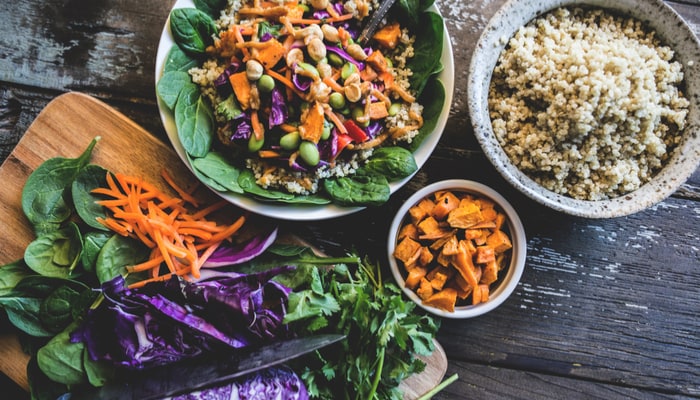
    The best thing about plant-based diets is just how simple they are. In essence, the only thing different about a plant-based diet is that you’re focusing your diet primarily on things like fruits, vegetables, nuts, beans and mushrooms. Okay, we know mushrooms are fungi, not plants, but they still make the cut. However, while many people think this diet might sound prohibitively limiting, that’s far from the truth!

    There are hundred upon hundreds of plant-based meals you can prepare. From stir-fried vegetables to rice and beans, tacos with black beans to healthy, plant-based pizzas. You can prepare delicious pasta dishes, hearty salads, and much, much more. The only limit to a plant-based diet is your imagination and creativity.

    Why Plant-Based?

    Switching to a plant-based diet can be a great way to watch out for your health, and there are numerous reasons for this. If you focus on plant-based foods instead of processed foods, you’ll cut a number of harmful things from your diet. Processed sugars, trans fats and fatty oils are all very high in processed foods. If you opt instead for fresh vegetables and fruit, you avoid these potentially harmful items!

    Similarly, by choosing to eat plant-based you will eat many more healthy vitamins and minerals. Many people don’t get nearly enough of the vitamins they need and rely instead on multivitamins, or simply go without. However, with a plant-based diet this isn’t the case. Your iron, B vitamins, vitamins A and C, and many more are all more than covered with a balanced plant-based diet.

    For Your Wallet

    As anyone who has been to a grocery store recently will tell you, meat is expensive. Likewise, junk food and processed foods are also rather pricey. On the other hand, produce tends to remain quite affordable. Rice, beans, vegetables and fruits all tend to stay rather low on the scale of grocery food prices. As such, opting to eat more plant-based food items can be much, much easier on your wallet. While you might find yourself missing some foods, your wallet will certainly thank you.

    This goes for when you go out to eat, as well. You’ll often find that ordering vegan or vegetarian menu items can often result in you spending less overall on your meal. It also means you’ll get outside of your comfort zone and try new foods you might have not considered previously.

    For the Animals

    The less meat you eat the less animals have to be killed to feed you. This might sound like a very harsh way to put it, but it’s true. The animals that are killed to create meat products live short, miserable lives in harsh conditions with inadequate nutrition. Even people who are okay with the idea of killing living creatures with emotions and personalities for the sole purpose of eating them tend to take issue with the factory farming industry’s abhorrent practices.

    For the Planet

    Even if you’re not concerned about animals on an individual basis, the effect of factory farming on the planet is undeniable. Nearly one-fifth of all greenhouse gasses on earth are produced by the beef industry alone, an that’s not all they do. Feeding such large animals requires a huge supply of grains, which in turn requires millions of gallons of water. For each pound of beef, farms must go through dozens, if not hundreds, of gallons of water to provide food for the cow that yielded it.

    The Bottom Line

    If you want to help yourself, your wallet, the animals and the very planet you live on, it’s worth pursuing a plant-based diet. Few people expect you to stop eating meat altogether right away, though if you do your body will thank you.

    However, even among many people who prefer plant-based diets, they may still have some fish or chicken with their meals occasionally. However, as long as you begin making plants the focus of your meals, you’ll begin to see a change in your health and well-being.