
Tag: Finances

  • Reverse Mortgage: Right for your Retirement?

    Reverse Mortgage: Right for your Retirement?

    If you’re a bit strapped for cash going into your retirement, or even a few years in, you might be considering getting a reverse mortgage. However, you might want to do some research about the type of loan that you’re signing up for. After all, reverse mortgages entail high fees, and they result in the lender owning your home when you pass away.

    Today we’ll take a critical look at reverse mortgages to see if they’re really right for you. There are situations when a reverse mortgage could be a good deal for you financially, but it could just as easily be a bad trade-off. Let’s look a little deeper.

    What is a Reverse Mortgage?

    A reverse mortgage is a loan issued by a bank with the trade-off being the equity in your home. Unlike a normal mortgage, a reverse mortgage goes up in incremental payments made to you as the interest increases. However, they carry heavy fees. In fact, these fees can be up to three times higher than a traditional mortgage. Not to mention, the up-front fees can be ten percent or more of the actual loan.

    Yes, a reverse mortgage will put money in your pocket at the outset, but it can be a hassle for a number of reasons. When you’re borrowing against your home equity, you’ve essentially sold your home to the bank. If you want to move, you have to pay back the reverse mortgage, and since it’s eaten up so much of your home’s equity, this means you’ll have to cover the costs of any move yourself, and still come up with a down payment on a new place.

    Other Drawbacks

    A major reason not to get a reverse mortgage is if you plan to leave your home to your children. In many cases, people leave their assets, including their homes, to their kids when they pass away. If you’ve taken out a reverse mortgage, however, you can’t do so. The lender will take possession of your home and sell it to recoup the loan they gave you for the reverse mortgage.

    This means that reverse mortgages can be a terrible idea for people who intend to leave their homes to their families. If you live in a family home that you want to pass to your kids, stay far away from anyone wanting to give you a reverse mortgage.

    Advantages

    This all being said, there are a few reasons you might want a reverse mortgage. If you’re very strapped for cash in your retirement and you have no children, or you don’t have any plans to leave your home to your children, then you might consider a reverse mortgage. If you don’t plan to move again, this can be an attractive way to shore up your finances to help cover some of your recurring bills.

    The line of credit you get with a reverse mortgage isn’t subject to being frozen by a market downturn. If you have bad credit, or a high debt-to-income ratio, a reverse mortgage can be a good way to get some immediate financial relief to help cover your bills. However, if you can qualify for a home equity line of credit, and you live in a pricey area, you might be better served by downsizing and moving to a less expensive region.

    Bottom Line

    While most people would benefit more from home equity credit lines or home equity loans, there are some who find reverse mortgages to be more appealing to their financial situation. However, unless you are very strapped for cash and have poor credit or a high debt-to-income ratio, you should likely stay away from a reverse mortgage.


  • Smartest Retirement Savings Strategies

    Smartest Retirement Savings Strategies

    Saving for retirement is no joke, and the sooner you start thinking about it the better. It’s impossible to just retire and live comfortable on Social Security. In fact, for many younger people, Social Security likely won’t be around to help out. That means it’s time to start thinking seriously about saving up for your retirement. Here are some of the best ways you can start saving for your retirement.

    Retirement Saving

    Start Now

    There’s literally never a bad time to start saving for your retirement. The sooner you get money into a retirement account, the sooner that money can start accruing interest and making money for you. Accruing interest is one of the best things your money can do for you: the more money you have in an account accruing interest, the more the effect snowballs and makes you even more money. It’s a win-win to invest earlier, rather than later.

    For instance, if you begin saving for retirement at age 23, right out of college, and put only a small portion of your paycheck into savings, you’ll begin accruing interest right away. Depending on the amount of interest, you might even outpace the savings of someone in their 30’s who begins saving with much more of their paycheck, since you’re going to have nearly ten years of a head-start on them!

    Prepare For a Long Retirement

    Advances in medical technology, improving diets and better overall public health mean that the average person is simply living longer than ever before. This means that most healthy retirees can expect to live well into their 80’s, and even their 90’s. This means that you need to be prepared for a long retirement when you’re saving and considering your retirement income.

    This means that you’re going to need to consider nearly 30 years of income in your retirement savings. That’s a lot of years not working while still having to cover all of your needs! Without proper planning, this means you could end up simply running out of retirement savings and having no way to bring in any money.

    Don’t Forget Inflation

    When you’re considering such a long retirement, it’s also important that you remember inflation rates. Even a modest 2% inflation rate can really add up over the course of 30 years. For instance, if you wanted to buy something today that costs $5,000, you’d need $8,200 in 2050 dollars at a 2% inflation rate.

    This means that you should not only plan for a long retirement, but factor in several thousand more dollars than you think you’ll need. The longer your retirement goes on, the more an ever-increasing inflation rate impacts your savings and eats away at your retirement funds.

    A Long-Term Plan

    This all means you need to work with a financial advisor and figure out a way to invest your money in such a way that it keeps working for you over a very long period of time. This likely means that you could be more aggressive with your retirement savings even into your 50’s and 60’s than prior generations were. Since you’re going to be living longer, on average, you’re simply going to need more money.

    Also make sure that any strategy you end up employing gives you ample flexibility to react to changing situations. You’re going to have to stretch your income stream over the course of nearly 30 years, so you want to make sure that you’re able to respond to changing market and your own changing lifestyle.

    In short, consider thinking about your retirement differently than prior generations have. You’re going to need a lot more than you think you will.


  • How to be Financially Stable in Retirement: Quick Tips

    How to be Financially Stable in Retirement: Quick Tips

    The average American is quite sensitive to the idea of having enough money for retirement. After all, once you’ve reached old age, you don’t want to have to do the 9 to 5 grind anymore for money. How can you make sure you save up enough to be financially stable in retirement? Here are some of our quick tips to get you started.

    How to be Financially Stable in Retirement

    Start Saving Now

    It’s never too early, or too late, to start saving for your retirement. The sooner you start, the sooner you get interest working in your favor. If you’re in your early twenties or your late fifties, starting today is always the right call. Preferably, you want to start saving for retirement as soon as you start working.

    Retirement funds are taxed differently than other types of funds. They’re taxed much more leniently if you take from them only after you retire. As such, they’re a great investment in your financial future. Roth IRAs, traditional IRAs and the like are all great choices. Talk to your financial advisor about which one is right for you.

    Pay Down Debts Fast

    It’s much preferable to pay down your debts as fast as possible, get them out of the way, and get their interest off your plate. This is the same advise as earlier, just in reverse. The longer you carry your debt, the more in costs you. Make sure you don’t carry it into retirement with you.

    Retirees already have a number of expenses to keep up with. The last thing they need is more expenses piled on to their existing bills, especially on a fixed income. Pay off those credit card bills now. Pay down your mortgage as quickly as you can comfortably afford.

    Don’t Rely on Social Security

    Social Security won’t be enough to cover all of your expenses in retirement. In fact, by some estimates, younger workers might never gain any access to Social Security at all. Make sure you plan for retirement with this in mind. There’s no reason to count on something that might not even be there when you retire!

    Instead, make sure your plan includes enough money for you to live comfortably on your savings alone. Consider retiring gradually, working part-time for a few years as a pre-retirement step. This way, you can wait a bit longer before pulling from your retirement savings while still living a bit more relaxed of a life in your older age.

  • How to Live Your Best Life on a Fixed Income

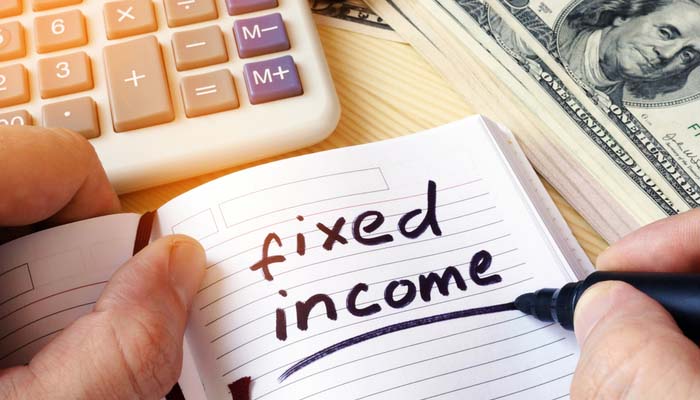
    How to Live Your Best Life on a Fixed Income

    This is it: the years you’ve been preparing and saving for your entire life. You’re retired, you’ve got Social Security, your retirement fund, and maybe a pension. You’re on a fixed income, as you’ve been preparing for since you entered the work force. And it’s really scary, isn’t it? This is the part that people don’t often talk about. You’re retired, your money is fixed, and you don’t think you’re as prepared as you wanted to be. Now what? How do you live your best life on a fixed income?

    How to Live Your Best Life on a Fixed Income

    Make a Budget

    One of the first thing you want to do when you retire and begin living on a fixed income is make a budget for yourself. There’s no way you’re going to be able to just wing it. If you’re looking to live a comfortable life and not run out of money, a budget is going to be necessary.

    Before you even get your money, you need to have a job set aside for each and every dollar. You need to set back what goes to bills, what goes to food, what goes to gas for your vehicle or money for your insurance. If you simply try to play it by ear with your funds, odds are good that those funds will rather rapidly deplete as you spend without thinking.

    If you instead make a detailed budget that includes all of your expenses, you’ll have a detailed document to show yourself how you’re going to spend the money you get each month. This allows you to not only keep track of where your money goes but make adjustments as needed when you see how much you have left over after bills. You’re going to want spending money, of course, whether that’s to spend on yourself, your spouse or your grandkids.

    Prioritize Your Health

    If you want to seriously make your money last and keep your quality of life high, focus on your health. Walk every day if you can, eat fresh food, cut junk food out of your diet. A low-fat, nutritious diet will go a long way in saving you tons and tons of money in long-term care. Statistics show that heart disease is one of the most common (and expensive) types of chronic disease that people over 60 struggle with. You don’t want to burn up your entire nest egg just trying to stay at a neutral level of health!

    Schedule Your Shopping Trip

    Try to schedule your shopping as best you can. Try to stick to one designated shopping trip for week. This way you’re not as likely to make impulse purchases. When you make random trips to the store just because, your odds of making impulse purchases goes up dramatically. These impulse purchases are a bad idea: your income will remain fixed even as you make purchases on a whim. Each impulse buy you make simply reduces that much more money from your set funds.

    Try to Pay Annually

    When it comes to insurance, the best way to save money is to pay for your coverage annually. This goes for car insurance, health insurance and most other types of insurance. If you pay your plan in full for the year, you’ll find it much less expensive than paying month-to-month. When you’re operating on a fixed budget, this could free up a not-inconsiderable amount of money throughout the year for you! Dodging administration fees is a great way to make your money go longer.

    Buddy System

    If you’re single, consider buddying up on expenses with a friend. There are a few things you can save on when you have a buddy system in place. For instance, when you go to buy groceries, buying in bulk is often less expensive. If you split half of a larger pack of something with a friend, you’ll save a ton of money. Not to mention, less things will go bad when you’re splitting them with a friend!

    Likewise, you could buddy up on travel to save. If your plans for retirement include travel, consider traveling with a friend to save. When you go together, you can get a room together, get discounted rated on tickets and more. Not to mention, isn’t it more fun to go on trips with a friend than going by yourself? This way you not only save on your room and travel, you can also make great memories with a friend and enjoy your time on vacation that much more!

  • Top Questions to Ask Your Financial Advisor Today

    Top Questions to Ask Your Financial Advisor Today

    The start of a new year offers a great opportunity to step back, look at your finances and see how things are going. There are a lot of really great questions to ask your financial advisor in this period to see how your investments are shaping up. While the new year is just an arbitrary date, it makes a nice clean break and gives us a chance to think about our finances in a new light. What are you financial goals for 2019? How can you make them realities? Let’s get into the top questions to ask your financial advisor today.

    Top Questions to Ask Your Financial Advisor Today

    How High are the Fees You’re Paying?

    The new year is a great time to reexamine your investments and see how high the fees you’re paying are. After all, your advisor is here to help you. If their cost is higher than their usefulness, it’s time to think about getting a new financial advisor. What better time to examine these costs than at the start of the year? If the advisory fees are satisfactory, move on to the fund fees, transaction fees and account fees you’re paying.

    It’s important to know where your money is going. You don’t want a ton of fees piling up and eating away at the money you’re trying to invest. If some products you’ve got in your portfolio aren’t winning you back enough money to merit their costs, it could be time to think about cutting them loose. Make sure your advisor knows this is a serious concern of yours!

    How Much Risk Should You Be Taking?

    The general rule of thumb is that the younger you are, the riskier and higher-return your investments should be. Then, as you grow older, your investments should be transferred more and more to safer, lower-return funds that won’t put you at risk of losing your nest egg.

    Other considerations, like your income, your financial goals, your risk aversion and your comfort level can all affect this advice. Your financial advisor should have a good grasp on what kind of saving you prefer, and what type you would rather stay away from. Maybe your risky investments have been paying dividends, but the climate for them is shifting so you transfer to safer funds. Or, maybe your safe investments are moving too slowly to get you where you want to be in time for retirement, so you should diversify.

    Whatever the case, the beginning of the year is a great time to examine your finances and your saving strategy. Maybe it’s time to shift into high gear and double down on your plan of attack. Or, maybe it’s better if you ease off the throttle and get more cozy with saving in slower increments. In either event, your financial advisor will have advice tailored to your situation.

    What Employer-Sponsored Benefits Could You be Taking Advantage of?

    Set aside a plan for how you can make the most of your employer-sponsored plans. If your employer offers plans like 401 (k) retirement matching, medical savings accounts and the like, these could be great ways to maximize your finances. Medical savings accounts offer a great way to save money for medical expenses without incurring the usual income taxes on your wages. Similarly, 401 (k) accounts offer a great way to let your money grow without being taxed at the usual rate.

    If your employed offers any type of matching, make sure you’re hitting the maximum amount that you can afford. For instance, if they offer 6% matching, it’s in your best interest to put the full 6% into your savings if you can afford it. This matching plan is essentially free money for you when you go to retire, so you should absolutely be taking full advantage of it!

    What Else Can You Get?

    Make sure you have a good understanding of what your advisor’s firm offers you in terms of services. Most firms offer a robust suite of financial services, such as estate, banking or tax planning. If you’re leaving behind a sizable amount of money and assets when you go, you might be interested in making sure these are properly taken care of. Likewise, your taxes may be very complex due to your investments and holdings. These are things your advisory firm might be able to help you with!

    Your advisor will surely be glad to help you discover which of their firm’s services you’d benefit from. You may even find some services you didn’t realize you needed help with!

  • Best Changes to Make for Healthy Finances in 2019

    Best Changes to Make for Healthy Finances in 2019

    No one wants to be broke, whether it’s the start of the year or the end of the year. You’re probably making a ton of resolutions this time of year about how you’re going to have healthy finances in 2019. There’s good news on that front: it’s not hard to get into better habits when it comes to your personal finances. In fact, we’re going to show you some of the best changes you can make this year to help your finances become that much healthier!

    Best Changes to Make for Healthy Finances in 2019

    Make one Extra Mortgage Payment This Year

    It might sound difficult, but if you save towards it, you can make an extra mortgage payment once each year. If you do this every year you could shorten your mortgage’s length by as much as four or five years! When you have your house paid off half a decade ahead of schedule you’ll be rather pleased with your finances. There’s no time like the present to start saving towards this goal!

    If you start now, you can save a bit here and there towards this goal. Alternatively, if you have a sudden burst of money, such as a bonus, it wouldn’t be a bad idea to go ahead and pay towards your mortgage with it.

    Save $1,000

    Odds are pretty good that you don’t even have a thousand bucks stashed away. If you do, that’s awesome! If not, don’t feel bad: three out of four Americans don’t have $1,000 in their savings. This is something you can fix if you start saving now! When it comes to saving, the first thing you need is a $1,000 emergency fund. You never know when you might need money for something like your car breaking down or an appliance going belly-up.

    Set a Personal Shopping Ban

    Go ahead and get out your calendar and mark off two weeks out of the upcoming year. These are now Shopping Ban days. During these two weeks, don’t spend a single dollar on anything that isn’t a literal necessity. Groceries, gas and lodging are all fair game, but everything else is off-limits. No going to the movies or out for dinner, no buying video games or makeup. No new clothes, new shoes or new toys.

    This will give you insight into just how much money you spend that you don’t have to. After the two weeks are up, take all the money you didn’t spend and invest it into your savings or retirement.

    Start a Retirement Fund or Continue Your Current One

    If you haven’t started saving for retirement yet, now is the time. The sooner you start saving, the better! Every dollar you put into a retirement savings account begins accruing interest. The dollars that those dollars generate also accrue interest. This compounding, snowballing effect is awesome when it’s working in your favor. Get on the right side of compounding interest and start saving today with your retirement account!

    If you already have a retirement account, awesome! Check on it and see how much it’s grown for you. Then, start thinking about how much you can comfortably contribute to it each paycheck. The more you save now, the more you’ll have back when you retire.

    Make a Budget

    Stop putting this off! You know you need a budget, and there’s no better time than right now to make one. When you get your paycheck, you need to know ahead of time where that money is going. There’s no excuse for frivolous spending when you have a budget set up. Make sure every dollar has a job: whether it’s going into savings, retirement, towards bills or to your small “fun money” pile, you need to take control of your finances.

    Remember: you control your money, it doesn’t control you. Don’t have a negative relationship with your wants and neglect your needs. A budget is a great way to get in control of the money you’re trying to save.

    Declutter

    Speaking of taking control, sell your old stuff. Take a bunch of the old junk you have lying around that you don’t need anymore and have a yard sale. Not only will this help you to clean out your space and make more room for healthy living, it’ll also line your pockets! This way, you can cultivate a healthier relationship with your possessions. Remember: you own these things. Don’t let them own you. If they’ve outlived their usefulness, sell them and pocket the profits!

  • Money Market Account Instead of a Savings Account?

    Money Market Account Instead of a Savings Account?

    It might sound odd, but you might consider opening a money market account instead of a savings account. Most people have a checking and a savings account. The checking account is used for your normal transactions, while your savings account gradually gains interest on your money and helps you save up. What is a money market account, then?

    What is a Money Market Account?

    A money market account is sort of like a checking and savings account rolled into one. You can make withdrawal and deposits, write checks and transfer money electronically. Additionally, it will accrue interest, much like a savings account. You are also, usually, given an ATM card to use with a money market account. That makes them pretty convenient alternatives to traditional checking and savings accounts!

    That said, there are a few limitations to the account type. Notably, you usually have to have a higher balance in a money market account than a checking or savings account. Additionally, you also can’t write a very large number of checks from it in a given period.

    The Upsides

    While those might sound like notable downsides, they’re largely mitigated by the upsides. For one thing, most money market accounts offer better interest rates than savings accounts. There are a few reasons for this, and they’re related to the aforementioned downsides. Firstly, since you have to float a higher balance in a money market account, they offer more money for the bank to invest with.

    Secondly, the smaller number of checks you can write through a money market account means that there are lower fees for the bank to pay. Thirdly, the types of things money market accounts’ funds can be invested in are generally higher in return than the things savings accounts can invest in. Essentially, the regulations on this account type are different, meaning it can be invested more aggressively.

    Should You Go This Route?

    That depends on your personal funds. If you have a larger amount of money to save, a money market might be the right account type for you. It’s also convenient to have everything saved up in the same account. That convenience is furthered by the ATM card most of these accounts offer, giving you quicker access to your money.

    If you tend to float lower balances however, such as if you are younger with less savings, these accounts might not be right for you. Of course, everyone’s financial situation is different. However, under the right conditions, a money market account could be a better option for you than traditional checking and savings!