Tag: google duplex

  • Google’s Duplex AI Now Open to Beta Testing

    Google’s Duplex AI Now Open to Beta Testing

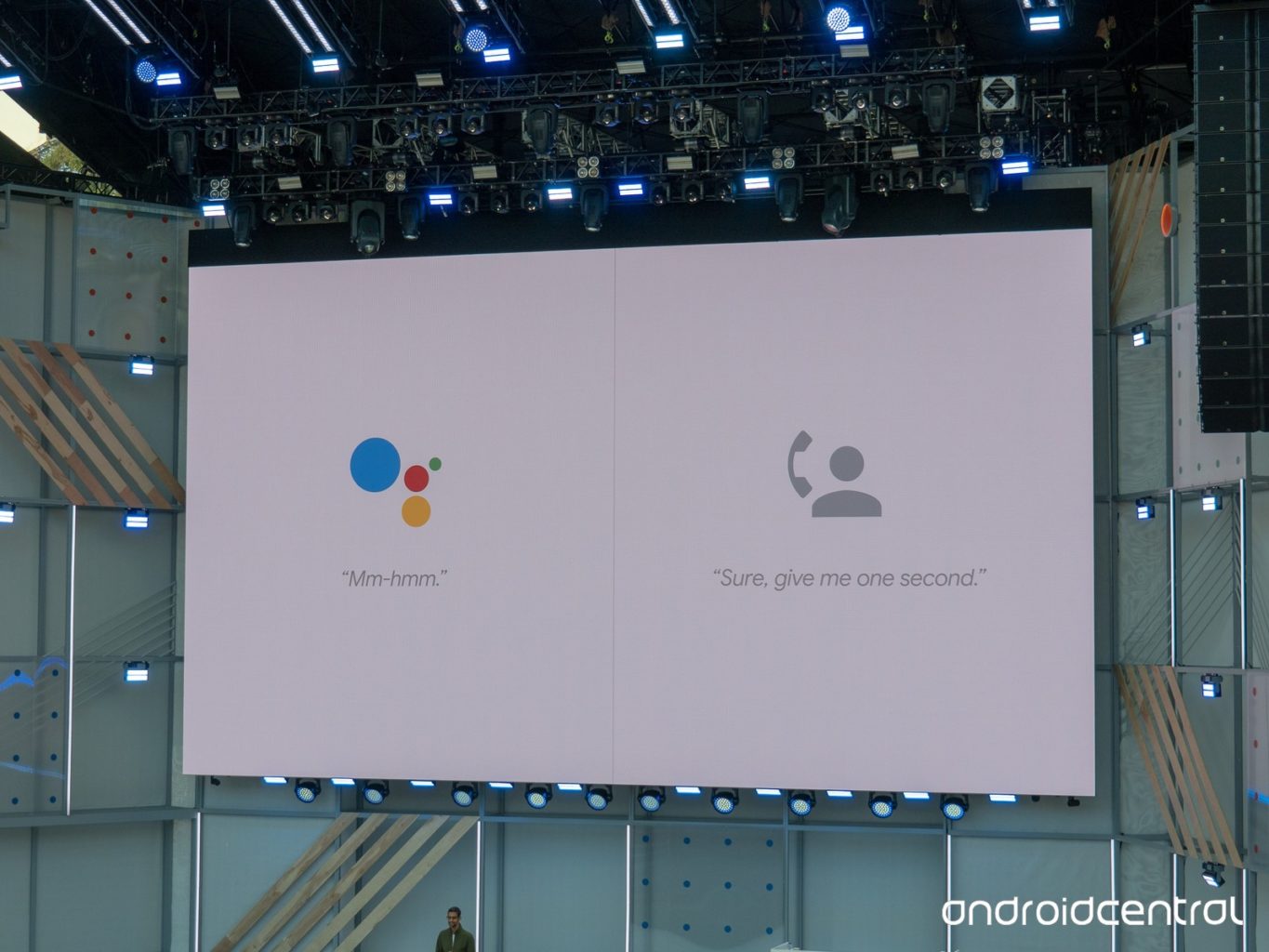
    The eerily human-sounding Duplex AI is now in its beta testing phase. The technology sparked a ton of interest when it was introduced at Google’s I/O 2018 conference. On the one hand, this kind of human-sounding virtual assistant was surely the next step for the technology.  

    However, concerns were raised over the ethics of the software. It sounds nearly indistinguishable from a human to the untrained ear and was made to make phone calls. Googe says the software will identify itself as non-human when it goes live, but that doesn’t mean there’s no room for misuse. ting phase. The technology sparked a ton of interest when it was introduced at Google’s I/O 2018 conference. 

    The Beta Testing 

    Google has begun the beta testing phase by having Duplex call businesses that have opted in to the program. Such businesses will receive calls from Duplex to verify things like business hours, and holiday hours. The primary function of the AI, booking appointments, won’t go live until later this summer. For the time being, Google is simply fine-tuning the technology to sound more lifelike and hone its conversational skills.  

    A Question of Responsibility 

    What kind of responsibility does Google bear in regard to Duplex’s ability to fool people? Technology like this could be used to make a nonliving entity fool humans into thinking it’s alive. Google has attempted to address these fears, stating that the AI will tell whoever it talks to exactly what it is. Something like “Hi, I’m the Google Assistant, calling to make a reservation for a client,” will be stated, perhaps not in those exact words. Even if it’s supposed identify itself as AI, it’s the existence of the technology itself that worries some analysts. 

    Google, for its part, has released its manifesto on AI, detailing what they will and won’t develop. It seems they are interested in ensuring the launch of Duplex is ethical. This is good, as it will set the tone for future mass-market AI releases. By setting the right tone out of the gate, Google may be seeking to curb fears that AI will be mishandled. We’ve got our fingers crossed that they know what they’re doing. 
  • Is Google Duplex Too Real?

    Is Google Duplex Too Real?

    We’re living in the future. If you needed a reminder of this, you need look no further than the prevalence of artificial intelligence on the cusp of becoming indistinguishable from humans. At their I/O 2018 conference, Google showcased their new Duplex technology. Duplex allows Google Assistant to make phone calls for you to set up appointments and reservations. The unique trick here is just how lifelike and eerie the Assistant sounds on the phone. It says “umm,” and “mmm-hmm.” It uses upward-lilting speech to sound authentic. It sounds completely human.

    How Far is too Far?

    Google claims that the Duplex technology will identify itself as such when it goes live. This, at least, covers our initial fears that people will be unaware that they are interacting with artificial intelligence. However, the presence of this technology alone could be cause for concern: what if another, less responsible company develops similar technology? What if scammers steal the technology and use it to operate elaborate phone scams? The potential for abuse is certainly high. It remains to be seen what protections Google has in place for this lifelike AI.

    So What?

    Maybe you don’t mind the idea of lifelike-sounding machines calling you. If they sound human and I’m not aware that they’re machines, so what? Why should I care? Google already promised it would even identify itself! To which I would say: I don’t think we need to worry about Duplex itself. I thoroughly believe Google will be responsible with this tech, if only because all eyes are on them. They are a leader in AI research and this is a pioneering piece of technology that many will likely follow. As such, I have no doubt Google will toe the line and act ethically with their new tech. The question remains, though: will those that follow do the same? Now that the door is open, who knows what kind of potential for misuse of this technology puts on the table.

    This is Just the Beginning

    Either way, Google is not alone in pushing the boundaries of AI applications. Microsoft and Facebook are also pursuing the future of AI in attempts to make their products synonymous with the burgeoning tech. These companies and others like them are all racing to hit the market with the most lifelike, the most impressive and least detectible AI before their competition. We can only hope they temper their haste to be the first to market with a desire to act ethically and responsibly with technology that will change the way we interact with our world.