Tag: Health

  • Common Nasal Spray Side Effects: What to Look Out For

    Common Nasal Spray Side Effects: What to Look Out For

    It’s that time of year again: pollen season. Soon, runny, stuffy noses and sneezing will be the rule of the day. If you’re often battling seasonal allergies, maybe you’re considering using a nasal spray to keep the runny, stuffy nose from occurring.

    Do you know about some of the common side effects of nasal sprays?

    Common Nasal Spray Side Effects

    Common Nasal Sprays

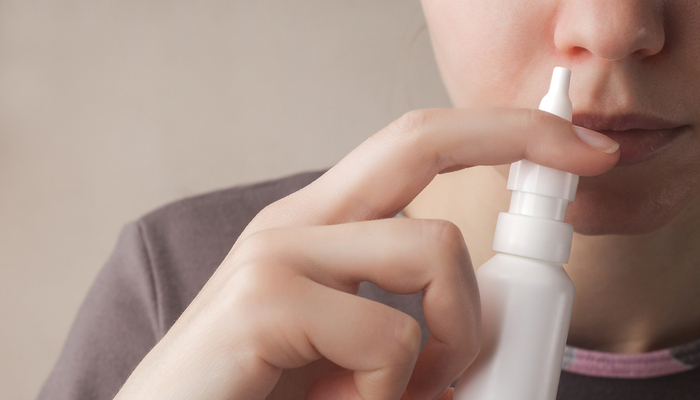
    Common types of nasal spray, like Flonase, work by reducing the inflammation of the mucous membranes in the nose. Typically, they are synthetic steroids of the glucocorticoid family of drugs. They are commonly prescribed for rhinitis or a stuffed-up nose.

    These sprays are usually taken once daily, with one spray in each nostril. Occasionally nasal sprays can be taken twice daily. They typically include a number of side effects, but the severity can change depending on the person and the type of nasal spray.

    Common Side Effects

    There are a number of potential side effects with nasal sprays like Flonase. Notably, patients who take these types of nasal sprays often note that headaches and back pain can accompany them shortly after applying the medication. Sore throat and sneezing can also occur shortly after application, due to the nature of the medicine being taken.

    Typically, a cough will accompany sore throat side effects. When paired with a headache, the side effects of a nasal spray can mimic feeling sick with a cold or flu. These are just the most common side effects, though others can occur.

    Other sinus problems, such as soreness and nosebleeds, can also occur.

    Other Side Effects

    Other side effects that are rarer could include nausea, vomiting and loss of interest in sex. These side effects occur less commonly but are still a consideration. Some patients report getting white sores in their mouths or around their noses as a side effect, as well.

    Some women also note menstrual problems as a side effect of some nasal sprays.

    Alternatives

    Nasal sprays are a common medication for allergy season, though they’re not the only way to deal with congestion. If you find that the side effects of nasal sprays effect you harshly, then you could consider some alternatives.

    There are decongestant versions of some common allergy medicines, for instance. Allegra, Benadryl and other brand-name allergy medicines all have decongestant variants that can help with a stuffy nose. Keep in mind that these medications also have side effects, and make sure to never mix different decongestants together.


  • Bacterial Pneumonia: What to Know, and How to Treat

    Bacterial Pneumonia: What to Know, and How to Treat

    Pneumonia can be caused by a number of outside factors. Today we’re going to look at bacterial pneumonia, what you should know about it, and how it is treated.

    If you’re experiencing symptoms of pneumonia, speak to your doctor about ways to diagnose what type it is and how you should treat it.

    Bacterial Pneumonia

    Description

    Pneumonia is described as any inflammation of the lungs that can impede breathing and may result in a persistent cough. Bacterial pneumonia is inflammation of the lungs caused bacterial infection. Pneumonia could also be caused by factors such as fungi, viruses, parasites and even inorganic compounds.

    Causes

    Bacterial pneumonia, by definition, is caused by a bacterial infection in one or both lungs. A major cause of such infections in the bacteria Streptococcus pneumoniae, which causes pneumococcal disease. Pneumococcal disease occurs in roughly 900,000 people in the US every year, and of them, nearly half become hospitalized.

    Of the 400,000 or so people hospitalized by pneumococcal disease, roughly 6 percent of people die from complications due to the disease.

    Symptoms

    Symptoms that could be related to pneumonia of any type include chest pain, shortness of breath, fatigue, chills and a fever. Bacterial pneumonia could also have symptoms including a cough that produces yellow or green mucus.

    Remember: determining the exact causes of a case of pneumonia can be quite difficult, as most forms of pneumonia have similar symptoms. If you’re experiencing these symptoms, you should visit your doctor so they can diagnose the causes of your condition.

    Diagnosis

    A doctor will usually listen to the sound of your breathing to determine if your lungs sound abnormal. Then, if they determine you have pneumonia, they will give you a chest X-ray to see what areas in the lungs are inflamed. Other tests could include arterial blood gas tests, or even a bronchoscopy.

    Once they have determined whether your pneumonia is bacterial, or some other type, they’ll discuss treatment.

    Treatment

    For a bacterial infection, the most straightforward treatment is a round of antibiotics. These antibiotics are typically specific to the type of bacteria at play in your system. In some cases, doctors will also prescribe medication to help ease breathing if you’re experiencing difficulty catching your breath.

    Other medications could include over-the-counter medications to combat aches and pains your pneumonia could be causing you. Typically, patients are recommended to go home, get some rest, drink plenty of fluids and just generally take it easy as the antibiotics do their work.

  • The Best Way to Beat the Flu: Don’t Suffer Needlessly

    The Best Way to Beat the Flu: Don’t Suffer Needlessly

    Everyone dreads that feeling of the flu creeping up on them. The aches, the stuffy nose, the cough: it all adds up to make you feel miserable. When you feel the flu coming on, don’t just roll your eyes and resign yourself to suffering through it. Here are the best ways to beat the flu.

    How to Beat the Flu

    Step One: Stay Home

    Firstly, cancel your plans. Call out from work and get ready to stay home. Now’s a great time to get deep into your favorite video game, or maybe start reading that book you’ve been meaning to finish. Staying home will help you rest up to beat this thing, as well as prevent you from spreading it around.

    Don’t look at this as a bad thing. Consider it down time to get caught up on whatever show you’ve been watching or just a chance to stay home from work or school.

    Step Two: Stay Hydrated

    While you’re kicking it at home beating this darn flu, make sure you’re staying well-hydrated. Gatorade, orange juice, apple juice, chicken noodle soup and the like are all great for this. Of course, good, old-fashioned water is your best bet, so just keep pounding glasses of the life-giving liquid.

    If you don’t get enough water, you’ll get dehydrated. It’s much harder to fight the flu and recover if you’ve got no water in your system.

    Step Three: Treat Yourself to a Steamy Shower

    If you’re stopped up, groggy and feeling just plain gross, a steamy shower can be a huge help. Turn the water up to “freaking hot” (be careful you don’t burn yourself!) and let the steam fill up the room. If you don’t feel well enough to sit under the hot water, just sit on the commode and let the room fill with steam.

    The steam will help to break up your congestion and will generally just feel good on your inflamed mucous membranes.

    Step Four: Humidifier

    If you own a humidifier, now is the time to use it. Much like the steamy shower, a well-humidified room will make you feel much better when it comes to coughing and sniffling. Dry air can further irritate your membranes, making your cough and sniffles that much worse.

    Make sure the device is clean and not harboring molds. Likewise, you should use the cold mist setting, as warm, humid air could promote further growth of bacteria or mold and creates a more hospitable environment for the flu virus.

  • Depression Symptoms to Watch Out For

    Depression Symptoms to Watch Out For

    Clinical depression is a serious issue that plagues millions of people all around the world. It’s not like just feeling a little blue or somewhat sad. Clinical depression can sap one’s desire to do anything, to get out of bed, to eat, to go to work.

    If you or someone you know is showing signs of serious depression, reach out. There’s no reason to suffer: you can get help.

    Depression Symptoms

    Fatigue

    One of the most pervasive parts of depression is the all-encompassing tiredness. Fatigue, as it is clinically called, is a serious problem for depression sufferers. Simple tasks, like folding laundry, making food or making the bed seem insurmountable. Lying in bed, scrolling through social media or watching Netflix becomes the default state.

    Despair

    A feeling of inescapable despair, that nothing matters and that all will be washed away is a huge aspect of depression. All-or-nothing reasoning, hopelessness and a desire to avoid reality tend to go hand-in-hand with this kind of despair. Pessimism tends to flow out from this type of reasoning into everyday scenarios.

    Irritability

    People who are suffering with depression are often stricken by bouts of irascible irritability that baffle even themselves. Often, sufferers find themselves snapping at people who offer help or critique their bleak worldview. This irritability often leads to the depressed person becoming more isolated, thus further fueling their depression.

    Loneliness

    Feelings of isolation and loneliness, whether accurate or not, are also common among depressed persons. These emotions can be brought on by legitimate loneliness, or completely unrelated to reality. In fact, many people with depression who are actually surrounded by friends can feel totally alone due to their disorder.

    Apathy

    Feelings of apathy can also be related to depression. A lack of desire to engage with the things one once found fascinating can signal depression. Often, this extends to many different aspects of one’s life, including entertainment, hobbies, loved ones and even lovers.

    Depression vs. General Sadness

    Life can be sad. There will be times when you become melancholy, sad, maybe even inconsolable over the events in your life. However, this isn’t inherently depression. Everyone gets sad from time to time, but time normally takes some of that sting away.

    If you’re finding that you can’t bounce back from the things giving you the blues, and that you’re feeling ever more isolated and pessimistic, you may be suffering from depression. Don’t hesitate to speak to your doctor and attempt to connect with a therapist.

    Remember, depression is a real disease and a serious threat. You should treat it as the medical issue that it is, and make sure you see a doctor. It’s better to reach out and face this problem head-on with friends and doctors on your side.

  • Best Bad Breath Remedies: Make a Good Impression

    Best Bad Breath Remedies: Make a Good Impression

    If you’re self-conscious about your breath and trying to make sure you make a good impression on people around you, you might be looking for the best bad breath remedies.

    Today we’re going to run down some of the best ways to keep your breath fresh and make sure you’re ready for any social scenario.

    Bad Breath Remedies

    Brush Daily… and Nightly

    Make sure you’re brushing your teeth thoroughly both before bed and in the morning before you leave for the day. It’s a huge aspect of your dental health and the largest contributor to your breath. Skipping brushing your teeth is bad for more than just your breath, too: it’s terrible for your teeth.

    Good dental hygiene has a huge impact on how your breath smells. If you’ve got cavities or poor dental health, it’s likely that your teeth can contribute to bad breath. As such, make sure you’re staying up on your brushing!

    Mouthwash

    If you’re quite concerned about your breath, consider using mouthwash after you brush your teeth. Mouthwash will help clean your entire mouth, freshening up and keeping your breath fresh. For those who are concerned about their meals making their breath foul, keeping a bit of mouthwash in the car is a good strategy.

    Chewing Gum

    Keeping a pack of gum in your pocket is another good way to combat bad breath. Maybe your job makes it hard to step away to brush your teeth after a meal, so you’d rather just keep some gum at your desk. This is a good strategy in the short term, but keep in mind that some people consider gum-chewing to be rude.

    Mints

    In the same category as gum, popping breath mints is a great way to quickly get your breath away from smelling like whatever you just ate. Make sure you don’t use gum or mints as a substitute for actually brushing and flossing your teeth, though. Both of these are sugary and will simply cause more long-term damage to your teeth if you’re not brushing them.

    Stop Smoking

    If you smoke, you should stop for a number of health reasons. Social reasons also come into play: smoking is bad for your teeth, your gums and your breath, too. People smell smoke on you after you step out for a smoke break, and it makes your breath unpleasant. There’s no nice way to put it.

    If you won’t quit for your health, at least quit for the people around you.

  • Getting Better Sleep: How to Feel Well-Rested

    Getting Better Sleep: How to Feel Well-Rested

    It can be incredibly difficult to get a good night’s sleep. However, getting the right amount of sleep is very important for long-term health. What are some steps you can take to getting better sleep and feeling well-rested? Today we’re going to try to help.

    Getting Better Sleep

    Diet

    Firstly, a key to getting the right amount of rest is making sure your diet isn’t playing a role in keeping you up. Namely, caffeine is a huge factor in sleep disruption. Are you drinking coffee, energy drinks or sugary sodas near bedtime? You should discontinue intake of caffeine at least eight hours before it’s time to go to bed.

    Secondly, try to cut out caffeine altogether. If you’re using caffeine to help wake up in the morning, you could be damaging your natural circadian rhythm. Your body should naturally wake you up when it’s time, and by using artificial stimulants you could be teaching your body not to do this. Try not to rely on outside stimulants.

    Lifestyle

    When you lay down for bed, maybe your mind is racing and you can’t turn your brain off. You could be under-stimulated physically, and your restlessness could be your body telling you that. If you don’t exercise, consider adopting an exercise routine. Get out and run for half an hour each day. Do a few pushups, sit-ups and squats before bed.

    Remember, it’s way easier to get to sleep if your body is physically tired. If you’ve been sitting at a desk drinking cold brew coffees all day, it’s no wonder you’re laying down with boundless energy and finding it hard to catch some sleep.

    Environment

    Is the room you’re trying to fall asleep in not in the right condition to support good sleep? You should ideally turn off your TV and put your phone far away from where you sleep. Laying in bed scrolling through social media is not a substitute for sleep. In fact, the light from your phone alone could be tricking your brain into staying awake longer.

    The blue light produced by LCD screens mimics that of the sun. Activating “night mode” on some phones can partially help, as it filters out the blue light when the sun goes down. However, no “night mode” features will help you get to sleep if you’re constantly scrolling instead of trying to catch some shut-eye.

  • Teeth Whitening: Top Tips for a Healthy, White Smile

    Teeth Whitening: Top Tips for a Healthy, White Smile

    Everyone wants to have a nice smile. If you’re smiling and showing off yellowed teeth with cavities, people will surely be a bit put off. However, it’s not hard to keep a nice, white smile. Today we’re going over some of the top tips for a pearly-white smile.

    Teeth Whitening

    Brush Those Teeth!

    This might seem like a no-brainer, but it bears repeating. Make sure you brush at least twice daily! Once when you get up, and once before bed, at the very least. When you brush, take care to get near the gums and in between your teeth so you clear all of the stuff that could have gotten trapped!

    Brushing is a very important aspect of dental health. Most dentists will tell you that it’s the best way to get, and to keep, a white smile. Good dental health starts with a good regiment of brushing teeth.

    Floss

    Flossing is a good addendum to brushing teeth. If you’re commonly brushing and flossing, your smile will stay straight and white for longer! You can fight cavities, bad breath and teeth yellowing all by practicing good hygiene with your brushing and flossing.

    Make sure you floss every day after you brush your teeth. It’s a great way to cap off your dental hygiene regiment.

    Avoid Soda

    Fizzy, sugary soda drinks are terrible for your teeth. If you commonly drink soda, make sure you brush and floss after drinking one. Not practicing good dental hygiene while drinking lots of sugary drinks is a surefire way to get cavities and yellow your teeth.

    Likewise, try to steer clear of candies and other sugary items. These items can contribute greatly to the erosion of the enamel of your teeth. Not to mention, the sugar attracts bacteria that can cause cavities. When the bacteria break down the sugar, they can also eat away at the integrity of your teeth.

    Whitening Strips

    People with yellowed teeth often try out various whitening strips to try to brighten up their smile. While these can be good for some people, they’re not a replacement for good dental hygiene. Make sure if you’re using teeth whitening strips that you’re also brushing and flossing daily.

    Also, it won’t help to use whitening strips while you’re still eating sugary foods and drinking sugary sodas. Essentially the two practices will cancel each other out, and you’re wasting your time and money on the whitening strips.

  • Acid Reflux: Common Causes and Best Treatments

    Acid Reflux: Common Causes and Best Treatments

    Acid reflux is a serious pain for people who suffer with the discomfort and embarrassment it brings. Today we’re looking at the common causes of acid reflux, and the best ways to find relief. While this condition is quite discomforting, there are steps you can take to ease your symptoms.

    Acid Reflux

    Causes

    Acid reflux occurs when lower esophageal sphincter, or LES, is too slow to close, allowing stomach acid to splash up into your esophagus. This stomach acid, as you might expect, is incredibly uncomfortable to have rolling around in organs it wasn’t meant to be in. The presence of this acid can lead to chest pain commonly known as heartburn.

    Some common reasons the LES could be failing to keep your stomach acid down are hiatal hernias, lying down after a large meal, smoking, being overweight or being pregnant. There are other factors that could contribute to acid reflux, as well. If you experience heartburn more than twice a week, you may have acid reflux disease.

    The Science

    When your stomach acid is where it’s supposed to be (you know, your stomach) it doesn’t cause you any discomfort due to your stomach lining. The stomach is constantly creating a thin mucus membrane that resists the acidic properties of the very chemical it makes to break down food. Your esophagus, however, doesn’t have such natural protection.

    Treatments

    Eating smaller meals more frequently is one quick way to address heartburn. Big meals are a common trigger for acid reflux, so eating lighter meals at a higher frequency is advised for common sufferers. If you smoke, consider quitting, as it will have a number of health benefits. This includes potentially curbing heartburn.

    Make sure you don’t eat too close to bedtime. Generally, you want to eat at least two hours before it’s time for bed. Additionally, when you’re eating, avoid wearing tight clothes. If your symptoms come from being overweight, taking steps to lose weight could also lead to a decrease in heartburn.

    Medications

    If lifestyle and diet changes are having no effect, there are a few medications you could try. Namely, antacids are a way to help neutralize stomach acid and calm down the worst symptoms. H2 blockers, proton pump inhibitors and foaming agents are all popular choices.

    Medications like Pepcid, Gaviscon and Aciphex are commonly taken by sufferers to help abate symptoms. Remember, don’t take more than one type of antacid medication: they’re not meant to be mixed together.

  • Natural Probiotics: These Foods Encourage Healthy Digestion

    Natural Probiotics: These Foods Encourage Healthy Digestion

    Probiotics are compounds, chemicals and substances that encourage the bacteria that naturally occur in your digestive tract. Don’t worry about the word bacteria. The ones that live in your digestive tract are supposed to be there, and they’ve got a symbiotic relationship with you.

    Here are some of the best natural probiotics that occur in foods to encourage the little guys in your gut!

    Natural Probiotics

    Sauerkraut

    Fans of German food will be happy to hear that the ancient shredded cabbage dish is actually a probiotic. That’s because this popular European dish is fermented in lactic acid bacteria! Sauerkraut is one of the oldest dishes on earth and has been eaten in Europe for hundreds of years.

    The sour, salty dish is great on sausages, can be eaten as a side and can even be stored in airtight containers for months. On top of all of that, it’s great for promoting good bacteria in your digestive tract.

    Kimchi

    Fans of sauerkraut, or those with knowledge of fermented foods, could have guessed the kimchi would make this list. Kimchi is not dissimilar from sauerkraut, as it is also made by fermenting vegetables. In fact, the most popular vegetable choice for kimchi is cabbage, making it a very similar dish to sauerkraut!

    Much like its European cousin, kimchi is a great probiotic. This tasty, spicy Korean food is undeniably delicious to those who love it, but it’s a bit of an acquired taste. If it’s your thing, though, nothing else really compares to the sour, spicy flavor of kimchi.

    Tempeh

    You might be noticing a theme. Fermented foods tend to be a fantastic probiotic! Tempeh, an Indonesian soybean dish, is no exception. This earthy, nutty dish is a firm patty that is often used as a meat substitute. That’s because it’s high in protein and has a texture that mimics that of meat.

    Like other fermented foods, tempeh is a stellar probiotic. Whether you eat meat or not, you can’t go wrong adding more tempeh to your diet.

    Kombucha

    Surprise, surprise, everyone’s favorite fermented tea drink is a fantastic probiotic. Kombucha is fermented by bacteria or yeast, and the types of microorganisms used to ferment the drink are quite friendly to humans. They encourage your stomach’s natural bacteria and can keep you quite healthy.

    While the internet tends to go bananas on the supposed health benefits of kombucha, scientific evidence isn’t conclusive. However, like all fermented food products, the probiotic side-effects are a sure thing

  • Best 2019 Resolutions for Women’s Health

    Best 2019 Resolutions for Women’s Health

    If you’ve ever made a list of overly ambitious and ridiculous New Year’s resolutions, you’re probably familiar with the cold feeling you get when you abandon them in February. However, there’s good news: there are more reasonable resolutions you can make and stick to. Today we’re going to look at some of the best 2019 resolutions for women’s health. These are the resolutions you’re finally going to keep. Just don’t forget: you do these things because you want to, not because you have to!

    Best 2019 Resolutions for Women’s Health

    Walk 1,000 Steps More

    Every day you should be adding another 1,000 steps to your current step amount. If you don’t have a fitness tracker yet, it’s time to get one. They’re a great way to keep track of your workouts, steps and calories burned. Once you have one you can keep a close track of how much you walk on a given day. Now that you have that information, you should now be adding 1,000 steps to each day’s walk.

    If you normally take a short drive to the corner store after work, walk it instead. If you don’t already, start taking walks around your neighborhood. Stand at your desk, take a walk around the office. Just walk. Steps are great for you! They get your blood pumping and help you stay in an active mindset for when it’s time to really work out.

    Take it Week by Week

    Bust out your calendar and start planning your workouts. You’re going to want to take things day by day. It’s much easier to plan as little as two or three weeks ahead and take things at your own pace. Make a habit of opening your planner, adding workouts to the weeks ahead, and then executing what’s on your calendar. This will help you not only manage your time but also stay motivated to keep hitting your fitness goals.

    It’s often good to execute this resolution with a workout buddy. Find someone who already has a fitness routine or is trying to start one. Then, working with them, plan out workouts the two of you can do together. It’s way harder to give up on your fitness goals if you’ve got a buddy keeping you accountable!

    Target Your Core

    Rather than vaguely resolving to get in shape, make a real plan. Target your core, as it’s a great place to start. Many women loath their bellies, so this is a good place to begin your focus. Your core is your center in more ways than one: it’s also the center of your movements. You should start by really locking in your workouts that focus on the center of your body and musculature.

    You can do this by focusing on exercises like crunches, curls and planks. Get used to doing these exercises at home every day before work. If you get in the habit of forcing yourself to wake up and do core workouts, you’ll find more fitness goals coming into clear focus. It’s not hard to get a handle on your fitness, you just need to focus.

    Morning Workouts

    When you first wake up, do you lay in bed for a few minutes waking up? Or do you begin your day with a workout? While we’re not saying you need to run a marathon before work, waking up and getting physical is a surefire way to get in the right mindset for the day. Wake up and do a few home workouts, like incline pushups or squats. We already mentioned core exercises, and those apply here too.

    If you live in an area that’s safe to jog in, consider getting a morning jog in before work. A brisk, ten-minute run around your street can be a great way to wake your body up and set you up for fitness success!

    Eat One Meatless Meal per Day

    Try eating one meal with only plant-based foods every day. This might sound tough at first, but make it fun! You can make tons of delicious meals with plant-based ingredients. No only will you save money on food but you’ll also increase your personal fitness. Not to mention, plant-based diets are more sustainable for the planet in the long-term, and they’re largely more ethical.

    It’s not easy to dive head-first into a new lifestyle. Take these resolutions a day at a time and make your health a top priority throughout your day. Remember, you’ve got to start somewhere. So, start here. You’ve got this! Just take your fitness and health seriously and make it a priority.