Tag: Home Improvement

  • Tackling a Kitchen Remodel? What You Need to Know

    Tackling a Kitchen Remodel? What You Need to Know

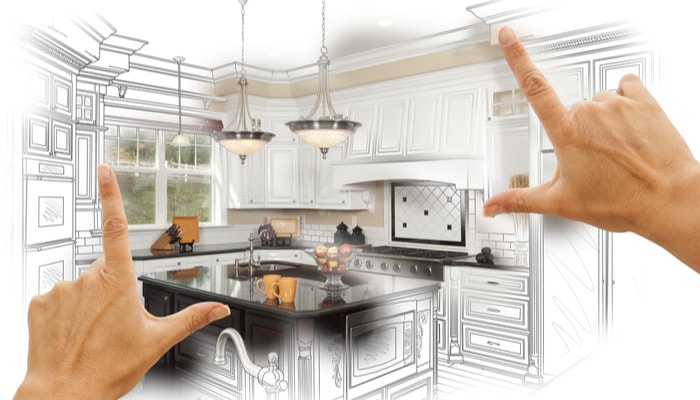
    No house is a home without a great kitchen. If you’re looking to remodel your home’s kitchen, you’re likely wondering where to start. How much will it cost? What kinds of renovations should you be looking to get done? There are a lot of factors with a kitchen remodel.

    Don’t sweat it, though, because we’ve got you covered. Today we’re going over the top things you need to know when considering a kitchen remodel. Let’s get your house looking brand-new with a great new kitchen.

    Top Things to Know When Taking on a Kitchen Remodel

    Expected Cost

    The cost of any given remodel will directly depend on just how much you want to get done. Are you getting entirely new cabinets, or just replacing the doors? Do you want your countertop refinished or do you want an entirely new countertop? Will you be upgrading to new appliances to modernize your kitchen’s look?

    Make sure you have a good idea of what you want before you talk to a contractor or remodeling company. Make yourself a list of the changes you want to see. That way, when you go to them for a quote they can give you an accurate estimate of what the labor and materials will cost. You can then adjust what you’re looking for accordingly.

    Research the Contractor

    Before you dive in with a contractor or remodeling company, do a bit of research. You don’t want to immediately start signing contracts with a company or contractor after just meeting with them. You’ll want to look online at detailed background on what the people doing the work have done in the past. Do people like them? Do they do a good job? Are they prompt and professional?

    Importantly, you’ll also want to make sure whoever is doing the work has experience with the kind of work you’re asking them to do. If they’ve never redone cabinets, or the ones they have done are of lower quality, you might want to go with someone else for the work.

    Another thing you need to keep in mind is what kind of price you’re paying for the work. Does the contractor charge a fixed rate, or do they give estimates up front? If cost is a concern, consider going with a contractor who offers you a flat fee for specific jobs. This allows you to have a better idea of what you’re paying.

    Further, make sure you ask about their policy in case something unexpected comes up. What if a contractor breaks the pipes in the sink, or causes other damage to the house? What if some unexpected damage existed before the contractors even arrived? You’ll want this info up-front.

    Get a Time Table

    Before the contractors get started, you’re going to want to know just how long the project will take. A professional contractor should be able to give you an accurate time table, though you should also be prepared for delays should unexpected things arise.

    For instance, if a contractor falls ill or has a family emergency, this will naturally slow the process. Likewise, some contractors occasionally find themselves working faster than their estimate, pleasantly surprising themselves or the remodeling homeowners. In fact, some contractors will give a “worst-case” time estimate in order to prepare you in case something goes wrong.

    Another important question to ask is: will any parts of the home be inaccessible during the remodeling process? Often, more complex remodeling projects will result in the kitchen or other parts of the home being accessible only to contractors. Get an idea of when this will be and be prepared to schedule around it. If you don’t know when this will occur, you could be caught off-guard and unsure what to do for dinner.

    Other Important Info

    Make sure your contractor service is fully accredited. Pretty much every place in the US requires any contractor work done by a third party requires accreditation. If you’re unsure, ask them right away to see their accreditation and licensing.

    Not only is this licensing required, seeing it up to date and ready to go shows that the company in question is responsible and dependable. If the company doesn’t have this licensing, you should simply walk away. It’s unlikely a company unwilling or unable to go through this process is trustworthy enough to do work on your home.

    You’ll also want to know how updates to the project are going to be communicated to you. Will there be a group text, or will updates be recorded on a sheet in the home? You want to know before you go ahead with the work.

  • What You Should Know Before You Remodel your Kitchen

    What You Should Know Before You Remodel your Kitchen

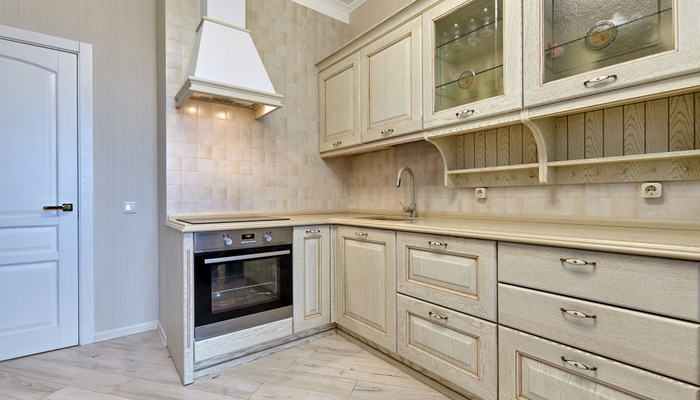
    If you’re serious about your house looking its best, one of the first places to focus is the kitchen. Who wants to have an old, worn-out looking kitchen? Certainly not us! If you’re looking into getting a kitchen remodel, here are the top things to keep in mind.

    What You Should Know Before You Remodel your Kitchen

    Research the Contractor

    When you start with any project like this, make sure you know who you want to do it. If you’re looking at certain contractors, make sure they’re experienced and accredited. You don’t want some shady contractor coming in and charging you too much for shoddy work.

    Make sure you know up front how the contractor charges. Do they accept a flat fee up front? Do they charge by the hour? These are details you want to have before they walk into your home. Also, make sure you know their policy on unexpected wrinkles. How do they handle unexpected damage, or if one of their guys breaks something?

    Make sure the contractor is also experienced in the kind of work you want done. If they’ve never redone floor tiles, then maybe you should consider someone else for your floor-tile centered remodel. You want a contractor who knows the work you want done.

    Costs

    It’s important you make sure you know what the project is likely to cost. Get in touch with a contractor and see if you can get a good ballpark estimate of how much you can expect the project to set you back. Of course, this is going to be an estimate at first.

    The cost of the project will be directly related to just how much you want done. If you just want new cabinets, that shouldn’t run you too much. If you’re get new counters, new flooring and new appliances, too, then expect to spend a pretty penny.

    Get a Time Table

    Make sure you know before the contractor gets started just how long to expect the work to take. How will the contractor company handle it if one of their workers falls ill or has an emergency? What is their contingency plan if some unexpected damage occurs?

    Another important thing to know is whether there will be parts of your house inaccessible, and for how long. It’s hard to plan around contractors as-is, let alone without knowing when your kitchen might be inaccessible. Get this info up-front so there’s no surprises. That way you can plan your weeks around the schedule of the remodel!


  • Is Your Basement Trapping Moisture? Here’s how to Avoid Mold

    Is Your Basement Trapping Moisture? Here’s how to Avoid Mold

    Depending on where you live, basement humidity might be a serious issue for you. A damp basement can seriously affect the value of your home and can even result in structural damage. Fighting this humidity can be quite the uphill battle. If you’re at your wit’s end with a damp basement, here’s some tips for trying to dry it out!

    How to Dry out a Damp Basement

    Ventilate Well

    Make sure the basement is well-ventilated! Still, stagnate air is ideal for moisture to accumulate. Dark, still and quiet areas are also prime real estate for mold growth. The last thing you want in your house is mold! On a dry day, open doors or basement windows and put fans in the basement. Get that air circulating! Move it the heck out of your basement! Pair this with things like a dehumidifier to make sure you’re really drying the place out.

    Dehumidifier

    A straightforward solution might just be to run a dehumidifier in your basement. A lot of folks overthink their damp basement problems and don’t think about this incredibly straightforward and cost-effective solution. For around $200, a dehumidifier alone might just solve your entire problem.

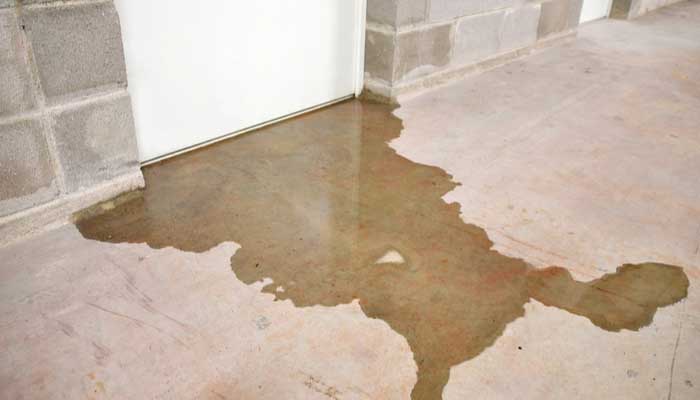
    Just set up a medium-sized dehumidifier in the basement and let it run. These are a great idea for a number of reasons. For one thing, they can keep moisture buildup from resulting in dangerous puddles. For another, they can also reduce the growth of mold, which loves dark, moist areas. This means that running a dehumidifier can do wonders for your health!

    Reseal and Plug Leaks

    The concrete in your basement may need resealing if a dehumidifier alone can’t solve your problem. If this is the case, don’t panic.  If you’re noticing a lot of condensation through the concrete walls or floor of your basement, you can address the problem by resealing the concrete. You can go to any hardware store and find concrete paint and sealer. There are varieties for both walls and floors, so make sure you get the one that addresses your specific issues.

    While you’re resealing your concrete, make sure you address any potential leaks too. Things like basement windows, openings for your dryer to vent heat and the like can be entryways for a lot of moisture. This is especially true in rainy regions or during wet times of the year. Make sure to seal these areas well with silicone seals or weather strips. Then, make sure you run a dehumidifier and ventilate the area well.

    Address Any Issues with your Gutters

    If your gutters have spouts that let out close to your foundation, they could be pouring water into your basement. This can ruin even the best weather-treatment or sealing. To remedy this, make sure the spouts from your gutters let out at least four feet from your home. Additionally, make sure that the water that leaves the spout runs downhill away from your home. It won’t do any good to just have it roll back into your house!

    This is better for you home in general, too, not just your basement. The erosion this can cause around your foundation is pretty severe. The value of a home with a compromised foundation is negligible compared to one with a solid foundation! This should be high on your list of considerations if you have gutters that let out near your home.

    Air Out Wet Items Outside

    If you’ve got wet items from the basement flooding or just general dampness, take them out of the basement. It might seem like a good place to air them out but think about it. If you’re trying to dry the basement out, you really don’t need to have damp items airing out. That’s just going to work against all the hard work you’re doing trying to dry the place!

    Instead, take things like wet suitcases or furniture outside to a patio or deck. That way, they’re exposed to open air and sunlight and will dry out much faster. This also ensures that your home isn’t exposed to even more moisture! If the items you’re drying can’t go outside, consider drying them in the garage or a bedroom that is well ventilated.


  • Window Replacements: What You Need to Know

    Window Replacements: What You Need to Know

    Windows are a huge part of the flow of any home. After all, no one wants to sit in a dark, windowless room. People love natural light, seeing the world beyond their windows and taking in the sights outside their home. However, your windows could be costing you a lot of money, or letting in bugs and other pests. If your home’s got older windows, you might need some window replacements. Here’s what you need to know about getting new windows installed in your home.

    Window Replacements

    Older Windows

    Older homes tend to have more traditional, old-school windows with simple wooden windowsills. The issue with these old-style windows is that they don’t get a good seal between the wood frame of the window and the wood of the seal itself. This results in your home’s internal temperature being more difficult to maintain. It loses cool air in the summer, and lets heat out in the winter. This is bad for a number of reasons.

    For one thing, this means your power bill is going to be higher than it has any business being. For another, if your HVAC is constantly running at full-tilt to try to keep your home at a comfortable temperature, it’s unlikely you’ll get the same lifespan out of the appliance that you would if it were being run more normal amounts. In turn, this means that older windows just straight-up cost you more money.

    Pests and Bugs

    Another issue with old-style windows is that their lack of a proper seal allows bugs and other pests to easily wiggle their way under the window. While having newer windows isn’t a surefire way to keep bugs out, it does offer one more line of defense between your home and an ant or termite problem. If you’ve been seeing lines of ants crawling in under your window, you know it’s time to get some new windows installed.

    What Kind Should You Get?

    Older windows are different from modern ones in more ways than just the sill. The actual glass panes on older windows are single-pane, and typically made from real glass. Modern, double-pane style windows are more energy efficient, as they radiate less heat, and they’re usually not made from real glass. Instead, they’re created from translucent materials that are much safer. If you’re looking to replace your older windows, we suggest you use newer, double-pane style vinyl windows.

    As far as cost goes, modern, energy-efficient windows tend to cost around $500 to install, though the price in your region could vary based on cost of living. That said, these types of windows are notably more affordable to get installed than older, wooden-style windows, which can cost around $900 to replace. While these may look more “classic,” they’re not exactly a good deal for your wallet.

    Appearance vs Cost Effectiveness

    Many homeowners love the look of classic, wood-frame, single-pane windows. They look traditional, classy and even a little romantic. However, updating from your older windows to this style can be tremendously expensive, cost-prohibitive just to install. Beyond the sheer installation cost, there’s the other expenses these windows could cause you.

    For instance, in the case of your power bill, older style windows will be running the bill up. Heat radiates much more easily through a single glass panel, and wooden frames don’t create strong seals. This means that a draft could get going under the window, resulting in escalating power bills. Not to mention, if the windows are allowing pests underneath, you’ll have to pay even more for an exterminator to remove the problem. In short, unless you’re willing to part with a lot of cash, we recommend sticking with modern, double-pane windows.


  • Is Your Basement Trapping Moisture? Here’s how to Dry a Damp Basement

    Is Your Basement Trapping Moisture? Here’s how to Dry a Damp Basement

    Depending on where you live, basement humidity might be a serious issue for you. A damp basement can seriously affect the value of your home and can even result in structural damage. Fighting this humidity can be quite the uphill battle. If you’re at your wit’s end with a damp basement, here’s some tips for trying to dry it out!

    How to Dry out a Damp Basement

    Ventilate Well

    Make sure the basement is well-ventilated! Still, stagnate air is ideal for moisture to accumulate. Dark, still and quiet areas are also prime real estate for mold growth. The last thing you want in your house is mold! On a dry day, open doors or basement windows and put fans in the basement. Get that air circulating! Move it the heck out of your basement! Pair this with things like a dehumidifier to make sure you’re really drying the place out.

    Dehumidifier

    A straightforward solution might just be to run a dehumidifier in your basement. A lot of folks overthink their damp basement problems and don’t think about this incredibly straightforward and cost-effective solution. For around $200, a dehumidifier alone might just solve your entire problem.

    Just set up a medium-sized dehumidifier in the basement and let it run. These are a great idea for a number of reasons. For one thing, they can keep moisture buildup from resulting in dangerous puddles. For another, they can also reduce the growth of mold, which loves dark, moist areas. This means that running a dehumidifier can do wonders for your health!

    Reseal and Plug Leaks

    The concrete in your basement may need resealing if a dehumidifier alone can’t solve your problem. If this is the case, don’t panic.  If you’re noticing a lot of condensation through the concrete walls or floor of your basement, you can address the problem by resealing the concrete. You can go to any hardware store and find concrete paint and sealer. There are varieties for both walls and floors, so make sure you get the one that addresses your specific issues.

    While you’re resealing your concrete, make sure you address any potential leaks too. Things like basement windows, openings for your dryer to vent heat and the like can be entryways for a lot of moisture. This is especially true in rainy regions or during wet times of the year. Make sure to seal these areas well with silicone seals or weather strips. Then, make sure you run a dehumidifier and ventilate the area well.

    Address Any Issues with your Gutters

    If your gutters have spouts that let out close to your foundation, they could be pouring water into your basement. This can ruin even the best weather-treatment or sealing. To remedy this, make sure the spouts from your gutters let out at least four feet from your home. Additionally, make sure that the water that leaves the spout runs downhill away from your home. It won’t do any good to just have it roll back into your house!

    This is better for you home in general, too, not just your basement. The erosion this can cause around your foundation is pretty severe. The value of a home with a compromised foundation is negligible compared to one with a solid foundation! This should be high on your list of considerations if you have gutters that let out near your home.

    Air Out Wet Items Outside

    If you’ve got wet items from the basement flooding or just general dampness, take them out of the basement. It might seem like a good place to air them out but think about it. If you’re trying to dry the basement out, you really don’t need to have damp items airing out. That’s just going to work against all the hard work you’re doing trying to dry the place!

    Instead, take things like wet suitcases or furniture outside to a patio or deck. That way, they’re exposed to open air and sunlight and will dry out much faster. This also ensures that your home isn’t exposed to even more moisture! If the items you’re drying can’t go outside, consider drying them in the garage or a bedroom that is well ventilated.