Tag: Medication

  • Best Treatments for Migraines

    Best Treatments for Migraines

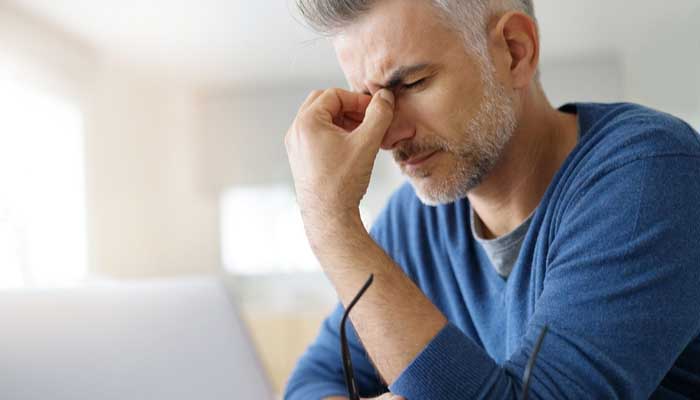
    Chronic migraines can be downright disruptive to your daily life. It’s difficult to explain to people who don’t experience them just how hard it is to make it through your normal tasks with such intense, pounding headaches. As such, finding the treatment that works best for you is important. Here are some of the best treatments for migraines.

    Best Treatments for Migraines

    Preventative

    Preventative treatments, such as medicines and therapies, are designed to stop migraines before they even start. Typically, preventative medication is prescribed to those who suffer from serious, chronic and debilitating migraines. That’s because these medications require daily doses and work only if taking consistently.

    Another preventative treatment that some people have noted is getting a daith piercing. The daith is a part of the outer ear that is somewhat above the opening of the ear canal. Piercings in this location have been stated by some to help greatly reduce the number and severity of migraines. While it’s not a guarantee, some people swear by this preventative treatment.

    Relief

    There are a few medications available that are able to relieve pain for those who need immediate relief from migraines. Common NSAIDs, like Tylenol and Ibuprofen, are often taken for mild migraine symptoms. Those who suffer from mild or infrequent migraines often just keep a bottle of their preferred NSAID on hand in case of a sudden flare-up.

    There are also pain relievers that are geared, specifically, toward migraines. These medications use a combination of acetaminophen, aspirin and caffeine, which are all useful in combating serious headaches. However, these are best when used in a dark room and when attempting to get to sleep. Nothing flares up migraines worse than bright lights and loud sounds.

    Triptans

    Triptans are medications that were designed specifically to combat extreme migraine symptoms. Triptans work primarily by constricting blood vessels and blocking the brain’s pain receptors. These are primarily taken by people who are experiencing infrequent but intense migraines.

    Triptans are available in pill, injection and nasal spray varieties. Typically, people who want relief from extreme migraines but don’t get them often enough to merit full preventative regiments opt for triptans. Those at risk for heart attacks and strokes are urged to not take triptans.

    Side effects of these medications can include muscle weakness, nausea, dizziness, drowsiness and skin reactions due to injection. While many other medications are available, these are of some of the most common, and relied upon, forms of relief available.
  • Eczema: Symptoms, Causes and Treatments

    Eczema: Symptoms, Causes and Treatments

    The worst of eczema’s symptoms result in serious itching, redness and scale-like skin. If you or someone you know has been diagnosed with eczema, you’re likely wondering about the symptoms, the causes and the treatments available for the condition. Today, we’re going to delve into exactly that.

    Eczema: Symptoms, Causes and Treatments

    Symptoms

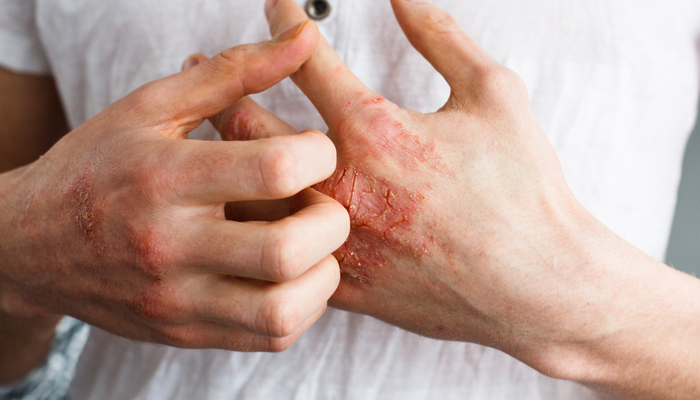
    Eczema is a skin condition, and is autoimmune. Its symptoms include scale-like, reddish plaques that are quite itchy and uncomfortable. There are actually several different types of eczema. They include atopic dermatitis, contact dermatitis, dyshidrotic eczema, nummular eczema, seborrheic dermatitis and stasis dermatitis.

    Commonly, the red patches of skin appear to “boil over” during flare-ups. In fact, the word eczema comes from the Greek word, meaning “to boil over”. These uncomfortable patches aren’t contagious, and are a result of over-active skin cells producing too many copies of themselves in isolated locations.

    Causes

    While it’s not entirely known what causes eczema to occur in people, flare-ups can be predicted. For instance, it’s easy to tell that when skin is irritated, kept wrapped up or rubbed constantly, such as the skin on the foot inside a shoe, it can cause a flare-up. While such conditions won’t cause someone to suddenly develop eczema, it could result in a flare-up for those already diagnosed.

    Treatments

    There is, sadly, no cure for eczema. While it occurs commonly in young children and babies, eczema isn’t solely a children’s issue. Some people never grow out of the condition, while some others do so easily. It depends, entirely, on the individual and their genetics.

    There are a few things you can do to mitigate the symptoms of eczema, however. Namely, using over-the-counter drugs that help to mitigate inflammation can be a good course of action. Likewise, daily bathing and moisturizing is highly advised, especially around the site of the most common flare-ups.

    Wearing loose, breathable clothing is also a good call. Tight-fitting, poorly breathable clothes are not ideal for people with eczema, as they can lead to increased flare-ups. If your job requires you to wear certain clothes or shoes, see if you can get an exemption for medical reasons.

    Final Thoughts

    Eczema isn’t life-threatening, but it is uncomfortable. Learning the triggers that set off your eczema can be a really important way to keep yourself from experiencing an uncomfortable flare-up. Taking anti-inflammatory over-the-counter medication, wearing breathable clothes and regularly moisrturizing problem regions are all highly advised, as well.

    Eczema: Symptoms, Causes and Treatments