Tag: photography

  • Which Laptop is the Best for Photographers?

    Which Laptop is the Best for Photographers?

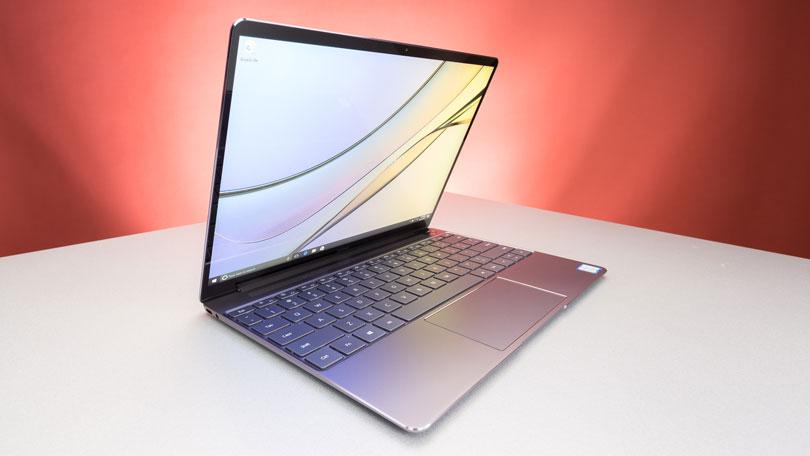
    If you’re a photographer, or an aspiring photographer, you’re certainly going to be using photo editing software. You’re also going to want that software to be accessible on the go, so you can edit while you’re shooting. With that in mind, the photographer’s best friend is their laptop. Which laptop is the best for editing on the go? Read on to find out our favorites! 

    Dell XPS 15 

    Dell’s XPS 15 is a great non-Apple choice for photographers. If you want a laptop that excels for photo editing and runs on Windows, this one is a great choice. It sports InfinityEdge technology, meaning it has a huge screen size for how small of a machine it is. Its display is color-accurate and has a 4K resolution, meaning your photos will look accurate while you’re editing.  

    The XPS 15 is a bit expensive, although that’s par the course for laptops with displays strong enough for photo editing. It retails for around $1,000, but you can often find it on sale for around $750. Consider this one if you heavily prefer Windows over Mac OS. 

    Apple Macbook Pro 13 inch with Retina 

    Unsurprisingly, Apple’s flagship laptop remains a fantastic choice for photographers. If you needed any reminders: Retina display is amazing, the battery life is great, and Mac OS was made with content creators in mind. Unsurprisingly, the Retina display remains the best laptop display on the market. With the best colors, contrast and saturation available on a laptop, you won’t be disappointed in this choice. 

    On the negative side, the Macbook is pretty expensive no matter where you go. It can be found anywhere from $900-$1,000, depending on sales and the like. It also doesn’t have a great deal of storage, which is a bit disappointing for photographers. That said, this is still a great pick. 

    Our Favorite Laptop for Photography: Apple Macbook Pro with Touchbar

    The step up from the older Macbooks, this new one sports the handy new touchbar technology. The touchbar is an OLED display above the keyboard that allows for quick access to tons of shortcuts. The toucbar has a number of applications across the OS, like suggested word selection and scrolling. The great use for photographers is the shortcuts in Photoshop, making Adobe’s robust suite even easier to use. Additionally, all the positives about the previous Macbook still apply, with the exception of the battery life. 

    Unfortunately, battery life isn’t nearly as impressive on this one; it seems the touchbar really saps the power from the laptop. Jokes aside, it is markedly lower than its predecessors. Additionally, this one is tremendously expensive: you can usually find it around $1,500.  

  • Which Laptop is the Best for Photographers?

    Which Laptop is the Best for Photographers?

    If you’re a photographer, or an aspiring photographer, you’re certainly going to be using photo editing software. You’re also going to want that software to be accessible on the go, so you can edit while you’re shooting. With that in mind, the photographer’s best friend is their laptop. Which laptop is the best for editing on the go? Read on to find out our favorites! 

    Dell XPS 15 

    Dell’s XPS 15 is a great non-Apple choice for photographers. If you want a laptop that excels for photo editing and runs on Windows, this one is a great choice. It sports InfinityEdge technology, meaning it has a huge screen size for how small of a machine it is. Its display is color-accurate and has a 4K resolution, meaning your photos will look accurate while you’re editing.  

    The XPS 15 is a bit expensive, although that’s par the course for laptops with displays strong enough for photo editing. It retails for around $1,000, but you can often find it on sale for around $750. Consider this one if you heavily prefer Windows over Mac OS. 

    Apple Macbook Pro 13 inch with Retina 

    Unsurprisingly, Apple’s flagship laptop remains a fantastic choice for photographers. If you needed any reminders: Retina display is amazing, the battery life is great, and Mac OS was made with content creators in mind. Unsurprisingly, the Retina display remains the best laptop display on the market. With the best colors, contrast and saturation available on a laptop, you won’t be disappointed in this choice. 

    On the negative side, the Macbook is pretty expensive no matter where you go. It can be found anywhere from $900-$1,000, depending on sales and the like. It also doesn’t have a great deal of storage, which is a bit disappointing for photographers. That said, this is still a great pick. 

    Our Favorite Laptop for Photography: Apple Macbook Pro with Touchbar

    The step up from the older Macbooks, this new one sports the handy new touchbar technology. The touchbar is an OLED display above the keyboard that allows for quick access to tons of shortcuts. The toucbar has a number of applications across the OS, like suggested word selection and scrolling. The great use for photographers is the shortcuts in Photoshop, making Adobe’s robust suite even easier to use. Additionally, all the positives about the previous Macbook still apply, with the exception of the battery life. 

    Unfortunately, battery life isn’t nearly as impressive on this one; it seems the touchbar really saps the power from the laptop. Jokes aside, it is markedly lower than its predecessors. Additionally, this one is tremendously expensive: you can usually find it around $1,500.  

  • How Camera Lens Accessories Surpass Smartphone Camera Limitations

    How Camera Lens Accessories Surpass Smartphone Camera Limitations

    One of the greatest things about smartphones is the simple fact that you always have a camera on you. Gone are the days of lugging around a point-and-shoot camera… and thank goodness! To make matters even better, Apple, Samsung and other smartphone makers are constantly one-upping each other and packing better and better cameras into their tiny devices.

    But smartphone photography is still underwhelming when compared to the kinds of photos that a full-featured digital camera can take. However, there is some middle ground that is now being explored by manufacturers of smartphone camera lenses. Does snapping on an external lens turn your smartphone into a professional camera? No, but it does offer some advantages for those looking to capture certain types of images.

    Limitations of Smartphone Cameras

    First, let’s quickly explore exactly why your smartphone camera is limited compared to other types of cameras. A camera lens needs light in order to take a picture and your phone has a tiny lens. That means less light. And because the lens is embedded into the phone’s case, there is no optical zoom capabilities. The digital zoom that smartphones can perform reduces the quality of your photo drastically.

    Where you get your real bang with smartphone photography is through the software. The post-image processing that occurs on a top-of-the-line device allows you to take photos that look better than they would without software. This is most evident if you use portrait mode or take panoramic photos, but it applies to every shot.

    Surpassing Limitations

    Smartphone camera lenses really shine when a photographer is looking to get around the basic limitations of their lenses that we described above.

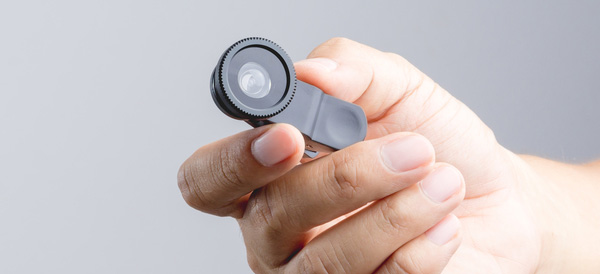
    A telephoto lens will allow photographers to achieve optical magnification to zoom in and get photos that are more crisp than digital zooms.

    Wide angle lenses and fisheye lenses allow the photographer to capture more in their frame. The fisheye apps out there don’t even come close to achieving what even a snap-on fisheye lens can achieve.

    Macro lenses will allow a photographer to get those up-close photos without having to fight the smartphone on focusing while holding the camera close.

    Who Needs a Smartphone Camera Lens?

    It really boils down to specific photo needs. If you need to take macro, zoomed, wide angle or fisheye photos with your smartphone, then a lens is absolutely worth it.

    The casual smartphone photographer who just wants to take snaps when the opportunity arises will most likely never need a lens accessory. Their needs are just too basic. The hassle of lugging around and caring for external lenses are probably not worth it.

    But whether or not it sounds like you need a camera lens accessory, happy shooting!