
Tag: Plumbing Emergency

  • Don’t Ignore a Plumbing Leak!

    Don’t Ignore a Plumbing Leak!

    If you have ever ignored a leaky faucet or pipe, you’re not alone. It may seem like it is not a big deal, but plumbing leaks can lead to water damage, mold, foundation cracks and other bigger problems that may cost a lot of $$$!  Fixing the issue yourself or with a plumber is easier and cheaper than you think. Depending on your issue, there are many easy fixes that you can do without the need to call a plumber.

    Easy DIY Plumbing Fixes:

    1. Stop a Toilet from Running: One of the easiest and most often ignored plumbing problem. A leaky stop valve or broken floater valve is usually the culprit. This is a very easy problem to solve, just ensure you shut off the toilet water valve first.

    2. Replacing a Showerhead: When you notice a reduction in pressure replacing your shower head is as easy as unscrewing the existing shower head and replacing it with a new one. That’s it!

    3. Caulking Around a Bathtub or Sink: If you notice deteriorating or cracked seals in your bathroom or kitchen, re-caulking is an easy way to prevent bigger leaks and water damage. Remove the old caulk with a putty knife or razor blade, then apply new caulk using a caulking gun. All can be purchased for under $10.

    4. Unclog a Drain: Try to avoid using liquid drain cleaners or solvents. Over time, these products can eat away at your pipes. To avoid future clogs, simply install a hair catcher. They are very cheap and will help you avoid future problems.

    Plumbing Fixes that Need a Professional:

    1. A Rapid Water Supply Line Leak: You’ll know it when it happens- suddenly there may be water coming out of the ceiling or other places where you know it shouldn’t. Turn off your water main and call a plumber!

    2. A Sewer Line Leak: This typically happens outside, when a blocked or broken sewer line causes a backup into your house. This is a big (and smelly!) problem to fix that you do not want to tackle yourself.

    3. Your Water Heater has a Natural Gas Leak: If you smell gas around the water heater area, this is not normal. Typically the thermocouple may have malfunctioned, or there are leaks in the pipes leading to the heater. Not a problem to take lightly or handle yourself!

    The bottom line is to ensure that you take care of plumbing problems quickly. If ignored, small problems can become big problems, and big problems often cost big money.
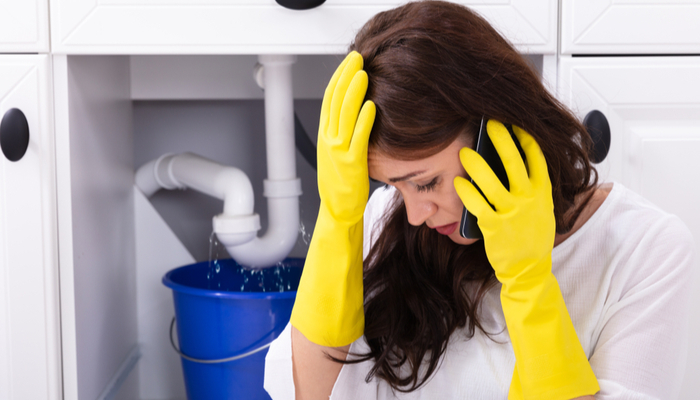


  • She Wished She Knew THIS ONE THING Before her Plumbing/Electrical Emergency

    She Wished She Knew THIS ONE THING Before her Plumbing/Electrical Emergency

    We’ve all been there. Suddenly, pipes burst. Your power fails. Your electrical or plumbing system in your home goes belly up at a moment’s notice, and you have no idea what to do about it. Well, we’ve got a few tips for you to help you figure out what to do when a plumbing or electrical emergency occurs.

    What to do During a Plumbing or Electrical Emergency

    Professional Help

    When you have an emergency with either your plumbing or your electrical system, you need to get in touch with a professional right away. Professional plumbers and electricians can be expensive to contract, but emergency situations involving your home’s important systems can’t be ignored. Unless you’re a very experienced electrician or plumber, it’s best to leave the repairs of these systems to a professional.

    For one thing, it can be dangerous to mess with electrical systems when you don’t know a lot about them. Plumbing isn’t as dangerous, but you could cause lasting damage to your home if you make mistakes while attempting to work on it.

    Plumbing Emergencies

    If you have a plumbing emergency on your hands that involves broken pipes or overflowing water or drains, you’ve got a few options in the short term before help can arrive. You can shut off the water from the main, which will help prevent ongoing damage to your home when things are getting out of hand.

    This will also give you time to assess the situation and the damage, and clean up the damage that’s already occurred. If you don’t know where your main is, you should find that out, because it’ll be hard to find it when things go sideways. In a more minor emergency, such as with an overflowing toiler, you can simply turn the water off from the toilet’s own main valve at the wall.

    Water Heater

    Similarly, if you have an emergency that requires you cut the water main, you’ll want to make sure you cut off the water heater too. Water heaters can back up with heat even when there is no water, which puts them at risk of bursting. If you have a gas-powered water heater, you want to make sure you turn off the gas first. Find out where your water heater is, how to turn it off, and how to quickly get to it in the event of an emergency.

    Electrical Emergencies

    Electrical emergencies can be very dangerous. In the event of a serious, life-threatening emergency, make sure you call a professional in to help you. Never touch exposed wires, and stay far away from any outlets if your home has been struck by lightning or is experiencing a surge.

    In the event of an emergency that is threatening you, your family or your pets, you can go to the main breaker and cut the power to the house. This will make all electricity cease flowing to your home, which is a great first step to give you a chance to call out a professional.

    After Cutting the Power

    Once you cut the main power to your home, keep in mind that your fridge is no longer receiving power. Don’t open the fridge or freezer, so you keep all residual cold trapped inside. After an hour or so passes, however, you might have to toss out the perishables. It’s better to be safe than sorry.

    Additionally, while the power is out, you could consider unplugging all of your appliances. If your home is receiving too much power via a surge, it could result in damage to your appliances. In the meantime, make sure you call out a professional to investigate the issue.


  • She Wished She Knew THIS ONE THING Before her Plumbing/Electrical Emergency

    She Wished She Knew THIS ONE THING Before her Plumbing/Electrical Emergency

    We’ve all been there. Suddenly, pipes burst. Your power fails. Your electrical or plumbing system in your home goes belly up at a moment’s notice, and you have no idea what to do about it. Well, we’ve got a few tips for you to help you figure out what to do when a plumbing or electrical emergency occurs.

    What to do During a Plumbing or Electrical Emergency

    Professional Help

    When you have an emergency with either your plumbing or your electrical system, you need to get in touch with a professional right away. Professional plumbers and electricians can be expensive to contract, but emergency situations involving your home’s important systems can’t be ignored. Unless you’re a very experienced electrician or plumber, it’s best to leave the repairs of these systems to a professional.

    For one thing, it can be dangerous to mess with electrical systems when you don’t know a lot about them. Plumbing isn’t as dangerous, but you could cause lasting damage to your home if you make mistakes while attempting to work on it.

    Plumbing Emergencies

    If you have a plumbing emergency on your hands that involves broken pipes or overflowing water or drains, you’ve got a few options in the short term before help can arrive. You can shut off the water from the main, which will help prevent ongoing damage to your home when things are getting out of hand.

    This will also give you time to assess the situation and the damage, and clean up the damage that’s already occurred. If you don’t know where your main is, you should find that out, because it’ll be hard to find it when things go sideways. In a more minor emergency, such as with an overflowing toiler, you can simply turn the water off from the toilet’s own main valve at the wall.

    Water Heater

    Similarly, if you have an emergency that requires you cut the water main, you’ll want to make sure you cut off the water heater too. Water heaters can back up with heat even when there is no water, which puts them at risk of bursting. If you have a gas-powered water heater, you want to make sure you turn off the gas first. Find out where your water heater is, how to turn it off, and how to quickly get to it in the event of an emergency.

    Electrical Emergencies

    Electrical emergencies can be very dangerous. In the event of a serious, life-threatening emergency, make sure you call a professional in to help you. Never touch exposed wires, and stay far away from any outlets if your home has been struck by lightning or is experiencing a surge.

    In the event of an emergency that is threatening you, your family or your pets, you can go to the main breaker and cut the power to the house. This will make all electricity cease flowing to your home, which is a great first step to give you a chance to call out a professional.

    After Cutting the Power

    Once you cut the main power to your home, keep in mind that your fridge is no longer receiving power. Don’t open the fridge or freezer, so you keep all residual cold trapped inside. After an hour or so passes, however, you might have to toss out the perishables. It’s better to be safe than sorry.

    Additionally, while the power is out, you could consider unplugging all of your appliances. If your home is receiving too much power via a surge, it could result in damage to your appliances. In the meantime, make sure you call out a professional to investigate the issue.