
Tag: privacy

  • Apple Privacy Website with All of Your Data

    Apple Privacy Website with All of Your Data

    Apple doesn’t know me, they only think they do. That’s what Id like to think anyhow, but now I can know what they think they know.  Now Apple is the latest tech giant to make changes to comply with GDPR, the EU’s privacy data rules, after it introduced a new website that shows customers exactly what personal data it holds on them. Apple has today launched its new Apple Privacy Website , allowing Apple users to download everything that Apple personally associates with your account, from Apple ID info, App Store activity, AppleCare history to data stored in iCloud like photos and documents. This is currently only available for European Union accounts, to comply with GDPR, and will roll out worldwide in the coming months.
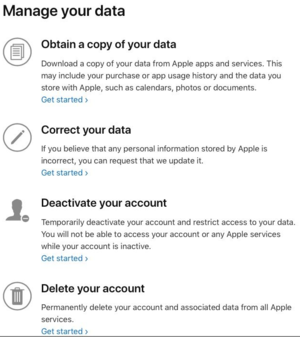
    How To Access The Apple Privacy Website

    This link to get to  Apples Privacy and Data link is here: https://privacy.apple.com/. Just login in with your apple ID. There are simple shortcuts to updating your info, temporarily deactivating your account and options to permanently delete it. Here’s how to do it …You can request account details and sign-in records and data such as contacts, calendars, notes, bookmarks, reminders, photos and documents.

    1. Go to Apple’s new Data and Privacy website;
    2.  Log in with your Apple ID. (for now, the privacy info and downloads work only for users in the European Union, Iceland, Liechtenstein, Norway, and Switzerland);
    3.  Click on the “Get started” link below the header “Obtain a copy of your data,” and check “Select all,” or tick the individual options boxes;
    4.  Select a maximum file size, and Apple will split things into the chunks you choose;
    5.  If you want a copy of your iCloud-stored media, e-mails, or Drive content, the process will obviously take longer, but Apple says the gathering can take up to two weeks anyway;
    6.  When everything is ready, you will get a mail from Apple that your personal data is ready to download, and if you don’t do it, Apple will erase everything in two weeks.
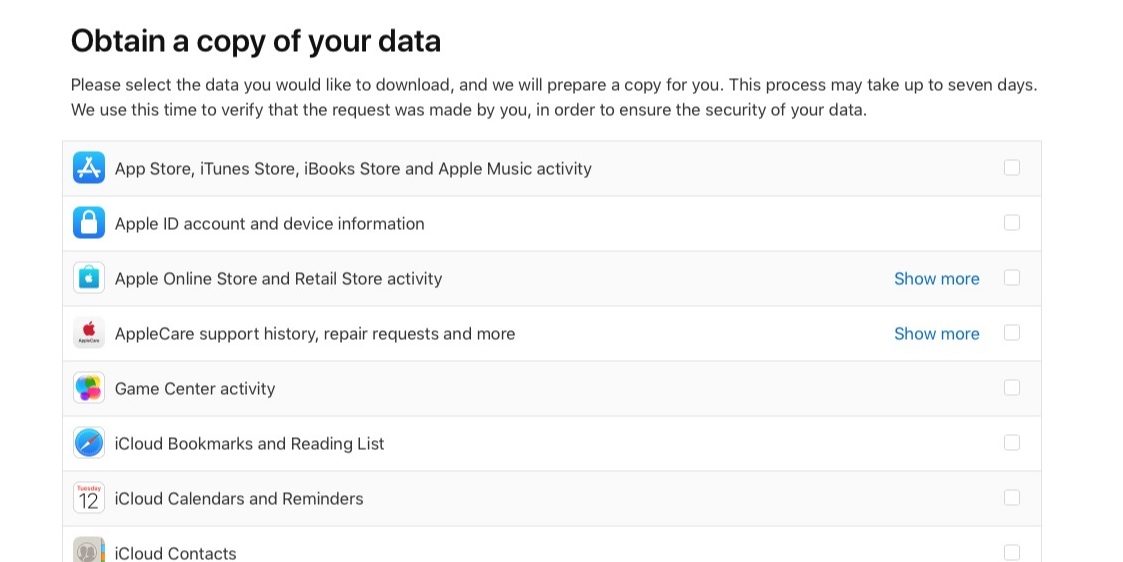
    Things To Consider

    Dependent on the data records selected, Apple may take as long as two weeks to assemble the information. While the company did say the data will be deleted after two weeks. The data site also gives users the option to correct data, deactivate their account and delete all information held by Apple in compliance with GDPR. Only data that is personally identifiable can be found here. I think this can all be downloaded with a few simple clicks on the privacy portal. Note data like iCloud Photos will take a long time to generate. There are potentially tens of gigabytes of files on there.
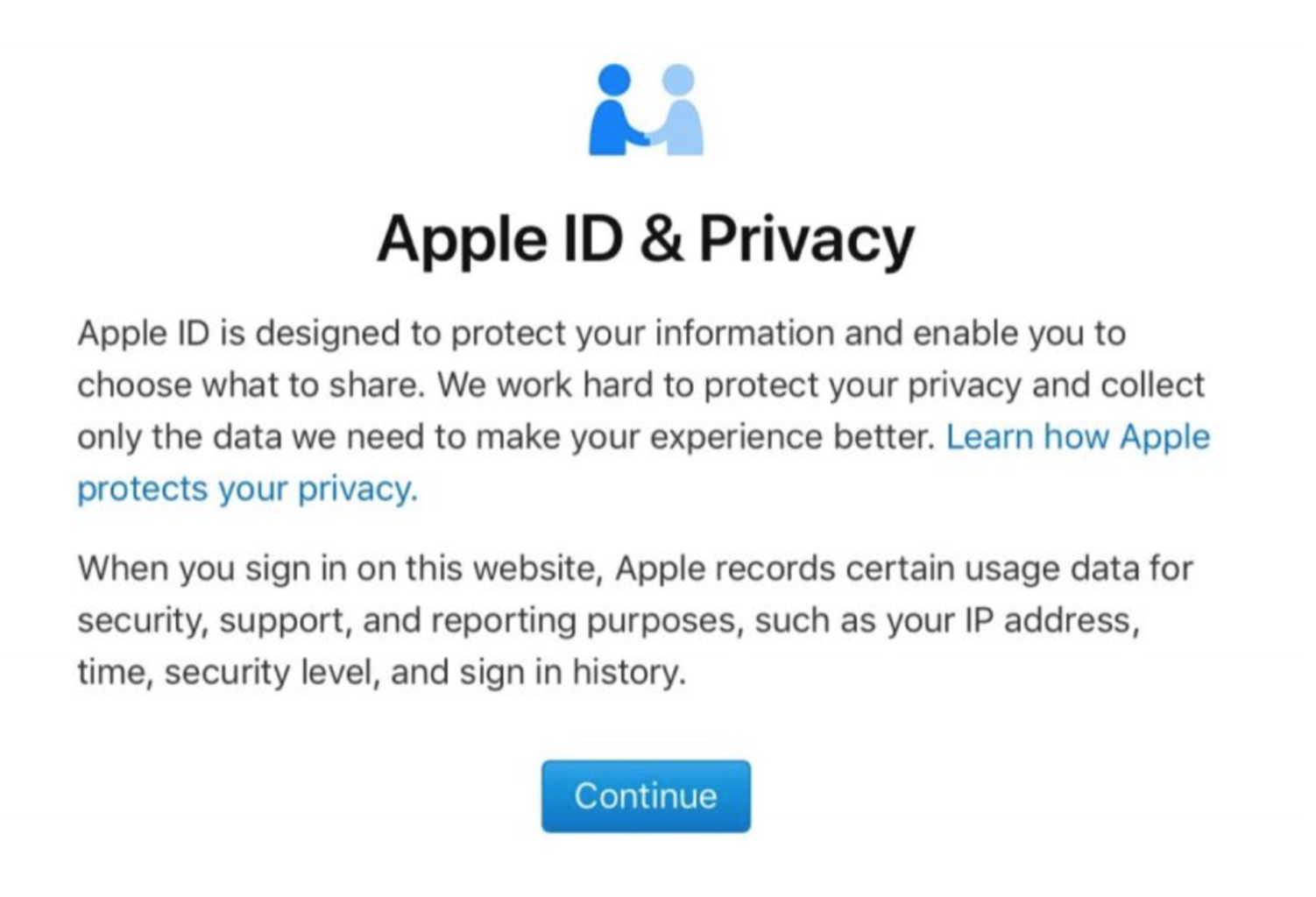
    The Final Thought

    Just imagine if your bank, credit card company, ISP, or big-box retailer gave you the right to look at your data! It’d be a different world. George Michael, I mean Maharris promised us this a few years ago with his FaceBlock app. I wonder what happened to that.  What we really need is transparency and openness and there’s nothing to fear in providing this to users. It need not be forced through regulation, but standard basic practice from the outset. This is the simple easy solution to our data privacy issues. The Apple Privacy Website is a big step to where we should be. Just let us know what you think you know.
  • Controversy Erupts over Securus Location Tracking Used by Law Enforcement

    Controversy Erupts over Securus Location Tracking Used by Law Enforcement

    The New York Times reported that a company called Securus is offering a service to law enforcement allowing them to track real-time locations of cell phones. The report claims that Securus is offering this service without going through the due process of law, allowing law enforcement to sidestep the proper legal process and track suspected criminals. This is done using a location API, the type of which is typically used to advertise to cell phone users based on location.

    Securus

    Securus, when confronted on the legality and procedures of this service, had this to say: “The responsibility of ensuring the legal adequacy…lies with our law enforcement customers and their counsel.” This shirking of legal responsibility is not only incredibly flippant and ill-advised, but also incorrect. A senator from Oregon named Ron Wyden has stated that these claims are going to be investigated, and further pushed for the FCC and AT&T to give detailed answers to the questions of how this will be dealt with.

    Regarding the process for accessing the Securus service, Wyden wrote: “To access this private data, correctional officers simply visit Securus’ Web portal, enter any US wireless phone number, and then upload a document purporting to be an official document giving permission to obtain real-time location data.” This is certainly an unprecedented use of such technology, and one that many would find to be both invasive and frightening.

    Sidestepping Legal Process?

    Up to this point, law enforcement agencies have had to rely on records from phone companies to view location data, and that data is only acquired by having a warrant granted by a judge. By providing this same service to law enforcement in just a few clicks, Securus is directly sidestepping the entire legal process associated with location tracking. This story is only just beginning, as there are likely cases going before the courts to address the questions of the legality of this practice.

  • Google Privacy Policy to Become More Readable

    Google Privacy Policy to Become More Readable

    Taking effect on May 25th, Google’s new privacy policy aims to be more transparent and more plainly explain what user data it collects and shares. William Malcolm, a privacy leader at Google, stated in a blog post: “We’ve improved the navigation and organization of the policy to make it easier to find what you’re looking for; explained our practices in more detail and with clearer language; and added more detail about the options you have to manage, export, and delete data from our services.”

    Clarification

    Notably, this rewording of the privacy policy does not represent any changes to the policy: it is simply a clarification in attempt to make the policy more transparent. This move coincides with the May 25thGeneral Data Protection Regulation in Europe, certainly a move to assure users their data isn’t being used against them.

    Google has recently made adjustments to the “my account” tab of their Google Account home page, allowing users to selectively purge searches they don’t want attached to their online presence. These changes come amidst widespread anxiety over data collection and algorithmic abuse by companies like Google and Facebook. Shifts such as these are reassuring, and hopeful signal a shift to a more responsible role for the tech giant.

    Ad Muting

    In a related move, Google has begun incorporating a “Mute this Ad” function in their search engine. Most users probably already use an Ad Block plug-in on their desktops, but it is still a welcome update to mobile devices.