Tag: razer

  • Finally the Razer 2

    Finally the Razer 2

    I’ve been waiting for this news for a while. I kept asking when is Razer going to make a move for a new phone. Well Things are heating up in the Android market. We have seen the Note 9 and Pixel 3 release this month. There were very few surprises in store for the Pixel 3, which is now Google’s most expensive phone ever. Lack luster release to say the least. Starting at $799 there are better options. For instance, you could buy the Razer Phone 2 instead, Razer’s brand new gaming phone. We knew the new Razer Phone was coming. Razer announced this a few weeks ago when it stated the original gaming phone was a tremendous revenue generator. Why is this a better choice than the Pixel 3? Let me tell you folks if you want to ratchet up specs and a screen that’s unlike anything available on smartphones stay tuned and check out the Razer 2.

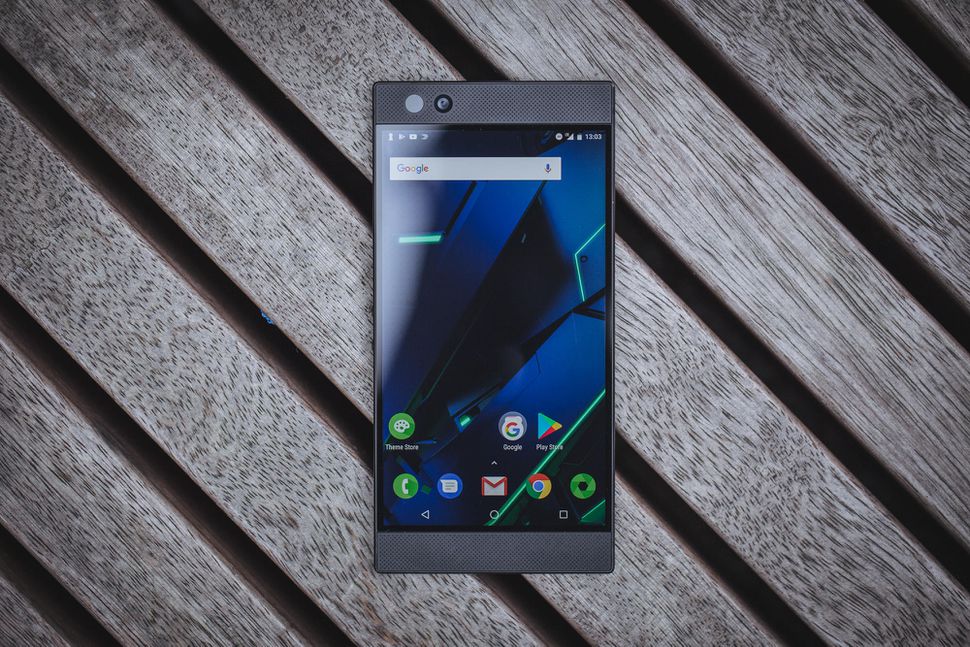
    For starters the Razer 2 is the 5.72-inch IGZO LCD with 2560 x 1440 resolution, 120Hz refresh rate, wide color gamut, UltraMotion technology and Corning Gorilla Glass 5. Unlike everything else this month, no notch. The Razer 2 is featuring top and bottom bezels. Camera? We have two 12-megapixel cameras, including a telephoto lens and a wide-angle lens with optical image stabilization. On the front, there’s an 8-megapixel selfie taker.

    The Power

    How is the power on the Razer 2? Look inside and you will see the Snapdragon 845 is popped in the Razer Phone 2, so plenty to spare. Also you get twice the memory — the phone has 8GB of RAM compared to 4GB for the Pixel. Lastly it features a Vapor Chamber cooling system. The base model comes with 64GB of UFS storage and does feature support for microSD storage expansion.


    The Final Razer 2 Thought

    It is bad to the bone and the top android phone on the market. It is also a better price then its competitors at $799. The phone will be available in two shades of black, including Mirror Black and Satin Black, and it will ship in the fourth quarter in the US, Europe, and Asia-Pacific, with preorders set for October 11th. The Pixel 3, meanwhile, will reach buyers on October 17th.
  • Top 5 Gaming Laptops for 2018

    Top 5 Gaming Laptops for 2018

    It takes a lot of stones to be a full fledged gaming laptop and those stones come a large price. These gaming laptops are built to handle what ever our nest and most bizarre gaming programmers can throw at them, and they do it with style and grace. Today we are gonna take a look at the 5 best gaming laptops for 2018.

    1. Alienware

    • CPU: Intel Core i9-8950HK
    • Graphics: Nvidia GeForce GTX 1080 (8GB GDDR5X VRAM)
    •  RAM: 32GB
    •  Screen: 17.3-inch QHD (2,560 x 1,440)144Hz
    •  Storage: 246GB PCIe M.2 SSD, 1TB 7,200RPM HDD

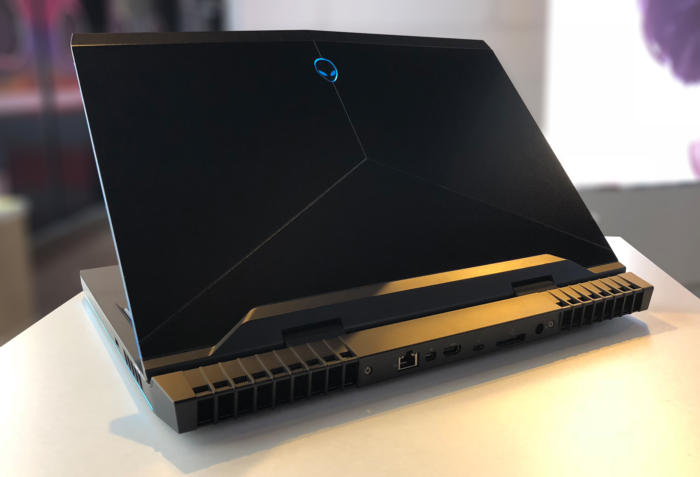
    What has this beast at the top is not only the brand new and highly overclocked processor, top of the line GPU and the 13 zone customizable LEDs, but the Tobii Aware software and eye tracker..It works and its awesome. This is hands down the best gaming laptop and will be for at least a year.

    2. MSI GS 65

    • CPU: Intel Core i7
    • Graphics: Nvidia GeForce GTX 1070 (8GB GDDR5X VRAM, Max-Q)
    •  RAM: 16GB
    •  Screen: 15.6-inch FHD (1,920 x 1,080) anti-glare, wide-view 144Hz panel
    • Storage: 512GB M.2 SSD

    The MSI GS65 packs a ton of power into a very breathtaking and inspiring design. Blasting on with an 8th-generation Intel Core i7-8750H CPU and an Nvidia GeForce GTX 1070 GPU, But a quick run down of the specs will see why this Laptop didn’t grab the number one spot, but cut it a little bit of slack it is a few months older and its still a very bad,bad man gaming laptop.

    3. Razer Blade Pro

    • CPU: Intel Core i7-8750H | 7th Gen
    • Graphics: Nvidia GeForce GTX 1080 (8GB GDDR5 VRAM) |
    • RAM: 16GB | Screen: 17.3
    •  Storage: 512GB M.2 SSD

    This is one of my favorites, it  was crafted to deliver incredible performance in an impossibly thin form factor. It is also the world’s first THX® Certified Mobile Device, the Razer Blade Pro sets a new standard for desktop replacement laptops.

    4. Dell G3 17

    • CPU: 8th Generation Intel® Core™ i7-8750H Processor
    •  Graphics: NVIDIA® GeForce® GTX 1060 with NVIDIA® Max Q Design technology, 6GB GDDR5 video memory |
    • RAM: 16GB DDR4
    •  Screen: 17.3-inch HD 1,366 x 768 TN – QHD 2,560 x 1440 OLED touchscreen
    •  Storage: 180GB – 512GB SSD

    While this has some respectable power, this configuration will cost a little more the $1000 making this the best value for a gaming laptop with out suffering any power loss. It will deliver an ultimate and immersive gaming experience.


    5. Lenovo Legion Gaming Laptops

    CPU: 8th Generation Intel® Core™ i7-8750H Processor
    Graphics: NVIDIA® GeForce® GTX 1060 with NVIDIA® Max Q Design technology, 6GB GDDR5 video memory |
    RAM: 32GB DDR4
    Screen: 17-inch HD 144fps
    Storage: 180GB – 512GB SSD

    Clean new design. Relatively light. Fantastic 144 screen refresh-rate options. Corsair keyboard with per-key RGB lighting. The fresh design of the Legion Y730 holds promise, with a well-rounded feature set at a relatively modest price. Its big hold back it for a brand new released Gaming laptop its not blasting the i9 chip and maxes out with the GTX 1060 on top a high price then the G3 although the 730 is but better looking and dosent feel as cheap as the G3.


  • Razer Expands RGB Support to Third Parties

    Razer Expands RGB Support to Third Parties

    Serious PC gaming doesn’t require you to have a flashy assortment of glowing peripherals and PC parts. It does, however, look super awesome. WIth tha in mind, Razer has expanded their back-end Chroma support to work with a wider range of manufacturers’ hardware.  

    Wait, What? RGB? Synchronization? 

    RGB is a type of lighting that is quite popular with PC gamers. As awesome as the flashing lights can look, it’s often a pain to synchronize their colors and flashing lights. This is due to the software used to control their color schemes: nearly every company uses different software. Corsair, AMD, Logitech and even Razer all have their own control programs. 

    To remedy this, Razer has issued its new Chroma partnership program. The stated goal? Helping make your entire set-up much more synchronized. Now, if you have hardware from AMD, MSI, Thermaltake, NZXT, or a few others, you can synch them all with the Chroma program. 

    What’s the Big Deal? 

    For those who haven’t used RGB, it might not seem like that big of a deal. However, many games, like Overwatch and Fortnite, offer some awesome functionality with the technology. Overwatch, for instance, changes your RGB colors when you change characters, further immersing you in the game. Additionally, having a unified keyboard, mouse, headset and PC case can make your set-up look slick and futuristic. Unless, of course, the colors and pulses are all out of sync. 

    The Downside 

    The only bad news in this announcement is the timeline. For the time being, very few manufacturers have hardware out that supports the partnership project. Razer’s new program is a step up over its previous initiatives, though. The previous partnership program required that hardware had to be hard-programmed to work with Chroma. This means that manufacturers had to consider Chroma while making their own peripheral. The new program, however, uses a new Razer API to connect all the devices through software. 

    Razer has stated that we can expect supporting hardware by the end of the year. If you’re interested in just jumping in with a great gaming keyboard, though, you can check out our favorites right here. 

  • Razer Blade 2018: Worth the Hype?

    Razer Blade 2018: Worth the Hype?

    Razer’s name is synonymous with computer gaming. Despite some diversions, like the Razer phone, the company is still dedicated to delivering top-notch gaming experiences. The new line of Razer Blade gaming laptops is no exception. What are some early impressions of the new line? Is it worth all the hype? And, more to the point, are these laptops worth all the money? 

    Speaking of Price… 

    How much value you get out of your computer really depends on how much you’re willing to spend. The Razer line certainly will have you spending: the cheapest of them, a 1080p-equipped rig, runs for $1,900. A 4K-enabled version is at market for even more, retailing for $2,900. These are some high numbers, so it’s a good thing Razer’s name is attached. How do they stack up, though? 

    How Does it Look? 

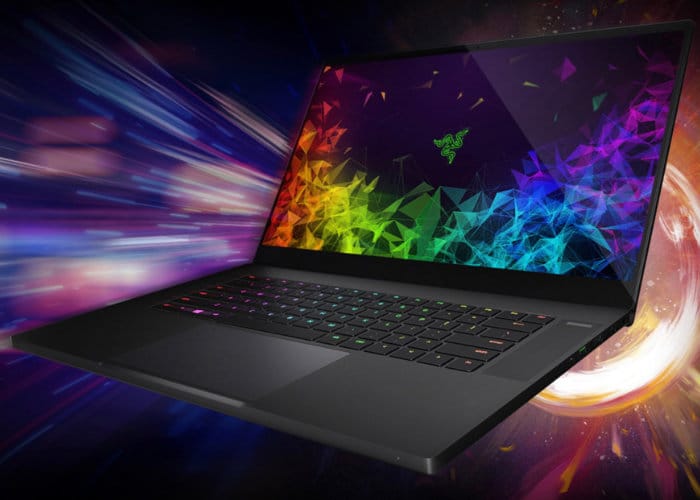
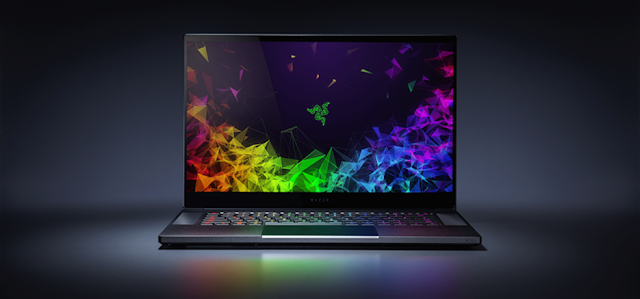
    It looks great. The screen is crisp and luminous, and a great companion for modern games. The laptop itself has an angular, industrial look akin to the Razer Phone line. The iconic Razer logo glows a neon green on the back of the laptop, glistening like the eyes of a hidden snake. In short, the machine looks mean. It looks like it means business, and the powerful processors within certainly deliver on that promise. 

    Razer Blade for Any Problem 

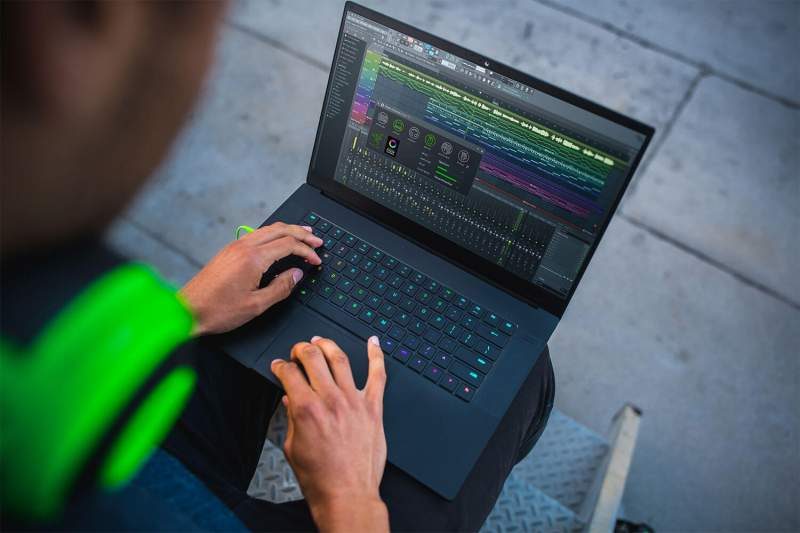
    Performance-wise, this laptop is a beast. Silky smooth graphics and impressive heat management in this laptop rival modern-day home consoles. Performance rarely slows down or overheats the machine. Razer’s Synapse software lets you customize your cooling profile, helping ensure the best perfomance from your computer. 

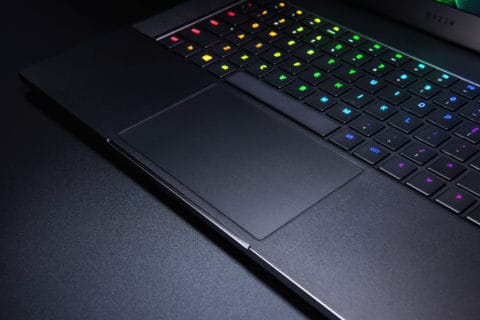
    Even better, the keyboard is (of course) a Razer Chroma, which looks awesome in any light. The keys have great travel time, they’re super responsive and offer great feedback. If you’ve ever used a Chroma keyboard and loved it, you’re in for a treat with this laptop. 

    Bottom Line 

    If you’re looking for 4K gaming on the go and don’t mind spending a bit of money, this Razer Blade line is a fantastic choice. It’ll set you back nearly $3,000 to pick up the 4K-ready laptop, but it’s a fine investment. The Razer Blade models offer upgradeable RAM, ensuring they’ll stay relevant for a number of years. This is money well-spent, and a great consideration for any serious gamer. 

  • GoodBye 14 inch Razer Blade,  Hello 15.6 inch

    GoodBye 14 inch Razer Blade, Hello 15.6 inch

    Razer is the hipster king of gaming laptops. For the last 5 years the 14 inch Razer Blade has been the cornerstone of their lineup. That is  all going to change now. No longer will Razer be offering the 14 inch super laptop. Instead they will be offering a suped up version in a slimmer 15.6 inch model.   Razer is calling it the smallest gaming system in its class. Its packed with an excruciating amount off cool stuff lets take a look.


    Design

    For starters Razer got rid of the rounded curves of the previous laptops for a more boxy shape. The company also ditched the pair of lines flanking the glowing green Razer emblem. Its a bit more classy look in my opinion. Measuring 14 x 9.3 x 0.68-inches and weighing 4.6 pounds, the Blade is notably larger than its predecessor (4.2 pounds and 13.6 x 9.3 x 0.7 inches). But it’s also slimmer and lighter than a lot of its current competition. As Razer said it, its the smallest gaming system available. Ports, its got em, you can expect a trio of USB 3.1 ports, a Thunderbolt 3 port, mini DisplayPort, HDMI 2.0, a headset jack and a power input.

    The Display

    This is were its gets cool. The 14-inch variant of the Blade is gone and with it goes those unsightly thick bezels. Razer has shaved the bezels down to 0.19 inches along the sides, allowing the company to squeeze a 15.6-inch panel into a 14-inch chassis. More screen less size for the win. The Razer Blade is available with several screen variants and refresh rates: Full HD with 60Hz, Full HD with 144Hz and a 4K touch panel with 60Hz. The 144Hz, 1080p screen and 4K panels will be individually color calibrated from stock.

    The Razer Blade Extras

    Of course Razer is gonna back this with there G-ed out Chroma keyboard and killer trackpad. That is just a given. Razer is swapping out the two discrete mouse buttons in favor of a massive precision touchpad. The new touchpad should deliver more accurate gestures and swipes. With the bigger chassis we are getting a bigger battery too. Bonus.

    Quick Spec Look


    • six-core, 8th Gen 2.2-GHz Intel Core i7-8750H processor,
    • 16GB of RAM,
    • 256GB PCIe SSD,
    • Nvidia GeForce GTX 1060 Max-Q GPU with 6GB of VRAM
    • 1920 x 1080 (60Hz) display.

    The Final Thought

    All good things must come to an end, but new begins lead to greatness.  From what I’ve seen so far, the 15-inch Blade is a great new start and we should be excited. Growth is always a good sign and as much as Im sad to see the 14 inch go, I love the way it walks away.

  • Xiaomi Rumors and Gossip

    Xiaomi Rumors and Gossip

    Xiaomi is getting ready to launch a gaming-oriented phone, similar to what we’ve seen with the Razer phone. The phone is slated for an official unveil next Friday, April 13, and a new teaser out  gives us a glimpse at the design language. So far not alot of details have been released, we all know what it will probably look like.

    Unlike previous Xiaomi phones, the upcoming device will feature the Black Shark branding and not the Mi label, suggesting this could be the first phone in a new gaming-focused sub-brand.

    While we don’t know much, my inside sources tell me it will host the Snapdragon 845, with 8gb of ram and a 256 gb hd.  The hd size gives good indication this will be aimed at the gaming market. The Razor supported a 120 Hz refresh rate, Its safe to expect the same.

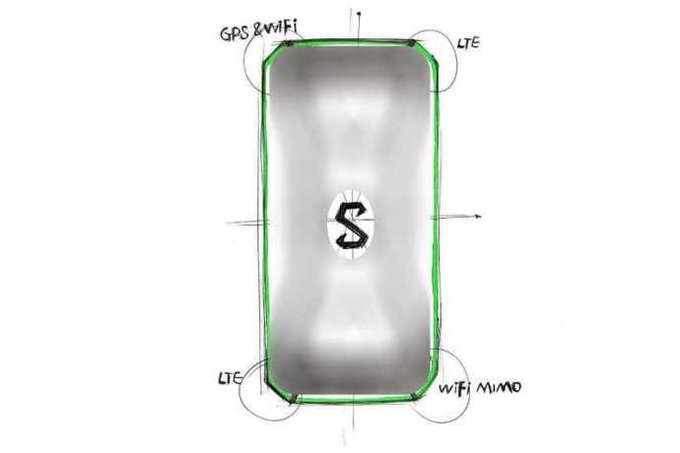
    As can be seen in the image, the Black Shark Phone looks set to take on the shape of an X with the top and bottom sides of the device being much more angular than traditional smartphones. In fact, a total of eight sides are featured on the device’s frame. Because of this, the company chose to include the antenna bands on both the top and bottom corners, meaning four antenna bands will be included – the Chinese OEM’s device is the first to feature this antenna layout. Beginning clockwise, the top-left corner will be dedicated to the GPS and Wi-Fi antennas, while the right side will be reserved for LTE. Moving on to the bottom, the right-sided antenna will be for Wi-Fi MIMO, and the left module will once again be dedicated to LTE. Now, although this is only a sketch, Black Shark itself later confirmed the accuracy of it, stating that the layout should help improve signal reception even when a user is gripping the device.


    The launch is set for next Friday the 13th, we should know all about Xiaomi’s upcoming Black Shark phone then. Until then we can fantasize about holographic screen projections and full VR experiences. See you next friday