Tag: xiaomi

  • Xiaomi Mi A3 Review: A Worthwhile Budget Android Phone?

    Xiaomi Mi A3 Review: A Worthwhile Budget Android Phone?

    Fans of Android phones have a big leg up on iPhone users when it comes to budget options. If you like high-end smartphones, both Android and iOS have great flagships you can pick up. However, if you’re in the market for a smartphone under $300 and you like iOS, you’re going to be rocking a four-year-old phone at best.

    Android, on the other hand, has a wealth of mid-range and budget phones from various manufacturers that still function as great daily-use cell phones. One such phone is the upcoming Xiaomi Mi A3, the newest in Xiaomi’s “A” line of mid-range Android phones. Is the A3 a worthwhile phone at its budget price, or does it leave too much to be desired? Let’s take a look.

    The Specs

    An important aspect of any smartphone is the technical specifications. The Mi A3 isn’t exactly loaded with top-of-the-line tech, but it’s also only retailing for around $280. The phone is powered by the Snapdragon 665 system on a chip, offers up 4 GB of RAM, and is running an Adreno 610 GPU. The phone has a good number of ports: a 3.5mm headphone jack makes a return, as does the fan-favorite IR blaster (allowing the phone to be used as a universal TV remote).

    Unfortunately, the display of the Mi A3 is only 720p, which leaves a lot to be desired. The screen is OLED, which means it offers great blacks and deep contrast, but the lower-resolution display is very unusual. For the price, it would have been nice to see the A3 sporting a 1080p screen. As it stands, the phone likely won’t age well.

    User Interface

    The A3 also isn’t running Xiaomi’s in-house Android skin, but is running on the stock Android One program. This means that, like the previous “A” models, the A3 will only receive two years of software updates from Google. The Android One program is Google’s way of letting budget phones exist at a lower price by running a bare-bones, minimalist version of Android.

    As such, all the inherent strengths of the open Android OS are here, as are all of its rough edges and warts. If you already love Android, there’s nothing here that will make you hate it. Likewise, if you’re ot an Android fan, the bare-bones Android One won’t be convincing you.

    US Customers

    It’s worth noting that US Customers will need to be wary of the A3’s LTE compatibility. The LTE bands that the phone is compatible with are 1, 2, 3, 4, 5, 7, 8, 20, 28, 38, and 40. This means that the phone isn’t completely compatible with any US carriers. However, T-Mobile is the closest to full support for these bands, so consider the A3 if you use T-Mobile, or don’t mind not always having LTE coverage.

    Xiaomi isn’t exactly a well-known brand in the US: in fact, most Chinese smartphone manufacturers aren’t. Only diehard Android fans tend to know names like Huawei and Xiaomi, though that’s not to say you can’t get the A3 in the US. Sites like Amazon will sell the phone unlocked, so all you need to do is take it to a carrier and have it activated.

    Bottom Line

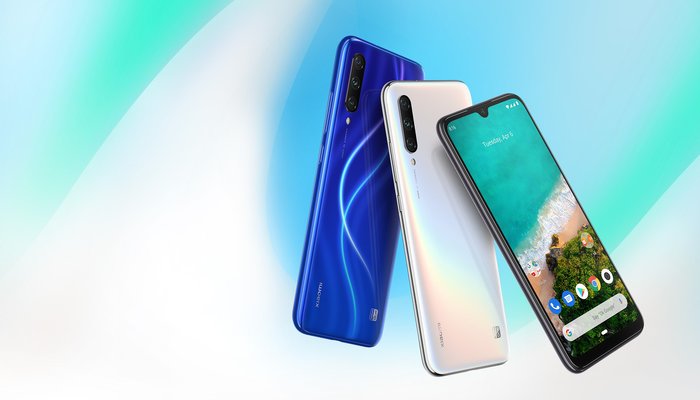
    For around $280, the A3 is a good deal. The design is sleek, the interface is solid and the included headphone jack and IR blaster are nice to have. If you’re a stickler for nice displays, however, the 720p image is likely to turn you off from this phone. Likewise, the bare-bones software and two-year limit to software support might scare off more tech-savvy users, and the lack of full US LTE coverage could cause some customers to pass on this budget Android phone.

  • Smartphone Spotlight: Xiaomi Mi Mix 3

    Smartphone Spotlight: Xiaomi Mi Mix 3

    We have the First 5g Smartphone, I said It would happen. I said it would happen before the end of the year. Here we are. WE know Chinese phone maker Xiaomi is working on one of the first 5G-enabled phones you can buy. However you’ll have to wait until next year for it. I know I know, next year. We have hard details though. Lets take our first look in to the first 5G- enabled smartphone. The Xiaomi Mi Mix 3.

    The Great

    • 5G
    • Good Power Spec
    • Snapdragon 845

    The Bad

    • Unknown yet

    The Conclusion

    Xiaomi’s Mi Mix phones are traditionally its most expensive and configurations with more storage typically cost more. It is priced great and will be our Guinea pig in to 5G. This will not be a commercial success but is much needed. Bugs, glitches and kinks galore are to be expected.

    Xiaomi Mi Mix 3 and What We Know

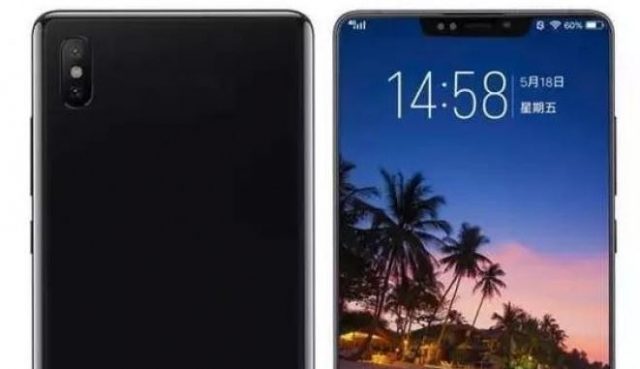
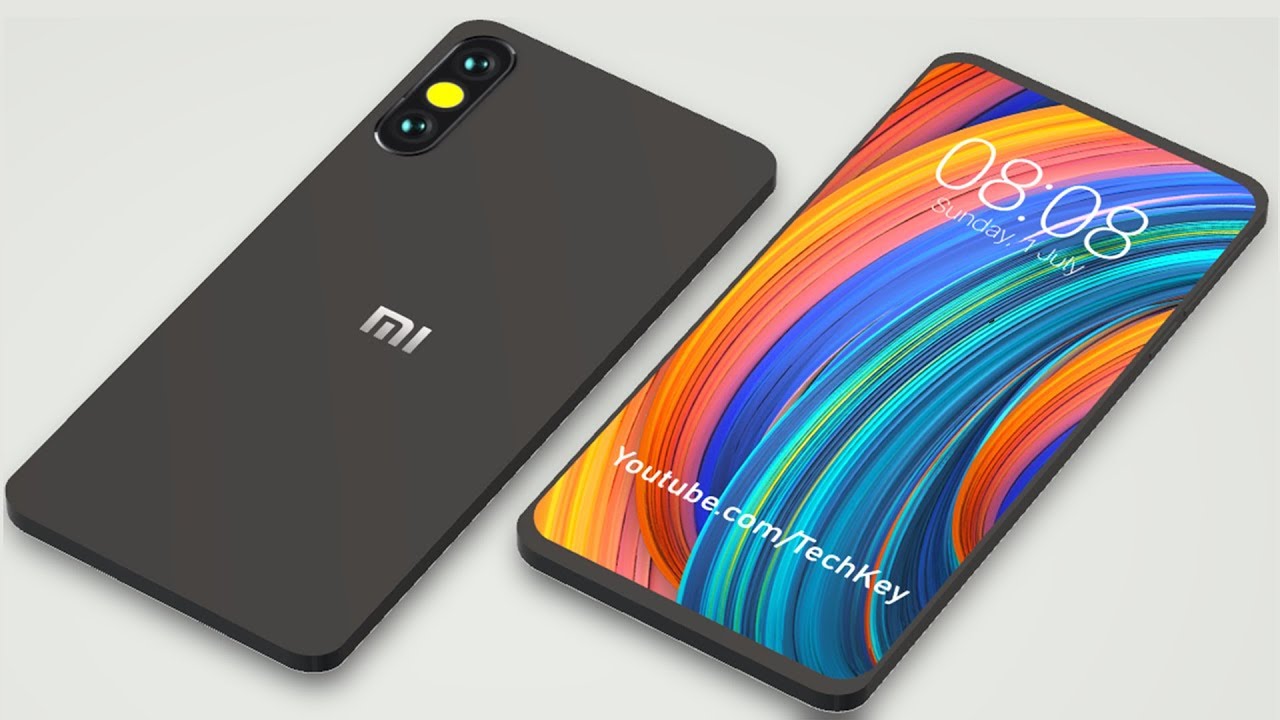
    Thursday at the Forbidden City we got our first 5G enabled smartphone annonced, the Mi Mix 3 is the latest addition to Xiaomi’s line of all-screen flagship phones. Powered by a Qualcomm Snapdragon 845 processor, it has a 6.39-inch display like the Mi Mix with a 2,340×1,080-pixel resolution, meaning 93.4 percent of its body is screen. All the standar features are here. It has four cameras — two each on the front and back — as well as an astonishing 10GB RAM variant. That is impressive now, this time next year it will be the norm.

    Battery capacity is a less impressive 3,200 mAh, although I don’t expect great battery life. I have a feeling the 5G power will be more draining then the engineers are accounting for. While this isn’t the biggest battery we have seen, the phone does supports wireless charging. Also check out the fingerprint senso, it is right there on the back of the phone, no surprise there.

    For starters The Mi Mix 3 will come in three versions. You can get 6GB or 8GB RAM and 128GB onboard storage, or the top-end model with 8GB RAM and 256GB storage. It will be available in three colors: onyx black, jade green and sapphire blue. It will have a starting price point of $475 and be available early next year.

    Quick Spec Look

    • Qualcomm Snapdragon 845 processor
    • 6.39-inch AMOLED screen, full-HD+ display (2,340×1,080 pixels)
    • 6GB RAM with 128GB onboard storage; 8GB RAM with 128GB storage; 8GB RAM with 256GB storage; 10GB with 256GB onboard storage
    • 12-megapixel dual rear cameras
    • 24- and 2-megapixel dual front cameras
    • Rear fingerprint sensor
    • 218 grams (7.69 ounces), 158 by 75 by 8.5 mm


    The Final Thought

    It is sleek, simple and elegant. Make no mistakes though The Xiaomi Mi Mix 3 will be clunky, it will over heat and underperform, but we are here. The future isn’t ahead its now. Remember what I told you a few months back, the 5 g network will power the wifi at the resorts on the moon. Today is the start.

  • Xiaomi Mi A2 Spec Roundup: Ditching the Headphone Jack

    Xiaomi Mi A2 Spec Roundup: Ditching the Headphone Jack

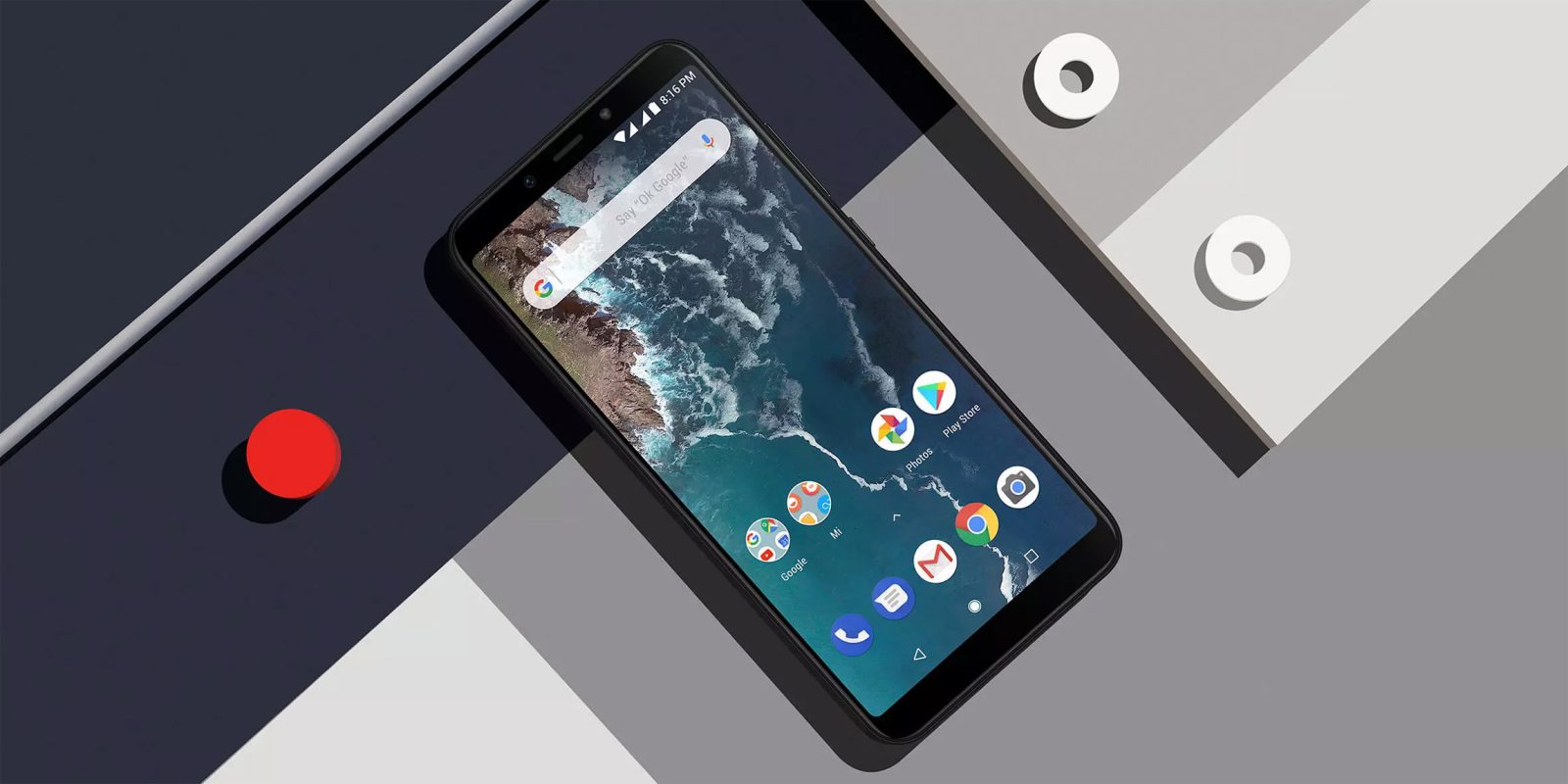
    Xiaomi might not be a terribly recognizable name in the US, but they’re a juggernaut in China. They primarily make low-end smartphones, at least price-wise, that function well nonetheless. The newest batch of phones they’ve announced are the Xiaomi Mi A2 and the Xiaomi Mi A2 Lite. The normal Mi A2 follows a few trends started by Apple in order to stay modern and fresh. Let’s look at some of the newly-announced specs of this Chinese smartphone.

    So Long, 3.5mm Jack

    It seems modern smartphones are allergic to 3.5mm jacks. Case in point? Even budget smartphones are ditching them now. This design trend has been partly in order to increase waterproofing, and partly to streamline designs. As the Mi A2 isn’t waterproof, in this case we can only assume the lack of the jack is to mirror the designs of premium smartphones. The Mi A2 Lite, however, retains the legacy output port. Those who still love their traditional wired headphones need not despair—yet.

    Hello, USB-C

    Instead of the micro-USB sported by the Mi A2 Lite, the Mi A2 has a USB-C port. Again, this seems to keep the phone in line with the design features of modern smartphones. USB-C is a great standard, allowing for fast charging and allowing for dongles for 3.5mm jacks to convert to the USB-C. This is a good switch, to be sure, and it’s good to see even low-end phones adopting the style.

    Xiaomi Mi A2 Specs

    The Mi A2 has reasonable specs for a smartphone of its price. It starts with 4GB of RAM and 32GB of storage. It also carries a Snapdragon 660 processor and an Adreno 512 GPU.  Oddly, it has a smaller battery than its little sibling, the A2 Lite. It sports a back-mounted fingerprint scanner and an IR blaster, as well, which both function reasonably well.

    Interestingly, the A2 doesn’t have a notch design, but the A2 Lite does. This somewhat muddies the connection between the standard A2 and a premium smartphone look but isn’t exactly a negative. In fact, many Android enthusiasts see the notch as ugly, or a reminder of Apple’s design philosophy.

    Bottom Line

    The standard Xiaomi Mi A2 runs right around $290, while the Lite runs around $209. Neither will receive a normal American release, but you will be able to buy them online if you’re interested in the combination of low price and reasonable performance.

  • Xiaomi Mi 8: Coming to America Soon?

    Xiaomi Mi 8: Coming to America Soon?

    You’ve certainly only heard of the Xiaomi Mi line of phones if you’re an avid follower of Chinese smartphone makers. Well, if you’re not in that (incredibly small) camp, you’re about to be: The Mi line of phones is one of the best budget smartphone lines out there. It’s comparable in a lot of ways to the phenomenal OnePlus line. What should expect in the Mi 8? And when should you expect it? 

    Xioami Who? 

    Xioami is a Chinese smartphone maker that specializes in affordable Android handsets. They have been incredibly successful in the Far East, rapidly becoming the largest Chinese smartphone maker. Backed by several generations of iterated smartphone technology, the company is now releasing the Xiaomi Mi 8 to coincide with their 8th anniversary. 

    Mi 8 To Come to America? 

    The Chinese phone maker has promised that this phone will be their first mass-market release in America. According to Xiaomi, who already sells fitness trackers and smart home speakers in the US, their smartphones will be coming State-side as early as late 2018, or as late as early 2019. This is exciting news for Android enthusiasts looking for affordable premium smartphones. 

    In the Meantime, 

    The Mi 8 is set for a May 31st launch in China and is sure to make waves there. With their impressive track record and the phone’s impressive specs, it’s sure to impress. The phone sports a ton of advanced features, like an in-screen thumbprint scanner, wireless charging, a huge six-inch screen and 3D face scanning. All that, and it still costs about $450. Here’s hoping this little wonder comes to the States here soon! 

  • Xiaomi Rumors and Gossip

    Xiaomi Rumors and Gossip

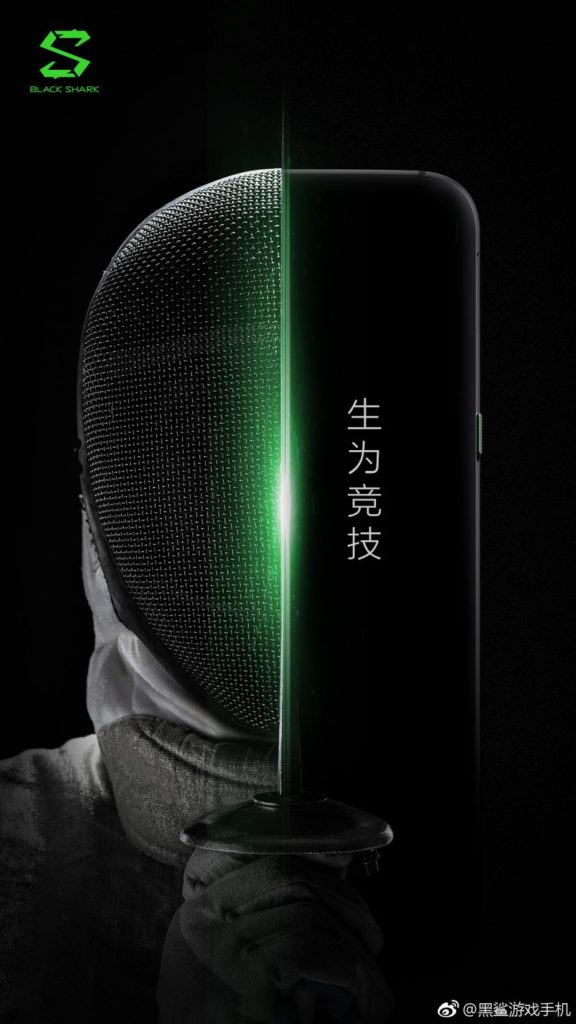
    Xiaomi is getting ready to launch a gaming-oriented phone, similar to what we’ve seen with the Razer phone. The phone is slated for an official unveil next Friday, April 13, and a new teaser out  gives us a glimpse at the design language. So far not alot of details have been released, we all know what it will probably look like.

    Unlike previous Xiaomi phones, the upcoming device will feature the Black Shark branding and not the Mi label, suggesting this could be the first phone in a new gaming-focused sub-brand.

    While we don’t know much, my inside sources tell me it will host the Snapdragon 845, with 8gb of ram and a 256 gb hd.  The hd size gives good indication this will be aimed at the gaming market. The Razor supported a 120 Hz refresh rate, Its safe to expect the same.

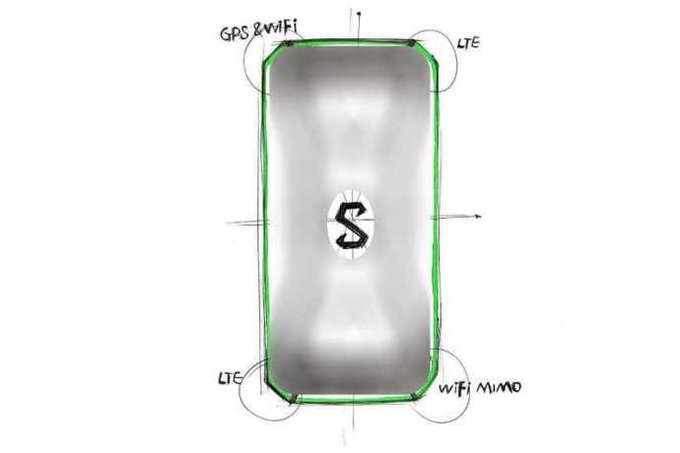
    As can be seen in the image, the Black Shark Phone looks set to take on the shape of an X with the top and bottom sides of the device being much more angular than traditional smartphones. In fact, a total of eight sides are featured on the device’s frame. Because of this, the company chose to include the antenna bands on both the top and bottom corners, meaning four antenna bands will be included – the Chinese OEM’s device is the first to feature this antenna layout. Beginning clockwise, the top-left corner will be dedicated to the GPS and Wi-Fi antennas, while the right side will be reserved for LTE. Moving on to the bottom, the right-sided antenna will be for Wi-Fi MIMO, and the left module will once again be dedicated to LTE. Now, although this is only a sketch, Black Shark itself later confirmed the accuracy of it, stating that the layout should help improve signal reception even when a user is gripping the device.


    The launch is set for next Friday the 13th, we should know all about Xiaomi’s upcoming Black Shark phone then. Until then we can fantasize about holographic screen projections and full VR experiences. See you next friday