Month: April 2018

  • Top 10 Cars With the Best Mileage in 2018

    Top 10 Cars With the Best Mileage in 2018

    Whether you want to save some money or save the environment, a gas saving car is something that interests many people. There are even cars on today’s market that are hybrids that you can plug in and run on electricity. Below is a list compiled of ten cars with the best mileage today.

    10) 2018 Kia Niro FE – 52 mpg city/49 mpg highway/50 mpg combo

    This Kia is subcompact SUV with a great deal of cargo space. It has many extra technology features and is one of the most efficient on the market. The Kia Niro FE is a hybrid vehicle, meaning you can use gasoline and plug it in to charge.

    9) 2018 Toyota Camry Hybrid LE 51 mpg city/53 mpg highway/52 mpg combo

    This hybrid Camry is one of the most powerful hybrids available on today’s market. Combined, the gasoline and electric puts out a 208 horsepower. A great addition to this car, it has a safety feature to warn of potential collisions and pedestrians, called Toyota Safety Sense.

    8) 2018 Toyota Prius Eco 58 mpg city/53 mpg highway/56 mpg combo

    This pick is completely gasoline run, and it has one of the best fuel economies. The safety score reigns high, as it also has the Toyota Safety Sense and other safety features. The score for this vehicle overall is great with almost a 9/10.

    7) 2018 Hyundai Ioniq Blue 57 mpg city/59 mpg highway/58 mpg combo

    Another top choice that is a great hybrid, it gets almost sixty miles per gallon just based off gasoline. That is insane! The price is an amazing one for a hybrid vehicle, if you are wanting something that is not going to break the bank, here is your best bet.

    6) 2018 Kia Optima PHEV 103 mpg-e/40 mpg combo

    Without using any gasoline, the Optima can travel up to 29 miles using electricity. This car is high-quality and has an amazing sound system. You can even hook up your phone to the car to the 10-speaker Harmon Kardon sound system.

    5) 2018 Kia Niro PHEV 105 mpg-e/46 mpg combo

    The crossover body style of this vehicle allows for more cargo space! This hybrid allows up to 26 miles of electric range. You are able to use Kia’s UVO eco infotainment system to do things like set up to charge your vehicle and even to heat the steering wheel!

    4) 2018 Chevrolet Volt 106 mpg-e/42 mpg combo

    One of the first vehicles to come out with a hybrid system, it has a perfect safety score of 10/10. You can’t beat the 53 miles this car runs solely on electricity. It is packed full of great features, the Chevy’s Teen Driver system being a unique one.

    3) 2018 Honda Clarity PHEV 110 mpg-e/42 mpg combo

    Honda is a very popular pick for a car, this hybrid can travel 47 miles just on electricity. The gasoline engine is strong with an amazing 212 horsepower. This car has many safety features like the LaneWatch camera and an adaptive cruise control.

    2) 2018 Hyundai Ioniq PHEV 119 mpg-e/52 mpg combo

    This version of the Ioniq has a more high class look to it yet has great cargo space. It is also a lot more economical than you may think; it can travel up to 29 miles alone on just electricity.

    1) 2018 Toyota Prius Prime 133 mpg-e/54 mpg combo

    Last, but not least, this car is the best pick of all hybrid vehicles. It has two electric motors and can run on that electric for up to 25 miles. Between charging this car and filling up on gas, the Prius Prime will last 640 miles! Other ways to help get the most of your miles in this car are to use the Entune Prime App to adjust the climate control.

  • Laptop Lookout: MacBook Pro 15

    Laptop Lookout: MacBook Pro 15

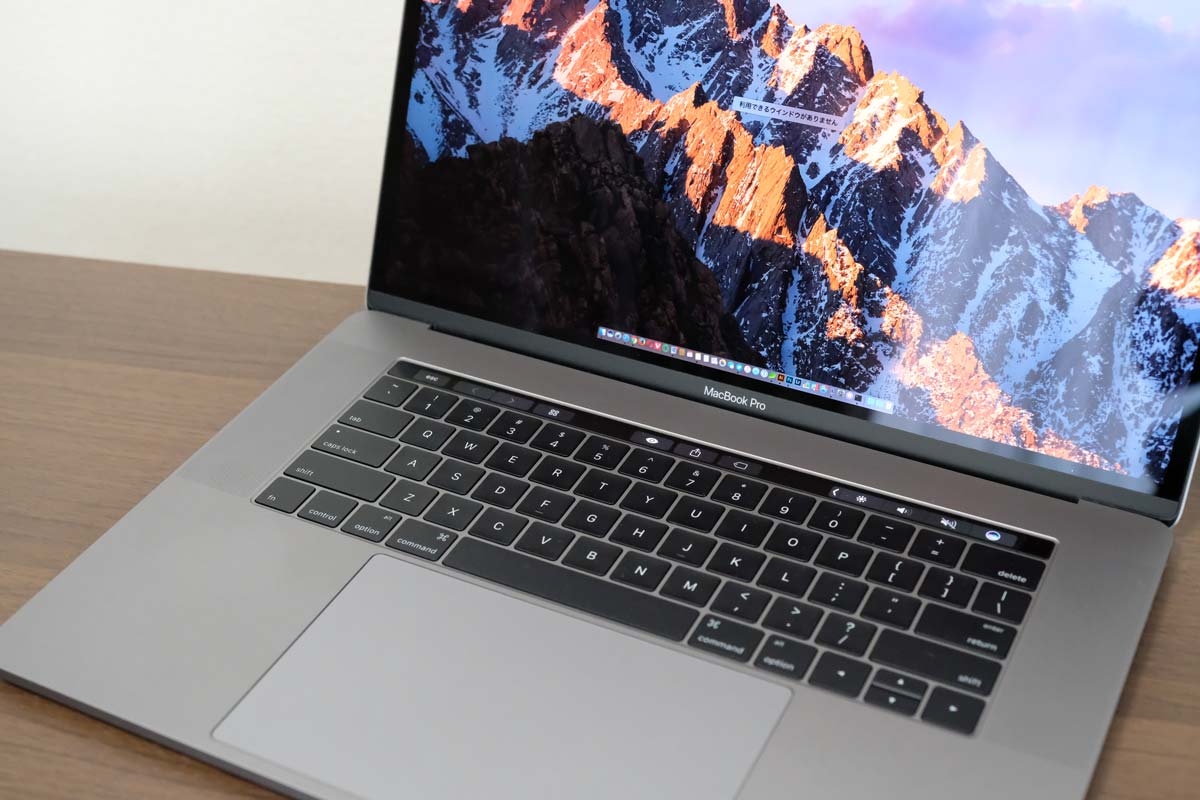
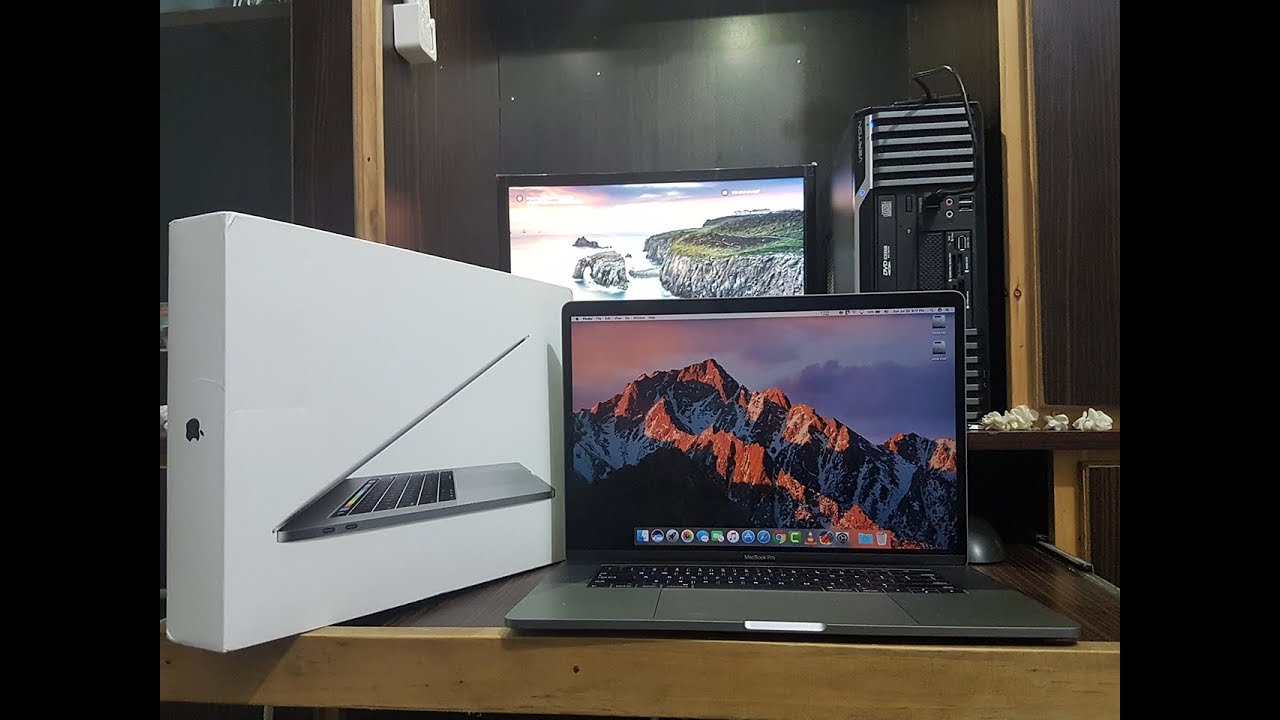
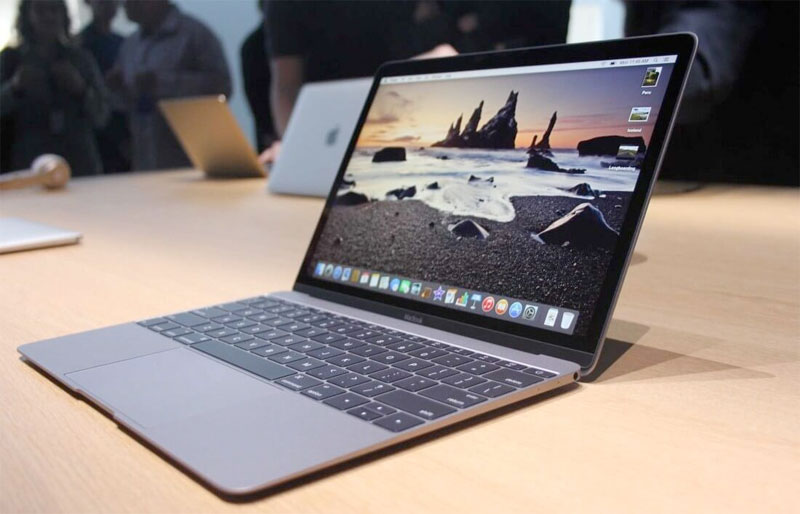
    It’s razor thin, feather light, and even faster and more powerful than before. It has the brightest, most colorful Mac notebook display ever. And it features the Touch Bar — a Multi-Touch enabled strip of glass built into the keyboard for instant access to the tools you want, right when you want them. MacBook Pro is built on groundbreaking ideas.


    The Great

    • Stronger processor
    • Faster RAM
    • Same excellent design

    The Not

    • Subpar battery life
    • Keyboard learning curve
    • Awfully pricey for the parts

    The Conclusion

    It is the standard for which all great laptops are measured and found wanting.


    The Pro status of Apple’s 15-inch MacBook depends on what sort of ‘pro’ you are. Traditionally creative pros would have turned to the Mac for their needs, be it design work, editing photos, working with video and animation, or other jobs that require decent graphic capabilities.


    The Design

    Weighing 4 pounds and measuring 0.61 inches thick, the 2017 15-inch MacBook Pro is lighter and thinner than my personal 2012 model (which is 4.46 pounds and 0.71 inches), but I noticed the thinness a lot more than I noticed the weight, as my bag would feel just as heavy no matter which machine I was lugging.

    Touch Bar Really Useful for Only One Thing

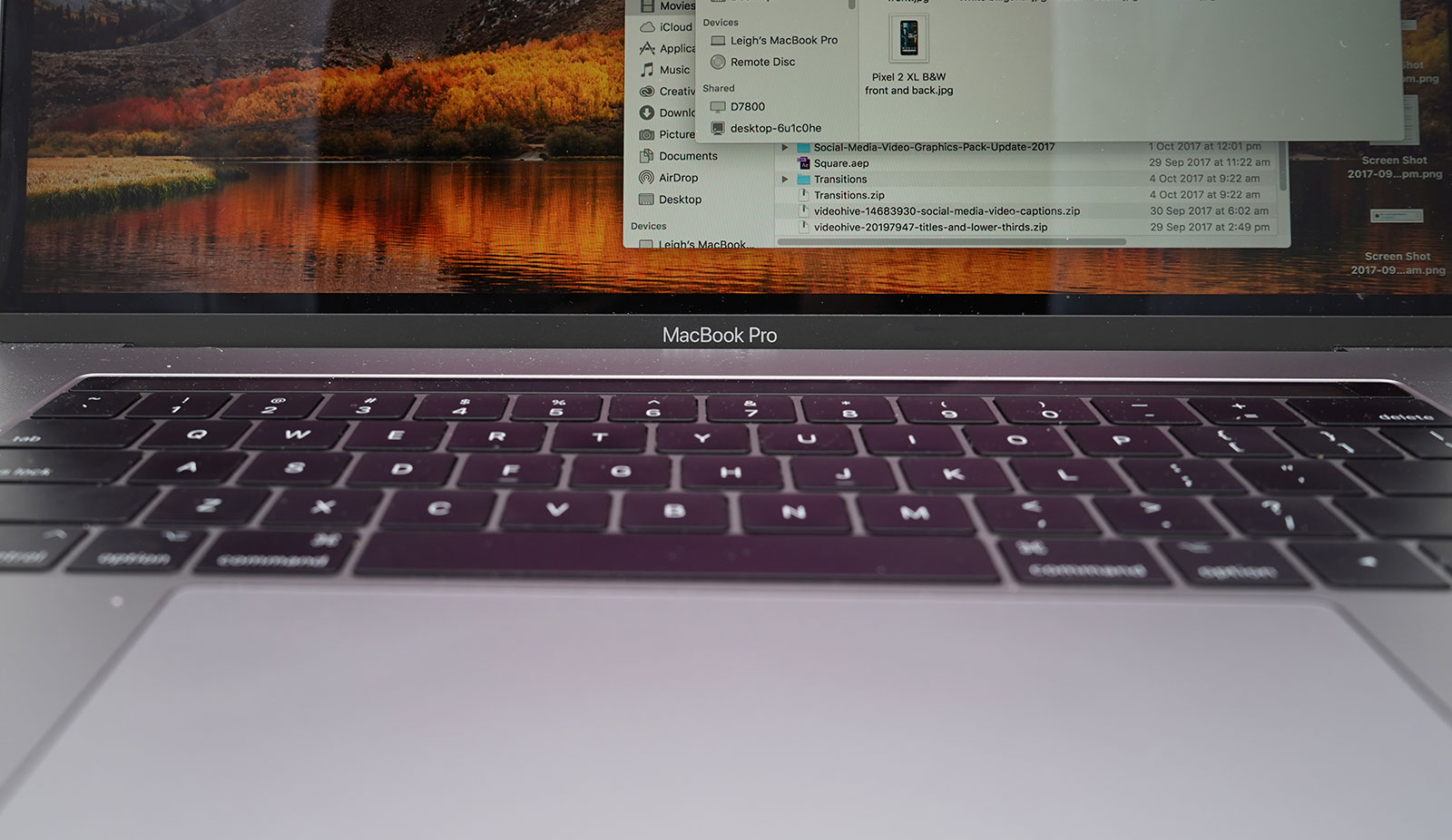
    The biggest innovation in the 2016 MacBook Pro (as well as this 2017 model) is Apple’s sliver of an OLED touch screen, which the company calls the Touch Bar My reaction? I’m sorry, but I want (most of) my effin Fn keys back.


    In my whole month with this MacBook Pro, I found that the Touch Bar was mostly an accident waiting to happen. The majority of my interactions with it happened unintentionally; while typing, I would activate the digital Esc key while trying to hit the ` or 1 keys.

    On the upside, the far right end of the Touch Bar contains a Touch ID sensor, which is my favorite part of the MacBook Pro’s outer body. The convenience it offers, allowing me to unlock my login IDs and passwords from the 1Password utility, is electric, especially when the alternative is typing out my complex, 23-character pass code.

    Though, having Siri as a button for easy, constant access is a major plus, given the wide control it has over macOS in comparison to other digital assistants.


    The Graphics Upgrade

    The 2017 Pro also gets an updated set of graphics hardware options. The integrated graphics chip goes from the Intel HD 530 to the HD 630 (part of that jump to the Kaby Lake platform), and the discrete graphics go from AMD Radeon Pro 450 and 455 parts to — you guessed it — Radeon Pro 555 and 560 options. Every 15-inch MacBook Pro laptop includes an AMD GPU, while the 13-inch models make do with Intel’s built-in graphics.

    If that’s the good news, then the bad news may be that if one or more of the features of the new MacBook Pro design kept you away, (the super-flat keyboard, the Touch Bar, USB-C ports, etc.) then this set of 2017 revisions isn’t going to do anything much to change your mind.


    Quick Spec Look

    • 15.4-inch LED-backlit display with IPS technology, 2880-by-1800 native resolution at 220 pixels per inch
      2.6GHz quad-core sixth-gen Intel Core i7 processor
      AMD Radeon Pro 450 graphics based on the 14-nanometer Polaris architecture
      16GB RAM
      256GB SSD
      4 x Thunderbolt port
      Touch Bar with Touch ID
      Price: $2,399 (up from $1,999 for the previous entry model)
      A fully kitted-out 15-inch MacBook Pro (featuring 2.9GHz quad-core i7, 2TB SSD, and Radeon Pro 460 with 4GB of memory) costs $4,299


    The Final Thought

    The updated 15-inch MacBook Pro gets faster processing and graphics options. It’s still the biggest and most powerful laptop Apple makes. The giant touchpad is easy to use and battery life is excellent. If you are in need of a new laptop look not further you will not find a better example of excellence.

  • HP Caters to Budget-Conscious Gamers with New PC Lineup

    HP Caters to Budget-Conscious Gamers with New PC Lineup

    Sure, there are some folks who don’t mind throwing three grand at a new computer rig that will run every game in existence at ultra-high 4K settings. But some of us have tighter budgets to deal with, and HP just released a new line of gaming computers with us in mind.

    Desktop Entries

    The Pavilion Gaming towers (690 and 7900 are aimed at gamers not interested in mobility or custom-building a rig. The swing-out hard drive trays make upgrading drives easy and the dual fans should be adequate for standard cooling.

    The desktop price range for the 690 starts at $549 for an entry level system: 3.5GHz Ryzen 3, Radeon RX550, 8GB of RAM and a 1TB platter hard drive. Buyers can scale the price up to $1,699 for the 790 for an uptick in performance: a 3.2GHz Core i7, GTX 1070 video, 32GB of RAM, a 256GB SSD and a 2TB platter disk.

    There are options for even higher-end video cards such as the RX580 and GTX 1080. Hard drive space can be maxed out at 3TB and more RAM can be added. The 690 tops off at 16GB while the 790 can go up to 64GB.

    Laptop Entries

    The Pavilion Gaming laptop starts at $799, featuring a 2.3GHz quad Core i5, Radeon RX560X, a 1080p display, a 1TB platter drive and 16GB of Optane storage. If you want to bump your spend to $1,019, you can get a six core 2.2GHz Core i7, GTX 1060 graphics and a 1080p screen at 144Hz.

    Other options can move the screen up to 4K resolution and a storage combo that pairs a 128GB SSD with 2TB of platter storage.

    Non-Gaming Entries

    HP isn’t only catering to gamers, however. There’s also a new version of the 14-inch Pavilion x360 with a fresh design that features a smaller bezel and a fingerprint reader. The standard Pavilion desktops and laptops also got a design refresh and performance boost.

    Look out for all of these new computers sometime between May and June!

  • New VIZIO Home Theater Sound System Lineup Includes Dolby Atmos Support and Other Features

    New VIZIO Home Theater Sound System Lineup Includes Dolby Atmos Support and Other Features

    VIZIO revealed their new 2018 Home Theater Sound Systems with Dolby Atmos support. These new sound bars also feature other smart home features powered by Google.

    Sound System Configurations

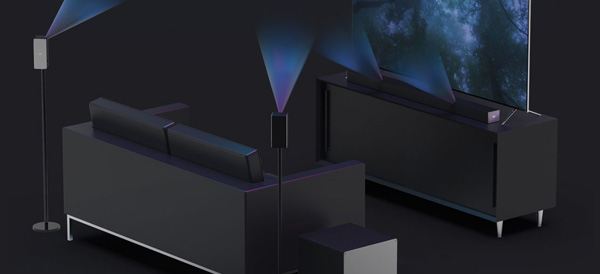
    The new sound bars come in three configurations: a 46” 5.1.4 sound bar, a 46” 3.1.2 sound bar and a 36” 5.1.2 sound bar. They have also added a new 36” 2.1 sound bar with built-in dual subwoofers.

    Dolby Atmos 5.1.4

    This immersive cinema sound experience features a total of 10-channels. This is a 5-channel sound bar with up-firing speakers to bounce sound off the ceiling. It also features two rear surround speakers with 2 up-firing speakers and a wireless subwoofer.

    Dolby Atmos 3.1.2

    Another great cinema experience with a total of 6-channels. The sound bar features 3-channels with 2 up-firing speakers. Like the 5.1.4, the system features two rear surround speakers and a wireless subwoofer. However, the rear surround speakers in this set to not include up-firing speakers.

    Dolby Atmos 5.1.2

    Splitting the difference between the previous two offerings is the 5.1.2 system. It features the same sound bat as the 5.1.4, with 5-channels and 2 up-firing speakers. The rear surround speakers are the same as the 3.1.2 set with no up-firing speakers. And of course, the wireless subwoofer is included.

    Smart Features

    Chromecast and Bluetooth support means that you can stream your favorite artists and apps directly to the sound bar. Just connect your phone or tablet and you have an instant audio entertainment center! You can also stream over Wi-Fi.

    Another new feature is the ability for your VIZIO sound bar to work with Google Assistant. This means that you can use your voice to control the sound bar.

    New 2.1 Sound Bar

    For those needing something more compact, the 2.1 sound bar has you covered! You’ll get to experience a sound bar with 2 built-in subwoofers to ensure that your cinematic experience gets that deep bass it deserves.

  • Smartphone Spotlight: Huawei P20 Pro

    Smartphone Spotlight: Huawei P20 Pro

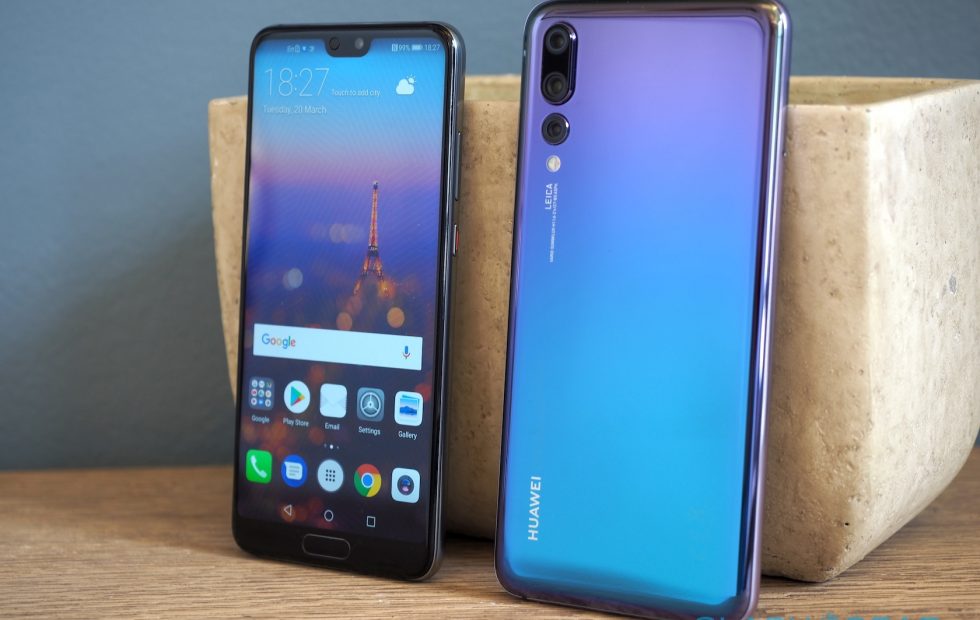
    HUAWEI’s P series has always been a pioneer of smartphone photography. Now the HUAWEI P20 Pro is once again leading the way with the revolutionary Leica Triple Camera, where aesthetic vision meets an advanced camera system that shines a light on intelligent photography. Inspired by the radiant energy of light itself, the HUAWEI P20 Pro is available in a new gradient color finish. The effect is a luminescent color progression that is unique amongst smartphones. Designed to be exceptional in every way.


    The Great

    • Fantasic camera
    • Big battery with lots of stamina
    • Optional (ish) notch
    • Fast face unlock

    The Not

    • No wireless charging
    • No headphone jack
    • Minor fizz to the OLED screen


    The Conclusion

    40MP, the world’s first triple camera, 5X Hybrid Zoom, artificial intelligence in all the ways, and the most unique color on any smartphone ever. These are just some of the features Huawei is hoping will make you check out its new flagship, the Huawei P20 Pro.


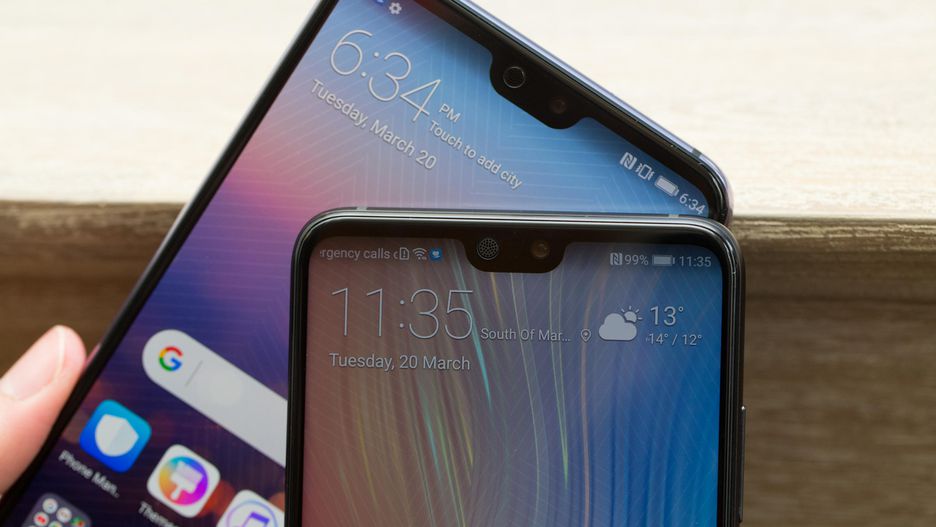
    The Huawei P20 Pro is a phone that stands out with its large, spacious display and its triple camera at the back. Its huge screen occupies most of its front, with a notch at the top housing the earpiece and front-facing camera. The triple camera arrangement is comprised of a massive, 40MP camera for regular shots, a 3X zoom telephoto cam, and a monochrome sensor enabling bokeh effects. On the inside is a powerful Kirin 970 chip, along with plenty of memory and a huge battery


    The Design

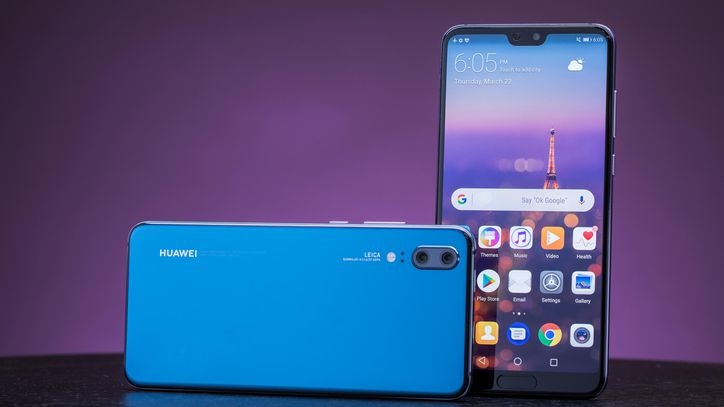
    The Huawei P20 Pro borrows several design cues from the iPhone X, with a vertical camera placement on the back and notch atop the screen. It stands out with three cameras and the unique twilight color, which awakens everyone’s inner wish for a real-life unicorn.

    Beneath the screen is Huawei’s fingerprint sensor, which is flat, wide, and allows you to unlock your phone while it’s laying face up on a table. I’m normally a bigger fan of Huawei’s rear-mounted fingerprint sensors thanks to their added support for summoning the notification shade, but the P20 Pro’s scanner is still fast and reliable and supports gesture controls for navigation.

    The power and volume keys on the right offer nice feedback and the power button has a nice accent color. The bottom houses a speaker, microphone, and USB Type-C port. There’s no headphone jack, but an adapter comes in the box. I’m not an audiophile so I usually pick convenience over function, so I’m fine with Bluetooth audio. It’s the easiest solution and the Huawei P20 Pro works well enough in this regard.


    The Camera


    If you’re interested in the Huawei P20 Pro, there’s a good chance it’s because of the camera array. There are three cameras on the back, one 40MP main sensor, a 20MP black and white one and a 3x zoom 8MP camera.

    You can shoot at 3x without digital zoom, and even get good results at 5x. The real star here is low light performance, though. Standard night shooting just about matches the best, but a dedicated night mode lets you take low light shots with dynamic range to rival an APS-C DSLR.

    The Huawei P20 Pro also has a very high-resolution 24MP front camera for detailed selfies and reliable face unlocking.

    Quick Spec Look

    HUAWEI Kirin 970 CPU, octa-core + micro core i7, 4 x Cortex A73 2.36 GHz + 4 x Cortex A53 1.8 GHz

    Size: 6.1 inches;

    Type: OLED;

    Colour: 16.7 M colours;

    Resolution: FHD 1080 x 2240, 408 PPI

    OS Android™ 8.1

    6 GB RAM + 128 GB ROM

    Rear camera:

    Tri-lens camera:

    40 MP (RGB, f/1.8 aperture) + 20 MP (Monochrome, f/1.6 aperture) + 8 MP (Telephoto, f/2.4 aperture), supports autofocus (laser focus, deep focus, phase focus, contrast focus)

    Note: The photo pixels may vary depending on the shooting mode.

    Front camera:

    Single-lens camera:

    24 MP, f/2.0 aperture, supports fixed focal length


    The Final Thought

    When all is said and done, the new Huawei P20 Pro will quite possibly be the hottest Android phone of 2018. On top of beastly specs and a very sleek design with one color that has a crazy gradient color effect, the P20 Pro has the best camera of any smartphone ever. The triple-lens design is truly unique, and it helps the P20 Pro pull in all sorts of extra data that tremendously improves image quality. There’s only one problem: the Trump administration doesn’t want you to have it. We will have to wait to see how this pending trade war works out before we see it in every teenagers hands in the US. There are 2 stores on eBay taking pre-orders now for the US and it will ship 4/18

  • Tech Throwback: Nokia N-Gage

    Tech Throwback: Nokia N-Gage

    I like to take a look at where I’ve been to evaluate where Im going. Technology is cyclical after all… wait no its not. That said I still like all the feels that come rushing back like a flood of nostalgia every time I get my hand on the tech I grew up with. Im going to go back periodically and take a looking at the stuff that used to blow our hair back and get our minds rolling. Some of these device blew up and changed the world, some where ahead of their time and some just fell flat and became colossal failures. Today I’ve got my hands on the old Nokia N-Gage


    Around 2000, gamers increasingly carried both mobile phones and handheld game consoles. Nokia spotted an opportunity to combine these devices into one unit. Nokia announced in November 2002 that they would develop the N-Gage, a device that integrated these two devices. Instead of using cables, multiplayer gaming was accomplished with Bluetooth or the Internet (via the N-Gage Arena service). The N-Gage also included MP3 and Real Audio/Video playback and PDA-like features into the system.


    The original phone’s taco-shaped design was considered clumsy: to insert a game, users had to remove the phone’s plastic cover and remove the battery compartment as the game slot was next to it. Another clumsy feature was the speaker and microphone being located on the side edge of the phone. This often resulted in many describing it as talking into a “taco phone” or “Sidetalking”, or simply that they had one very large ear, because the user held the edge of the phone against the cheek in order to talk into it. Usual for a phone, but unusually for a game system, it had a screen taller than it was wide, with a size of 2.1′ and resolution of 176 X 208, giving an aspect ratio of 11:13; most televisions and portable game screens were 4:3.

    We all thought the N-Gage would define the mobile gaming market: a device that can serve as a mobile game platform, a tri-band GSM phone, an MP3 player, an FM tuner, an e-mail client, and a personal information manager. Unfortunately, several design flaws severely limited the device’s usefulness, and t the N-Gage went down in history as a poorly implemented great idea.


    Hands On 15 years Later

    The original lithium battery on this device has failed but i was able to find a fresh replacement at a pretty reasonable price on eBay. It powers up just like you remember all Nokias did, it has that heavy toy feel as well. I got approximately 6 hours of game time and a few hours of music time. When I spent 5 hours playing games and listening to music, however, the battery died shortly after.

    Its Got Games

    The main purpose for this was to open up the mobile gaming market. We were all dieing to play video games where ever we went in the early century but their just wasn’t the options. Game boys and Sega had games but for a young adult wanted more those were for kids. I’ve been able to locate a copy of Civilization II ans Spider-man 2 and have been playing them all day. The N-Gage is the first place I played Civilization and started a long hobby over many tech devices since. Snake, some Xmen game and a few Tom Clancy games where available as well. Im sure as you all remember the games all came on a MMC card. I tried to condense all the games to one larger card but have been unsuccessful. Playing games on the N-Gage is kinda difficult, mostly because the buttons designed for a phone, are not well-suited for gaming.


    The Final Thought

    It was a leap forward, this was the device that got people thinking my phone can do more, it can be more then just a phone. The PDA functions and bluetooth synchronization lead to a big main stream increase in data being held on a phone. Before this I would only keep 40 or so contacts in my Nokia phones because they wouldn’t transfer from phone to phone. You have to re enter them all over again. I enjoyed my few hours with the phone but finished through everything it offered in a few hours and could imagine needing to revisit it again.

  • Four Free Microsoft Office Alternatives

    Four Free Microsoft Office Alternatives

    Microsoft Office may dominate the standard office application world, but that doesn’t mean you have to shell out money to Microsoft to meet your needs. There are more than a few alternatives to Microsoft’s ubiquitous word processor, spreadsheet and more.

    LibreOffice

    This free and open source office suite is fully compatible with Microsoft Office and features six apps. Writer (word processor), Calc (spreadsheet), Draw (vector diagrams), Math (complicated mathematical functions) and Base (database program). Base is of special note to some users who may be looking for an alternative to Microsoft Access.

    LibreOffice is available for Windows, Mac and Linux. There are no official mobile versions aside from a document viewer on Android, but if your computer is still your home base, then LibreOffice may be the replacement office suite you need.

    Google Docs

    It’s hard to talk about Microsoft Office replacements without mentioning Google Docs. The search company’s collection of online office apps should meet most user needs. The fact that every document you ever create is safely stored in the Google cloud can be a lifesaver.

    You won’t find some of the advanced tools like you’d see in Microsoft Office or even LibreOffice. Compatibility can also be a bit tricky when you try to open Microsoft formats – the conversion doesn’t always look pretty.

    But if you are a basic office suite user who needs to simply create some text documents or simple spreadsheets, then Google Docs may be your best bet.

    Microsoft Office Online

    Microsoft wasn’t keen to stand by and watch Google Docs take a bite out of their user base. So they decided to release their own free versions of Microsoft Office apps.

    These stripped-down versions of their desktop program counterparts are similar to Google Docs in that they are missing some advanced features. But if you are living in a world of Microsoft formatted files and you don’t want the hassle of converting them all to Google Docs, then Microsoft Office Online has you covered.

    Zoho Workplace

    Zoho is a fairly new and exciting addition to online office applications. The new-look word processor ditches the classic Microsoft Word-style interface and uses a formatting sidebar instead. The spreadsheet similarly features a unique interface. Both can produce professional-looking documents.

    Zoho also offers a site creation tool, a file management solution and collaborative tools. If you are starting a small business, then Zoho might have all of your needs covered.

  • Three of the Best Budget-Friendly 3D Printers for Beginners

    Three of the Best Budget-Friendly 3D Printers for Beginners

    The market for 3D printers has exploded over the last few years. There are plenty of options now for rookie tinkerers and experts alike. Today, we are going to round up some of the best options for people who want to dip their toes into the world of 3D printing.

    XYZprinting da Vinci Mini – Around $200

    This is the best budget 3D printer on the list. It’s an extremely affordable way to get into 3D printing. It’s also one of the easiest to use thanks to its interface. Don’t worry that quality was sacrificed, the 3D objects that this printer creates are very good considering the price.

    Its compact size also lends itself to beginners, as it is easy to put on your desk without taking up too much space.

    The da Vinci Mini uses fused filament fabrication and has a minimum layer resolution of 100 microns (maximum 400 microns).

    M3D Micro 3D Printer – Around $350

    Another great option for a starter 3D printer, the M3D Micro 3D Printer is a compact cube that can sit easily on your computer desk. It looks nice, runs impressively quiet and generates very decent small models. This is another great first 3D printer choice.

    The M3D uses fused filament fabrication and has a minimum layer resolution of 50 microns (maximum 350 microns).

    LulzBot Mini – Around $300

    If you enjoy tinkering with hardware, then this may be the 3D printer for you. The hardware is open source, so the community of users are able to create various add-ons for the printer. It’s not as stylish as the M3D or da Vinci Mini, but it is reasonably priced and if tinkering is important to you then looks may not matter as much.

    It does run a bit slower than the other models listed here. The LulzBot Mini uses fused deposition modeling and has a minimum layer resolution of 50 microns (maximum 500 microns).

  • LG G7 ThinQ Unveiling

    LG G7 ThinQ Unveiling

    Lg has set a May 2nd Unboxing event for their newest flagship the G7. There will actually be two launch events for the LG G7 ThinQ: one in New York City on May 2nd, for an international audience, and another in LG’s home turf of Seoul on May 3rd. Like the P20 Pro and the majority of Android flagships this year, the G7 is set to have a notch at the top of the screen


    LG is positioning artificial intelligence (AI) at the core of the G7. This is, in fact, why the company has opted to use the ThinQ moniker. While it might not be the most attractive name, it is one which has been specifically chosen to reflect the intelligence underlying the LG G7. As that intelligence goes well beyond just what the smartphone can do for you — in terms of the provision of contextual information — with the AI experience having been very tightly integrated with other elements on the G7 such as the camera, another major selling point of the upcoming Android flagship.

     

    The Lg Difference

    Lg is trying to pack a lot in to this G7 starting with the camera.  LG focusing on how the G7 can process what it sees and offer recommendations to get the most out of photos captured with the phone. Specifically, AI Cam will offer four “enhanced filter options” which will provide different levels of optimization based on aspects such as color, contrast, and saturation. According to LG, this will result in the G7 being far more capable in extreme low-light conditions compared to the LG G6, as well as the V30 and V30+. In fact, the G7 will be marketed as capable of capturing four times brighter images and videos compared to the G6 and V30 lineups.

    2D and 3D camera stickers will be available, allowing the user to paste over photos with various animated stickers. Following on from the V30’s introduction of Graphy, the G7 will boast an updated version of the service in the form of Graphy 2.0. At present, it is not quite clear how the new version will fundamentally differ from the previous one.
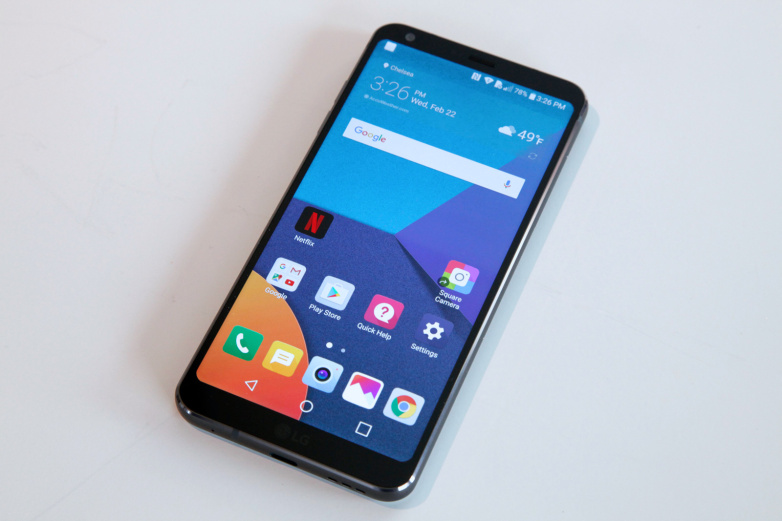
     

    LG has included what it refers to as a “Boombox Speaker” to the G7. On a more technical level, this means the G7 is capable of acting in the same way as a resonance chamber — LG actually claims it is one — and this means the G7 bounces audio signals internally before the signal is outputted to the listener, with the end result being a more booming sound overall.

    The Final Thought

    The LG G7 ThinQ is going to arrive as an all-singing, all-dancing smartphone. AI, cameras, and the two together are going to be some of the primary selling points, although even with the AI elements removed from the equation, the G7 will remain a feature-packed phone. Guess we will just have to wait until May to see.

  • Light L16, The New Camera Idea

    Light L16, The New Camera Idea

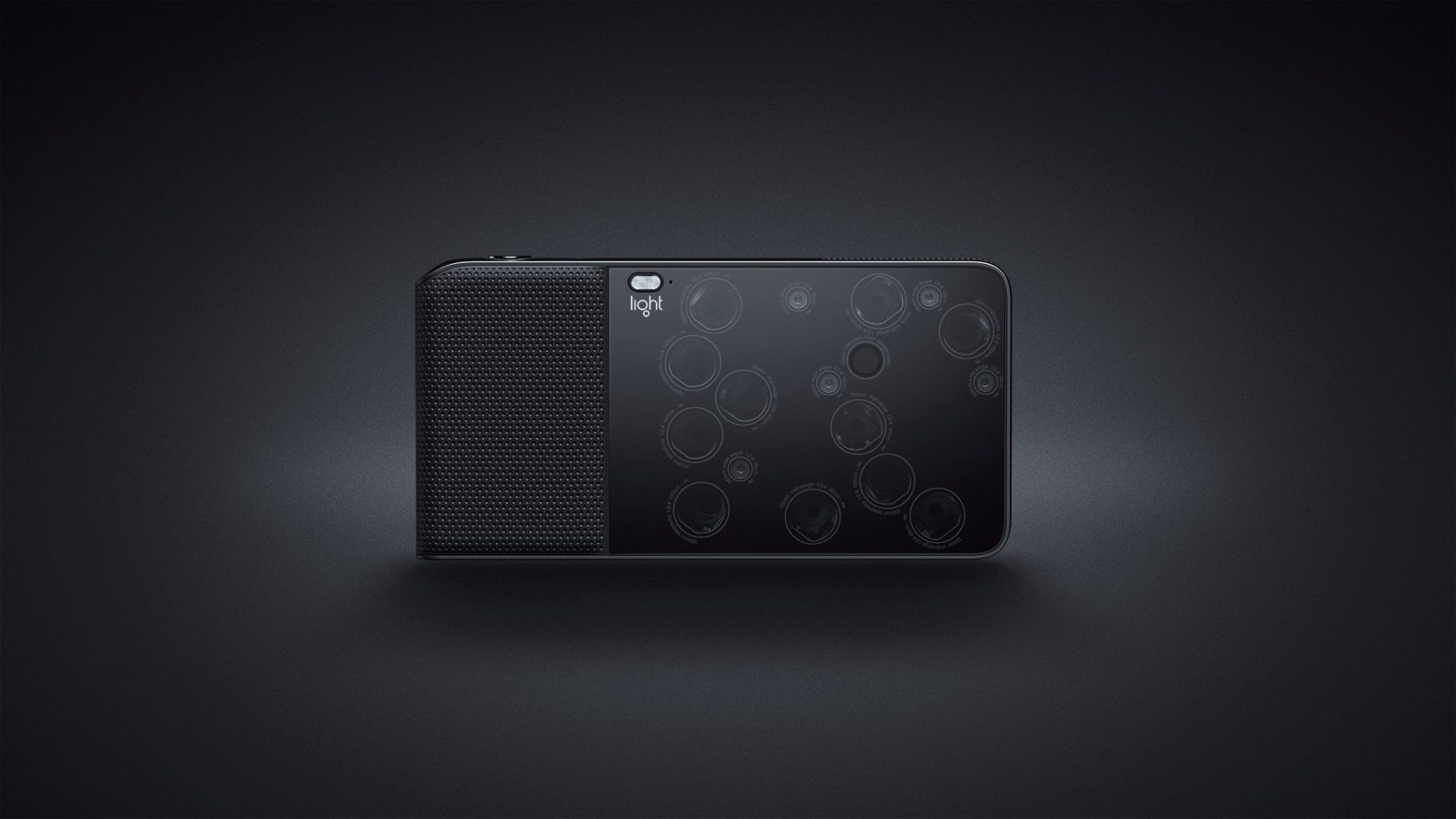
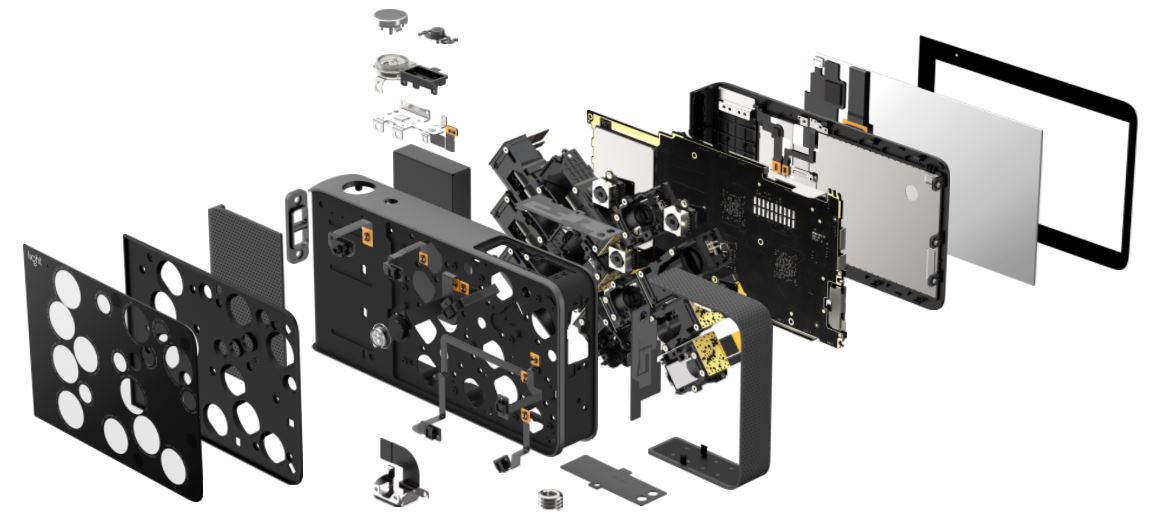
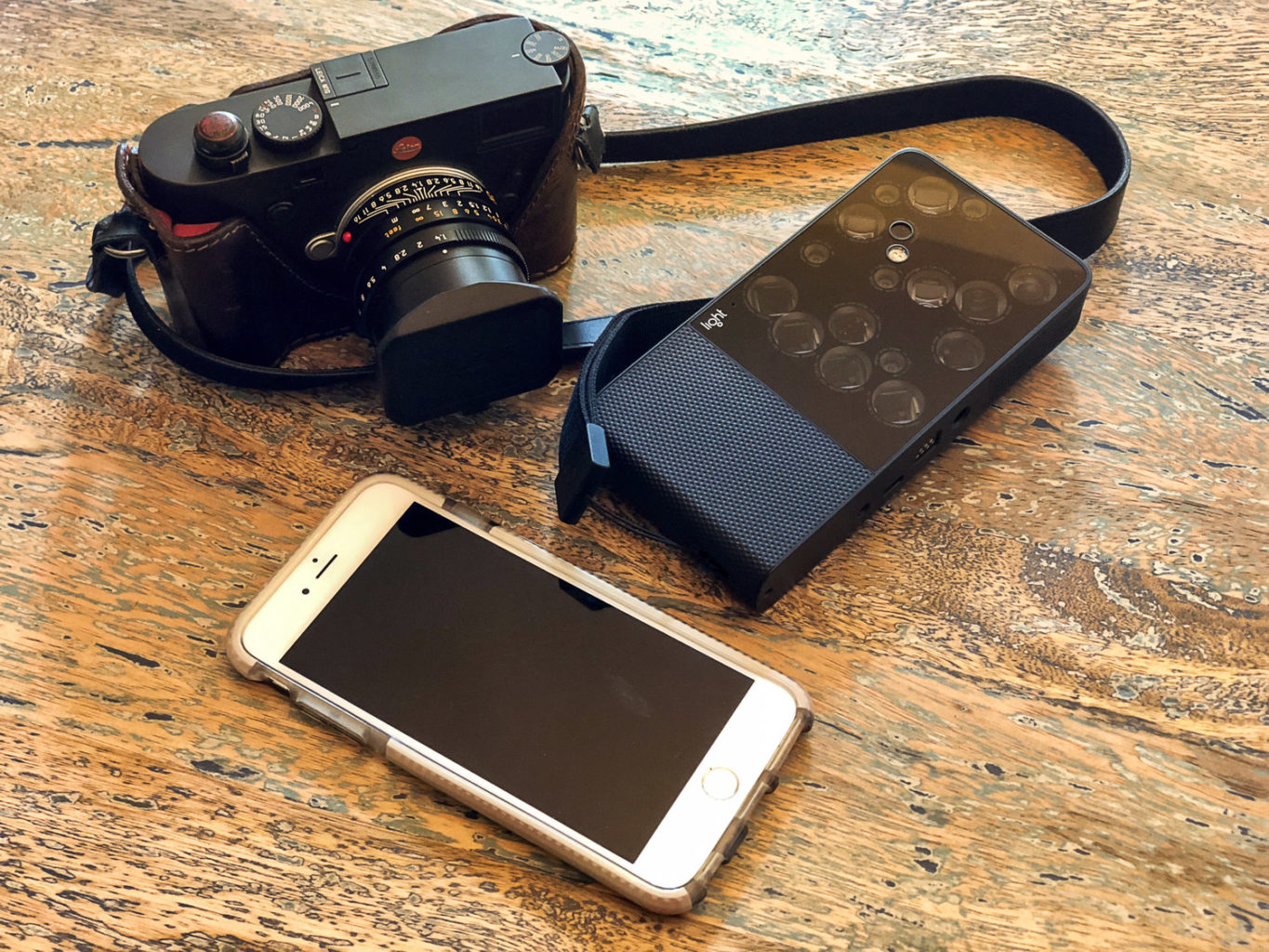
    The L16 combines breakthrough optics design with never-before-seen imaging technology to bring you the camera of the future. With more than 16 camera modules packed into its slim frame, the L16 captures the details of your scene at multiple focal lengths, then uses sophisticated algorithms to combine multiple exposures into a single high-resolution photo. The L16 replaces the bulk and weight of a traditional single-lens camera with many small lenses and sensors that lie at 45-degree angles across a flat plane. When the L16 is fired, light enters 10 or more apertures. Using folded optics, the L16 bounces this light off periscopic mirrors, through horizontal lens barrels and onto individual optical sensors. The result is one exquisite 52MP photo, formed from 10+ slightly different perspectives.

    The Great

    • Computational photography
    • New Approach
    • High Quality Pictures
    • One Camera Solution

    The Not

    • The Price
    • The Look
    • The Underwhelming Pictures


    The  Conclusion

    To get to the basics of it, the L16 makes use of 16 camera modules with varying focal lengths. “Computational photography” is used to fuse the individual photos with depth data that could produce results like a DSLR. Light’s approach towards the functioning is truly game-changing. The incredible zoom range is awe inspiring as it ranges from 28-150mm.

    Tell Me About This Thing

    The Light L16 camera is an engineering marvel. It takes 16 different smartphone-sized imaging modules, each carefully aligned behind a piece of glass, and uses them in concert with each other to create images that are bigger and better-looking than the results the individual cameras are capable of. It does all this in a form factor that’s two or three times thicker than, but not quite as wide as, an iPad mini, something that actually fits in a few pockets and is easy enough to stow in a bag. That’s Light’s selling point for this $2,000 camera: the L16 is ostensibly a full bag of camera gear in one body.


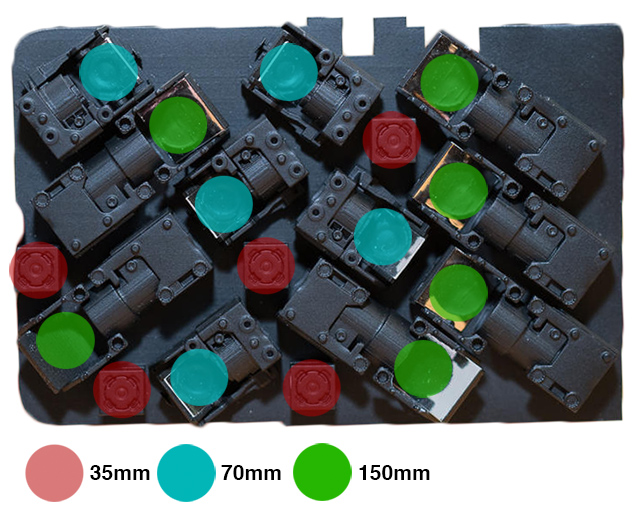
    If you’re having trouble grasping how the L16’s dizzying camera array works, think of it this way: you know how dual-lens phones like the iPhone or Note let you zoom from wide angle to telephoto in the camera app? This is that, stretched to the extreme. The 16-camera modules each have their own image sensor and lens, and they cover different focal lengths. There are five 28mm wide-angle modules, five midrange 70mm, and six 150mm telephoto ones.
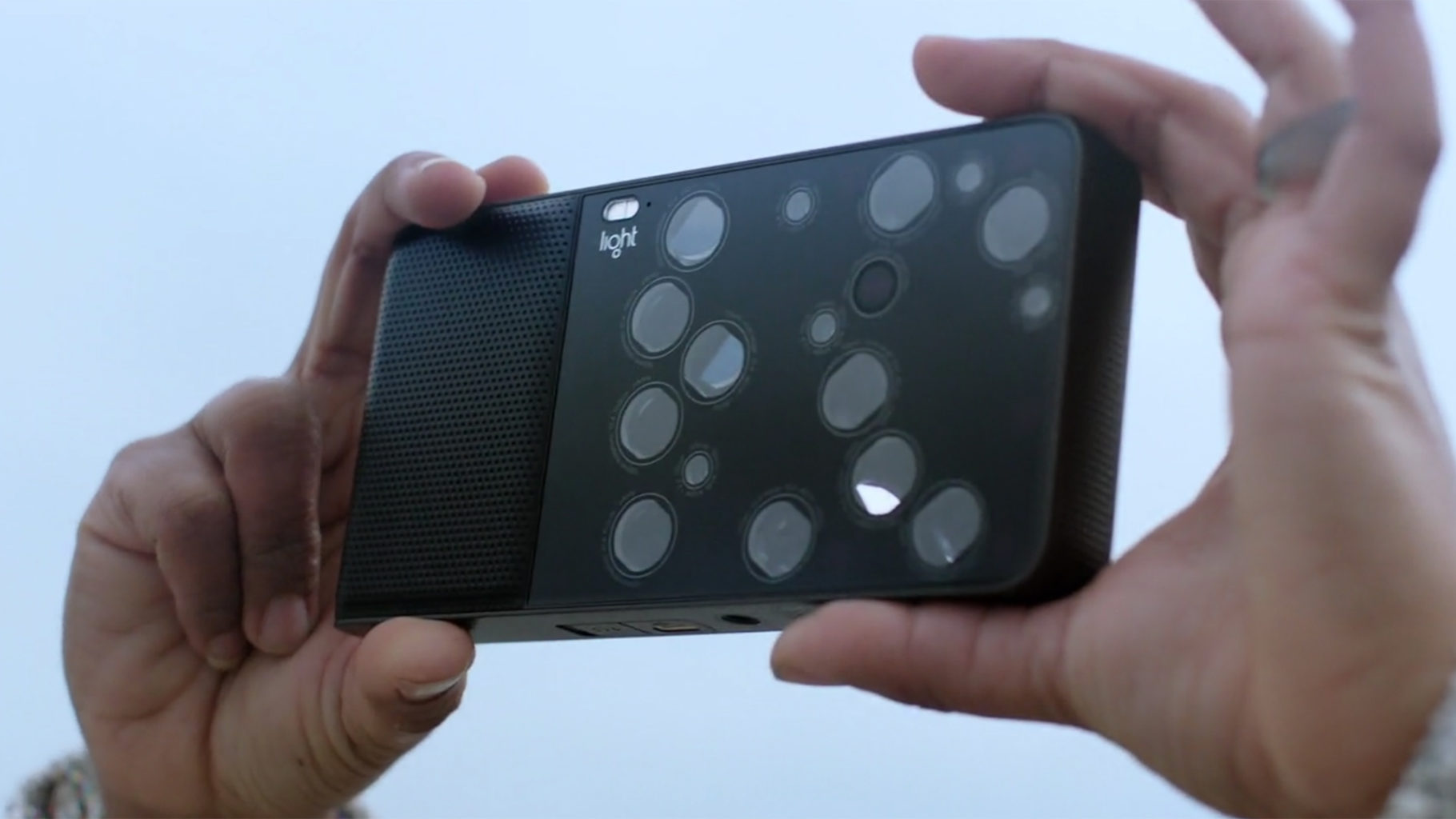
    The big difference between this camera and those phones is that the L16 simulates all the focal lengths in between 28mm, 70mm, and 150mm by combining data from multiple camera modules. So instead of digitally zooming in on the 28mm image to make it look like it was shot at 40mm, it’s replicating that focal length by stitching images together on the fly. This is also why the quality of the L16’s images can be a notch better than that of a single smartphone camera. The L16’s results are slightly greater than the sum of its physical parts, all thanks to some really clever software.

    What Do I think?

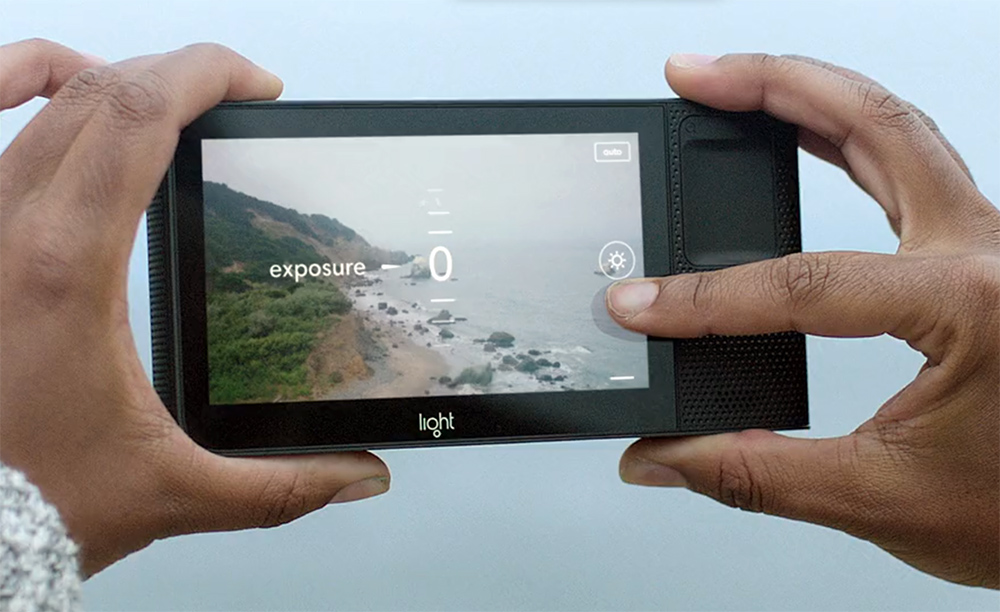
    To be honest, I’m not really sure what to think of the Light L16 camera. It’s a bit of a head-scratcher. On paper it’s a very clever idea: a multi-camera device that computationally creates high-quality, high-resolution photos from up to 16 small, low-resolution sensors, and yet is more pocketable than a big DSLR. The L16’s execution of this, however, at least at this point in time, leaves a lot to be desired. The design of the L16 is awkward, the shooting experience and performance are underwhelming, and the image quality is very inconsistent and often quite disappointing.

    This architecture gives Light a real flexibiilty for future products. Want a pocket-sized 400-600mm camera? Use different camera modules. Want a smaller 35-50mm camera? Drop some of the modules from the L16. It’s not quite that simple, but you get the point.

    Quick Spec Look

    • Full model name: Light L16
    • Resolution: 51.10 Megapixels
    • Sensor size: 1/3.2 inch
    • (4.5mm x 3.4mm)
    • Lens: 5.40x zoom
    • (28-150mm eq.)
    • Viewfinder: No / LCD
    • Native ISO: 100 – 3200
    • Extended ISO: 100 – 3200
    • Shutter: 1/8000 – 15 seconds
    • Max Aperture: 2.0
    • Dimensions: 6.5 x 3.3 x 0.9 in.
    • (165 x 85 x 24 mm)
    • Weight: 15.3 oz (435 g)
    • includes batteries
    • MSRP: $1,950
    • Availability: 10/2017
    • Manufacturer: Light

    The Final Thought

    This camera may not be something that the majority of people want or need, as smartphones are “good enough” and pretty close to the capabilities of the L16. I personally enjoy the semi-concerned glances of total strangers, clearly worried that the thing you just yanked from your bag is not a camera but a futuristic Men in Black sort of weapon.