Month: May 2018

  • TV Shows that Depict Technology Accurately

    TV Shows that Depict Technology Accurately

    Not everyone cares as much about technology as I do, which is fair. I’m kind of a nerd. But you know when you watch a movie or TV show and see something that just doesn’t… work? It just doesn’t work that way, guys! You can’t “enhance” footage from a CCTV camera! That’s not how recording technology works!  

    Alright, I’m good, I swear. With that, let’s introduce our favorite TV shows that get tech right. 

    Sherlock 

    This show is fantastic, for one thing. It’s engaging and smart and fast-paced, keeping the viewer on the edge of their seat. Story beats are often depicted through text messages, as is common in modern tales. Sherlock pioneered a visual technique that makes these texts flow beautifully in the action. 

    In Sherlock, texts appear as floating, stylish words onscreen near the characters reading them. This more accurately represents what it feels like in the moment when you’re reading your phone. By using this technique, Sherlock smartly sidesteps a common pitfall of TV set in modern day: how do you depict smart phone interfaces on screen? 

    Black Mirror 

    This show’s whole premise is how terrifyingly likely its scenarios are. Black Mirror is a modern blend of the Twilight Zone and cautionary sci-fi tales of the 50’s. Episodes meditate on the potential fallout of technological advances. One episode presents perfect recall through recording software embedded in your eyeballs. Another imagines a world where everyone has a social rating like a credit score displayed for all to see. 

    The anthology-like presentation and believable technology make Black Mirror a scary peek into our own potential future. Without the believable, down-to-earth technology, the show wouldn’t work on as many levels as it does. 

    Silicon Valley 

    Silicon Valley is a very goofy show about some very goofy software developers. Depicting the ins and outs of an internet start-up, Silicon Valley does a great job of accurately depicting the lives of programmers. From the accurate depictions of Silicon Valley offices to the types of desks and computers developers use, the show is certainly on the nose. 

    This is no surprise however. The show was created by Mike Judge, who also created King of the Hill and Office Space. Judge has also been part of an internet start-up himself, so he knows the source material personally. This lends the show a “real”-ness that ups the credibility of its technology–and its laughs.  

    Our Favorite Depiction of Technology on TV: Mr. Robot 

    The phenomenal and believable hacking on Mr. Robot comes courtesy of love and care from the show’s producer. Kor Adana, once a cyber security specialist, helps advise on the show. Adana uses knowledge from his previous vocation and ample consultation with real hackers to make the show believable.  

    On screen command prompts and use of actual technology help ground the show. The believable hacking and tech make the show that much more engaging, lending it credibility. This makes Mr. Robot as close as we’re likely to get to a televised version of Neuromancer. 

     

  • ChroMorphous: New Color Changing Smart Fabric Controlled by an App

    ChroMorphous: New Color Changing Smart Fabric Controlled by an App

    The next generation of wearable tech is upon us in the form of ChroMorphous, thanks to the hard work of researchers at the University of Central Florida. Their new battery-powered wearable tech changes color when turned on, and can be controlled directly from a phone app. Their color-changing clothes may just represent the future of clothing! If this sounds like a sci-fi novel to you, you’re not alone. 

    How Does ChroMorphous Work? 

    The tech, which is still in the early stages, incorporates a unique combination of micro-wires and color-changing pigments powered by electrical signals. The researchers call it ChroMorphous. The chameleonic fabric is somewhat dense and thick, with comparable texture to canvas, making it somewhat bulky.  

    The researchers are working on making the tech smaller and softer, however, with intentions of mass producing the stylish technology. This technology would likely be tremendously popular! Rather than buying different clothing to match with each other, you could just buy the styles you like and set the color on the fly! 

    Other Applications 

    Technology like this is likely to become the norm in the near future. At Ohio State University, researchers have created similar technology with micro-antennae capable of sending and receiving signals from smart devices. Such technology would allow for application in more than just fashion.  

    Virtual reality games, for instance, could make use of the tech to track users. Smart home devices could identify users and be controlled via body gestures with this kind of technology. Clothes themselves could become smart devices: synching with your home’s virtual assistant and updating your clothing on the fly.  

    The possibilities are really endless! 

  • Project Maven Causing Internal Strife for Google 

    Project Maven Causing Internal Strife for Google 

    Project Maven has led to some dissatisfied employees quitting from Google. According to a new report from Gizmodo, the Maven AI project has driven these employees away due to its combat applications. The original report holds that nearly a dozen employees left the tech giant after their concerns over the project went unaddressed. This type of brain drain is certainly bad for Google. Highly skilled programmers leaving the company only helps Google’s competitors: they are likely to hire such talented employees. Not to mention, continued development of military technology could damage Google’s brand.

    What is Project Maven? 

    Project Maven is an AI piloting program that Google has partnered with the Pentagon to complete. The program’s purpose is to create an AI that can pilot military grade drones. In April, nearly 4,000 Google employees signed a petition beseeching their employer to not have anything to do with drone strikes. More than a month later, some employees felt as though the company hadn’t done enough to distance itself from violence.  

    Militarily speaking, it is understandable why the Department of Defense would be interested in AI to pilot drones. However, such AI would also be quite dangerous, and it makes sense that many Google employees would have less desire to work on such a project than on something more peaceful. 

    Google’s Role in Warfare 

    Google isn’t exactly known for their advancements in military technology: they’re a consumer technology company. This is certainly an unusual direction for them. However, given their new push for dominance in the field of AI, however, Google seems to have attracted military attention—and military money.  

    What will this mean going forward? Will we see more employees leaving if the company pursues Project Maven further? Or will the company back away from this course of action? The answers to these questions may shape humanity’s relationship with AI. 

  • Considering a Tech Job? Check Out Our Top Ten Jobs in Tech!

    Looking for a tech job? Thankfully the tech world is a very different place than it once was.

    At one point in time, tech jobs were considered very niche and not many opportunities were available. In the modern day, however, some of the best jobs in the world are tech jobs! If you’re seriously interested in pursuing a career in technology, there are a lot of paths you could head down. With that in mind, here’s our 10 favorite tech jobs.

    Computer Support Specialist

    Starting our list is the computer support specialist job! This tech job has an average salary of around $52,000 per year. Computer support specialist responsibilities typically include helping people with operating systems, malfunctioning computers and login issues. Part computer whiz, part customer service expert, computer support specialists often work in call centers. Occasionally they will also work in traditional office settings, helping other employees of the same company.

    Web Developer

    Web developers are specialized coders who use code languages to create websites. The typical web developer makes around $66,000 per year and can expect steady work. Web developers tend to work for corporate or business clients who need a website built. Some designers work alone to create the front and back end of a website, while others are more specialized and work with a group of designers. In either event, knowledge of code and programming is required, making this a good fit for coders looking to use their skills artistically.

    Computer Programmer

    A computer programmer uses code like C++ or Python to tell software what to do. Making around $79,000 on average, computer programmers have no lack of available jobs. Indeed, nearly all tech companies have openings for programmers. Due to the nature of coding, many programmers are able to work for home, which is a plus for some. However, many note that programming can be tedious and stressful, so it’s certainly not for everyone. If you have the know-how and the will, however, it can be a great career to pursue!

    Computer Systems Administrator

    Systems admins work with servers and networking to ensure a company’s local network is operating efficiently. This tech job is for those who can think on their feet and problem solve rapidly: companies depend on their networks. When those networks aren’t working, the systems admin has to be able to react quickly and fix the problem. That said, these employees are certainly compensated for their hard work. A systems administrator makes an average of around $80,000 in a year.

    Database Administrator

    This tech job is a little more complex to explain. A database administrator is sort of like a curator of information. Most DBAs help maintain databases of a company’s most valuable info, keeping it organized and concise for readability. This job requires superb communication skills, as you will need to keep others informed of where to find relevant data. It also requires a detail-oriented, organized person with a good deal of computer knowledge. If you fit the bill, you’ll be happy to find that DBAs make around $85,000 a year.

    Computer Systems Analyst

    Computer systems analysts oversee system overhauls and upgrades. When a firm or business hires a systems analyst, the analyst figures out their client’s tech needs, shows them a proposal for a new system that will be more efficient and cost-effective, and then oversees the installation. As a job that requires constant interaction with clients and programmers and installers, this position is often held by outgoing and personable professionals. These analysts have a large number of responsibilities to manage. However, they also make a good deal of money doing it. The average systems analyst makes $87,000 a year.

    Information Security Analyst

    This is a very important job in any organization. Acting as an information security specialist requires great knowledge of counter-intrusion software and great patience in monitoring systems. Many who have deep knowledge of hacking and computer viruses find this field appealing. As a legal way to ply the trade of hacking and dissecting viruses, this is an interesting position. If you have the required skill and dedication, you can make an average of $92,000 a year.

    Computer Network Architect

    As a network architect you build and maintain an interconnected network of servers. In addition to the technical knowledge required to build these systems, network architects also manage staff. Overseeing teams installing new servers and maintaining networks is a key aspect of this tech job. Additionally, people in this position would work closely with their company to help them achieve their network goals. Network connectivity like cloud saves and other internet-based infrastructure are the work of network architects. Computer Network Architects make around $101,000 per year.

    IT Manager

    The highest average salary on this list, IT managers make an average of nearly $140,000 per year. However, that salary comes with a lot of responsibility! These managers typically work closely with other top management to help guide the organization. Tech needs are always changing, so this guidance is important for any business to grow. Additionally, any upgrades or changes to a business’s technology would likely be overseen by the IT manager.

    Our Top Pick for Best Tech Job: Software Developer

    Software developers help create the apps we interact with every day. From recipe apps to banking apps to social media, most every software suite was shaped by a software developer. Our pick for best tech job, software development is in high demand. And that demand isn’t going away anytime soon! Android and iOS are immensely popular and software development for them is sought after by many large companies. For those with the artistic and coding skill to develop software, this career pays well and offers loads of opportunity. With average salaries of $100,000 a year and tons of potential for advancement, software development is a great choice for tech job.

  • Smartphone Spotlight: OnePlus 6

    Smartphone Spotlight: OnePlus 6

    OnePlus’s deal has always been offering flagship-level internals coupled with minimalist software, all for significantly less than similarly-specked devices. The  6 has all the right stuff you’d expect Is the the 6 the smartphone you deserve?

    The Great

    • Beautiful Screen
    • Blistering performance
    • Great battery life
    • Flagship-caliber cameras
    • Very fast charging:
    • Amazing value
    • Beautiful all glass design

    The Not

    • No wireless charging or microSD slot
    • Lacks optical zoom
    • No IP-rated water resistance

    The Conclusion

    If you’re willing to put up with a few small compromises then you could argue the OnePlus 6 could be even further up this list. One thing is for sure though: in terms of value for money it won’t disappoint.


    It seems every six months or so OnePlus treats us to a new flagship level phone at a completely reasonable price. Most companies are struggling to put out something different enough every year. All that and all, lets get to this latest installment of OnePlus, the 6.

    The OnePlus Design

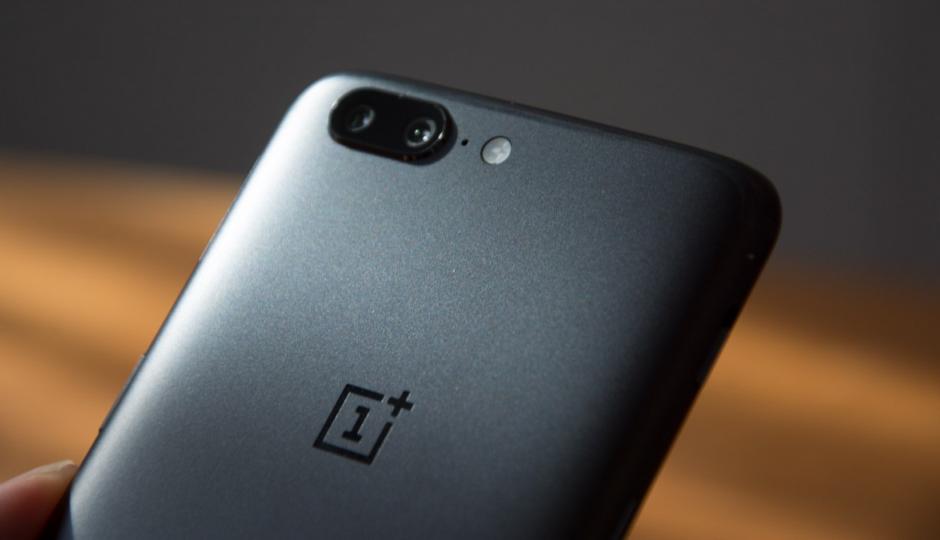
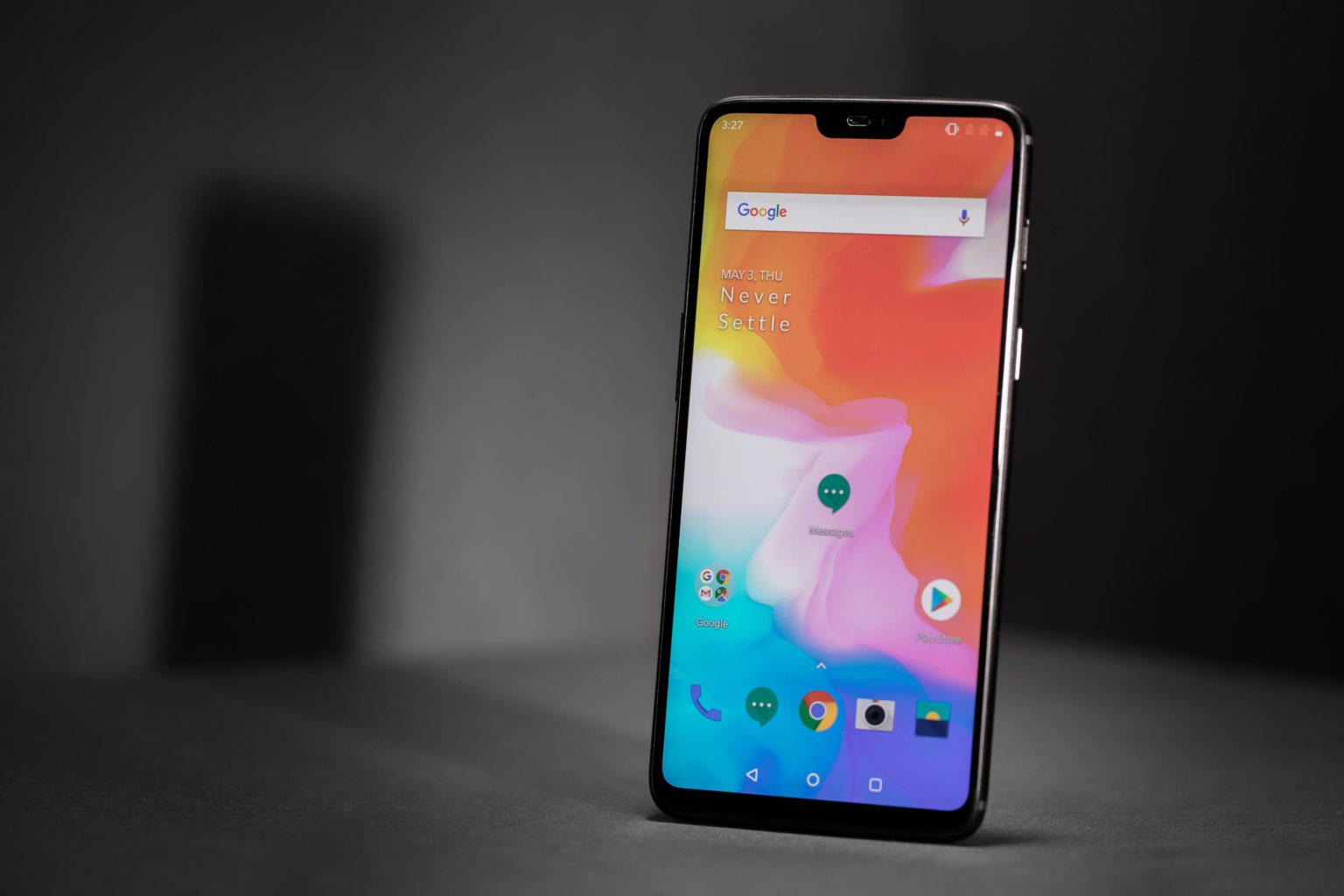
    OnePlus has really showed up with the all-glass body  on the OnePlus 6. It looks and feels oh so nice: It’s soft and smooth, with a cool touch. It’s very reflective too, mostly on the mirror black model. I just like pressing it to my face. While I  don’t feel like the glass body made the phone overly slippery, and it’s easy to hold with one hand. Using it is a harder task due to the size of the screen. It’s a little harder to get to the opposite corner with your thumb.

    Three Colors

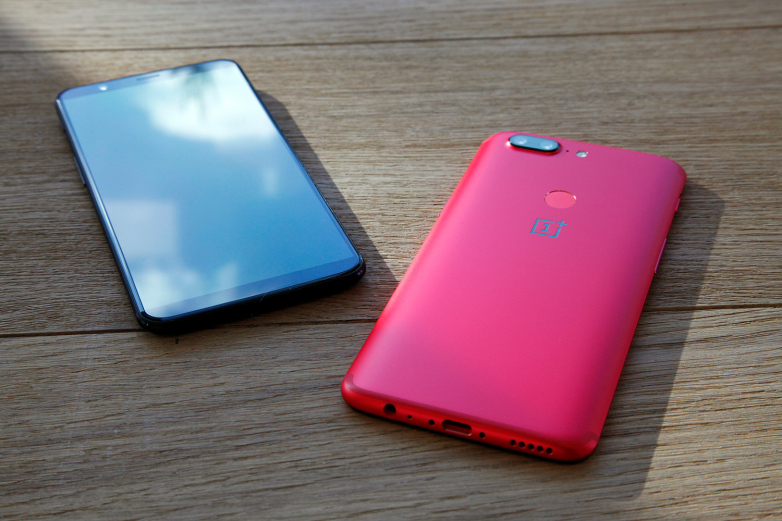
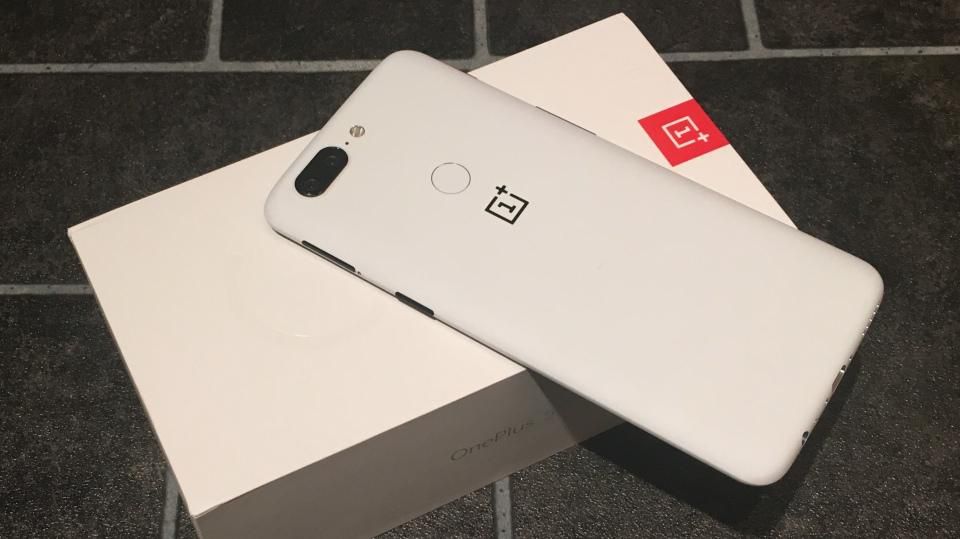
    Mirror Black is one of three versions for the OnePlus 6. The glass is super-shiny and though it certainly does attract fingerprints, it’s not the smudge magnet you might have imagined. Midnight Black is color two: a matte finish  This is a more conventional-looking finish that will be especially familiar to owners of earlier OnePlus phones. Last is the Silk White: a classy option, for your tuxedo nights on the town look. It has a sprinkling of pearl powder as part of the six layers and emphasized by the rose gold edge, camera relief and OnePlus logo


    The Performance

    The  6 is powered by the Snapdragon 845 processor with a whopping 8GB of RAM. The phone has been lightning fast in our brief time using it. It all feels very refined. OnePlus uses the tagline, “The speed you need,” for the 6, It seems cheese and completely unsustainable for an android base phone, but here we are. The power is good, lets just not get cocky.

    For the Camera OnePlus has gone a more regular route, perhaps, by using two rear cameras, both color RGB sensors. One is a 16MP sensor with an f/1.7 aperture and big pixels 1.22 microns). It has optical image stabilization, something OnePlus fans had requested.

    Quick Spec Look

    • OS Android  8.1 Oreo with OxygenOS
    • Screen Size (Resolution) 6.28-inch AMOLED (2280 x 1080)
    • CPU Qualcomm Snapdragon 845
    • RAM 6GB/8GB
    • Storage 64GB/128GB/256GB
    • microSD Slot No
    • Rear Camera Dual: 16 MP (f/1.7) with OIS; 20 MP (f/1.7)
    • Front Camera 16 MP (f/2.0)
    • Battery Size 3,300 mAh
    • Water Resistance None
    • Size 6.13 x 2.97 x 0.30 inches


    The Final Thought

    The 6 has all the Power, Size and Looks available to make a splash and a price point to be desired. There is nothing here truly lacking out side of the water resistance and the wireless charging, only thing I could do with out is the boasting.


  • Tech Throwback: Sony Walkman

    Tech Throwback: Sony Walkman

    I like to take a look at where I’ve been to evaluate where Im going. Technology is cyclical after all… wait no its not. That said I still like all the feels that come rushing back like a flood of nostalgia every time I get my hand on the tech I grew up with. Im going to go back periodically and take a looking at the stuff that used to blow our hair back and get our minds rolling. Some of these device blew up and changed the world, some where ahead of their time and some just fell flat and became colossal failures. Today we are going to talk about the Sony Walkman


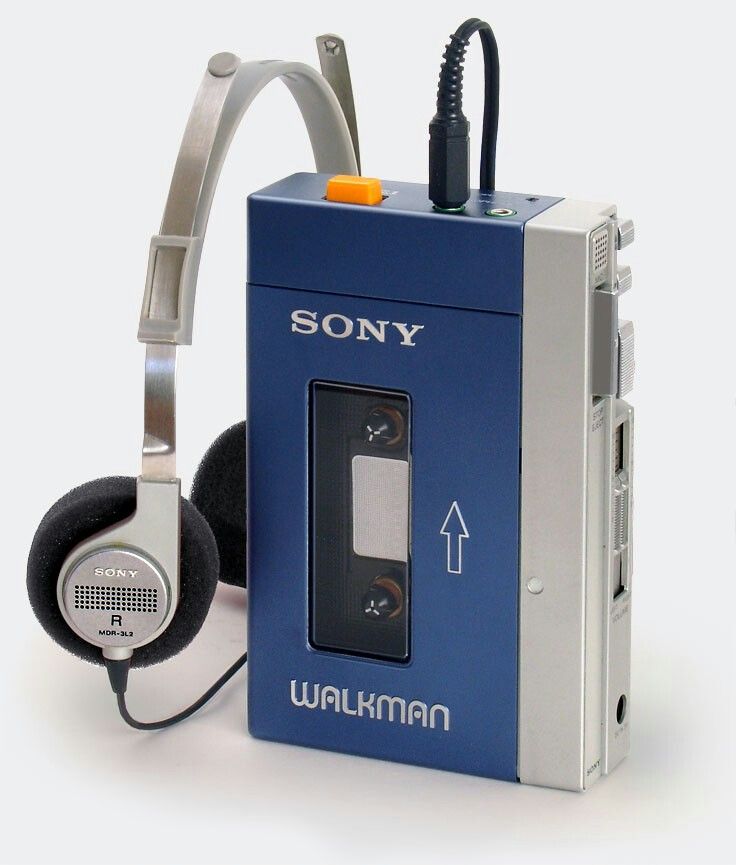
    Walkman cassette player, released in 1979, changed music listening habits by allowing people to listen to their music whilst on the move. This could turn everyday tasks like commuting and running into pleasurable experiences. It gave commuters a sense of privacy, and add a soundtrack to urban surrounding. At the time a lightweight portable stereo system where that of future fantasy. Sony’s current portable option was the 5 lb TC-D5 and It was far to heavy and expensive to be revolutionary. We all just had to be content with listening to records in our basements. Then June 7th, 1980 happened, hello Walkman


    little fun fact about the Walkman name, the Walkman name was thought to be too Japanese- English so it was called the soundabout in the US at first. It was nearly called the Disco-Jogger. Thank Thanos that didn’t happen, I can tell you the Disco- Jogger would not be getting its own Tech Throwback Spotlight…

    Sony Walkman, Just Press Play

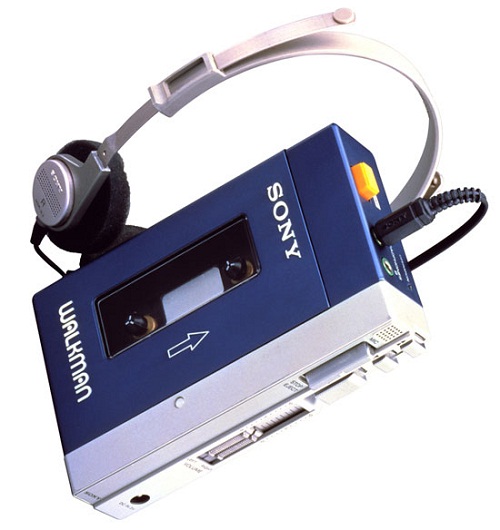
    So I found the original Sony Walkman, TPS-L2 , you know the one Starlord likes to listen to yacht rock on. Ive popped in some fresh double AA’s and I’m ready to pop open may old cassette collection.  First thing I notice on this is as I insert my Batman forever sound track cassette and press the rewind button to U2’s Kiss me , Kill Me, Thrill Me,  is that it has 2 headphone jacks.

    Living in a world today where all the tech companies are trying to steal my headphone jacks away, this makes me smile. The TPS-L2 does not have a record option, there is also a hotline button. Hotline button activates a builtin microphone. This did come in handy from time to time. However to record music on to a tape portabley was a whole nother problem. You had to hold the microphone up to the music, the sound quality was awful. You got all the surrounding background noise while trying to record a bootleg copy of the new New Kids on the Block cassette..


    The Final Thought

    Its simple, Its Timeless. This  belongs in every time capsule from 1979 till the day societies forget about time capsules. It opened music up to place and routines it didn’t quite fit before. Time would take several decades for this magnificent device to be faded out to an ipod. It saw many glorious changes, adaptations and complete evolutions. Who remembers the grandchild of the Walkman, the skipping prone Discman. It will forever be a classic. This helped make us all think the 80’s where a wonderful time to be alive.


  • Top Ten Ways AI Will Change Your Life Forever

    Top Ten Ways AI Will Change Your Life Forever

    After watching Google Duplex demonstrations at this year’s I/O conference, one thing is clear: Artificial intelligence will change our lives. All manner of practical applications are being explored by leading AI companies like Microsoft and Google. To help you wrap your head around what the future holds, we’ve rounded up 10 ways AI will be changing your life forever!

    Speech Recognition

    01-ai

    Photo Credit: Robohub

    The technology that powers all AI assistants, speech recognition tech is very exciting going forward. The ability to organize your life and appointments with your voice alone is engaging and exciting to a degree that is hard to overstate. Alexa, Google Assistant and the like all make excellent use of this technology to power their unique promise of being user-friendly, dynamic and useful to users of all skill levels. This technology can also help disabled people type by using their voices, increasing the accessibility of personal computers and other platforms.

    Making Appointments

    02-googleduplex

    Photo Credit: Android Central

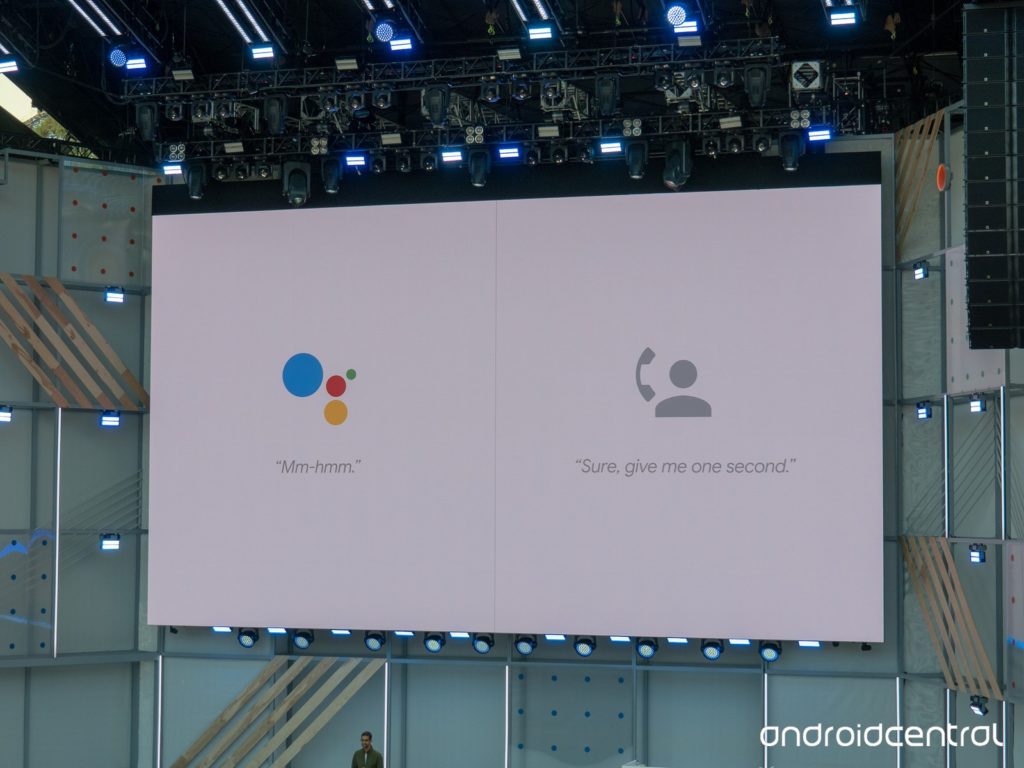
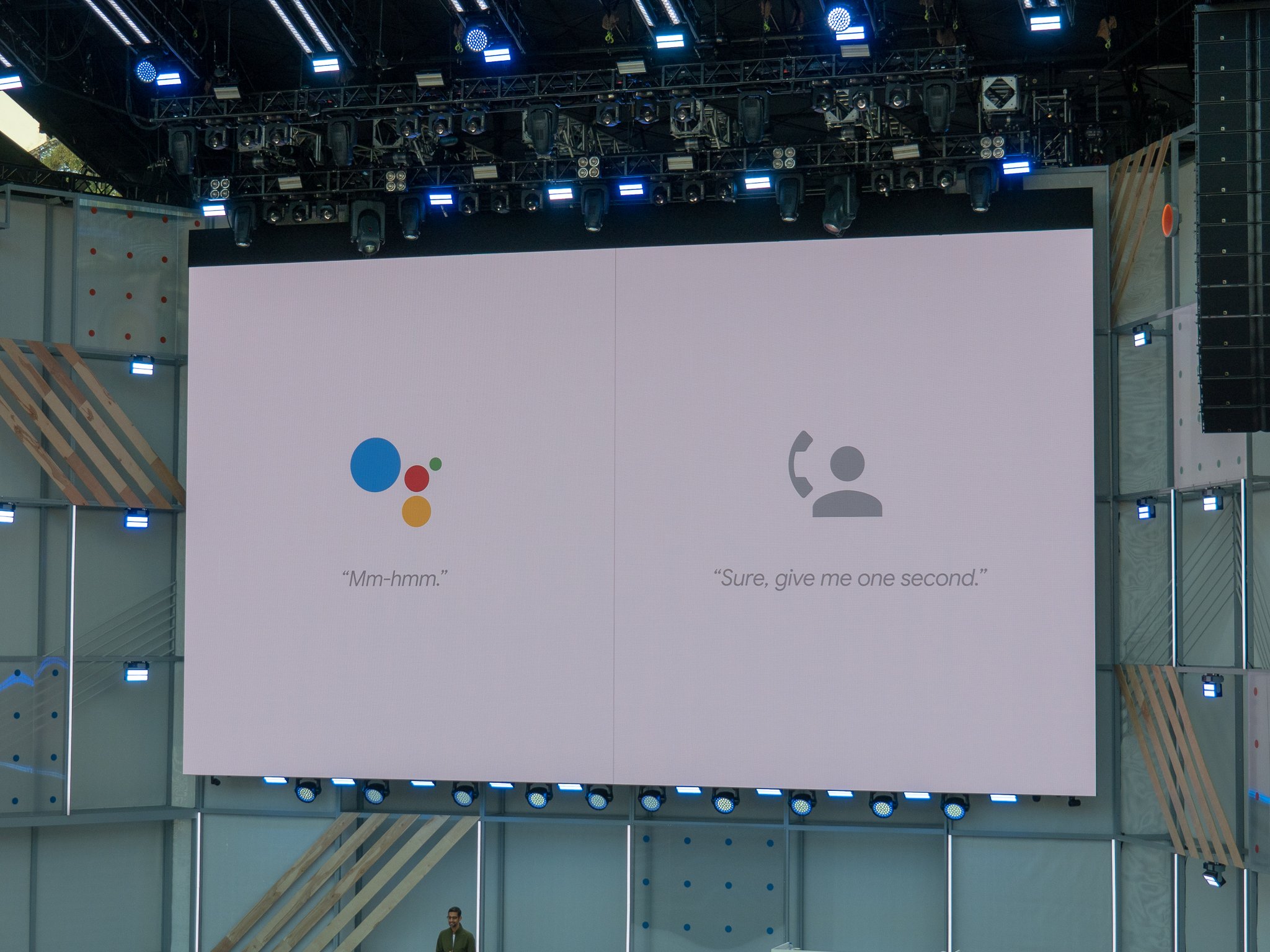
    Assistant calling was unveiled at 2018’s I/O conference by Google, in the form of their Google Duplex technology. This revolutionary AI functionality allows the Google Assistant platform to make phone calls for users, setting up appointments, reservations and the like. This is exciting for users with phone anxiety or trouble speaking, or just for users who are busy and don’t have time to call in themselves. While this raises a few ethical questions regarding machine voices being indistinguishable from human voices, the practical applications of the technology are undeniable.

    Machine Learning

    03-machine-learning

    Photo Credit: Future of Life Institute

    Machine learning is largely considered the marker of “true” artificial intelligence. By synthesizing concepts encountered and reacting based on past information, AI with machine learning capabilities would be able to react in ways humans can’t predict. These applications could be applied to market trends in order to assist stock brokers or as assistants to surgeons during procedures. The potential uses of this type of learning are staggering: imagine intelligences reasoning and problem solving with the speed and accuracy of a machine during such tense activities as piloting a spaceship or during peace talks between warring nations.

    Advertising

    04-facebook

    Photo Credit: The Sun

    People are still understandably anxious regarding companies like Facebook using algorithms to target them with content. However, this will hardly stop the future of learning algorithms and, eventually, true AI using their data collection to target users with advertisements and articles. As with many AI-related fields, this is a hotly debated subject, raising ethical questions as to the responsibility of advertisers and media platforms. It seems unlikely that such reservations will stop companies from leveraging the considerable power of machine learning in order to boost their profits.

    Personal Assistants

    05-echo

    Photo Credit: B & H

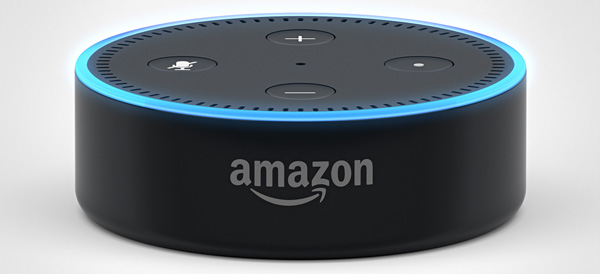
    The most obvious and immediate effect artificial intelligence has on the lives of everyday consumers is through the virtual assistants we all now carry in our pockets. Using a virtual assistant has become second nature to most smart phone owners. The act of asking Siri or Cortana or Google to make a phone call for us is natural and easy. Incorporating similar technology into smart speakers and smart displays was a logical next step: Google and Amazon want to bring their brand of AI into your life and make themselves indispensable. Individual reliance on AI assistants will likely become as commonplace as reliance on cell phones and the internet is now.

    Data Gathering

    06-ai

    Photo Credit: News Medical

    A pressing application for businesses, sifting through and organizing data is likely to be the primary role of corporate AI. For companies with extensive logs and ledgers, the ability to instruct an AI to quickly sort data and parse it for relevant information is likely to change the face of business. Reading market trends and sales data at speeds impossible for humans, AI could give companies an edge over competition and help them make smart business decisions. Similar to artificial intelligence applications in advertising, AI use as information comb is likely to be a primary function of AI for business.

    Biometrics

    07-biometrics

    Photo Credit: Security Exhibition and Conference

    For consumers, thumbprint scanners that unlock their phones are a well-known application of biometric technology. Biometrics also, however, have many applications in relation to AI. Using AI to learn about people from their biometrics would allow for numerous advances. For example, early warning of diseases like cancer and diabetes would become more common. Additionally, such AI could help in developing treatments and cures for diseases monitored through biometrics. Market applications of biometric AI tech would likely include AI interfaces in retail stores that allowed for checkout using thumbprint or facial recognition. Technology in this vein is already in use via services like Apple Pay.

    AI-Optimized Hardware

    08-ai

    Photo Credit: Out of the Box Science

    As computer processors and graphics cards have begun pushing the limits of what their hardware is capable of, manufacturers have begun speculating on the potential of AI-assisted hardware. Using advanced learning AI to make micro-adjustments on the fly could help high end graphics cards or processors speed up beyond their current limitations. Coupled with experimental quantum computing techniques, such technology would likely reshape the face of computing as an industry and redefine what computers are capable of.  Such a leap ahead could potentially dwarf previous technological advancements.

    Automation of Processes

    09-automation

    Photo Credit: Forbes

    Much like the robotics boom that helped automate factory labor, AI technology will likely see automation of numerous work tasks previously able to be done only by humans. Utilizing Google Duplex-like technology, phone customer service could be fully automated. Rather than staffing buildings full of workers to answer phone calls, companies could outsource all phone calls to an AI programmed to answer questions. This is only one example: programming, research and development, analytics and market research could all be tackled by learning AI. Such advancements could be monumental, allowing for full automation of nearly all virtual jobs.

    Robotics

    10-ai

    Photo Credit: CardsChat

    Beyond just automating jobs that occur in a virtual space, complex AI software housed in advanced robotics could automate physical labor on a scale previously impossible. Agriculture, construction and maintenance work could potentially all be automated by AI-powered robots. While this likely sounds like high-concept sci-fi, such a future is becoming more possible, and more likely, with each passing day. As companies continue to push the boundaries of what AI is capable of, a future where all work tasks are automated becomes more and more likely. This could lead to a utopia where all people are free to pursue their own desires, or a dystopia where people are ruled robots. Just kidding! Or maybe not. We’ll cross that bridge when we get to it! For now, I’ll suspiciously eye my Amazon Echo and hope it doesn’t try to kill all humans anytime soon.

  • The Best Cities to Find Tech Jobs

    The Best Cities to Find Tech Jobs

    Demand for software engineers, programmers and other tech jobs has only gone up in the past decades. If you’re a tech professional looking for a city to call home and find work, we’ve compiled a round-up of our favorite cities for tech jobs. If you’re thinking about moving, we’re here to help you with your considerations. Read on to find out which cities we think are the best for tech jobs!

    Seattle

    Between Amazon, Microsoft and Boeing there are plenty of opportunities for tech professionals to find work in Seattle. Salaries for the tech field average nearly $100k per year, making this a desirable home for many who aren’t scared off by near-constant rainfall or expensive housing. While progressive tax bill proposals have stopped planning for new Amazon locations, these plans are likely to resume. Amazon isn’t the only game in town, and they’re hardly likely to stop focusing on their home city over a few tax code changes.

    Philadelphia

    Home of tons of new start-ups, the city of brotherly love is a great place for a tech professional. Salaries in Philly average around $97k, making it a reasonable consideration on the basis of money alone. As for those start-ups, they range from initiatives to increase diversity in the tech field to programs intended to feed newborns. This city is also the home of Philly Tech Week, a week-long celebration of the city’s bright future in technology. The deep history and rich culture of the city are certainly considerations to keep in mind when weighing options!

    Los Angeles

    You would’ve been surprised if this one hadn’t made the list, huh? Home of clogged freeways and gorgeous beaches, LA remains a giant in the tech field. If you can stand the traffic, there is plenty of money to be made in LA: tech professionals average $99k per year. Between the weather and the opportunities here, LA is a fantastic home for a professional, and those second-guessing the city due to the corwds, fret not. Tesla’s Elon Musk has promised a solution to the traffic problem in the form of “boring tunnels.” Here’s to boring solutions to boring problems!

    San Diego

    Sporting some crazy tech professional salaries averaging $101k per year, San Diego is a great choice for those in the tech field. Home of tech giant Qualcomm, San Diego is clearly a city focused on tech: they recently started a 3-year test program for drones with the Department of Transportation. This test program will allow for more pilot programs for food deliveries and the like via drones. Much like Los Angeles, San Diego boasts stellar weather and beautiful beaches, making it an ideal pick for professionals looking to enjoy their days off in the sun.

  • The Best iOS Photo Apps for Shooting and Editing

    The Best iOS Photo Apps for Shooting and Editing

    Everyone loves to snap pictures! Every smart phone is equipped with great camera functionality, but they lack a decent photo app to go with it. Whether you’re looking to send pictures to family or post them to show your friends, you’re probably wondering which photo apps are the best! Here’s a round-up of our favorite photo apps!

    Snapseed

    Snapseed is a user-friendly photo editing app for iPhone. Allowing for different filter types and tools for adjusting exposure and sharpness, Snapseed allows for professional-style photo editing from your iPhone. You’re also able to edit only selected parts of a photo, letting you fine-tune images to your taste! It even has a healing tool like Photoshop. Best of all, this app is free! Snaseep is our favorite iOS photo editor.

    Cortex Camera

    This app is fantastic for shooting in low-light or nighttime situations. Using a really neat process, Cortex Cam is able to cut down of visual grain that is so common in low light pictures. Typcally, when taking pictures in low light, your phone camera will increase the ISO to attempt to squeeze more light into the lens. This has the side-effect of creating grainy images. Cortex Cam combats this by taking a large number of images in a short span of time and collating them into one image, eliminating that visual noise. This is easily the best app for low-light shooting!

    Superimpose

    Another Photoshop-like app, Superimpose allows two pictures to be blended together. If you want an app to blend together two photos from your phone, this is the app for you! This app has gradient masks that allow for one photo to mask the dark aspects of another with its own light aspects, allowing for interesting artistic projects. Superimpose can also be used for double exposure-style pictures, like using a foreground from one photo and a background from another. Superimpose is $1.99 on the app store, but you get a ton of awesome functionality for that price. If you’re looking to make compositions from your phone, Superimpose is a great app for you!

    Our Favorite Photo App: Camera+

    This app is exactly what is says it is: an enhanced version of the iPhone’s existing camera app. This app gives shutterbugs precise control over their phone’s camera functionality. Between altering shutter speed and white balance, this app is a must-have for smartphone camera enthusiasts. Camera+ has a manual focus function that is especially helpful for photographing extremely close objects, which is great!  It also has a handy 30-second delay feature for those who want to take pictures with themselves in the frame.If you have the technical know-how, or want to develop it, this app is a great choice for you!

  • Need a New Monitor? Check Out Our Favorite Curved Displays!

    Need a New Monitor? Check Out Our Favorite Curved Displays!

    Experts say that curved displays are the most natural viewing experience for humans, since our eyes are round. This, they claim, makes curved displays more natural and pleasing to the eyes, reducing eye strain and leading to a better experience. Curved displays are measure in terms like 1800R, which refers to the radius of the imaginary circle the curvature would create. Thus, larger numbers mean less curvature. With that said, let’s check out our favorite curved monitors!

    HP Z38c

    Sporting a 3,840 x 1,600 resolution and an impressive 37.5″ display, this curved HP is a great pick for professionals. At 2300R, this isn’t the most curve-y screen on the market, but its ultra-wide aspect ratio and deep color display make it a comfortable viewing experience. This display sports ports for HDMI, DisplayPort and USB-C. On the flip side, it has no built-in speakers and no audio out, so you’re going to be using a separate device for sound.

    This monitor boasts an impressive IPS panel display, allowing for superb curved monitor viewing. With stunning colors and impressive brightness, this monitor would look great on a desk and work even in brightly-lit office buildings. For professionals who want an excellent curved 4K image, this is a great pick. It is a little expensive, though, coming in at $1200.

    Samsung C27F398

    Our favorite curved monitor for those on a budget, this Samsung gives you a great, comfortable viewing experience without costing you too much money. For $280, you get a screen with 1800R, which is a real sweet spot when it comes to curved displays. This display is 27″, notably smaller than the previous entry, but it still puts out a phenomenal image for the cost.

    It is notably less bright than the HP, as well, making it more suited for home use instead of office use. This monitor also comes with eco-friendly picture modes as well as eye-friendly, blue light-reducing modes. An overall impressive value for the price, this Samsung makes a great choice for first curved monitor for the curious.

    Our Favorite Curved Display: Samsung CF791

    This is our favorite overall monitor and offers a fantastic image quality. This monitor has a 1500R curvature, making it the most curved display on this list. Samsung’s monitor utilizes “quantum dot” technology, which supposedly uses a series of microscopic dots to produce colors and images. This supposedly leads to a sharper, crisper, “purer” image. Either way, the results are stunning: this monitor looks downright amazing.

    This monitor sports two HDMI ports, a DisplayPort, and two USB-A ports, as well as a headphone jack. For gamers, this monitor sports AMD FreeSync, synchronizing the monitor refresh rate with the frames per second of an AMD graphics card. This is a feature designed to reduce visual tearing and other noise caused by out-of-synch refresh rates.

    The monitor also has the Samsung proprietary Game Mode, which turns off a number of superfluous display functions in order to minimize display lag. The CF791 is an overall fantastic monitor, and our pick for favorite. The only downside on this display? It’s a little expensive, retailing for $950.