Month: July 2019

  • DNA Tests: Separating Fact and Fiction

    DNA Tests: Separating Fact and Fiction

    Everyone has that basic curiosity about where they come from. While some people might ask “where did I come from?” in a more existential sense, there are ways to find out where your genetics are quite literally from using modern science. Recent advantages in DNA sequencing technology have led to a dramatic increase in interest among people wanting to learn more about their genetic background.

    However, a number of myths regarding DNA tests still persist. Today we’re going to go over some of the most common misconceptions regarding ancestry DNA tests. We’ll look at what the tests can and can’t do to help you decide whether it’s something you want to spend your money on.

    Types of Test

    There are actually three major types of tests that can determine specifics about your DNA. The one you’re likely familiar with is the autosomal DNA test, which is commonly used to determine your ethnic background and your connection to your living cousins. You get half of your autosomal DNA from your father and the other half from your mother. However, it’s worth noting that autosomal DNA can only really be traced back about six generations.

    The other two major ways to trace DNA back are mtDNA tests and Y-DNA tests. These represent tests done to trace the mitochondrial DNA and the Y chromosome, respectively. As such, mtDNA tests are useful for tracing the maternal lineage of a subject, while Y-DNA tests can track their paternal line. It’s worth noting that a subject who doesn’t have a Y chromosome can not benefit from a Y-DNA test.

    On Ethnicity and Origins

    One of the most common arguments among anthropologists and genetic researchers centers on discussions of ethnicity and region of origin. While it’s easy enough to pinpoint certain genetic features shared among currently living humans in modern-day regions, it requires a bit of educated guesswork to say which ethnicity, or which region, certain genetic markers belong to.

    Some of the issues with pinpointing exact geographic origins for genes is that humans, historically, have moved around a lot. If your ancestors were very rooted in place and resistant to influxes of foreigners, it’s likely easy to distinguish your DNA from that of most other people in the world. For an example of this, one could look at Japan’s largely isolationist worldview up until the end of the second World War.

    However, if your ancestry includes lots of people who moved from region to region, even as often as once every few generations, it gets very difficult to pinpoint your exact geographic origins. While researchers do a lot of work to make sure they offer as accurate a view as possible, the truth is, most people have such a complex heritage that it’s difficult to say that their genetics are originally “from” anywhere in particular.

    Extended Family

    One of the common misconceptions about DNA tests also holds that they are able to help determine your distant family members, long-lost distant cousins and ancient relations. However, as we noted, autosomal DNA tests (the kind that most commercial DNA services offer) only reach back around six generations. This means that these tests are great at determining close relations, like parents, siblings and cousins, but not so great with longer stretches.

    In short, DNA testing through a major DNA service is a very cool way to learn about your genetics and how they compare to currently-living humans. You’ll get a great broad picture of your genetic background, and you’ll see some researchers’ best guess as to where your genes hail from. However, DNA testing isn’t a magical way to determine that you were related to some ancient king or long-lost civilization. That doesn’t mean it isn’t fun to dream of, though!

  • Buzz Off: Stopping Mosquitoes from Ruining Your Summer Fun

    Buzz Off: Stopping Mosquitoes from Ruining Your Summer Fun

    Whether you’re grilling out, spending the day by the pool or just relaxing in the back yard, the last thing you need is a bunch of mosquitoes trying to suck the life out of you. They’re annoying, they’re itchy and they can carry some gnarly diseases. Today we’re going over some of the best ways you can take steps to keep mosquitoes off of you and out of your yard.

    Buzz Off, Mosquitoes!

    Keeping Your Yard Clear

    One of the best ways to deal with the amount of mosquitoes in your yard would be to take care of any potential collectors of standing water. Mosquitoes are naturally drawn to still water as a source of nourishment and as a place to breed. Overturned buckets, birdbaths, dishes and the like are all ample breeding grounds for the blood-suckers. Make sure you clear all of these from your yard, and ask your neighbors to do the same to clear up any mosquito issues in the neighborhood.

    Another good strategy for keeping your home mosquito-free naturally is to leave any harmless spiders you see outside alone. Spiders do a great job of controlling local mosquito populations by trapping them in their webs and eating them! As such, if you see any non-harmful spiders spinning webs, or even daddy long-legs spiders, let them be! They’ll help keep your yard bug-free.

    Keeping them Off

    Of course, this is a good way to reduce their number, but you’ll want a way to deal with them in the moment, too. A mosquito swatter is a great first step in this regard: it’s a bit thicker and heavier than a fly swatter, mounted on a springy wire. These types of swatters help you get momentum to swat any errant mosquitoes that have made the mistake of trying to drink your lifeblood.

    Another good way to keep mosquitoes off of you is to wear long-sleeve shirts and long pants that are loose-fitting and breathable. Of course, not everyone wants to wear long clothing during the height of summertime, so this works better if you’re out in the evening when a cooler breeze is blowing through.

    Warding Mechanisms

    You can ward mosquitoes off with citronella products. For whatever reason, mosquitoes become confused and repelled by the smell of citronella. You can wear citronella oil on your skin as a warding agent, keeping mosquitoes from wanting to land on you. Another method is to use citronella candles, burning them to diffuse the smoke throughout the air, which can confound and repel nearby mosquitoes.

    Essential oil diffusers can also be used to diffuse citronella oil into the air. You don’t need to use just citronella oil, either. Other essential oils, like lavender, catnip and lemon eucalyptus can all have mosquito-warding effects. This makes them ideal for use during outdoor events in the summer, as the oils tend to smell nice while keeping you and your guests free of the annoying little bugs.

    Trapping Mosquitoes

    If you’re downright sick of mosquitoes coming around your house and just want to kill them off altogether, you can set up mosquito traps. A low-budget option would be a dish of soapy water. Placing it in an otherwise innocuous location can entice passing mosquitoes to stop for a drink. However, the soap bubbles trap them and make their wings heavy, drowning them.

    There are also more high-tech solutions, mosquito-trapping machines that use heat and carbon dioxide to lure the bugs inside in order to trap them. These are often preferred over generic electric “zapper” devices that indiscriminately kill any bug that enters your yard. Several species of bug are harmless to you, and, in fact, are good for your neighborhood, so zapping them willy-nilly isn’t a great plan.


  • iPhone vs Android: Which is Right for You?

    iPhone vs Android: Which is Right for You?

    One of the fiercest rivalries in the tech world today is the ongoing feud between Google and Apple over control for the soul of the smartphone. Despite ostensibly designing the first true smartphone with 2007’s iPhone, Apple doesn’t enjoy the majority market share that Google’s Android does today. What’s the deal with the Android versus iOS feud? Which of the two big operating systems is better for you, and why?

    Today, we’re going to look at the two OS’s, what makes them different, and whether you should be “taking a side” in this battle. We’ll be looking at features, phones and corporate cultures in order to give you a full picture of the battle of the smartphones.

    Design Ethos

    Google and Apple have very different design strategies when it comes to their operating systems. Much like Apple’s own Mac line of computers, iPhones operate in a sort of “walled garden.” There’s less software available on Apple products overall, but the company curates the selection very diligently. Ostensibly, you won’t find shovelware on the App Store, nor will you be at any risk of ever happening upon a virus.

    However, with Apple, you’re stuck playing inside the wall: you’ll likely not find the same breadth of customization and modularity you see on Android. Google’s more hands-off approach to their OS has made it very wide-ranging in appeal: manufacturers from Samsung to Huawei all create phones that run on some variation of the Android OS. The more open, customizable user interface of Android is more popular with some users who like to fine-tune their own experience.

    “It Just Works”

    Apple is often described as “high technology for people with low tech tastes,” and this is often true in practice. Apple’s products tend to be bleeding edge, top-of-the-line, and terribly expensive. Their user interface tends to be easy-to-navigate and aesthetically pleasing, and people who even have little tech knowledge are usually able to easily find what they’re looking for. In short, it just works.

    Android is a different story. Less tech-savvy users might find it difficult to navigate Android’s more open-ended operating system: there is little structure or direction unless the phone manufacturer has installed their own proprietary launcher. Launcher, in turn, can be downloaded for any Android device to help tailor your phone more explicitly to your tastes and preferred experience.

    Security Features

    This might come as a surprise to Android users, or be a strange statement if you’re an iOS user, but the iOS platform only has one app store. It’s just called the App Store, and it’s locked down tight. Apple strictly controls what can be put up for sale or download on the App Store, meticulously combing for any potential security threats to their users. Viruses on Apple devices are literally unheard of for this reason.

    Likewise, Apple users might be shocked to hear that Android devices actually have several third-party app stores available. As such, viruses are a reality on Android devices. They’re far from common, and you’d be hard-pressed to get one unless you were being careless, but they’re still a cause for some concern. The more pressing reality of Android’s open-ended style is that more apps are allowed in, but there’s less quality control.

    Cognitive Load and User Functionality

    On a more academic note, researchers have found that Apple’s clean, no-frills design ethos lessens cognitive load when using their devices when compared to Android. Android home screens can be done up with tons of widgets and information, making them significantly more likely to overwhelm some users.

    However, this isn’t to say Android is inferior: far from it! However, Android and iOS are simply designed for different types of buyers. In the end, Android remains more popular primarily because it’s available on a wider variety of devices. Further, those devices run the gamut from high-end flagship phones to budget handsets, while Apple’s iOS is only available on the premium-priced iPhone line.


  • Type 2 Diabetes: Causes and Symptoms

    Type 2 Diabetes: Causes and Symptoms

    As American lifestyles have changed, occurrences of type 2, or late onset, diabetes have become more common. Today we’ll be looking at some of the most common causes of type 2 diabetes, its symptoms, and treatments that are designed to manage the condition. If you feel as though you may have diabetes, speak to your doctor for a full test.

    Type 2 Diabetes

    What is Type 2 Diabetes?

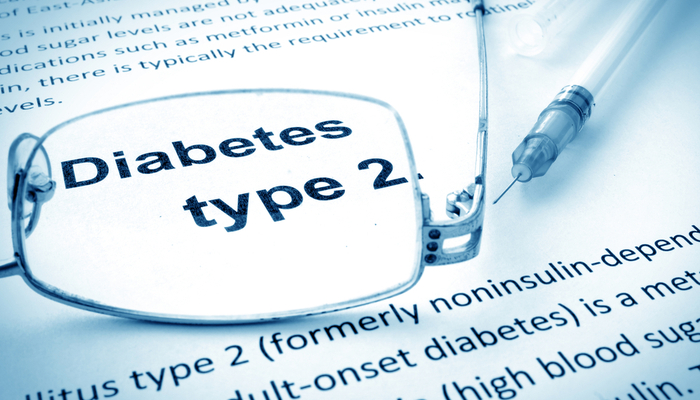
    Type 2 diabetes is a chronic condition that refers to the way that your body processes (or doesn’t process) sugar. Diabetes is caused by your body’s own resistance to insulin, a compound meant to help your cells process glucose. Occasionally, the condition occurs when the body doesn’t produce enough insulin on its own.

    While type 2 diabetes was once referred to as “adult-onset” diabetes, this is no longer an accurate description, as children can be diagnosed with the condition as well. This is likely due to changing lifestyles in the developed world, such as the rise in childhood obesity and poor diets among some children and families.

    Symptoms

    Symptoms of diabetes include increased thirst, increased hunger, fatigue, unintentional weight loss, slow healing of wounds, blurry vision and frequent infections. If you suffer from some of these symptoms, it could be wise to visit your doctor to do some tests and see if you’re suffering from diabetes.

    Contrast to Type 1

    Type 2 diabetes is contrasted with type 1 diabetes, which is caused by a combination of genetic and environmental factors. In type 1 cases, the culprit of the symptoms is the pancreas: the pancreas fails to produce the correct levels of insulin in type 1 patients, due to auto-immune cells destroying important beta cells in the pancreas.

    Type 1 was once known as “juvenile onset” diabetes, but this is also inaccurate. There are currently more adults diagnosed with type 1 diabetes than children. Type 1 diabetes, however, is much less common than type 2: only between five and ten percent of all cases of diabetes are type 1.

    Genetics

    The most common factors in the onset of type 2 diabetes are lifestyle and genetic predisposition. One of the biggest things we’ve learned in recent years about type 2 diabetes is that you can inherit a high likelihood of developing the condition from your parents.

    This doesn’t mean that if your mom or dad had type 2 diabetes that you’re guaranteed to develop it, it just means that you’ll be at a higher likelihood of doing so based on your lifestyle. This makes lifestyle incredibly important for people with a genetic predisposition to the disease.

    Diet and Exercise

    From a lifestyle standpoint, the biggest cause of diabetes comes from diet and exercise. A lack of meaningful exercise is often connected to the onset of type 2 diabetes, and people with a genetic predisposition are more likely to develop the condition if they don’t work out often.

    Diet is just as important as exercise, too: people with high-fat, high-sugar diets that are more overweight are more likely to develop diabetes. Notably, diets that are too low in fiber are some of the most common diets among people who develop type 2 diabetes.

    Treatments

    There’s no cure for diabetes. People living with the condition simply have to make a number of lifestyle changes to accommodate their symptoms. For instance, it’s common for sufferers to have insulin pumps to help manage their body’s insulin levels. Monitoring their blood sugar levels is very important, as well.

    Diet and exercise can be important factors in managing the condition, as well. While nothing can fully cure diabetes, being in good physical shape and eating healthy foods make managing diabetes symptoms significantly easier.


  • Best Budget Smart Phones: Getting More Bang for Your Buck

    Best Budget Smart Phones: Getting More Bang for Your Buck

    While everyone knows that Samsung and Google make great phones, they also charge flagship prices for their flagship phones. In order to help you make the most of your money, today we’re looking at some of the best deals out there for smart phone users. Let’s look at the best budget smart phones, starting with the least expensive and working our way up.

    Best Budget Smart Phones

    Moto G7

    Motorola made the first commercial cell phone decades ago, and they’re still producing some of the best budget cell phones you can get. The Moto G7 is no exception to this, either! Despite its low $300 price tag, it’s surprisingly quick and responsive. Many budget phones suffer from laggy, jerky or otherwise weak performance due to their budget processors. Motorola’s done a good job optimizing the Android OS running on this budget phone, however, and it shows.

    The camera is also surprisingly solid for a $300 smartphone. Despite using cheaper parts and sidestepping the expensive multi-camera setups of phones like the iPhone XS and Pixel 3, the Moto G7 takes pretty good-looking photos. The make quality is quite solid, too, sporting a stylish glass back like some of the big flagship phones you see in 2019. All in all, this is a great value for $300.

    Pixel 3A

    The Google Pixel 3A is the budget variation of their stellar Google Pixel 3. While we love the Pixel 3, it’s a little on the pricey side, so the 3A budget version is a welcome addition to the lineup. The most striking thing about the 3A, out of the box, is just how premium it feels for its price. Solid construction, a great-looking display and a strong processor all underscore the otherwise “budget” price of this smartphone.

    The most impressive thing in the Pixel 3A, however, is that there is no compromise on the camera despite the price. Google’s Pixel lineup has been renowned for their stellar camera performance, and the 3A follows in those footsteps. If you’re looking for a great Android phone to snap beautiful pictures and work quickly and easily without breaking the bank, look no further than the Pixel 3A.

    OnePlus 6T

    On the higher end of the “budget” spectrum, we’ve got the OnePlus 6T, coming in at $550. OnePlus might not have a lot of name recognition in America, but it’s a stellar brand that offers up premium-feeling smartphones for less-than-premium prices. The 6T is a generation behind the current OnePlus 7 Pro, but it’s still a rock-solid Android handset with a great processor and better-than-most camera.

    If you’re into flashy technology to show off to your friends, the 6T offers up a cool wrinkle: it’s got an in-display fingerprint scanner, like the Galaxy S10 and OnePlus 7 Pro. The phone also sports monthly security updates, and is sold unlocked on OnePlus’s website. Once you have yours, you need only go by a carrier and get the phone activated.

    iPhone XR

    While few people would call the iPhone XR’s $750 price tag “budget,” it’s got a great suite of features for the price tag. For people interested in dipping their toes into Apple’s new status quo (no home button, Face ID, gesture commands) the XR is the most affordable way to do so. Following in the footsteps of the revolutionary iPhone X, the XR offers up all the power of the flagship iOS device without the flagship price.

    Notable features include the stellar Bokeh-style portrait mode, an overall phenomenal processor, blazing-fast performance and a superb display. Everything about the iPhone XR screams “cutting edge,” from the appearance of the device to its sci-fi feeling Face ID unlock system. If your budget can allow for it, this is a great phone for the tech-savvy.


  • LASIK Basics: What You Need to Know

    LASIK Basics: What You Need to Know

    While many people have vision issues, it’s much less common for them to seek laser eye treatment than it is for them to simply wear glasses or contacts. However, laser eye surgery through methods like LASIK can be a huge help for people with poor vision. Today we’re talking about the basics of these kinds fo procedures to help you make an informed decision.

    Laser Eye Surgery

    The Basics

    LASIK is the most common type of laser eye surgery, and stands for laser-assisted in situ keratomileusis. LASIK can help to correct near-sightedness, farsightedness or astigmatism. Near-sightedness is often referred to by optometrists as myopia, while far-sightedness is often called hyperopia. In short, the procedure involves using a laser to reshape the eye in order to allow light to properly hit the retina.

    Most vision problems that are corrected with glasses or contacts are a result of the shape of the cornea, or the shape of the eye itself. When an eye is too short, it results in hyperopia, and when an eye is too long, it results in myopia. LASIK helps to correct this by reshaping the cornea, essentially turning your own eye into a contact lens for the unique shape of your eyeball.

    Pre-Surgery

    Before you can get in the chair to receive LASIK, however, there are some preliminary steps. Firstly, your eye doctor will need to ensure that you’re a good candidate for the procedure. The shape and thickness of your cornea and your overall eye health are indicators as to whether or not LASIK is going to be a good idea for your situation.

    Often, the exam is able to determine whether you’ll need a pre-LASIK procedure to help prevent yourself from developing dry-eye after the LASIK. This is often determined by doing a tear film exam on your eyes. If you’re a good candidate, this will usually be followed by a wavefront analysis to help map your cornea in order to assist the surgeon during the procedure.

    The Procedure

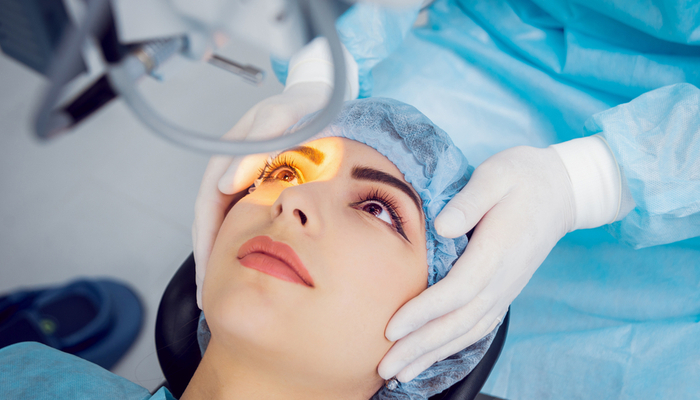
    The procedure only takes about fifteen minutes for both eyes, and is relatively painless, thanks to topical anesthetic eyedrops. The procedure begins when the surgeon cuts a thin flap in your cornea, and then folds that flap back to access the cornea. The surgeon then uses the laser to remove small amounts of corneal tissue in order to alter the shape of the cornea.

    For a person with myopia, the procedure results in a flattened cornea to better focus light along a longer eye. People with hyperopia, on the other hand, are given steeper corneas to help refract light more along their shorter eyeballs. Astigmatism is corrected by simply smoothing the cornea into a more normal shape. The surgical flap on the eye is then folded back down and heals after the procedure.

    What to Expect

    Patients are given drops to numb their eyes so they feel no discomfort during the procedure. If you’re nervous, your doctor may prescribe medication to help you remain calm. This may be good to take, especially is you have a fear of operating tables.

    You have to be conscious for the procedure, and your eye will be help open by one device while being immobilized by another. You then have to look into a laser light as it reshapes your eye. This procedure can be a little disconcerting for some people, understandably.

    Results

    Normally, the procedure returns nearly instantaneous results. Most patients get up from the procedure with their vision cleared and enhanced dramatically. In most patients, their vision continues to clear and become stronger as a few days go by and their eyes heal. This means that most people who get LASIK surgery don’t need to wear any of their glasses or contacts anymore, as they can now see normally without any outside aid.


  • Getting the Best Deals on Contact Lenses

    Getting the Best Deals on Contact Lenses

    Most people who need glasses don’t really think much about their vision. However, if you prefer contacts, you’re likely constantly considering your contacts’ cost, availability, comfort and more. Today we’re going to be looking at some of the more popular contacts brands, and how you can get some of the best deals on them.

    Contact Lenses

    Why Contacts?

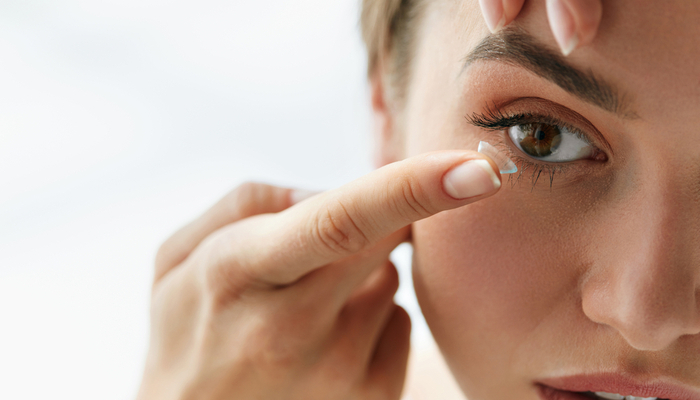
    A lot of people who only wear glasses might be wondering what’s so special about contacts anyway. After all, if you wear glasses, you don’t need to worry about putting in contacts, accidentally falling asleep with them in, buying new ones every so often, and all of the other related concerns. However, contacts are great for a variety of reasons.

    Firstly, contact lenses allow the wearer to avoid having to keep up with a pair of glasses. If you’re going swimming, riding a roller coaster or some similar activity that has a high likelihood of knocking the glasses off of your face, you’ll likely prefer to have your contacts in. Others prefer contacts because they feel as though they look more attractive when they’re not wearing glasses. Others still simply like to be able to wear sunglasses!

    Biofinity

    A particularly popular new brand of contacts is Biofinity, from manufacturer CooperVision. The main draw of the Biofinity line of contact lenses is their superior quality of production: they’re made from a proprietary silicone hydrogel that is designed for a combination of superior clarity and comfort. CooperVision advertises that the lenses are safe to wear for up to seven days and six nights, all while offering great clarity of vision.

    One of the strengths of the Biofinity lens is that it allows the eye to “breath” and moisturize itself through its natural processes. The material the lenses are made from allows for air to not get caught underneath, and many have noted that you can barely even notice you’re wearing the lens. That’s saying something for a lens that markets itself based on comfort!

    Finding Great Deals

    When it comes to buying contact lenses, of course, you want to make sure you get the best deals. After all, the best-feeling, premium contacts can be rather expensive. This means that you’ll need to make sure you find the best prices on them! We recommend shopping online to find the best deals, because online offers a number of benefits.

    For instance, buying online allows you to check a store’s inventory and prices against other retailers. This allows you to comparison shop without driving all over to compare. Likewise, shopping online allows you to forego driving around town, getting stuck in traffic and just generally dealing with crowds. After you order your contacts, you can rest assured that they’ll be delivered to your home shortly. It’s the definition of a win-win: You get to save money, and you don’t have to deal with shopping!

    1-800-Contacts

    An example of a great online retailer is 1-800-Contacts, which has been around long enough to have a name that references their phone number. They offer great prices, quick shipping and a great amount of variety for shoppers. Their name is well-trusted, since they’ve been around for years, so you can rest assured you’re shopping quality products.

    Contacts Direct

    Another example of a great online contact retailer is Contacts Direct, who has a similarly wide selection and great pricing compared to 1-800-Contacts. You can easily compare prices and shipping costs and types, and you’ll be hard-pressed to not find your favorite brand or variety of contact lens among the incredibly wide variety of lenses Contacts Direct has available. Don’t pay more than you have to for lenses: start shopping online today!


  • VPNs: What They are, and Why You Need One

    VPNs: What They are, and Why You Need One

    You might have heard a bit about VPNs on the internet or around the office, but you’re not sure what they are or whether you need one. Today we’ll be taking a more in-depth look at VPNs, what they do, and whether getting one is right for you.

    Do You Need a VPN?

    What’s a VPN?

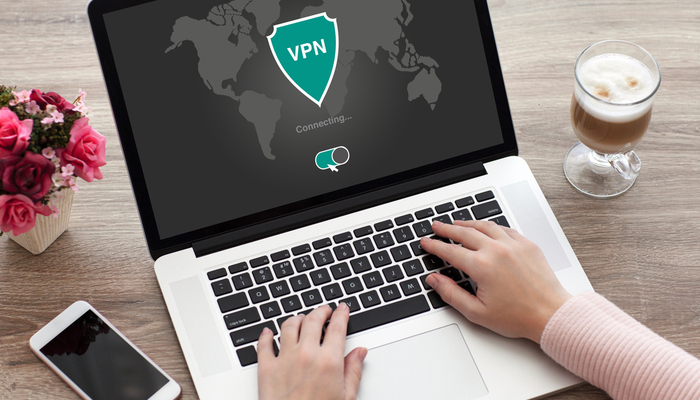
    Let’s start by defining some terms. Firstly, we need to explain what a VPN even is! “VPN” stands for “virtual private network”. Essentially, these private networks allow you to securely connect with another network over the internet. VPNs keep your data private from any software that would spy on you, and they offer incredibly secure connections to other servers on the internet.

    Originally, VPNs were created for business employees to work remotely, connecting to the secure business network from their home office. However, their popularity in recent years has little to do with corporate espionage or remote work, though they are still used for this. No, the modern applications of VPNs are much more varied, though they share a common thread: secure connections.

    Modern VPNs

    Today, VPNs are popular among internet users because they allow them to privately browse the internet without drawing attention from advertisers or the site’s own regional locks. VPNs forward all of your internet activity to a remote network, essentially “outsourcing” your internet access and then feeding it back to your home computer.

    One of the most common uses for today’s VPNs include sidestepping region restrictions by “geospoofing,” or fooling a website into thinking you’re accessing it from a different location than your current one. This has a multitude of uses, from watching videos on streaming services that your region can’t see to avoiding government-mandated internet censorship.

    The Benefits

    The benefits of VPN usage are mainly connected to the fact that you’re essentially browsing the internet through a remote server. This allows you to appear as though you’re not located where you’re accessing the internet from. This, in turn, offers you a bit of anonymity on the internet, so you can safely use unsecured WiFi networks, avoid internet censors and even avoid detection for some of your activities.

    VPNs are quite popular among torrent users for this very reason. In many countries, it’s illegal to share files of music or movies, so torrent sites and the people who frequent them often use geospoofing to avoid the law enforcement of their localities. Of course, we can’t condone this usage, as intellectual property rights are an important cornerstone of the exchange of information.

    How to Get One

    Now for the fun part: actually getting a VPN. It’s not as simple as Googling “VPN” and just flipping a switch, you have to find a VPN service you’d like to use, or perhaps use one a friend has set up. Some services are free and offer only the very basics of a virtual network. Other services, like Nord VPN and Tunnelbear, have paid tiers that give you access to more features and a more robust geospoofing selection.

    In short, if you want to use a VPN to simply encrypt your browsing and watch some videos that aren’t available in your country normally, a free VPN will be fine for you. Otherwise, if you’re a power user with more varied needs, you might need to opt to pay for a more robust VPN service. Another option is to set up your own VPN, though most people don’t have the resources to set up servers in various countries and then encrypt traffic to them from their home computer. In either case, just make sure that whatever you do isn’t illegal, as cybercrimes can still carry stiff penalties depending on where you live, and VPNs won’t protect you from law enforcement.


  • Best Midsize SUVs: Riding in Comfort and Style

    Best Midsize SUVs: Riding in Comfort and Style

    While there was once a time when the sedan was the king of the road, the midsize SUV now stands as the most popular type of car for daily driving. And who can deny how great SUVs are for getting around town? The high driving position, the wide wheel stance and the sheer practicality make SUVs a great choice for any modern family.

    If you’re in the market for a new car and wondering which SUV is right for you and your family, look no further! Today we’re breaking down some of the best midsize SUVs on the market today and what makes each special. Important aspects, like price and average gas mileage, are high on our list of priorities. We’re also looking for SUVs with great comfort that offer a ton of bang for your buck. Let’s talk about some practical, comfortable vehicles.

    2019 Honda Passport

    When you hear the word Honda, the first thing that comes to mind is usually “reliable.” The Honda Passport is no exception: reliable, comfortable and affordable, Honda’s midsize SUV is well worth your attention. The Passport starts at $31,990 for the base trim, though you’ll likely opt for the higher trim levels for even more cabin amenities, a stronger engine and a more robust safety suite.

    The vehicle gets an average of 20 MPG in the city and 25 on the highway, making it pretty standard among SUVs of its size. Even the base trim offers a pretty solid engine, ponying up 280 horses, making this vehicle fun as well as practical. The interior has a lot of cargo space, and seating for five. Thankfully, all five people get ample leg room and tons of soft-touch materials, making the cabin a peaceful and quiet space for long car rides.

    2019 Toyota Highlander

    Another respected name in the automotive industry, Toyota’s 2019 Highlander is another solid midsize SUV you should consider. The cabin is one of the best in the class, offering up a ton of interior comfort for much less than higher-end competitors. Soft, sleek leather seats and a very upscale infotainment system make this SUV feel like it should be $20,000 more expensive. Thankfully, it starts at only $37,170 for the base trim.

    We highly recommend the hybrid version of the Highlander, as it offers a fantastic 30 MPG in the city, though this also means it gets only 28 on the highway. That said, this hybrid still packs a ton of power, bringing 306 horsepower to bear. It’s not exactly light or agile, though, so expect to take turns a little wide. However, this remains a great option for families, offering great cargo space, tons of legroom and a quiet, comfortable ride. Not to mention its stellar suite of safety features and great safety ratings!

    2020 Kia Telluride

    The Korean carmaker has long been considered a leader in SUVs, and the Telluride’s 2020 model is here to continue that tradition. The Telluride is aptly named: riding in this vehicle is downright peaceful. The cabin is quiet and meditative, perfect for getting you through hectic morning commutes or back and forth dropping kids off at school. The suspension is incredibly smooth, the cabin is stylish and likable, and the engine is sufficiently powerful.

    Also making the vehicle appealing to families is the safety software suite. Emergency braking, lane-keeping assist, backup cams and more all make the Telluride a modern and easy-to-drive vehicle. Starting at $31,690, it’s also quite affordable for being a new (and luxurious) midsize SUV! As for the cost to own, it sports an average of 20 MPG in the city and 25 MPG on the highway.


  • How to Use a Credit Card to Repair Your Credit

    How to Use a Credit Card to Repair Your Credit

    If your credit score is less than ideal, you might be wondering what the best way to repair it is. While there are a number of ways to address your credit, one of the most surefire ways to pull it back into a favorable position is to use a credit card. This might sound counterintuitive if your credit score is already bad due to credit card debt, but hear us out.

    There are a few rules of thumb you need to follow with any credit card, but they go double for when you’re using them to repair your credit. Today we’re going over some of the basics to help you fix your credit standing. If you follow these tips you should see your score going up gradually, and in a few years you’ll have great credit!

    Remember, most of all, to be patient. Your credit score isn’t going to become excellent overnight, and requires you to work diligently at paying back your debts and paying bills on time to stay high.

    Paying Off Outstanding Debts

    Let’s begin with the most pressing issues. If you have a lot of outstanding debts that are dragging down your credit score, it’s time to hose them down. Let’s say you’ve got debts on three credit cards that are bearing down on you. Find the one with the highest interest rate and put any extra money you make towards paying it off. Make minimum payments on your other debts while you do this.

    By using this “target priority” technique, you can begin to chip away at the worst of your debt. This does two things for you. Firstly, it gets all that extra interest the debt would have accumulated out of the way. Secondly, it means your credit score will start to get repaired as your payments stay regular and your debt-to-income ratio evens out.

    Using a Small-Limit Card

    On the flip side, if you have no credit history or a bad credit history and don’t owe much in debt right now, you’ll want to use a credit card. For instance, let’s say you’re fresh out of college or school, you have a consistent job and you’re looking to get a car loan but have no credit history. Don’t sweat it! Just apply for a small-limit credit card with no annual fees and a low interest rate. Something really small, even with a limit of $100 or $200, works well here.

    Just use this card for small purchases, like buying groceries or getting food at a restaurant. Be careful to only spend what you can afford to pay back before the end of the month so that you don’t float any balance and accrue interest owed on it. After a few months of consistently using, and paying back, this small credit card, you’ll see your credit history start to build up.

    Good Spending Habits

    As another example, if you’re repairing your credit history after a rough patch, you can use a similar approach. However, with a bad credit history, as opposed to no credit history, it may seem difficult to find a credit card that seems like a decent deal. In such cases, even if you find a card with a high interest rate, consider using it just for making small purchases.

    Even if a card has a high interest rate and a low limit, using it consistently and simply paying it back before the end of the month can be a great way to show credit agencies you’re more responsible than you once were. By paying the bill off monthly, you’re able to both keep the interest from building up while also improving your credit score.