Blog

  • Google’s Pixel 3 to Follow in Apple’s Footsteps: Another Notch Smartphone

    Google’s Pixel 3 to Follow in Apple’s Footsteps: Another Notch Smartphone

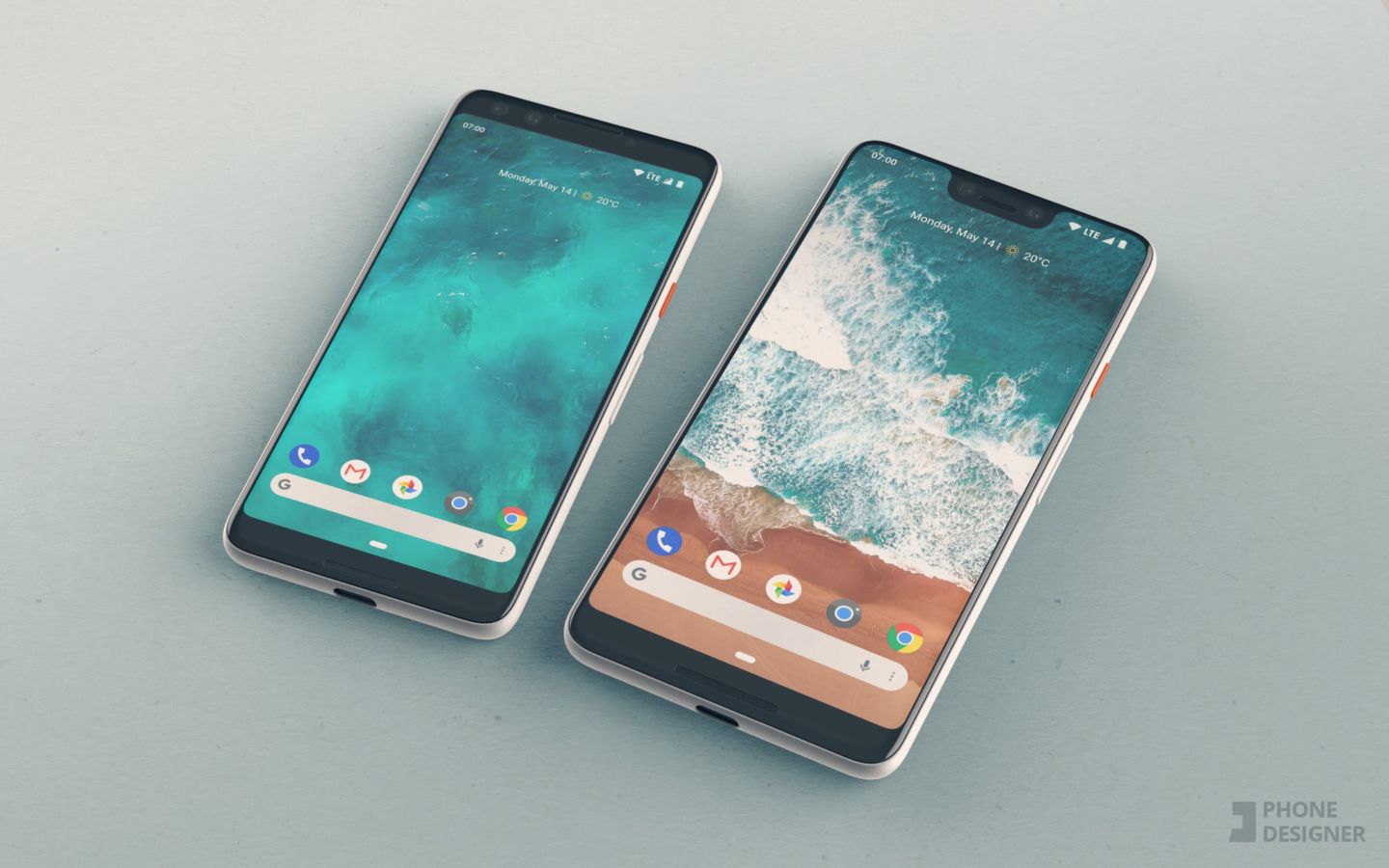
    Google is still set on taking over the world, one piece of technology at a time. It’s only natural that they’ll continue to push the envelope with their flagship phone line, the Pixel. It was Google that created the Android OS, after all. A premium smartphone OS deserves a premium smartphone! The newest reports on the next Pixel model are coming from Bloomberg. According to the report, the XL model of the Pixel 3 is set to have a screen notch. 

    Much has been written over the divisive smartphone notch popularized by Apple’s iPhone X. While it has some detractors and others who love it, the notch is certainly here to stay. This is evidenced by many top brands embracing it with this year’s flagships. Chinese smartphone makers OnePlus and Xiaomi have both designed their flagships with the notch, and now even Google is getting in on the trend. Last year’s Pixel 2 was one of the best phones released, so Google’s next release is hotly anticipated. 

    The Rumor Mill 

    According to the Bloomberg report, the Pixel 3 will come in both normal and XL models. The phone is also set to be manufactured by Foxconn, the same company that manufactures the iPhone. Additionally, this follows a deal between Google and HTC, meaning this phone will likely sport a design similar to other phones made by HTC.  

    The Bloomberg Report described the Pixel 3 XL, the one with the notch, as such: “nearly edge-to-edge screen, except for a thicker bezel known as a chin at the bottom of the phone. The display also will have a notch—or a cutout—at the top.” The normal-size Pixel 3 will have standard bezels, more like the iPhone 8, giving it a more traditional look. 

    Pixel 3: Other Details 

    That same Bloomberg report put forth October as a release window for the phone. Verizon is slated to be the only carrier, though the phones will surely also work with Google’s Fi wireless service. Oddly, the projections for the phone show it with two front facing cameras but only one camera on the back. Perhaps it will only support Bokeh portraits in selfie mode? This one is a big of an enigma.  

    Still unknown are details like the types of biometric scanners the phone will support. Will it have a face scanner like the iPhone X? Those two front-facing cameras make it likely. What about a fingerprint reader? Will it be on the back, like the Pixel 2? Will it be in-screen? Or will it even have one? Hopefully these questions will be answered in the coming months.  

    Feature Image Credit: Phone Designer 

  • The WWDC is Soon! What Can We Expect from Apple?

    The WWDC is Soon! What Can We Expect from Apple?

    Apple’s WWDC is today! What does that mean? It means that Apple will be unveiling tons of news about software, probably. It seems unlikely that any news of a new iPhone or really any hardware will break at WWDC. This event tends to focus more on the software side of things. With that in mind, what can we expect to hear from them? Here are some of our predications. 

    iOS 12 

    Unless something absolutely unpredictable happens, Apple will be unveiling iOS 12 today. What kinds of things can we expect? We ran an article a few weeks ago on our biggest hopes for new features, here’s a quick recap. We would love a universal dark mode, updated messenger app and smart orientation locking. Another much-requested feature is app multitasking and side-by-side app viewing on iPhone.  

    However, the most needed feature, in our opinion, is a full overhaul of Siri. Sadly, at the moment, Siri is dumb. Alexa is a quick-witted, responsive and helpful assistant. Siri has a hard time executing basic functions. It’s kind of embarassing, actually. 

    Siri and HomePod 

    Changes to Siri are all but guaranteed, thanks to Apple’s emphasis on HomePod. If Apple intends to seriously content with Amazon and Google in the smart speaker market, they need to give Siri some serious upgrades. As it stands, Amazon and Google are winning that race buy a mile. Another focus for the HomePod would be releasing a more affordable, mini-sized version for entry-level smart speaker users. 

    Service Subscriptions 

    According to Apple’s CEO, Tim Cook, Apple’s fastest-growing revenue source is their subscription services. Apple Music, Apple Pay and and the App Store are incredibly lucrative for the company at the moment. As smartphone sales begin to finally cool off and slow down, emphasis on these sources of revenue will doubtless increase. Expect announcements related to these types of services at WWDC. 

    Apple’s Most Likely Focus at WWDC: Smartphone Addiction 

    Ways to combat smartphone addictions are a hot topic at the moment. Android P is set to unveil a dashboard that tells users how long they’re spending on various apps. Apple is set to unveil a similar functionality. Experts have been very focused on the problems of smartphone addiction in recent months. To be fair, it is an insidious beast to combat.  

    When you’re in the business of selling a phone, isn’t it against your business model to tell people to use that phone less? Well, sort of. If Apple wants to remain relevant, they need to appear responsible. The responsible thing to do, to be sure, is pay attention to the growing issue of teens and adults who spend way too much time scrolling through various feeds. 

    In any event, we’ll know more about Apple’s focus for this upcoming year very soon. Stay tuned! 

  • San Francisco Gearing up To Tackle Uber and Lyft on Employee Benefits

    San Francisco Gearing up To Tackle Uber and Lyft on Employee Benefits

    Just how independent is an independent contractor? And if your company is worth billions, what responsibility do you have to your employees? San Francisco is taking the two big ride sharing apps to task over how they answer these questions. While the two companies currently hold that their drivers are independent contractors, Dennis Herrera, the city attorney, feels a bit differently. Herrera seeks to find out whether Uber and Lyft are doing their due diligence. As it stands, the ride sharing apps classify their drivers as contractors, thus denying them employees benefits.  

    Dodging Paying Employee Benefits? 

    Herrera’s stated goal? In his word, he’s seeking that Uber and Lyft provide “proof that Uber and Lyft have lawfully classified drivers as independent contractors or provide their drivers with minimum wage, sick leave, health care contributions, and paid parental leave.”  

    Hererra, in a Tuesday statement, elaborated: “We are not going to turn a blind eye if companies in San Francisco deny workers their pay and benefits. We are not going to tolerate any company shirking its responsibility to pay for benefits and shifting that burden onto taxpayers when drivers without health insurance turn to the emergency room. If your company is valued at $62 billion, you can afford to give your workers health care.” 

    A Disturbing Trend 

    Finding cleaver ways around paying employee benefits is a hallmark of the “gig economy” in which we sadly find ourselves. Uber and Lyft aren’t the only companies playing fast and loose with regards to their employees and their benefits. Airbnb skirts the issue altogether by owning no properties, and GrubHub and Bite Squad both use similar language as Lyft and Uber when referring to their drivers.  

    This gig set up is incredibly attractive to these companies. They need not set aside money for benefits, as discussed, but they save on more than just that. They also don’t spend as much on renting office space, since employees work from their own homes or vehicles. Training expenses are cut dramatically, as contractors require less oversight than employees.  

    While this is great for businesses, it is rather unfortunate for lower-income workers seeking full-time employment. Many companies are unable or unwilling to hire employees full-time, leading to the workers resorting to gigs for income. Those workers aren’t provided benefits and have no long-term career opportunities afforded to them by their hard work. While Uber and Lyft aren’t the only companies guilty of this decentralization, they are certainly emblematic of it. Hopefully for workers, pushes like Hererra’s will become the norm in cities and states across the US. 

  • A Battle Royale Battle: Fortnite Being Sued by PUBG

    A Battle Royale Battle: Fortnite Being Sued by PUBG

    This one’s gonna be big. PUBG’s (short for Player Unknown’s Battlegrounds) parent company PUBG Corporation has filed suit against Epic Games. Epic, who creates and operates Fortnite, is accused of copyright infringement. The stakes here are pretty astronomical, so this is going to be a rather high-profile case. 

    High Profile? It’s Just Some Video Game Companies, Right? 

    Fortnite sported a record-breaking 3.4 million players online at one time in February of this year. The previous record? 3.3 million players, held by PUBG. Both games represent upwards of a billion dollars in revenue for their parent companies.  

    Those mind-boggling numbers are further augmented by the tremendous success of streamers, gamers who air their gameplay for entertainment. Both PUBG and Fortnite streamers can pull in thousands upon thousands of viewers while playing the battle royale games.If judges agree to look at the Korean company’s suit, it could be on the same scale as the recent Samsung and Apple case. Ironically, that case featured an American company suing a Korean one over patent claims. 

    Complications for the Suit 

    This case will be an odd one. For one thing, while PUBG went live before Fortnite in March of 2017, Fortnite is much older. It entered development seven years ago, in 2011, as a zombie survival game. However, after being released in July of 2017, Fortnite wasn’t performing as well as Epic had hoped. To bolster the player numbers, they introduced a free-to-play battle royale mode that proved immensely popular. 

    What’s more, Epic games created the Unreal Engine, the game engine PUBG runs in. This isn’t contentious in and of itself and is quite typical of the gaming industry. It is, however, an interesting wrinkle.  

    PUBG’s Claims 

    It does seem, however, that the plaintiff has some valid points. Both games feature a large map where 100 players are dropped from an airplane. Those players then scavenge for weapons and attempt to remain alive until they are the last man standing. They have somewhat similar user interfaces, although PUBG tries to appear quite realistic. Fortnite, by contrast, is cartoony and whimsical.  

    The only problem? Battle royale, as a genre, might not be an easy copyright to defend. To wit, PUBG itself is clearly based entirely on Koushun Takami’s 1999 dystopian novel Battle Royale. Takami’s novel quite literally lays the groundwork for the moment-to-moment gameplay of PUBG, down to the random locations of weapons and the ever-shrinking battleground. Any serious attempts by PUBG Corporation to defend their game as a wholly original work are thus a bit humorous.  

    Takami, for his part, has been rather influential in pop culture. The Hunger Games series, for instance, also bore striking resemblances to his novel. Takami himself was rather gracious about the other series’ success, stating “every novel has something to offer.” This leads one to believe he would have a similar attitude with regards to the battle royale video game craze. However, the point still stands: PUBG Corporation accusing someone else of copyright infringement is a bit ironic. 

  • Ways to Tech-ify Your Space: Our Favorite Home Technology

    Ways to Tech-ify Your Space: Our Favorite Home Technology

    Whether you’ve had your place for a while now or just got your first apartment, you’re definitely looking for cool tech. Everyone wants a high-tech, sci-fi setup, right? Well, not quite: everyone loves the convenience of having cool tech around the house. With that in mind, we’ve got a list of some of our favorite pieces of home technology for your pad! 

    Smart Air Conditioning 

    This one might sound weird but hear us out. The Frigidaire Smart Window Air Conditioner (boy that’s a mouthful) is a very handy device for any apartment. The Smart AC connects to Wi-Fi, so you can control it from an app, which is great. If you’re out of town and want to make sure the electric bill isn’t sky-high, you can adjust the temperature from far away. Additionally, it supports Alexa voice commands, which is even more handy.  

    Smart Lock 

    If you’re like me, you absolutely hate getting locked out. Wouldn’t it be great if you could just unlock your door from your phone? Well, good news: you can! Companies like August and ADT offer various smart locks, but August is a great choice for those who don’t want ADT service. August’s Smart Lock Pro + Connect is $279 and comes with Apple HomeKit functionality. If you have friends coming over but you’re not home yet, you can unlock the door remotely. If you’re lying in bed worried about whether you locked the door, you can double check. 

    Robot Vacuum 

    A robotic vacuum is a fantastic companion for any home owner. I personally can’t stand having to sweep and vacuum all the time, so having a robot to do it for me is a must. Roomba is the most well-known brand of robotic vacuum, but they’re not the only player in town! Brands like iLife and Ecovacs also offer a great selection at various price ranges. The iLife V8s is a great budget pick at $260. 

    Our Favorite Piece of Home Technology: Amazon Echo 

    This one had to top the list. It’s just so handy! Between reading you the news, making calls for you and helping you with recipes, Alexa is the ultimate assistant. You can even connect your Echo to other smart home devices, like the aforementioned Smart AC and Smart Lock, allowing you to control all the aspects of your house with your voice. You’ll be feeling like a sci-fi tech master in no time with all this home technology! 

  • Karim Baratov, Canadian Charged with Yahoo Hack, Sentenced to 5 Years in Prison

    Karim Baratov, Canadian Charged with Yahoo Hack, Sentenced to 5 Years in Prison

    Canadian Karim Baratov, the criminal hired by the Russian Federal Security Service, pled guilty to cyber-crime charges in 2017. He is sentenced to served 5 years in prison and must pay a $250,000 fine. However, according to Alex Tse, the acting US Attorney, the severity of Baratov’s sentence is meant to send a message. That message is that hacking is a serious offense, and hackers-for-hire will be punished accordingly. 

    The US Attorney’s Take 

    Tse made a statement regarding the sentence: “Hackers such as Baratov ply their trade without regard for the criminal objectives of the people who hire and pay them. These hackers are not minor players; they are a critical tool used by criminals to obtain and exploit personal information illegally. In sentencing Baratov to five years in prison, the Court sent a clear message to hackers that participating in cyber attacks sponsored by nation states will result in significant consequences.” 

    Russian hacking attempts like this are a sore subject for the US at the moment. The United States Senate and House of Representatives have drawn contradictory conclusions regarding Russian hacking influence in Donald Trump’s 2016 presidential campaign. Where the House sees no involvement, a Senate committee found “irrevocable” evidence that Russian nationals were involved in the campaign in various capacities. 

    Baratov’s Yahoo Hack 

    Baratov, for his part, had a large impact with his hacking mission. Baratov, as well as three Russian nationals, illegally access Yahoo’s user database. According to the FBI, Baratov also accessed an online tool called the Account Management Tool. Between the user database and the aforementioned account tool, Baratov and his co-conspirators were able to “locate and target accounts of interest.” According to the FBI, this breach affected more than 500 million accounts.  

    This Yahoo hack follows a disturbing trend of recent data breaches and hacks. Between Target’s database leak, the PlayStation Network hack, and Facebook’s Cambridge Analytica scandal, internet privacy is under scrutiny now. In Europe, the General Data Protection Regulation, or GDPR, is now in effect. The GDPR regulates what companies with EU customers can do with data. The United States will surely be implementing steps like this soon. 

  • Amazon Dash Receives Interesting New Support: Smart Containers

    Amazon Dash Receives Interesting New Support: Smart Containers

    Smart Containers are coming. Target has a few entries in the burgeoning field: a paper towel dispenser and a soap dispenser, both of which reorder their respective dispensed item when they get low. GE has a dish washer that will reorder detergent from Amazon when it gets low. And now a Florida-based startup called WePlenish is entering the fray. 

    WePenish: Smart Containers for Coffee 

    The first device WePlenish is offering is the WePlenish Java. You can find it on Kickstarter now. This container houses your single-use coffee pods, like K-Cups, and keeps track of your inventory for you. When you get low, the device orders more coffee from Amazon. This is great for coffee addicts, as it ensures you never get low on your morning caffeine.  

    Don’t Forget the Snacks! 

    WePlenish is also offering smart containers for individually wrapped snacks. Things like gummies, cookies, peanuts and the like are available for reorder through the WePlenish containers. Both types of container work by connecting to your Wi-Fi, after which you assing them a snack to order when they detect low volume. They run on triple A batteries that promise to last for a year or so.  

    Increased Convenience 

    Amazon has already been pursuing similar functionality with their Amazon Dash Buttons. The Dash Buttons are similarly keyed to specific items, like garbage bags or air conditioning filters, that need to be reordered regularly. The Dash service is a natural companion to the new Amazon Key service, which allows Amazon deliveries to be delivered directly into your home. Amazon seems to be pushing to eliminate the need to even enter their app to grocery shop, let alone physically enter a grocery store. 

    Is This Weird? 

    Then again, how hard is it to order groceries? I mean, it’s not that hard, right? You just open your app and click on what you want. For that matter, how hard is it to go to the grocery store? It’s just down the street, right? Okay, maybe I’m the weird one. The convenience factor is certainly there: you can’t forget to stock up if your smart devices keep up for you!  

    But I still have some reservations. It seems like a lot of people are throwing themselves wholly into the smart device revolution without much thought for the consequences. What about the data Amazon is gathering on you? If you give them a direct eye into your pantry, they’re going to know what you eat and when. That just seems a little odd. Maybe I’m just being paranoid, though. If you’re the type of person who prefers to not worry about keeping up with logistics, smart containers are likely to be your best friend. 

  • Top Ten Xbox 360 Games with Backwards Compatibility you Have to Play Again

    Top Ten Xbox 360 Games with Backwards Compatibility you Have to Play Again

    When regarding your backlog of old games, you usually think: “man, I wish I didn’t have to dig out my old console to play that awesome old game.” Thankfully, Microsoft has been implementing backwards compatibility with select Xbox 360 games on the Xbox One. If you’re wondering which of your favorite 360 games are playable on your modern-day system, we’ve got you covered. Here’s our ten favorite 360 games with backwards compatibility! 

    10. Braid 

    Photo Credit: Top Best Alternatives 

    This trippy, time-bending puzzling platformer is a great adventure to relive. If you missed it the first time, its new lease on life on the Xbox One is a great chance to replay it. Braid features a crazy story told in reverse and quaint, charming graphics. If you always wanted a more mature, thought-provoking take on Mario, Braid is for you. 

    9. Mirror’s Edge 
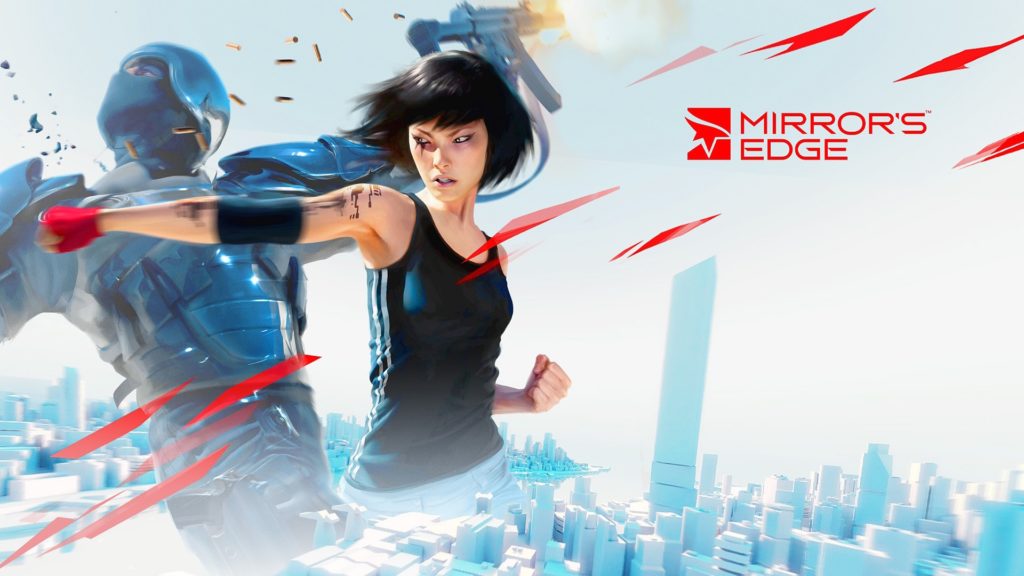
    Photo Credit: Cro Hasit 

    Mirror’s Edge is a slick, polished action game with a sweet “fight-the-power” narrative. If you’ve ever been interested in parkour or free running, check this one out. Mirror’s Edge features a unique first-person perspective, making the action feel very immediate and pressing. What’s more, the game’s protagonist is an empowering and believable bad-ass lady! Those are in short supply in the gaming world, so it’s worth mentioning! 

    8. Gears of War 3 
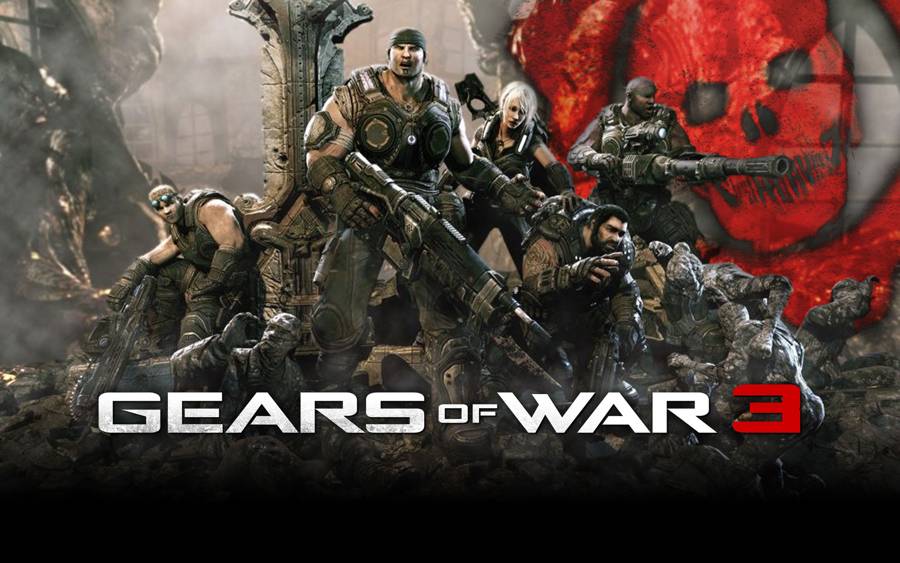
    Photo Credit: Gamers Heroes 

    Where the first entry in the series defined action games for a few years, Gears of War 3 set a new benchmark for horde modes in action shooting games. The series’ signature chainsaw guns and muscular protagonists are here, front and center. While the series has stumbled in recent years, GoW 3 is a great reminder of just how awesome the series once was. The action is pulse-pounding and white-knuckle, rewarding smart use of cover and good aim. If you’re looking for a blast from the past of shooting games, Gears of War is for you.  

    7. Super Meat Boy 

    Photo Credit: Threadless Blog 

    Super Meat Boy defined the indie formula for blistering difficulty balanced with rewarding gameplay. Allowing the player to respawn instantly saves this game from being mind-numbingly frustrating. The influence of SMB can’t be overstated: indie platformers have been taking inspiration from this masterpiece for a little under a decade. Notably, 2018’s breakout hit Celeste follows in the footsteps of SMB’s balanced, thumb-breaking gameplay. If you want to relive the meat grinder, give this one another shot. You won’t regret it… but the Meat Boy will.  

    6. Deus Ex: Human Revolution 
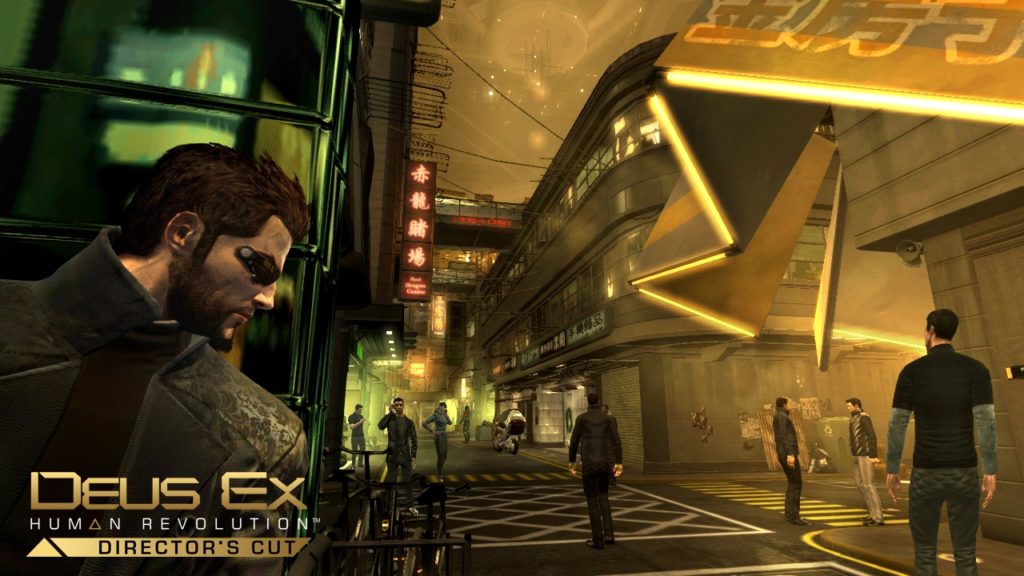
    Photo Credit: Square Enix 

    The sleek, sexy and thought-provoking reboot of the legendary Deus Ex series is as fresh today as it was seven years ago. With a surprisingly deep story and rewarding, branching gameplay, Human Revolution never fails to engage the player in the action. If you’ve ever wanted to be a super-powered assassin with robot arms, this is your game.  After you’ve enjoyed Human Revolution’s backwards compatibility, check out the sequel, Mankind Divided, which released in 2016. 

    5. Fable II 

    Photo Credit: YouTube 

    Remember when Fable was awesome? Before some seriously awful spin-offs, the name Fable signaled excellence in western-style RPGs. If you want to experience the magic again, Fable II, arguably the best of the series, has backwards compatibility. Fable features a beautiful, storybook world made with loving attention to detail. The gameplay and combat are both tight and satisfying, and progression is always rewarding. It almost hurts to wonder what might have been in store for this series in they hadn’t made that awful Kinect spin off… 

    4. Portal: Still Alive 
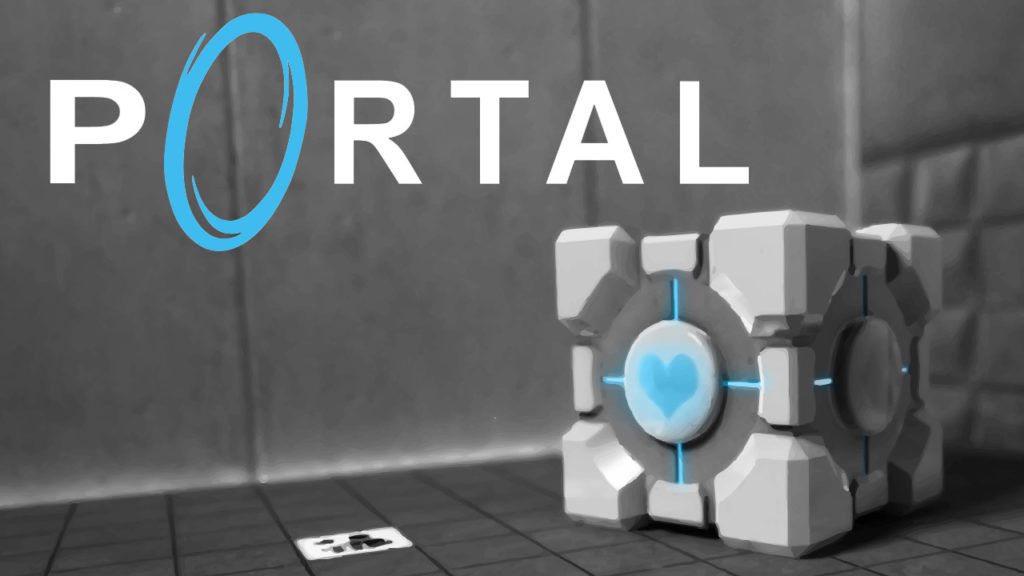
    Photo Credit: Know Your Meme 

    What can I say about this seminal first-person puzzler that hasn’t been said? It’s amazing. The writing is consistently hilarious, the puzzles are mind-bending, and the portal gun is awesome. You play as a test subject being tormented by an all-powerful, rampant AI. Your captor forces your through a series of increasingly deadly puzzles, outfitting you only with a portal gun. The portal gun can open a two-way portal on certain surfaces, testing your spatial knowledge and challenging you to think outside the box. 

    3. Dark Souls 

    Photo Credit: Bandai-Namco 

    Haunting, oblique and unapproachable, Dark Souls is a game that refuses to be easily engaged with. You’ve doubtless heard all the talk about “hardest game ever,” but that’s only part of the story. Dark Souls is difficult in the way watching Begotten is difficult. It’s so grand, so epic, so utterly alien, that you have to change the way you approach it to appreciate it. The game is art in the true sense of the word: it makes you feel. Feel alone, outnumbered, isolated, up against positively absurd odds. 

    When you first cross swords with a screen-filling demon, your heart fills with dread. How could you possibly fell such an imposing monster, an engine of raw destruction? But you persevere, you learn, and dodge and you kill the beast. And then you face another monster, this one even tougher and meaner. Then you face a dragon. Then you face gods. It’s hard to really describe the feeling of growing power, the satisfaction of winning in a world so bleak. But do yourself a favor: play this ugly, mean, triumphant game. And prepare to die. 

    2. Red Dead Redemption 

    Photo Credit: The Verge 

    Red Dead Redemption tasks you with bringing in the members of your old gang to save your family from a corrupt FBI agent. In the Old West. Yeah, it’s as awesome as it sounds. Rockstar’s magnum opus, Red Dead Redemption climbs into your heart and lives there. The voice acting, and world building, are absolutely top-class, unmatched before or since, and give the game a sense of place unseen in the medium. If you missed this one the first time around, it sports backwards compatibility now, so you owe it to yourself to experience it again. If you missed it (shame on you) try it out now: it hasn’t aged a day since it was released. 

    The Best Xbox 360 Game with Backwards Compatibility: Halo Reach 
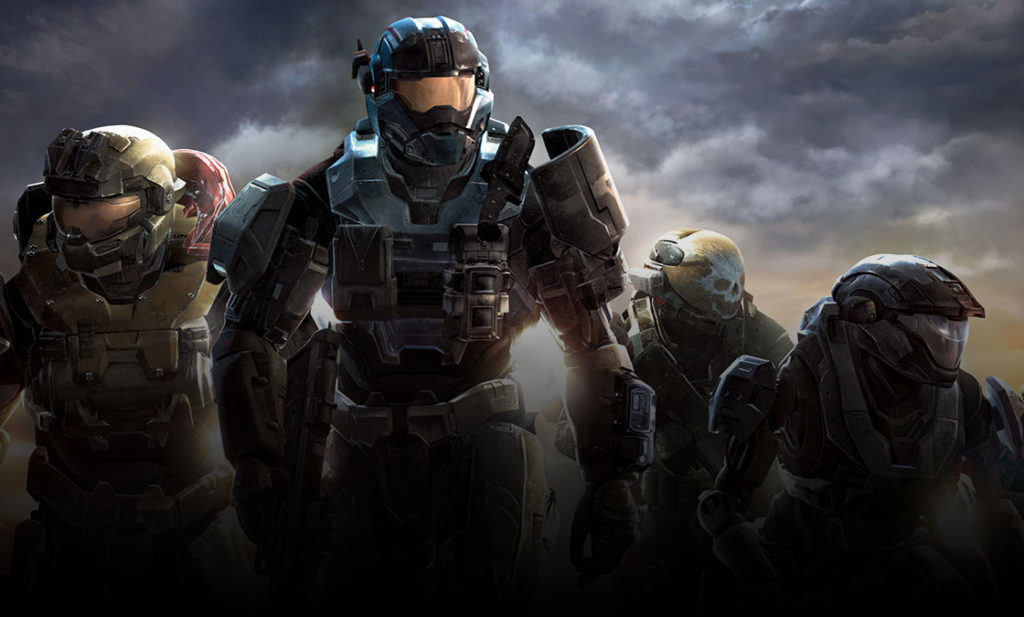
    Photo Credit: Halo Waypoint 

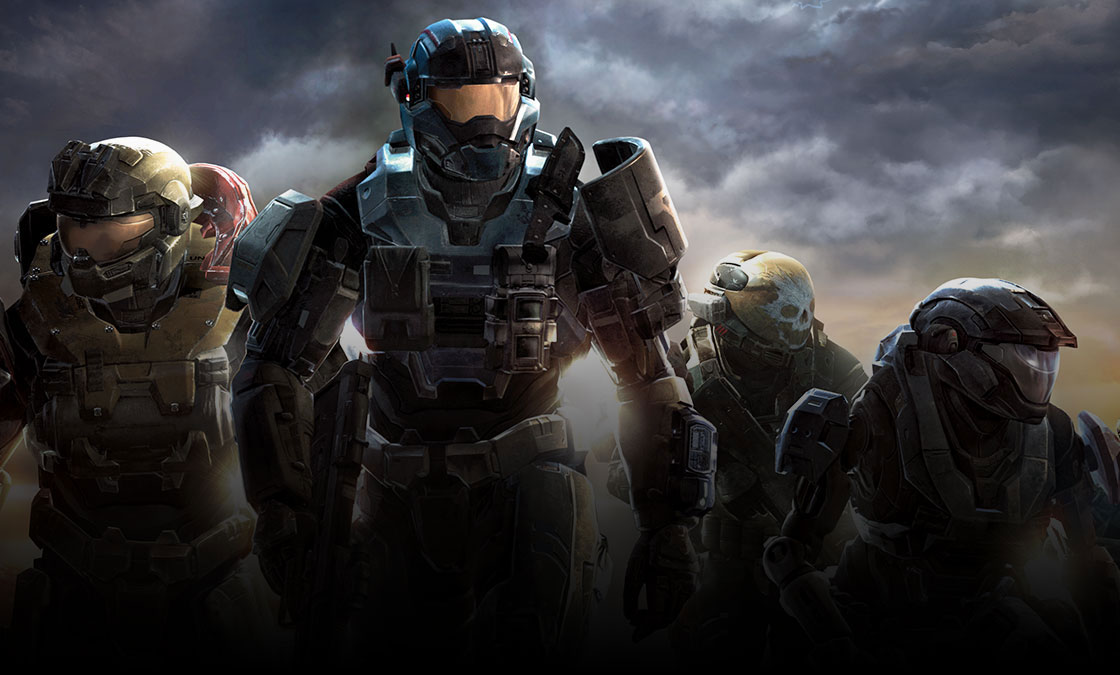
    Legendary developer Bungie’s swan song to their incredible Halo series, Reach is a triumpant achievement. While both Bungie and the Halo series would stumble along into the 2010’s with middling-to-awful entries, Reach stands head and shoulders above all first-person shooters that have come after. With the possible exception of Overwatch, no competitive first-person shooter has matched the raw fun and intensity of Reach.  

    Sporting a storyline that ties into the original and adds great depth to the universe, Reach delights on all fronts. It also features the return of the excellent Firefight mode from ODST. If you never caught this one and have always wondered what Bungie did before they made a disastrous deal with Activision, it’s available now with backwards compatibility. Go forth, and enjoy a reminder of how awesome the series once was. 
  • 5 Best Portable Bluetooth Speakers for Summer

    5 Best Portable Bluetooth Speakers for Summer

    As my old buddy Brad used to say, Its summer time and we’re living easy. I’m sure you all have great summers plans in place,  with boats and beaches, golf, good friends, great times and noodle salad, but have you accessed what you are going to use for music during all this fun in sun? I didn’t think so and that is why I’m here, to tell you about the 5 best portable Bluetooth speakers you can take with you anywhere you go this summer. To make this list they will need a few requirement, for one they have to be IP water resistant. The second is they need to have full 360° sound.


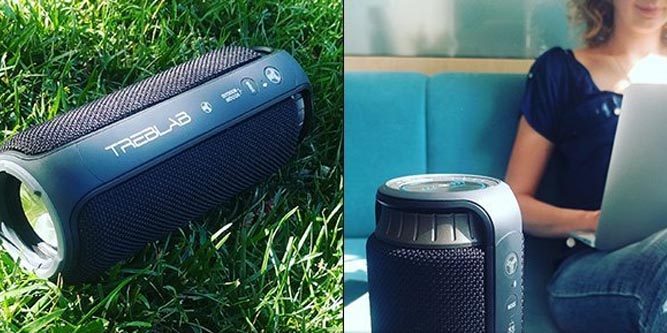
    5. TREBLAB HD55

    Wonderful sound, With HD55, you’ll feel as if you’re at a live concert, with clear high notes, deep bass and 360° true HD sound. This advanced Bluetooth speaker has the latest state-of-the-art double 12W drivers and double bass radiators. Great for the  Office, traveling & late nite LA gangsta style pool parties. IT is waterproof with a rating IPX4.  Amazon pricing of only $69.97


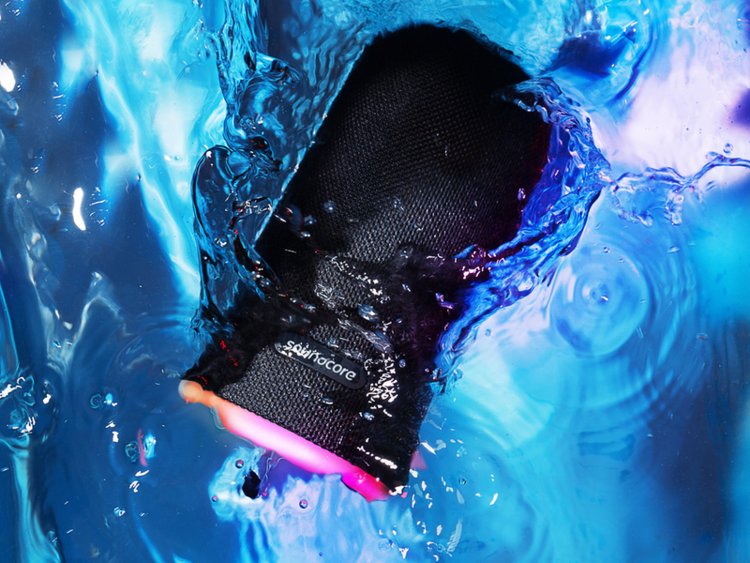
    4. Soundcore Flare Portable Bluetooth 360° Speaker

    Much like the HD55, the SoundCore Flare has the 360° and is IPX7 waterproof. This has great mid range sound, great acoustics and will keep the singing going on all night. It secured the number 4 position for one terrific reason, its $10 cheaper at $59.99.


    3. JBL Xtreme 2 Portable Bluetooth Speakers

    The JBL Xtreame is know for delivering earth-shaking powerful stereo sound. The speaker is armed with four drivers, two JBL Bass Radiators, a rechargeable 10,000mAh Li-ion battery supporting up to 15 hours of playtime. Its also IPX7 certified waterproof.  At $299 it starts off our top 3 Portable Bluetooth Speakers for summer. 

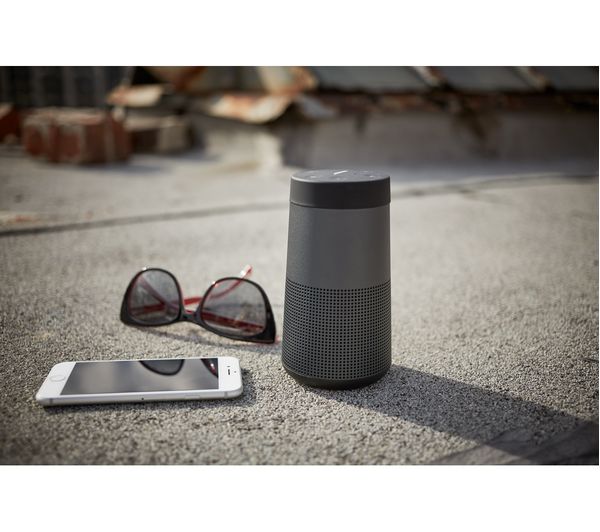
    2. Bose SoundLink Revolve+

    You can never go wrong with Bose. They have mastered commercial sound. And this is the best-performing portable speaker from Bose. It ultimately delivers Deep, loud, jaw-dropping sound with True 360-degree coverage. Ipx certified and fits beautifully in the golf cart.  At $299 its a steal. 


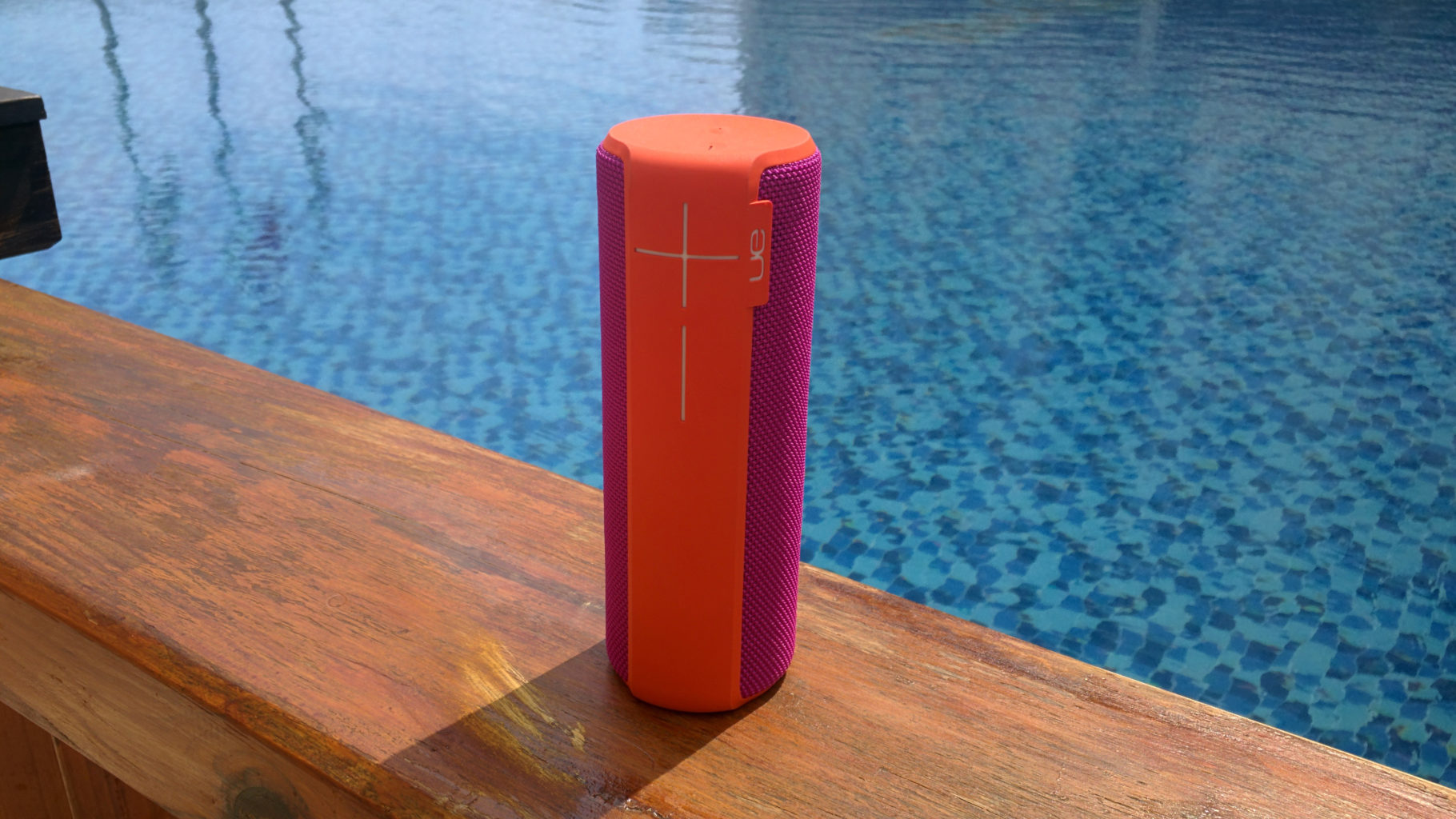
    1. Ultimate Ears MEGABLAST

    And the winner is…UE’s most powerful speaker with 360° intensely rich sound, stunning clarity, and heart-pounding bass. With up to 12 hours of battery, it brings your music to life wherever the summer leads you. With  Amazon Alexa hands-free voice control you can now just ask Alexa to blast tunes from Spotify. It is waterproof and virtually indestructible: Never worry about going easy on it, your music will always be on point. The speaker is IP67 rated and can be immersed in water for up to 30 minutes. Yes I tried it. It is by far the loudest on this list, the most durable and at $190 the best value Portable Bluetooth Speakers for your summertime listening pleasure.


    The Final Thought

    This is going to be the best sounding summer ever. Get me  my speedos and a REM playlist!!

  • What Does HomePod Need to Compete with Other Smart Speakers?

    What Does HomePod Need to Compete with Other Smart Speakers?

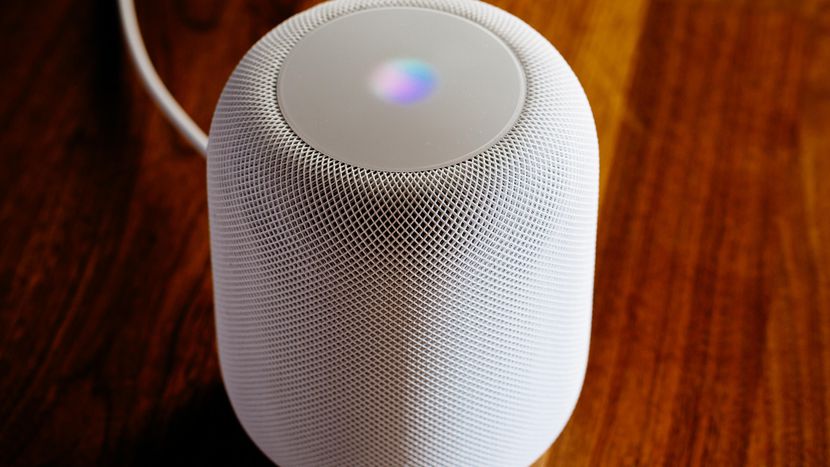
    Apple’s attempts to break into the smart speaker market have been unimpressive so far. While Amazon and Google rule the roost, Apple lags behind the competition with the HomePod. What are some ways they could pull the nose up on this crashing plane? Well, here’s hoping someone at Apple is reading this, because we’ve got the answers. 

    Third Parties 

    Apple’s home platform, HomeKit, isn’t third-party friendly. Third party hardware manufacturers interested in pairing with HomeKit had use the MFi Chip, a proprietary Apple piece of hardware. While Apple has since reversed the MFi Chip requirement, it put a black spot on their relationship with third parties. Google and Amazon, by contrast, had no such restrictions, and thus they have a wider base of support from third parties. Apple needs to prioritize winning back those third-party functionalities. 

    Further, Apple doesn’t let anyone outside of their main R&D department make functionality for Siri. While Amazon has allowed tons of third-party developers to introduce new skills to Alexa, Apple has done no such thing for Siri. And it shows: Alexa is amazing! She has so many skills, answers to so many things! Siri, uh, doesn’t. Apple could introduce a platform for developers to submit new Siri skills that they could carefully regulate. This would allow their platform to be more desirable to end users without flooding the software with tons of useless commands. 

    Music Streaming Functionality 

    This one is a sore spot for many. The HomePod is largely marketed as a speaker first and smart device second. So why in the world is it so hard to use anything other than Apple Music on the device? You can only use voice commands from the device to play Apple-approved music sources. Apple Music, Beats 1 Radio and the like are white-listed. Every other streaming service has to be activated from the phone via AirPlay 2.  

    Again, this is disappointing when compared to the competition. Both Google and Amazon smart speakers allow voice commands to bring up Spotify, YouTube and the like. If Apple wants their speaker to be taken seriously as a music-first device, their design needs to be music-first. This one’s a no-brainer. 

    HomePod: About That Price… 

    Both Amazon and Google offer $50 entry-level speakers. The HomePod is three hundred and fifty freaking dollars. $350. That is a positively bananas price point, and likely the main reason the speaker is struggling. Seriously, where is Apple’s budget speaker? HomePod Mini, or HomePod Nano, whatever. They’d think of some cute name.  

    That’s really not even to say that the HomePod, as it stands, itsn’t worth $350. It may well be worth that. But Google and Amazon offering comparable technology for three hundred less dollars makes the premium HomePod a really, really tough sell. 

    Well, there you have it. I hope Apple took note, because I’d love to see them be competitive in this field. Competition, after all, is great for the end consumers (hey, that’s us)!