Blog

  • The Safest SUVs: Keep Your Family Safe on the Road

    The Safest SUVs: Keep Your Family Safe on the Road

    Why do you buy an SUV? Is it the large interior, with the ample leg room and big infotainment screen? Or do you buy SUVs for their smooth rides, quiet cabins and easy time going around town? No, it’s much more likely that you prefer SUVs for one big reason: safety. You want to keep yourself and your family as safe as possible in the event of an accident. Today, we’re looking at some of the safest SUVs on the road today.

    Safest SUVs

    2019 GMC Acadia

    The 2019 GMC Acadia is the first on our list, and a notable entry for a number of reasons. Firstly, it has earned five stars in several crash ratings, including front and side crash tests, from the NHTSA. Overall, it nets a four-star crash rating, making it high on the list of overall safest SUVs. Further, it received “good” ratings in every category from the IIHS, a high mark for GMC’s SUV.

    The drawbacks have to do with trim levels. Standard safety features leave a bit to be desired, as the base version of the GMC Acadia comes only with Rear Seat Alert, Teen Driver System and a backup camera. That’s not terribly impressive, but you can upgrade at higher trim levels. For instance, you can opt for upgrades to receive adaptive cruise control and rear cross-traffic alerts, which make the SUV more desirable for safety.

    2019 Subaru Ascent

    Our next entry, the 2019 Subaru Ascent, impresses in a number of ways. Firstly, the Ascent is turning heads as a new SUV in the midsize market by coming out of the gate with strong safety ratings. Sporting a “superior” rating in front crash tests by the IIHS, and it sports a glowing five-star rating from the NHTSA. If those stats alone don’t impress you, maybe some of the safety features will.

    Notably, the Ascent comes standard with the EyeSight suite. This suite of safety features, offered by Subaru, includes a number of must-haves like lane keep assist and adaptive cruise control. Additionally, for those looking for even more safety and peace of mind can upgrade to higher trim levels to get access to reverse automatic braking and blind spot monitoring, which are invaluable in heavy traffic conditions.

    2019 Volkswagen Atlas

    What’s not to love about the Atlas? Firstly, the 2019 Volkswagen Atlas offers great safety ratings, sporting a five-star safety rating from the NHTSA. Likewise, the IIHS gave the vehicle a “good” rating in all of its crash tests, marking this as a very safe vehicle to take out around town or on long road trips.

    Volkswagen’s Atlas SUV line has been solid for years, but this year marks a new safety high for the German automaker. The 2019 Atlas is sporting a number of safety features now standard, making it a very responsible choice for families. These safety features include the must-have pedestrian detection and blind-spot monitoring. Also found standard is emergency braking when the vehicle detects an imminent crash. Higher trims get access to even more safety features, including parallel park assist.

    2019 Kia Sorento

    Kia’s Sorento SUV line never fails to impress with the safety ratings and features. The 2019 model is no exception, bringing in five stars from the NHTSA and an overall “good” rating in all categories from the IIHS. The vehicle is replete with standard safety features, too, and even more are available at higher trim levels.

    Adaptive cruise control comes standard, as well as parking sensors and 360-degree-view cameras to help other systems keep you safe and aware of your surroundings. Importantly, the Sorento has a lower intro price than the Subaru Ascent, and even offers more standard safety features, making it the best SUV on this list for safety.


  • 5G Networks are Coming: Are You Ready?

    5G Networks are Coming: Are You Ready?

    The biggest shift in wireless communications history is coming up soon, and it goes under the name “5G”. The newest advancement in wireless communications technology, 5G networks will revolutionize communications speed and change the way the world communicates. This might sound like hyperbole, but it isn’t: this will be a huge moment for technology. Are you ready for the changes?

    5G Networks

    What is 5G?

    5G is a network specification, much like 4G LTE or 3G. These are all types of wireless communication, defined by industry standards, bandwidth and speeds. Think of them like wireless internet speeds, and as loose indicators of the current face of wireless communications technology. Notable advances in technology in the last few years are what has made 5G a possibility.

    When 5G networks go live for a wide-release, carriers like AT&T, Verizon and Sprint will be offering cell phone networks powered by 5G technology. Samsung, Apple and other flagship smartphone manufacturers will also be creating phones with the capability of connecting to 5G networks and making the most of the new technology.

    What This Means

    5G connection speeds are expected to be absurdly fast. As in, downloading a movie in seconds, stream 4K video at 60 FPS, upload video in moments kind of fast. This will bring about big changes in more than just cell phone technology, of course. There will be robotic devices capable of letting a surgeon perform a procedure from across the country. Self-driving cars will be able to connect and make adjustments based on traffic reports in seconds.

    Other functionality could extend to entertainment, augmented reality and consumer products, too. Imagine holding your phone up while watching a football game, and having your screen superimpose live stats and graphics to help you keep track of players, all updated on the fly. That’s the kind of power 5G will bring: the applications are sure to be mind-blowing.

    When Can We Expect This?

    5G networks aren’t quite a widespread reality yet. The technology is currently undergoing rigorous testing and production and is in the final stages before wide release. Some smaller scale, individual-city level 5G tests have been done, but these are using somewhat limited versions of the expected 5G technology.

    At the earliest, we could expect to see some larger cities receiving 5G support in late 2019. However, this is an optimistic estimate and assumes that carriers push for early trial versions of the technology. As for nationwide coverage of 5G networks, that is likely as far away as mid- to late-2020. While this might sound like a long time, the massive increase in power will more than offset the long wait.

    What Phones Can Use 5G?

    It’s unlikely your current phone will be able to use a 5G network unless you have a bleeding-edge phone prototype. In fact, few manufacturers are even selling phones that will be able to use eventual 5G networks yet.

    However, there are a few brand-new phones that are either coming soon or have just been released that will be able to take advantage of 5G when it arrives. If you want to be absolutely future proof, here are some of the phones you should be looking at.

    Upcoming 5G Phones

    The Samsung Galaxy S10 5G, which starts at $1,300, was released in mid-May in the US and will offer 5G connectivity. The Galaxy Fold, which was delayed into later 2019, will also be able to use the upcoming network.

    The Motorola moto z3 will offer a 5G mod chip that will allow you to use the upcoming network, as well. It’s currently available for purchase, but the 5G chip will be launching later. Also coming to the 5G game will be phones for Chinese smartphone maker Huawei, including their Mate 20X 5G and upcoming foldable Mate X.


  • The Health Benefits of Vitamin B12: What You Need to Know

    The Health Benefits of Vitamin B12: What You Need to Know

    Vitamin B12, commonly found in vitamin supplements and some animal products, is vital to your body’s primary functions. The vitamin is also called cobalamin, and it primarily helps your central nervous system function and has many roles related to your red blood cells. Notably, despite your body needing it for optimal health, you can’t produce vitamin B12 on your own.

    Today we’re looking at some of the biggest ways vitamin B12 impacts your health. You may be surprised at how wide-ranging the effects of B12 are on your body. The vitamin plays critical roles in many of your body’s systems, helping to regulate things from blood cell production to serotonin synthesis. Doctors recommend that the average adult get 2.4 mcg of vitamin B12 per day, meaning you might need to get a B12 supplement to stay healthy.

    Vitamin B12

    Macular Degeneration

    Macular degeneration is a disease of the eye that can be more likely to occur in people with low amounts of vitamin B12. Macular degeneration primarily affects your central vision and is typically related to aging. The presence of homocysteine, a type of amino acid, in the bloodstream can lead to a higher risk of developing macular degeneration. This amino acid can be lowered with proper amounts of vitamin B12, however.

    Macular degeneration is a disease which older persons are at a higher risk for. This disease can cause lessened clarity of vision, more eye fatigue and other negative muscular effects. This makes B12 an important supplement for those worried about their ongoing eye health as well as their muscular health.

    Anemia

    People who get the proper amount of vitamin B12, which is around 2.4 mcg per day, are at a lower risk for developing anemia. That’s because the vitamin is an important factor in creating healthy red blood cells. Small, round red blood cells are healthy, and in the absence of B12, blood cells develop larger and more oval shapes, making them less effective at carrying oxygen throughout your body.

    If you develop anemia, it means that your blood cells aren’t able to carry enough oxygen to your organs and muscles. This results in symptoms like fatigue, weakness, drowsiness and lethargy. As such, it’s important that you get the right amount of B12 in your diet to maintain good blood vessel health.

    Bone Health

    People familiar with the body’s various systems will find it unsurprising that, since B12 plays a role in blood cell production, it also plays a role in healthy bones. Bones play a major role in the production of blood cells, as well as giving support and protection to your organs.

    People with B12 deficiencies tend to have lower bone density and less strength present in their bones. Low mineral density means that bones are weaker and can be broken more easily. Your bones are vital for more than just giving shape to your body, however, as their health is directly tied to diseases like osteoporosis.

    Depression

    There have been numerous studies that have linked depression and the lack of the right vitamins in one’s diet. Vitamin B12 is no different in this case. That’s because vitamin B12 plays a major role in helping the body to process serotonin, the chemical that produces calm and positive emotions.

    Likewise, a lack of vitamin B12 makes it so your body produces less serotonin. Unsurprisingly, this means that a lack of the right amounts of vitamin B12 can lead to significantly worse symptoms of depression. Studies have shown that patients with depression responded more positively to regiments that included both antidepressants and B12 supplements than patients who got only antidepressants.


  • Flood Damage Restoration: What to Expect?

    Flood Damage Restoration: What to Expect?

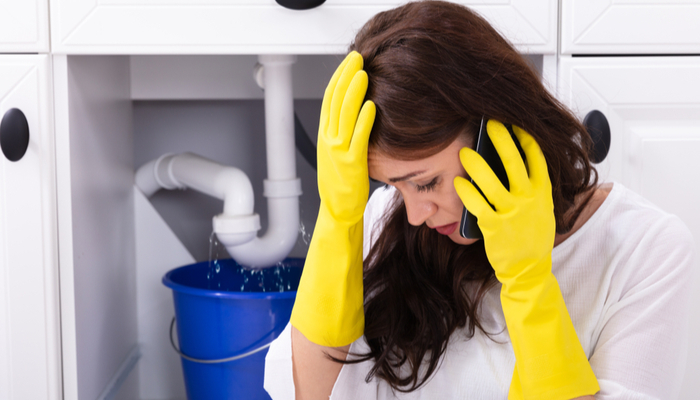
    Flood damage, whether from an actual flood or from a busted pipe, can be incredibly stressful. There are ways to clean the damage and to restore the affected parts of your home. However, many people don’t know a lot about the restoration process. Today we’re going over some of the basics of flood damage restoration, and what you can expect when you have your home restored.

    Flood Damage Restoration

    How it’s Done

    Flood restoration is a very wide type of damage restoration, as the damage varies greatly from instance to instance. The biggest amounts of damage are tackled by a variety of techniques. The first step of any damage restoration project is an inspection. A professional restorer will take inventory of the damage, finding out what was destroyed and what can be fixed.

    There are a number of instruments and tools used to measure the moisture in the house. The damage could require drying equipment, which the inspector can ascertain with their equipment. If so, they’ll bring a dehumidifier, which will help prevent further damage such as mold growth.

    Removing Water

    If there’s standing water in the home, there are methods restorers can use to remove it. Typically, standing water is removed by use of shop vacuums, which is common. This type of shop vac is easily maneuverable and can be rotated around a room quickly in order to take up standing water easily.

    Drying Affected Areas

    Once the water has been removed, the hardest part of the moisture elimination process has to be drying the affected areas. This process can involve dehumidifiers, fans, air movers and other such equipment. If you have carpet, they may pull up sections of the carpet to dry it both above and underneath.

    In the event you have hardwood floor with moisture damage, the restorers will likely use floor mats to help dry them. There are times when the restoration effort could also involve removing the baseboards and even drilling holes in drywall, all to help the floors dry out faster.

    Containing Ongoing Damage

    While the home is being dried, the restoration effort will also include efforts to keep the flood damage from spreading. This involves a number of steps, such as taping, creating moisture barriers and closing off affected areas. Containment is very important, as it keeps the damage isolated to smaller areas. This makes it easier to clean the mess, keeps the cost down on the restoration, and also keeps the rest of your home safe from further damage.

    Keeping an Eye Out

    Once the restoration effort has reached the drying stage, the restorers will work to keep an eye on the affected areas. Typically the machines that are helping to dry will be left to do their work, and the crews will make sure that things are progressing as they should. This means you’ll have to expect crews coming in and out at various points in time, so be prepared for that.

    The monitoring process could also mean that the crews move equipment to cover areas that aren’t drying as well, so expect the crews to keep up with the damage. This will allow you to have some peace of mind: your home will be in good hands with professional restorers.

    General Damage

    General damage to the home can be covered by a contractor who specializes in the type of work needed. For instance, if there is damage to your electrical system, an electrician will be able to take care of the damage. Likewise, if there’s damage to home’s structure, a general contractor will be able to help with that type of problem. Your home insurance should be able to cover the costs, at least partly, for the restoration effort from the flood damage.


  • She Wished She Knew THIS ONE THING Before her Plumbing/Electrical Emergency

    She Wished She Knew THIS ONE THING Before her Plumbing/Electrical Emergency

    We’ve all been there. Suddenly, pipes burst. Your power fails. Your electrical or plumbing system in your home goes belly up at a moment’s notice, and you have no idea what to do about it. Well, we’ve got a few tips for you to help you figure out what to do when a plumbing or electrical emergency occurs.

    What to do During a Plumbing or Electrical Emergency

    Professional Help

    When you have an emergency with either your plumbing or your electrical system, you need to get in touch with a professional right away. Professional plumbers and electricians can be expensive to contract, but emergency situations involving your home’s important systems can’t be ignored. Unless you’re a very experienced electrician or plumber, it’s best to leave the repairs of these systems to a professional.

    For one thing, it can be dangerous to mess with electrical systems when you don’t know a lot about them. Plumbing isn’t as dangerous, but you could cause lasting damage to your home if you make mistakes while attempting to work on it.

    Plumbing Emergencies

    If you have a plumbing emergency on your hands that involves broken pipes or overflowing water or drains, you’ve got a few options in the short term before help can arrive. You can shut off the water from the main, which will help prevent ongoing damage to your home when things are getting out of hand.

    This will also give you time to assess the situation and the damage, and clean up the damage that’s already occurred. If you don’t know where your main is, you should find that out, because it’ll be hard to find it when things go sideways. In a more minor emergency, such as with an overflowing toiler, you can simply turn the water off from the toilet’s own main valve at the wall.

    Water Heater

    Similarly, if you have an emergency that requires you cut the water main, you’ll want to make sure you cut off the water heater too. Water heaters can back up with heat even when there is no water, which puts them at risk of bursting. If you have a gas-powered water heater, you want to make sure you turn off the gas first. Find out where your water heater is, how to turn it off, and how to quickly get to it in the event of an emergency.

    Electrical Emergencies

    Electrical emergencies can be very dangerous. In the event of a serious, life-threatening emergency, make sure you call a professional in to help you. Never touch exposed wires, and stay far away from any outlets if your home has been struck by lightning or is experiencing a surge.

    In the event of an emergency that is threatening you, your family or your pets, you can go to the main breaker and cut the power to the house. This will make all electricity cease flowing to your home, which is a great first step to give you a chance to call out a professional.

    After Cutting the Power

    Once you cut the main power to your home, keep in mind that your fridge is no longer receiving power. Don’t open the fridge or freezer, so you keep all residual cold trapped inside. After an hour or so passes, however, you might have to toss out the perishables. It’s better to be safe than sorry.

    Additionally, while the power is out, you could consider unplugging all of your appliances. If your home is receiving too much power via a surge, it could result in damage to your appliances. In the meantime, make sure you call out a professional to investigate the issue.


  • How Much of a Mortgage Should You Take On?

    How Much of a Mortgage Should You Take On?

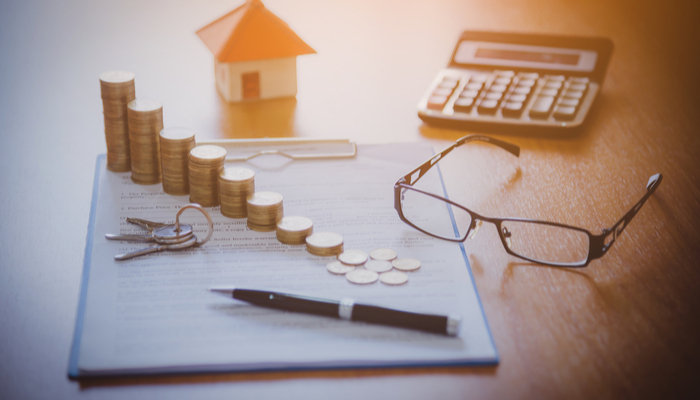
    It can be difficult to think critically when it comes to home buying. After all, you want the best money can buy for you and your family. However, that doesn’t mean you should take on a huge mortgage just to get into a slightly bigger house that’s slightly closer to downtown. Today we’re going over some smart rules of thumb to keep in mind when you’re buying a home, and how you can make the most of your home buying budget.

    How Much Home Should You Buy

    First Steps

    The first steps in any purchasing decision need to be taking inventory. Go ahead and look at your current living situation and figure out how much you’re allocating every month to your rent or mortgage. Then, make an honest and clear-eyed budget to get a grasp on where your money goes and how much extra income you might have, if any.

    Once you’ve taken a look at your finances, you can honestly begin thinking about where you want your mortgage payments to be. Get a ceiling for your budget and don’t go over it, no matter how intense of a bidding war gets launched on the property you want. This allows you to think critically when you’re making your purchasing decisions.

    Rule of Thumb

    The old, time-tested rule of thumb when it comes to mortgages is the 28/36 rule. This rule holds that you shouldn’t let your total monthly expenses for housing cost more than 28 percent of your income. It also holds that you shouldn’t let your total debts, including credit card or student loan debts, exceed 36 percent of your income. Putting that together, you get some clear numbers.

    For some hard examples, this means if you make $50,000 per year, you shouldn’t spend more than $1,166 on monthly housing expenses. If you make $60,000, that number is $1,400, for $75,000 that number is $1,750, and if you make $100,000 per year your cap on housing expenses should be $2,333.

    Down Payment

    Make as big of a down payment on the home as you can. The bigger your down payment, the better. A big down payment means that you’ll have a shorter mortgage length, or a smaller mortgage payment. If you have no problem paying down a larger monthly bill, you could consider “paying” yourself more for your current housing expenses in order to make a savings account for your down payment.

    Buyers with a larger down payment available are also more likely to win out in bidding wars over properties. Realtors typically want more cash up-front, even if that means less cash in the long run. Ideally, you’ll want to provide a down payment of at least twenty percent of the mortgage in order to avoid paying mortgage insurance. Paradoxically, this means you’ll save more money by having more money up front.

    Do Your Research

    Make sure you do all the research you need to about the area you’re trying to buy a home in. Work closely with your realtor on this endeavor. It’s important you have an idea as to how much a home in the area should cost, so you don’t fall for any overpriced homes. Consider factors that add to the price, such as pools, garages and proximity to schools and shopping centers.

    When you’re equipped with the knowledge you need you’ll find it much easier to negotiate. You’ll also find it easier to walk away from poor deals, as you’ll know what kind of deals you can get on comparable houses in the region. Remember: your budget is important, and you shouldn’t go above the 28/36 rule, especially when you know you can find a better deal elsewhere.


  • Best Ways to Market Your Business Online

    Best Ways to Market Your Business Online

    We’re far from the days when taking out an ad in the local newspaper and hoping word of mouth was enough to keep your business afloat. Whether you’re a small business owner who is new to the game or you’ve owned a medium business for decades, online marketing is an important aspect of success. If you’re wondering what you can do to market your business online, you’ve come to the right place.

    How to Market Your Business Online

    Social Media

    It’s time for your company to have a dedicated social media presence. There’s no two ways about this: either your Facebook, Instagram and Twitter accounts are on point or you’re leaving money on the table. There’s nothing you can do to buy the kind of buzz, engagement and word of mouth that a good social media manager can afford you.

    If you don’t have a social media manager, that’s a role you need filled as soon as possible. A young and tech-savvy employee with a penchant for engaging with people on social media could be promoted to such a position, or you could look outside the company to hire such a person.

    Local Listings

    There are three major online local listings you should be represented on. Firstly, and most importantly, there’s Google Places. You want to show up on Google searches, and you want to be included in online listings, so you need to be registered on Google Places. This is doubly important if your business is a retailer or a restaurant.

    The other online listings are Yahoo! Local and Bing’s online listing. All three of these online listing services are free, and they’re a great way to get your business out there. Consider getting your online presence up and running through these services.

    Blogs

    Another great way to build your online presence is through a blog. This is something your social media manager can take on, as well, or you could hire a professional writer for this position. In either case, a blog is a great way to engage customers and endear people to your brand.

    Things that a blog could cover are quite varied and could depend on your business’s specifics. For instance, if your business is a restaurant, your blog could cover recipes, specials, events and news relating to the restaurant. Whatever makes your business tick, that’s what you should blog about.

    Search Engine Optimization

    Search engine optimization, or SEO, is a process of making your website’s pages easier to find in search engine results. This involves using specific keywords and repeating the keywords in headers, titles and meta descriptions. A web developer, site designer or some similar type of professional would be ideal to tap in this sort of marketing push.

    Consider hiring a freelance web designer to make sure your business has a webpage that is ideal for search engine optimization. They’ll be able to go in and make your site look great, and make it more searchable on sites like Google.

    Email Marketing

    Email marketing allows you to email your customers directly when they’re on a mailing list. You could email them news about new offers and deals, or coupons for hot new items. You could also email them to keep them abreast of news relating to your business, potentially increasing customer engagement with your brand.

    In short, there are a number of ways you can leverage the internet to make your business more recognizable and to increase your business’s performance. Really, the biggest mistake you could make is ignoring your online presence. There’s money to be made: you only need to capitalize on online marketing so you can make it!


  • Top Tips for Selling Your Home like a Pro

    Top Tips for Selling Your Home like a Pro

    It’s not easy to sell your home. However, there are a lot of steps you can take to make it easier to sell your home quickly, for the price you want, and in a way that won’t make you pull your hair out. Today we’re going to help you zero in on the top ways to make your home selling experience as smooth as possible.

    Selling Your Home Like a Pro

    Get a Good Realtor

    Finding a good realtor to help you sell the property is step one. In some senses, it’s step zero, because a realtor has a lot of skills that will help you navigate the complexities of selling property. Think of it like this: you wouldn’t go to court without a lawyer, would you? So why would you try to sell property without a realtor? A good realtor is worth their weight in gold, taking a ton of the more complex aspects of the sale off of your plate and helping you make the right calls.

    Do Your Research

    Next, you’re going to want to do your research. Find out what homes in your area are selling for, and figure out if you have any special qualities with your home that could make it cost more. Do you have a garage, a pool, a big yard or a particularly excellent location? If so, you should factor that into the asking price.

    When you set your asking price, make sure it’s realistic and in line with other homes in your area. Your realtor should be able to help you figure out what a good opening price would be, so you don’t make prospective buyers think you’re disconnected from reality.

    Keeping Things Clean

    Make sure your landscaping and interior are on point when people come to look at the home. You want to have well-sculpted grass, trimmed hedges and trees all in line. Make sure there are no weeds in the flower bed and that things outside the home just look nice, in general.

    On that same note, clean the inside of your home. Get rid of clutter and sweep, vacuum, clean out the cat boxes and clean the kitchen and bathrooms. It’s important that prospective buyers get a great first impression from your home. If they see everything is shiny and well-maintained, they’ll trust you more as a seller than if things were overgrown, cluttered and dusty.

    The Best Photos

    When you take pictures for the online listing, make sure they are top quality. Your realtor can help you with this, but here are some basics. Firstly, make sure it’s a bright, sunny day when you’re taking photos of the house. Show off every room in the house from the best angles, making them look as big as possible and filling them with natural light.

    Keep all the blinds open when taking these pictures. Make sure there’s no clutter or junk around and in the way when you’re taking the pictures. The same goes for outside: no overgrown yards, ugly weeds in the neighbor’s yard, or beaten-up old cars in the background of the pictures. Remember: the first impression is everything in real estate.

    The Yard Sign

    Don’t forget to put up the “for sale” sign in the yard! While online listings and your realtor’s help are important for selling your home, you shouldn’t overlook old-fashioned curb appeal. People could drive by, see the for-sale sign and your excellently manicured yard, and say “I want to buy that place!”

    Then, ta-da, you’ve got a prospective buyer and you only had to put up a sign. That’s the very definition of good marketing!


  • Should You Refinance Your Home?

    Should You Refinance Your Home?

    Refinancing your home’s mortgage can be done for a variety of reasons. In short, refinancing a mortgage means paying off your existing loan balance with a different loan, allowing you to restructure your debt. One of the main reasons people do this is to get their interest rates lower, shorten the length of their mortgage or simply consolidate their debts.

    Is refinancing your home right for you? Well, that’s a complex question. There are a lot of factors that go in to refinancing, including the terms of your current mortgage, your financial situation and your life status. Today we’re going over some of the basic of home refinance.

    Home Refinancing

    What is Refinancing?

    As stated above, refinancing is the practice of getting another loan to pay off your existing mortgage. This can cost between three and six percent of the loan’s principal, involves a title search, appraisal and application fees, and is typically done to give the homeowner some economic advantage.

    Due to the complexity of refinancing, it’s a good idea to take things slow and do a lot of research before refinancing your home. Diving in might not be the wisest course of action. However, there are a number of reasons you might want to refinance, so learning more about the process can be a good long-term well of knowledge.

    Interest Rates

    One of the most common and popular reasons to refinance is to secure a lower interest rate. When interest rates drop, look at your home and compare what you’re paying now to what else is available on the market. If you can save even one percent of interest, it might be worth refinancing. The general rule of thumb, though, holds that you should refinance if you can save two percent or more on your loan.

    This does a few things. Firstly, it means your monthly payments will be lower, which is great. Secondly, it could mean that you can pay off your loan sooner, meaning you get to invest in your home’s equity more quickly.

    Loan Length

    When you refinance to a lower interest rate, you’ve got two choices. You could either choose to keep the loan length the same and pay less every month, or you could pay the same amount and shorten the loan’s duration. That’s a tough choice for some, but it depends on your situation.

    If you’re making your payments comfortably, it might be ideal to take the shortened loan length and pay your home off faster. However, if you’re struggling to make payments every month, consider taking the lowered monthly payments, which will help you stretch your budget on a monthly basis.

    Fixed Rate vs Adjustable Rate

    Another common reason to refinance your home is to change it from a fixed rate mortgage to an adjustable rate mortgage, or vice versa. Often, ARMs begin at lower rates than FRMs, but can become higher over time as their rate is adjusted for inflation and other market changes. Meanwhile, a fixed rate can often start higher but become much more reasonable as time goes on and the market increases around it.

    On the flip side, if you have a FRM, but interest rates are falling, it might be ideal to switch to an ARM. ARMs can be a very good idea for refinance when you’ve got a short amount of time left on a mortgage and interest rates are low in the market.

    Do Your Research

    Make sure you do yourself a favor and do lots of research on interest rates, your mortgage and the market before you refinance. It’s a big leap and can be a very costly endeavor if you’re mistaken about what’s best for your home. When done right, however, refinance can be a huge money saver.


  • How to Find the Best Realtor: Sell Your Home the Right Way

    How to Find the Best Realtor: Sell Your Home the Right Way

    When it comes time to sell your home, you’re going to need the right realtor. You want to make sure you’ve got the right person in your corner to help you impress potential buyers, and to help you negotiate with sellers. In short, having a good realtor is like having a good lawyer. Things are just easier when the person on your side is good at their job!

    Today we’re going over the top things you can do to find the right realtor to help you sell your home and make sure you get what you want for it. After all, cutting through the marketing hype and finding the real gems can be difficult, but you owe it to yourself to get the best!

    Finding the Best Realtor

    Do Some Research

    Firstly, you’re going to want to do some research on a given realtor. When you see someone’s business card or flyer, don’t just buy their marketing hype. Look them up, ask around about them. Get in touch with their recent clients and see how they felt about the experience. Was the realtor professional, did they do their job well? Was the client happy with the sale, and the purchase of their new property? If you’re hearing lots of negative stories, it might be good to steer clear.

    Another piece of research to engage in is looking into the realtor’s license and seeing if any disciplinary actions have been taken against them. Your state will have a registry of licensed realtors, and you’ll be able to see if the person is licensed and whether they have any disciplinary marks against them. If they do, you’ll know to avoid the untrustworthy realtor.

    Look into Specialties

    Not many people know this, but realtors have specialties and fields of focus, much like doctors and lawyers. When you’re looking into a realtor, find out what they specialize in. For instance, if you’re selling your home, you’ll likely want a realtor who is a CRS, a certified residential specialist. On the other hand, if you’re purchasing a property, you’ll likely want an ABR, an Accredited Buyer’s Representative, who has special education in representing buyers.

    Another specialty to be aware of, if you’re over fifty, is the SRES, or Seniors Real Estate Specialist. This specialty means the realtor has completed additional education on representing buyers and sellers who are over fifty!

    Current Listings

    Check a realtor’s current listings online. Are they selling enough homes that it looks like they have a healthy business going? On the other hand, does it look like they have so many things on their plate that they might not be able to give you adequate attention? You want a realtor who is in that sweet spot right between the two extremes.

    Likewise, when you speak to a realtor, mention nearby properties and discuss your area. If the realtor is well-informed about the area, that’s a good sign. If they can give you info on nearby properties, what has sold recently and how business is in the area, you’ve likely got a realtor with a good sense for their job. You want someone with an ear to ground on your side.

    The Voice of Experience

    When you first encounter a realtor, it’s a good idea to find out how long they’ve been in business. In the case of a newer realtor, such as someone who has only been in business for less than five years, you might want to go with someone else. A realtor who has started less than five years ago is still learning a lot, and you don’t want them learning and making rookie mistakes with your property.