Category: Apple

  • Apple HomePod: Why Apple Can’t Break into the Smart Speaker Market

    Apple HomePod: Why Apple Can’t Break into the Smart Speaker Market

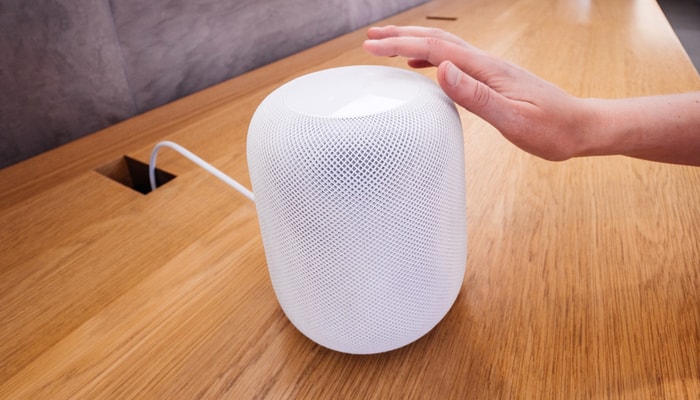
    The Apple HomePod was meant to be a direct competitor to Amazon’s Echo and the Google Home. These lines of products have proven incredibly profitable for their parent companies, and Apple has been wanting a slice of the home speaker market. However, so far they’ve been floundering miserably.

    Why can’t Apple seem to break into the home speaker market? What is it about their HomePod and Siri that makes them unable to make a dent in the market? Today we’re going to answer those questions.

    Apple HomePod

    Price Point

    At face value, before one even considers other factors, they must look at the price of HomePod. They can typically be purchased for around $350, though bargain seekers might find it as low as $300. This is almost a joke: Amazon’s Echo Dot often is on sale for as little as $15 or $20. Google Home’s smallest speaker, the Google Home Mini, can be acquired for $40.

    Setting aside the fact that the HomePod sounds better than most home speakers, it’s astronomically expensive. Google and Amazon have made their speakers more than just affordable, they’ve made them part of the conversation.

    Assistants

    Personal assistants, like Alexa and the Google Assistant, have to be fast, fluid and conversational. Siri is none of these things. She’s awkward, often starting and stopping in strange ways. Siri has comparatively few command prompts when held up next to her competitors. In short, she’s pretty dumb for a smart speaker.

    Third Party Integration

    Many companies haven’t even given the HomePod a second thought with their smart home tech integration. Google and Amazon integration are points of advertisement: of course you want these smart bulbs, they work with Alexa! HomePod integration is often relegated to a footnote, if it exists at all.

    The Apple Problem

    Apple’s business model involves creating, perfecting and curating their own ecosystem of products and software. The Mac is a personal computer with a flashy UI, tightly-controlled app management and relatively few unforeseen bugs. The iPhone is much the same for smartphones, working as a closed-off and high-walled system.

    This “walled-garden” approach isn’t working for home speakers. People might pay $1,000 for a smartphone or $400 for a smartwatch, but they’re not looking to shell out $350 for a smart speaker. Apple has misread the market on the HomePod. If they want the product line to take off, the first thing they need to do is tear down the walls and let Siri live on less expensive speakers.

    Maybe from there they can start to turn around their abysmal smart home performance. However, it will be tough to contend with Amazon’s stranglehold on the market.

  • Apple’s HomePod Struggles to Break into Crowded Smart Home Market

    Apple’s HomePod Struggles to Break into Crowded Smart Home Market

    Apple’s been uncharacteristically playing catch-up in the past year-and-a-half. The Cupertino-based tech giant has been facing sluggish sales of iPhones, Apple Watches and now the HomePod is even struggling to find its footing. A report from the Consumer Intelligence Research Partners has stated that only six percent of the smart home speakers in the US are Apple’s HomePod brand.

    Apple’s HomePod Struggles to Make its Mark

    The Competition

    Apple’s HomePod faces intense competition in the American smart speaker market. Amazon’s Echo line of devices makes up a staggering 70 percent of field, while Google Home speakers represent the remaining 24 percent of the smart speakers. Apple, by contrast, has yet to even break into double-digits with its market share.

    This is likely an issue of both price and functionality. The HomePod comes in one configuration: a $349 behemoth that sounds amazing and looks like a futuristic device from space. That’s a hefty price tag when Amazon offers a $20 Echo Dot and Google even has a $30 Home Mini. While these tiny speakers have nothing on the HomePod, they’re affordable. So, they sell.

    Locked in the “Ecosystem”

    Apple’s HomePod also has very limited functionality compared to Google and Amazon’s offerings. For instance, Siri only allows music to play from Apple’s own streaming service, and isn’t keen to play Spotify. This is another example of Apple’s tightly-controlled ecosystem coming back to haunt them.

    For the Apple faithful, it can be great to keep everything in the sterile, white walls of Apple’s “ecosystem.” Mac-toting, Apple Watch-wearing iPhone users likely love their HomePods. Most people, however, have no such brand loyalty and use tons of different companies’ electronics. That’s why Microsoft’s Windows operating system made them one of the world’s largest companies.

    A Solution?

    Apple is even beginning to offer Apple Music through Alexa, marking a rare instance of them breaking from their usual exclusivity. Apple’s seeing slowing sales for much of their hardware: are they thinking it’s time to make their subscription service a cornerstone of their brand?

    Another solution, of course, would be for them to open up their ecosystem more. Make a $30 HomePod Mini. Allow Spotify to play through the HomePod easily. Allow easy communication with Alexa-enabled smart home tech. After all, if you can’t beat them, join them!

    Will we be seeing a new era of cooperative Apple features? Well, probably not. Not as long as Apple’s still posting profits with their current business model, at least. If the sales slow down enough, though, and Apple finds itself in the red… who knows. Maybe cooperation would suit them if it stood to make them some money!

  • Apple’s Highly Publicized FaceTime Bug Fixed

    Apple’s Highly Publicized FaceTime Bug Fixed

    The highly-publicized FaceTime Bug that allowed users to eavesdrop on other Apple device owners has finally been fixed, according to Apple. The bug in question allowed people initiating a Group FaceTime to hear any audio input from the other members of the call. Apple disabled the functionality, which had launched in October, and set about work patching the bug immediately.

    FaceTime Bug Patched

    The Bug

    How the bug came to be is still unclear. However, after being discovered in late January, it was brought to Apple’s attention by numerous users. The functionality had just been added to iOS devices and Macs in October and allowed up to 32 people to be on the same FaceTime call. This highly-anticipated feature ground to a halt last month when it was discovered it could be used as a way to eavesdrop on people.

    The bug essentially allowed users to listen in on the conversations of anyone they dialed on a Group FaceTime call who didn’t answer. Even though the users would decline the call, the callers on the other end would still be able to hear them. When Apple was made aware of the severity of this easily-replicated bug they disabled the Group FaceTime feature temporarily.

    Apple’s Response

    “We take the security of our products extremely seriously and we are committed to continuing to earn the trust Apple customers place in us,” the company stated in a release on Friday. In the Friday release Apple assured users that the patch would be released sometime this week and would result in the bug being squashed.

    In the statement, the company specifically thanked the Thompson family for helping to discover the bug and make them aware of it. Michele Thompson’s teenaged son discovered the bug while trying to get his friends in a Group FaceTime for a session of Fortnite. Thompson noted she had difficulty getting acknowledgment of the bug from Apple, despite trying to contact them.

    This incident is a bit of an embarrassment for Apple, a company that prides itself on its extremely strict privacy controls. This uncharacteristic privacy leak is more in line with companies like Facebook than privacy stalwarts like Apple.

  • Apple FaceTime Bug Surprises iPhone Owners

    Apple FaceTime Bug Surprises iPhone Owners

    Apple’s FaceTime software has encountered a strange bug lately that has surprised iPhone owners and Apple alike. The bug was first detected by a 14-year-old gamer who was getting a group FaceTime together to play Fortnite with his friends. The boy’s mother attempted to warn Apple of this error around January 19th, though the bug wasn’t widely known until the 28th.

    Apple FaceTime Bug

    The Bug

    The bug itself is rather unnerving. Essentially, it occurs when someone starts a Group FaceTime. Whether or not the recipients of the call answer it, their conversations will be audible to those on the call.

    This is disturbing for a number of reasons. Primarily, it’s an issue when you consider how someone could simply call your device for a Group FaceTime and then just leave the line open and listen to your conversations. Essentially, the bug allowed any FaceTime-enabled device to become a listening device.

    Discovery

    Michele Thompson’s son, a 14-year-old boy, discovered the bug. Thompson then replicated the results herself a few times to make sure the bug was replicable. Upon discovering that it was, Thompson set about trying to inform Apple of the security breach.

    Thompson expressed frustration with how difficult it was to raise awareness of this issue with Apple. Finally, she even resorted to tweeting Apple CEO Tim Cook and warned him that this would be made public shortly. However, she felt bad about the Tweet later and deleted it.

    Apple’s Response

    Apple responded to the discovery of the bug (eventually) by having Group FaceTime disabled. The Group FaceTime functionality was added in October 2018, so security bugs like this were expected to occur in some capacity. This particular bug, however, is a bit distressing.

    Any bug that results in the device becoming a security breach is a major issue. Apple has promised to re-launch the software when the security breach has been patched. Hopefully this time the software doesn’t offer a window straight into user’s private conversations.

  • The Gift of Music:  How to Do It the Right Way

    The Gift of Music: How to Do It the Right Way

    Everyone has those people in life that are very hard to shop for. I mean what are you to get the person that has everything? Music. Music is always the best gift,  and for the people that have everything, it’s often the only gift. Music is universal and received by everyone. No one can have all of it or appreciate all of it,  which makes it such a great gift.

    The best part about giving music as a gift is there are so many different ways to do it. You can give equipment, earbuds, speakers, listening peripherals, or just new music that you think they would enjoy. The options are virtually endless. Let’s take a look at some of the best music gift ideas you can give your friends, family,  and loved ones.

    Streaming Subscriptions

    When gifting music the first place to start is the easiest place to start. That is a subscription to new music. Starting at $9.99 a month there is a plethora of streaming music subscription services. The subscriptions will allow you to stream, download, and listen to unlimited music, new, retro or classic. Whatever you wanna hear, whenever you wanna hear it.

    The first one I would mention is Apple Music. Apple Music has the largest subscription-based of users as well as the largest database of music. They’ve been compiling music in their iTunes software since the beginning of digital music. Almost all the music you could ever want to listen to is there is a very easy to use, intuitive,  user-friendly platform that syncs perfectly amongst all your iOS devices.

    The next option is Amazon’s Prime Music. Prime Music functions mostly like the Apple subscription services. Prime music will sync across all your Amazon prime devices,  you can even download the prime music app to your iOS or Android devices.

    This provides flexibility in your multiple and various OS mobile devices. There are also services like Iheartradio, Pandora, and Spotify. All the services will run you $9.99 a month and make an excellent gift for anyone who doesn’t have unlimited streaming music service.

    Harmonica?

    Maybe you want something tangible to give? Another great option to give somebody is the gift of a musical instrument. Regardless of talent level, Giving the gift of a musical instrument is always welcome. This will give you some options as well, the classic iconic instrument, a keyboard or guitar,  or you can get interesting like a banjo or harmonica. It’s fun, always remembered, and just may improve someone’s life.  If that’s not exactly what you been looking for, Here are some specific music listening devices that will make great gifts.

    Amazon Echo

    The Amazon Echo is one of Amazon’s premier speaker systems. It is an elegant and easy to use this quality speaker. It doubles as a speaker for most of your devices and comes with Amazon’s Alexa voice-enabled assistant fully built in. Full cloud sync-ability to prime music,  you can add in that subscription for a total music package. Synchronization across your devices lets the Amazon echo provide the ultimate in home music listening enjoyment. The Echo gives the gift of high-quality speaker along with the content to play through it.

    The Sonos Vinyl Set

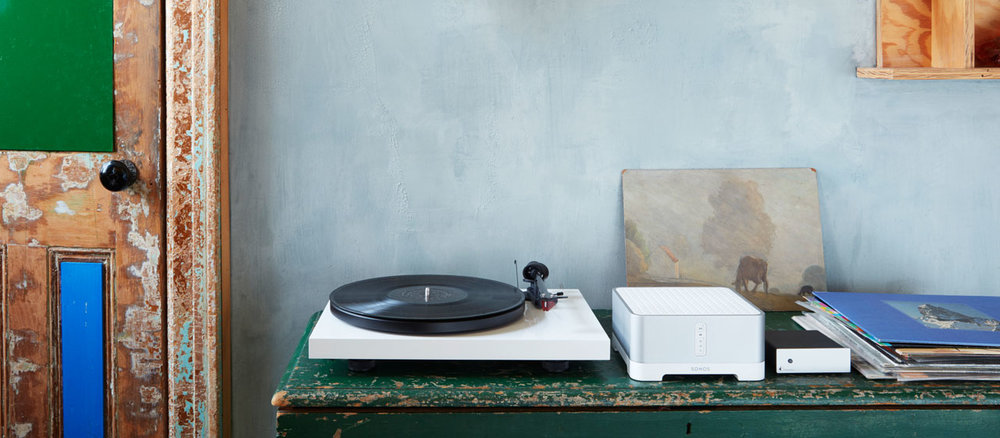
    Are you looking for a gift for someone who likes that hands-on music experience? Do they like the sound they can feel and touch? At the same time want to have that digital proficiency and quality without suffering the nostalgic sound of crackles and pops. Look no further than Sonos’s new vinyl set. Picture this, the Play:5, the best-sounding, most powerful speaker, matched with the Pro-Ject vinyl record player, allowing you to stream your vinyl to every room. Masterful.

    Did I mention, the Pro-Ject includes built-in phono preamp. Outstanding. They will be able to just plug in any audio device, from a record player to a friend’s phone, and listen to their favorite music on the fantastic Play:5. Like all Sonos speakers, it is expandable.  The Sonos vinyl easily let you go from streaming your favorite music and high-quality sounds to spinning from your own record collection.

    Give the gift of streaming vinyl across the connected Sonos speakers to every room in a pure, balanced sound,  unmatched by anybody else in the industry. Give the gift of their own musical completion, The Sonos Vinyl set.

    Beats Studio3

    You could just try keeping it simple and just go with the old trusty Beats headsets. When you want to give the gift of quality music look no further than beats headphones. The best of the beats headphones are the Beats. Featuring intuitive balanced, pure noise canceling functionality in the most robust and authentic sounding headphones on the market.

    These headsets function flawlessly regardless of the situation or noisy environment that you’re in,  always providing the perfect pure balance sound and they look pretty great.

  • Your iPhone or Android is About to Cost Even More

    Your iPhone or Android is About to Cost Even More

    If you complained when phones were free because you were asked to sign a contract, you probably aren’t happy nowadays! We are now at a place where a new iPhone could cost up to $1449. Just when you think phone prices are as outrageous as it could get, Qualcomm says hold my drink…

    Rising prices aren’t unusual on their own. Faster, better components like processors and cameras cost more to make. Add in the cost of researching and developing new materials into the final product, and then we have the Trump trade war and inflation to affect the cost of new tech. If all of that weren’t enough, chipmaker Qualcomm is increasing their licensing fee for each new 5G chip.

    Qualcomm reported a sharp decline in their quarterly profits, largely due to a reduction in the amount of money they obtain from licensing their patents to other companies. Qualcomm is tweaking their licensing program and will charge handset makers for their 5G intellectual property. Specifically, the company said that they could charge smartphone manufacturers up to $16.25 in royalties for every 5G phone they sell. They also stated they would cap their royalty rates at $500 for the selling price of the phone. This means the manufactures will have to pass on the cost to consumers to help cover this new charge.

    iPhone Cost and Why They’re So Expensive

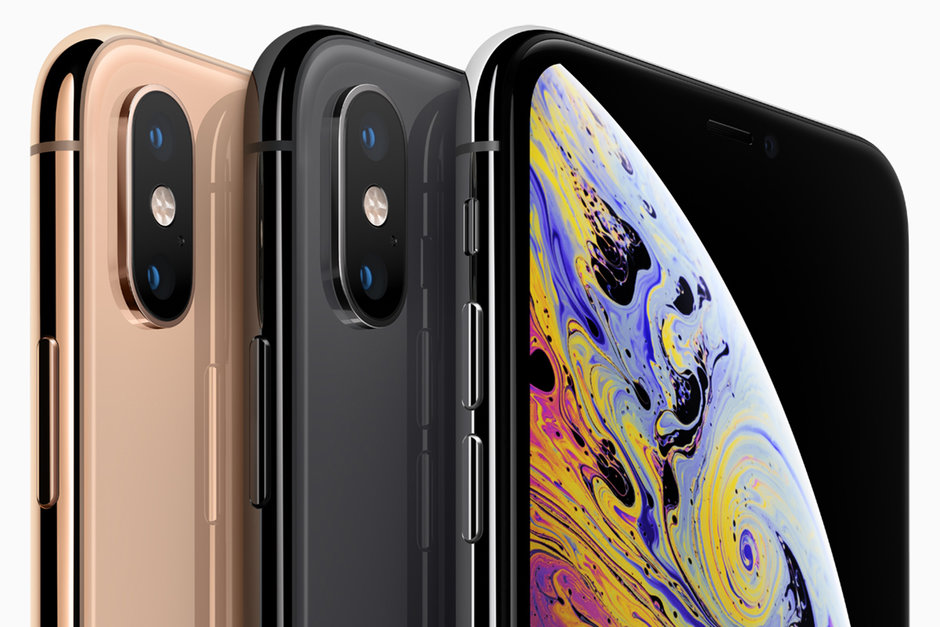
    Apple has slowly increased the average price of an iPhone since 2007, but with the $999 iPhone X release last year, it made an even bigger leap than usual. A year later, after the shock value of a thousand dollar smartphone had largely worn off, Apple made yet another jump. The iPhone XS Max, which starts at $1,099 and can cost up to $1,449 for the model with the most memory, makes it the most expensive iPhone ever.

    Tim Cook, Apples CEO, does not believe the iPhone is too expensive. He states “The phone has replaced your digital camera. You don’t have a separate one anymore. It’s replaced your video camera. It’s replaced your music player. It’s replaced all of these different devices,” Cook said. “And so arguably the product is really important. And we’ve found that people want to have the most innovative product available and with that, it’s not cheap to do.”

    These steadily rising prices across Apple’s portfolio and the mobile category indicate that costlier devices are here to stay . This is our own fault for buying them in mass droves in the first place. We have no one to blame but ourselves!  I don’t regret my own decision, I’ll probably even do it again this September.

    Don’t Worry, Androids Mid-Level Phones are Still Affordable

    iPhones are expensive, rightfully so, since they are of much higher quality and consistency than some competitors. But, you can only get the iPhone from one manufacturer – Apple. The operating system used in the iPhone, iOS, is a proprietary Apple product. You can’t just get your own copy of iOS and put it on phones and sell it. Tie that in with tight distribution procedures and you have a solid way to control the market. Android does not operate this way, so that makes them cheaper, right? Not really.

    Android phones use an operating system that is open-source. Android is actually just another distro of Linux, although it runs some independently-developed software on top of the Linux kernel in place of the GNU userland tools used in desktop Linux. You can even see what kernel version you’re running in the settings of any Android phone. One would think this would help decrease cost to the consumer, but no.

    While a lot of different factors are creeping prices higher, some revolutionary tech advancements will only add to these still-rising costs. Android will have its own price increase issues in the near future. As Android phone makers struggle against premium priced components like more robust chipsets and unfathomable cameras, they’re also anticipating new designs.  These include 5G and foldable designs that are crucial to helping their brands stand out in a over-saturated and mundane line-up.

    Making newer cutting edge phones in 2019 is getting even more expensive. The 5G phones and foldable designs seen in the upcoming “Galaxy X” will be a whole new ball game, and ball games are never cheap.

    SmartPhones Will Be a Major Expense Over Your Children’s Lifetime

    Kids are getting their first smartphone at the average age of 11 in today’s world. Assuming the average cost of a smartphone stays the same, with the average amount spent per year in the U.S. on cellphones, and the average  upgrade every 32 months, things will only get more expensive.

    Factoring in the typical smartphone costs and usage patterns, your children will end up spending a staggering $75,000 apiece on their phones over the course of their lives. Mind Boggling!

  • MacBook Air 2018: Is it Worth the Price?

    MacBook Air 2018: Is it Worth the Price?

    While Apple continues smartphone dominance with the iPhone X line, they’ve been struggling with their laptops recently. Competitors like Microsoft have been out-performing them for the past few years. Is the MacBook Air 2018 poised to change that, or will it fall flat?

    MacBook Air 2018 Review

    Design

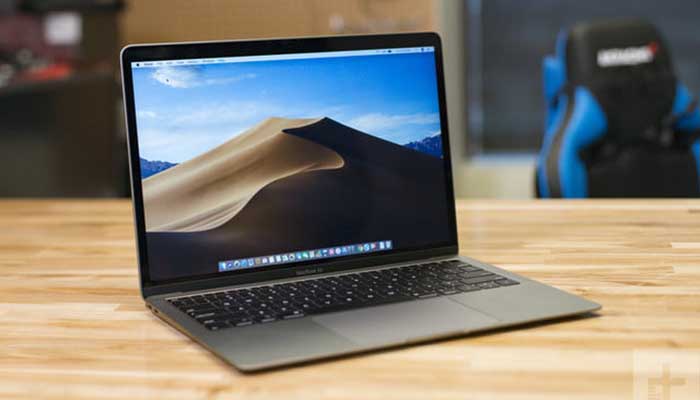
    At first glance this is very clearly a new beast than previous generations. It’s incredibly thin and light and stows away in a bag very easily. It’s a bit bigger than the 12-inch MacBook Pro, oddly, though it’s a bit smaller than the 13-inch model. It’s something of an in-between of those two laptops in more ways than one.

    The screen is big and gorgeous, as you’d expect from any Apple product. The bezels around the screen have been pulled back significantly, making this a much more modern-looking device. The keyboard is a bit shallower than the previous MacBook Air but it still feels fine for typing.

    Performance

    This is an upgraded machine from its previous incarnation in many ways. Notably, this version is sporting an 8th-Gen i5 processor, more RAM options and generally more power. It’s not quite as mighty as the 13-inch MacBook but it’s much more portable. Likewise, it blows the 12-inch MacBook out of the water but it’s a bit bulkier than that device.

    For most common tasks this is going to be an excellent productivity machine. If you want a device from which you can type up assignments, listen to music, do research and watch YouTube, you won’t be disappointed. Photo and video editing are a dream, as usual for Macs. Professionals, college students and entrepreneurs alike will find this device plenty powerful enough for most tasks.

    Bottom Line

    This is an excellent entry into the MacBook line. Acting as a midpoint between the 12-inch and 13-inch designs, the MacBook Air 2018 comes in a full $100 cheaper than either of those devices. It retails for $1200, though you can likely find it on sale for up to $100 less in some places. All in all, this is a great productivity laptop with a good balance of portability, power and sleek design that will impress any Mac fans.

  • Black Friday iPhone Deals that You Have to See

    Black Friday iPhone Deals that You Have to See

    It’s no secret that Apple makes some of the best smartphones, hands down. They also charge some serious dough for their elite smartphones. That changes on Black Friday, though: the company is offering some great discounts on several of their top-of-the-line smartphones. You can’t mess these Black Friday iPhone deals!

    Black Friday iPhone Deals

    Walmart Deal

    Walmart’s offering a very straightforward deal on iPhones. If you buy an iPhone X, iPhone 8 or iPhone 8 Plus and activate it you get a $400 Walmart gift card. You have to activate through Verizon, AT&T or Sprint to get the gift card. Essentially, you’ll pay full price for the iPhone but you get to spend another $400 in Walmart for your trouble.

    Alternatively, if you want this year’s models, you can go through the same process for the iPhone XS, iPhone XS Max or iPhone XR and get a $300 gift card. Not quite as much, but you’re getting a much newer phone in the deal!

    Target Deal

    Target is offering a similar deal to Walmart. After buying an iPhone XS or iPhone XS Max and activating with Sprint, AT&T or Verizon you get a $250 gift card. This isn’t quite as good of a deal as Walmart but Target can often offer a different array of things than Walmart can. Some of Target’s other Black Friday sales might even make this the deal you opt to go with.

    T-Mobile Deal

    T-Mobile is offering straight-up free iPhones. If you trade-in your old phone and open a new line on your existing bill you can get a free iPhone XR, iPhone 8 or iPhone 8 Plus. If those aren’t your thing, you can get $750 off the iPhone X, XS or XS Max. These savings come in the form of bill credits over a 24-month period.

    This deal is notable as it’s the counterpoint to the Target and Walmart offers. While those offers require you activate the phone through Verizon, AT&T or Sprint, T-Mobile is offering a much better deal over a 24-month period. Their deal simply doesn’t take place as immediately as the other two on this list.

  • Great Apple Tech War of the 21rst Century

    Great Apple Tech War of the 21rst Century

    Apple is always up to some fantastic things, Making headlines and straight surprising us with out of the box ideas. Apple News is plentiful and fascinating so here is a quick look at a few things Apple is up to today. Also it help as you are reading these to do so in Walter Cronkite’s voice. We have a situation developing, Im dubbing this The Great Apple Tech War of the 21rst Century.

    The Great Apple Tech War of the 21rst Century First Shots Fire

    Last March Apple CEO Tim Cook criticized Facebook in an MSNBC interview for being a service that traffics “in your personal life.” This is now the true first shots fired will what will be know as the Great Apple Tech War of the 21rst Century. In those comments made back in March, Cook dismissed a question asking him what he would do if he were in Zuckerberg’s shoes dealing with the fallout from the Cambridge Analytica scandal by saying, “I wouldn’t be in this situation.” These Comments natuallry enraged Old Zucks. He shot back then by saying  he found Cook’s comments to be “extremely glib,” and that “I think it’s important that we don’t all get Stockholm syndrome and let the companies that work hard to charge you more convince you that they actually care more about you. Because that sounds ridiculous to me.”.

    Fast forward to today,  Zuckerberg ordered his management team to only use Android phones. A retaliatory move in an effort to take a shot back at Apple for Cooks comments. A war has begun, We will follow this with great interest.

    The Western Front

    Now we take you to the Western Front of the Great Apple Tech War of the 21rst Century. Apple and Qualcomm have been in a heated dispute for the last two years, and now Apple is taking another small jab at the company by opening up jobs that seem to be designed to grab employees from the chipmaking giant. Apple has opened 10 job listings this month for chipmaking positions in San Diego. That’s where Qualcomm is based, and according to the report, Apple has never searched for chip engineers there before. It also suggests that Apple could be opening up another regional office for chip designers.

    We know already Apple is gearing up to cut Intel out from their Mac lines. Poaching the talent from Qualcomm is the tactical move. Qualcomm will strike back, I don’t know how or when. This aggression will not stand, and you can be sure of this.


    The Final Thought

    While we are just watching these conflicts begin to erupt, erupt they most definitely will. We have seen the intensely intriguing battle with Samsung already take place in . Still the best highlight from that on going war is the dump trucks of nickels delivered to Apples Cupertino HQ. The next move will be two companies forming an alliance. It won’t be to long before we see this.

  • Top 5 Video Chat Services

    Top 5 Video Chat Services

    For years we were promised video chat in every movie and tv show that took place in the future. The Jetsons did it, Back to the Future did it. I grew up assuming it was weeks away from reality my whole life. Then one glorious day in 2010, Steve Jobs said the word Facetime and video chat was a everyday reality.

    Video chat is the best way to connect and call your friends, family and loved ones. Allowing you to instantly share special moments in real time. Since 2010 the market flooded with video chat options. With so many options which is the best? Ill figure this out, so you can tell which setup is right for you. From smartphones and tablets to laptops and TVs, there are plenty of ways to get you up and running, and here are five of the best.

    FaceTime

    Apples proprietary video telephony system. FaceTime is available on supported iOS mobile devices and Macintosh computers. FaceTime supports any iOS device with a forward-facing camera and any Macintosh computer equipped with a FaceTime Camera. Apple bought the “FaceTime” name from FaceTime Communications. CEO Steve Jobs announced FaceTime on June 7, 2010 in conjunction with the iPhone 4 in a keynote speech at the 2010 Apple Worldwide Developers Conference. Support for the fourth generation iPod Touch (the first model of iPod Touch equipped with cameras) was announced in conjunction with the device’s release on September 8, 2010. Just like that everyone had video chat in a matter of days.

    if you have an iPad then the FaceTime app will already be installed ready for you to start using. From within there you can find contacts that are also using Apple hardware, and then it’s a simple as tapping the video icon and the app will make a call to them. It is the standard for video chat apps, The app that all other video chat apps are judged and found wanting.

    WhatsApp

    A far underestimated and often overlooked, WhatsApp is a real player in the video chat game. It is the default backup to facetime for global use. WhatsApp Messenger is a freeware and cross-platform messaging and Voice over IP service owned by Facebook. The Nice thing about Whatsapp is it is universal, and will work on almost any device anywhere in the world.

    Google Hangouts

    Yes, of course Google has its own option too – and it is called Hangouts. This allows for calls and video chat from within a browser on your laptop or PC, so anyone else with Hangouts on a computer, phone or tablet can be contacted. Hangouts lets you have multiple callers in one video chat too, intelligently spotting who’s talking and making that video the main one on screen. The app also allows for messaging so you can share photos but also allows for screen sharing. Lot of great features with Hangouts you don’t get in other apps.

    Skype

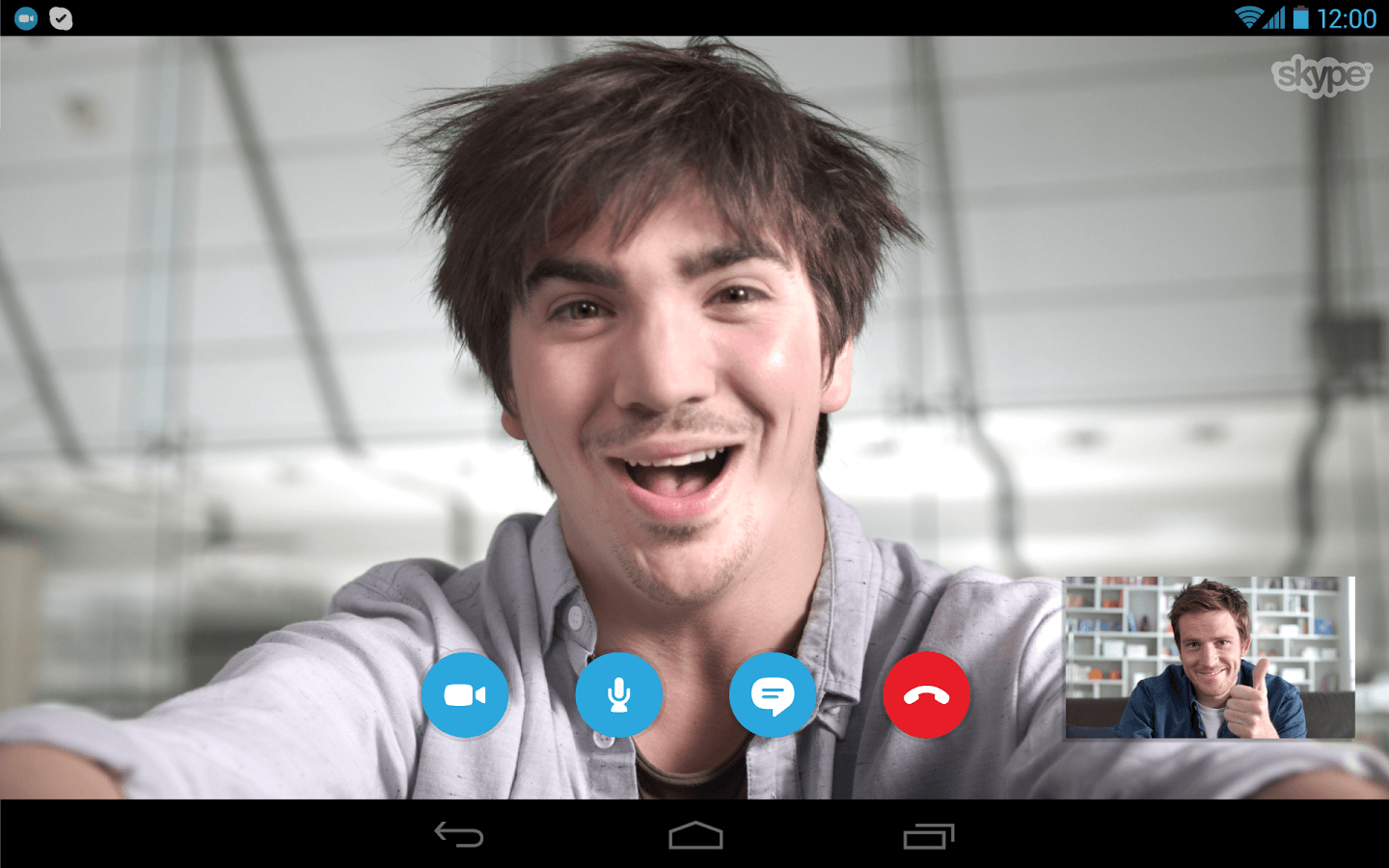
    Skype is a web-based communications tool that offers video chat, international calls, and texting via the web. This is very popular for its free video chat and communications capabilities, which are very basic at best. As a business communications tool, Skype is branded as the best and most inexpensive solutions provider for VoIP services. For those who want to fully maximize its potential and use it to improve productivity and drive revenue up, there is an enterprise pricing package for business communication that costs only $2 per user per month. With one simple platform, Skype for Business offers features like, Online meetings for up to 250 people and Secure communication lines via strong authentication and encryption.

    Facebook Portal and Video Chat

    Something new you probably didn’t know about. Facebook is launching its own device for video chat. Portal is aimed at connecting you to family and friends through video chat. The idea is that, instead of holding your phone up to your face for a jerky visual conversation with grandma and grandpa, you get a beautiful mini-TV, with a 10-inch screen.

    While not just a video chat service, Facebook’s Portal smart screen does more than just make calls. You can use it to watch videos, play games and find out the local weather, or help you tell children’s stories. Think an Alexa tablet powered and connected by Facebook.

    Pied Piper PiperChat

    A revolutionary middle-out compression was the missing piece in the video chat software world. PiperChat is similar to Google Hangout, FaceTime, and Skype. It is a video chat app that uses Pied Piper’s compression software. Piperchat is the most comprehensive and best video chatting application ever to be seen, using the same middle out compression algorithm as pied piper inc, piper chat can stream flawless 1080p video calling with only just a mere 3g signal.