Category: Lifestyle

  • Symptoms of Chronic Ulcerative Colitis

    Symptoms of Chronic Ulcerative Colitis

    There are a lot of unfortunately uncomfortable conditions and diseases out there. Most are not life-threatening,  just a life-altering pain to deal with. We are going to talk about one of those conditions today. This may get ugly, so brace yourself.

    This may sound unpleasant but are you suffering from bloody diarrhea? Abdominal pain? These could be the first signs of Ulcerative colitis. Ulcerative colitis is a disease in which there is chronic inflammation of the inner lining of the colon. The inflammation can cause the lining tissue to break down, forming ulcerations that can bleed. These signs will often be offset with rectal pain. The rectal pain can give you an emergency need to defecate but you may be ineffective in doing so.

    Ulcerative Colitis is very much like Crohn’s disease. Crohn’s disease is also a chronic inflammatory disease of the intestines. The two share a lot of common characteristics. They differ in that Crohn’s disease is not limited to the colon. It can be located just in the colon but often Crohn’s disease implicates the small intestine.  Irritable bowel syndrome is also another source of abdominal pain and diarrhea. Unlike UC, IBS does not share any identifiable inflammation and is mostly caused by dysfunction of the nerves and muscles of the intestines. So if we can move past Crohn’s and IBS is not your problem, let’s dive deeper into Ulcerative colitis, or UC as I will further refer to it.

    The What of UC

    What is UC exactly? Ulcerative colitis is a chronic disease of the large intestine, when the lining of the colon becomes inflamed and small open sores start to develop. These are called ulcers. These ulcers then produce pus and mucus. Ulcers combined with the pus, mucus, and inflammation set off the abdominal discomfort. This then results in frequent emptying of the colon. Followed by more discomfort, loss of appetite and rectal bleeding.

    Ulcerative colitis is an abnormal response of your immune system. Normally, the cells and proteins that make up the immune system protect you from infection. When you have UC your body starts to think bacteria, food and everything else in your colon is targeted as malicious cells. It’s designed so that the natural response is to destroy that material.  Your white blood cells will rush to your intestine to start attacking everything they can find. This action is what causes the ulcers and inflammation.

    How Did I get UC?

    Despite lots of universities and scientists researching and investigating the cause, nothing of any substance has been found. There are a lot of complicated factors that have to happen before the onset of UC. The first factor is any  genetics you may have inherited. The next issue would be your immune system. Lastly, they believe is environmental. A stimulation of antigens in your environment may stimulate the body’s defenses into action. These 3 factors all have to be present for UC to happen. Once the foreign substance is entered into the intestine, your defense will then spring into action. In UC patients, their body doesn’t know when to turn the defenses back off. Inflammation then takes place, damages the intestine, and the initial symptoms result.

    A recent breakthrough in UC research says it may be the result of an interaction of a virus or bacterial infection of the colon and your body’s natural immune system response. The immune system is supposed to attack an illness or infection. Normally this will be reduced as you heal and recover. When you have UC, this doesn’t happen. The inflammation will persist after you no longer have the infection.  UC targets both men and women, at an equal ratio. Typically in the mid to late 30s. Like I mentioned before one of the 3 factors are hereditary. If others in your family have this, pay attention to symptoms. If you have a close relative with the disease you have a 20% likeliness of getting UC.

    Symptoms

    If you believe you are at risk, these are the tell-tale signs to watch for. The first is diarrhea, often with blood or pus. This will be prolonged, longer then it should after an illness. Abdominal pain and cramping as well as the oh so delightful rectal pain. This will result in rectal bleeding and you will notice a passing of a small amount of blood with stools. Just terrific. There will be a greatly increased urgency to defecate, but you may not be able to defecate despite urgency. The last symptoms are common among a lot of diseases with weight loss, fatigue, and fever. Typical cases only include mild symptoms and may alleviate themselves for long periods of time. They will however return.

    Different Types of UC

    There are 4 types of UC identified by doctors today. Ulcerative Proctitis, Proctosigmoiditis, Left-sided Colitis, Pancolitis, and Acute severe UC. In Ulcerative proctitis, inflammation is mostly designated to the anal region. You may only experience rectal bleeding and none of the other symptoms. With Proctosigmoiditis the inflammation involves the rectum and the lower end of the colon. With this type you will experience;  bloody diarrhea, abdominal cramps and pain, and an inability to move to unload the bowels. On to Left-sided colitis. In this type, inflammation extends from the rectum up through the lower and descending colon.

    Typical signs and symptoms will appear but there will be a pain only on the left side and some unintended weight loss. Pancolitis is similar but will affect the entire colon. There will be many experiences with bloody diarrhea with serious complications. Of course, there will be abdominal cramps and pain, fatigue, and significant weight loss as well. Lastly, we have the Acute severe ulcerative colitis. This is rare, and the most severe form of UC. ASUC will affect the entire colon and causes intense pain, major diarrhea, bleeding, fever and an inability to eat.

    The Final Thought

    If left untreated, UC will result in a perforated colon, severe dehydration, liver disease, bone loss, inflammation of your skin, joints and eyes, increased risk of colon cancer,  rapidly swelling colon, and an increased risk of blood clots in veins and arteries. As if this wasn’t bad enough with just the rectal bleeding.

    UC can be diagnosed with a CAT scan, Endoscopy, and Colonoscopy. Fun. Treatment usually involves drug therapy or surgery. There are many medications that can reduce the inflammation that causes your symptoms.


  • The Pain you Feel Could be Peripheral Neuropathy

    The Pain you Feel Could be Peripheral Neuropathy

    If you feel strange pain in your extremities, such as in your hand or feet, you might be feeling peripheral neuropathy. Neuropathy is the result of damage to nerves and can cause numbness and aches in your body, typically in your hands and your feet. Commonly caused by diabetes mellitus, inherited genetics and infections, peripheral neuropathy damages nerves that are trying to send signals to your central nervous system. It’s possible that the pains you’re feeling in your extremities that neuropathy is to blame for it!

    You Could be Suffering from Peripheral Neuropathy

    Overview

    Generally the pain is described as being a tingling, burning or stabbing sensation depending upon the intensity. There are some medications that can ease the pain, and many patients report that the pain lessens over time when treated. The disease is inherently degenerative: nerve endings that die send complex signals that are interpreted as pain before numbness sets in in their absence. This sensation is highly uncomfortable and can make it difficult to walk or type, depending on which extremities are affected.

    The symptoms of this condition include weakness, numbness, stabbing pains and difficulty executing motor tasks. These reasons are generally brought on due to the types of nerves that are affected.

    Common Symptoms

    Commonly, the type of nerve affected will dictate the type of symptoms you see with regards to neuropathy. Sensory nerves, motor nerves and autonomic nerves all serve different functions in the body. Sensory nerves are the ones you know the best, and they’re the ones that allow you to feel things. Motor nerves are the nerves present in your muscles that allow you to move and manipulate your environment. Autonomic nerves are nerves that control the automatic functions of your body such as your digestion, bladder, heart rate and other such functions.

    If you feel numbness, tingling and prickling and jabbing pains, your sensory nerves may be affected by neuropathy. This often also leads to lack of balance, lessened coordination and difficulty walking or using one’s hands. If your motor nerves are affected, it could result in muscle weakness and even paralysis. The lack of motor nerves in a muscle would make it more difficult, or even impossible, to send signals from your central nervous system to your muscles.

    If your autonomic nerves are being affected the condition could include problems with digestion or your bladder, or even issues with your bowels. Intolerance to heat is another common symptom. Blood pressure changes can occur, causing sudden dizziness and issues with circulation.

    Common Causes

    Peripheral neuropathy isn’t a condition that occurs in and of itself typically. Normally the condition occurs as a result of an outside factor. Commonly, these factors can be controlled or treated and allow a chance to fight the neuropathy. Examples of common causes include alcoholism, which can cause lasting nerve damage, and diabetes. Diabetes, in particular, is one of the biggest causes of neuropathy. In fact, around half of all people with diabetes develop some form of neuropathy.

    Less common causes that people encounter include poisons, such as heavy metals, toxic substances an the like that can cause nerve damage. Another example is through an injury that causes the nerves to become damaged.

    Commonly, injuries sustained during car accidents, while playing sports or from falls can damage nerves and cause neuropathy. Certain deficiencies can also lead to neuropathy, such as vitamin B-1, B-6 and B-12 deficiencies. Other causes could be genetic disorders, infections, tumors, and even bone marrow disorders.

    Risks and Complications

    If you have risk factors that could lead to the development of neuropathy, such as genetic predisposition, exposure to toxins or recent injuries, speak with your doctor. If you have neuropathy, you will likely not notice when you sustain injuries to your extremities. As such, it’s very important that you check them often. If your hand is being burned, or if you have stepped on a nail, your body being numb won’t alert you to that.

    Additionally, those with neuropathy in their feet have difficulty walking. Uneven ground, loose soil and unstable footing all pose serious fall risks for those with neuropathy.

    When to See a Doctor

    If you think your pain or numbness is related to neuropathy, don’t hesitate to visit a doctor. You don’t want to take chances when it comes to your health! Visit your physician and talk to them about what you’re experiencing. They might be able to treat your pain. The sooner you start combating neuropathy the better, so don’t be afraid to try to get help right away!

  • How to Choose the Right Trailer for Your Move

    How to Choose the Right Trailer for Your Move

    Americans move around a ton. It’s just what we do! In fact, each year, about 11 percent of the population will move from one home to another. On average, Americans live in around 10 homes in their lifetimes. So, if you’re moving, you’re far from alone! If you’re moving, though, you’re likely looking into renting a trailer to carry all of your things. How should you choose the right one for your move? Today we’ll help you answer that question with this quick breakdown!

    How to Choose the Right Trailer for Your Move

    Should You Rent or Buy?

    The first question you need to ask when you’re thinking about moving is whether you want to rent or buy a trailer. You’ll need something to carry all of your things in, but buying a trailer outright might be expensive. On the one hand, owning a trailer is a great way to keep this expense from repeating in the future. After all, odds are good you’ll need to move something again soon before you move. And then, when you move again, as you likely will, you’ll want to have a trailer on hand. If you bought one the last time you moved, you’re covered!

    On the other hand, though, buying a trailer might be an expense you can’t swing during the move. Maybe you don’t haul things often enough to merit simply buying one, and you’d rather save money by just renting. After all, buying can cost between $4,000 and $20,000 depending on what kind of trailer you’re looking at! There are also registration fees, taxes and inspections you’ll have to pay for on top of that. Owning can be expensive!

    Picking the Right Trailer

    There are a number of trailers you can choose from when you go to move. Four of the main ones you’ll see are flatbeds, cargo trailers, freight trailers and equipment trailers. We’ll briefly go over each so you can decide which one is right for your move!

    Flatbed

    Flatbed trailers are ideal for transporting a vehicle. If you’re moving a long distance and need to move a vehicle with you, a flatbed car-hauling trailer is the right call for your move. These are tilted to allow your vehicle to drive up onto them. Once on, you’ll secure your vehicle with straps so that it doesn’t go anywhere. Some of these trailers will have your vehicle’s back wheels stay on the pavement and roll behind the trailer, while others will have the vehicle sit completely on the trailer.

    Cargo

    Cargo trailers are common and come in a number of shapes and sizes. Typically people moving large amounts of furniture will go with enclosed cargo trailers. Enclosed trailers are the kind you would normally see rented through companies like U-Haul. They can be hitched to the back of a truck or SUV and have roll-up doors and enclosures. The enclosed design of these trailers helps to keep your belongings safe from blowing away, being rained on or being stolen. You can even use a padlock to lock up the trailer door so it can be left somewhere without you worrying about your belongings being stolen.

    Typically these are the type of trailer that people will get when they go to move. However, they’re not always the exact trailer you need!

    Equipment Trailer

    Equipment trailers are flatbed-style trailers that are ideal for cross-town moves. These are side-rail trailers that are open and allow you to load your belongings quickly and easily. If you’ve got a smaller amount of belongings and only plan to move a short way, these can be good budget alternatives to cargo trailers. You will, however, have to tie down your belongings. Additionally, these trailers are less than ideal in rainy conditions, and shouldn’t be left anywhere overnight, as your belongings aren’t protected from the elements.

    Freight Trailer

    If you possess a large number of belongings, then a freight trailer might be ideal. Those without commercial trucking licenses will need to hire truckers to move these types of trailers for them, as they are quite large. However, for people who have very large or numerous belongings and plan to move a good distance, these types of trailers are ideal.

    Another variety of freight trailer is the moving truck, which is commonly rented from companies like U-Haul. These are a bit of a happy medium between cargo trailers and semi-truck sized freight trailers. If you’re moving a long way but don’t have a huge number of possessions, these types of moving trucks are ideal.

  • Top Timeshare Destinations You Should be Looking At

    Top Timeshare Destinations You Should be Looking At

    Time-sharing is one of the most wonderful things to ever happen to America’s middle class. TimeShare gives you the option to own a beautiful piece of property in your favorite vacation spot for a fraction of the cost. How do they do this? It is a simple idea, take one glorious property in a destination spot, divide said property into the 52 weeks a year and sell each one to the hard working people of America for an affordable and attractive price. Just purchase a 1/52nd share of a unit, a room, suite of rooms, condo, or villa. Then stay there for a week each year.

    Then a few decades after this magnificent invention, the timeshare industry evolved into a multi-faceted, consumer-focused product that offers much more than just a week per year at your favorite resort.  Timeshare evolved into vacation clubs. This gives you perks, flexibility and discounts along with your week a year in the paradise of your choice. Now the paradise of your choice can change each year with the vacation club model.

    You won’t only get great ownership accommodations in any given destination, the benefits add up. Real benefits,  like extra rewards and free timeshare exchange, or discounts on airfare, travel, and admission to area attractions. Life just keeps getting better.

    Am I starting to sound like a Timeshare salesperson? I’ll stop, just know timeshare and vacation clubs are a great way to maximize your vacations on a budget, add to your investment portfolio,  and treat yourself to a great time. Now that you are on board let us look at the 5 best timeshare destination spots in the country.

    All of Florida

    Timeshare was meant for Florida, and Florida is prime for timeshare. It’s a match made in fanny pack heaven. Florida timeshares can provide a vacation for everyone. Want to take your kids on yearly trips to Walt Disney World and Universal Studios? Just simply want to relax on soft white sand for a west coast Florida sunset? Maybe a warm weather dive into debauchery and easy living is your get-away. Daytona Beach to Naples or all the way down to the Keys, Florida has your vacation ready. Plus it’s cheap.

    With 4 major US cities, airports and cruise ports galore, Florida is a hot spot for paradise seekers. Let’s talk about the golfing, yeah Florida has that too. All the golf you can handle in Florida. Pack your clubs to hit some of the state’s best and most-cherished courses. Legendary courses, such as the Seminole Golf Course, TPC Sawgrass, The Concession Golf Course, The Bear’s Club. Excited yet? Then try out the entire city of Palm Coast, with 5 award-winning, Pro designed, immaculate courses including The breathtaking Jack Nicklaus-designed Ocean Course of Hammock Dunes.

    Timeshare in Hawaii

    Hawaii timeshare resorts are the essence of luxury, boasting spectacular ocean views, and beachfront access. Illustrious restaurants, spas, tennis courts, golf courses and inspiring views at every resort. Hawaii has several islands, each with its own adventure and sights. The Big Island is famous for the Hawaii Volcanoes National Park. Want to vacation in a volcano?  Hike a coffee plantation? Black sand beaches? Not to mention vibrant cities like Honolulu. Ohau has countless parks, botanical gardens, and museums to keep your itinerary full. That’s just the first island.

    Kaanapali Beach on Maui is quickly turning in to the spot for beachside luxury. Boasting the best selection of posh timeshare, spas, and exclusive resorts. A little tip… try a lomilomi massage.

    Colorado

    I’m talking about a little place where the beer flows like wine, and the women instinctively flock like the salmon of Capistrano… I’m talking about a little place called Aspen, or any of Colorado for that matter. If you like Endless blue sky, lush emerald green forests and astonishing mountains Colorado could be your timeshare spot. You can’t tell me you never wanted to own a hot tub and a ski resort in Colorado. You got downhill skiing or fly fishing. All I hear is my blood pressure lowering.

    Las Vegas

    Vegas Baby Vegas… The timeshare king of the world. In Vegas, all the players show up. From the Cliffs at Peace Canyon, Club de Soleil,  or Diamond Resorts Polo Towers Suites. Even Elare, Grandview of Las Vegas and the Hilton’s Flamingo and Paradise are up waiting for you. Put on your finest silk suit and walk in like you own the place because you do.

    Myrtle Beach

    From North, Central or South Myrtle Beach including Murrell’s Inlet, you have an array of Myrtle Beach timeshare ownership and vacation rental opportunities. Resorts located on the oceanfront, on the Intracoastal Waterway or situated on an award-winning golf course, add in anything you could want in a resort. It’s like Florida, but without the trash.

  • Helpful Tips For Garage Door Repair

    Helpful Tips For Garage Door Repair

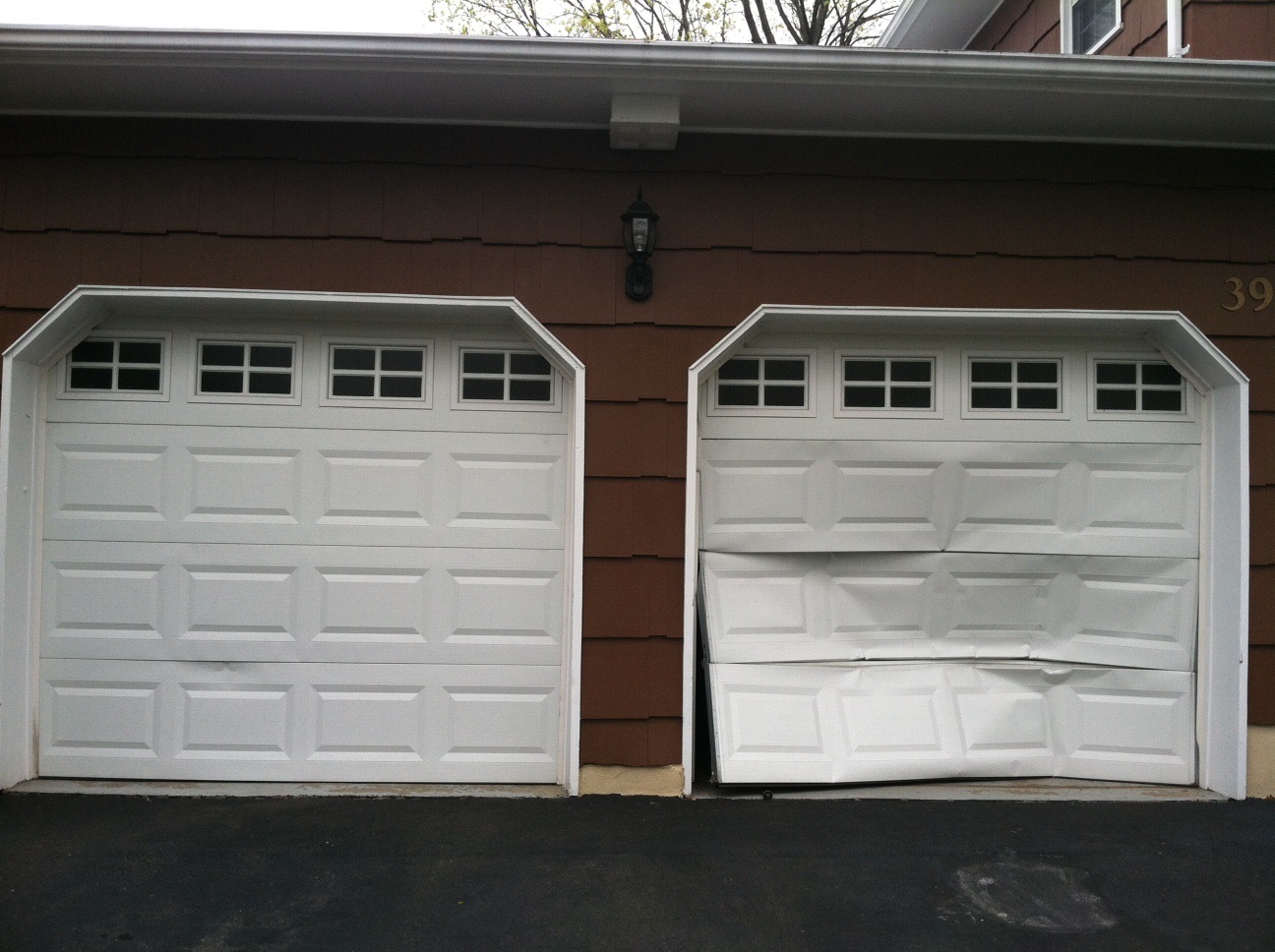
    The garage door in your home is the portal to your personal and real life living space. What happens when it breaks? Time for a DIY project.  There are two main components of a garage door, the opener and the door.  While styles vary, the overall idea of a garage door is the same. Let’s start by talking about the door. 

    There are many types of garage doors, roll up in sections, one piece that swings up, large French door style, or my favorite the barn door style roll open. They all work pretty much the same way, the door moves on a metal track inside the garage.

    The power is supplied by a heavy spring or multiple springs. It’s a fairly simple process so most repairs are fairly easy to do. Let’s take a look at 5 basic repair tips for your garage door.

    Check the Metal Tracks

    First thing to check if your garage door isn’t opening is the metal tracks inside. This is the most likely place for an issue and one of the easiest to fix. Start with making sure the track is clear of any obstruction or debris. Next look at the mounting brackets, secure any nuts or bolts, if the track is not secured tightly or has any slack in its movement. If all that checks out, let’s move to the track itself.

    Let’s now look at the garage door track for any dents, damages, or crimps. If any are spotted you will want to hammer them out. A rubber hammer or mallet is usually best for pounding out damaged metal. Lastly if the damage is extensive, replace the track.  Again this is a fairly easy and inexpensive DIY problem you can fix. Now is also the time to check those rollers along the edge of the garage door.

    These should be inspected at least twice a year and replaced every 5 to 7 years. During your inspection, replace any rollers you find that are chipped, cracked, or obviously worn. With the exception for the bottom rollers that may be attached to cables, the other rollers can be easily removed and replaced just by removing the brackets holding them.

    Leveling up

    If step one didn’t solve the problem, the issue may be that the track isn’t level. Making sure the track is level is key for your garage door to operate efficiently with gravity. If you have horizontal tracks, they should slant slightly downward. On vertical track doors the tracks should be dead even. Use a level to check their status.

    You can loosen the bolts and use your rubber mallet to bang them back in to place if need be. Do not remove the bolts entirely just loosen, adjust, re-tighten.

    Spring Into Action

    All fixed?  No!  Well then it is time to check the springs. Odds are you know what failing springs look like already. Do a quick inspection, then check the alignment. If the springs are off the garage door itself will be uneven. Unfortunately spring replacement is not a DIY project..

    For this you need to call a guy.  Remember these springs hold a great deal of weight and are under extreme pressure and tension, there is a real risk to replacing. 

    Grease the Chain

    So we have checked the photo eye to make sure nothing is blocking the door, the tracks, the springs, the rollers and ensured the power source is not disrupted. Now we need to inspect the chain and the switch that bypass the springs in the event of a power outage.

    That switch lets you manually open the door should the need arise.  An issue with the chain is a very unlikely source of the problem but costly if it is the issue. Inspect, if you find an issue or kink, again time to call the guy.  

    Upgrade To a Smart Garage

    Like everything else these days, smart automation for your garage door is right at your fingertips.  With a smart device that is Alexa compatible you can make your garage door open with simple voice commands.. oh glorious day! 

    The Garadget adds voice control and remote access to your existing garage door.  For less than $100 you can add the Garadget to your existing line up of alexa enabled smart home devices. This will give you simple voice command and remote access capability. I do like this device and smart garage option.

    I would love it if I could add it to my smart home routines. Having my garage door open and close at designated times would be Jetsons level cool. Unfortunately that Alexa skill isn’t available yet.

    The Final Thought

    You end up using your garage door more than you would think.  Statistically it is used more than your front door. Looking in to annual maintenance services would be my number one overall suggestion. Paired with these DIY tips you should be able to keep the large portal to your home working great at a low overall cost. 

  • Smart Ways to Spend Your Tax Refund

    Smart Ways to Spend Your Tax Refund

    If you’re expecting a tax refund this year, you’ve probably got a few ideas as to how you’re going to spend it. Maybe you’re looking to get a new tattoo, or maybe you want to buy some video games or new rims for your car. Maybe before you get your sights set on a frivolous purchase, however, you should start thinking about smart ways to spend your tax refund. There are better ways to spend a sudden windfall than on something frivolous and goofy!

    Smart Ways to Spend Your Tax Refund

    Set Up an Emergency Fund

    Do you have a savings account with $1,000 in it? No? Okay, here’s the first thing you need to do with that money. Take your tax refund, set aside $1,000 and save it. If you have money leftover after that, pay bills with it. Easy! See, having a savings account with a good little chunk of money in it is a good way to insulate yourself against those dumb, random things that are going to happen and drain your checking account.

    Your car is going to break down. Your heater is going to stop working in February. Or, your AC is going to bust in July. No matter what it is, some stupid happenstance will come along and smack you with a huge bill. Be ready for these frustrating moments by having money set aside to deal with them when (not if) they show up.

    Pay Down Debt

    That debt you have hovering over your head like the Sword of Damocles isn’t going anywhere until you do something about it. Kick that debt to the curb by paying your tax refund into it! The sooner you start paying down those big debts, the better. The longer your let those debts float by with minimum payments, the higher and higher the interest gets.

    That means that by focusing a large sum, like your tax refund, you buy back all the money that interest would have eaten up down the road. Why let interest compound and cause you issues down the line when you can buy back your money now? It’s the definition of a win-win scenario.

    Fix Up Your House

    You spend a lot of time at home. Make sure it’s a place you like being. By making your house nicer, you’re actually helping yourself in two ways. The first way is pretty straightforward: you like living in your house, so make it a nice place. The second is a bit more financial in nature. If you invest in your home, it’ll be worth more down the line!

    This especially goes for homes in areas that have ever-increasing property values. If your home is always going up, up, up in value just because of where it is, you can multiply this value a lot by just doing a bit of work on the place. A new roof, repairs to older sections of the house, a kitchen remodel: all of these things can add a ton of value to the place. What better time to do this kind of work than when you have the money free at hand?

    Travel Somewhere

    Rather than spending your money on something like a new TV or a down payment on a car, you could instead opt to go on a trip. There’s nothing quite like traveling to a new place and enjoying the scenery! Whether that’s some beautiful tropical island, a mountain ski lodge or just a city you’ve been dying to visit.

    See, when you buy “stuff,” the fun of buying the new thing wears off sooner rather than later. Then, you find a few months down the line wishing that you hadn’t spent all that money on something you’re just going to replace next year anyway. If you pay for a trip, however, you’ll make memories that will last you a lifetime.

    Donate the Money

    Do you have a hard time figuring out what to do with a sudden windfall? Maybe you’ve got a good bit of money in savings and you don’t really have the time to go out of town for a long trip. Maybe your house is already up to a great standard and you’re at a loss for what to do with the money.

    Well, good news! You can donate that money to a good cause. If you’re passionate about a social issue of some kind, like homeless shelters or cancer research, you can donate that tax refund money and make a difference in the world! You can even write it off on next year’s taxes and repeat the cycle of giving.

  • Get Tax Help for Seniors

    Get Tax Help for Seniors

    There’s a reason most people get help filing their taxes: taxes are really, really complicated. Between social security, tax credit, exemptions, deductions, property taxes, there are a ton of complex things to keep up with. It’s no surprise that a number of seniors get intimidated when it comes to filing their taxes. There are changing technologies, changing tax rules, and fixed incomes can all make tax season difficult for seniors. Here are some of the best ways to get tax help for seniors.

    Get Tax Help for Seniors

    AARP Tax-Aide

    Whether or not you already have an AARP membership, or know someone who does, this is a great way to go. The AARP Foundation has tax aide services that can be a lifesaver for seniors. The best part is that you don’t even need to be an AARP member to take advantage of this great service! It’s available for anyone over 50, free of charge. You can meet with these tax professionals free of charge online or in person, whichever you prefer! That way, if you would rather talk face-to-face, or if you prefer to file form the comfort of your home, you’re set either way!

    The volunteers who work for the AARP Tax-Aide program are also IRS-certified tax professionals. These aren’t amateurs who are going to mess up your taxes, these are people who are certified and know what they’re doing! That way, you can rest assured knowing you’re getting the help you need with your taxes and the peace of mind that includes.

    If you go for an in-person session, you’ll be glad to hear that they’re available all throughout tax season, from January to April 15th. Generally, these visits occur in convenient and public locations. Community centers, public libraries, banks and shopping malls are all common locations for these visits, so you need not worry about meeting in person. These locations are in public, well-lit and easy to access, so you don’t have to worry about getting to the meeting location.

    Best of all, the online side of this tax service is available year-round to answer your questions about taxes. If you have any burning questions you need answered and want to be ahead of the curve, this is a great way to go! That’s what happens when you go through an organization as helpful as the AARP.

    Federal Government Tax Assistance

    There are two tax services offered by the IRS. There’s the Volunteer Income Tax Assistance Program and the Tax Counseling for the Elderly Program. If you go through the IRS website, you can find in-depth information on both of these programs. Both the VITA and TCE programs have physical locations throughout the country you can visit to receive direct, in-person help with your taxes.

    Firstly, the VITA is a good program for those seniors who still earn some income, such as through a part-time job or perhaps through owned property. The VITA program typically helps those who do not speak English fluently, disabled people, people under a certain income level and the elderly. These services are primarily geared at seniors who make an amount of money under a certain threshold. Generally, those seniors who make more money than this threshold should consider going with professional paid tax services.

    The TCE, for its part, is geared more for seniors who aren’t sure where to turn for tax help. The service is specifically for seniors of age 60 or older who are on a fixed-income. These types of people are the exact ones that the TCE was created to help. If you or someone you love lives on a fixed income and needs income tax help, the TCE is the right call to help. They help seniors with things like retirement income and pensions, as opposed to traditional income methods. The free service is also volunteer-based and offers help during tax season. The volunteers are all IRS-certified professionals.

    State Taxes

    Both the VITA and TCE programs offer help with state taxes as well as federal taxes, so this usually shouldn’t be a huge concern for seniors. However, beyond this, some states do offer a state-specific tax program to help seniors if they have state-specific tax questions. While such situations would be rare, if a senior needs help with complex aspects of their state taxes in particular then they should look into whether their state offers a tax program.

    In the event it doesn’t, don’t panic! The bar association of your state may provide pro-bono legal help to seniors seeking tax advice. Local CPAs or other professionals may also offer help for seniors at no cost, so consider looking into these avenues!

  • How to Live Your Best Life on a Fixed Income

    How to Live Your Best Life on a Fixed Income

    This is it: the years you’ve been preparing and saving for your entire life. You’re retired, you’ve got Social Security, your retirement fund, and maybe a pension. You’re on a fixed income, as you’ve been preparing for since you entered the work force. And it’s really scary, isn’t it? This is the part that people don’t often talk about. You’re retired, your money is fixed, and you don’t think you’re as prepared as you wanted to be. Now what? How do you live your best life on a fixed income?

    How to Live Your Best Life on a Fixed Income

    Make a Budget

    One of the first thing you want to do when you retire and begin living on a fixed income is make a budget for yourself. There’s no way you’re going to be able to just wing it. If you’re looking to live a comfortable life and not run out of money, a budget is going to be necessary.

    Before you even get your money, you need to have a job set aside for each and every dollar. You need to set back what goes to bills, what goes to food, what goes to gas for your vehicle or money for your insurance. If you simply try to play it by ear with your funds, odds are good that those funds will rather rapidly deplete as you spend without thinking.

    If you instead make a detailed budget that includes all of your expenses, you’ll have a detailed document to show yourself how you’re going to spend the money you get each month. This allows you to not only keep track of where your money goes but make adjustments as needed when you see how much you have left over after bills. You’re going to want spending money, of course, whether that’s to spend on yourself, your spouse or your grandkids.

    Prioritize Your Health

    If you want to seriously make your money last and keep your quality of life high, focus on your health. Walk every day if you can, eat fresh food, cut junk food out of your diet. A low-fat, nutritious diet will go a long way in saving you tons and tons of money in long-term care. Statistics show that heart disease is one of the most common (and expensive) types of chronic disease that people over 60 struggle with. You don’t want to burn up your entire nest egg just trying to stay at a neutral level of health!

    Schedule Your Shopping Trip

    Try to schedule your shopping as best you can. Try to stick to one designated shopping trip for week. This way you’re not as likely to make impulse purchases. When you make random trips to the store just because, your odds of making impulse purchases goes up dramatically. These impulse purchases are a bad idea: your income will remain fixed even as you make purchases on a whim. Each impulse buy you make simply reduces that much more money from your set funds.

    Try to Pay Annually

    When it comes to insurance, the best way to save money is to pay for your coverage annually. This goes for car insurance, health insurance and most other types of insurance. If you pay your plan in full for the year, you’ll find it much less expensive than paying month-to-month. When you’re operating on a fixed budget, this could free up a not-inconsiderable amount of money throughout the year for you! Dodging administration fees is a great way to make your money go longer.

    Buddy System

    If you’re single, consider buddying up on expenses with a friend. There are a few things you can save on when you have a buddy system in place. For instance, when you go to buy groceries, buying in bulk is often less expensive. If you split half of a larger pack of something with a friend, you’ll save a ton of money. Not to mention, less things will go bad when you’re splitting them with a friend!

    Likewise, you could buddy up on travel to save. If your plans for retirement include travel, consider traveling with a friend to save. When you go together, you can get a room together, get discounted rated on tickets and more. Not to mention, isn’t it more fun to go on trips with a friend than going by yourself? This way you not only save on your room and travel, you can also make great memories with a friend and enjoy your time on vacation that much more!

  • Best Gym Memberships to Get Healthy in 2019

    Best Gym Memberships to Get Healthy in 2019

    One of the most common New Year resolutions that people make is that they’re going to join a gym and begin to live a healthier lifestyle. This is an admirable goal, though not one that many people stick with in the long term. Determination is hard to come by! If you’re serious about getting healthy in 2019, though, this article is for you. Let’s talk about some of the best gym memberships to help you get into better shape this year!

    Best Gym Memberships

    Equinox Fitness Club

    Our first entry is on the list because it’s just so very upscale and fancy. If you get a membership with Equinox, you can expect nothing but the finest of equipment and amenities. If you enjoy the finer things in life and have a bit of money to spend on a gym membership, Equinox is for you. Equinox not only sports incredibly high-quality equipment for workouts, they also have great amenities for members.

    Deep, in-depth personal training is a huge draw for members of Equinox. Having the personal touch of a trainer to help you hit your fitness goals is that extra step a lot of folks need to stick with their new plan of getting fit. If no one is holding you responsible, it’s easy to slip up. With a personal trainer, however, you not only get structure and guidance, but someone to hold you accountable to your ongoing fitness plan.

    Group classes, such as dance-style workouts, are also a popular aspect of Equinox’s high-scale experience. The community aspect of a gym is often overlooked but having that extra layer of togetherness can make fitness that much more fun. It’s one thing to work out by yourself and just feel tired and sore. When you’re working out with a group, though, it’s much more fun!

    Finally, following your workout, you can use Equinox’s top-tier spa area. This will help you to relax and recover from a tough workout, allowing you to recharge and go back out into the world reenergized. If this sounds like the place for you, though, be ready to spend a bit of money. The membership starts around $200 per month.

    Crunch Fitness

    If you’re looking for positivity and community, Crunch Fitness is a popular choice for many people. For one thing, they’ve got membership options that start as low as $10 per month, meaning they’ve got something to fit every budget. Beyond that, they’ve also got a great community that is always dedicated to putting positivity and result first. Their workout area is tailored to be judgment-free, and the trainers do a great job of engaging members.

    Motivation is one of the biggest hurdles newcomers to working out have to overcome. Often, it’s easy to feel discouraged, especially early in your fitness journey. However, the trainers at Crunch Fitness really care about keeping you engaged and motivated. It’s important that you hit your fitness goals. Heck, you wouldn’t have joined a gym if it wasn’t important to you! The trainers are more than happy to remind you of this while they help you hit your goals.

    Group classes are a big focus of Crunch. Cultivating a community based on togetherness and workout positivity is a big part of this gym’s culture. It makes it feel like everyone is working together to hit their goals! If you want a comfortable and welcoming gym where you can get fit while making new friends, Crunch is the right place for you!

    Blink Fitness

    With memberships from $15 to $30 per month, Blink’s got a little something for everyone! While Blink doesn’t offer group classes, members of a certain tier and up are allowed to bring a guest with them an unlimited number of times. This is a great option for workout buddies! If you’ve made a resolution with another person, like a significant other or best friend, and want to be able to work out with them without both of you getting memberships, this is the option you should go with.

    Blink’s interiors are upscale, bright and optimistic. While it’s not the highest-tech gym around, it’s got everything you need for a good workout! The space is clean, well-lit and welcoming, and the staff is friendly and helpful. One-on-one sessions with personal trainers are available for those looking for a more hands-on approach to their workout, too!

    In all, the biggest thing you need to start your fitness journey is to get with a program and stick with it. There’s nothing standing between you and your goals except for you! Get out there and kick some butt!

  • Signs and Symptoms of Eosinophilic Asthma

    Signs and Symptoms of Eosinophilic Asthma

    Asthma has baffled doctors for ages. Until recently it was widely accepted that asthma was just one disease. That is no longer the case. Asthma is now being thought of as a collection of conditions. Each individual case is being evaluated by age, onset, and symptoms. This is letting doctors create a case by case treatment plan with highly effective results. Eosinophilic asthma is one of these asthma conditions. Eosinophilic asthma is a subtype of asthma. Doctors and researchers are still hammering out the details and how to best categorize the different subtypes, which will, in turn, lead to better and more advanced treatments.

    In the past eosinophilic asthma was just a way of saying “increased asthma attack frequency”. It was considered a level of asthma. Now with a more in-depth understanding of the subtype, we know it is its own type. With separate conditions, symptoms, causes, and treatments. This deeper understanding of subtypes has led to new medicines that are revolutionizing how we treat eosinophilic asthma.  Eosinophilic asthma is a form of asthma associated with high levels of a white blood cell called eosinophils.

    Eosinophils can cause inflammation in the lungs. The sinuses and nasal passages become impacted and an asthma attack is triggered.  Eosinophilic asthma is similar to standard asthma in that it inflames airways that are in turn blocked by fluid and mucus. This causes spasms in the lungs making it very difficult to breathe.

    Symptoms

    Symptoms of eosinophilic asthma mock asthma symptoms, with very key differences. Some are more likely to be prevalent only in people with an eosinophilic type of asthma. These symptoms start with wheezing and shortness of breath. It will sound like a slight rasp when taking a small to medium breath. A tightness in the chest will signal a significant asthma attack, followed by coughing and the blockage of airflow. This sounds like a classic asthma attack. Where Eosinophilic asthma differs is the chronic symptoms of sinus infections, such as stuffy nose, nasal drainage, and a reduced sense of smell.

    Add in nasal polyps and a greater increase in the frequency of the attacks.  There can also be cases of Eosinophilic Otitis media. This is only diagnosed occasionally. It’s an infection of the inner ear caused by eosinophilia and resulting in thick yellow effusion and gradual loss of hearing. sadly it is very resistant to traditional medicines used to treat otitis media, making it a severe condition of eosinophilic asthma.

    This can be diagnosed and separated from the standard asthma diagnoses by a blood test. The results in an eosinophilic asthma sufferer will be higher than normal levels of eosinophils in the blood. Eosinophils, the major inflammatory cells involved in asthma pathophysiology, is considered a biomarker for asthma.

    Treatments For Eosinophilic Asthma

    While the majority of patients with asthma can be treated effectively with the proper use of maintenance medications, an estimated 10% to 20% of patients are obstreperous to current standards of treatment. This includes oral corticosteroids for patients that are considered to have severe eosinophilic asthma. The treatment now with the advancements made, still is not that different than one would expect. There is a two-phase attack on eosinophilic asthma, rescue, and maintenance. The goal of this 2 front attack is to set up long-term symptom control, maintenance of normal activity levels, all while minimization of the risk and frequency of asthma attacks. This method will allow a reduced risk and effect to asthma attacks as well.

    Treatment is individualized to fit the patient asthma subtype. This is done by severity and the goals of the patient. Let’s start with the rescue medications. Rescue medications are employed infrequently for quick relief of asthma attacks. As the name infers this is designed to “rescue” the patient from obstructed breathing and asthma attacks.  The most effective and widely used rescue medication is a short-acting beta-agonist. The most widely used and prescribed of these drugs is albuterol. This would be in conjunction with Oral and injectable corticosteroids for a  short-term rescue, typically for 3 to 10 days.

    The next phase of attack is maintenance. Maintenance medications are used regularly and continuously for effective long-term control of asthma. They are used to control symptoms and reduce the risk of future exacerbations only. They do not provide any type of immediate attack relief. Early initiation of daily maintenance medication has been associated with improved clinical outcomes. Based on the asthma severity,  your doctor will set up a maintenance program for you. This is all based on the eosinophilic asthma severity at the time of diagnosis. Therapy can be subsequently stepped up if the disease is uncontrolled. At the same time,  stepped down to the lowest level that achieves the goal of your doctor.

    Causes

    While we have no real cause for eosinophilic asthma, and nothing that stands out has been identified, we do know other forms of asthma are triggered by allergic responses to environmental factors. These factors include a range of things such as pollen or pet hair. We do know eosinophilic asthma does not develop in this way. High levels of eosinophils can develop when the body is fighting off parasitic infection.

    Scientists are still unsure of what causes these levels to spike in cases of eosinophilic asthma or the natural link with asthma. The two disease act very much the same but perform in vastly different ways.

    The Final Thought

    This is not a pleasant disease. It is more complicated and much more severe than standard asthma. You should seek emergency care if your quick-acting medication provides no relief after 15 minutes of your attack.

    If you are having difficulty speaking or walking at a normal pace, your lips or nails are turning blue, if you are taking more than 30 breaths a minute or if breathing causes nostrils to flare and the throat and ribs to feel stretched, don’t take the chance and just seek urgent care.