Category: Lifestyle

  • Reduce the Cost of Pre-Medicare Health Insurance

    Reduce the Cost of Pre-Medicare Health Insurance

    If you retire early, or you are self-employed, and you’re looking for health insurance, you might find it difficult to save money. A lot of people who retire before 65, when they become eligible for Medicare coverage, may find themselves spending an arm and a leg for insurance. If you feel like you’re paying way too much for your pre-Medicare health insurance, you’re not alone. Many people have felt the squeeze of rising inflation rates with insurance lately. Here are some ways you can save and reduce the cost of your health insurance.

    Reduce the Cost of Pre-Medicare Health Insurance

    The Problem

    Many people who are retirement-age, or who work for themselves, are finding it difficult to get affordable health insurance. These people who need pre-Medicare health insurance find that it is incredibly difficult to get coverage with a decent deductible that doesn’t cost an exorbitant amount. While the ACA has helped some people in this boat, there are others who don’t qualify for the subsidies on ACA plans.

    Instead, these people have been experiencing ballooning costs for premiums and watching as deductibles are slashed as health insurance companies try to squeeze more and more money out of them. The future hardly looks bright for the ACA marketplace: the current administration has vowed to stop protections for those with preexisting conditions and next year the penalties for having no insurance will fall away. This means that many healthy people may ignore the marketplace altogether, making premiums that much higher for those who use ACA plans.

    Who This Effects

    This situation disproportionately effects people in their 50’s and 60’s who have yet to reach Medicare eligibility. These pre-Medicare health insurance plans are increasingly failing people in their 50’s and 60’s as they develop more serious medical conditions and have to pay more and more every year to keep getting medicine and treatment they need to survive.

    For many of these people, even those who don’t currently have any serious health issues, the ballooning premiums and absurd cost of healthcare makes them nervous. They can’t opt for coverage with bare-bones provisions as they may develop serious medical conditions sooner rather than later. However, they also can’t afford the existing plans. So what do they do?

    Check the Marketplace

    While you might think there’s no good coverage on the Marketplace, you’d be wrong. For some people there are great pre-Medicare health insurance plans available through the marketplace. According to some industry analysts, people over 50 who use the Marketplace to find health coverage are actually saving more money now than in the past three years. Since 2015, premiums for people over 50 have dropped nearly 40%, down to an average of about $60 per month!

    As for those dramatic increases in premiums, you need not worry about them if you get subsidies through the ACA. For people who receive subsidies, these increases won’t actually hit you. For a single-person household, if the income is below around $48,000, you’ll receive these subsidies. For two-person households, this threshold is roughly $66,000.

    Even if you’re only just above this threshold, speak to a tax advisor. There are some ways you can qualify for the subsidies even if you make a bit more than these thresholds if you do something like making an IRA account contribution or some similar method.

    Consider Direct Payment

    This isn’t suggesting you simply pay for your treatments outright. Instead, some people are sidestepping insurance altogether and opting instead to engage in “direct primary care.” This method sees the patient paying their doctor a flat fee, usually around $70 per month, that tends to cover some portion of typical doctor’s visits, check-ups and preventative care.

    Doctors who engage in direct primary care often take steps to make sure their patients pay less overall for most basic medical services. This may include buying medications from pharmaceutical companies at wholesale prices and then selling them at cost. Another common cost-saving method is through direct contracts with labs, allowing for less expensive lab results and radiology, passing those savings to customers.

    Those who choose to use direct primary care are often advised to get insurance with high deductibles so that they have an option in case they become seriously ill or otherwise take on some large hospital bill. Generally this method is advised for people who have found relatively affordable high-deductible pre-Medicare health insurance. While this might not work for everyone, for many patients it results in them saving more money in the long run compared to getting a high-premium, low-deductible plan.


  • Is an AARP Membership Worth it?

    Is an AARP Membership Worth it?

    Maybe you’ve heard about AARP membership and the benefits that entails. Whether online, through advertisements or on TV, you may have heard about the upsides of AARP memberships. Today we’re going to explain some of the upsides to an AARP membership and discuss whether it’s worth it or if you’d be better off not spending the money for the membership. Let’s talk AARP memberships!

    Is an AARP Membership Worth it?

    Travel Deals

    A notable benefit to AARP membership is the kinds of deals you get on travel. If you’re a retired person, odds are good that you’re looking to travel some. However, you’re likely also looking to save money on any given trip you take, since funds aren’t unlimited when you’re retired. The AARP offers a number of great deals to help in this regard!

    Hotel deals up to 20% off are available and chains like Wyndham Hotels and Days Inn. In addition, there are 35% off deals available through Endless Vacation Rentals. Similarly, members of AARP also get access to deals on rental cars. Notably, there’s a 30% discount on memberships with Zipcar rental service. That’s in addition to percentages off of various car rentals from other chains.

    Another perk is through the AARP Travel Center, which is an Expedia service. The Travel Center posts great deals on flights, and the deals are only available for members. Additionally, the Travel Center offers exclusive deals on cruises through Windstar, Norwegian and other cruise lines.

    Travel Deals Without AARP

    It’s worth noting that if you are considering joining the AARP strictly for the travel discounts, there are other discount you can consider that don’t require you join the AARP. For instance, you could go with the base senior discount you get at the Marriot, with is 15% off of your stay for people over 62. Best Western, likewise, offers 10% to people over 55!

    Airlines often offer discounts for seniors over 55, too. Southwest is one example of such an airline. Similarly, many flight booking sites will offer discounts for seniors as well. Examples include OneTravel and Travelation, though these aren’t the only ones.

    Further, you can often find even better rates than these for some flights. Just keep your eyes peeled when you’re comparing prices online. You never know what kind of deals you might find! There’s no point in shopping at a site with a discount if the base price somewhere else is lower for that same ticket. Just make sure to do your research!

    Auto Insurance

    Members with AARP cards can also get discounts on their auto insurance. The AARP offers a discount on auto insurance through The Hartford. Their website claims that, on average, members who use this discounted car insurance can save as much as $404 per year on their auto policy! This, of course, depends on your current insurance provider, age, driving history and location. However, it’s worth looking into if you’ve got an AARP membership and want to find out if you could save on your insurance.

    Pros and Cons of AARP Membership

    The first thing to consider when asking yourself if an AARP membership is worth it is to consider the price. Membership is only $16 a year, so if the membership saves you 17 bucks before the year is out, then it’s paid for itself, right? Well, sort of. Savings can only be calculated this way if they are savings on things you would otherwise be doing. If you’re going out of your way to spend money on something just because you have a discount for it, you aren’t actually saving.

    Case in point: let’s say you’re getting ready to go on a vacation and feel like the price is going to bit a bit high. Then, you compare your vacation’s rates with the discounts you could receive through an AARP membership. If the discounts through a membership would save you more than $16, then perhaps you should consider signing up! If not, maybe you shouldn’t.

    A big plus for the AARP is that you only need to be 50 to sign up. That’s well before many establishments begin to offer senior discounts. Most places require you be 55 at the youngest before you’re eligible for any kind of discount. The AARP, on the other hand, lets you get started saving on various things a full five years ahead of the most generous senior discounts.

    So, is an AARP membership right for you? That’s up for you to decide. However, there are a number of great upsides to it that make it appealing for most people over 50!

  • Top Questions to Ask Your Financial Advisor Today

    Top Questions to Ask Your Financial Advisor Today

    The start of a new year offers a great opportunity to step back, look at your finances and see how things are going. There are a lot of really great questions to ask your financial advisor in this period to see how your investments are shaping up. While the new year is just an arbitrary date, it makes a nice clean break and gives us a chance to think about our finances in a new light. What are you financial goals for 2019? How can you make them realities? Let’s get into the top questions to ask your financial advisor today.

    Top Questions to Ask Your Financial Advisor Today

    How High are the Fees You’re Paying?

    The new year is a great time to reexamine your investments and see how high the fees you’re paying are. After all, your advisor is here to help you. If their cost is higher than their usefulness, it’s time to think about getting a new financial advisor. What better time to examine these costs than at the start of the year? If the advisory fees are satisfactory, move on to the fund fees, transaction fees and account fees you’re paying.

    It’s important to know where your money is going. You don’t want a ton of fees piling up and eating away at the money you’re trying to invest. If some products you’ve got in your portfolio aren’t winning you back enough money to merit their costs, it could be time to think about cutting them loose. Make sure your advisor knows this is a serious concern of yours!

    How Much Risk Should You Be Taking?

    The general rule of thumb is that the younger you are, the riskier and higher-return your investments should be. Then, as you grow older, your investments should be transferred more and more to safer, lower-return funds that won’t put you at risk of losing your nest egg.

    Other considerations, like your income, your financial goals, your risk aversion and your comfort level can all affect this advice. Your financial advisor should have a good grasp on what kind of saving you prefer, and what type you would rather stay away from. Maybe your risky investments have been paying dividends, but the climate for them is shifting so you transfer to safer funds. Or, maybe your safe investments are moving too slowly to get you where you want to be in time for retirement, so you should diversify.

    Whatever the case, the beginning of the year is a great time to examine your finances and your saving strategy. Maybe it’s time to shift into high gear and double down on your plan of attack. Or, maybe it’s better if you ease off the throttle and get more cozy with saving in slower increments. In either event, your financial advisor will have advice tailored to your situation.

    What Employer-Sponsored Benefits Could You be Taking Advantage of?

    Set aside a plan for how you can make the most of your employer-sponsored plans. If your employer offers plans like 401 (k) retirement matching, medical savings accounts and the like, these could be great ways to maximize your finances. Medical savings accounts offer a great way to save money for medical expenses without incurring the usual income taxes on your wages. Similarly, 401 (k) accounts offer a great way to let your money grow without being taxed at the usual rate.

    If your employed offers any type of matching, make sure you’re hitting the maximum amount that you can afford. For instance, if they offer 6% matching, it’s in your best interest to put the full 6% into your savings if you can afford it. This matching plan is essentially free money for you when you go to retire, so you should absolutely be taking full advantage of it!

    What Else Can You Get?

    Make sure you have a good understanding of what your advisor’s firm offers you in terms of services. Most firms offer a robust suite of financial services, such as estate, banking or tax planning. If you’re leaving behind a sizable amount of money and assets when you go, you might be interested in making sure these are properly taken care of. Likewise, your taxes may be very complex due to your investments and holdings. These are things your advisory firm might be able to help you with!

    Your advisor will surely be glad to help you discover which of their firm’s services you’d benefit from. You may even find some services you didn’t realize you needed help with!

  • Best Ways to Get More Vitamin D

    Best Ways to Get More Vitamin D

    Are you not getting enough vitamin D in your daily activities? Maybe you spend all day inside due to work, or maybe it’s not easy for you to get out into the sun.

    Whatever the case, you need to make sure you get enough vitamin D, especially if you have rheumatoid arthritis or at risk for developing it. Rheumatoid arthritis is an inflammatory type of arthritis that can be delayed or treated effectively with vitamin D.

    Best Ways to Get More Vitamin D

    Some Basic Information

    First, let’s go over some of the vitamin D basics. Vitamin D has a lot of functions in regulating the immune system. That makes it very important in taking care of rheumatoid arthritis, as RA is a result of problems with the immune system. Low levels of vitamin D can lead to complications with RA and can even cause brittleness in the bones.

    Generally speaking, adults should aim to get 600 IU of vitamin D per day. This amount should be increased for anyone with RA or with a vitamin D deficiency. The most dangerous thing about RA is that most prescription medication for it can cause further loss of vitamin D in patients who may already be deficient.

    Getting the Habit of Getting More

    It can be good to talk to your doctor about vitamin D. If you think you may have a deficiency, you should speak to your general physician. If they are able to help you determine that you do have a deficiency, you need to get into the habit of getting more sunlight into your life.

    Your doctor may tell you a few of these methods for upping your vitamin D intake, but if you simply want to start increasing your intake on your own you can implement these lifestyle changes yourself.

    Sunlight

    The most direct was to get more vitamin D into your system is just by sitting in the sun. Try to spend between ten and fifteen minutes sitting in the sun every day. If you have darker skin, consider sitting outside for longer. Consider using sunscreen to reduce the risk of sunburn and wearing sunglasses so you don’t incur damage to your eyes. There are health risks included with UV exposure, including increased chance of skin cancer, though you can use sunscreen to try to reduce your risks.

    Similar to sitting in direct sunlight, you could consider sitting near a large window in indirect sunlight. This is a great option for people in poorer health who might find it difficult to get outside. Make sure the window is open, though! Most window panes are designed to block the kinds of sunlight that help to produce vitamin D.

    Sushi

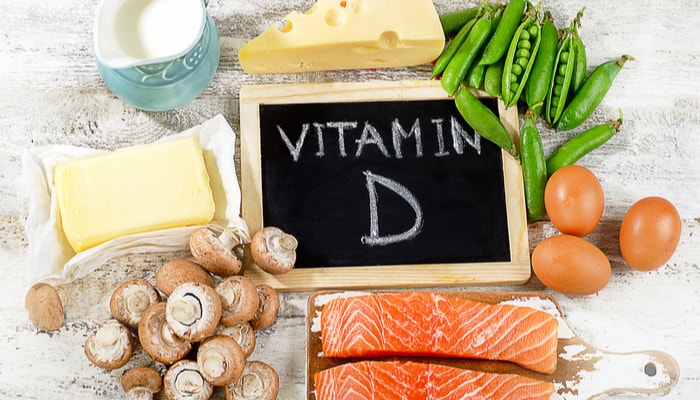
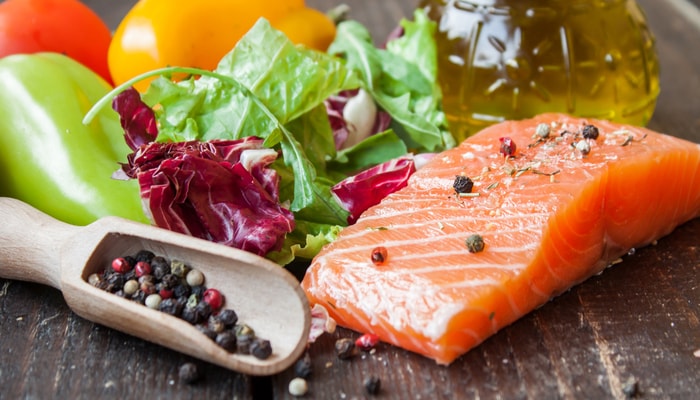
    A great way to keep a steady flow of vitamin D in your system is to eat fish that are high in the vitamin. Cod, salmon, tuna and sardines are all great sources of the vitamin in question. In fact, when they’re cooked they lose a bit of their natural vitamin content. That means that the best foods for vitamin D production are tuna and salmon sushi rolls! We can think of worse things to eat anyway, so take the excuse to dig into some tasty sushi!

    Other Foods

    If you’re not big on raw fish, no sweat. There are some other types of food you can consider incorporating more of into your diet to help your vitamin D intake. Namely, fortified orange juice and eggs for breakfast are great ways to up your intake. You could also consider adding more mushrooms to your diet as they are quite high in the vitamin. Fortified cereals are also good options for breakfast!

    You can thus picture a pretty vitamin deficiency-friendly breakfast. A tall glass of fortified orange juice, a bowl of fortified cereal, a big cheese and mushroom omelet all while sitting in front of an open window. This is the ideal way to start your day to bring a ton of IUs of vitamin D into your system.

    Supplements

    The most straightforward thing a doctor can do for a patient deficient in  this vitamin is to simply prescribe them a supplement. These supplements are orally-ingested and simply deliver a burst of the vitamin in question into your body’s system. Generally speaking these supplements are taken with food, and should be taken in addition to spending more time outside and eating vitamin D-filled foods.

    Remember, always talk to your doctor about changes in your lifestyle or diet. These changes might put you at risk for certain factors, so always talk to your doctor first.

  • How to Prepare Your Classic Car for Transport

    How to Prepare Your Classic Car for Transport

    Your antique hot rod is like a fine wine that gets more desirable  after every year, which makes finding and preparing for classic car transport a lot more daunting. The easiest way to take the stress out of transporting your classic car is to plan and prepare what you need to do ahead of time, to ensure your vehicle safely gets where it needs to be.

    The calamity and devastation of a beautifully restored classic automobile being damaged during transport can be unbearable.

    Actually, only a small number cars moved by auto transport companies are damaged in the process. Odds are that your antique vehicle will arrive  in pristine condition. You can further protect your investment by choosing your auto transport company carefully and by thoroughly preparing your classic car for its journey.

    When you’ve invested in a classic car, you want to take every precaution to protect your investment. When you move or need to transport your car for service or for a show, shipping your car, rather than driving it can help reduce the chances of accident or depreciation.

    Here are some great tips to help you and your vintage machine out.

    Do Your Research Before Hiring a Transport Company

    If you’re shipping your car, don’t trust just anyone. Doing a little research ahead of time when selecting a classic car shipping company can save you a headache down the road. Ask fellow car enthusiasts or friends who have shipped their classic cars which companies they’ve used. Were they happy with the work? Was anything damaged or missing after the car was shipped? Read up on consumer reviews of classic car transport companies on sites like Angie’s List Classic Cars.

    Once you have a few companies in mind, check their safety records with the local highway patrol, your state’s transportation department or with the federal Department of Transportation. If the company transports across state lines, they should have a presence on the Federal DOT’s safety database, which lists inspections performed and major accidents.

    One of the first things you’ll find out about transportation companies is that there are a lot of them. Many of them carry your normal, everyday cars for people relocating across the country, while others focus specifically on collector cars. There is a wide spectrum of transporters, from guys with dually trucks and one-car open flatbed trailers, to the big names in the industry with their enclosed, double-decker trailers. In other words, do your research.

    Document the vehicle’s condition

    This is highly important. Take photographs of your car and any loose parts before shipping to document their condition. Should an accident or damage occur during the vehicle’s transport, photos will help you get maximum compensation for your insurance claim.

    At the delivery, thoroughly inspect the vehicle upon delivery if your car will eventually be shipped back to you or if you’re meeting it at its destination.  Be sure to completely evaluate the vehicle and check for any damages before accepting it. If you’re shipping your vehicle to a restoration shop or a new buyer, make sure they conduct a complete inspection and review any noted damage description that should have been filled out when the vehicle was loaded.

    The Q’s and A’s You Need To Ask

    How much does it cost?

    “It depends,” is the short answer. Fuel prices, distance and door-to-door services can all add to the price.

    Does the company specialize in collector cars?

    If they do, they know not to handle your collector car like cattle headed off to market.

    Does the company have a U.S. Department of Transportation number?

    Federal regulations require a USDOT number for interstate commerce, and 25 of the 50 states require all commercial vehicles to obtain a USDOT number.

    Does the company have comprehensive insurance that covers its cargo as well as its truck and trailer?

    Have the company mail or fax you a copy of its insurance policy. $100,000 liability on transported vehicles is common.

    What is the company’s policy on deposits?

    Is it non-refundable and when does the company require the deposit?

    What is the company’s payment policy?

    Is it strictly cash, do they accept money orders, do they accept checks or do they take credit cards? Do not ship with a company that demands payment in full before the car is dropped off.

    Where does the company drop off and pick up cars?

    Most trucks and trailers can’t fit down or turn around on narrow residential streets, so they’ll need a big parking lot for loading and unloading.

  • Save Money on Paper Towels

    Save Money on Paper Towels

    Paper towels are undoubtedly useful. They serve certain functions that dish clothes don’t. For example, I would rather wipe my mouth with a paper towel than a dish cloth. I don’t like cleaning a toilet with a dish cloth because afterwards, I have this icky cloth I have to contend with. I would rather throw away a used paper towel and be done with it.

    However useful, we use far too much. Annually in the U.S., we use more than 13 billion pounds of paper towels, and that number is growing every year. This leads to over 3,000 tons of paper towel waste just in the U.S. alone each year. If each U.S. household used one less 70-sheet roll of paper towels, 554,000 trees could be saved every year. If each U.S. household used three less rolls per year, it would eliminate 120,000 tons of waste.

    Discarded paper towels create 254 million tons trash every year globally. By cutting back on paper towel use, you can save money, reduce landfill waste, save trees, and more. Let’s look at some ways to use less and save money on these glorious paper towels.

    Price Compare Like a Champ

    Buying paper towels is surprisingly complicated. There are different numbers of rolls in a package and different amounts of square feet on every roll, so the cheapest price may not be the best deal. The best way to determine what to buy is to compare apples to apples based on the price per square foot. To do this, divide the price by the number of square feet listed on the package. So if a 100 square foot package of paper towels is $5, you would divide $5 by 100 and end up with $.05 per square foot.

    If you do that with the different packages–the cheapest ones versus the ones on sale, and so on–you will find the lowest price per square foot of paper towel. That is the one to buy.

    BUT buying the cheapest brand can backfire. It is true that very cheap paper towels (Walmart’s brand, for example) don’t absorb well, which means you end up using more of them, going through the roll faster, and losing the money you thought you were saving by buying the cheapest price per square foot.

    Consumer Reports did an test on paper towels and found that Bounty Extra Soft, Walgreens Ultra Quilted, CVS Big Quilts, Kirkland Signature from Costco (which is what I usually use), and Up & Up from Target had the best absorbency. I generally believe in buying the cheapest roll of paper towels unless a brand has proven itself to be bad.

    Recycle Old Clothes

    I have found that cutting up an old cotton tee shirt, sheet or a flannel sheet has worked great at making cheap napkins. I keep them folded in a little basket on the kitchen table so we just pull one out when we need it. If I have company at the table, I break out the good napkins.

    When I have bought paper towels on sale with a coupon, I take my serrated knife and cut the roll in half and that gives me twice the towels for one price. Of course, you have watch yourself and not just use more from the halved roll.

    Reduce Use

    You may think, “I don’t use too many paper towels” but it’s easy to see how paper towel use can get quickly out of hand if you consider these estimates for a family of four. Use as napkins at meals = 84 sheets per week. Use as hand towel in the bathroom – (4 potty breaks a day x 4 people) = 112 sheets a week. Washing up before meals and before cooking (3 meals a day) = 105 sheets a week. Washing and drying fruits and veggies (assuming you eat them at each meal – which you should) = 63 sheets a week.

    Cleaning two bathrooms once a week = 20 sheets a week. Wiping down the kitchen after cooking = 42 sheets a week. That’s 426 paper towel sheets a week (typically 3.5-7 rolls a week – most paper towels have 60-120 sheets per roll) and I haven’t even covered cleaning up spills, pet messes, kid messes, washing hands after baby diaper changes, snacks and more. Paper towel use adds up alarmingly fast.

    If you become conscious of your paper towel use, you can easily cut down. Use one sheet to dry your hands, just give them a shake first. Use newspaper to clean windows, it works better anyways.

    The Final Paper Towel Thought

    While looking for ways to save money on paper towels, I realized something. There are really only two things you need to do to save money on paper towels… never pay full price. Use fewer paper towels. That’s really all there is to it!

  • Meal Prep Delivery Services to Try Out in 2019

    Meal Prep Delivery Services to Try Out in 2019

    When you get home from work, do you feel like cooking dinner? Sometimes you might, but usually you’re pretty tired, right? Maybe you just order takeout instead, or you opt, instead, to grab food on the way home. Well, that’s alright, but it can get expensive, and the food might not be as good for you.

    If you want to save some money and eat healthier at home, consider meal prep! There are a ton of meal prep delivery services that can help you get started meal prepping, saving money and eating healthier.

    Meal Prep Delivery Services to Try Out

    Freshly

    The first service on our list is Freshly, a great service for those who love easy-to-prep food that’s ready to rock. Freshly’s food options arrive at your home fully cooked and ready to go! They’re fully insulated and their packaging is all sustainable. The best part is that the meals they offer are all peanut-free and gluten-free, meaning people with allergies can feel safe ordering from them!

    If you’re buying for just yourself, you can get four meals for one person for $50 per week. If you’re looking for a more comprehensive food solution, go with the 12-meal plan that runs $108 per week. In either case, this is a great way to circumvent eating out too much or preparing food that’s bland or bad for you.

    Blue Apron

    The guys who got this whole meal-kit thing going to begin with are still a fantastic choice for people who want to have meals delivered to their very door. If you’re a culinary newbie looking to get a grip on how to cook, or simply like the added ease of having recipes and ingredients delivered to you, this is the service for you. Interestingly, Blue Apron makes sure that cook and prep times for their meals stick to around 45 minutes, making it easier for working folks to make themselves food.

    Blue Apron is based on sustainability. Their main goal is to change the food industry of the US by practicing sustainable farming and shipping directly, as well as eliminating food waste. The chefs and farmers work together to craft their recipes, ensuring that every meal has a story and is as sustainable as possible. It’s hard not to get behind a program that straightforward and responsible!

    If you want to try it out, it’s $60 per week for two people to get three meals. That goes up to $96 for four people, though it keeps the meal count at three!

    Home Chef

    The Home Chef meal kit delivery service makes our list due to how flexible they are with various options available for different dietary needs. For instance, if you’re vegetarian, pescatarian, vegan, avoiding dairy or any other dietary need, Home Chef has got you. Just tell them what your dietary needs are when you sign up, and your meals will be the right mix for you.

    If you’re really new to cooking and want a good way to get started, Home Chef has you covered. They have a basic suite of kitchenware you can buy from their site to get yourself started with cooking from home! This is a great way for beginners to start cooking. Between the detailed explanations and ingredients delivered right to you, this is a great way to begin cooking for yourself.

    Their normal meals are ten dollars per serving, and you can pick your servings. Shipping is ten bucks for orders under forty-five dollars, though any order above that get free shipping!

    Sun Basket

    If you want a meal prep delivery kit with the highest-quality ingredients, this is the one. Natural, organic, antibiotic-free food is the standard for Sun Basket. No added hormones, wild-caught seafood, sustainability and high-quality are all standard for Sun Basket’s ingredients. You can select between vegan, vegetarian, pescatarian or Paleo options if you need to, making this a great service that anyone can try out.

    Nutritionists approve each and every meal Sun Basket ships, meaning you know you’re getting good, high-quality meals for your money. Also great is the packaging: the meals are shipped in packaging that is totally recyclable, compostable and sustainable. It’s really guilt-free when you get down to it!

    If you want to try it, you can get three meals a week for two people for $72, or you can get two meals for four people for $88 per week. There are other plans available, those these are the best for trying out the service.

  • Guide to Starting the Mediterranean Diet

    Guide to Starting the Mediterranean Diet

    When it comes to diets, not many of them are regionally based. However, one diet in particular is based on the relative health of people from a specific region of the world. That region, of course, is the Mediterranean.

    Historically, people from the Mediterranean region have had lower risks of things like diabetes, heart disease and other dietary ailments. In order to replicate this, many dietitians recommend this Mediterranean Diet as one to help you be happier and healthier.

    How to Start the Mediterranean Diet

    The Mediterranean Diet

    The diet primarily took off due to its relative simplicity and evidence-based claims of its health benefits. Studies show that people who eat this diet have lower risk of heart disease, strokes and other premature deaths related to diet. Generally speaking, the Mediterranean Diet is comprised of foods found around the various cultures of the Mediterranean. This could include areas such as Greece, Libya, Spain, France, Italy, Albania, Turkey, and Syria, and many others.

    What to Have

    While you can look to Mediterranean countries for inspiration, there are some rules related to the diet itself. Namely, the things you want to include in normal quantities in your diet include vegetables, fruits, seafood, potatoes, grains, breads, olive oil, legumes, seeds and nuts. Herbs and spices to make your food tastier is all good, too!

    You’ll want to eat cheese, yogurt, eggs and chicken in smaller quantities than normal. That’s not that you can’t have them, just that you should have less of them. Consider having these in smaller quantities or only one of them per day and at only one meal. For instance, consider cutting chicken, cheese and yogurt out of your diet and just having eggs with your breakfast.

    You’ll also want to make red meat a very rare occurrence in your diet. Consider having it once a week or even less. Consuming too much red meat can put you at a higher risk of heart disease and other lifestyle-related diseases.

    What Not to Have

    So now you know what’s alright in the Mediterranean Diet, let’s talk about what you should avoid. Soda, juices and other drinks sweetened with sugar should be cut from your diet altogether. The same goes for refined grains, refined oils, processed meats and foods with added sugars. Generally speaking, if you would call it “junk food” then you should stop eating it.

    That means that candies, white bread, margarine, canola oil, ice cream and the like are all right out. While that might sound restrictive, it’s not as bad as it might sound. You still have a wide variety of great foods to choose from when it comes to making yourself food on this diet!

    Some Specifics

    Now, as for what you can have when on the Mediterranean diet. Specifically, foods from various Mediterranean countries is what you’re going to want to make. Spinach, onions, carrots, tomatoes broccoli and the like are all great vegetables to start with. You can supplement these with nuts like almonds, macadamia nuts, almonds, cashews and hazelnuts. Fruits you should incorporate are grapes, figs, apples, bananas and oranges, among others.

    For tubers, consider adding more sweet potatoes, yams, turnips and potatoes to your diet. These are all great option to base entire meals around! Brown rice, buckwheat, barley, corn and whole-grain pasta and bread are all wonderful options, too.

    Salmon, crab, shrimp, oysters, trout and tuna are all great seafood options to add to your meals on this diet. Remember, try to keep meat options to one meal a day or less. They’re generally not as good for you as plant-based meals!

    If you want to have poultry occasionally, stick to chicken, duck and turkey. For dairy, cheeses and Greek yogurts are okay. The occasional egg, whether it be chicken or duck, is alright, too. Healthy fats, like olive oil, olives, avocados and the like are all great too.

    Spice Things Up

    This is the fun part! Whatever meal you make, you should definitely spice them up with great seasonings. For instance, you can go with nutmeg, garlic, mint, basil, sage, cinnamon, pepper and many more to make your food really pop!

    Remember: this is a big, varied and flexible diet. You’ve got the option to pick from a huge variety of types of food and delicious meals. This diet is a great way to lose weight, get healthier and feel better, all at once. Not to mention, there are surely some delightful Mediterranean restaurants in your area that you can try without guilt on this diet!

  • Does Your Dog Have Diabetes?

    Does Your Dog Have Diabetes?

    Dogs. There’s a reason we call them man’s best friend, you know. We can learn so many things from a dog’s behavior: their personality, demeanor, resiliency and most importantly; the willingness to provide their family members with unconditional love, loyalty, and companionship down to their very last breath.

    I treat my dog like my best friend, and we do everything together. I once ordered an Uber to pick up my dog and bring him to work because I missed him so much. I even feed him the human food I eat. So finding out he was overweight and could have diabetes… well, it just about broke my heart.

    It turns out that diabetes is becoming frighteningly common in dogs today. One in 300 senior and middle aged dogs are diagnosed with diabetes. And once your dog gets diabetes, he will most likely need insulin for the rest of his life.

    So it’s really important to do everything you can to prevent your dog from becoming diabetic. There are many things that can contribute to the risk of your dog getting diabetes, but the good news is that there are also a lot of things you can do to help prevent it from happening and to minimize the risk.

    Much like humans, when dogs have diabetes – staying trim is key. If your dog is overweight, losing some pounds can help his cells use insulin better, a hormone that keeps blood sugar levels in check. That makes it easier for his body to turn food into fuel.

    The goal for any pooch with diabetes is to keep blood sugar (or glucose) levels as close to normal as possible. This helps your dog feel good and makes it less likely he’ll get diabetes-related complications, such as vision-clouding cataracts and urinary tract infections.

    Dog Diabetes and a Diagnosis

    Diabetes is diagnosed by using blood and urine tests. The normal blood sugar (blood glucose) for dogs is 60-125 mg/dl; for cats, 70-150 mg/dl. Diabetes is diagnosed when blood sugars are consistently elevated a significant amount. For example, 220 mg/dl in a dog or 400mg/dl in a cat.

    If your pet is anxious when it visits the veterinarian, his or her blood sugar will naturally rise and the elevation may be as high as the sugar levels in a diabetic pet. To prevent this stress-related elevation of blood sugar, find a veterinarian and a clinic that can help calm your pet before they are tested.

    Or even better,  find a veterinarian who makes house calls. Keep in mind that one or two blood tests showing elevated blood sugar doesn’t prove that your pet has diabetes. Blood sugar levels must be consistently elevated, or your pet must have urine tests showing ketones in order to prove they have diabetes.

    Symptoms Of Dog Diabetes

    Pets with diabetes often look unkempt and act lethargic. Because they lose sugar in the urine, and sugar pulls water molecules out with it, this causes them to urinate excessively. It also causes them to drink excessively. These activities, excessive urination (polyuria) and excessive drinking (polydipsia), are termed PUPD. Pets with diabetes end up losing weight and muscle mass. They may also have a lower body temperature than normal pets.

    Additional symptoms of diabetes in dogs can include; excessive drinking and urination, loss of appetite, vomiting, dehydration, depression and lethargy, unkempt haircoat and dandruff, loss of muscles and weakness, weight loss, cataracts, and weakness of the back legs.

    Defeat Your Dog’s Diabetes

    I have a found and tested a great way to help beat your dog’s diabetes. Dogs are opportunistic carnivores, so while they can eat non-meat foods, they have no real nutritional requirement for carbs, and should avoid starches and grains. Even so, a diet of raw chicken necks and livers, plus broccoli every day can be helpful or them. Dogs don’t typically need broccoli or veggies, but in the case of diabetes it drastically helps. Broccoli is packed full of fresh and wholesome goodness, and organic options are easy to come by.

    The chicken will be the larger meal of the day, I use about two pounds daily for my large dog. Skin-on is preferable, as skinless chicken does not have enough fat and would need to be supplemented with something like beef.

    In addition to eliminating the chances of diabetes in your pooch, this diet will also have a lot of other great benefits. Potential benefits of the raw dog food diet include shinier coats, healthier skin, cleaner teeth, higher energy levels and smaller stools.

    The Final Thought

    The life expectancy of a diabetic dog can be the same as a healthy dog’s life with proper care. With proper treatment, diabetic dogs have survival rates very similar to those of non-diabetic dogs of the same age and gender – though their risk is greatest during the first six months of treatment when insulin therapy is introduced and glucose levels are being regulated.

    Diabetic dogs are more likely to die of kidney disease, infections or liver/pancreatic disorders than of diabetes itself. But once their condition stabilizes, diabetic dogs can lead happy, healthy lives.

  • Selecting the Best Seating for Your Home Theater

    Selecting the Best Seating for Your Home Theater

    So you have finally succeeded in the crowning achievement of mankind: your very own home theater.

    I mean, everyone loves watching a great movie on a big screen with a phenomenal speaker system – but few would complain about losing the sticky floors, uncomfortable seats, and kids with smartphones (unless they’re your own kids). Good thing that’s not the world you live in any more, you have your own theater.

    You have set it up the JVC DLA-X590R 4k projector, the Stewart StudioTek 130 screen, and the state of the art balanced sounds of ELAC Debut 5.1 System. You even have the vintage popcorn cart in the corner, matched with the vintage framed movie posters hung with care all around your 800 sq feet of glory.  Building the home theater of your dreams doesn’t necessarily mean just assembling a massive theater system – you need to make sure you don’t forget the most important feature.

    The home theater seating.

    If you’re watching movies in your home theater whilst sitting on folding chairs, you failed. The most important choice you’ll make is finding the best big screen TV for you, but a close second is choosing the ideal home theater seating.

    Home theater seating is important because you want to be able to kick back and be comfortable when you’re enjoying your movies and TV shows, and having the perfect home theater set up can let you do just that.

    First Things First

    Measure your current space before you go shopping, and determine how much room you have to work with. Home theater seating is usually large and bulky so that you can have a spacious feeling when seated. Measure your room and walking area that will be needed around your seating. Allow for at least a 18”-24”minimum aisle in the front and in the back of your seating.

    Determine how many people you want to accommodate: If you have a large space to accommodate a large amount of people, theater seating with aisles will be a good idea. If your room is smaller, this doesn’t mean you can’t have home theater seating.

    An intimate setting of 2-4 chairs arranged around the room would be a viable option for a smaller home theater. Either way, make this decision before choosing your seating so you don’t waste time, money, and your back while trying to move the furniture around!

    Amenities, Spare No Expense

    Decide what amenities you’d like, and know that home theater seating has a variety of amenities to choose from! Some of these include storage areas to hold remote controls and miscellaneous items, and chairs that have areas for beverages are convenient, which help guests relax and enjoy themselves.

    Recliner chairs can take you from a sitting upright position to a reclining position in an instant. Theater seating can be intermixed to form a variety of seating arrangements. Ottomans or foot stools are perfect for placing feet on and for kids that want to share in on the movie watching!

    LED lighting is a great way to improve aesthetics, and the best part is that they are really inexpensive. Plus it helps when you can see your cup holder in the dark. In other words, make sure you spring for the LED lighting.

    My Recommendation

    I recommend the Seatcraft Diamante home theater seating with brown top grain leather; power recline, row of 2…  it’s glorious! The Seatcraft is a traditional collection with motion functions. Generously scaled, the Seatcraft features a set-back roll arm accented with a nail-head trim. The scale is emphasized by divided t-back cushions that rest on the top of the arms and full chaise-style seating with generous padding.

    Offering luxurious comfort and support, the Diamante blends the comfort of motion seating with classic styling. A commanding collection, the Diamante complements any classic or modern interior. The Diamante collection is available with either a power toggle switch or manual latch that lets you operate the reclining function and change angles with ease. Its grand scale and charming design details make the Diamante a perfect choice for your home theater interiors. See the above picture to fall in love.

    The Final Home Theater Seating Thought

    What you need is a chair worthy of its own audience, one that will welcome you to enjoy the most luxurious seating ever, built with the most exceptional leathers.  A loveseat that comes in a prestigious leather upholstery, a high grade, quality leather to complement the construction of your chair.

    If that wasn’t enough, cool gel foam layers are weaved through, yielding one of the most masterfully crafted chairs yet, making it the finest home theater sectional on the world market today. That is what your shopping goal should be!