Category: News

  • Microsoft Looking to Shore Up First-Party Development for Xbox, Buys Four Game Studios

    Microsoft Looking to Shore Up First-Party Development for Xbox, Buys Four Game Studios

    During their E3 press conference, Microsoft aimed to dispel the doubts about the Xbox One. The biggest doubts they took aim at, of course, where those of exclusive games. Recently, Sony has been absolutely sprinting past Xbox in terms of sales, and many gamers chalk this up to the exclusives. Sony has huge names like Uncharted, The Last of Us, God of War, Nier Automata and many more to bolster their brand. This is understandably frustrating for the company, as their Xbox One X system outpaces the PS4 Pro in terms of raw power. Microsoft’s answer? Their greatest strength: money to throw at the problem. 

    As it Has Been, so it Shall Be 

    This isn’t a new strategy for Microsoft, either. In the earliest days of the Xbox, monetary incentives were the primary reasons developers made games for the system. Halo creator Bungie was bought by Microsoft in 1999, and Rare, Banjo-Kazooie creators, were bought a few years later. This strategy helped Xbox make a name for itself with its exclusives.  

    That strategy worked once, and clearly the compnay behind Xbox hopes it can work again. At their E3 conference they announced their acquisition of four game studios. The studios in question: Compulsion Games, Ninja Theory, Playground Games and Undead Labs. 

    Why Now? 

    It is a bit late in the Xbox One’s life cycle for Microsoft to only just now be acquiring these studios. Surely, any future games from these studios won’t be out for a year at least, meaning that their contributions likely won’t be felt on the Xbox One. Instead, it seems, this is a preemptive move to bolster the launch of the next Xbox. 

    Phil Spencer, head of the gaming division of Microsoft, confirmed at E3 that the hardware teams are hard at work on the next Xbox consoles. The pluralization is interesting, too. Is Microsoft working on multiple systems? Only time will tell. 

    Microsoft Learning from Their Own Mistakes 

    Hopefully Microsoft now sees the importance of their exclusives, and the importance of a consoles first impression. In 2013, their Xbox One announcement was met with near-universal criticism. Between the strong DRM and lack of focus on games, many saw the system as a step backwards. The next Xbox will need a stronger announcement and launch if it hopes to dislodge Sony and compete with Nintendo.  

    Hopefully the wealth of new talent being brought on board means stellar new IPs to bolster the brand. After all, competition between Microsoft and Sony just means more awesome games for us! 

  • Net Neutrality Repeal Likely to Occur Monday

    Net Neutrality Repeal Likely to Occur Monday

    By the time you’re reading this article, it is likely that Ajit Pai’s net neutrality repeal will have been finalized. And with it, a great deal of protections that keep consumers safe will have been stripped away. While the sky likely won’t fall overnight, it is certain to be the beginning of a very different era for the internet.  

    Challenges to Net Neutrality 

    Net neutrality regulations that were put into place during the Obama era have been under fire for some time. The regulations, which saw that internet providers must treat all data equally, has been instrumental in keeping the internet fair and free. Republicans, however, have largely railed against the protections, claiming they are evidence of governmental overreach and that they compromise the free market. While this is ironic, it is also tragic.  

    The repeal of net neutrality will likely be a non-issue for giants like Amazon and Facebook, but it will be crippling for smaller sites. Start-up sites are likely to be largely relegated to back-channels by ISPs, as they don’t bring in the same revenue as larger sites. As such, the internet will likely grow more homogenous and it will become harder to navigate away from “preferred” content. ISPs may even block access to certain sites unless those sites, or consumers, pay a premium. 

    The Repeal 

    The Senate voted to negate FCC Chairman Ajit Pai’s repeal on May 16th, but the issue hasn’t come to a vote in the House of Representatives. Since the House has a Republican majority, it is unlikely that it will have come to a vote by the time this article is published. This is a shame, and a great loss for the freedom of expression on the internet. Hopefully the repeal won’t cause dramatic shifts overnight, but the outlook is not good.  

    With luck, the worst of the effect we could see won’t have gotten in full swing by the end of the next election cycle. If the right people are voted into office, net neutrality legislation could become a focus of the legislative branch. Then, hopefully, consumer protections could be reinstated. For the time being, we have our fingers crossed. On June 11th, the internet will be without its previous guidelines, and we will be at the mercy of internet providers to act in good faith.  

  • Streaming Games Instead of Consoles? Ubisoft CEO Thinks This is Last Console Gerenation

    Streaming Games Instead of Consoles? Ubisoft CEO Thinks This is Last Console Gerenation

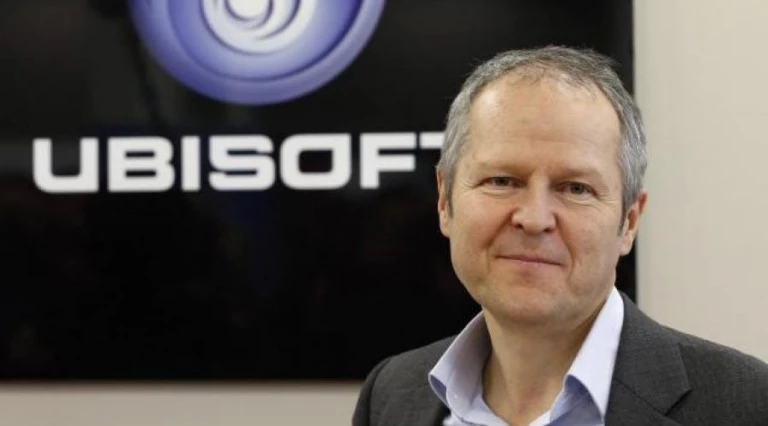
    In an interview with Variety, Ubisoft CEO Yves Guillemont has stated that he thinks the next console generation shall be the last. In the interview Guillemont stated “I think we will see another generation, but there is a good chance that step-by-step we will see less and less hardware.” This prediction somewhat echoes the scenario that occurred for movies and music. Hardly anyone still uses CDs or DVDs, and, in fact, most houses don’t have a CD or DVD player even hooked up. However, Guillemont and others in the industry seem to think gaming will also move into the realm of streaming. Will streaming games become as normal as streaming movies, or is Guillemont talking nonsense? 

    Technological Hurdles 

    The first problem that would need to be overcome for streaming games with console quality would, of course, be internet connections. Currently, most Americans don’t live in areas with infrastructure that supports fast enough internet for streaming games to be feasible. Places like Japan and Europe, where servers are much closer to users, have no such issues. It makes sense that Guillemont, from France, would see streaming becoming the new industry standard. And maybe in Japan and Europe, it will! 

    However, in America, the infrastructure to make game streaming anything other than an exercise in frustration just isn’t there yet. Many areas are so remote and distant from the nearest server hub that they will likely never get internet speeds to rival more urban areas.  

    What do you Own When all Games are Streaming Games? 

    The other issue that would need to be tackled, of course, would be one of ownership. Or rather, convincing gamers to give up their ownership of their games. This issue has already cropped up with music and movies. If you opt to just use streaming services for everything and physical media becomes a relic of the past, you actually won’t be able to own any of the things you love.  

    Take this anecdote from Xbox Live Arcade, for instance. The video game adaptation of Scott Pilgrim vs the World was pulled from that service due to licensing issues. Now, unless you have that game saved on a hard drive already, it’s gone. That video game has effectively been erased due to its digital-only distribution method. If the gaming industry wants seriously to move towards streaming, there will absolutely be major pushback. Gamers who value owning physical media will be some of the loudest voices if gaming moves in this direction. 

    Even now, you can see some pushback against digital-only trends in other industries. Vinyl record sales stay steady, despite the prevalence of streaming services like Apple Music and Spotify. Print book sales remain solid in the face of e-readers. There’s something inherently desirable about holding physical media and owning the art you love. 

    A Likely Future? 

    That all said, Guillemont’s future isn’t exactly an impossibility. Streaming services will certainly be here soon, but they will likely never fully replace the home console. Nintendo, for instance, has recently revolutionized what can even be considered a “home” console with the Switch! Were all games streaming-only, innovation like a hybrid console wouldn’t have come to be.  

    In much the same way that the cell phone didn’t kill handheld gaming, I am fairly certain that streaming won’t kill the home console. You’re fighting more than just technological hurdles, you’re fighting people’s sense of ownership and attachment. And if we’ve learned anything, it’s that people like their stuff. 

    Feature Image Credit: jeuxvideo.com 

  • E3 is Soon! What are We Expecting to See?

    E3 is Soon! What are We Expecting to See?

    It’s almost time for E3! Are you excited? I know we are! We had an article about what we were hoping to see, but now that we’re in the home stretch before the big event, let’s round up what we’re expecting to see. The Hype Train is moving full speed ahead, hop on board! 

    Nintendo at E3: Super Smash Bros and Pokemon 

    Nintendo surprised everyone when they announced Pokemon Let’s Go a full two weeks ahead of the event. You can rest assured we’ll see an in-depth breakdown of Nintendo’s newest Pokemon games at the event. Given that these are the first big console Pokemon RPGs since the Gamecube’s Gale of Darkness, they’re going to be huge. Expect to see Switch sales bolstered immensely by Nintendo’s yellow mouse mascot. 

    Speaking of Nintendo mascots, the other surefire topic at the event is assuredly Super Smash Bros. After the surprise reveal during March’s Nintendo Direct, the internet has been abuzz with rumors and speculations. Expect to see gameplay footage, new stages, new characters, and tons more. Nintendo has promised a tournament in the new game featuring some of the top Smash Bros players from around the world during the event. We’re sure to see new characters and gameplay features during this event. 

    Microsoft: More Exclusives? Please? 

    The Xbox One X is the most powerful home console out there, no doubt. The PS4 Pro doesn’t keep up. But that means very little when the system has next to no exclusives. Sea of Thieves doesn’t count, sorry; that game doesn’t come close to making the system flex. (Even if it is super fun.) Rumor has it that Microsoft is looking to remedy this with a slew of first-party titles to be revealed during E3. 

    Big names like Crackdown 3, Forza Horizon 4, Gears of War 5, Halo 6 and more are expected at the show. Hopefully Microsoft has more than just sequels to aging franchises, though. Something fresh, exciting and new should be at the top of their list of reveals this year. 

    Sony: Upward Trajectory 

    Sony’s doing pretty well in the gaming world. They’re not doing too amazingly well elsewhere, but they’re leading the current console war. Expect to see news on first-party titles like Spider-Man and The Last of Us 2. New IPs like Ghost of Tsushima, Days Gone and Dreams will also likely make appearances.  

    Sony’s PS4 has been selling well and riding a wave of newfound popularity. God of War, the revival of the popular action series, has already sold over 3 million units. All Sony needs to do this year is keep telling us about awesome new games on the way and we’ll be happy! 

    The Other Stuff 

    Other big names at the event will be showing off their multiplatform efforts, of course. Bethesda will talk about Fallout 76, that one is for sure. They launched a teaser video last week with scant details, so fans will be ravenous for more come showtime. Borderlands 3 will likely be on display from Gearbox. We can expect Just Cause 4 and Kingdom Hearts 3 to also make appearances. Also, oddly, Rage seems to be getting a sequel and will be unveiled at E3 this year.  

    What Won’t We See? 

    Next gen consoles, probably. Sony and Microsoft have both only just pushed out updated versions of their existing consoles with better hardware. The odds of them overshadowing these updated consoles with announcements of next gen are pretty low. Similarly, Nintendo just released the Switch last year, and its sales have been quite strong.  

    Odds are good that this year is going to have the focus on games, first and foremost. This is good news for gamers who were getting sick of too much focus on gimmicks like Kinect and AR and the Wii U. Wait, that last one was its own console? Man, Nintendo fumbled the marketing for that thing… 

  • Full Cadillac Line and Other Luxury Car GM Brands to Incorporate Super Cruise

    Full Cadillac Line and Other Luxury Car GM Brands to Incorporate Super Cruise

    Self-driving tech is red hot at the moment. Cars equipped with self-driving functionality are in the news constantly. Many car makers seem convinced that the technology is on the brink of being ready to release to consumers. GM’s take on the driverless technology is called Super Cruise, and the auto maker plans to incorporate it in to their luxury car brands, name Cadillac, by 2020.  

    Super Cruise 

    The 2018 Cadillac CT6 was the first car to incorporate Super Cruise. Super Cruise is designed for divided highways and can operate as a mostly hands-free self-driving suite. GM’s technology uses advanced driver monitoring to make sure the driver is still paying attention to the road. For instance, if the technology senses the driver’s attention drifting, it can give visual and audio warnings to the driver.  

    In an emergency situation, Super Cruise can even pull the car over and call OnStar for assistance. All in all, GM’s driverless technology is rather advanced and works well for its niche. However, it’s hardly the “true” self-driving technology that many are anticipating in the coming years. While Super Cruise uses similar technology to Tesla, with lidar and advanced mapping, it encounters many of the same issues as that technology. 

    Which Luxury Car Lines are Getting Super Cruise? 

    GM has stated that they intend to incorporate Super Cruise into the full Cadillac line by 2020. Their other luxury car brand names, like Buick and GMC, are likely to see the technology next. GM has been investing heavily in driverless tech and has expressed plans to commercialize the technology by 2019. This would make the Detroit-based auto maker one of the first to market with the technology. 

    While driverless tech still has a number of kinks to work out, it is still a nice addition to otherwise luxurious rides. Specifically, GM’s luxury brands all feature quiet, peaceful cabins and high-tech amenities. Super Cruise is a welcome companion to other features, like parking assist and blind spot monitoring. GM has stated that we can expect to see driverless technology incorporated across all their cars by 2023. 

  • Amazon Fire TV Cube: Fusion of Alexa and Fire Stick

    Amazon Fire TV Cube: Fusion of Alexa and Fire Stick

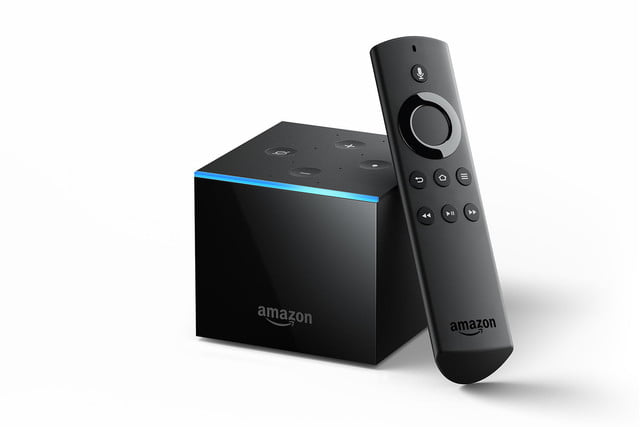
    Amazon’s looking to expand their smart home tech to your cable box. Despite the millions of cord-cutters, and the downward trend of Comcast, the cable box is a mainstay in many living rooms. Amazon, for their part, wants to help eliminate all those remotes that are cluttering your coffee table. By integrating the fantastic Alexa software into your cable experience, of course. Voice-controlled TV is nothing new, but voice controlled cable with the responsive and helpful Alexa? That could be a game changer.

    Alexa, Turn on the Game 

    By interfacing with your cable box, the Amazon Fire TV Cube seeks to make your old cable experience high-tech. Acting as something of a streaming device crossed with a cable box, the TV Cube brings Netflix and Hulu into the same platform as your cable service. Amazon’s own streaming service will be included, too, of course. If you’ve ever used a Roku or Apple TV, you know what you’re in for here. 

    The selling point here, of course, is smart home integration. You can hook your whole home entertainment system into your smart home infrastructure. “Alexa, turn on the game,” could cause Alexa to dim the lights, draw the curtains, turn on ESPN and disable notifications. That’s just one example. Amazon seems to be dead-set on making every aspect of life at home as comfortable as possible.  

    Competition Comes in Many Forms 

    Interestingly, Amazon isn’t the only company jumping into voice-activated smart TVs. The Sonos Beam soundbar coming later this year will have similar functionality. It will come equipped with Alexa when it launches but won’t support cable box integration. Still, the soundbar presents interesting competition for Amazon, as it is also a great audio device.  

    The biggest difference between the two voice-TV devices? It’s their price point. The Sonos Beam will retail for $400, while the Amazon Fire TV Cube will launch at $120.  

    When does the Amazon Fire TV Cube Launch? 

    The newest smart home innovation from Amazon launches on June 21st. It’s available Prime Members today for $90, so if it sounds like something you want, and you have Prime, snag it now. After today (June 8th,) it will retail for its normal price, even for Prime members.  

    Feature Image Credit: Digital Trends 

  • Parrot Taking Aim at DJI with New HDR-Enabled Drone, Anafi

    Parrot Taking Aim at DJI with New HDR-Enabled Drone, Anafi

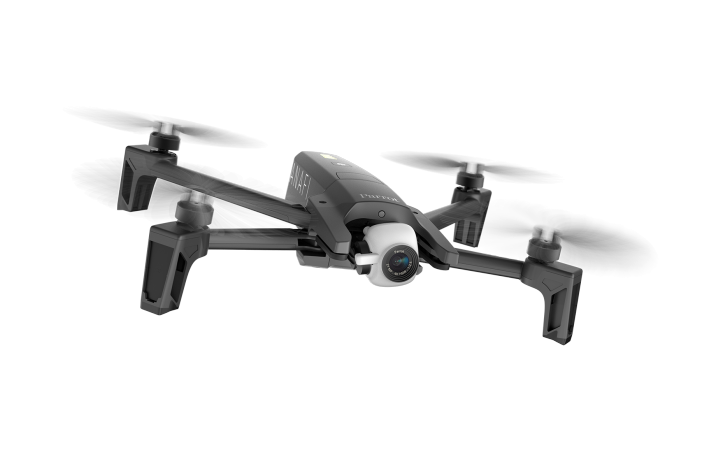
    Parrot, the recently-quiet drone makers, have unveiled a new consumer drone. The Anafi, as it is called, is a folding drone meant to stash easily in a bag or trunk. It’s a quad-copter, so it has very stable flight and performs great in most climates.  

    The Camera 

    What’s better for shooting footage than a zippy drone? And if you’re shooting stunning aerial footage, you need a good camera! The Anafi doesn’t disappoint, coming equipped with a 4K camera that shoots 21-megapixel photos. It’s also the first consumer drone to hit market with HDR! For the uninformed, HDR is a high-contrast exposure that makes images pop. It’s a great companion to 4K, and makes stunning vistas look alive on a 4K display.  

    The inclusion of HDR actually gives Parrot a surprising edge over DJI. DJI’s drones are known to struggle in high-contrast shots, and given their pedigree, Parrot’s superiority in that field is a game-changer. It also features lossless digital zoom, a really awesome feature for a drone with a camera this good.  

    Anafi in Flight 

    The Anafi drone is also a breeze to fly. The quad-copter alignment is super-stable, and the camera barely jostles in flight. You can even fly it with a smartphone app or traditional remote controller. Ease of use is the main design goal in play, and it shows. 

    The 3-axis gimbal stabilizer has some awesome tricks up its sleeve, too. The drone’s unique construction allows you to shoot footage at a 180-degree angle. This means you can shoot directly above or below the drone. Paired with the awesome zoon, HDR support and stable construction, this all makes the Anafi a very attractive drone to enthusiasts. 

    The best part? All of this comes in a relatively inexpensive package. The Anafi is currently set to retail for $700, which, while not cheap, isn’t as much as comparable DJI drones.  

  • Google Removes Eggs from Salad Emoji for Vegan Inclusivity

    Google Removes Eggs from Salad Emoji for Vegan Inclusivity

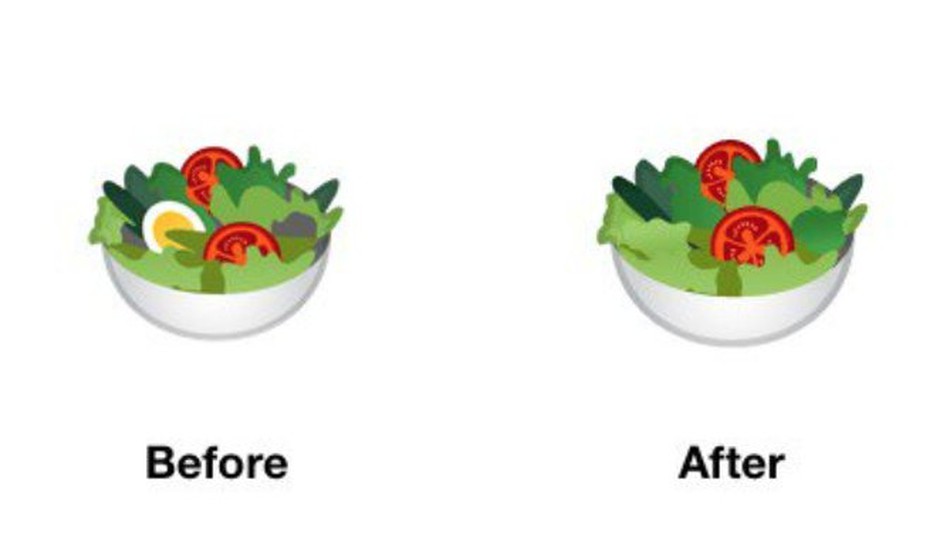
    Emojis are serious business, guys. If you had any doubts, just check out this news from Google. Google’s salad emoji, which used to contain eggs, is now forgoing them in favor of being more vegan friendly! Uh, alright, cool! That salad looks kind of lame, though. Maybe throw some onions or cucumbers in there? Who’s eating their salad with lettuce, tomatoes and no dressing? Don’t get me wrong, there’s nothing wrong with lettuce and tomatoes, but I wouldn’t just eat a big portion of both and call that lunch. 

    Wait, Seriously? This is News? 

    Hey, people take those emojis pretty seriously. Remember when Google’s burger emoji had the cheese under the patty and people freaked out? And a bunch of other people learned that placement of stuff on a burger is important, apparently? If not, I don’t blame you, this is certainly niche news. But people seem to like communicating with each other via pictographs, and the ones representing their food need to be accurate. Or something. 

    Other Food Related Emojis 

    Google is also making their bacon emoji more crisp looking and adding some brown to the edges. See, meat eater, it’s not just vegans getting new stuff! Google probably heard the belly-aching of countless meat eaters at once and headed them off with their favorite thing, bacon. Seriously, you guys are weird with your bacon. Bacon flavored milk shakes? Bacon on double cheeseburgers, as though those didn’t have enough calories already? Bacon on freaking pancakes? I mean, who am I to tell you how to live your life. But you know it’s weird how much you focus on bacon.  

    Does bacon even taste all that good? Is it really worth all the hype? Why am I writing all of this about bacon and salad emojis? Well, anyway, Google’s emoji updates will likely be out in September. Until then you’ll have to live with eggs in your salad and not-so-crispy bacon. 

    Feature Image Credit: Mashable 

  • Android P vs iOS 12: Which Tech Giant is Leading the Future of Smartphones?

    Android P vs iOS 12: Which Tech Giant is Leading the Future of Smartphones?

    Both Apple and Google have announced their upcoming smartphone OS updates. On the Apple side, we have iOS 12, a largely iterative and incremental update. Android P, on the other hand, is an OS playing catch-up. It represents Google’s attempt to replicate Apple-like functionality on their open, developer-first platform. Which of them has the edge from what we’ve seen so far? Let’s break down the proposed features of each and find out! 

    When Are They Launching? 

    Firstly, let’s discuss release. It’s most likely that we’ll see both iOS 12 and Android P in September. Both will likely launch alongside their flagship phones. Android P’s beta is going on now, while iOS 12’s is set to come later this summer. So, neither gets an edge, as the two are coming right around the same time. 

    Voice Assistants 
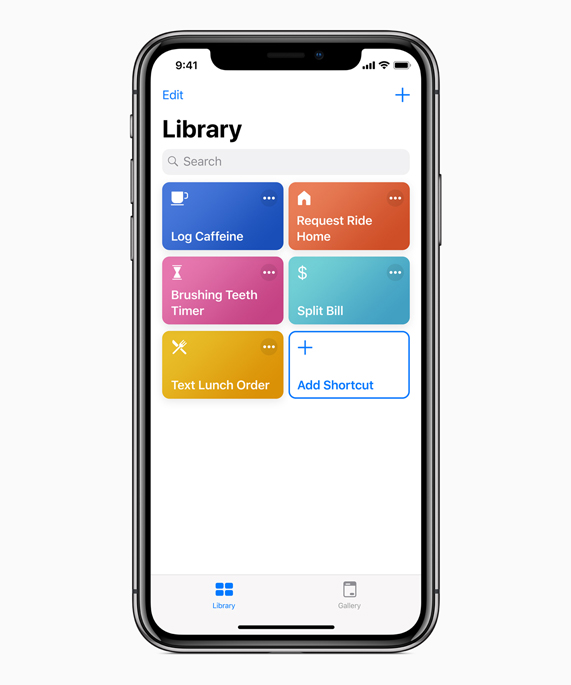
    Photo Credit: Apple 

    Siri is kind of a joke now, sadly. While Google Duplex is making phone calls for you and taking strings of commands at once, Siri doesn’t recognize her own name. Jokes aside, Apple launched the virtual assistant technology in 2011. They’ve had so much time to perfect the tech, to make it awesome, and they haven’t. Instead they were content with a just-OK assistant and let Amazon and, importantly, Google catch up. Now they’ve thrown their lead and have to play catch-up. 

    Siri Shortcuts, coming in iOS 12, is their latest push for the virtual assistant. It’s something of a low-tech answer to Google Assistant. It puts the hard work on the user, having them program action in response to command words. For instance, saying “Going to work,” could pull up your morning news podcast and navigate you past high-traffic routes. This is somewhat lame, considering Google Assistant has similar functions just programmed in by the developers. Google gets the edge, here. 

    Face Unlock 
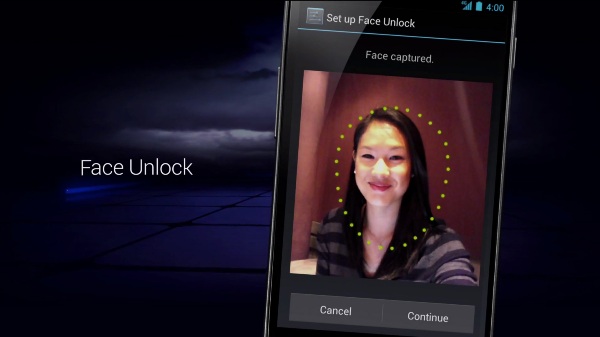
    Photo Credit: Android Authority 

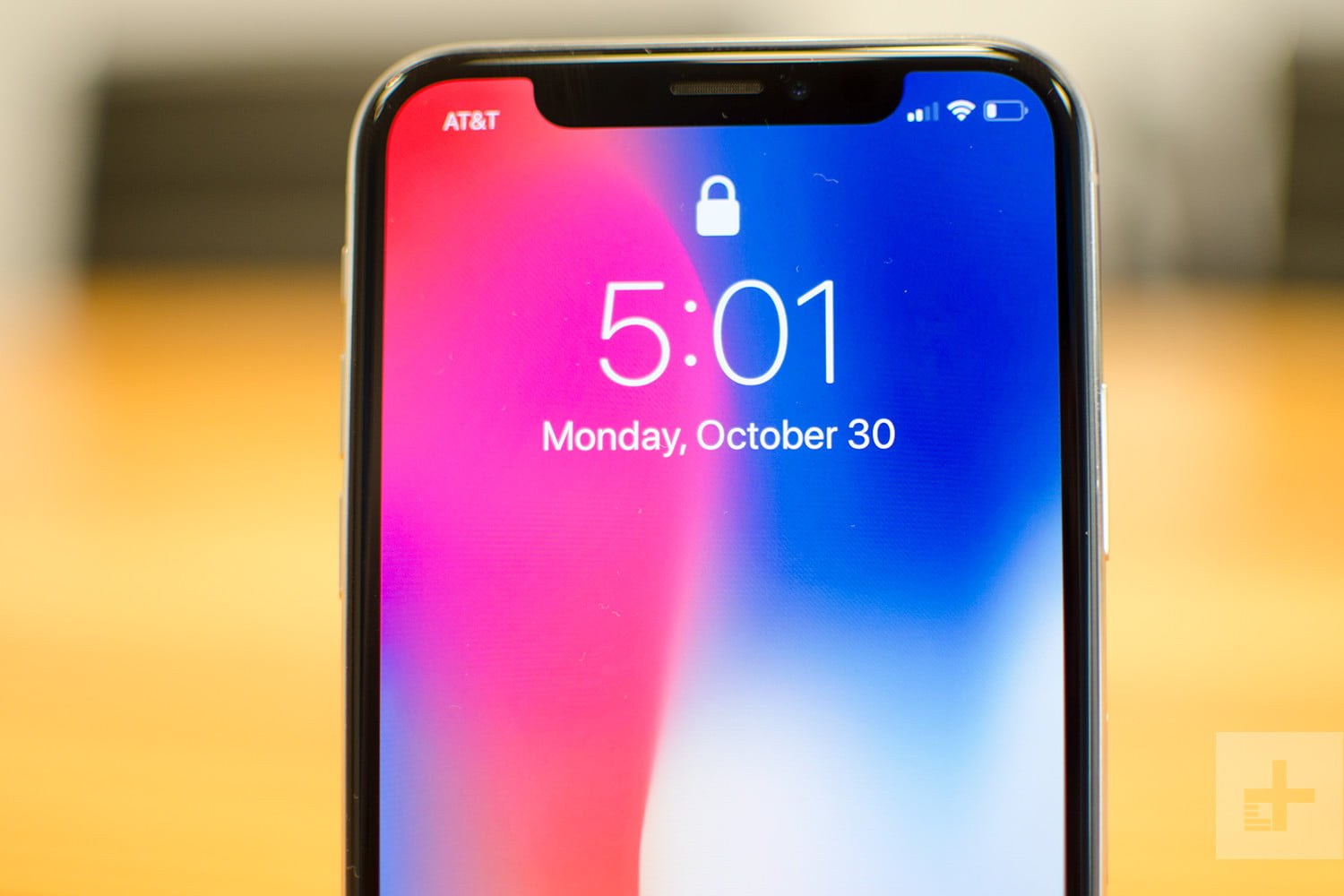
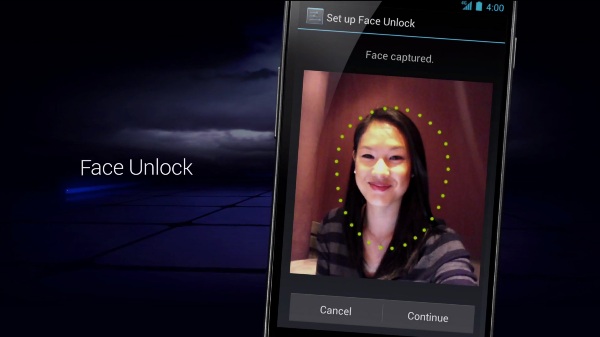
    Face unlock tech was popularized by the iPhone X as an alternative biometric to fingerprint scanning. The iPhone X has a 3D front-facing camera, making its Face ID an incredibly secure, trustworthy locking function. Android’s, by comparison, is noted for its “convenience.” As Google can’t guarantee all phones that use Android have powerful, front facing 3D cameras, they can’t promise strong facial recognition. As such, Android P’s face scanner was famously fooled by a printout of someone’s face. 

    The edge easily goes to Apple. Apple’s Face ID seems like a fully-fledged security feature. Google’s Face Unlock seems like a cash-in on a fad.  

    Messaging Apps 
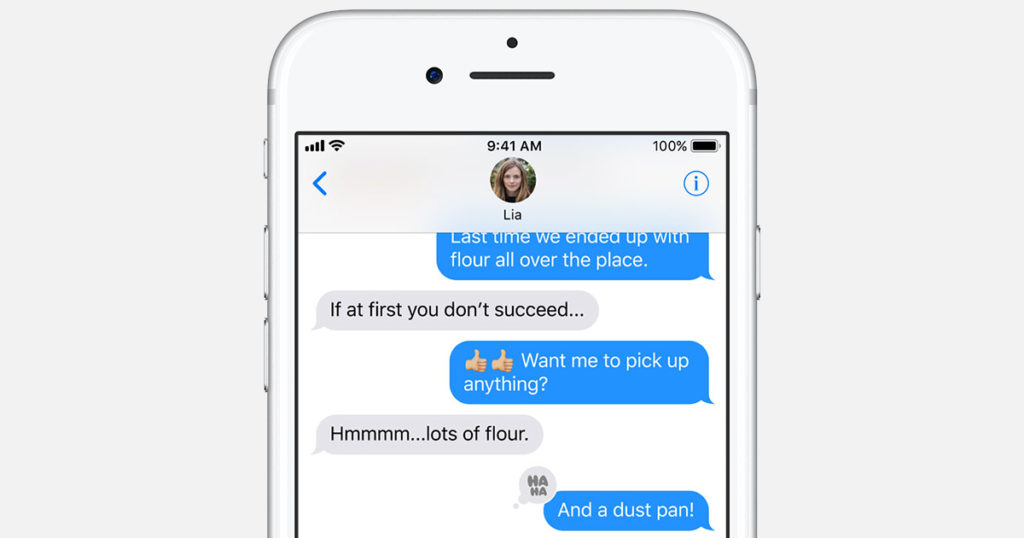
    Photo Credit: Apple 

    Apple’s iMessage wins this one. Google doesn’t even have a proper infrastructure for their messaging app. Google Hangouts is super disappointing when you look at how many things iMessage has going for it. For one, you can FaceTime and do peer-to-peer payments from within the app. You have Animojis and Memojis in iMessage, which are adorable, and you have Wi-Fi messaging to other iPhone users.  

    The edge here easily goes to Apple. Google has some catching up to do with messaging apps. 

    Shared AR 
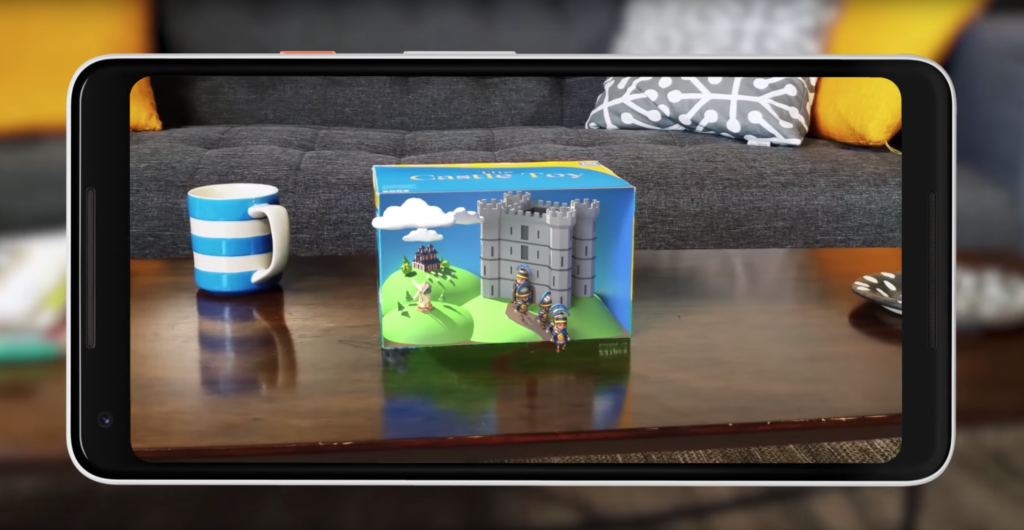
    Photo Credit: Engadget 

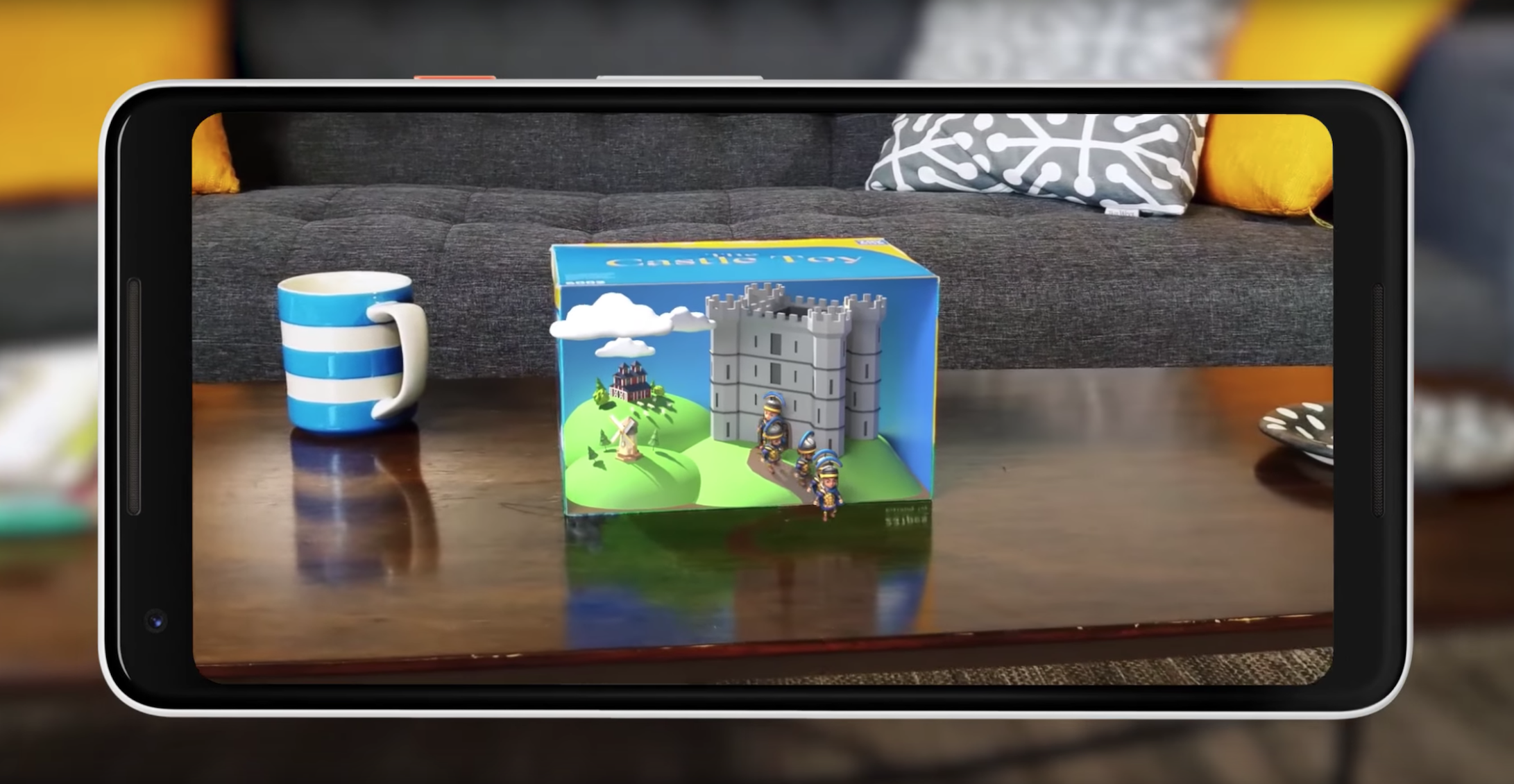
    Shared augmented reality is coming to both operating systems. However, iOS 12’s version is limited to just other iPhones. Meanwhile, Google’s Cloud Anchors work across platforms for any phone. That’s really awesome! Shared AR has a lot of neat applications, like playing games or learning in a classroom. This is tech to watch. 

    Google’s Cloud Anchors have the edge here for sheer breadth of usability. Good show, Google. 

    Maps 
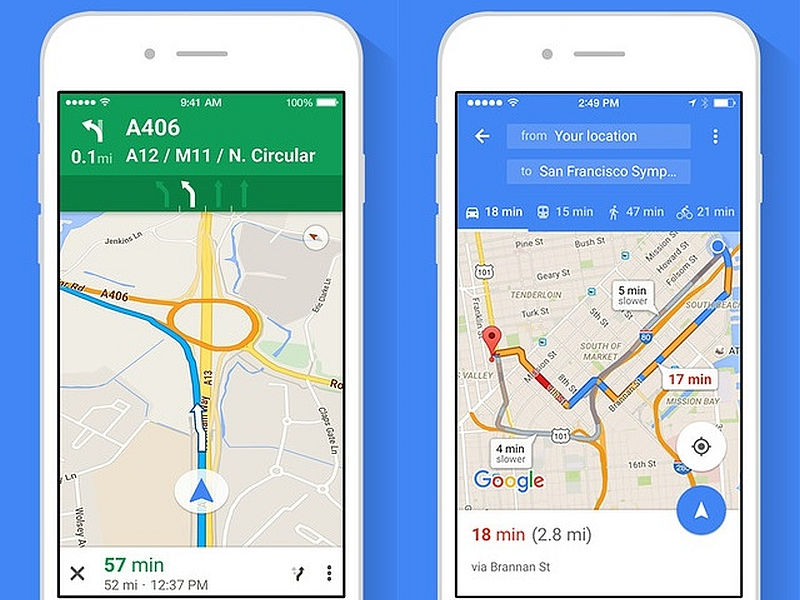
    Photo Credit: NDTV Gadgets 

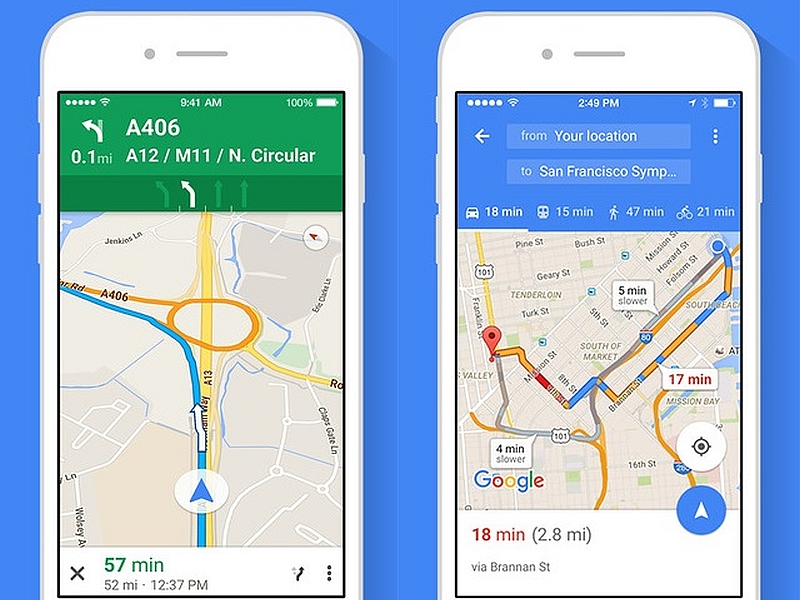
    There’s not a whole lot to say here. Google Maps is still the better app. It’s much deeper and more fleshed-out than Apple Maps. Apple’s map app is fine for surface-level navigation and that’s about it. Thankfully you can just download Google Maps on your iPhone.  

    The edge goes to Google for having a deep, highly-detailed map app. 

    Screen Time Management 
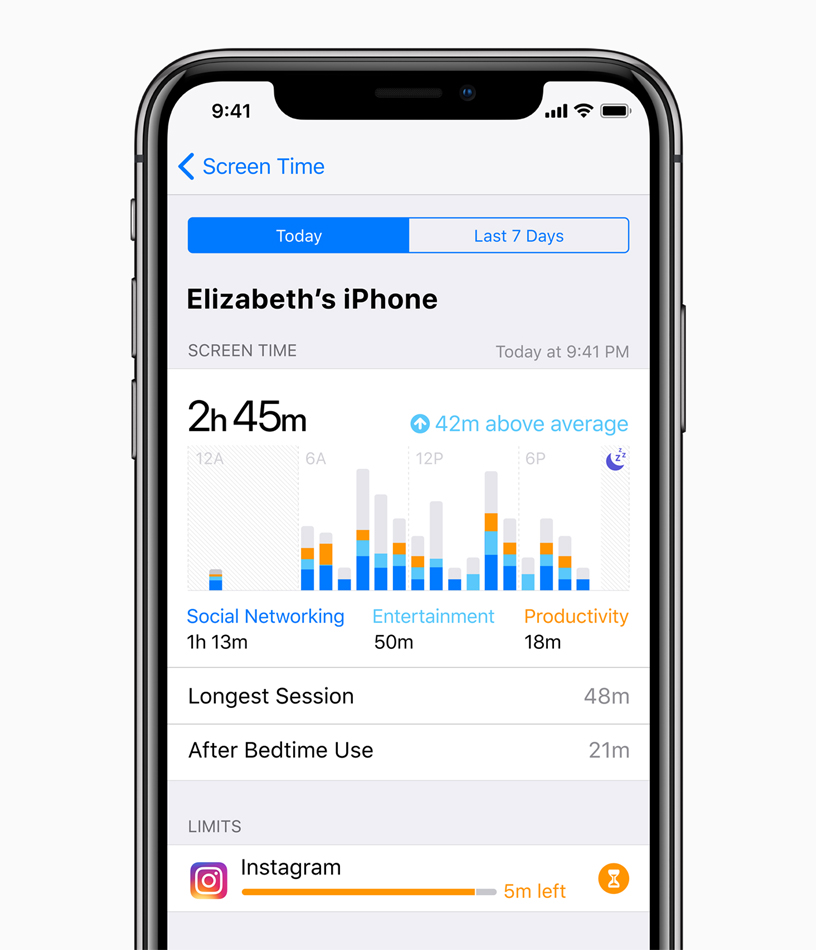
    Photo Credit: Apple 

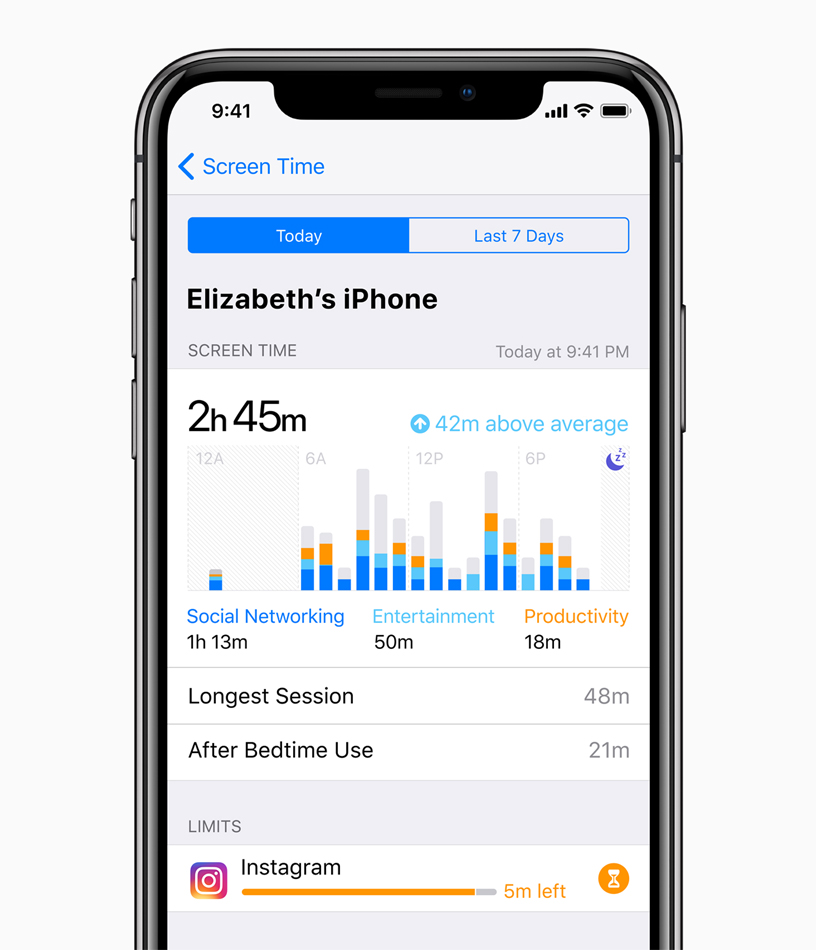
    This is brand new to both Android P and iOS 12. Both operating systems come with ways to manage your time spent using various apps. This is ostensibly to help manage smartphone addiction. The addition of such responsible software is a good sign. However, as both are brand new and neither have been seen, we’ll have to reserve judgment.  

    Neither side gets the edge here, as we haven’t seen enough of either feature. 

    Gesture Navigation 
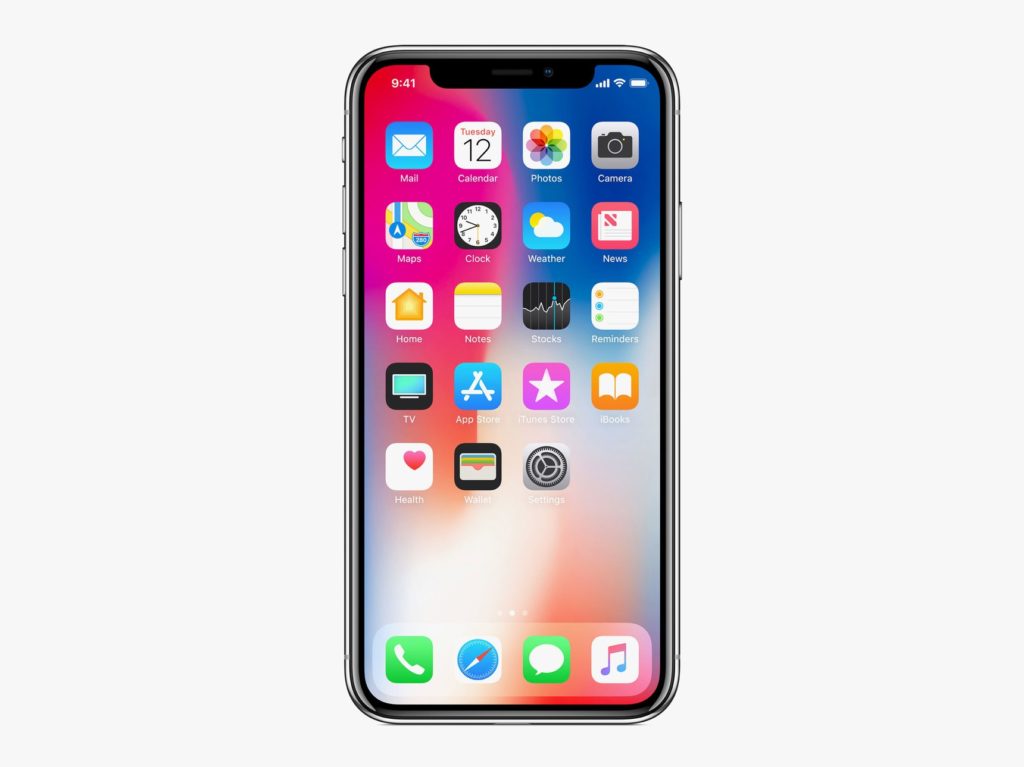
    Photo Credit: Apple 

    The iPhone X popularized gesture-based navigation, forgoing physical or onscreen buttons. It takes some getting used to, but it’s intuitive and responsive. It’s fairly seamless, so it makes sense that Android P would hop on the bandwagon and try their hand at gestures. However, the operating system still relies on a back button for some navigation. Additionally, Google’s hands-off design philosophy means that app developers are free to use gestures or buttons. This fragmentation is the Achilles Heel of Google’s Android platform as a whole. 

    The edge in this one goes to Apple, for their closed-ended, tightly focused OS. Gesture navigation is so much better when it’s across the whole ecosystem. 

    Android P and iOS 12: Who has the Edge? 

    We do. The competition between Google and Apple keeps heating up, and the two massive companies are deadlocked. They keep one-upping one another, and it’s great for consumers. We keep getting better and better phones and better features. It’s still early, in terms of the new OS’s, to tell who’s winning. Both companies have some heavy-hitting features. Apple has the edge in security with their closed-ended platform. Google has Apple on shared AR and the excellent Google Assistant software.  

    Bottom Line 

    Time will tell who wins this cycle. However, Google and Apple being neck-and-neck with one another is sort of status quo now. Their continuous competition keeps driving them both to new heights, which means we keep getting better and better phones. No matter which side you’re on, you’re in for some cool new features come this September. 
  • Coolest Things Coming to iOS 12

    Coolest Things Coming to iOS 12

    At WWDC 2018, Apple unveiled tons of new info about the upcoming iOS 12. We’re compiling a quick list of the coolest features we know so far, including release date and features. While this isn’t the biggest software change Apple’s ever brought, it’s iterative and responsible. The changes, for what it’s worth, are also all quite welcome. Let’s get into it! 

    Augmented Reality with Other Players 

    Apple promises iOS 12 will sport tons of new features for developers to build multiplayer games. Specifically, Apple showcased how the ARKit 2 software will allow developers to build shared AR experiences. This means that users can both see the same Augmented Reality object from their device, and changes made by one user will be seen by the other. A simple example would be drawing on a virtual chalkboard and your friend seeing it.  

    While this sounds fun for games at first, it also would be huge in the classroom. Imagine the students watching as their teachers shows them a diagram of a cell, pointing and changing things in real time. Then they could all have their own models to toy with, and the teacher could help them locate parts of the cell. Even testing could change to accommodate this more hands-on learning! 

    Backward Compatibility 

    Apple has stated they intend for this iOS update to focus on not leaving older model phones behind. Specifically, the update will support phones from the 5S forward, and iPads from the iPad mini 2 and forward. According to Apple, iOS 12 well help older devices pull up the camera and keyboard functions faster, and just be smoother overall. 

    This is a wise move on the part of Apple. Most smartphone users are keeping their phones longer as technology in the sector plateaus. Despite flashy new phones drawing in plenty of users, a sizable base of Apple users won’t be flocking to buy an iPhone X anytime soon. Keeping support for the older model phones for longer is a smart move on Apple’s part.  

    Upgrades to Siri 

    Siri is now set to be more responsive and generally useful. This update will introduce Siri shortcuts, which allow you to program certain actions to certain words. For instance, you could shortcut “I’m lost,” to pull up the map app and navigate home. This change might seem small at first glance, but it’s actually a huge help. Alexa and Google Assistant are so useful because they’re so smart and responsive. Siri, by contrast, is sort of clunky and you have to use exact phrases to get her to act. Hopefully this update will address this and bring her up to speed with the competition.  

    iOS 12 Release Date 

    The developer beta for iOS 12 started on June 4th, but there is a public beta on the way! The public beta will likely begin on June 26th, if the iOS 11 beta is anything to base things off of. Finally, sometime in September, when the new line of iPhones release, we can expect to see the final version. While iOS 12 isn’t the most exciting or flashy update ever, it’s a much needed one. Siri is in big need of an overall, and older phones have not fared well with iOS 11. Apple’s likely making strides in the right direction.