Category: Shopping

  • Could Labor Day be the best time to buy these items? Discover who has the best deals!

    Could Labor Day be the best time to buy these items? Discover who has the best deals!

    Taking time to celebrate the summer holidays is tradition. This Labor Day you owe it to yourself to take advantage of these deals and throw an amazing backyard party.

    Stay comfortable with patio furniture
    Having a backyard party can be a great time. But without furniture everyone will be either sitting in the grass or floating in the pool. Now lets be honest, nobody want’s to risk getting ketchup in the pool.
    Wayfair has some wonderful deals on outdoor seating with savings of up to 50% going on right now. That includes swing chairs, hammocks and long cushioned chaise lounges. They also have discounts on full patio sets with prices starting at just $246.99.

    Get the grill of your dreams
    A grill is the centerpiece of a good backyard party. Big or small, Home Depot has some deals to get you started. All It takes is a grill master to serve up tasty bratwursts and burgers to all in attendance.
    Home Depot has sales on grills of all sizes. Z Grills largest pellet grill and smoker is just $659 during their labor day sale. That’s $100 off it’s regular retail price. If charcoal is your is your favorite way to grill, they also have the Casainc steel patio grill for $191, that’s $118 off it’s regular price of $309.

    Other fantastic Labor Day upgrades
    Labor Day sales also provide you with a great time to upgrade other items around your home. Home Depot and Best Buy have a variety of great deals to check out.
    Right now you can get $200-$500 off five different sizes of LG OLED TV’s from 48-83 inches at Best Buy. If you’d rather spend labor day outside working on a new project Home depot has great sales on Cordless drills, hammers, and grinders that’ll save you up to 43% of regular price.


  • Shaving Kits: Best Subscription Boxes for Grooming Your Beard

    Shaving Kits: Best Subscription Boxes for Grooming Your Beard

    Who honestly likes having to shop for razors? They’re expensive, they’re hard to keep up with and they’re frankly a pain to stock up on. That’s what subscription shaving boxes are for!

    Today we’re looking at some of the best subscription boxes for grooming your beard and ‘stache in style.

    Best Subscription Shaving Kits

    Dollar Shave Club

    One of the most popular shaving kits out there is the Dollar Shave Club. These guys are accurately named, as one of the kits they offer lets you get a new razor blade each week for a dollar per month. There are boxes ranging up to a $9 per month price range, but that’s also not going to break the bank.

    Dollar Shave Club offers a few different razors for subscribers. There’s the normal, no-frills twin blade that will keep you shaved up. There’s the X, which can be used on legs and underarms, making it a popular pick for men and women alike. There’s also the executive, which has more blades and offers a smoother shave.

    Bevel

    Bevel is an excellent shaving kit service that is aimed at people of color. Those with darker skin have often noted that these types of services don’t do a good job helping address the bumps and irritation that come with shaving certain types of skin. Bevel is out to change that!

    Bevel’s monthly rate of $30 is somewhat expensive compared to other shaving kits, though. The Bevel kits include a number of creams and conditioners that are aimed at making shaving smoother and easier for people of color. If you’re looking for a great shaving kit that works for your skin, consider trying out Bevel.

    Harry’s

    Harry’s shave kits are offered in prices ranging from $8-$24, depending on the plan you pick. This is a great subscription, no matter which type of box you choose. The blades they offer are top-quality and at a great price. Really, it makes you wonder how traditional razor companies compete when you see how high-quality Harry’s blades are.

    There are boxes with just blades, but you can opt for more grooming-centric boxes, too. These include shaving gel, as well as your high-quality blades. This makes the Harry’s boxes more of a “set and forget” service that you can just set up once. That way, you don’t have to shop for razors anymore: you get a restock every month!

    >

  • Your Guide To Buying Clothes on a Budget

    Your Guide To Buying Clothes on a Budget

    One way or the other, you have to spend some amount of your hard-earned money on your wardrobe..  You can’t walk around without any clothes on, after all. But figuring out which pieces to save money on and which are worth the investment can be a tricky financial path to navigate.

    Timing Is Everything

    Retailers put out-of-season clothing on clearance to get rid of the stock from their stores. You can save a ton buying clothing when you don’t need them — like a winter coat in May or a swimsuit in December. Time your clothing purchases right and you can save hundreds on your clothing expenses.

    January and August seem to be the best months to invest in clothing, Thursday is the best day to shop for clothes, and there are certain days of the week that might be best for specific apparel types. In general, buying off-season usually gets you better deals than buying what’s hot and trendy in the moment, price-wise.

    Buy Quality Clothing

    Unless it’s practically free, you’re better off buying clothing items from good brands with a reputation for well-made items. If you give me the choice between a $10 shirt that’s falling apart after a few wears or a $100 shirt that still looks good after fifty washings, I’ll take the $100 shirt any day of the week.

    Wait, spend even more money on clothes? Yes, in general, you’ll get more value (or cost per wear) out of decent clothes that actually fit you and will last longer rather than doing the “fast food” approach to new clothing every year.

    Cheap T-Shirts, Premium Jeans

    Trendy clothes tend to cost more and have a shorter shelf life. You could spend hundreds trying to keep up with the fashion magazines, only to realize that you no longer adore that peasant skirt six months later. Stick to classic styles and basic pieces that will always be trendy. Just stack your wardrobe with t-shirts and jeans. This is what you will wear the most often.

    Splurge on one or two good pairs of really nice jeans.  Opt for premium denim with an attractive dark wash, with the right amount of stretch.  They should fit far better and will last longer than a cheaper pair. On the other hand, you shouldn’t judge t-shirts by their price tag. Find a cheap off brand tee that fits nicely and buy in bulk. This is because you tend to wash them more than other clothing, and they don’t have that long of a shelf life to begin with.

    Thrifty Thrift Stores

    Thrift stores sell gently used clothing at a deep discount. Many stores also have regular sales or a weekly special. For example, a thrift store in my area has a “50 percent off anything with a yellow tag” sale every Wednesday. Just make sure you’re shopping at a true thrift store and not a vintage clothing store. The difference: Vintage clothing stores sell trendier older pieces at a markup. Thrift stores sell older and newer clothes at a discount.

    If you’re smart about money, clothes shopping should start at thrift stores, consignment shops, yard sales, and the like. There’s a simple reason for that – there are people who tend to basically give away much of their stuff unused or barely used, so why not take advantage of it? Sure, you might browse through a thrift store and find absolutely nothing that works for you, but so what?

    You spent fifteen or twenty minutes searching for a bargain and came up empty. Move on. However, if you find even one or two items that work for your family’s needs and save 75% or more off of the original cost of the item, then the stop was well worth it.

    Sell It

    If you don’t wear certain items of clothing, drop them off at a consignment shop. When the shop sells your clothing, it will cut you a check for a portion of the profits. You won’t get the full amount, but you won’t have to do much work either. Consider going through your closet once a year. If you haven’t worn that sweater in 365 days, you probably don’t need it.

    Consignment is especially good for higher-end items like leather jackets and very lightly used party dresses. Make sure you bring the items to the shop clean and pressed to give them maximum appeal. If you don’t have local consignment shops, consider online stores that do the same thing, such as ThredUP, Poshmark, and The RealReal.

    On or Offline?

    Consider trying to shop in retail stores versus online. Online stores can have some great deals, and for people who know their sizes, it might work out most of the time. But by the time you pay shipping, realize something doesn’t fit and then pay to have the items returned, you might find that online shopping might not be as inexpensive as you think.  Make sure that you pay attention to shipping and return fees if you think there is a chance you might want to return the item.

    Online shopping for accessories, like purses, scarves, or brands that you know fit because you’ve worn them before would be your best bet. But also don’t forget the online version of your favorite local stores.  They’ve been known to also offer deep discounts and a larger selection than their brick and mortar stores on clearance items.


  • Biggest Mistakes People Make When Buying Laptops

    Biggest Mistakes People Make When Buying Laptops

    If you’re shopping for a laptop for your kids going back to school, or just looking for something to help you with productivity, there’s a lot to choose from. It’s becoming increasingly difficult for laptops on the lower end to distance themselves from competition in the form of tablets and even smartphones. As such, tons of weird gimmicks have started showing up on laptops across the entire market, and they can be hard to sift through.

    When you’re shopping for a new laptop, there are a few basic mistakes you’ll want to take care to avoid. Whether they’re experienced tech junkies or relative newcomers, here are the basic mistakes that people make when they’re shopping for a new laptop.

    Paying too Much

    Some of the higher-end laptops you’ll find are downright amazing. However, that doesn’t mean that every expensive laptop is a good deal. If a laptop feels like it’s straining your budget for you to fit it into your purchases, it’s likely rocking some features that are completely unnecessary. Don’t get suckered in to paying a huge upcharge for a 4K display, 4TB of memory and 12GB of RAM when the laptop is going to be used for taking notes and watching YouTube videos.

    Along this same line of reasoning, make sure you know what display resolution you’re comfortable with. If you want to use a laptop for lots of Netflix streaming, video games and photo editing, you might want to opt for the full 4K resolution. However, if you’re buying for a student so they can write research papers and check their email, then you might go for a 720p screen that costs less than half the price.

    Undershooting Your Needs

    On the flip side, if you buy a laptop entirely based on “oh, this is the cheapest one I could find!” then you’re likely going to get what you pay for. If your laptop barely has any storage or RAM, then you’ll find it quickly running out of usefulness for you. Likewise, if you need a lot of applications running at once but opt for a dual-core processor over a quad-core processor, just because the dual-core was cheaper, you’ve only short-changed yourself.

    When you’re buying a laptop, have a good idea of your needs. When you know what you need, then it’s easier to set your price point. If you undershoot what you need, then you’ll have issues on you hands that you won’t be able to fix until you just buy the laptop you should have bought in the first place. Likewise, if you overshoot and buy something hilariously overpowered for what you need, then you’ve wasted a ton of money on bells and whistles that aren’t helping you.

    Not Trying it Out

    Would you ever buy a car without test driving it, or a home without touring it? If you would, then, congratulations on your huge piles of disposable cash. However, people with normal budgets try things before buying them, and your laptop should be no exception. The prevalence of online buying has made this a bit less common in recent years, but this is a disturbing trend. It’s important that you try out any complex piece of technology before you buy it.

    The feel of the keyboard, the speed of the processors and the appearance of the resolution are all important things to see in person. Even minor touches, like the shape and weight of the laptop, are hard to gauge just by looking at stats and dimensions on a cold web page. Little things like the sensitivity of the touch pad or the lack of certain features might not jump off the page at you, but would be immediately apparent if you tried the device in-person.


  • The Gift of Music:  How to Do It the Right Way

    The Gift of Music: How to Do It the Right Way

    Everyone has those people in life that are very hard to shop for. I mean what are you to get the person that has everything? Music. Music is always the best gift,  and for the people that have everything, it’s often the only gift. Music is universal and received by everyone. No one can have all of it or appreciate all of it,  which makes it such a great gift.

    The best part about giving music as a gift is there are so many different ways to do it. You can give equipment, earbuds, speakers, listening peripherals, or just new music that you think they would enjoy. The options are virtually endless. Let’s take a look at some of the best music gift ideas you can give your friends, family,  and loved ones.

    Streaming Subscriptions

    When gifting music the first place to start is the easiest place to start. That is a subscription to new music. Starting at $9.99 a month there is a plethora of streaming music subscription services. The subscriptions will allow you to stream, download, and listen to unlimited music, new, retro or classic. Whatever you wanna hear, whenever you wanna hear it.

    The first one I would mention is Apple Music. Apple Music has the largest subscription-based of users as well as the largest database of music. They’ve been compiling music in their iTunes software since the beginning of digital music. Almost all the music you could ever want to listen to is there is a very easy to use, intuitive,  user-friendly platform that syncs perfectly amongst all your iOS devices.

    The next option is Amazon’s Prime Music. Prime Music functions mostly like the Apple subscription services. Prime music will sync across all your Amazon prime devices,  you can even download the prime music app to your iOS or Android devices.

    This provides flexibility in your multiple and various OS mobile devices. There are also services like Iheartradio, Pandora, and Spotify. All the services will run you $9.99 a month and make an excellent gift for anyone who doesn’t have unlimited streaming music service.

    Harmonica?

    Maybe you want something tangible to give? Another great option to give somebody is the gift of a musical instrument. Regardless of talent level, Giving the gift of a musical instrument is always welcome. This will give you some options as well, the classic iconic instrument, a keyboard or guitar,  or you can get interesting like a banjo or harmonica. It’s fun, always remembered, and just may improve someone’s life.  If that’s not exactly what you been looking for, Here are some specific music listening devices that will make great gifts.

    Amazon Echo

    The Amazon Echo is one of Amazon’s premier speaker systems. It is an elegant and easy to use this quality speaker. It doubles as a speaker for most of your devices and comes with Amazon’s Alexa voice-enabled assistant fully built in. Full cloud sync-ability to prime music,  you can add in that subscription for a total music package. Synchronization across your devices lets the Amazon echo provide the ultimate in home music listening enjoyment. The Echo gives the gift of high-quality speaker along with the content to play through it.

    The Sonos Vinyl Set

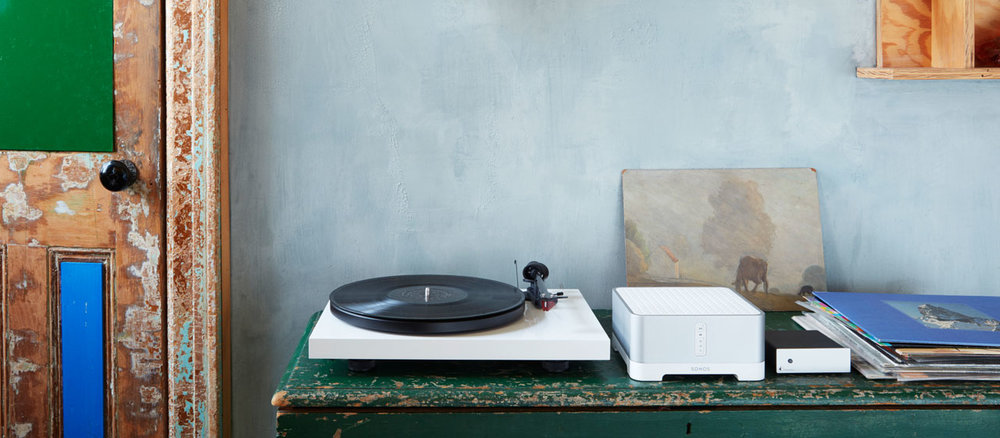
    Are you looking for a gift for someone who likes that hands-on music experience? Do they like the sound they can feel and touch? At the same time want to have that digital proficiency and quality without suffering the nostalgic sound of crackles and pops. Look no further than Sonos’s new vinyl set. Picture this, the Play:5, the best-sounding, most powerful speaker, matched with the Pro-Ject vinyl record player, allowing you to stream your vinyl to every room. Masterful.

    Did I mention, the Pro-Ject includes built-in phono preamp. Outstanding. They will be able to just plug in any audio device, from a record player to a friend’s phone, and listen to their favorite music on the fantastic Play:5. Like all Sonos speakers, it is expandable.  The Sonos vinyl easily let you go from streaming your favorite music and high-quality sounds to spinning from your own record collection.

    Give the gift of streaming vinyl across the connected Sonos speakers to every room in a pure, balanced sound,  unmatched by anybody else in the industry. Give the gift of their own musical completion, The Sonos Vinyl set.

    Beats Studio3

    You could just try keeping it simple and just go with the old trusty Beats headsets. When you want to give the gift of quality music look no further than beats headphones. The best of the beats headphones are the Beats. Featuring intuitive balanced, pure noise canceling functionality in the most robust and authentic sounding headphones on the market.

    These headsets function flawlessly regardless of the situation or noisy environment that you’re in,  always providing the perfect pure balance sound and they look pretty great.


  • The Best Deals: 70% Off Eyeglasses!

    The Best Deals: 70% Off Eyeglasses!

    When it comes time to buy glasses, it won’t surprise you to hear that your prescription is going to be expensive. That goes double if you’re buying from your eye doctor’s office, as they have a pretty sizable markup on spectacles. Where should you go to buy your glasses, then? Certainly there’s somewhere you can go to find a better deal on glasses than your doctor’s office, right? Let’s look at some places you can go to save a couple of bucks on your next pair of glasses.

    Best Deals on Glasses

    Getting Your Prescription

    Once your eye doctor gives you a checkup on your eyes, they’ll write you a prescription for glasses. When they do so, ask them for a copy of it. They’ll likely encourage you to buy your glasses from their office, though you’re under no obligation to do so. It’s unlikely your eye doctor will have any issue giving you a copy of your prescription, but if they do, don’t stress!

    Legally, any licensed eye doctor has to give you a copy of your prescription. If your doctor isn’t cooperating in giving you your prescription after you’ve paid for the appointment, you should remind them that it is their legal obligation to do so. If they continue to insist you buy your glasses from them before they hand over such a prescription, it’s time to contact your local medical authority and find a new eye doctor.

    Online or In Store?

    First, consider whether you’d like to buy your glasses online or from a store. Make sure you’ve got your prescription from your eye doctor and consider which option you like better. When you shop online, you get to avoid the long lines and traffic associated with shopping out and about. On the other hand, you’ve also got to wait for shipping, and you can’t try frames on to see how they look on you.

    Shopping in-store allows you to see the glasses on your face before you sign up for the frames. Likewise, you can leave with the glasses you buy in-hand and won’t have to wait for shipping, which is nice. On the flip side, it’s often a bit pricier to go through any in-person retailers, as you can often find tremendous deals on glasses online.

    Costco Wholesalers

    If you have a Costco card and you need a new pair of glasses, you’re in luck. Costco is noted as one of the least expensive places to pick up glasses in-store in the country. All you need to do is bring them your prescriptions! Unlike LensCrafters, who have an average glasses cost of $369, Costco offers an average cost of $184 for their glasses. That’s considerable savings when you look at the glasses: they’re identical.

    Keep in mind that Costco, while inexpensive, isn’t the best deal out there on glasses. There are even better discounts you can find on glasses if you go through certain online retailers.

    Online Discounts

    There are a number of online sites you can go through to save a ton on glasses. Examples include ZenniOptical.com, EyeBuyDirect.com and 39DollarGlasses.com. These websites allow you to get a pretty sizable discount on your glasses through their bare-bones distribution. For examples, Zenni Optical grinds their lenses in China, uses low-cost materials for frames and includes shipping in the costs.

    Often, these sites keep the costs low by offering no ongoing service on the eyeglasses they sell. Once you buy the glasses, they’re yours, and any damage they incur is up to you to fix. However, when you can just buy another pair for under $50, this is a reasonable trade-off for some people.


  • Learn How to Cash in on Amazing Rewards From These 4 Credit Cards

    Learn How to Cash in on Amazing Rewards From These 4 Credit Cards

    Saving money is incredibly important for any family. You want to be able to make the holidays memorable, but gift shopping gets expensive. That’s why it’s essential to explore all options to make the most of your money. One of the easiest ways to save money and get cash rewards is by getting a credit card. There are tons to choose from with all different types of rewards. That’s why we’re here to help.

    What Do You Want Most?

    Deciding what’s most important to you for your credit card is the first step to making the right choice. Do you want a credit card that will give you cashback on your most frequent purchases? Do you want a card that gives you frequent flyer points so that your next airplane ticket is discounted (or free?) Or do you enjoy staycations? Whatever you want to focus on there’s a credit card to match.

    You’re a world traveler

    Traveling new places is a great thing to be able to do. For some people it can be an expense they can’t quite afford though. That’s why it’s helpful to enlist your credit card company to foot the bill.

    The first place to start is with a broad credit card like the Capital One Venture Rewards Credit Card. The card offers double miles on all purchases and has a promotion where you can earn ten times the miles when staying at certain hotel brands. Importantly, there are no blackout dates with this card, and the points can be redeemed at any airline or hotel. There aren’t any expiration dates on your miles, and there’s no limit to how many you can earn. You can also transfer your miles across to other loyalty programs.

    Frequent Travel Pays Off

    The Chase Sapphire Preferred Card is a highly sought-after credit card for airline miles for a number of reasons. Firstly, the intro bonus is very generous. If you spend $4,000 through the card in the first three months of owning it, you get 60,000 bonus points. That translates to about $750 in travel rewards, which is a lot to earn just for using your credit card. You also get reimbursed for the $85 TSA precheck fee or $100 Global Entry fee. Add all this together and the card can easily pay for itself.

    Dining and Entertainment

    For those of you who don’t have the time to jet off to new locations, there’s a credit card to fit you too. The Capital One SavorOne card is the one for you. It will reward you with 3% cashback on dining and entertainment, 2% at grocery stores and 1% on all other purchases. There’s no annual fee and you can earn a $150 bonus if you spend $500 in purchases in the first 3 months. Another great benefit is that your cashback rewards don’t expire. That way you can use them when you need them.

    Just Give Me the Cash

    If you don’t want a card with a fancy rewards system, but you wouldn’t mind a little cashback in your wallet, you aren’t alone. The Discover it Cash Back Card would be an excellent choice. With this card, Discover will match all the cashback you’ve earned at the end of the first year automatically. They also offer different killer deals each quarter. They choose a popular category and offer you 5% cashback (up to $1500.) Once you’ve hit that cap, which isn’t difficult, they then offer you 1% on all your purchases in that category.


  • Is Your Card This Good? Best Credit Cards with No Annual Fees

    Is Your Card This Good? Best Credit Cards with No Annual Fees

    It can be hard to build your credit. Credit cards come in so many varieties. How can you figure out which one is the best for you? To help you decide we’ve rounded up a selection of some of the best credit cards with no annual fees. These are some of the best credit cards you’ll find for building credit!

    Best Credit Cards with No Annual Fees

    Discover it Cashback Match Card

    This no-fee cashback card is an interesting one. You get one percent cashback on all purchases, which is standard for cashback. However, each quarter a new category of five percent cashback is in effect. For example, some quarters will have restaurants as a five percent category while others will have gas stations in that slot.

    While the quarterly bonus rewards are nice, the best part is the introductory period. For the first 14 months the card has zero interest! After that it reverts to between 13.49 percent and 24.49 percent APR.

    Citi Simplicity Card

    This straightforward no-fee credit card is great if you just want a simple card for daily use. It offers an 18-month period of zero interest and has no annual fees. To get accepted for the card it’s recommended that you have credit between 690 and 850. Overall, this card is a fantastic deal. On the downside, there are no rewards associated and the rates are somewhat high after the introductory period.

    That said, this card is worth it for the introductory period alone. No annual fees and no interest for 18 months is a hard deal to beat!

    Citi Double Cash Card

    This Citi card has no annual fees and is one of the best cashback cards you can get. It’s recommended you have between 690 and 850 for your credit score to get approved for the card. This card charges zero interest for the first 18 months, which makes it very attractive for new cardholders.

    The card gives you one percent cashback on all purchases. While it doesn’t have rotating cashback categories, you do get the awesome 18 months of no interest. Additionally, there is no limit on the amount of rewards you can receive. After the introductory period, the card reverts to between 14.99 percent to 24.99 percent APR.


  • Credit Cards with the Best Incentives!

    Credit Cards with the Best Incentives!

    Credit card incentive programs or rewards give back to you for every dollar you spend doing shopping or paying for a service. They reward you in cash backs, hotel and airline points, free gas and more.

    To benefit from the incentives, you are supposed to spend responsibly and pay your balances in full every month. So, before deciding which credit card to apply for, ask yourself, what are your spending habits? How many categories do you like spending on? What types of rewards would be more beneficial to you? With the answers to these questions, you will be able to pick the right credit card for you.

    What to Know About Credit Card Rewards
    Before diving into the rules, it’s important to understand what entails a rewards card. If a card offers you the opportunity to earn points, miles, or cash backs, it’s a reward card. They either provide you with flat-rate rewards (rewards of the same amount) or bonus rewards on specific categories, for instance, increased rates on dining out or groceries.
    Reward credit cards, therefore, encourage you to pay via credit cards instead of cash or debit card. Rewards, however, have rules. One of them is that it becomes confusing to navigate your card’s program if you are allowed to redeem rewards. Also, if you have up to four credit cards like the average American, it will be hard to understand the ins and outs of multiple incentive programs, especially if there is a mix of points, cash backs and mile cards. Let’s review credit cards that offer hard to find incentives.

    1. American Express® Gold Card
    If your heart beats for food, then the American Express® Gold Card is best suited for you. Whether you love preparing terrific dishes at home or dining out, this card rewards you a competitive 4X points for every dollar you spend on any restaurant worldwide or U.S. supermarkets (for up to $25,000 annually in purchases, then 1X). Travelers can also benefit from the 3X point rewards on flights, but they have to book directly with airlines or use Amextravel.com to get these rewards.
    However, the value of the points depends on how you redeem them. There are many ways you can spend them. You can use them to pay retailers like Amazon or redeeming for gift cards. You can use them to redeem statement credit to book travel.
    Travelers get an annual $100 airline fee credit, which covers in-flight beverages, food, seat upgrades, and baggage fees. What’s more, there is a $120 annual dining credit. This totals to $220 in annual rewards. The card has a $250, meaning the rewards you earn help “pay” the card.

    Pros
    • Strong incentive program with 4X points on dining and 3X on flights.
    • 35,000 Membership Rewards points welcome bonus for spending $4,000 within the first 3 months.
    • Up to $120 in dining credits and $100 in airline fee credit. They also have a $100 hotel credit.
    • No purchase fees charged outside the US.

    Cons
    • Doesn’t come with an introductory APR period.
    • $250 annual fee.
    • It’s a charge card, and it requires you to pay your balance fully in each billing cycle.

    2. Chase Sapphire Preferred® Card
    Compared to Chase Sapphire Reserve, Chase Sapphire Preferred® Card has a broader appeal and similar features and a high-sign up bonus but at a lower annual fee of $95. Chase Sapphire Reserve comes with a yearly fee of $550, and we don’t recommend it.
    The Sapphire Preferred® Card gives 2X Ultimate Rewards points on dining and travel, while Reserve offers 3X points. Preferred Card also offers 5X points on Lyft and 1 point for every dollar spent on anything else.
    Each point is worth a lower 1.25 cents a piece on every travel booked via Chase, but they can be transferred to hotel loyalty or frequent flyer programs. The credit card does not provide annual travel credit, but it has a car rental primary coverage as well as purchase protection and trip delay protection.
    You earn 80,000 bonus points if you spend $4,000 or more on purchases in the first three months since the account opening. You get $1,000 toward travel when you redeem those points.
    Many people prefer Chase Sapphire Preferred® Card because of the incredible sign-up bonus, the travel perks, and other benefits at a lower price. If you eventually decide to try Reserve, you can upgrade from Preferred.

    Pros
    • High sign-up bonus with lots of points.
    • A powerful travel coverage
    • Has partnered with major airlines and hotel brands
    • Comes with a bonus category for consumers who aren’t spending on air travel at the moment.

    Cons
    • The card doesn’t offer any statement credit benefits, including Global Entry/TSA PreCheck application fee credit.
    • Earns points more slowly that Reserve.
    • No annual travel credit.

    3. Southwest Rapid Rewards® Priority Credit Card
    When it comes to flexibility, Southwest Airlines Rapid Rewards takes the airline medal. The airline also offers two free checked bags for every passenger without the need for a credit card. Many families prefer Southwest Airlines because of these benefits.
    The Southwest Rapid Rewards® Priority Credit Card earns 2 points for every dollar spent on Southwest flight on their Rapid Rewards program. It also earns 2 reward points for every dollar spent on other purchases.

    They charge an annual fee of $149 and earns 40,000 points for $1,000 spent on the first three months from the date of opening your account. Another benefit of this credit card is that you can rebook your flights after prices go down. The only drawback is the Southwest’s lack of assigned seating, which is a turn off for most passengers.

    The Priority Card also offers a $75 Southwest travel credit annually. They also add 7,500 bonus points on your cardmember anniversary every year and 20% cashback on inflight purchases.

    What’s more, if you combine the rapid rewards card with a business card, you will come close to earning 125,000 point total required to get a Southwest Companion Pass. This gives you the ability to take a loved one or friend with you without paying a cent, and it could save you thousands of dollars.

    Pros
    • You earn 2 points for every dollar you spend
    • 40,000 points upon spending $1,000 in the first 3 months.
    • A more convenient annual fee of $149.
    • Rewards you with $75 Southwest travel credit every year.
    • You get 7,500 bonus annually on cardmember anniversary.

    Cons
    • No credits for an expedited airport security program.
    • Southwest doesn’t have a smaller international reach.

    4. Blue Cash Preferred® Card from American Express
    If you are not super excited about earning reward points which are valuable but tricky to redeem, and you prefer cash back, then Blue Cash Preferred® Card from American Express is the best option for you, even though it has a $95 annual fee.

    The added much-needed features in 2019, which included valuable bonus categories due to the changing consumer habits. They also launched a new streamline service, which gives cardholders a 6% streaming, a category which other cards don’t recognize. That was an addition to already existing categories of 6% cashback on US supermarket purchases.

    The card from American Express comes with other packs, including several travels and purchase protections. Cash backs are in the form of a statement credit, which can be used to “erase” purchases. To earn more cashback instead of points and miles, you can refer to their website for more information.

    This card is every commuter’s dream, thanks to its unlimited 3% cashback on gas or transit (including taxis, tolls, ride-shares, trains, buses, and more). The card does not earn membership rewards points, but it remains a simple way of earning rewards on the things you spend every day.

    Pros
    • A $250 statement credit upon spending $1,000 on purchases within the first three months.
    • Bonus cash backs on useful categories.
    • Generous bonus rewards at US supermarkets.
    • Intro APR offer.

    Cons
    • Unlike many cash-back cards, they charge an annual fee.
    • If you exceed $6,000 in expenses at US supermarkets every year, you may need to use another card.

    5. Capital One® Venture® Rewards Credit Card
    Capital One’s travel incentive program is not as lucrative as the offer from other banks, but they recently expanded their credit benefits. They added airline transfer partners and launched transfer bonuses. Even though the transfer value is not as great as the one with Chase, Capital One miles are easy to earn and use.

    The Capital One® Venture® Rewards Credit Card earns 2 miles for every dollar spent on purchases. The miles can then redeemed as a statement credit and used to “erase” travel purchases. For instance, if you buy a flight ticket, let’s say of $500, you can cancel it with 50,000 miles.

    Ventura comes with a $95 annual fee, which is lower compared to other rewards cards. Also, cardholders receive a credit for a Global Entry or TSA PreCheck application after every four years, for up to $100. This is a perk that can save you a lot of money if you not just time but also money.

    The card doesn’t have any foreign transaction fees and also includes additional travel perks, which include 24-hour travel assistance services, travel accident insurance, and auto rental collision damage waiver.

    Pros
    • 5X miles on rental cars and hotels booked via Capital One Travel.
    • TSA PreCheck application or Global Entry credit of up to $100 every 4 years.
    • Annual fee waived in the first year.
    • No bonus categories you need to follow.

    Cons
    • Other credit cards have higher rewards.
    • No introductory APR.

    6. Wells Fargo Propel American Express card
    If you are looking for the best option for gas rewards, Wells Fargo Propel American Express Card is the best choice. What’s more, it’s completely free, and there’s no annual fee. Propel offers an affordable way of earning a fixed value points on all categories you spend on daily.

    Earning a 3X on so many categories is like a free ticket to heaven for a no-annual-fee card, making this card the best option for beginners who have not tried the rewards game yet.

    If you have the Wells Fargo Visa Signature card, which is yet another no-annual-fee card, every point could be worth 1.5 cents. However, this is not a better reward card than Propel for travel experts. It lacks transfer partners, and Propel helps beginners a lot out of it.

    This card offers zero interest on every purchase or balance transfers for a whole year. It then provides 14.49% to 24.99% variable APR in the following year.

    Lastly, they also offer cell phone protection against theft or damage for up to $600 per claim or $1,200 per 12-month period. However, to get this reward, you must pay your bills with a Wells Fargo Propel Card.

    Pros
    • No annual fee
    • 0% APR in the first year.
    • No blackout dates on air travel.
    • No fees are charged on all purchases made internationally.

    Cons
    • Balance transfer charged 3% fee.
    • You can only redeem a minimum of 2,500 points.

    Hidden Benefits
    Credit cards have quite a few hidden perks that save you money and offer more protection. Here are some of them.

    Credit Card Price Protection
    If you buy an item only the price to drop after a few weeks, you may be pretty disappointed. Luckily, some of these credit cards, such as Citi® Double Cash Card or Chase Sapphire Preferred Card, may come through for you. They offer more than 60 days of protection. If they find a lower price in the offer, the difference is credited back to your account.

    Cell Phone Coverage
    How many times have you dropped your phone or lost it, never to find it again? Luckily, credit cards offer cell protection as an added perk.
    Some coverage will only cover a stolen phone with a police report for proof. Others pay damage costs.

    Delayed/Lost Luggage Protection
    Some cards offer protection for lost or damaged baggage while others cover both. When you lose your luggage after a flight, you are never offered much help.
    If you have this type of coverage, and you have an essential meeting to attend, but you lost your luggage, you can pass by the suit shop instead and head to the meeting right away.

    Bottom Line
    There you have it. There are so many rewards and benefits you can get from your credit card. However, you need to apply for a credit card that is better suited for your needs. If you are a beginner, the Wells Fargo Propel is the best choice for you. However, if you have a mix of cash backs, miles, and points from different issuers, you will not be able to combine the rewards.



  • Do’s and Don’ts When Using Shopping Apps

    Do’s and Don’ts When Using Shopping Apps

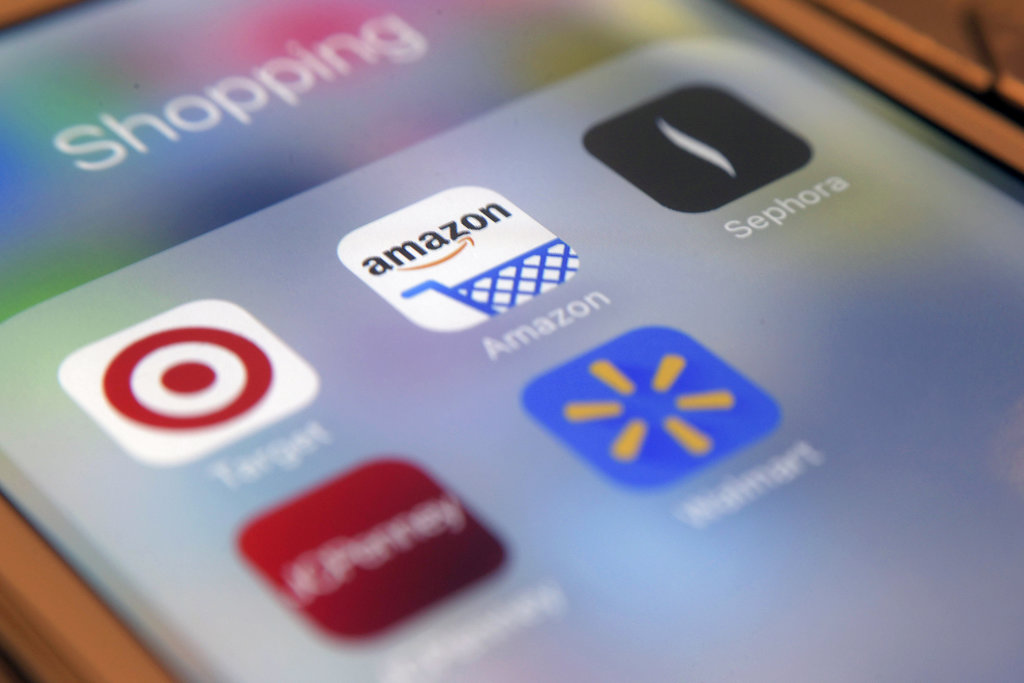
    Retailers such as Target and Amazon are embracing shopping apps to help consumers save money and time with features like digital wallets and augmented reality. When used strategically, apps can streamline in-store trips and online purchases, but shoppers could also find that convenience comes with a risk: impulsive decisions and overspending.

    “Now shopping can be anytime, anywhere, multiple times a day, which is great for customers who value convenience,” said Casey Taylor, a partner in the Atlanta office of Bain and Company, a management consulting firm. “But for customers on a budget, what I would share as the primary caution is that it makes it very easy — almost too easy.”

    Here’s how to get the most out of retail apps, while avoiding the downsides.

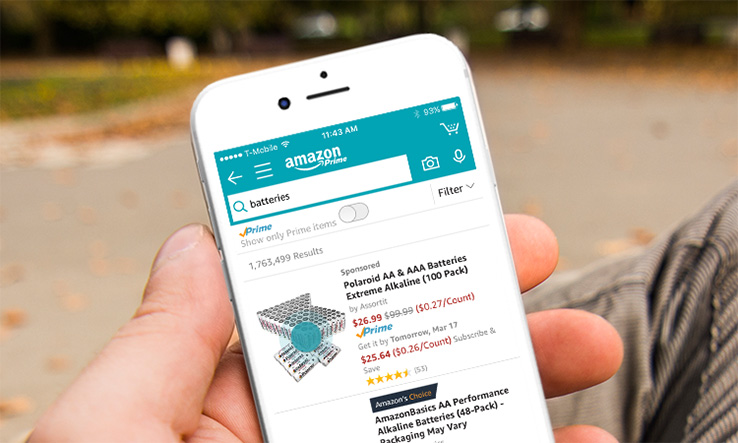
    Shopping App Amazon

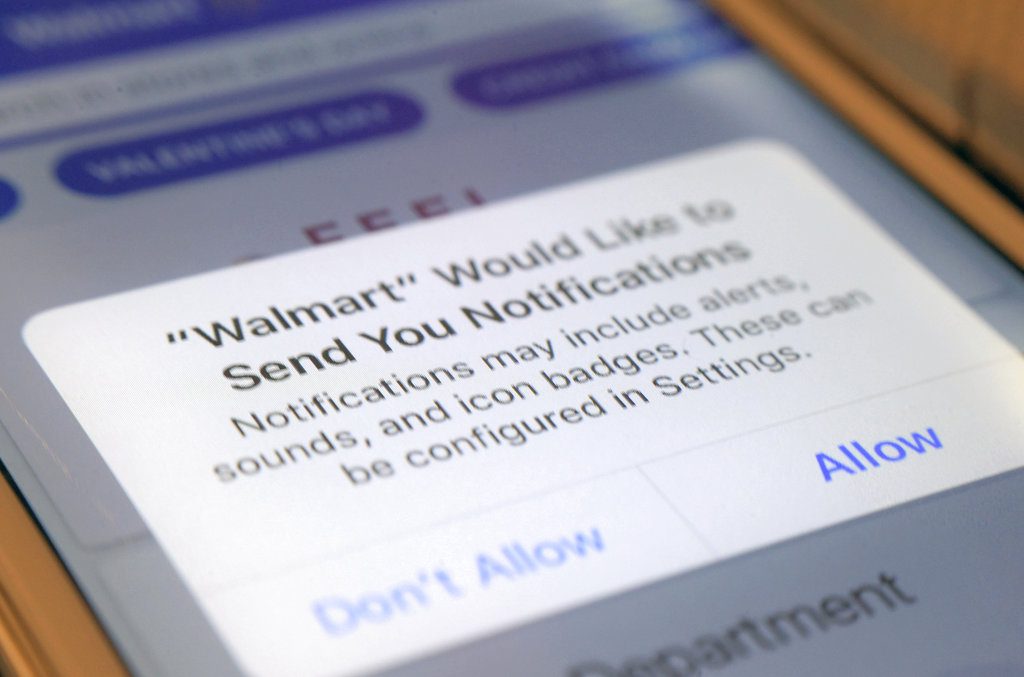
    DON’T ENABLE NOTIFICATIONS

    Push notifications — alerts that pop up on your phone — and emails tend to “catch people at vulnerable moments,” enticing them to spend money on things they otherwise wouldn’t, said Marshal Cohen, chief industry analyst at the NPD Group, a market research company.

    Data show that 9.6 times more users make a purchase when an app sends a promotional push notification compared with those who didn’t receive one, according to Leanplum, a mobile marketing platform. Notifications also increase the amount an average shopper spends 16 percent.

    A quick fix: Turn off notifications in the app or your device’s settings and opt out of retailers’ emails if they’re too tempting to resist overspending.

    Shopping App Notification

    DO MAKE A SHOPPING LIST

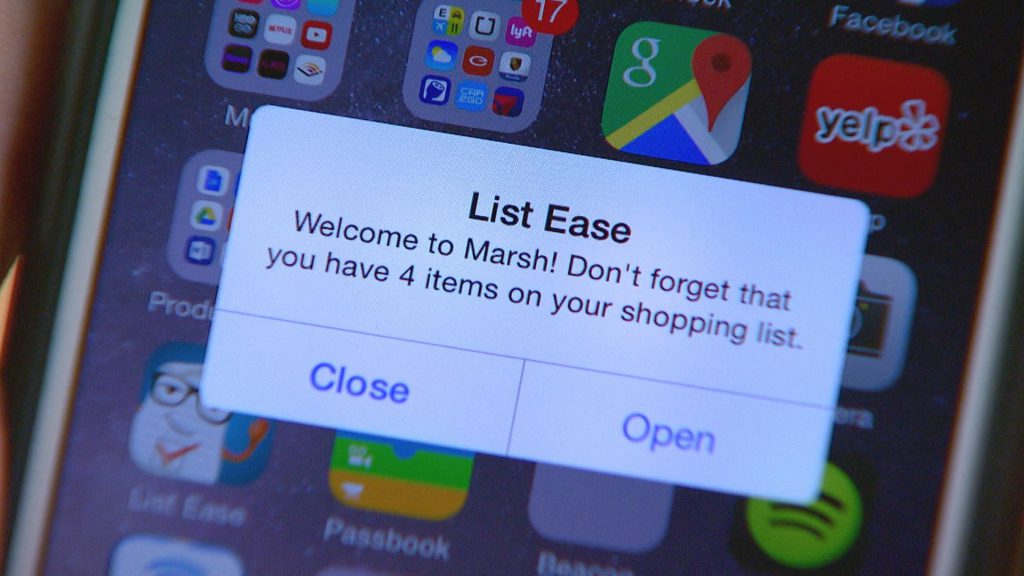
    Take inventory and make a list of what you need. Shopping lists can deter impulse purchases by keeping specific merchandise top-of-mind. Most retailer apps make it easy to view and edit lists on your device.

    For example, the app for Kohl’s enables shoppers to set a budget , and then automatically deducts the price of each item on the list. Other merchants, like The Home Depot, include maps or aisle numbers to help customers track down products on their lists at local stores.

    shopping apps list

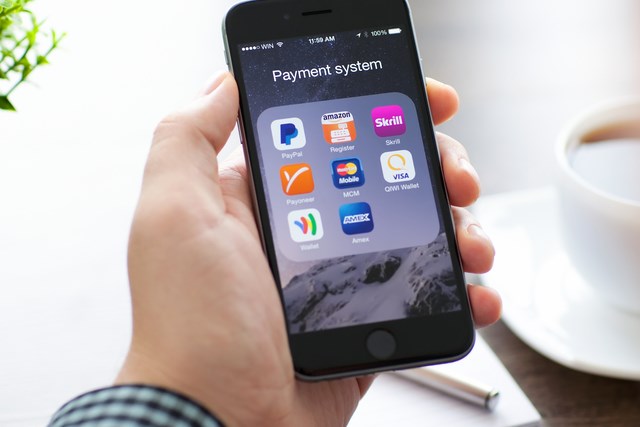
    DON’T KEEP PAYMENT INFORMATION ON FILE

    Although storing shipping and billing information speeds up the checkout process, it can also smooth the way for frivolous purchases. Researchers have found that compared with cash, behind-the-scenes payment methods make shoppers feel detached from their money — and more likely to spend.

    “Now with technologies where you can just use your fingerprint, or you just take a photo of your credit card, it makes payment incredibly simple,” Taylor said.

    Instead, enter payment information each time, rather than saving credit card numbers or linking to a PayPal account. The extra step makes the exchange of money feel more real.

    At the very least, “take a breath before tapping ‘checkout’ to make sure that your purchase is as much about you really needing that item versus the fact that the shopping experience has become more entertaining and has become very easy,” Taylor said.

    shopping apps payment

    DO USE YOUR CAMERA

    Use the camera feature within apps to read product details and customer reviews.

    “It allows you to have a greater usage of knowledge of what those products you’re purchasing can do,” Cohen said.

    Some apps surface product information when an item’s bar code is scanned with the camera. Beauty retailer Sephora’s app incorporates augmented reality, which allows shoppers to virtually try on makeup products and colors as they look into their device’s camera.

    As well, cameras can summon savings: Snap a picture of your receipt in Walmart’s app, and its Savings Catcher tool will match a competitor’s lower advertised price — even after your purchase. Walmart refunds the difference on an electronic gift card. Target’s app checks for manufacturer coupons and in-store deals on scanned items.

    DON’T FOCUS ON ONE RETAILER

    shopping app retailers

    Through exclusive offers and built-in loyalty programs, “individual retailers’ shopping apps intend to lock-in shoppers,” Jie Zhang, professor of marketing at the University of Maryland’s Robert H. Smith School of Business, said in an email. For example, the wallet feature on the J.C. Penney app lets shoppers see and redeem rewards, coupons and gift cards in one place.
    But using only one retailer’s app could mean missing out on opportunities to save money.

    “Yeah, there might be a 20 percent-off sale, but it could be really easy to go get 35 percent off somewhere else for the same exact product,” Cohen said.

    Use a price comparison tool, like ShopSavvy or Google Shopping, to locate the best price across multiple merchants.
    By LAUREN SCHWAHN, NerdWallet