Tag: Arthritis

  • Natural Arthritis Pain Relief

    Natural Arthritis Pain Relief

    Natural pain relief is a great alternative to potentially harmful painkillers or NSAIDs. While you should always take medicine as directed by your doctor, there are non-medicinal ways to combat aches and pains.
    This goes double for arthritis pain, which can be a big deal for older people. Here are some of our top picks for arthritis pain relief.

    Natural Arthritis Pain Relief

    Fitness

    It might sound weird, but staying active is a huge part of curbing arthritis pains. If you’re in good shape and getting regular exercise, it’s much less likely that you’ll have serious aches and pains. Not to mention, it’s just good for you to exercise often and get good nutrition!
    Regular exercise means that your joints stay flexible. It also means that you’ll weigh less, meaning there is less strain on your joints in daily activities. Now, running and weight lifting aren’t the best picks for exercise if you’re already experiencing arthritis pain. However, swimming, yoga and tai chi are all low-impact exercises that are great for you.

    Meditation

    Meditating to relax and focus your mind elsewhere can be a huge help with chronic pain. While many people are quick to write meditation off as pseudo-scientific or ineffective, it’s been proven to help those who put effort into learning the practice.

    Remember: meditation isn’t inherently religious or even philosophical. It’s a way of putting mind over matter and refocusing your energy. It’s helpful for getting your mind off of chronic pain and on to more ephemeral and pain-relieving thoughts, like eternity, mindfulness and wellness.

    Nutrition

    Getting the right things in your diet is another important way to address arthritis pain. Omega-3 fatty acids are a huge help in this regard. Certain fish oils and other supplements are one way to make sure you’re getting enough omega-3, which helps keep your joints loose and limber.

    Another fatty acid recommended for those with joint pain is gamma-linolenic acid. Ask your doctor if evening primrose, borage, hemp, or black currants or supplements made from them would be safe in your diet, as these carry gamma-linolenic acid.

    If your symptoms are quite severe and impacting your daily life, don’t hesitate to talk to your doctor. However, addressing them in a natural and holistic way can be a great way to avoid doctor’s fees and having to take traditional medicine. Everyone is different, however, so make sure you do what is right for your unique situation.


  • Top Arthritis Pain Remedies

    Top Arthritis Pain Remedies

    More than 50 million people in the United States are affected by arthritis, and up to 67 million are expected to be diagnosed by the year 2030. Arthritis pain can be downright incapacitating if it gets intense enough.

    Wrists and joints ache and you feel as though nothing can make you feel normal. Every joint can be affected, but most often hands, wrists, knees, and feet are affected.
    When not properly treated, arthritis can be damaging to many aspects of people’s lives, causing all kinds of physical and emotional issues stemming from chronic pain and the loss of mobility. There has been much research into arthritis remedies for those suffering with aching joints. Here are a few you can try.

    Top Arthritis Remedies

    1-Enbrel

    Etanercept (Enbrel) is effective in treating rheumatoid arthritis. It is a prescription only injection that has been proven to stop joint pain, and prevent joint damage. It has many side effects, despite its effectiveness. Contact your physician for more information.

    2-NSAIDs

    Two non-steroid anti-inflammatory drugs, ibuprofen and naproxen are available without a prescription, and are quite effective at treating arthritis pain. Aspirin, the proptype of this class, is still used quite commonly in treating arthritic pain. Avoid upset stomach by taking these medications with food.

    3-Over the Counter Rubs

    There are a wide array of creams and ointments available without a prescription that are effective in alleviating pain and inflammation due to arthritis. Look for ingredients like menthol, camphor, and methyl salicylate when choosing a product.

    4-Ginger

    Ginger is quite effective at treating and preventing arthritic pain. It is available in many forms including the root which can be chewed, cooked, or used in teas.
    5-Black Seed Oil

    A teaspoonful a day is helpful in treating arthritis. Black seed oil has many other uses.

    6-Hot and Cold Therapy

    Hot and cold therapy can do wonders for aching joints from arthritis. Taking a nice, long and hot bath or shower in the morning can do aching joints wonders. Alternatively, using electric blankets or heating pads can help to relax stiff joints.

    On the other hand ice therapy can be used to alleviate intense pain rapidly. Ice packs wrapped in towels and applied to sore joints can provide fast relief. Follow this cold treatment with a bit of heat treatment for relief from joint pain!

    7-Turmeric
    Consider adding turmeric to your diet in higher quantities. This root plant is a known anti-inflammatory and has been used as a natural remedy for hundreds of years. You can add it to dishes easily, as it is a common spice. It tastes really good, too! While it’s not a cure-all, you might find it helps to alleviate symptoms of joint pain.

    The anti-inflammatory properties of turmeric could result in your joints and tendons feeling some relief from your arthritis symptoms. This is a great way to attempt to tackle your symptoms from several angles.

    Because, at the very worst, it’ll just add some spice to your dishes!

    8-Cocoa/Chocolate
    Did you know that cocoa provides an abundant source of phytochemicals? You might not know much about phytochemicals, but this odd ingredient means cocoa is an antioxidant – and antioxidants are known to help with cardiovascular health, brain function, and cancer prevention. If you have RA, consuming cocoa (yes, even in the form of chocolate) can also benefit your immune system.

    Chocolate, specifically dark chocolate, can significantly reduce inflammation throughout the body. Cocoa properties are known to decrease COX-2 enzymes that cause inflammation, meaning every bite of dark chocolate helps decrease what’s causing your aches and pains.

    When you consume chocolate, it triggers the release of serotonin in the brain – or what many people call “the happiness chemical.” Serotonin literally changes your mindset, releasing happiness and lifting your mood.

    Suffering from the symptoms of RA can have a devastating impact on your well-being. However, treating yourself with dark chocolate can help combat both a bad mood and a little of your pain. Enjoying dark chocolate (in moderation, of course) is enough to lift up your spirits, even if just for a moment.

    9-Acupuncture
    The use of acupuncture for treating pain is a bit contentious. However, many patients claim that their chronic pain symptoms are greatly alleviated by acupuncture. Consider visiting a specialist for a consultation and a quote! They might be able to help you.

    In short, acupuncture is a practice that uses select placement of needles to attempt to manipulate the body’s pain receptors. Some practitioners ascribe the benefits of acupuncture to the manipulation of chi flow in the patient. Chi is an energy force that many Eastern traditions believe flows through all living things, though scientific examination has shown no evidence of such a force.

    Those patients who have had acupuncture treatments have had varying responses, though many claim that the procedures have helped them manage their arthritis pain.

    10-Massage
    Along those same lines, you could consider visiting a massage therapist. They could use massage techniques to help relax your muscles and loosen stiff joints. Alternatively, you could work with a physical therapist to learn techniques of self-massage if it would be difficult to see a professional regularly.

    11-Exercise
    Make sure you get lots of exercise! Simply staying active can work wonders on aching or stiff joints. Make sure you walk often and don’t spend all day indoors. If you find walking to be too high-impact, consider hitting the pool. Getting some light swimming in is a great way to work your joints, tendons and muscles without putting a lot of stress on them. Staying limber and exercising often is a great way to directly tackle arthritis symptoms.
    Try a combination of these arthritis remedies and hopefully they will alleviate your symptoms!

  • Best Joint Pain Remedies

    Best Joint Pain Remedies

    More than 50 million people in the United States are affected by arthritis, and up to 67 million are expected to be diagnosed by the year 2030. Arthritis pain can be downright incapacitating if it gets intense enough.

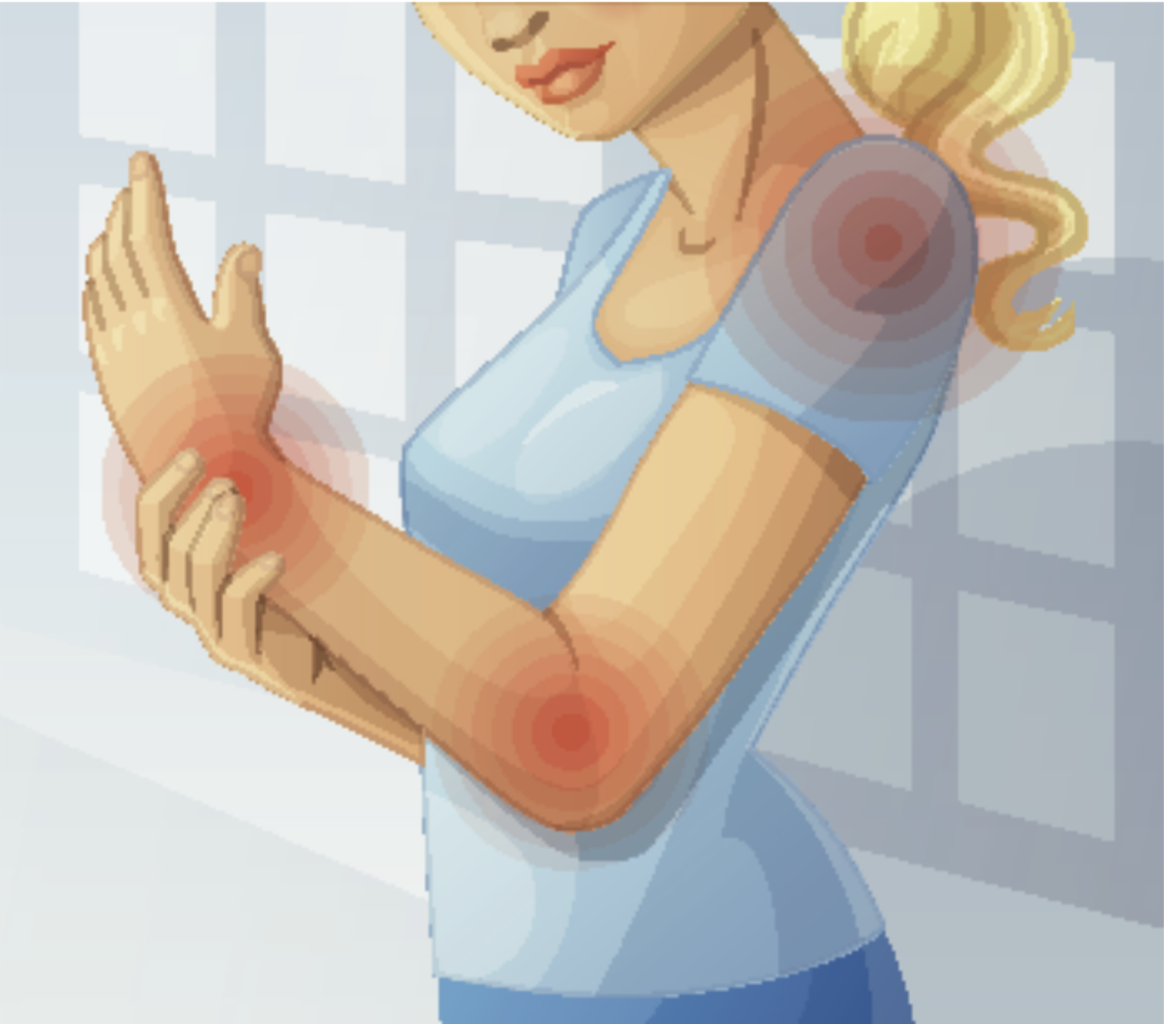
    Wrists and joints ache and you feel as though nothing can make you feel normal. Every joint can be affected, but most often hands, wrists, knees, and feet are affected.
    When not properly treated, arthritis can be damaging to many aspects of people’s lives, causing all kinds of physical and emotional issues stemming from chronic pain and the loss of mobility. There has been much research into arthritis remedies for those suffering with aching joints. Here are a few you can try.

    Top Arthritis Remedies

    1-Enbrel

    Etanercept (Enbrel) is effective in treating rheumatoid arthritis. It is a prescription only injection that has been proven to stop joint pain, and prevent joint damage. It has many side effects, despite its effectiveness. Contact your physician for more information.

    2-NSAIDs

    Two non-steroid anti-inflammatory drugs, ibuprofen and naproxen are available without a prescription, and are quite effective at treating arthritis pain. Aspirin, the proptype of this class, is still used quite commonly in treating arthritic pain. Avoid upset stomach by taking these medications with food.

    3-Over the Counter Rubs

    There are a wide array of creams and ointments available without a prescription that are effective in alleviating pain and inflammation due to arthritis. Look for ingredients like menthol, camphor, and methyl salicylate when choosing a product.

    4-Ginger

    Ginger is quite effective at treating and preventing arthritic pain. It is available in many forms including the root which can be chewed, cooked, or used in teas.
    5-Black Seed Oil

    A teaspoonful a day is helpful in treating arthritis. Black seed oil has many other uses.

    6-Hot and Cold Therapy

    Hot and cold therapy can do wonders for aching joints from arthritis. Taking a nice, long and hot bath or shower in the morning can do aching joints wonders. Alternatively, using electric blankets or heating pads can help to relax stiff joints.

    On the other hand ice therapy can be used to alleviate intense pain rapidly. Ice packs wrapped in towels and applied to sore joints can provide fast relief. Follow this cold treatment with a bit of heat treatment for relief from joint pain!

    7-Turmeric
    Consider adding turmeric to your diet in higher quantities. This root plant is a known anti-inflammatory and has been used as a natural remedy for hundreds of years. You can add it to dishes easily, as it is a common spice. It tastes really good, too! While it’s not a cure-all, you might find it helps to alleviate symptoms of joint pain.

    The anti-inflammatory properties of turmeric could result in your joints and tendons feeling some relief from your arthritis symptoms. This is a great way to attempt to tackle your symptoms from several angles.

    Because, at the very worst, it’ll just add some spice to your dishes!

    8-Cocoa/Chocolate
    Did you know that cocoa provides an abundant source of phytochemicals? You might not know much about phytochemicals, but this odd ingredient means cocoa is an antioxidant – and antioxidants are known to help with cardiovascular health, brain function, and cancer prevention. If you have RA, consuming cocoa (yes, even in the form of chocolate) can also benefit your immune system.

    Chocolate, specifically dark chocolate, can significantly reduce inflammation throughout the body. Cocoa properties are known to decrease COX-2 enzymes that cause inflammation, meaning every bite of dark chocolate helps decrease what’s causing your aches and pains.

    When you consume chocolate, it triggers the release of serotonin in the brain – or what many people call “the happiness chemical.” Serotonin literally changes your mindset, releasing happiness and lifting your mood.

    Suffering from the symptoms of RA can have a devastating impact on your well-being. However, treating yourself with dark chocolate can help combat both a bad mood and a little of your pain. Enjoying dark chocolate (in moderation, of course) is enough to lift up your spirits, even if just for a moment.

    9-Acupuncture
    The use of acupuncture for treating pain is a bit contentious. However, many patients claim that their chronic pain symptoms are greatly alleviated by acupuncture. Consider visiting a specialist for a consultation and a quote! They might be able to help you.

    In short, acupuncture is a practice that uses select placement of needles to attempt to manipulate the body’s pain receptors. Some practitioners ascribe the benefits of acupuncture to the manipulation of chi flow in the patient. Chi is an energy force that many Eastern traditions believe flows through all living things, though scientific examination has shown no evidence of such a force.

    Those patients who have had acupuncture treatments have had varying responses, though many claim that the procedures have helped them manage their arthritis pain.

    10-Massage
    Along those same lines, you could consider visiting a massage therapist. They could use massage techniques to help relax your muscles and loosen stiff joints. Alternatively, you could work with a physical therapist to learn techniques of self-massage if it would be difficult to see a professional regularly.

    11-Exercise
    Make sure you get lots of exercise! Simply staying active can work wonders on aching or stiff joints. Make sure you walk often and don’t spend all day indoors. If you find walking to be too high-impact, consider hitting the pool. Getting some light swimming in is a great way to work your joints, tendons and muscles without putting a lot of stress on them. Staying limber and exercising often is a great way to directly tackle arthritis symptoms.
    Try a combination of these arthritis remedies and hopefully they will alleviate your symptoms!
    Related Posts

    Natural Arthritis Pain Relief

    Natural pain relief is a great alternative to potentially harmful painkillers or NSAIDs. While you should always take medicine as directed by your doctor, there are non-medicinal ways to combat aches and pains. This goes double for arthritis pain, which can be a big deal for older people. Here are some of our top picks […]

    arthritis

    What is Rheumatoid Arthritis?

    Rheumatoid arthritis is a commonly-occurring autoimmune disorder that often occurs in older patients. RA is caused by the body’s own immune system mistakenly attacking its own tissues and resulting in inflammation. In particular, RA attacks the lining of the joints, resulting in stiffness, soreness and joint pain. What is Rheumatoid Arthritis? Arthritis Overview Generally speaking, […]


  • What is Rheumatoid Arthritis?

    What is Rheumatoid Arthritis?

    Rheumatoid arthritis is a commonly-occurring autoimmune disorder that often occurs in older patients. RA is caused by the body’s own immune system mistakenly attacking its own tissues and resulting in inflammation.
    In particular, RA attacks the lining of the joints, resulting in stiffness, soreness and joint pain.

    What is Rheumatoid Arthritis?

    Arthritis Overview

    Generally speaking, the term arthritis refers to soreness in the joints. There are two major types of arthritis: rheumatoid arthritis and osteoarthritis. Osteoarthritis is caused by repetitive motion and wear-and-tear. Generally speaking, osteoarthritis can be predicted by a patient’s life history, such as the type of work they perform.

    Rheumatoid arthritis, on the other hand, is an autoimmune disorder and has nothing to do with prior wear and tear. RA can occur in otherwise healthy individuals and cause severe discomfort, joint pain and stiffness.

    Causes

    It’s largely thought that the disease has a genetic component. That’s not to say that the disease spontaneously occurs in patients, though. Typically, something occurs that triggers the disease’s onset. Namely, a few types of viral infection or bacterial diseases, can cause the body to kick on the processes that bring on RA.

    In layman’s terms, RA occurs when the immune system attacks the lining of the body’s joints. This causes the lining to thicken, which results in the cartilage and bone within the joint being stressed. Over time, the bone and cartilage will be destroyed, putting stress on the ligaments and tendons that hold the joint together.

    Symptoms

    Common symptoms of RA include joint stiffness, tender and swollen joints and loss of appetite. Other symptoms could include fatigue, fever and damage of other parts of the body as the disease progresses. Joint stiffness in RA patients tends to be stronger in the mornings after sleeping or after periods of inactivity.

    Progression

    Generally speaking, RA first manifests in the smaller joints, such as fingers, wrists, ankles and toes. However, as the disease spreads and progressively becomes worse, it will manifest in the shoulders, knees, elbows and hips.

    RA is what is referred to as a progressive disease. There is no cure for the condition, and it will progress indefinitely until the end of the patient’s life. While treatments exist that can slow the disease’s progress, none of these treatments will completely halt it.

    Treatments

    Common treatments for RA include medications, exercise, dietary changes and physical therapy. Generally speaking, when addressed soon enough, the disease can be slowed dramatically. Physical therapy, when combined with the right diet and medications, can slow the disease by a large margin.


  • Finger Arthritis Remedies

    Finger Arthritis Remedies

    More than 50 million people in the United States are affected by arthritis, and up to 67 million are expected to be diagnosed by the year 2030. Arthritis pain can be downright incapacitating if it gets intense enough.

    Wrists and joints ache and you feel as though nothing can make you feel normal. Every joint can be affected, but most often hands, wrists, knees, and feet are affected.
    When not properly treated, arthritis can be damaging to many aspects of people’s lives, causing all kinds of physical and emotional issues stemming from chronic pain and the loss of mobility. There has been much research into arthritis remedies for those suffering with aching joints. Here are a few you can try.

    Top Arthritis Remedies

    1-Enbrel

    Etanercept (Enbrel) is effective in treating rheumatoid arthritis. It is a prescription only injection that has been proven to stop joint pain, and prevent joint damage. It has many side effects, despite its effectiveness. Contact your physician for more information.

    2-NSAIDs

    Two non-steroid anti-inflammatory drugs, ibuprofen and naproxen are available without a prescription, and are quite effective at treating arthritis pain. Aspirin, the proptype of this class, is still used quite commonly in treating arthritic pain. Avoid upset stomach by taking these medications with food.

    3-Over the Counter Rubs

    There are a wide array of creams and ointments available without a prescription that are effective in alleviating pain and inflammation due to arthritis. Look for ingredients like menthol, camphor, and methyl salicylate when choosing a product.

    4-Ginger

    Ginger is quite effective at treating and preventing arthritic pain. It is available in many forms including the root which can be chewed, cooked, or used in teas.
    5-Black Seed Oil

    A teaspoonful a day is helpful in treating arthritis. Black seed oil has many other uses.

    6-Hot and Cold Therapy

    Hot and cold therapy can do wonders for aching joints from arthritis. Taking a nice, long and hot bath or shower in the morning can do aching joints wonders. Alternatively, using electric blankets or heating pads can help to relax stiff joints.

    On the other hand ice therapy can be used to alleviate intense pain rapidly. Ice packs wrapped in towels and applied to sore joints can provide fast relief. Follow this cold treatment with a bit of heat treatment for relief from joint pain!

    7-Turmeric
    Consider adding turmeric to your diet in higher quantities. This root plant is a known anti-inflammatory and has been used as a natural remedy for hundreds of years. You can add it to dishes easily, as it is a common spice. It tastes really good, too! While it’s not a cure-all, you might find it helps to alleviate symptoms of joint pain.

    The anti-inflammatory properties of turmeric could result in your joints and tendons feeling some relief from your arthritis symptoms. This is a great way to attempt to tackle your symptoms from several angles.

    Because, at the very worst, it’ll just add some spice to your dishes!

    8-Cocoa/Chocolate
    Did you know that cocoa provides an abundant source of phytochemicals? You might not know much about phytochemicals, but this odd ingredient means cocoa is an antioxidant – and antioxidants are known to help with cardiovascular health, brain function, and cancer prevention. If you have RA, consuming cocoa (yes, even in the form of chocolate) can also benefit your immune system.

    Chocolate, specifically dark chocolate, can significantly reduce inflammation throughout the body. Cocoa properties are known to decrease COX-2 enzymes that cause inflammation, meaning every bite of dark chocolate helps decrease what’s causing your aches and pains.

    When you consume chocolate, it triggers the release of serotonin in the brain – or what many people call “the happiness chemical.” Serotonin literally changes your mindset, releasing happiness and lifting your mood.

    Suffering from the symptoms of RA can have a devastating impact on your well-being. However, treating yourself with dark chocolate can help combat both a bad mood and a little of your pain. Enjoying dark chocolate (in moderation, of course) is enough to lift up your spirits, even if just for a moment.

    9-Acupuncture
    The use of acupuncture for treating pain is a bit contentious. However, many patients claim that their chronic pain symptoms are greatly alleviated by acupuncture. Consider visiting a specialist for a consultation and a quote! They might be able to help you.

    In short, acupuncture is a practice that uses select placement of needles to attempt to manipulate the body’s pain receptors. Some practitioners ascribe the benefits of acupuncture to the manipulation of chi flow in the patient. Chi is an energy force that many Eastern traditions believe flows through all living things, though scientific examination has shown no evidence of such a force.

    Those patients who have had acupuncture treatments have had varying responses, though many claim that the procedures have helped them manage their arthritis pain.

    10-Massage
    Along those same lines, you could consider visiting a massage therapist. They could use massage techniques to help relax your muscles and loosen stiff joints. Alternatively, you could work with a physical therapist to learn techniques of self-massage if it would be difficult to see a professional regularly.

    11-Exercise
    Make sure you get lots of exercise! Simply staying active can work wonders on aching or stiff joints. Make sure you walk often and don’t spend all day indoors. If you find walking to be too high-impact, consider hitting the pool. Getting some light swimming in is a great way to work your joints, tendons and muscles without putting a lot of stress on them. Staying limber and exercising often is a great way to directly tackle arthritis symptoms.

    Try a combination of these arthritis remedies and hopefully they will alleviate your symptoms!


  • Beat Your Arthritis Pain with These Top Remedies

    Beat Your Arthritis Pain with These Top Remedies

    Think you know everything about arthritis? More than 50 million people in the United States are affected by arthritis, and up to 67 million are expected to be diagnosed by the year 2030. Arthritis pain can be downright incapacitating if it gets intense enough.

    Wrists and joints ache and you feel as though nothing can make you feel normal. When not properly treated, arthritis can be damaging to many aspects of people’s lives, causing all kinds of physical and emotional issues stemming from chronic pain and the loss of mobility. There has been much research into arthritis remedies for those suffering with aching joints. Here are a few you can try.

    Top Arthritis Remedies

    Hot and Cold Therapy

    Hot and cold therapy can do wonders for aching joints from arthritis. Taking a nice, long and hot bath or shower in the morning can do aching joints wonders. Alternatively, using electric blankets or heating pads can help to relax stiff joints.

    On the other hand ice therapy can be used to alleviate intense pain rapidly. Ice packs wrapped in towels and applied to sore joints can provide fast relief. Follow this cold treatment with a bit of heat treatment for relief from joint pain!

    Turmeric
    Consider adding turmeric to your diet in higher quantities. This root plant is a known anti-inflammatory and has been used as a natural remedy for hundreds of years. You can add it to dishes easily, as it is a common spice. It tastes really good, too! While it’s not a cure-all, you might find it helps to alleviate symptoms of joint pain.

    The anti-inflammatory properties of turmeric could result in your joints and tendons feeling some relief from your arthritis symptoms. This is a great way to attempt to tackle your symptoms from several angles.

    Because, at the very worst, it’ll just add some spice to your dishes!

    Cocoa/Chocolate
    Did you know that cocoa provides an abundant source of phytochemicals? You might not know much about phytochemicals, but this odd ingredient means cocoa is an antioxidant – and antioxidants are known to help with cardiovascular health, brain function, and cancer prevention. If you have RA, consuming cocoa (yes, even in the form of chocolate) can also benefit your immune system.

    Chocolate, specifically dark chocolate, can significantly reduce inflammation throughout the body. Cocoa properties are known to decrease COX-2 enzymes that cause inflammation, meaning every bite of dark chocolate helps decrease what’s causing your aches and pains.

    When you consume chocolate, it triggers the release of serotonin in the brain – or what many people call “the happiness chemical.” Serotonin literally changes your mindset, releasing happiness and lifting your mood.

    Suffering from the symptoms of RA can have a devastating impact on your well-being. However, treating yourself with dark chocolate can help combat both a bad mood and a little of your pain. Enjoying dark chocolate (in moderation, of course) is enough to lift up your spirits, even if just for a moment.

    Acupuncture
    The use of acupuncture for treating pain is a bit contentious. However, many patients claim that their chronic pain symptoms are greatly alleviated by acupuncture. Consider visiting a specialist for a consultation and a quote! They might be able to help you.

    In short, acupuncture is a practice that uses select placement of needles to attempt to manipulate the body’s pain receptors. Some practitioners ascribe the benefits of acupuncture to the manipulation of chi flow in the patient. Chi is an energy force that many Eastern traditions believe flows through all living things, though scientific examination has shown no evidence of such a force.

    Those patients who have had acupuncture treatments have had varying responses, though many claim that the procedures have helped them manage their arthritis pain.

    Massage
    Along those same lines, you could consider visiting a massage therapist. They could use massage techniques to help relax your muscles and loosen stiff joints. Alternatively, you could work with a physical therapist to learn techniques of self-massage if it would be difficult to see a professional regularly.

    Exercise
    Make sure you get lots of exercise! Simply staying active can work wonders on aching or stiff joints. Make sure you walk often and don’t spend all day indoors. If you find walking to be too high-impact, consider hitting the pool. Getting some light swimming in is a great way to work your joints, tendons and muscles without putting a lot of stress on them. Staying limber and exercising often is a great way to directly tackle arthritis symptoms.

    Try a combination of these arthritis remedies and hopefully they will alleviate your symptoms!


  • What is Rheumatoid Arthritis?

    What is Rheumatoid Arthritis?

    Rheumatoid arthritis is a commonly-occurring autoimmune disorder that often occurs in older patients. RA is caused by the body’s own immune system mistakenly attacking its own tissues and resulting in inflammation.

    In particular, RA attacks the lining of the joints, resulting in stiffness, soreness and joint pain.

    What is Rheumatoid Arthritis?

    Arthritis Overview

    Generally speaking, the term arthritis refers to soreness in the joints. There are two major types of arthritis: rheumatoid arthritis and osteoarthritis. Osteoarthritis is caused by repetitive motion and wear-and-tear. Generally speaking, osteoarthritis can be predicted by a patient’s life history, such as the type of work they perform.

    Rheumatoid arthritis, on the other hand, is an autoimmune disorder and has nothing to do with prior wear and tear. RA can occur in otherwise healthy individuals and cause severe discomfort, joint pain and stiffness.

    Causes

    It’s largely thought that the disease has a genetic component. That’s not to say that the disease spontaneously occurs in patients, though. Typically, something occurs that triggers the disease’s onset. Namely, a few types of viral infection or bacterial diseases, can cause the body to kick on the processes that bring on RA.

    In layman’s terms, RA occurs when the immune system attacks the lining of the body’s joints. This causes the lining to thicken, which results in the cartilage and bone within the joint being stressed. Over time, the bone and cartilage will be destroyed, putting stress on the ligaments and tendons that hold the joint together.

    Symptoms

    Common symptoms of RA include joint stiffness, tender and swollen joints and loss of appetite. Other symptoms could include fatigue, fever and damage of other parts of the body as the disease progresses. Joint stiffness in RA patients tends to be stronger in the mornings after sleeping or after periods of inactivity.

    Progression

    Generally speaking, RA first manifests in the smaller joints, such as fingers, wrists, ankles and toes. However, as the disease spreads and progressively becomes worse, it will manifest in the shoulders, knees, elbows and hips.

    RA is what is referred to as a progressive disease. There is no cure for the condition, and it will progress indefinitely until the end of the patient’s life. While treatments exist that can slow the disease’s progress, none of these treatments will completely halt it.

    Treatments

    Common treatments for RA include medications, exercise, dietary changes and physical therapy. Generally speaking, when addressed soon enough, the disease can be slowed dramatically. Physical therapy, when combined with the right diet and medications, can slow the disease by a large margin.

  • Rheumatoid Arthritis: Diagnosis and Treatments

    Rheumatoid Arthritis: Diagnosis and Treatments

    Rheumatoid arthritis is a condition that includes symptoms of joint pain and weakness in the muscles around the joints.

    Diagnosing RA can be difficult in the early stages, as its symptoms can mirror that of many other diseases. Today we’re looking into the diagnosis of and treatments for RA.

    Rheumatoid Arthritis Diagnosis

    Diagnosis

    Diagnosing Rheumatoid arthritis can prove somewhat difficult. Even in patients with symptoms that are consistent with RA, there might be a number of other diseases that could be to blame. When your doctor attempts to find out what’s causing your joint pain and inflammation, they will likely start with a physical examination of your joints.

    During a physical exam, the doctor will look for redness and swelling. Warmth is another indicator of potential RA. This check could also involve checking your reflexes and strength in order to rule out certain other conditions.

    Other Tests

    There are a few other tests doctors can try to determine whether a patient has RA. Blood tests to determine if you have an elevated erythrocyte sedimentation rate are common. Likewise, X-Rays or other imaging tests could be used to determine the severity of arthritis.

    It is worth noting that there is no single test that can show that a patient is suffering from RA. There are a number of other diseases and conditions that can send similar symptoms and evidence, making diagnosis a complex undertaking.

    Treatments

    There is no cure for arthritis. The disease is degenerative and will only become more severe as time goes on. There are, however, treatments that can help to slow the disease’s progress. Disease-modifying antirheumatic drugs, or DMARDs, are one such treatment that has been shown to offer remission from certain symptoms.

    DMARDs

    DMARDs offer relief from joint pain and work by slowing the progress of the disease. In fact, when taken soon enough, DMARDs can even safe joints and bones from permanent and lasting damage. They aren’t without side effects, though. DMARDs can cause lung infections, liver damage and marrow suppression in some patients.

    A new type of DMARDs, called biologic agents, work by targeting parts of the immune system that give rise to arthritis. In particular, they stem the onset of inflammation in the body that leads to the lasting joint damage found in arthritis patients.

    Like traditional DMARDs, biologic agents can also lead to a higher risk of infection. Also, while DMARDs can result in remission from symptoms, they are not a cure. Once you have arthritis, you have it for life.

  • Top Rheumatoid Arthritis Treatments

    Top Rheumatoid Arthritis Treatments

    Rheumatoid arthritis, or RA, is a disease that affects the joints and bones of those afflicted. Swelling and warmth are normal symptoms, and aches in the joints are the most common problem experienced by those with RA.

    If you’re looking for the top treatments for rheumatoid arthritis, we’ve rounded up some of the most common treatments here. Remember, however, that there is no cure for RA, though there are ways to soften the symptoms.

    Top Rheumatoid Arthritis Treatments

    Steroids

    If your RA symptoms are severe, your doctor could prescribe you steroids.  Corticosteroid medicines like prednisone have been shown to reduce inflammation and slow the rate at which joints become damaged by arthritis.

    Doctors don’t prescribe steroids in all cases. There are side effects that could occur, like weight gain and the thinning of bones, that are of notable concern. Generally, steroids are prescribed for short-term use, tapering off as the most severe symptoms abate.

    NSAIDs

    Nonsteroidal anti-inflammatory drugs are a common treatment for arthritis. These drugs are usually available for inexpensive prices and can be picked up in any drugstore. Over-the-counter NSAIDs, like Tylenol and Ibuprofen, can be taken daily for normal aches and pains. They’re generally not dangerous as long as you take them only as directed.

    While NSAIDs can have negative effects on the liver over long periods of time, they’re generally considered pretty safe. Speak with your doctor about taking over-the-counter NSAIDs if you’re worried about their potential long-term effects on your health.

    DMARDs

    Disease-modifying antirheumatic drugs are a form of medicine that can slow the progress of RA. These medicines tend to prevent joint damage by slowing the progress of the disease considerably. DMARDs are not available over the counter and have to be prescribed.

    Common DMARDs, like leflunomide, methotrexate and sulfasalazine are prescribed in some cases. Doctors have to keep the side effects of these medicines in mind when they prescribe them. Their side effects can include bone marrow suppression, severe lung infections and liver damage. These potential side effects must be weighed against the severity of RA that the patient is dealing with,

    A newer form of DMARDs, called biologic agents, have become more prevalent in recent years. These drugs work by targeting the parts of the immune system that cause the inflammation of joints. Biologic agents also have side effects that include increasing the risk of infection, since they target the body’s own immune system.

  • Natural Arthritis Pain Relief

    Natural Arthritis Pain Relief

    Natural pain relief is a great alternative to potentially harmful painkillers or NSAIDs. While you should always take medicine as directed by your doctor, there are non-medicinal ways to combat aches and pains.

    This goes double for arthritis pain, which can be a big deal for older people. Here are some of our top picks for arthritis pain relief.

    Natural Arthritis Pain Relief

    Fitness

    It might sound weird, but staying active is a huge part of curbing arthritis pains. If you’re in good shape and getting regular exercise, it’s much less likely that you’ll have serious aches and pains. Not to mention, it’s just good for you to exercise often and get good nutrition!

    Regular exercise means that your joints stay flexible. It also means that you’ll weigh less, meaning there is less strain on your joints in daily activities. Now, running and weight lifting aren’t the best picks for exercise if you’re already experiencing arthritis pain. However, swimming, yoga and tai chi are all low-impact exercises that are great for you.

    Meditation

    Meditating to relax and focus your mind elsewhere can be a huge help with chronic pain. While many people are quick to write meditation off as pseudo-scientific or ineffective, it’s been proven to help those who put effort into learning the practice.

    Remember: meditation isn’t inherently religious or even philosophical. It’s a way of putting mind over matter and refocusing your energy. It’s helpful for getting your mind off of chronic pain and on to more ephemeral and pain-relieving thoughts, like eternity, mindfulness and wellness.

    Nutrition

    Getting the right things in your diet is another important way to address arthritis pain. Omega-3 fatty acids are a huge help in this regard. Certain fish oils and other supplements are one way to make sure you’re getting enough omega-3, which helps keep your joints loose and limber.

    Another fatty acid recommended for those with joint pain is gamma-linolenic acid. Ask your doctor if evening primrose, borage, hemp, or black currants or supplements made from them would be safe in your diet, as these carry gamma-linolenic acid.

    If your symptoms are quite severe and impacting your daily life, don’t hesitate to talk to your doctor. However, addressing them in a natural and holistic way can be a great way to avoid doctor’s fees and having to take traditional medicine. Everyone is different, however, so make sure you do what is right for your unique situation.