Tag: Huawei

  • Huawei Ban: What This Could Mean

    Huawei Ban: What This Could Mean

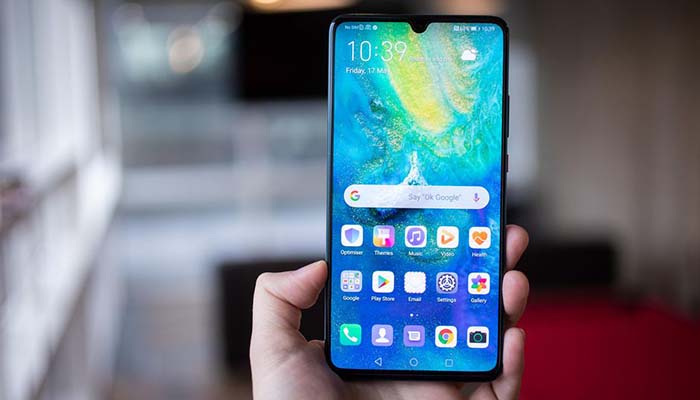
    Huawei, the world’s second-biggest smartphone manufacturer, has been having a rough couple of months. Most recently, the Trump Administration issued an executive order that cuts the Chinese company off from American resources such as Google’s Android platform.

    Trump’s order, called “Securing the Information and Communications Technology and Services Supply Chain,” effectively bans Huawei from doing business in America, or with American companies. What does this mean for the Android brand and for Huawei?

    Huawei Ban

    What Does This Entail?

    The Department of Commerce released a statement on the ban in order to explain what it means.

    “The executive order prohibits transactions that involve information and communications technology or services designed, developed, manufactured, or supplied by persons owned by, controlled by, or subject to the jurisdiction or direction of a foreign adversary whenever the secretary of commerce determines that a transaction would pose a threat to national security,” reads the statement.

    This means, in effect, that Huawei, as a Chinese communications company that is known to have close ties to the Chinese government, is being viewed as a “foreign adversary”.

    Why Did This Happen?

    This ban reflects years of tense relations between Chinese and American companies in the tech sector. In 2012, the federal government warned carriers in the US of carrying Huawei’s handsets. There has been a fear that Huawei would use its devices to spy on American corporations and steal secrets.

    In fact, there has long been speculation that Huawei’s meteoric rise and unparalleled technological advancement in the last decade was largely a result of stealing intellectual property from tech companies in other countries. Huawei, for their part, has repeatedly denied any claims that it has stolen IP or engaged in any form of corporate espionage.

    What Will This Mean?

    In the short term, this ban might not amount to any real damage. Without wading too deep into foreign policy, the Trump Administration is in the midst of a very tense trade standoff with China. It’s likely that this Huawei play will be used as a bargaining chip in future trade talks between the two massive economies.

    In the long term, if the ban stays in effect, it’s likely it will slow the US rollout of 5G communications tech. Many telecom companies rely on technology imported from China, much of it made by Huawei. Unlike Samsung or Apple, Huawei is as much a telecom company as a smartphone manufacturer.

    Global Scale

    While Huawei remains a major player in China, their decoupling from Google could prove disastrous for their bottom line. Google has announced they’ll be honoring the executive order, pulling support for their Android operating system from Huawei. That means that Huawei devices won’t be getting updates for their OS, or critical security updates from Google.

    Huawei has stated it will support its own devices with regular security updates, though this is a bold claim. It’s unclear if the company has the programming staff to undertake such a massive job. Meanwhile, the lack of support from Google means that Huawei will have to rely on an open-source version of Android. This will have them several months behind the competition in terms of updates and features.

    Samsung Ascendant

    Huawei was on track to dethrone Samsung as the de facto king of Android. Recent advances in Huawei’s tech had them nipping at Samsung’s heels. For their own part, the Korean smartphone manufacturer has been lagging behind on innovation, with their recent slate of phones being more iterative than revolutionary.

    The ban from Washington DC could prove to be a huge windfall for the Korean company, however. Samsung stands to gain a lot from their chief rival being halted in their tracks and cut off from Google’s support. Samsung, meanwhile, continues to enjoy its partnership with Google, getting early test builds of Android OS to make sure their phones run smoothly.
  • Laptop Lookout: Huawei Matebook X Pro

    Laptop Lookout: Huawei Matebook X Pro

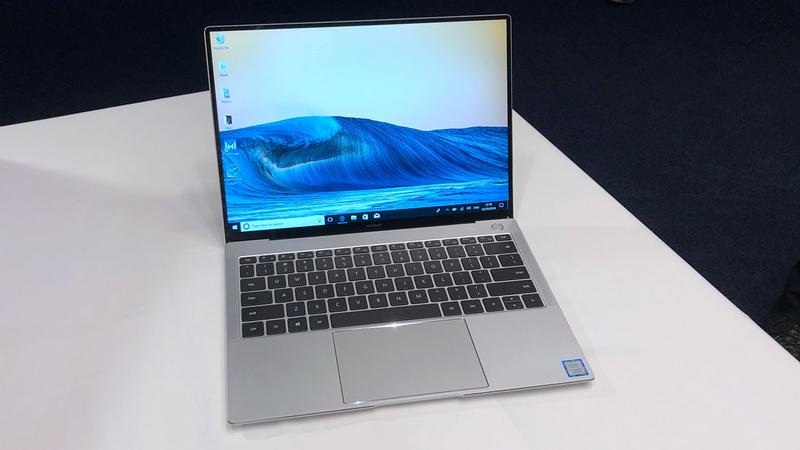
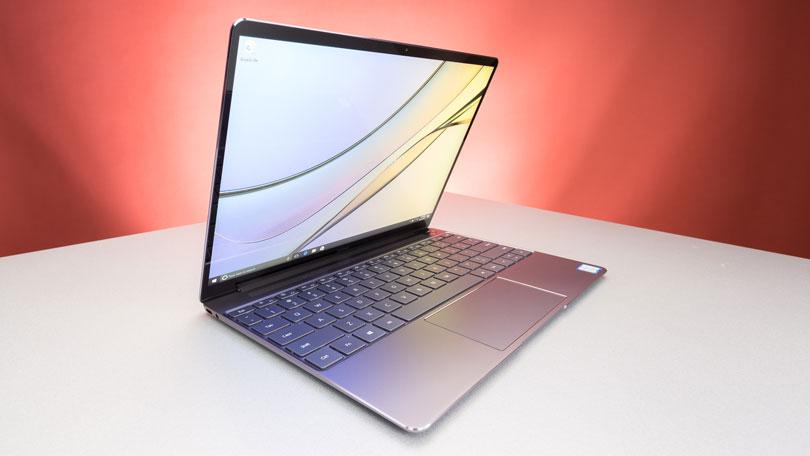
    HUAWEI MateBook X Pro is a ultra-slim notebook with FullView display of 91% screen-to-body ratio. The 3K touchscreen, powerful Intel processor and discrete graphics ensure this is a perfect companion for entertainment and work. With a 3K LTPS display comes with a remarkable 3000 x 2000 resolution, 260 PPI, 100% sRGB color gamut, 450 nits maximum brightness and 1500:1 contrast ratio. Immerse yourself in vivid details when viewing high definition pictures or watching 4K videos.

    The Great

    • Fast performance
    • Exquisite screen
    • Comfortable keyboard
    • Long battery life
    • Both USB Type-C and Type-A ports

    The Not

    • Very limited availability
    • High price
    • No SD card slot
    • Clever webcam is still flawed
    • Mystic Silver is Core i7 only


    The Conclusion

    The Huawei MateBook X Pro is a speedy, long-lasting premium notebook that’s hard to get.


    Chinese tech giant Huawei is not known for making laptops, but its 14-inch MateBook X Pro (tested at $2,350; starting at around $1,855) could change all that. Not only does it pack a gorgeous, high-res display and speedy performance, its battery lasts all day. And while its name and design beg for comparisons to Apple’s MacBook Pro, the MateBook X Pro’s keyboard is far more comfortable. The only things standing between you and its glory are its high price and severely limited availability.


    The Design

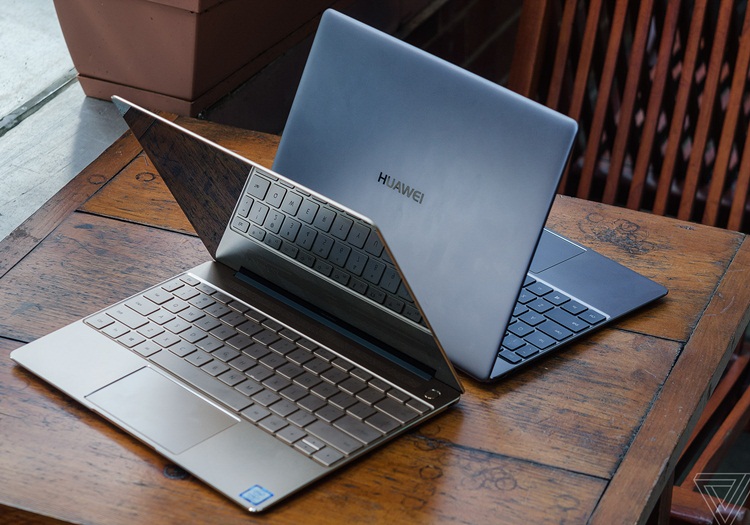
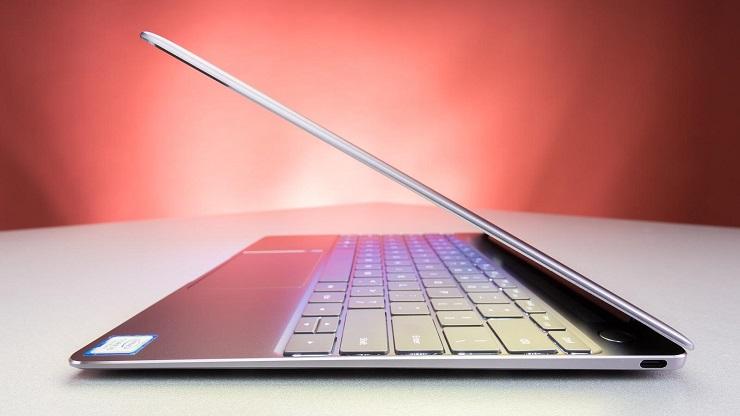
    The aluminum Huawei MateBook X Pro reminds me a lot of Apple’s MacBooks, and that’s a good thing. Not only is it a slim, silver wedge (also made in Space Gray), it’s easy to open its lid with a single hand, a hallmark of Apple’s notebooks. It also sports a shiny beveled edge around its keyboard deck, which the MacBooks do not.

    I still prefer the Apple’s designs in two slight ways: the Huawei logo — which looks like you chopped an Apple into a bunch of wedges — isn’t as elegant. Also, the MateBook X Pro’s lid and edges are flatter, lacking the tapered curves of the MacBook Air.

    The 14-inch MateBook X Pro weighs 2.9 pounds and measures 0.6 inches thick, making it similar in size and heft to the 3-pound, 0.6-inch thick Apple MacBook Pro (13-inch, Touch Bar). The Dell XPS 13 (2.65 pounds, 0.5 inches) is lighter, while the HP Spectre 13 (2.4 pounds, 0.4 inches) is both thinner and lighter.


    The Display

    The MateBook X Pro’s screen produces 124 percent of the sRGB spectrum, which exceeds the 113 percent premium laptop average. The MacBook Pro earned a similar 123 percent and the Spectre 13 measured a lower 111 percent, while the XPS 13’s 1080p screen (117 percent) and its 4K screen (130 percent) straddled the MateBook X Pro’s rates.


    Quick Spec Look

    • CPU: 1.8GHz Intel Core i7-8550U (quad-core, 8MB cache, up to 4.0GHz)
    • Graphics: Intel UHD Graphics 620, Nvidia GeForce MX150 graphics (2GB GDDR5)
    • RAM: 16GB LPDDR3 (2,133 MHz)
    • Screen: 13.9-inch 3K (3,000 x 2,000) LED with touch panel (3:2 aspect; 450 nits; 1,500:1 contrast; 100% sRGB)
    • Storage: 512GB SSD (NVMe PCIe)
    • Ports: 1 x Thunderbolt 3 USB-C, 1 x USB-C 3.1, 1 x USB 3.0, 3.5mm audio jack
    • Connectivity: 802.11ac (2 x 2 MIMO) Wi-Fi, Bluetooth 4.1
    • Camera: 720p webcam with far field microphones
    • Weight: 2.93 pounds (1.33kg)
    • Size: 11.97 x 8.54 x 0.57 inches (304 x 217 x 14.6mm; W x H x D)


    The Final Thought

    This may just be the Tech device that adds Huawei to the major players of Apple, Dell and Samsung to the minds of the american consumer. Welcome to the big leauges boys, we wear caps and sleeves at this level. Frankly, we’re stunned by Huawei’s sophomore effort in the laptop category. In one fell swoop, the MateBook X Pro presents an overwhelming alternative to my favorite laptop, the Dell XPS 13, and the MacBook Pro.

  • Smartphone Spotlight: Huawei P20 Pro

    Smartphone Spotlight: Huawei P20 Pro

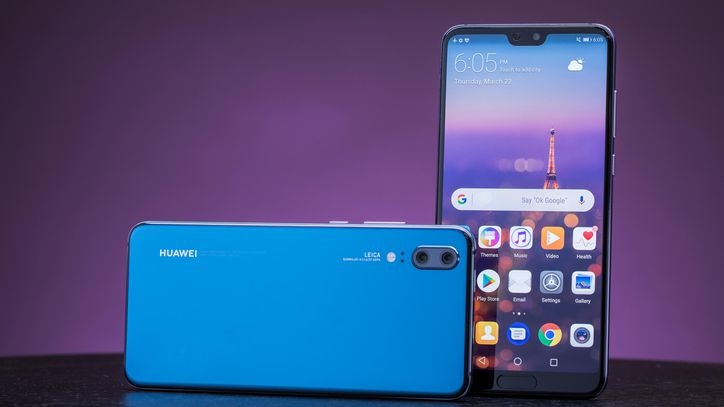
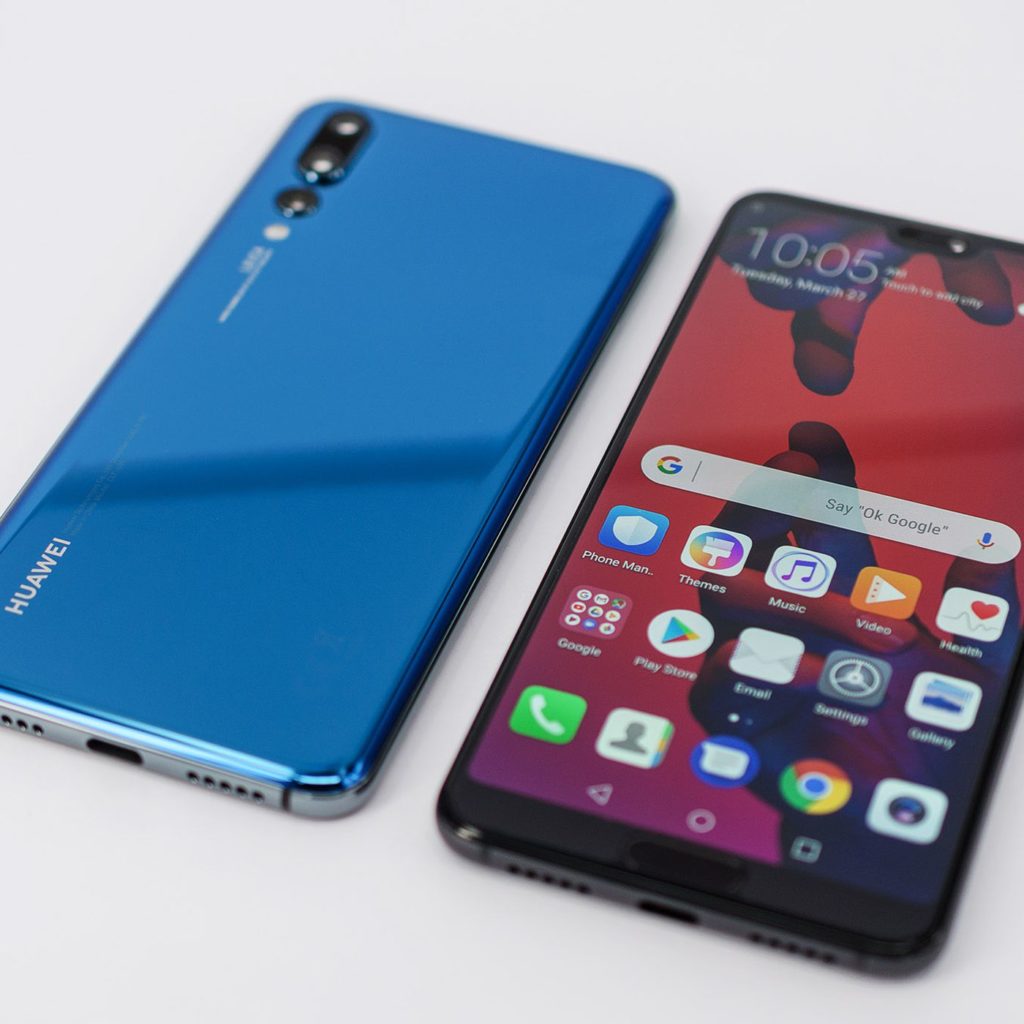
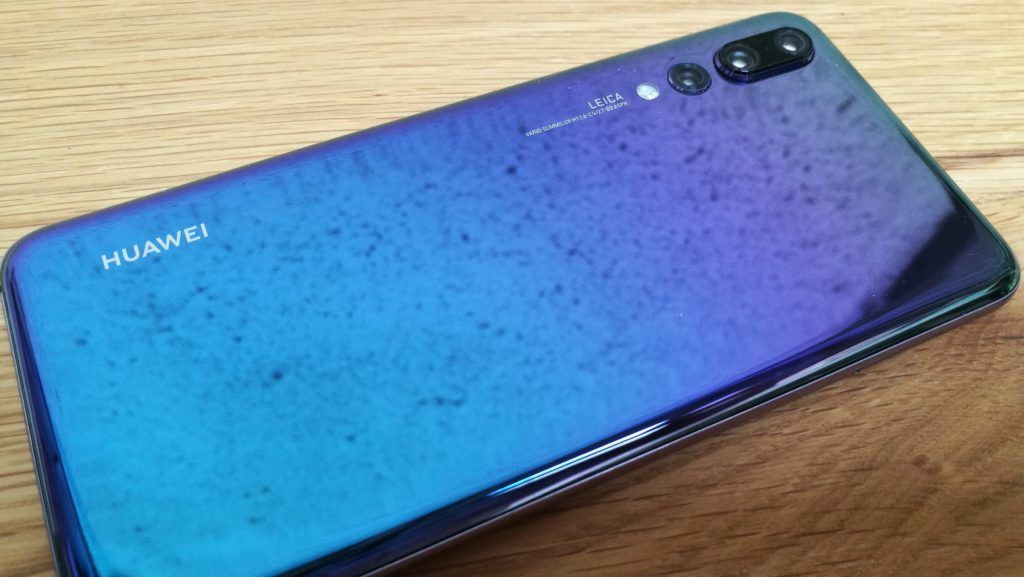
    HUAWEI’s P series has always been a pioneer of smartphone photography. Now the HUAWEI P20 Pro is once again leading the way with the revolutionary Leica Triple Camera, where aesthetic vision meets an advanced camera system that shines a light on intelligent photography. Inspired by the radiant energy of light itself, the HUAWEI P20 Pro is available in a new gradient color finish. The effect is a luminescent color progression that is unique amongst smartphones. Designed to be exceptional in every way.


    The Great

    • Fantasic camera
    • Big battery with lots of stamina
    • Optional (ish) notch
    • Fast face unlock

    The Not

    • No wireless charging
    • No headphone jack
    • Minor fizz to the OLED screen


    The Conclusion

    40MP, the world’s first triple camera, 5X Hybrid Zoom, artificial intelligence in all the ways, and the most unique color on any smartphone ever. These are just some of the features Huawei is hoping will make you check out its new flagship, the Huawei P20 Pro.


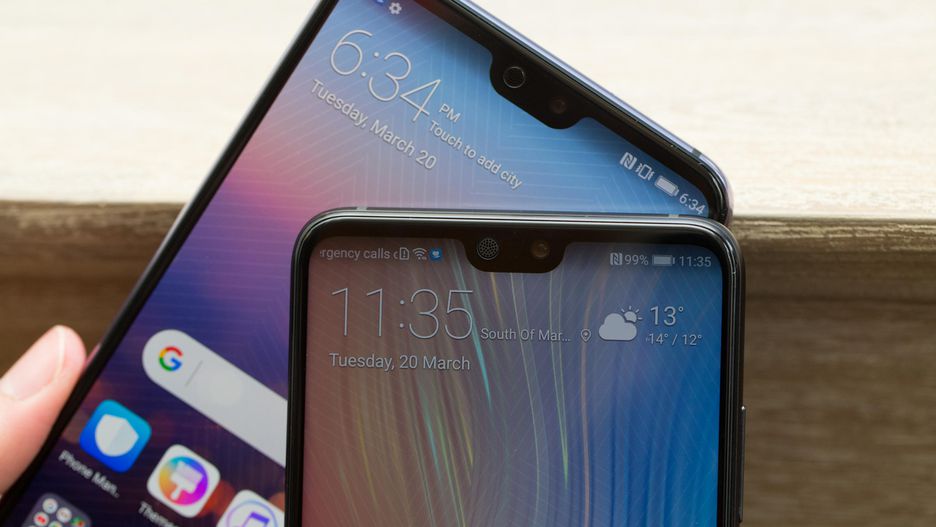
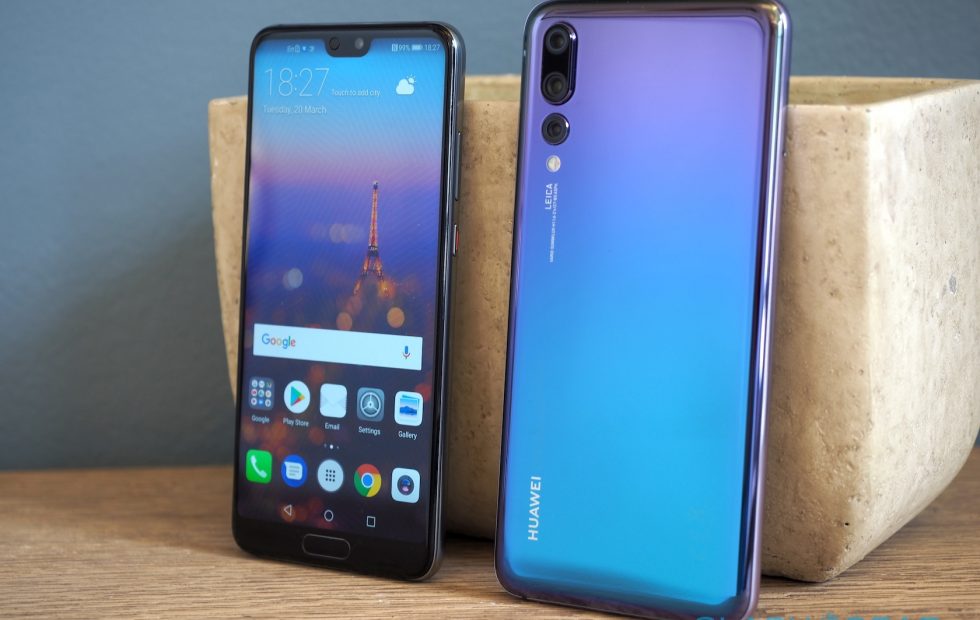
    The Huawei P20 Pro is a phone that stands out with its large, spacious display and its triple camera at the back. Its huge screen occupies most of its front, with a notch at the top housing the earpiece and front-facing camera. The triple camera arrangement is comprised of a massive, 40MP camera for regular shots, a 3X zoom telephoto cam, and a monochrome sensor enabling bokeh effects. On the inside is a powerful Kirin 970 chip, along with plenty of memory and a huge battery


    The Design

    The Huawei P20 Pro borrows several design cues from the iPhone X, with a vertical camera placement on the back and notch atop the screen. It stands out with three cameras and the unique twilight color, which awakens everyone’s inner wish for a real-life unicorn.

    Beneath the screen is Huawei’s fingerprint sensor, which is flat, wide, and allows you to unlock your phone while it’s laying face up on a table. I’m normally a bigger fan of Huawei’s rear-mounted fingerprint sensors thanks to their added support for summoning the notification shade, but the P20 Pro’s scanner is still fast and reliable and supports gesture controls for navigation.

    The power and volume keys on the right offer nice feedback and the power button has a nice accent color. The bottom houses a speaker, microphone, and USB Type-C port. There’s no headphone jack, but an adapter comes in the box. I’m not an audiophile so I usually pick convenience over function, so I’m fine with Bluetooth audio. It’s the easiest solution and the Huawei P20 Pro works well enough in this regard.


    The Camera


    If you’re interested in the Huawei P20 Pro, there’s a good chance it’s because of the camera array. There are three cameras on the back, one 40MP main sensor, a 20MP black and white one and a 3x zoom 8MP camera.

    You can shoot at 3x without digital zoom, and even get good results at 5x. The real star here is low light performance, though. Standard night shooting just about matches the best, but a dedicated night mode lets you take low light shots with dynamic range to rival an APS-C DSLR.

    The Huawei P20 Pro also has a very high-resolution 24MP front camera for detailed selfies and reliable face unlocking.

    Quick Spec Look

    HUAWEI Kirin 970 CPU, octa-core + micro core i7, 4 x Cortex A73 2.36 GHz + 4 x Cortex A53 1.8 GHz

    Size: 6.1 inches;

    Type: OLED;

    Colour: 16.7 M colours;

    Resolution: FHD 1080 x 2240, 408 PPI

    OS Android™ 8.1

    6 GB RAM + 128 GB ROM

    Rear camera:

    Tri-lens camera:

    40 MP (RGB, f/1.8 aperture) + 20 MP (Monochrome, f/1.6 aperture) + 8 MP (Telephoto, f/2.4 aperture), supports autofocus (laser focus, deep focus, phase focus, contrast focus)

    Note: The photo pixels may vary depending on the shooting mode.

    Front camera:

    Single-lens camera:

    24 MP, f/2.0 aperture, supports fixed focal length


    The Final Thought

    When all is said and done, the new Huawei P20 Pro will quite possibly be the hottest Android phone of 2018. On top of beastly specs and a very sleek design with one color that has a crazy gradient color effect, the P20 Pro has the best camera of any smartphone ever. The triple-lens design is truly unique, and it helps the P20 Pro pull in all sorts of extra data that tremendously improves image quality. There’s only one problem: the Trump administration doesn’t want you to have it. We will have to wait to see how this pending trade war works out before we see it in every teenagers hands in the US. There are 2 stores on eBay taking pre-orders now for the US and it will ship 4/18

  • Huwaie P20 Rumors and Speculations

    Huwaie P20 Rumors and Speculations

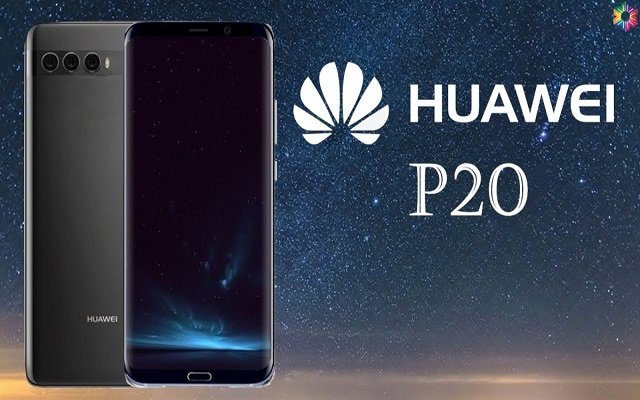
    Huawei is releasing the new P20 at the end of this month. This is turning out to be a tumultuous year for Huwaie who was poised to make a big splash and become a major player. The Huawei P20 may be the follow-up to the 2017 Huawei P10 and become the flagship of the Huawei line.


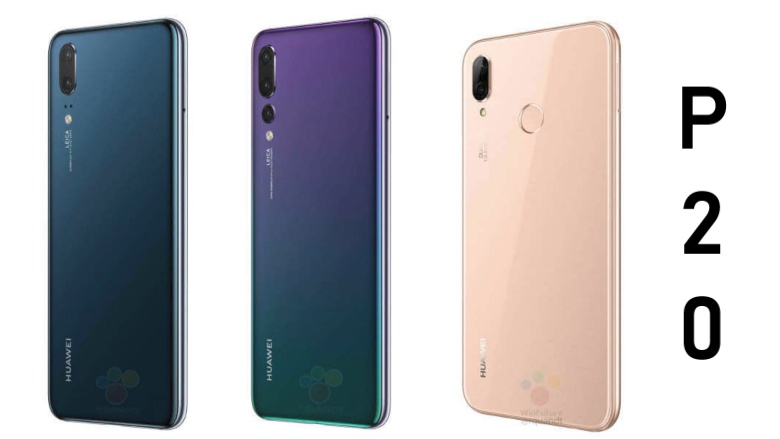
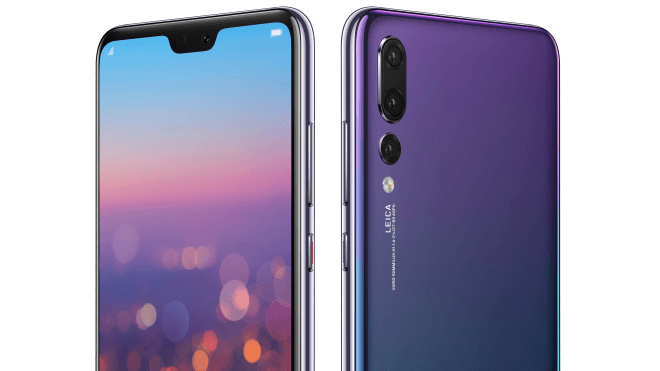
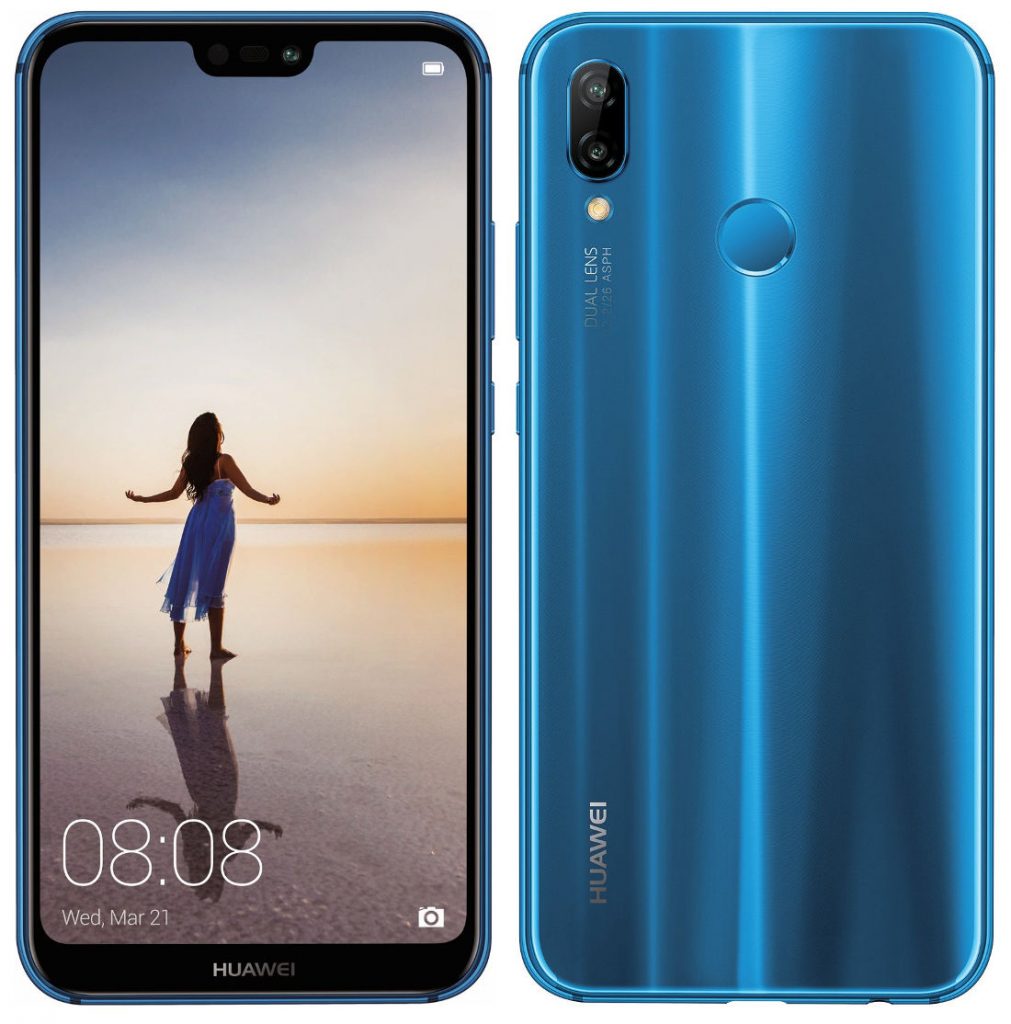
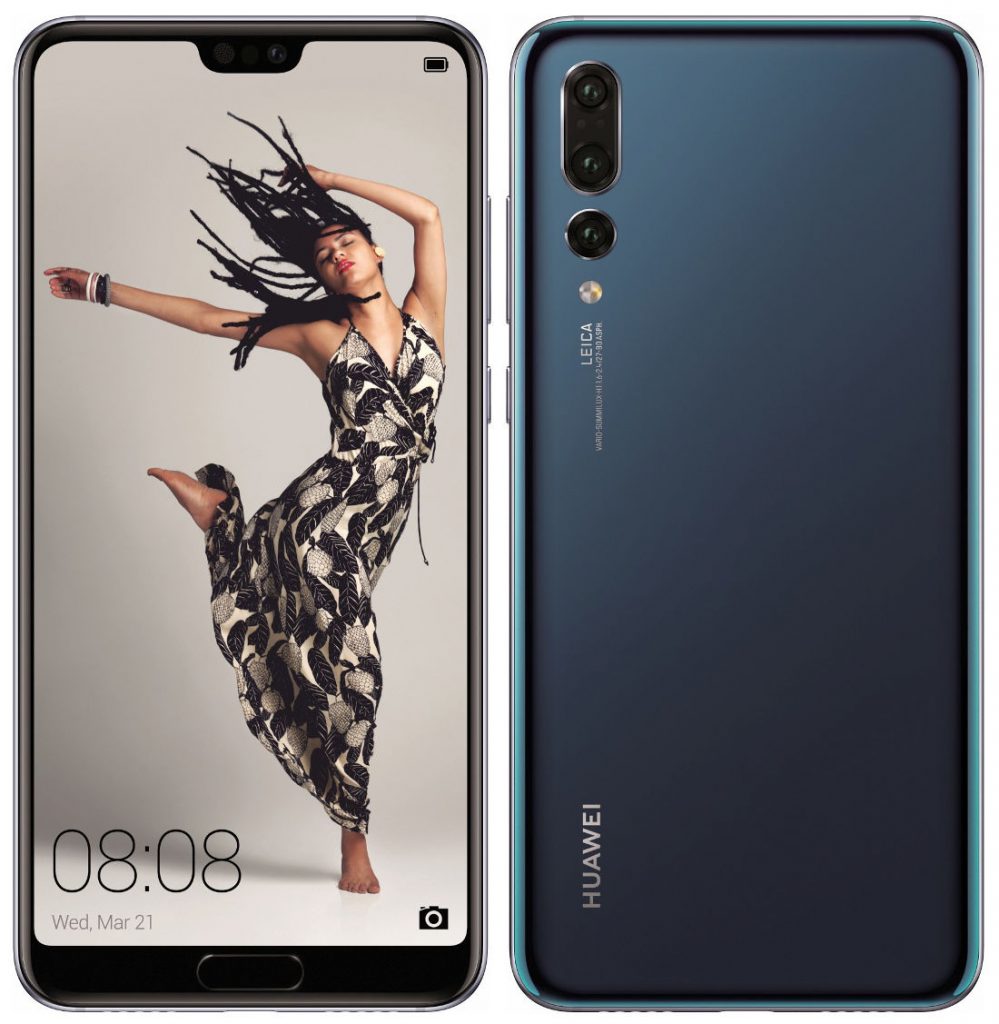
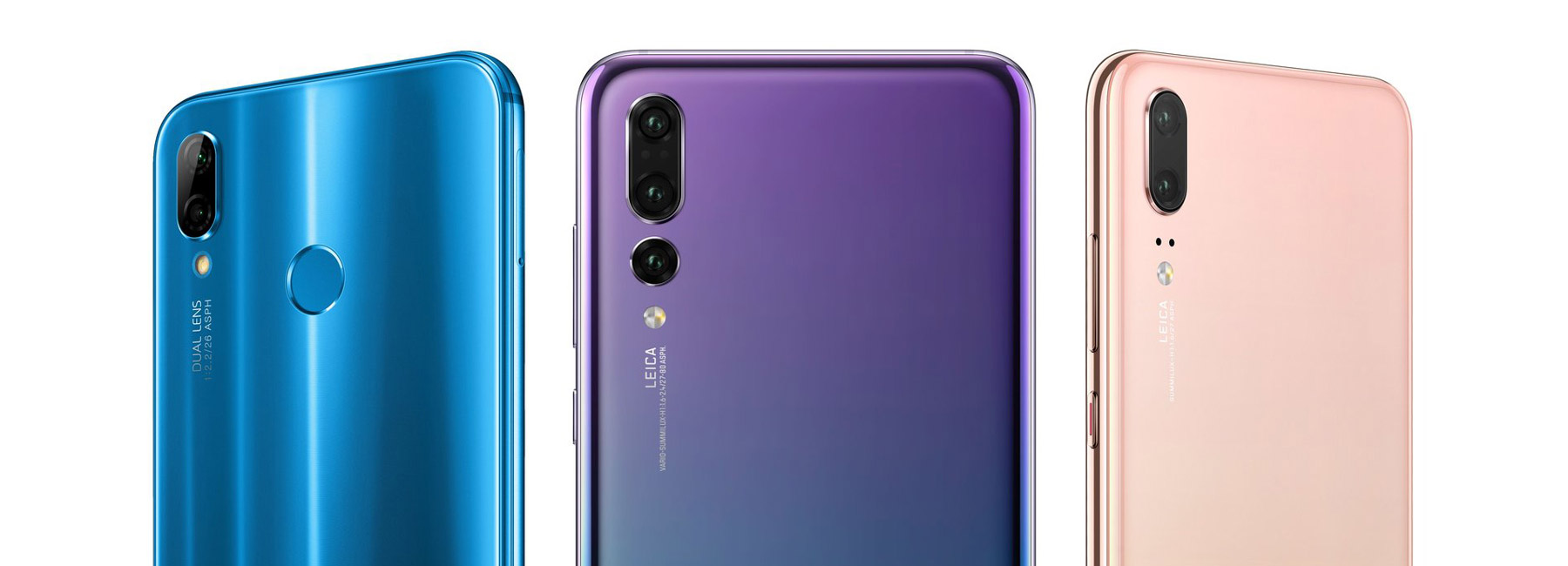
    Here are press renders of the Huawei P20, P20 Lite and P20 Pro smartphones that will be announced officially later this month.  This also shows camera specifications of the phones and display notch for all where the earpiece, sensors and the front camera are present. The fingerprint sensor is present on the front for the P20 and the P20 Pro, but it is located on the back on the P20 Lite.
    3 Camera Pro

    he Huawei P20 Pro is their top of the line model which comes with a total of 3 cameras. Im not sure why or what that means but ill check it out. WE know it will be able to take portrait like photos, but i cant fathom a need for a 3rd depth camera.


    The P-Series is usually regarded as Huawei’s “fashion-forward” smartphone, with an emphasis on design.  We have some big assumptions and guesses as to what we are going to see. Huawei may adopt a controversial “notch” at the top of the display,image files found in the software that help obscure particular areas around the top of the screen. The firmware stated the unnamed device has a 6.01-inch screen with a 2,244 x 1,080-pixel resolution, longer than a traditional 1,920 x 1,080-pixel screen.

    Maybe Animojies

    While I cant confirm that Huawei face detect and depth camera will be ready for the P20, but if they have have pushed this tech into the P@0 we will most certainly see an Apple like animojies.


    Quick Spec Look

    Huawei P20 Lite rumored specifications

    • 5.84-inch (1080 x 2280 pixels) Full HD+ 2.5D curved glass display
    • Octa-Core Kirin 659 processor (4 xA53 at 2.36GHz + 4 x A53 at 1.7GHz) with MaliT830-MP2 GPU
    • 4GB RAM, 64GB storage, expandable memory up to 256GB with microSD
    • Android 8.0 (Oreo) with EMUI 8.0
    • 16MP rear camera with LED flash, Hybrid zoom, secondary 2MP camera
    • 16MP / 24MP front-facing camera
    • Fingerprint sensor
    • Dimensions: 148.6×71.2×7.4mm; Weight: 145g
    • 4G VoLTE, WiFi 802.11 b/g/n, Bluetooth 4.2, GPS / GLONASS
    • 3000mAh (typical) / 2900mAh (minimum) battery

    The Huawei P20 Lite is expected to come in Blue, Black, Rose Gold and Gold colors. The new Huawei P20 series will be announced an event in Paris on March 27.
     

    The Final Thought

    Its all speculation and hype so far. While I love the irradecent color and the blue I could never see my self carrying  one and Im curious to test the Kirin 659 processor against the Snapdragon 845, that is about where the excitement ends on this. Here is to hoping for something cool we don’t even know about.


  • Top 5 Androids You’ve Never Heard About

    Top 5 Androids You’ve Never Heard About

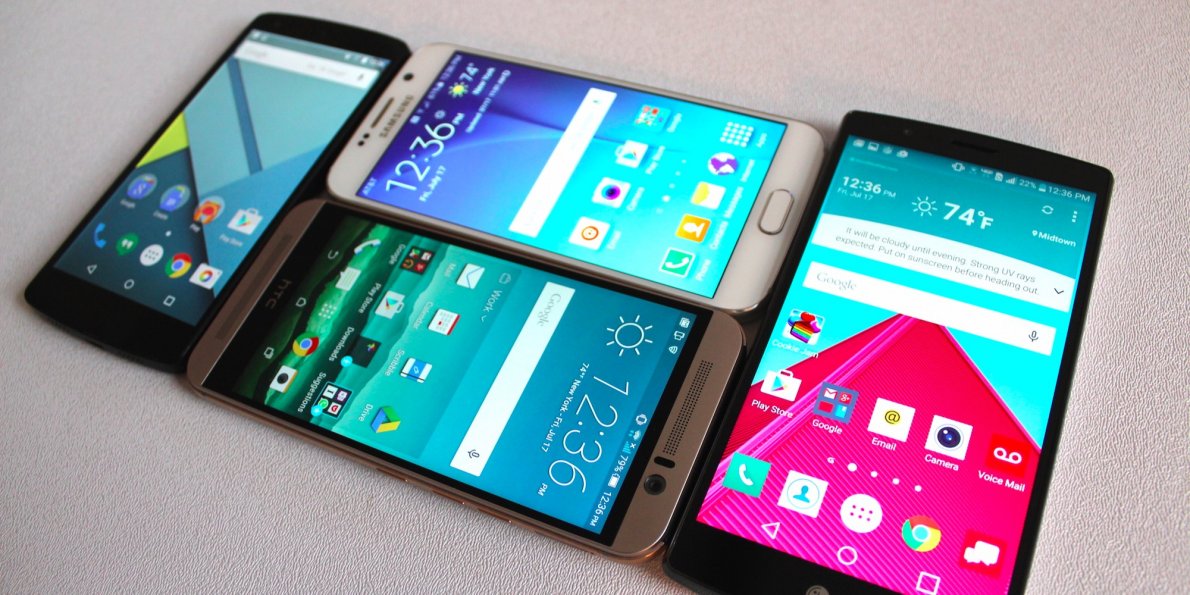
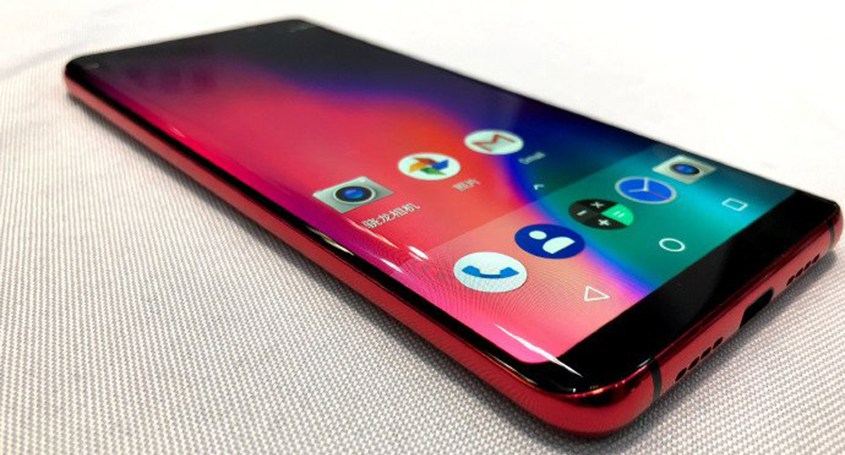
    We are flooding with new android smartphones. Every month one of the big 5 companies are blowing our minds off with a new latest and greatest. Even though we get these releases constantly, they always seem to fall short and Im left wondering what else is out there in the Android cosmos. Let’s take a look at the top 5 Androids you probably don’t know about.


    1. Vivo X20 Plus UD

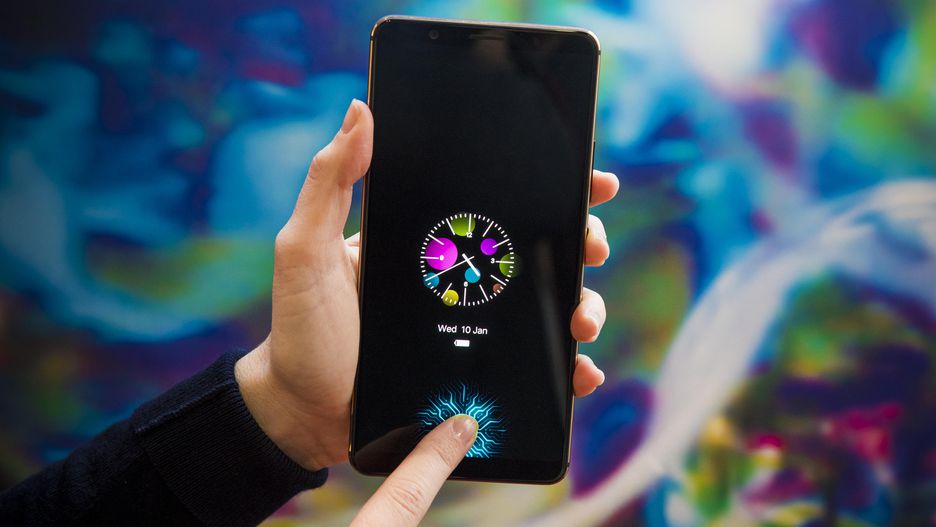
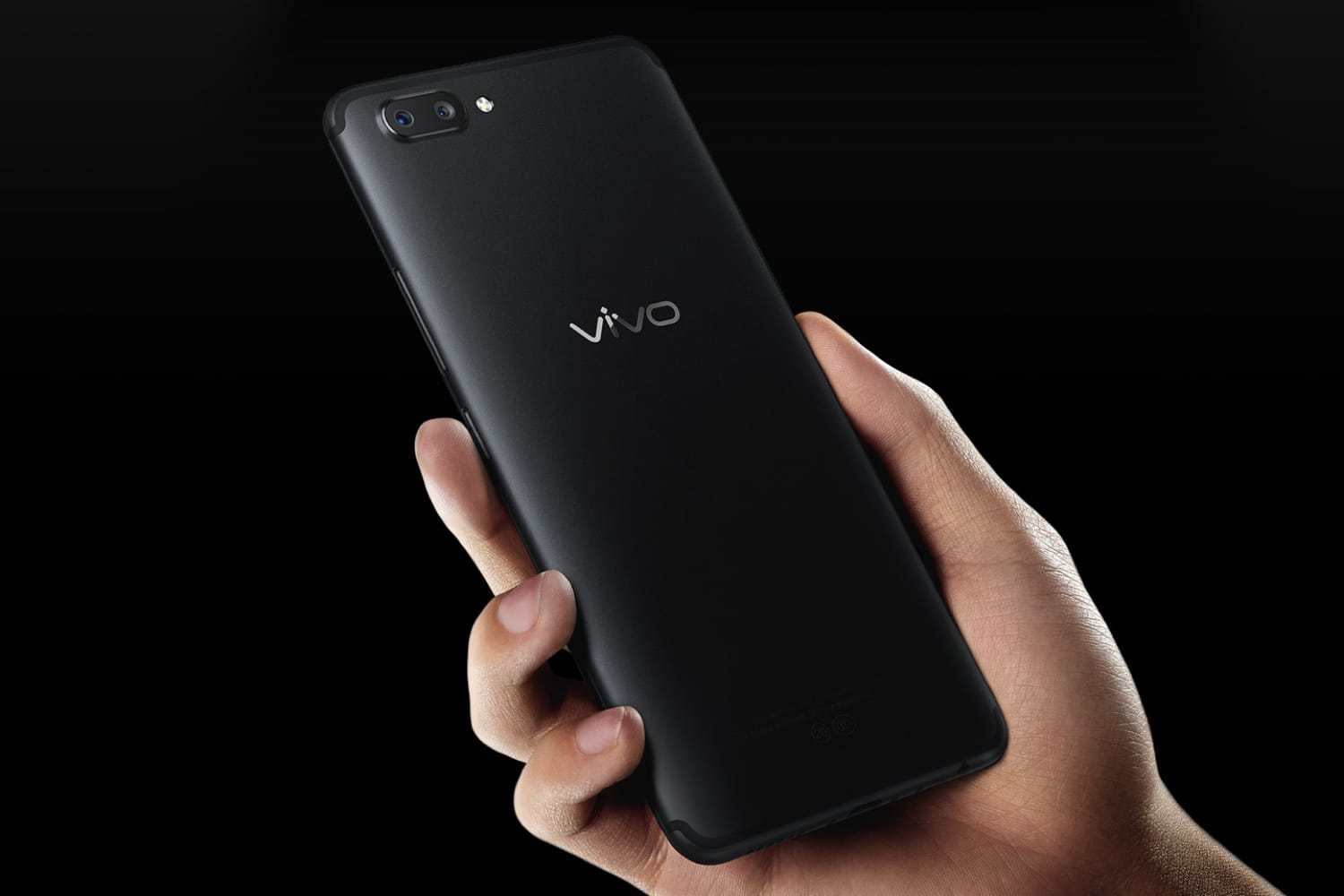
    The Vivo X20 Plus UD is the world’s first phone to feature an under-the-OLED fingerprint sensor. The X20 Plus UD has a 6.43″ 1080×2160 (376 PPI) Super AMOLEDdisplay, a Qualcomm Snapdragon 660 chipset, 128GB of storage, 4GB of RAM, microSD slot and a dual-lens 12 MP camera.


    2. Elephone U Pro

    Elephone’s  U Pro smartphones are high-end smartphones that use a flexible 5.99″ 2160×1440 AMOLED display reportedly produced by BOE Display. The Elephone U is powered by a MediaTek chipset, while the U Pro uses a 2.2 Ghz snapdragon 660 and features dual 13MP camera, 6GB RAM and 128GB of storage.


    3. Gionee S11S

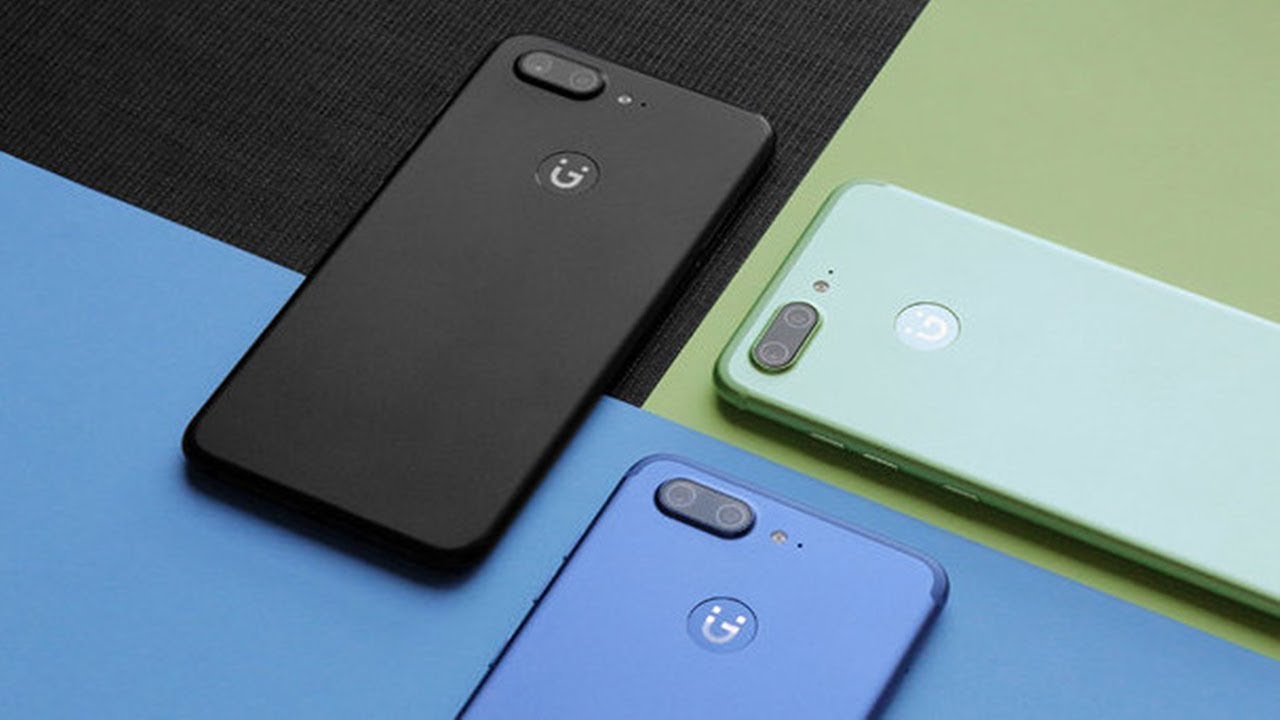
    Gionee’s S11S is a high-end smartphone that features a 6.01″ 1080×2160 (18:9, 402 PPI) AMOLED display, an Octa-Core Mediatek Helio P30 chipset, 6GB of RAM, 64GB of storage, a microSD slot, Dual SIM and a Dual 16+8 MP camera.


    4. Oppo R11s Plus

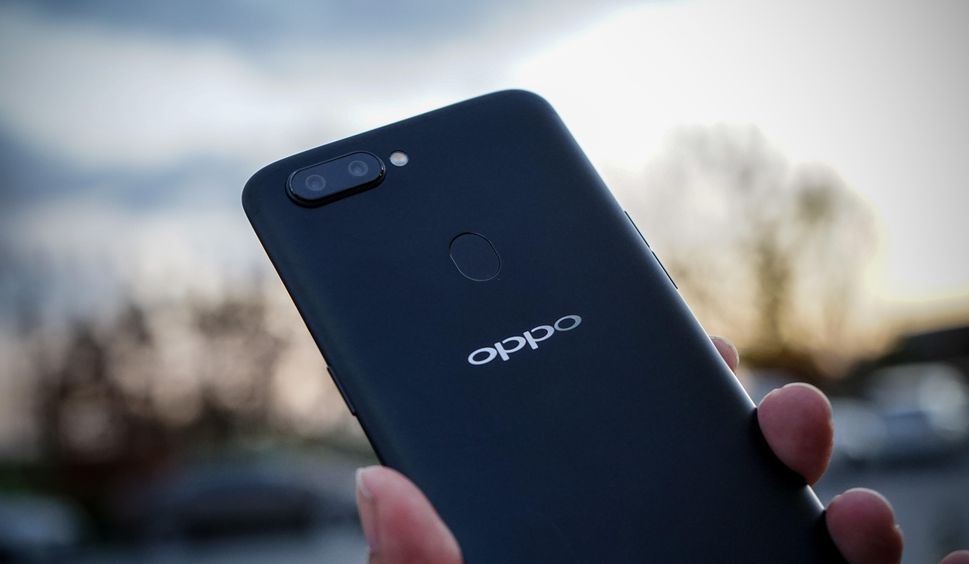
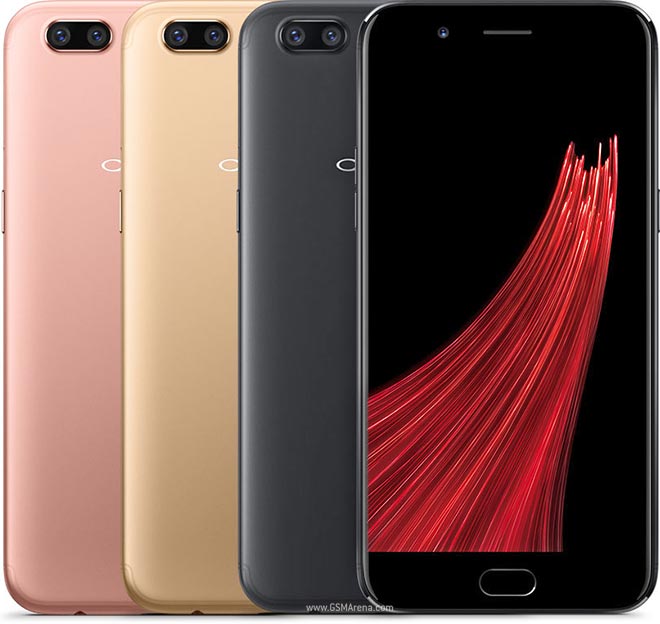
    Oppo’s R11s smartphone has a 6.43 1080×2160 (402 PPI) AMOLED display, an Octa-Core Snapdragon 660 CPU, 4 GB of RAM, 64 GB of storage, micro-SD slot, a dual 20 MP camera and Dual-SIM

     5. Huawei Mate 10 Pro

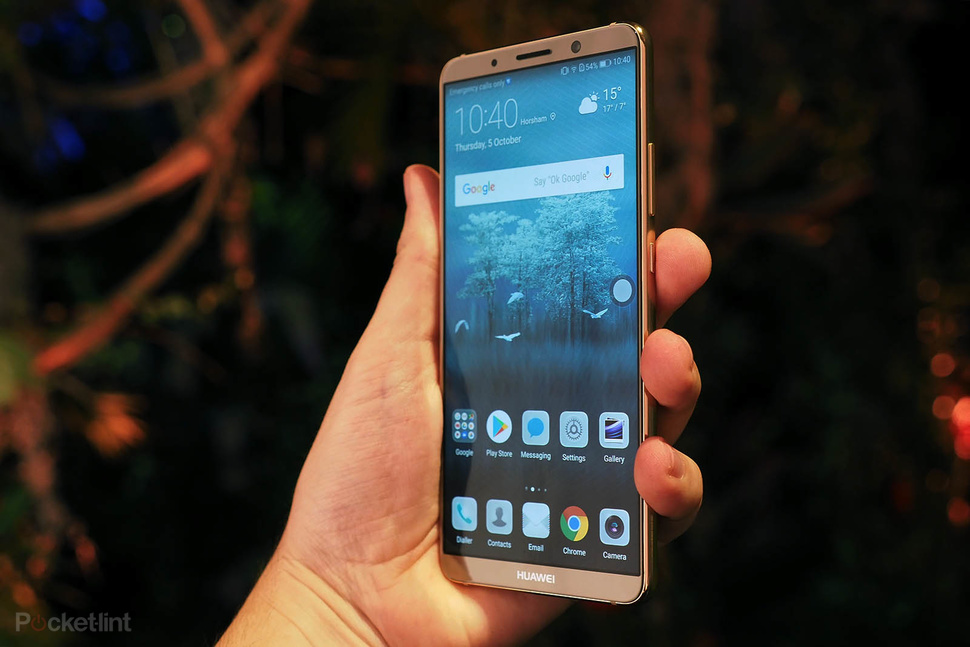
    Huawei’s Mate 10 Pro is a flagship smartphone that features a 6″ 1080×2160 AMOLED display, an Octa-Core CPU, a Hisilicon Kirin 970 AI-dedicated chip, 4/6 GB of RAM, 64/128 GB of strage, a 20M camera and Dual-SIM. The Mate 10 Pro is IP67 certified (dust and water resistant)