Tag: mental health

  • Embracing Hope: Effective Approaches to Living with Depression

    Embracing Hope: Effective Approaches to Living with Depression

    Depression can be like a big, dark cloud that can hang over your head. Luckily there are numerous methods to chase that cloud away and bring back the sunshine. Here’s what psychologists suggest.

    Lend Us Your Ear

    Here are a few different talk therapies in the psychodynamic/psychoanalytic family. These therapies often help you uncover unrealized issues in your life.

    • Think of Cognitive Behavioral Therapy (CBT) as your mental detective. It helps you find those sneaky, negative thoughts and turn them into positive ones.
    • Interpersonal Therapy (IPT) is all about relationships. It’s like having a guide to help you navigate the tricky waters of personal connections.
    • Dialectical Behavior Therapy (DBT): It’s a bit like CBT with a twist, adding in some chill mindfulness moves.

    Does your emotion follow your motion?

    Making small lifestyle changes is often the first thing a therapist will prescribe to a new patient. A therapist can help individuals recognize important lifestyle changes. Small changes can yield outsized results.

    • Get Moving: Exercise isn’t just for your body; it’s like a natural happy pill for your brain.
    • Eat Smart: Munching on fruits, veggies, and proteins isn’t just about staying fit; it’s about fueling your mood engine.
    • Sleep Like a Pro: A good night’s sleep can be a game-changer for your mood.

    Slow Down and Become Present

    Activities like meditation and yoga aren’t just for adults. They’re like a spa day for your brain.

    • Mindfulness: Mindfulness meditation is the practice of focusing one’s attention on the present moment, often using the breath as an anchor, to cultivate awareness and a non-judgmental acceptance of one’s thoughts and feelings.
    • Transcendental Meditation: This technique involves silently repeating a personal mantra, which allows your mind to settle into a state of profound rest and relaxation.
    • Guided Visualization: In this form, you visualize a peaceful scene or a specific goal in great detail, using your imagination to create a deeply immersive experience.
    • Loving-kindness Meditation (Metta): This type involves focusing on developing feelings of goodwill, kindness, and warmth towards others.
    • Body Scan Meditation: This form directs your attention through different parts of the body, helping to identify areas of tension and promote relaxation.

    Keep Friends Close

    It turns out, hanging out with friends isn’t just fun, it’s actually good for your health! There’s this cool study where they asked over 270,000 people about their health and happiness. Guess what? It looks like being with friends makes us happier on a daily basis, even more than being with our family or spouse.


  • Top Apps for Encouraging Mental Health

    Top Apps for Encouraging Mental Health

    Mental health is a serious issue. Medical studies report that mood disorders like anxiety and depression are the third-highest cause for hospitalization among adults 18-44. A few steps anyone can take towards bettering their mental state include regular exercise and a healthy diet. However, there are other steps available too. As always, if you are able, seek professional help for mental disorders that are negatively impacting your quality of life. None of these apps should be considered a substitute for a doctor. That said, these apps all make great companions to help you promote healthy mental health habits!


    Pacifica 

    Photo Credit: Routine Coach 

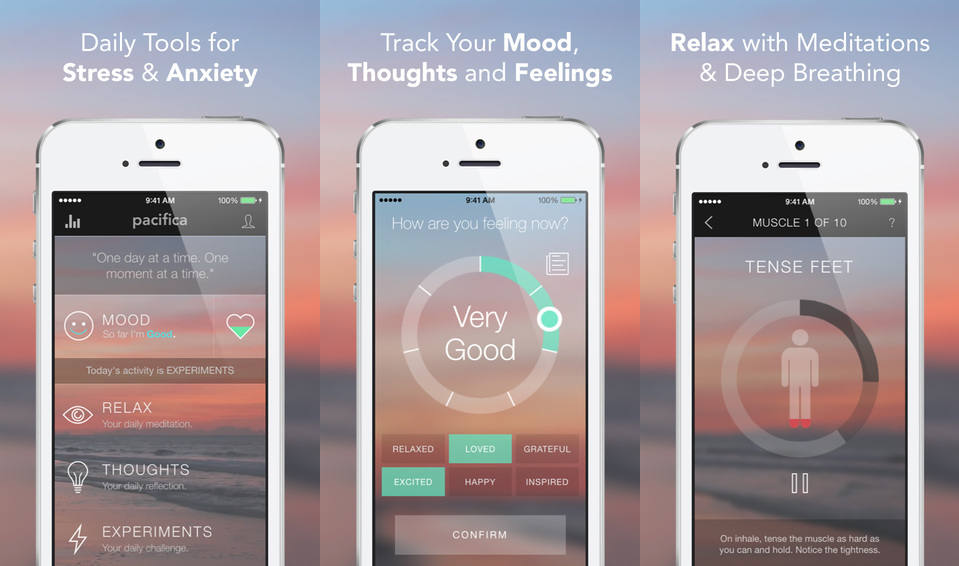
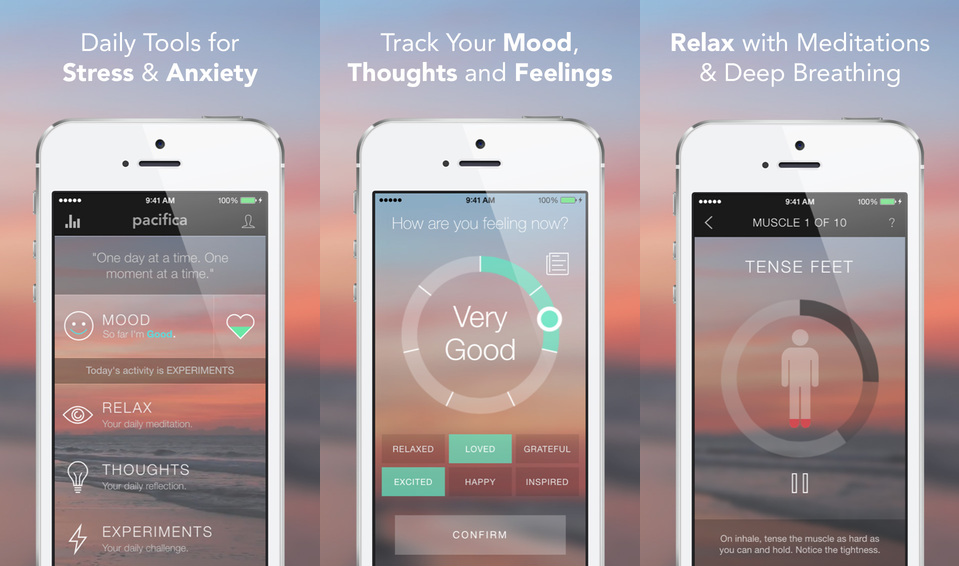
    Stress and anxiety are the main focus of Pacifica. Connecting users with a community of supportive people experiencing similar things, Pacifica is a great platform. The app also offers audio lessons to help with relaxation and mindfulness. Meditation and relaxation are also part of the app’s repertoire. Pacifica is described as an app that “helps break cycles of unhealthy thoughts.”  


  • Try This Surprising Cure to Help Alleviate Seasonal Depression

    Try This Surprising Cure to Help Alleviate Seasonal Depression

    Winter months can be difficult for many people. Those who suffer from seasonal affective disorder experience symptoms of depression that typically occur during fall and winter. However, there are ways you can help ease these symptoms.

    What’s a LightBox

    One helpful tool for alleviating symptoms of SAD are lightboxes. It’s important to talk to a medical professional to determine if using a lightbox would be helpful in eliminating your symptoms. Often times they’ll recommend combining a lightbox with other modalities of therapy.

    SAD is reported most frequently by people living far north or south of the equator. Researchers believe the change in total daylight effects causes a change in brain chemistry to spark the depression. Lightboxes help by mimicking the effects of outdoor light.

    In order for the light to be effective it must meet some basic requirements. It must be of at least 10,000 lux. Any light that doesn’t meet that minimum standard hasn’t been proven to be medically effective. It must also only emit a small amount of UV light. Lights emitting large amounts of UV light could be more dangerous for the long term health of your eyes than the symptoms that they are trying to remedy.

    Get The Right Lightbox

    · Use within the first hour of waking up in the morning
    · For about 20 to 30 minutes
    · At a distance of about 16 to 24 inches (41 to 61 centimeters) from the face
    · With eyes open, but not looking directly at the light

    What to consider

    Make sure that the light is specifically for SAD. Some lightboxes are designed for skin disorders. Lightboxes used for skin disorders primarily emit ultraviolet (UV) light and could damage your eyes.

    Like many things in life, the dose does matter. The brighter the lightbox, the less time you’ll need to achieve the minimum effective dose. The minimum effective dose for a SAD lightbox is 10,000 lux.

    Is it the style you want? SAD lights have evolved since they first came on the market. In addition to providing relief, they can also now double as an alarm clock. They can be programmed to slowly get brighter and mimic the rising of the sun. This has been shown to ease getting up in the morning in addition to providing you with your daily dose of light.

    Make sure that your lightbox won’t cause eye damage. While most lightboxes provide a diffuse light that is harmless to the eyes, people with eye problems such as glaucoma, cataracts or other eye damage should further consult an optometrist.

    Lightboxes are considered a form of durable medical equipment by the government. That means they’re covered under Medicare part B.

    Where Does it Come From?

    People with SAD may overproduce the hormone melatonin. Melatonin is normally a helpful neurochemical that regulates our natural sleep cycle. When winter days become shorter it increases the amount of melatonin the body produces- this leaves people feeling sleepier and more lethargic.

    People suffering from SAD may also produce less vitamin D. Vitamin D has been shown to play a significant role in serotonin activity. Because of this, having a vitamin D deficiency has been linked to an increased chance of depression symptoms.


  • Why Don’t Americans Take Mental Health Seriously?

    Why Don’t Americans Take Mental Health Seriously?

    Consistently, modern American society underestimates the importance of mental health. Those who struggle with anxiety, depression and numerous other mental health issues are often told to “toughen up”. “It’s all in your head, just buckle down and work hard” is a common piece of advice.

    People wouldn’t dare speak this way to someone with a bodily malady, such as a broken bone or chronic illness. Why is it that Americans don’t take mental health seriously?

    Why Don’t Americans Take Mental Health Seriously?

    Toughen Up, Buttercup

    One aspect of this is good, old-fashioned toxic work ethic at play. Americans are expected to work and be profitable for a company. If they want to eat and have somewhere to sleep, at least, they have to sell their labor. When someone gets physically hurt, they can’t exactly be compelled to work.

    However, when someone is suffering from mental health issues, these aren’t outwardly noticeable issues. A broken leg is visibly broken, but a depressed person looks otherwise normal. For someone who has never suffered with depression, they might even seem like they’re just wallowing and need to cheer up.

    Sympathy and Portrayal

    The portrayal of mental health in popular culture and mass media has down little to help in this regard, either. Oftentimes, cartoon villains are depicted as being “criminally insane” in goofy, simplified ways. The Joker is psychotic, Harvey Dent has multiple personalities, and so on.

    Even more everyday mental issues like anxiety and depression get reduced to character flaws to be overcome by strength of will. Presenting these mental issues as cartoon villains or easily-bested flaws does a disservice to the people who actually suffer with them.

    Healthcare

    Finally, the most damaging aspect of America’s lack of attention to mental health comes down to our healthcare system. When someone receives a checkup from a general physician, the doctor looks over all of their health. From their muscles to their organs, the doctor makes sure the patient is healthy.

    However, isn’t the brain an organ? Shouldn’t issues of the mind be consider alongside maladies of the body? Doctors will often make passing inquiries about mental health, such as one’s general wellness and relationship with alcohol. However, if the conversation reveals the patient may have a mental issue, often the doctor is left only able to recommend them to a therapist.

    Cost

    As many Americans know all too well, the cost of visiting a therapist can be prohibitive. Many people who could benefit greatly from the help of a mental health professional are unable to do so thanks to the exorbitant cost of healthcare. Without diagnosis, it could even be consider an elective treatment and not be covered by insurance at all.

    This has a tremendous human cost. If we don’t take care of our people, how can we claim to be a great place to live? It’s time for Americans to start taking mental health seriously.

  • Top Ten Apps for Encouraging Mental Health

    Top Ten Apps for Encouraging Mental Health

    Mental health is a serious issue. Medical studies report that mood disorders like anxiety and depression are the third-highest cause for hospitalization among adults 18-44. A few steps anyone can take towards bettering their mental state include regular exercise and a healthy diet. However, there are other steps available too. As always, if you are able, seek professional help for mental disorders that are negatively impacting your quality of life. None of these apps should be considered a substitute for a doctor. That said, these apps all make great companions to help you promote healthy mental health habits! 

    Pacifica 

    Photo Credit: Routine Coach 

    Stress and anxiety are the main focus of Pacifica. Connecting users with a community of supportive people experiencing similar things, Pacifica is a great platform. The app also offers audio lessons to help with relaxation and mindfulness. Meditation and relaxation are also part of the app’s repertoire. Pacifica is described as an app that “helps break cycles of unhealthy thoughts.”