Tag: microsoft

  • Microsoft to Offer Free Xbox with Two Year Agreement

    Microsoft to Offer Free Xbox with Two Year Agreement

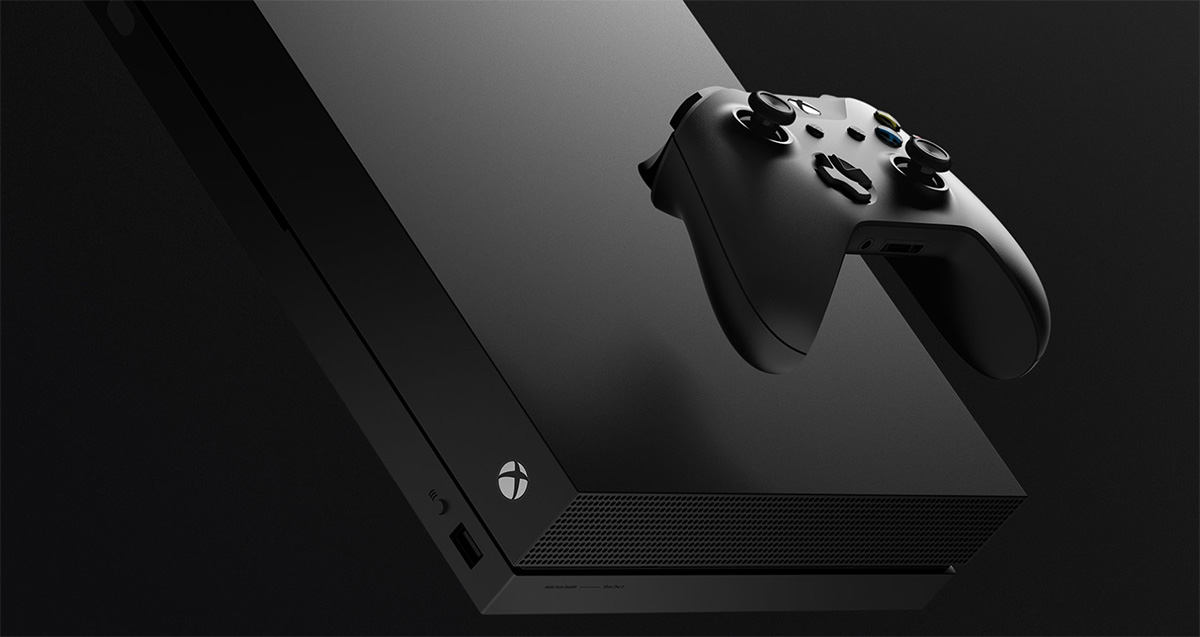
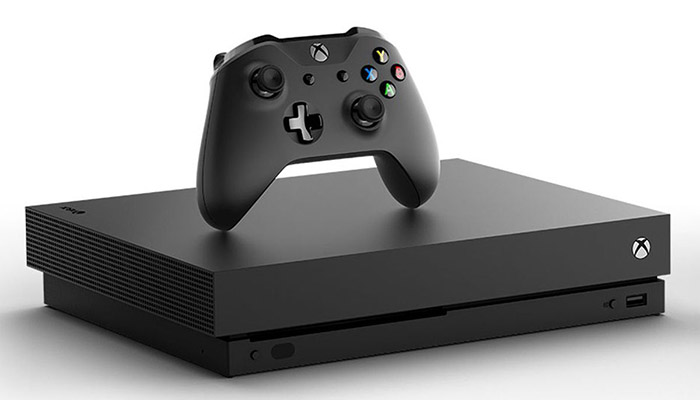
    In a move that looks familiar to cell phone providers, Microsoft is looking to give subscribers hardware for a monthly fee. That’s right, there might soon come a day when those who want an Xbox can get one for very little up front and start playing tons of games right away. This style has worked well for phone carriers, so it was only a matter of time before another industry tried it on for size.

    Free Xbox? No Way

    Okay, free might be a strong word. Customers will pay for the Xbox monthly over a two-year period. The cool thing is that it is going to include an Xbox Live subscription and access to Xbox’s Game Pass service. The Game Pass is pretty awesome, allowing players to access tons of games (and all first-party Microsoft games) right out of the gate. That’s a pretty unprecedented set up in gaming, but it makes sense. Microsoft has stated they want to be the Netflix of games. Well, this is certainly a way to do that very thing.

    The Competition

    Sony has been killing Microsoft in hardware sales with the PS4. It’s been no contest for years, as Microsoft lagged further and further behind. When Nintendo launched the Switch to critical and commercial acclaim, it’s pretty clear Microsoft had to switch tactics. The decision to go to a game-streaming, console-lending business model is drastic, but it makes total sense. They were very far behind Sony, and without a clear niche like Nintendo, they needed a way to stand out.

    Pricing

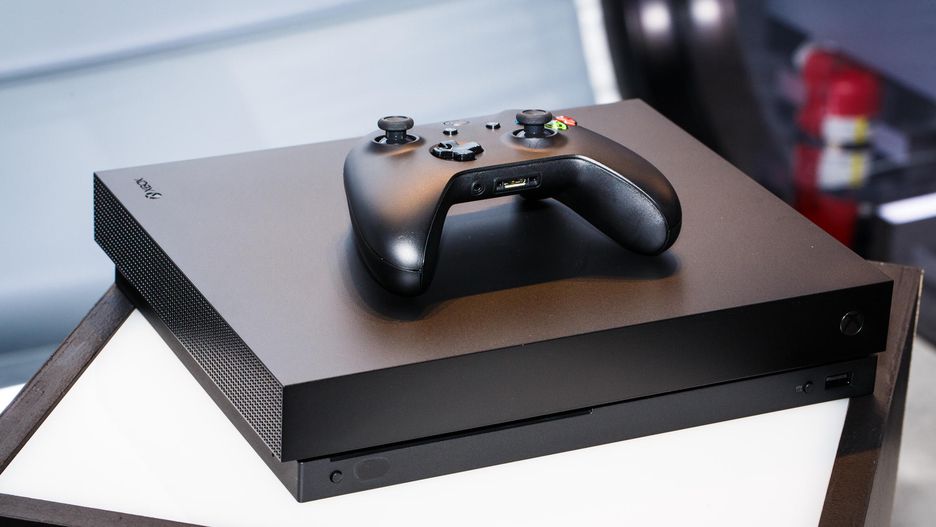
    Early reports say there will be two pricing tiers for the service. The first will include the standard Xbox One S and run at $22 per month. The second would include the beefier Xbox One X and cost $35 per month. In either event, after paying the monthly fees for two years, the hardware is yours. You’re able to keep your subscriptions to Xbox Live and Game Pass after that point, of course. All said, those prices are actually quite reasonable when you consider the sheer number of games on the Game Pass service.

    The Future

    If the future of gaming follows the track of music and video, streaming services will rule the day. Microsoft, at least, seems to think so. After all, the internet provides unique opportunities for content distribution. Without the market saturation and hardware base of Sony, Microsoft needed a way to get their games into households. Really, what better method is there to do that other than just giving the system away? Well, sort of.
  • Apple’s iPad vs Microsoft’s Surface Go: Which Tablet Wins?

    Apple’s iPad vs Microsoft’s Surface Go: Which Tablet Wins?

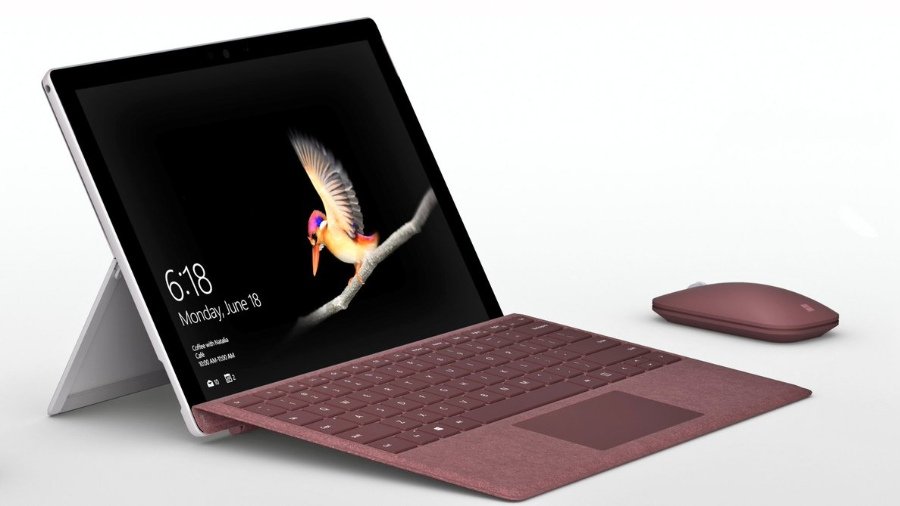
    With the Microsoft Surface Go taking on the iPad, many are wondering which tablet wins in a head-to-head. While neither is the most powerful in its respective hardware family, the two are both priced aggressively. The iPad is $329, while the Surface Go is $399, putting them in pretty direct competition. We’ll get into the pros and cons of each and see which the better buy is for your money!

    Apple’s Trusty iPad

    The iPad hasn’t changed too much since it was first introduced. While it now supports Apple Pencil and sports a retina display, the tablet is largely the same device it was when it launched the tablet craze. The 2018 model is slightly smaller and less expensive than the Surface Go, but they have similar power under the hood. That said, the iPad’s A10 Fusion chip is a bit more powerful than the Pentium Gold processor in the Surface Go. Similarly, the screen on the iPad is ever-so-slightly crisper and clearer than Microsoft’s 2-in-1.

    The iPad runs on iOS, the same as you’d find in an iPhone. That means you have access to the suite of apps from the App Store, but nothing resembling a full desktop ecosystem. iPad is compatible with both keyboards and the Apple Pencil, so you can use it as a pseudo-2-in-one.

    Microsoft’s New Hotness

    The Surface Go is definitely the new hotness on the tablet block. It has a few things on the iPad: firstly, it has more memory out of the gate. It sports 64GB of memory to the iPad’s 32GB, which is sizable. That means you can have more apps, photos, songs, whatever you please. Similarly, the Surface Go has double the RAM of the iPad, but that’s just a step up from 2GB to 4GB. How much difference that makes in day-to-day activities is hard to say, as neither is going to be running full AAA video games any time soon.

    The Surface Go is also capable of running Windows 10 in full desktop mode. It ships in 10 S, which is the tablet-style operating system that is an Apple competitor. If you want to upgrade it, you can do so for free, but its irreversible. However, many everyday users would likely prefer the full Windows 10 suite so that they can use more than just apps from Microsoft’s store.

    Which Tablet Wins?

    As all “this versus that” discussions between Apple and Microsoft, its hard to say which one wins. On the one hand, the iPad has the superior display and is much more stylish. The Surface Go, however, offers the full Windows 10 experience on a tablet, which is a big deal. They allow you to do similar things, but in different-looking ecosystems. It almost comes down to a “feel,” which is to say there is no right answer. Both are fantastic, but neither has a distinct edge. If one appeals to you aesthetically, or from a design perspective, go with it. They’re otherwise evenly matched!

  • Rumor Mill: Microsoft Working on New Operating System

    Rumor Mill: Microsoft Working on New Operating System

    While the paint has barely dried on Windows 10, rumor has it that Microsoft has something up its sleeve. Synaptics, a company involved with AMD, has released a statement regarding their work on state-of-the-art biometric security measures. According to Synaptics’ press release, the system will be for use in “enterprise/commercial and consumer notebook PCs based on next-generation AMD Ryzen Mobile platform and Microsoft’s next-generation operating system.” Well, that’s pretty on-the-nose, huh?

    New Operating System

    Synaptics’ press release even mentions Windows Hello by name, calling the new OS a “forthcoming biometric security OS including Windows Hello”. This lends some credence to the idea that the upcoming system might be for use in handheld or tablet devices. Since personal home computers aren’t generally as unsecure as handheld devices, it would make sense if this new biometric-focused OS was for products like the Surface tablet.

    This is all guesswork, of course, as there are no hard details from Microsoft. However, there are a few conclusions that can be rather definitively drawn. For one, Windows 10 hasn’t been out for very long, so it seems unlikely this new OS would be replacing it. Further, Microsoft has been fighting tooth and nail to break into the mobile market. Windows phones, the Surface line of tablets and the newest initiative, “Always-Connected PCs” are all evidence of that. It seems likely that this new OS would be aimed primarily at this market.

    While Apple has perfected face-scanning biometric unlocking with the iPhone X, other companies are a bit behind schedule on that technology. Fingerprint scanners remain common, and for most cases, the most secure. However, some new smartphones have tried to experiment with face-unlocking, to hilariously mixed results. Notably, some Android phones have been unlocked by print-outs of their owners faces. Not exactly model security functions.

    In fact, Microsoft’s own face-unlocking software, Windows Hello, was fooled by this exact same technique recently. As such, it makes sense that they’re working with Synaptics and AMD to shore up their security efforts.

  • Microsoft Surface Go Early Impressions

    Microsoft Surface Go Early Impressions

    The Microsoft Surface Pro is easily one of the finest two-in-one tablets in the world. As such, it’s surprising that Microsoft has struggled to create a smaller version of the tablet that impresses. The Surface Pro is pretty big, all said, coming in at nearly 13 inches. The new Microsoft Surface Go, due out on August 2nd, seeks to take what makes the Pro great and just put it in a smaller package. Does it succeed where others have failed, or is it the device Microsoft’s been trying to make?

    Pricing and Unboxing

    First things first, let’s talk price. The Surface Go starts at $400 for a configuration with 4GB of RAM and 64GB of storage. That’s a big more expensive than the iPad, which comes in at $329, and both tablets come without a keyboard or a stylus. The lack of the Surface Pen and Type Cover in the box isn’t surprising, but it’s still disappointing.

    That said, the Surface Go has a pretty big leg up over the iPad: USB-C. Apple has stubbornly stuck to the Lightning Cable, eschewing the industry standard. As such, they’ve left their tablets and phones in the past as every other device makes the switch. Not to mention, the Surface Connect port gives you a way to connect to external displays while charging your device. This is something Apple doesn’t seem to be bothered by: if you want to charge and send a signal, you need a dongle to split the single Lightning port.

    Design

    The Surface Go is really just a smaller Surface Pro. That’s not supposed to be funny: it’s almost uncanny. Microsoft has managed to scale down the exact tablet they’ve had for years into a more compact size. Of course, there’s a slight dip in performance that you would expect from a smaller device. However, the features and apps are all still intact, just running on a smaller screen.

    This newer, smaller tablet is also a bit softer, design-wise. The corners are rounded, and the feel is generally more appealing. It seems that the smaller Surface has been designed with students in mind primarily. The tablet fits into a bag easily and feels great in one hand. The optional Type Cover and Surface pen make it even better, as it can be converted into a laptop-like configuration. Taking notes with either the keyboard or the pen is easy and intuitive.

    Microsoft Surface Go Early Impressions

    While it’s early yet, it seems like the Microsoft Surface Go is an ample competitor with the iPad. Not only that, it’s a worthy inheritor of the Surface name, and a great buy for the money. If you’re looking for an affordable tablet that can convert into a laptop, this is a great option. However, it is somewhat lacking in regards to power, but it makes up for it in usefulness.

  • Technology Rumors: Microsoft’s Andromeda May Not Materialize

    Technology Rumors: Microsoft’s Andromeda May Not Materialize

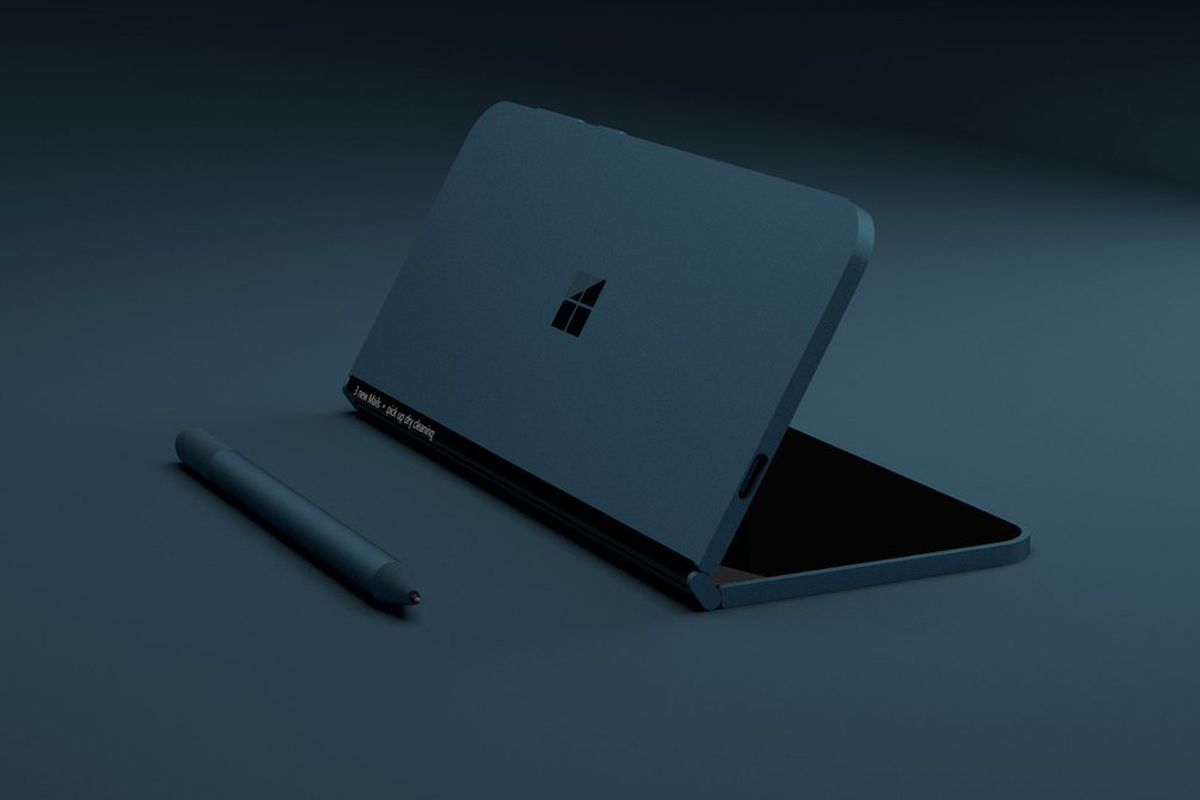
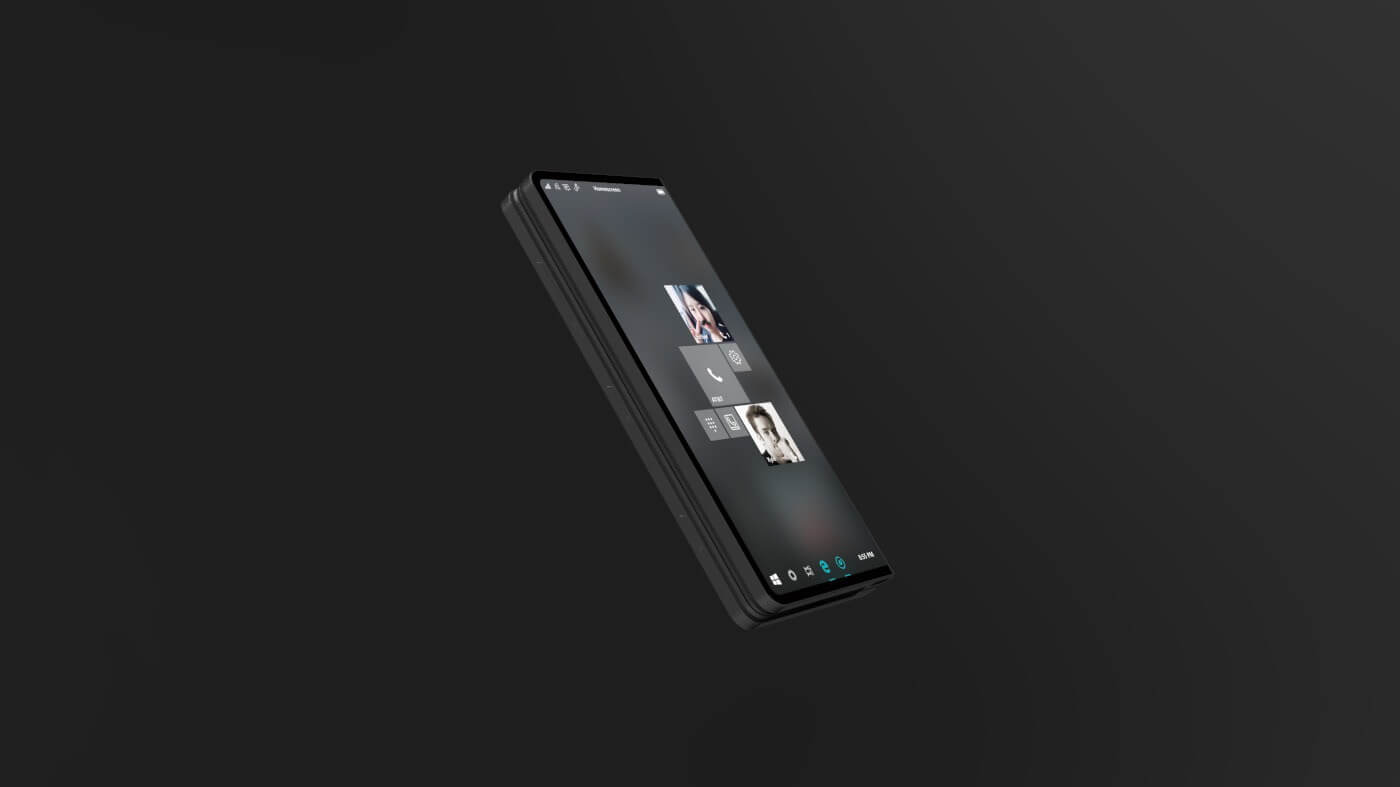
    Microsoft’s rumored dual-screen “Andromeda” device might not become a reality after all. Leaked APIs and patents for a folding, phone-sized device have been swirling for some time. The project is said to have been headed by Terry Myerson during his time at Microsoft, but he departed the company back in March. The resulting reorganization in the company has likely shuffled the dual-screen smart device further back in the release schedule. However, that’s not the only challenge the rumored tech would be facing to see release. 

    Microsoft’s Smart Device Record 

    For one thing, Microsoft isn’t exactly a winner in smartphone world. While you can still get a Windows phone, the platform isn’t exactly a success story. The mobile platform has almost no third-party support, which has always been Microsoft’s Achilles heel. In order to make a hypothetical dual-screen pocket device attractive to customers, Microsoft would need to address the third-party issues they had with Windows phones.  

    Why Release it at All? 

    Another hurdle Andromeda would need to leap is a problem of purpose. Who exactly is the device for? What niche does it fill that isn’t covered by existing technology? Why does it sport two screens, and is it worth the unusual design? Smartphones are ubiquitous, and nearly every customer carries one. However, attempting to sell that customer another smart device that has less overall functionality has proven to be unpopular. Look no further than the recent decline in interest in tablets to see evidence of this. As such, a dual-screen smart device would have a hard time defining its niche in the crowded gadget market. 

    Any Hope for Andromeda? 

    Microsoft notably killed the dual-screened Courier concept in 2010 after lukewarm internal reception. Similarly, in 2014, the company shot down its prototypes for a Surface Mini, something between a tablet and a phablet within the Surface family. As such, you can see the trend of devices in this space not making it to a public release. That said, that doesn’t mean there’s absolutely no hope for the rumored device: recent reports hold that another small Surface-like device is on the release schedule for Microsoft. Only time will tell, but the prospects for the unusual hinged device seem grim. 

    Feature Image Credit: The Verge 

  • Microsoft’s Andromeda Can Fold Our Lives

    Microsoft’s Andromeda Can Fold Our Lives

    Microsoft’s dual-screen Andromeda computing device, which is understood to launch and explode the pocketable PC has been gather rumors for months like a snow ball. While not much is solid we know this will collaborate the mobile space with the laptop PC power.  Now, according to recently leaked internal emails, we are learning that Microsoft’s Andromeda is a “new and disruptive” device that will be part of the company’s Surface hardware family.

    What We Already Know

    Microsoft says “It’s a new pocketable Surface device form factor that brings together innovative new hardware and software experiences to create a truly personal and versatile computing experience,”. Microsoft’s Andromeda could become the ultimate convertible computing device. It will have the capability to transform into any one of five form factors depending on usage. While today’s convertible notebooks with 360-degree hinges can only be used in up to three usage modes, Andromeda can transform between closed, flat, convex, concave, and full modes.

    Microsoft’s Andromeda is  a unique and innovative response to the massive and putrid disaster that Windows mobile and its terrible devices have become to be.  Microsoft commented on what this foldable surface could be by saying  “It will blur the lines between mobile and stationary computing,”. Microsoft is tentatively planning to release Andromeda in 2018. They also noted similar devices from some of Microsoft’s top OEMs to “follow afterwards.”

    We have know for years that Intel is also working on similar dual-screen devices. Its said  that it will eventually exploit and embody Microsoft’s software break through with Andromeda. Intel has already created prototype devices with dual displays and electronic paper displays s.  Asus and Lenovo are creating devices that are inspired by Intel’s own concepts. I can say with the ut most certainty one device will be available later this year.

    The Final Thought

    The pictures of Microsoft’s Andromeda paint a much better vision then I can with words. Mark my words thought, his is the future being developed today. The 20’s, the 2020’s,  will roar once again with the foundation this foldable tech will bring. Our future will hold just one device, a tablet, laptop, smartphone, TV and massive desktop in one pocket.  I’m excited the tech of my 40s could finally be the consolidation I’ve always desired. Now I’m getting very excited for this next decade. One device to rule them all…..

  • Mouse and Keyboard Controls Coming to Xbox One Soon

    Mouse and Keyboard Controls Coming to Xbox One Soon

    Microsoft’s initiative to make their home console as accessible as possible continues with support for mouse and keyboard controls. A recently leaked internal video aimed at developers outlined the company’s plans to extend full support for the control scheme soon. According to the video, any non-Bluetooth Windows mouse and any USB keyboard will be compatible with the system soon. As such, lapdesk keyboards like Razer’s Turret could be the next living room controller.  

    Competitive Concerns with Mouse and Keyboard Controls

    Users with the traditional PC control scheme have a distinct advantage in competitive games over those using gamepads. Microsoft’s video urged developers to consider having different matchmaking lobbies for users with keyboard and mouse control schemes.  

    Additionally, Microsoft has suggested this push could also help crack down on hackers. A notable hack currently allows for a mouse signal to be spoofed through a controller. Thus, allowing for greater aim and reaction time than is possible with a gamepad. The updated API that will allow for direct mouse control will also be able to dsitinguish such hacks. 

    Xbox Accessibility 

    The recently-announced Xbox Adaptive Controller showed that Microsoft is looking to find new ways to enhance the Xbox control experience. The XAC, for its part, is looking to make Xbox easier to use for those with physical impairments. The mouse and keyboard initiative, however, seems to be more aimed at hardcore gamers. These steps are all fantastic, though: why force gamers to use a gamepad if they’d rather use something else? By embracing the different ways users want to interact with their system, Xbox wins the goodwill of current users and the patronage of new users. 

    This move seems to be coinciding with Microsoft’s push to be perceived as a “good guy” in the home console market. Recent marketing from Nintendo has promoted cross-play between Switch and Xbox One. Rocket League, Minecraft and Fortnite all support cross-platform play. Sony, meanwhile, has been stubbornly blocking cross-play for those titles on their own system. Microsoft has taken this opportunity to push marketing making themselves, and Nintendo, seem like rational, cool-headed companies. Or, the “good guys,” as it were.  

    One Step Closer to a Living Room Gaming PC 

    The Xbox is essentially a Windows computer that has been optimized for gaming. The difference between the Xbox One and a gaming PC is becoming harder to tell with each update. While some may ask why Microsoft even feels the need to release dedicated consoles anymore, the Xbox brand has been quite successful.  

  • Microsoft HoloLens 2 Could Be The VR Evolution

    Microsoft HoloLens 2 Could Be The VR Evolution

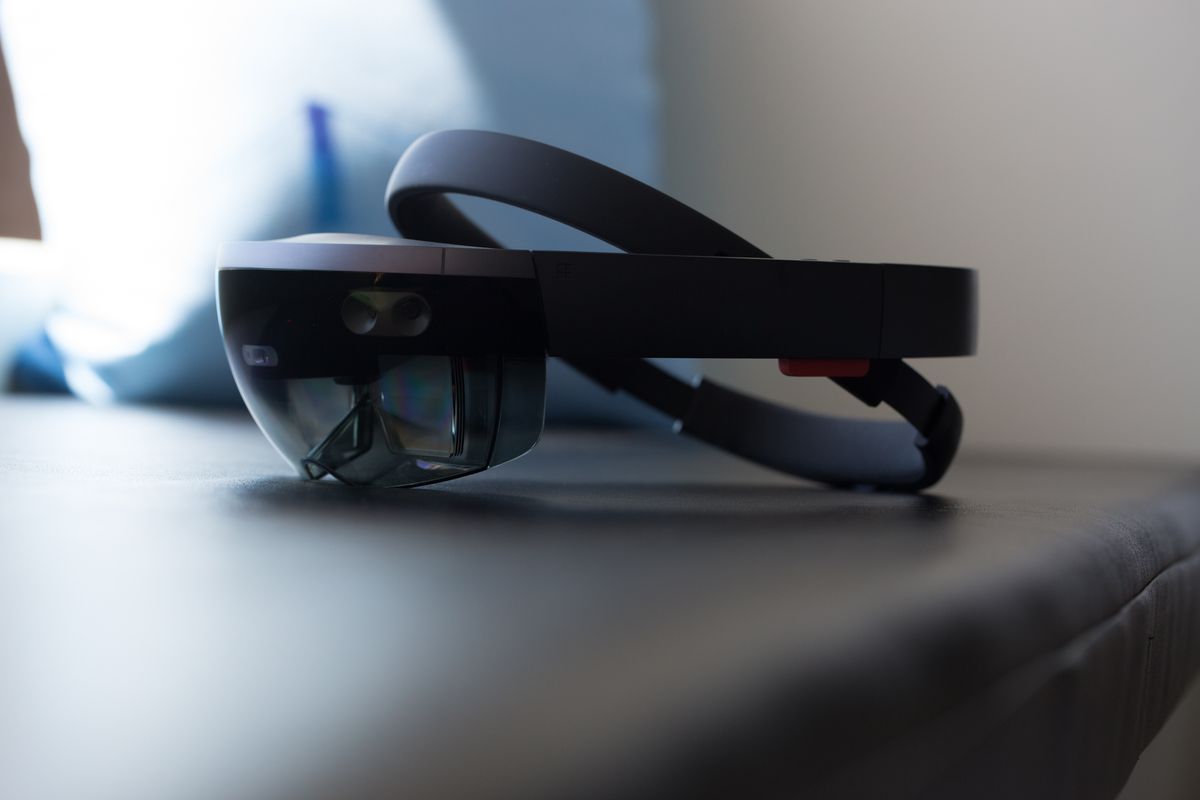
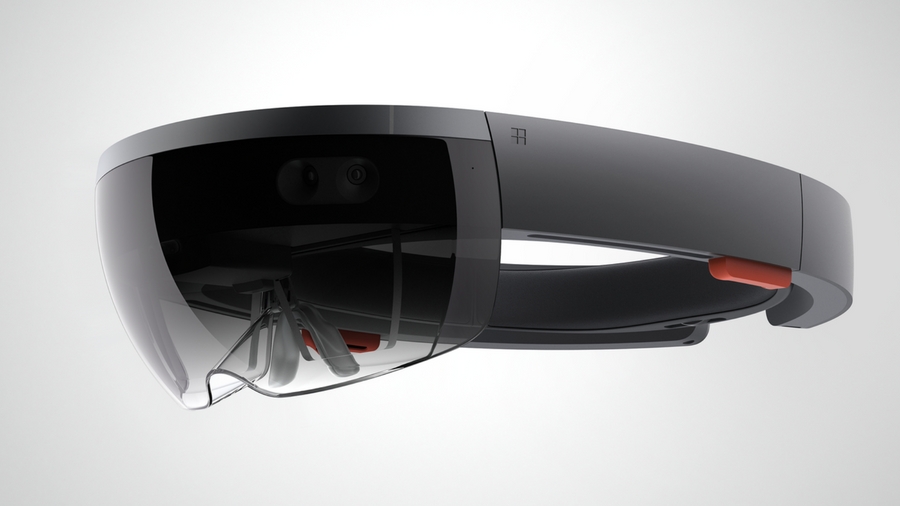
    They Said it, we know it, the Microsoft HoloLens 2 is coming. As itis said, It will arrive packing Qualcomm’s powerful XR1 chipset that’s designed for the next gen VR and AR experiences.

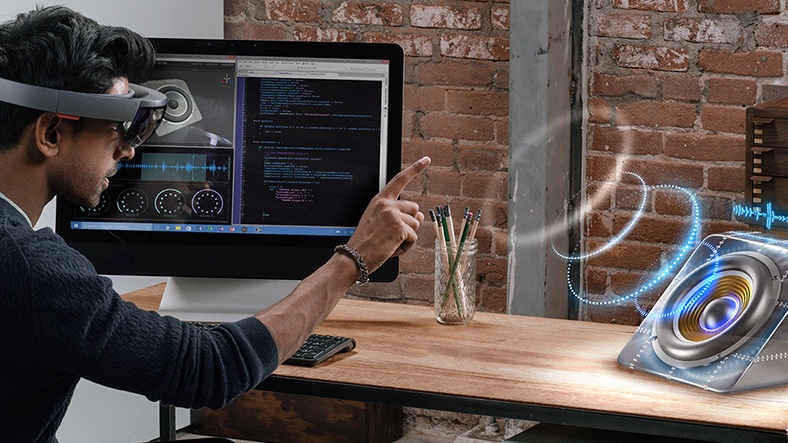
    In the guts of the Microsoft HoloLens 2 augmented/mixed-reality headset is stated to be an amazing and unexpected appearance of Qualcomm’s own XR1 VR chip. The Processor we thought was possible but seemed only plausible in theory. The processor isn’t technically as powerful as the Qualcomm Snapdragon 845, but according to all the information we have on the XR1 so far, it’s made for and capable of running the next gen VR headsets. The hardware itself is said to be coming to the market starting in early 2019.

    Qualcomm states that the XR1 is capable of streaming content at 4K resolution at 60 frames per second. This would certainly elevate the new HoloLens 2 to the top of the VR headset charts and dethrone the Oculus. The Microsoft HoloLens could re-invent the standard for the movie experience.

    Virtual and augmented reality headsets need to get cheaper and better to arouse casual buyers beyond hardcore gamers and tech geeks. We know the Oculus gets it, for just a mere $200. The current generation of Microsoft’s own headset, the HoloLens, starts at $3000. While its mostly for developers, the next generation needs lower price to be commercially viable.


    The Final Thought

    VR is set to explode, who wants to go first. The company that can get all the intricate pieced together and put out the headset that works great, easy to use and universally compatible with some jaw dropping experiences will get to rule the VR world. The platform is set the battle is open but no one seems to want to make a run at it. So they all know something we don’t ? I sure hope so and im not just standing here holding my breath for no reason. Come one Microsoft HoloLens 2, change my world… my VR world.

  • Microsoft Seeks to Break into Retail Stores, And Kinect May be Involved

    Microsoft Seeks to Break into Retail Stores, And Kinect May be Involved

    Remember Kinect? It seemed like Microsoft trying to infringe on Nintendo’s turf at the time. If you remember the distant epoch of 2010, the Wii was still riding on some serious popularity. Motion-controlled gaming was huge, and Microsoft wanted a slice of that pie. So, to compete, they released a camera and microphone combination called Kinect.  

    The real wonder of the technology wasn’t the camera, though, it was the software powering it. Fast forward to 2018, when AI is a breath away from being a reality, and Microsoft is reviving the once-dead Kinect software in some innovative ways. And one is the elimination of checkout lines and cashiers. 

    Amazon’s Influence 

    The influence of bookseller-turned-juggernaut Amazon on the face of technology is hard to overstate. One example is Amazon’s cashier-free convenience store, Amazon Go. If you missed it, the first Amazon Go opened in Seattle last year and has a truly unique business model.  

    There are no cashiers, and there is no checkout line. Instead, you scan in past a turnstile with your Amazon Go app, which has your credit card info on file. Then you grab the stuff you want and technology in the store tracks what you have. When you leave, the app bills you for whatever stuff you have in your bag. Simple, right? Well, it’s powered by a pretty complicated suite of technology.  

    So complicated, in fact, that many traditional retailers are made quite nervous by it. How could they afford to implement such a complex change in their stores to stay competitive? Amazon is certainly saving costs by not having cashiers, and customers love the convenience. Could this spell doom for traditional retailers? 

    Not if Microsoft Has Anything to Say About It 

    Enter Kinect’s new lease on life. Microsoft is currently working to help implement technology like Amazon’s in traditional retail store like Walmart and Target. While details are currently slim, the move makes sense. Retailers scared of becoming irrelevant can pay for Microsoft’s Kinect AI and stay competitive. Microsoft, in turn, keeps up with Amazon without having to invest in any inventory or construction.  

    At the moment, it’s not set in stone. There are currently no announcements as far as roll-out or implementation of this technology. It’s still in the planning phase. However, if it materializes, it could spell the end of a lot of retail jobs. Hopefully the retailers affected would find other positions for the employees losing jobs. 

  • Microsoft Announces Xbox Scarlett

    Microsoft Announces Xbox Scarlett

    Taking the stage at the E3, Microsoft was quickly confirmed that it was designing new Xbox hardware. Microsoft Xbox Scarlett, but when can I play it? looks like it will be a lot sooner then originally planned. Our sources have claimed that the next-gen Xbox, nicknamed Scarlett, should launch sometime in 2020. I’m guessing probably late q3 early q4 for the holiday rush.  We havent got any technical details yet, however it’s they are touting this as a “family of devices”. I hope they can find a way to bridge the console with PC gaming and make it a one stop experience.

    What Could Xbox Scarlett Be?

    The timing, if accurate, may seem unusually quick given that the Xbox One X only launched near the end of 2017. Microsoft has done slot to improve the Xbox One but it falls short of driving sales, most xboxers would just as easily go with an upgradeable gaming PC then buy a new xbox every 2 -3 years.  A Xbox Scarlett launch in 2020 might be necessary to keep pace. If Microsoft can complete that bridge and supplying me with the solo immersive and higher quality of pc gaming, with the flexibility of moving to the TV for multiplayer action and gathering, while facilitating the component upgrading to keep systems current, They may just stumble upon the next generation of inspiring gamers.


    While we don’t know when Sony is planning to release PlayStation 4’s successor. The company’s current system continues to far outsell the Xbox One. Recent sales estimates put the system’s total sales at around double that of the Xbox One, which can be attributed to a better library of exclusive games and the PR struggles Microsoft had with the Xbox One back in 2013.


    The Final Thought

    We know Xbox Scarlett is a working coded name. I’m really hoping they through us a left hook and just name it Xbox 2. I wish we had something more concrete to bring you. Specs, picture leaks, Rumors and speculations.. But relax, we will feed you baby birds, as soon as the info develops. As for now we wait…impatiently might I add