Tag: Sleep

  • Trouble Sleeping? Simple Tips for Getting Better Sleep

    Trouble Sleeping? Simple Tips for Getting Better Sleep

    It’s hard to get good sleep these days. There are a million little distractions all tugging at your attention. How is one to get some decent rest? Today we’re going to break down some of our simple tips for getting better sleep at night. Remember, the better the sleep you get, the healthier you’ll be.

    Getting Better Sleep

    Caffeine

    Try to avoid caffeine later in the day. While there are lots of benefits of caffeine, you still don’t want to drink it within six hours of going to bed. Caffeine amps up your body’s nervous system, making you much less likely to get good sleep.

    Stop Napping

    Nothing throws your body off more than taking long naps in the middle of the day. These long naps can seriously confuse your internal clock, making it harder for you to get to sleep or stay asleep. This results in a negative spiral, where you’re napping longer to make up for all the sleep you’re missing at night. Your best bet? Stop napping altogether.

    Get Out More

    Try to get out more during the daylight hours. Spend time out walking, in the sun, burning calories and wearing yourself out. When your body is exposed to more sunlight and activity, it makes your circadian rhythms react accordingly.

    Your circadian rhythms are the natural functions your body goes through to help you sleep well and wake up on time. Modern life, especially if you don’t get out enough, can lead to disruptions in your rhythms. So, try to get out more to encourage your normal body’s day/night rhythms.

    Less Blue Light

    You should also try to take in less blue light during the evening. Blue light makes your body wake up more, as it looks like light from the sun’s own rays. This makes your circadian rhythms work against you and keep you up later!

    Consider turning on Night Mode on your phone, installing a blue-light filter on your laptop, or even buying blue-light filtering glasses.

  • How to Get Better Sleep: Conquer Your Restlessness

    How to Get Better Sleep: Conquer Your Restlessness

    Inability to fall asleep or stay asleep all night is rather common. Over half of all adults in the US report that they often have difficulty getting to sleep or staying asleep. If this is you, maybe you’re looking for some good ways to fight restlessness that don’t involve medication. Here are some of our top tips.

    Fighting Restlessness

    Hit the Gym

    After a long day at work, you might be feeling mentally tired. If your job isn’t physical, however, this might not extend to your body. If your body is still pumped up and ready to get out energy, then you’re likely going to find it hard to sleep.

    Consider getting a gym membership or getting into jogging. When it comes to your body’s energy, you need to figure out how to get it burned down effectively. The last thing you need is to be up late with restless energy just because you didn’t hit the gym.

    Quit Caffeine

    The cup of coffee in the morning hits just right, huh? Well, quit drinking it. Caffeine can seriously disrupt your body’s circadian rhythms, which could be contributing to your sleeping problems. If you have trouble sleeping, stop ingesting a chemical that wakes you up. It’s that simple.

    Lights Out

    That TV in your bedroom has got to go. If you’re laying in bed watching TV, you’re not sleeping. “Resting your eyes” isn’t sleeping. Take the TV out of your bedroom, because all its doing is making you restless. The bedroom should be where you sleep, that’s it. Don’t make it a place where you do recreational activities.

    This goes for your phone, computer and other distractions, too. If you’re constantly checking your phone or scrolling while you’re in bed, stop it. Put a hard bed-time on yourself that you stop electronics use after.

    Bottom Line

    Take control of your own space and your own sleep. This is no one’s life but yours, so live it for no one else. It’s time to take back your space and take back your sleep. Don’t let negative behaviors spill over into your sleeping habits. You’ll feel so much better when you’re well-rested.

  • Getting Better Sleep: How to Feel Well-Rested

    Getting Better Sleep: How to Feel Well-Rested

    It can be incredibly difficult to get a good night’s sleep. However, getting the right amount of sleep is very important for long-term health. What are some steps you can take to getting better sleep and feeling well-rested? Today we’re going to try to help.

    Getting Better Sleep

    Diet

    Firstly, a key to getting the right amount of rest is making sure your diet isn’t playing a role in keeping you up. Namely, caffeine is a huge factor in sleep disruption. Are you drinking coffee, energy drinks or sugary sodas near bedtime? You should discontinue intake of caffeine at least eight hours before it’s time to go to bed.

    Secondly, try to cut out caffeine altogether. If you’re using caffeine to help wake up in the morning, you could be damaging your natural circadian rhythm. Your body should naturally wake you up when it’s time, and by using artificial stimulants you could be teaching your body not to do this. Try not to rely on outside stimulants.

    Lifestyle

    When you lay down for bed, maybe your mind is racing and you can’t turn your brain off. You could be under-stimulated physically, and your restlessness could be your body telling you that. If you don’t exercise, consider adopting an exercise routine. Get out and run for half an hour each day. Do a few pushups, sit-ups and squats before bed.

    Remember, it’s way easier to get to sleep if your body is physically tired. If you’ve been sitting at a desk drinking cold brew coffees all day, it’s no wonder you’re laying down with boundless energy and finding it hard to catch some sleep.

    Environment

    Is the room you’re trying to fall asleep in not in the right condition to support good sleep? You should ideally turn off your TV and put your phone far away from where you sleep. Laying in bed scrolling through social media is not a substitute for sleep. In fact, the light from your phone alone could be tricking your brain into staying awake longer.

    The blue light produced by LCD screens mimics that of the sun. Activating “night mode” on some phones can partially help, as it filters out the blue light when the sun goes down. However, no “night mode” features will help you get to sleep if you’re constantly scrolling instead of trying to catch some shut-eye.

  • Best Over the Counter Sleep Aids

    Best Over the Counter Sleep Aids

    When it comes time to lay down to sleep, you can’t seem to drift off. Your mind is racing from the day’s events and you can’t get yourself to calm down enough to get to sleep.

    What do you do? Today we’re looking at some of the best safe sleep aids that don’t require a prescription.

    Best OTC Sleep Aids

    Diphenhydramine

    Diphenhydramine is commonly found in allergy medicine, like Benadryl and Aleve PM. It’s got some side effects: it can lead to blurry vision, constipation, urinary retention or daytime drowsiness. However, many people note it’s quite effective at simply knocking them out if they’re having trouble getting to sleep. This is doubly effective if you already need allergy relief.

    White Noise

    Many people find it difficult to get to sleep in a totally silent room. If this applies to you, consider sleeping with some white noise. A softly running fan, or some quiet nature sounds could do the trick. Some people even listen to soft music while they’re trying to sleep, finding it helps them to calmly dose off.

    Doxylamine succinate

    Commonly found in medicine like Unisom sleep tabs, Doxylamine succinate is a sedating antihistamine like Diphenhydramine. It also has similar side effects to those found in Diphenhydramine, though it is technically a different compound. Much like with Diphenhydramine, Doxylamine is good for treating allergies as well as sleeplessness.

    Control Your Space

    Make sure the room you’re trying to get to sleep in is quiet, dark and cool. Trying to sleep in a room that is too hot, too loud or too bright can be very difficult. If you need to, consider getting blackout blinds, noise-canceling headphones and running a fan while you sleep.

    If there are others that live with you who don’t respect the tie you need to sleep, pull them aside and ask them to be more conscientious of your time. It’s important that you get between 7-9 hours of sleep per night!

    Melatonin

    Melatonin supplements are commonly used to treat people who are having trouble getting to sleep. While melatonin can have headache-inducing side effects, it’s also a great way to treat jet lag and off-kilter sleep schedules. You can typically find melatonin supplements available over the counter.

    Keep in mind that no medication or technique is a miracle solution. Extreme cases of insomnia could require help from a sleep doctor to remedy, so speak to your doctor if you’re having substantial trouble sleeping.

  • Tired all the Time? You Might Not be Getting Enough Quality Sleep

    Tired all the Time? You Might Not be Getting Enough Quality Sleep

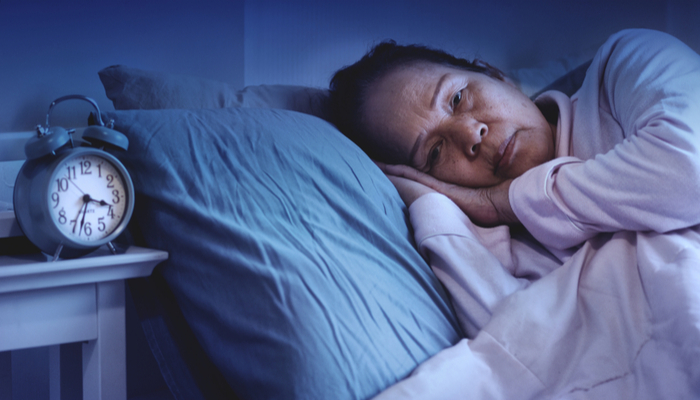
    Do you find that you’re always yawning? Do you doze off whenever nothing stimulating is happening? Are you generally just tired all the time? If these things are the case, you might not be getting enough sleep. Or, you might be getting enough sleep, but not enough quality sleep. Here’s the thing: you shouldn’t need a cup of coffee every morning to have enough energy for the day. You should have that naturally. Here’s how.

    How to Make Sure You Get Enough Quality Sleep

    What Happens When I Don’t Get Enough Quality Sleep?

    A number of things happen when you can’t get enough quality sleep. The first and most noticeable thing is that you find it hard to roll out of bed in the morning. People who suffer from sleep deprivation often hit their alarm multiple times in the morning, sleep in to the last minute and find themselves very groggy and unresponsive for half an hour to an hour after waking. Generally, people suffering from sleep deprivation have high caffeine dependencies to help them throughout the day.

    Those experiencing sleep deprivation often doze off when they aren’t being directly stimulated. For instance, when in a meeting or watching TV, they might simply nod off. More dangerously, some people with extreme sleep deprivation symptoms may find themselves nodding off behind the wheel on their way to work or back.

    Additionally, those who don’t get enough quality sleep are often in miserable moods. They tend to be irritable, easily distracted and more prone to getting depressed. In short, being sleep deprived puts you in a terrible mood.

    What is Quality Sleep?

    If you’re not getting enough quality sleep then you’re going to feel drowsy and groggy all day. That’s no way to go through your life! But, you may ask, what constitutes quality sleep? Generally speaking, quality sleep is sleep that is uninterrupted for 8 straight hours or so. Sleep tends to be more restorative in a quiet, cool, dark room. Constant interruptions, extreme hot or cold in the room you sleep in, or flashing lights (such as televisions) can make your sleep lower quality.

    You might be saying that many of these things are unavoidable. However, we’re here to help you figure out how you can make your sleeping space better for your quality of life. Take bake your sleeping space so you can regain your waking hours!

    How to Get Better Sleep

    Firstly, you should try to stop drinking as much caffeine and alcohol. If you already avoid those substances, good on you! If you don’t, however, it’s time to cut back. Many people find they need a cup of coffee or an energy drink to keep going throughout the day. These drinks are downright terrible for your body and you should avoid them altogether. They can also interrupt your circadian rhythms and make your sleep much more troubled.

    Likewise, alcohol is terrible for your sleep schedule. If you often drink heavily, it could be having profound negative effects on your liver and heart, as well as your intestines and brain. If your sleep is fitful and you find it hard to stay asleep through the night, try cutting back on alcohol.

    Other Tips

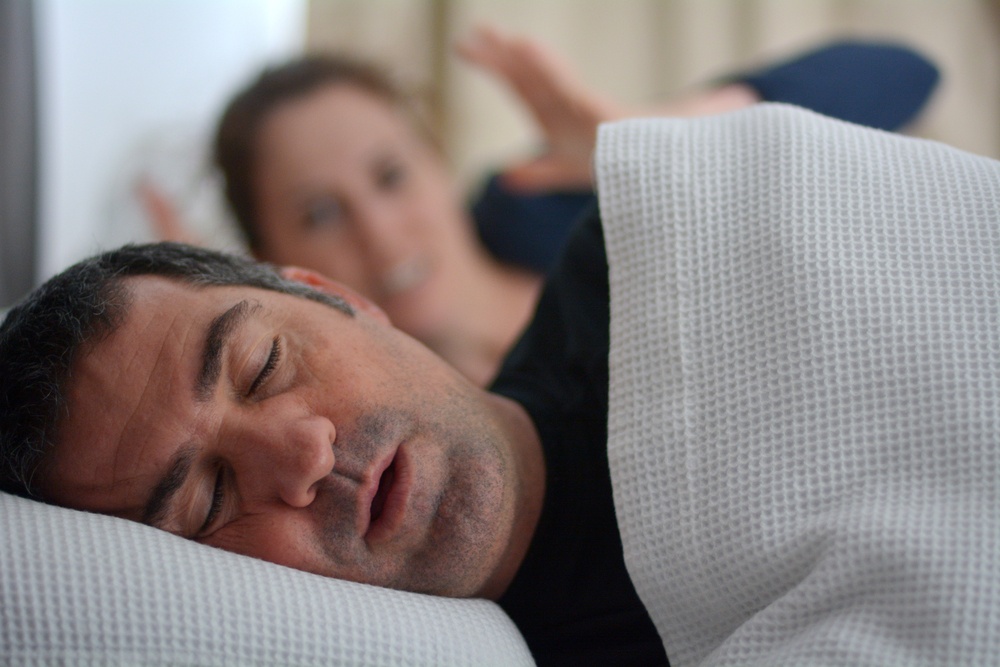
    When you lay down for bed, cut off the TV and all lights in the house. In fact, consider taking the TV out of your bedroom. Your bedroom should be a place designed for sleep, exclusively. When it’s bed time, cut your phone off and put it across the room. If you live with noisy neighbors or roommates, invest in some earplugs or a white noise machine to help you tune out the distractions.

    Shut your door to block lights or sounds from outside your room. Consider investing in large, blackout drapes to hang over the windows for when you sleep to keep outside lights out and to dampen outside sounds. While these aren’t foolproof methods, they are steps in the right direction.

    Lifestyle Changes

    If you do shift work for a living, such as working alternating nights, opening shifts and closing shifts, consider changing your line of work. Shift work is terrible on your body, causing you to interrupt your own circadian rhythms and typically resulting in overreliance on caffeine to maintain unhealthy sleeping patterns.

    Remember, your quality of life isn’t worth a few dollars. Try to find work with a company that cares more about you than one that will put your health on the line for a quick buck. You’re worth more than that.