Month: July 2018

  • Stop Scrolling – Everything You Need To Know About Portable Oxygen Concentrators

    Stop Scrolling – Everything You Need To Know About Portable Oxygen Concentrators

    Light weight, long-lasting portable oxygen concentrators are vital for people with COPD and other respiratory conditions. Portable oxygen concentrators provide stable and reliable airflow for long periods of time, and they can also be taken on the road to help people maintain their independence.

    If your doctor has recommended home oxygen therapy, then choosing the right oxygen concentrator can be difficult. Oxygen output, battery life, size and weight are all important factors.

    How Does a Portable Oxygen Concentrator Work?

    A portable oxygen concentrator receives air, purifies it, and then distributes the newly formed air. Before it goes into the concentrator, air is made up of 80 percent nitrogen and 20 percent oxygen. After the air goes through the oxygen concentrator, it comes out as 90 to 95 percent pure oxygen and 5 to 10 percent nitrogen. The nitrogen is separated to give the patient the highest dose of oxygen possible, as it is difficult to get that percentage of oxygen without the help of a medical device.

    What Makes Up a Portable Oxygen Concentrator?

    There are many parts that make up a portable oxygen concentrator. A compressor and sieve bed filter are a couple of the main parts.

    The compressor compresses air that is filtered into the concentrator, then delivers the air in a continuous stream. The compressed air moves to the sieve bed filters. The sieve bed filter plays an important role, as it is the device that removes the nitrogen from the air. A material called Zeolite, which is a six-sided microscopic cube with holes on each side, is in the sieve bed and this is what removes the nitrogen from the air.

    Two sieve beds are located in the concentrator. After air is first compressed in the concentrator, it is forced into the first sieve bed. Oxygen is sent into the product tank. The first sieve bed then gets filled up with nitrogen. Next, the gas flow is switched and the compressed air is moved to the second sieve bed. The first sieve bed’s compressor is sent to the outside room and the air from the product tank goes back into the first sieve bed.

    The drop in pressure from the first sieve bed and the weakening of oxygen makes the Zeolite release nitrogen. The Oxygen and Nitrogen come back together and are released in the room as regular air. The air is then compressed and sent to the second sieve where Oxygen is moved through it to the Product Tank. The whole cycle starts over again with the first sieve after a few seconds.

    Other important parts are the cooling system that keeps the portable oxygen concentrator from overheating, and the nasal cannula that delivers the purified oxygen after the oxygen has been passed through all the sieve bed filters. The cannula helps improve oxygen absorption.

    Advantages of Oxygen Concentrators

    Both portable and home oxygen concentrators have numerous advantages for those patients needing oxygen therapy. Oxygen concentrators are much less dangerous than traditional oxygen cylinders, which can, if ruptured or leaking, cause or increase the combustion rate of a fire. Oxygen concentrators, on the other hand, pose no such danger. Home and portable oxygen concentrators that can “make” their own oxygen have become more popular and widely used than old-fashioned oxygen tanks. The other main benefit of oxygen concentrators is the ease and increased ability to be mobile with oxygen. Portable oxygen concentrators provide the necessary oxygen anywhere the user goes, even on airplanes. The FAA (Federal Aviation Administration) has ruled that all passengers who require oxygen must be allowed to bring FAA-approved portable oxygen concentrators on all U.S. aircraft with more than 19 seats. Foreign airlines must also allow portable oxygen concentrators on all flights to and from U.S soil.

    We’ve evaluated several of the leading models to bring you our top three — we like the SeQual eQuinox, the GCE Zen-O and the Respironics SimplyGo. Search our top picks for the best portable oxygen concentrators on the market today. Get outside and breathe easy.

    The SeQual eQuinox is a powerful, continuous-flowing, oxygen concentrator that’s roughly the size of a small piece of luggage. The eQuinox features a voice-control interface that’s compatible with eight different languages, and it has automated alerts for low batteries, flow rate changes, oxygen purity warnings and various possible system malfunctions. It features an easily replacable front-loading battery that can last up to six hours. The eQuinox features a high oxygen output with nine different continuous flow settings with a maximum rate of 3.0 LPM. Weighing just 14 pounds, the eQuinox is one of the lightest portable oxygen concentrators on the market. It’s user-friendly and protected by a three-year warranty, making this a great model for anyone in need of a home portable oxygen concentrator. The SeQual eQuinox is on sale at the Oxygen Concentrator Store right now. 1st Class Medical offers 30-day risk free trials and up to 70% off on used air concentrator equipment, while LPT Medical also offers 70% off sales. Lots of online retailers can offer these concentrators with amazing deals!

    Next is the GCE Zen-O, another small unit with a variety of features. It weighs just 10 pounds when equipped with just one battery, and when adding a second battery (weighing just 2 pounds) the total battery life reaches up to eight hours at the lowest pulse setting and six hours of continuous flow. This model features a custom carrying case that makes getting around easier, and the intuitive user interfaces features large buttons and a clear screen. With a three-year warranty and a reputation for durability — not to mention the ability to operate all day, every day — the Zen-O is a great choice for people who are mobile while still requiring several hours of daily oxygen therapy. The GCE Zen-O Portable Oxygen Concentrator is on sale from Sleep Direct for $2,495 for the single-battery model and $2,695 for the dual-battery model. Other online retailers, such as CPAP Direct, are also offering discounts on this concentrator.

    If you want the most lightweight model available, then check out the Respironics SimplyGo. This portable oxygen concentrator also weighs just 10 pounds and still provides up to 2.9 hours of continuous oxygen at lower air flow rates. The SimplyGo is one of the best options on the market for people who lead active lifestyles or frequently travel. It offers up to six pulse delivery settings along with continuous flow rates up to 2.0 LPM. Battery life isn’t as lengthy as other models, but adding a second battery via the unit’s external connector effectively doubles the unit’s 3.4 hours of maximum battery life. The SimplyGo is also compatible with CPAP and BiPAP machines, and it’s equipped to automatically shift from pulse mode to continuous flow mode if it detects a stoppage of breathing. It’s durable, easy to operate and great for portable use. Most retailers sell this for nearly $3,000, but right now you can get it on sale from MBR Medicals or Help Medical Supplies for less than $2,000.



  • Stop Scrolling – Everything You Need To Know About Portable Oxygen Concentrators

    Stop Scrolling – Everything You Need To Know About Portable Oxygen Concentrators

    Light weight, long-lasting portable oxygen concentrators are vital for people with COPD and other respiratory conditions. Portable oxygen concentrators provide stable and reliable airflow for long periods of time, and they can also be taken on the road to help people maintain their independence.

    If your doctor has recommended home oxygen therapy, then choosing the right oxygen concentrator can be difficult. Oxygen output, battery life, size and weight are all important factors.

    How Does a Portable Oxygen Concentrator Work?

    A portable oxygen concentrator receives air, purifies it, and then distributes the newly formed air. Before it goes into the concentrator, air is made up of 80 percent nitrogen and 20 percent oxygen. After the air goes through the oxygen concentrator, it comes out as 90 to 95 percent pure oxygen and 5 to 10 percent nitrogen. The nitrogen is separated to give the patient the highest dose of oxygen possible, as it is difficult to get that percentage of oxygen without the help of a medical device.

    What Makes Up a Portable Oxygen Concentrator?

    There are many parts that make up a portable oxygen concentrator. A compressor and sieve bed filter are a couple of the main parts.

    The compressor compresses air that is filtered into the concentrator, then delivers the air in a continuous stream. The compressed air moves to the sieve bed filters. The sieve bed filter plays an important role, as it is the device that removes the nitrogen from the air. A material called Zeolite, which is a six-sided microscopic cube with holes on each side, is in the sieve bed and this is what removes the nitrogen from the air.

    Two sieve beds are located in the concentrator. After air is first compressed in the concentrator, it is forced into the first sieve bed. Oxygen is sent into the product tank. The first sieve bed then gets filled up with nitrogen. Next, the gas flow is switched and the compressed air is moved to the second sieve bed. The first sieve bed’s compressor is sent to the outside room and the air from the product tank goes back into the first sieve bed.

    The drop in pressure from the first sieve bed and the weakening of oxygen makes the Zeolite release nitrogen. The Oxygen and Nitrogen come back together and are released in the room as regular air. The air is then compressed and sent to the second sieve where Oxygen is moved through it to the Product Tank. The whole cycle starts over again with the first sieve after a few seconds.

    Other important parts are the cooling system that keeps the portable oxygen concentrator from overheating, and the nasal cannula that delivers the purified oxygen after the oxygen has been passed through all the sieve bed filters. The cannula helps improve oxygen absorption.

    Advantages of Oxygen Concentrators

    Both portable and home oxygen concentrators have numerous advantages for those patients needing oxygen therapy. Oxygen concentrators are much less dangerous than traditional oxygen cylinders, which can, if ruptured or leaking, cause or increase the combustion rate of a fire. Oxygen concentrators, on the other hand, pose no such danger. Home and portable oxygen concentrators that can “make” their own oxygen have become more popular and widely used than old-fashioned oxygen tanks. The other main benefit of oxygen concentrators is the ease and increased ability to be mobile with oxygen. Portable oxygen concentrators provide the necessary oxygen anywhere the user goes, even on airplanes. The FAA (Federal Aviation Administration) has ruled that all passengers who require oxygen must be allowed to bring FAA-approved portable oxygen concentrators on all U.S. aircraft with more than 19 seats. Foreign airlines must also allow portable oxygen concentrators on all flights to and from U.S soil.

    We’ve evaluated several of the leading models to bring you our top three — we like the SeQual eQuinox, the GCE Zen-O and the Respironics SimplyGo. Search our top picks for the best portable oxygen concentrators on the market today. Get outside and breathe easy.

    The SeQual eQuinox is a powerful, continuous-flowing, oxygen concentrator that’s roughly the size of a small piece of luggage. The eQuinox features a voice-control interface that’s compatible with eight different languages, and it has automated alerts for low batteries, flow rate changes, oxygen purity warnings and various possible system malfunctions. It features an easily replacable front-loading battery that can last up to six hours. The eQuinox features a high oxygen output with nine different continuous flow settings with a maximum rate of 3.0 LPM. Weighing just 14 pounds, the eQuinox is one of the lightest portable oxygen concentrators on the market. It’s user-friendly and protected by a three-year warranty, making this a great model for anyone in need of a home portable oxygen concentrator. The SeQual eQuinox is on sale at the Oxygen Concentrator Store right now. 1st Class Medical offers 30-day risk free trials and up to 70% off on used air concentrator equipment, while LPT Medical also offers 70% off sales. Lots of online retailers can offer these concentrators with amazing deals!

    Next is the GCE Zen-O, another small unit with a variety of features. It weighs just 10 pounds when equipped with just one battery, and when adding a second battery (weighing just 2 pounds) the total battery life reaches up to eight hours at the lowest pulse setting and six hours of continuous flow. This model features a custom carrying case that makes getting around easier, and the intuitive user interfaces features large buttons and a clear screen. With a three-year warranty and a reputation for durability — not to mention the ability to operate all day, every day — the Zen-O is a great choice for people who are mobile while still requiring several hours of daily oxygen therapy. The GCE Zen-O Portable Oxygen Concentrator is on sale from Sleep Direct for $2,495 for the single-battery model and $2,695 for the dual-battery model. Other online retailers, such as CPAP Direct, are also offering discounts on this concentrator.

    If you want the most lightweight model available, then check out the Respironics SimplyGo. This portable oxygen concentrator also weighs just 10 pounds and still provides up to 2.9 hours of continuous oxygen at lower air flow rates. The SimplyGo is one of the best options on the market for people who lead active lifestyles or frequently travel. It offers up to six pulse delivery settings along with continuous flow rates up to 2.0 LPM. Battery life isn’t as lengthy as other models, but adding a second battery via the unit’s external connector effectively doubles the unit’s 3.4 hours of maximum battery life. The SimplyGo is also compatible with CPAP and BiPAP machines, and it’s equipped to automatically shift from pulse mode to continuous flow mode if it detects a stoppage of breathing. It’s durable, easy to operate and great for portable use. Most retailers sell this for nearly $3,000, but right now you can get it on sale from MBR Medicals or Help Medical Supplies for less than $2,000.


  • TOP 3 RUNNING SHOE RETAILERS

    TOP 3 RUNNING SHOE RETAILERS

    Running relieves stress, strengthens your immune system and keeps you in shape! In the U.S. alone, more than 64 million people went jogging or running in 2016. Even with all the great benefits and growing popularity running can also cause a lot of extra stress on your feet, legs, and back. This is especially true if you are not wearing quality running shoes. 

    Trying to find good running shoes isn’t always easy, but these three running shoe retailers will help you find the best possible shoes to keep you running for as long as possible.

    TOP 3 RUNNING SHOE RETAILERS

    These top 3 retailers provide not only get great running shoes but also help you save by having better prices than most other retailers. The top three running shoe retailers are Finish Line, Running Warehouse, and Road Runner Sports. All three of these retailers offer the latest running shoes from well known brands like Nike and Adidas. They also offer lesser known brands if you are interested in trying new brands or prefer a particular fit or style. For those experienced runners  who know a certain brand and shoe is perfect, you can find those shoes at a much lower price at these top retailers.

    Do these retailers only sell shoes?

    No, you can find many running and athletic accessories as well as athletic clothing in all three places. Their deals include items like socks, insoles, headbands, hats, shorts, and other apparel that makes running more comfortable and keeps you stylish.

    What kind of shipping cost can be expected?

    Running Warehouse offers free two-day shipping and free returns. You can opt to have a package of one to four pounds shipped overnight for $9.99. Road Runner Sports also offers free shipping. Finish Line’s shipping is a bit more complicated. If your package contains only new, non-sale items and the subtotal comes to over thirty dollars, they offer free shipping. If the order includes any discounted items, either sale or discontinued, there is a flat rate shipping charge of seven dollars. Some of their premium shoes are not included in either deal.

    What about returns?

    Finish Line offers returns up to 45 days. You only need to go online and pick the item you wish to return from your purchase history. You then receive a return label to print out and return your item free. Running Warehouse offers a full 90-day money back guarantee and will give you a return label to use for free shipping. Road Runner will refund any returns on new items within sixty days. For exchanges, VIP members can exchange new or used footwear within ninety days. For those who are not members, the exchange on new or used footwear is within forty days.

    What is the Road Runner VIP program?

    Road Runner offers a program that normally costs $28.99 a year, although they often run specials that allow new members to get their first year as low as $1.99. VIP members get access to deals not available to the general public. They also get a guarantee that they will get the best price anywhere in the country on a certain pair of shoes, a ten percent discount on all items at all times, a full ninety days to try shoes, socks, and insoles and a guaranteed return if they aren’t what you want.

    How to find the right shoe for you

    WHAT IS PRONATION, AND WHY DOES IT MATTER?

    Picking the right shoe for your running style is as important as the retailer. That is why you should understand pronation and how it impacts your shoe selection.  Pronation is part of the natural movement of the human body and refers to the way your foot rolls inward for impact distribution upon landing. Understanding your pronation type can help you find a comfortable running shoe.

    Underpronators (supinators) need a lot of cushioning to avoid impact injuries
    Neutral pronators can wear a wide variety of shoes
    Overpronators should look for support or structured cushioning shoes
    Push Off: pressure on smaller toes on outside of foot
    Injuries: plantar fasciitis, shin splints, ankle strain
    Foot type: high arches


    CHECK WEAR PATTERNS ON YOUR SHOE

    For Underpronators/Supinators:

    The outside of your running shoes show the most wear. If you put your running shoes on a flat surface, you may notice a slight outward tilt.

    For Neutral Runners:

    The soles of your running shoes show wear in an S-shaped pattern, from the outer (lateral) heel to the big toe. If you put your shoes on a flat surface, you may not notice any tilt

    For Overpronators:

    Extra wear on the inside of the heel and under the ball of the foot, especially the big toe. If you put your shoes on a flat surface, you may notice an inward tilt.


  • TOP 3 RUNNING SHOE RETAILERS

    TOP 3 RUNNING SHOE RETAILERS

    Running relieves stress, strengthens your immune system and keeps you in shape! In the U.S. alone, more than 64 million people went jogging or running in 2016. Even with all the great benefits and growing popularity running can also cause a lot of extra stress on your feet, legs, and back. This is especially true if you are not wearing quality running shoes. 

    Trying to find good running shoes isn’t always easy, but these three running shoe retailers will help you find the best possible shoes to keep you running for as long as possible.

    TOP 3 RUNNING SHOE RETAILERS

    These top 3 retailers provide not only get great running shoes but also help you save by having better prices than most other retailers. The top three running shoe retailers are Finish Line, Running Warehouse, and Road Runner Sports. All three of these retailers offer the latest running shoes from well known brands like Nike and Adidas. They also offer lesser known brands if you are interested in trying new brands or prefer a particular fit or style. For those experienced runners  who know a certain brand and shoe is perfect, you can find those shoes at a much lower price at these top retailers.

    Do these retailers only sell shoes?

    No, you can find many running and athletic accessories as well as athletic clothing in all three places. Their deals include items like socks, insoles, headbands, hats, shorts, and other apparel that makes running more comfortable and keeps you stylish.

    What kind of shipping cost can be expected?

    Running Warehouse offers free two-day shipping and free returns. You can opt to have a package of one to four pounds shipped overnight for $9.99. Road Runner Sports also offers free shipping. Finish Line’s shipping is a bit more complicated. If your package contains only new, non-sale items and the subtotal comes to over thirty dollars, they offer free shipping. If the order includes any discounted items, either sale or discontinued, there is a flat rate shipping charge of seven dollars. Some of their premium shoes are not included in either deal.

    What about returns?

    Finish Line offers returns up to 45 days. You only need to go online and pick the item you wish to return from your purchase history. You then receive a return label to print out and return your item free. Running Warehouse offers a full 90-day money back guarantee and will give you a return label to use for free shipping. Road Runner will refund any returns on new items within sixty days. For exchanges, VIP members can exchange new or used footwear within ninety days. For those who are not members, the exchange on new or used footwear is within forty days.

    What is the Road Runner VIP program?

    Road Runner offers a program that normally costs $28.99 a year, although they often run specials that allow new members to get their first year as low as $1.99. VIP members get access to deals not available to the general public. They also get a guarantee that they will get the best price anywhere in the country on a certain pair of shoes, a ten percent discount on all items at all times, a full ninety days to try shoes, socks, and insoles and a guaranteed return if they aren’t what you want.

    How to find the right shoe for you

    WHAT IS PRONATION, AND WHY DOES IT MATTER?

    Picking the right shoe for your running style is as important as the retailer. That is why you should understand pronation and how it impacts your shoe selection.  Pronation is part of the natural movement of the human body and refers to the way your foot rolls inward for impact distribution upon landing. Understanding your pronation type can help you find a comfortable running shoe.

    Underpronators (supinators) need a lot of cushioning to avoid impact injuries
    Neutral pronators can wear a wide variety of shoes
    Overpronators should look for support or structured cushioning shoes
    Push Off: pressure on smaller toes on outside of foot
    Injuries: plantar fasciitis, shin splints, ankle strain
    Foot type: high arches


    CHECK WEAR PATTERNS ON YOUR SHOE

    For Underpronators/Supinators:

    The outside of your running shoes show the most wear. If you put your running shoes on a flat surface, you may notice a slight outward tilt.

    For Neutral Runners:

    The soles of your running shoes show wear in an S-shaped pattern, from the outer (lateral) heel to the big toe. If you put your shoes on a flat surface, you may not notice any tilt

    For Overpronators:

    Extra wear on the inside of the heel and under the ball of the foot, especially the big toe. If you put your shoes on a flat surface, you may notice an inward tilt.


  • Ten Coolest Iron Man Suits

    Ten Coolest Iron Man Suits

    Tony Stark has been making his Iron Man suits for decades in the comics, since his debut in 1963. In the time following his introduction, he’s been depicted in dozens of armor suits, each one more awesome than the last. After the release of his first solo movie in 2008, Tony Stark has become a household name. The excellent on-screen portrayal by Robert Downey Jr. has revitalized interest in the once-underappreciated character. Today, we’re looking at the absolute coolest armor suits Tony has ever made. Some of them he wore himself, others he made for his friends. They have one thing in common though: they’re the coolest Iron Man suits out there.

    Mark 1 Armor

    Photo Credit: CBR

    The armor that started it all! When Tony is kidnapped by extremists in a warzone, they force him to make them powerful weapons. Tony acquiesces, but only long enough to distract them from what he’s really making: a suit of badass mechanical armor! The Mk. 1 suit is hardly the coolest looking armor Tony’s made, but that’s not why it makes the list. It makes the list because Tony made it in a cave with very limited resources and under a ton of pressure. This was also before he had built any other Iron Man suits, so he was just assuming the suit would work! Tony would go on to greatly iterate on the armor, of course, but the bones of the design are all present in this prototype.

    Hulkbuster Armor

    Photo Credit: MCU Wiki

    Filmgoers were first introduced to this awesome suit of armor in Age of Ultron, but it’s been around in the comics since 1994. As the name implies, Tony made this armor to go toe-to-toe with the Hulk when he gets out of control. As such, the armor is notorious for being unbelievably strong and tough. It uses rocket-powered boosters to back up its thunderous punches. What’s even cooler, the armor goes over Tony’s other suit, making it a suit for a suit. Who doesn’t love giant robots fighting giant green monsters?

    Iron Spider Armor

    Photo Credit: MCU Wiki

    While movie fans first encountered the Iron Spider armor in Spider-Man: Homecoming, the suit debuted in the Civil War event in 2006 in the comics. While Tony himself doesn’t wear the suit, it’s still made from the same tech as his other armors. In both the films and comics, Tony gives the armor to his friend Peter Parker. Peter’s normal suit is mostly just to conceal his identity and doesn’t generally house much technology. The Iron Spider, however, brings Peter up to Tony’s level, tech-wise. An onboard AI, thermal imaging and more give Peter a ton of flexibility in the field. Not to mention, it’s just plain awesome.

    Deep-Space Armor

    Photo Credit: Marvel Database

    In 2013, Iron Man joined the Guardians of the Galaxy. In order to operate in deep space with the team, he created this suit of armor. The Deep-Space armor, which is the Mark 45 suit, is incredibly advanced. It uses repulsor technology to power it in the vacuum of space. It also houses an AI called PEPPER and can communicate with Tony’s suits back on earth. That allows Iron Man to be in many places at once, even when he’s light years from Earth. That’s pretty high-tech!

    Phoenix Buster Armor

    Photo Credit: Iron Man Wiki

    If you thought the Hulk Buster armor was huge and crazy, wait until you see Model 39. Dubbed the Phoenix Buster, Iron Man deployed this suit when the dangerous mutant Phoenix threatened to destroy Earth. In order to stop the Phoenix from wiping out humanity, Tony used this suit to split the flaming bird into five distinct mutants that could be contained more easily. Model 39 is a huge robot, on the scale of something like a Gundam or some other anime mecha. Tony tends to keep his suits to personal-size, so this one is a really interesting outlier.

    War Machine Armor

    Photo Credit: MCU Wiki

    The second armor on this list that Tony doesn’t pilot, the War Machine armor has a deep history. Piloted by Tony’s best friend James “Rhodey” Rhodes, he acts as a superhero in his own right with the War Machine suit. This armor shares many design and tech similarities with Tony’s own. The biggest difference between War Machine and Iron Man armors is guns: Rhodey’s suit is lousy with guns. As a military man, it makes sense that Rhodey’s suit would have enough guns to make a tank jealous. It’s also downright awesome, and easily one of our favorite suits.

    Extremis Armor

    Photo Credit: Marvel Database

    In order to combat extreme wounds suffered while serving as Iron Man, Tony injected himself with the Extremis virus. This allowed him to connect to wireless technology and satellites with his very mind. What’s more, the Extremis armor was stored partly in the hollows of Tony’s bones, and he controlled it with his thoughts. Where previous suits had complex interfaces under the armor, the Extremis suit was modified for Tony’s now-unique biology. This made the armor more of a superpower than a gadget and allowed Tony to push the limits of what his Iron Man tech could do.

    Bleeding Edge Armor

    Photo Credit: Iron Man Wiki

    The Bleeding Edge suit, officially designated as Model 37, was seen as a natural extension of Tony’s Extremis armor. While Extremis still had to be stored like a normal armor suit, Bleeding Edge was literally stored within Tony’s body. At his mental command, the armor would manifest through his pores and solidify, thanks to nanotech. That same nanotech makes the armor nearly invincible and its shape can be changed at will. It can appear like normal clothes, other creatures or armors, or anything, really. This suit incorporated every upgrade from Extremis and then some, making it nearly unbeatable.

    Endo-Sym Armor

    Photo Credit: Marvel Database

    If you thought it couldn’t get much more high-tech than the Bleeding Edge armor, well, you’re right. It couldn’t. That’s why the Endo-Sym armor is literally alive. It’s a biological suit made from the same symbiote as Venom and Carnage. The suit, as such, is a blend of technology and living matter that goes above and beyond what the Bleeding Edge armor is capable of. The suit has a psionic link to Tony, and as such he can summon it without any need for technology. The liquid-metal construction of this armor can bind to Tony at will and hardens when it touches skin. It’s fantastically cool, and Tony was pretty much evil while he was using it.

    The Coolest of All Iron Man Suits: Model-Prime Armor

    Photo Credit: Marvel Database

    No suit quite matches up to the style and feel of the Model-Prime armor. While Extremis, Bleeding Edge and Endo-Sym all pushed the boundaries of what Iron Man’s armor could be, Model 51 brought things back to basics. Using the nano-tech from Bleeding Edge but scrapping the somewhat gross internal housing, the Model-Prime is a synthesis of all that came before. The suit has a hexagonal, interlocking look that is unique. It has a look reminiscent of modern cars and fighter jets. Some have even described the suit as “anime-esque,” citing the eyes and sleek look.

    The strongest aspects of the Model-Prime are its flexibility and power. While previous suits were singular in purpose, the Model-Prime is a Swiss Army Knife. If Tony needs a Hulk Buster, the Model-Prime can shift into that. Stealth mode is no longer a separate suit, but a dedicated function of this model. In all, this is the most complete and useful suit Tony has ever made.

  • Say So-Long, Smudge: New Matte Glass Fixes Issue with Glass Phones

    Say So-Long, Smudge: New Matte Glass Fixes Issue with Glass Phones

    If you own a phone with a Gorilla Glass back, then you know just how much they love to collect smudges. It’s hard to use your phone for anything without it getting dirty. Well, there’s a new development in the world of smart phones that might make things easier. Glass backs are great for both 5G service and wireless charging. Not to mention, they’re water-resistant since glass isn’t porous. As such, phone makers want to continue using glass for phone backs. As for the smudges? Say hello to the new matte glass from Corning. Yes, matte glass.

    Matte Glass

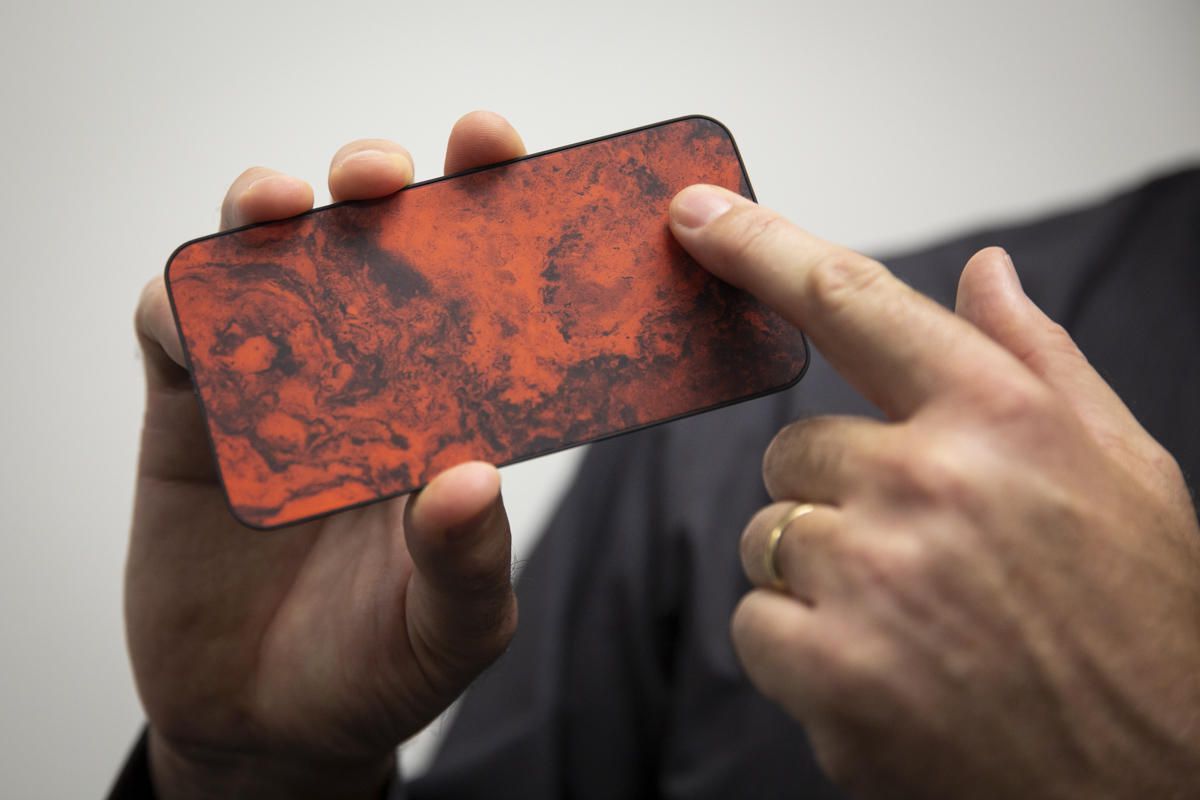
    Corning, the company behind the Gorilla Glass found on high-end smartphones, has developed a new inkjet process. This process will allow them to print designs directly onto the glass back of a phone. While these designs don’t eliminate fingerprints, they do render them much less noticeable. They also give the back of the phone a distinctly matte texture. That gives the phone more grip, making it feel less slippery. The matte finish also helps phones stay in place on charging pads instead of sliding off.

    This technology is referred to as Vibrant Satin Corning Gorilla Glass, and it’s been seen on laptops. Lenovo and Acer, to name a few, have incorporated the technology into some of their higher-end laptop designs. As of yet, however, there are no plans for any phones that use the technology. As it stands, glass-backed phones are still somewhat new. Many phone makers are seeking to have glass-backing become the norm before they shake things up with Satin Glass.

    Customization

    Thanks to the nature of the inkjet process, the design on the glass could appear different based on the customer. A customer could, for instance, have a screenshot from their favorite movie or TV show be their phone back. This would largely step on the toes of personalized cases, though. As such, expect early forays with this matte glass to feature solid colors or simple patterns. However, as stated earlier, there are currently no smartphones with plans to implement this Satin Glass technology from Corning.

    Feature Image Credit: CNET

  • 2019 Subaru Ascent Feature Round-up

    2019 Subaru Ascent Feature Round-up

    Subaru’s first attempt at a three-row SUV, the Tribeca, wasn’t the best car in the world. In fact, it’s one of Subaru’s weaker models, and really failed to impress. Thankfully, the 2019 Subaru Ascent is here to change all of that. This three-row SUV is a great value and perfect for big families. If you’re looking for an awesome new SUV for the whole family to enjoy, check out today’s feature round-up. You’re going to love what Subaru has delivered here.

    Huge Presence

    If you like having a big footprint on the road, the Ascent will tickle your fancy. You’ve seen the Forrester before, so picture that but with three rows of seating. The Ascent is big, it’s roomy and it makes sure it has space on the road. If you’re like me, you don’t want people crowding you while you cart your family around town. As such, that huge road presence is a big deal. It also means you can fit everyone and their friends in the car without anyone being cramped!

    Interior Accoutrements

    The Ascent features a big, bold infotainment system and a nice interior. While the interior cabin won’t blow your mind, it’s nice and does its job. The infotainment screen comes in a 6.5 or 8-inch display, depending on which configuration you go with. Either way, it’s helpful and works well when you need to use it. The Ascent also features Apple CarPlay and Android Auto support.

    On the Road

    Subaru’s Ascent handles great on the road. It gets 21 miles per gallon city and 27 miles per gallon highway, all while putting out 260 horsepower. That’s not too shabby! The steering is responsive and accurate, especially considering the SUV’s big size. The suspension is great, and this vehicle features less body roll than most in its class. The best part is, the ride is smooth, quiet and comfortable. You’ll hear barely a whisper from the engine, and bumps are handled with ease.

    2019 Subaru Ascent Bottom Line

    This is a great SUV! If you’re looking for a car for lugging your family around town, this is a great pick. It drives well, it’s roomy and it has a ton of modern tech in the cab. You’ll love the ride, and you’ll love all the cargo space. The best part, though, is the price. The base model is $31,995, making it a great option for a family that isn’t looking for a luxury car. Not to mention, that price tag gets you the rock-solid Subaru name on the back. Customers are loyal to that company because its cars are just excellent.

  • Moto E5 Plus Feature Round-up: Worth the Money?

    Moto E5 Plus Feature Round-up: Worth the Money?

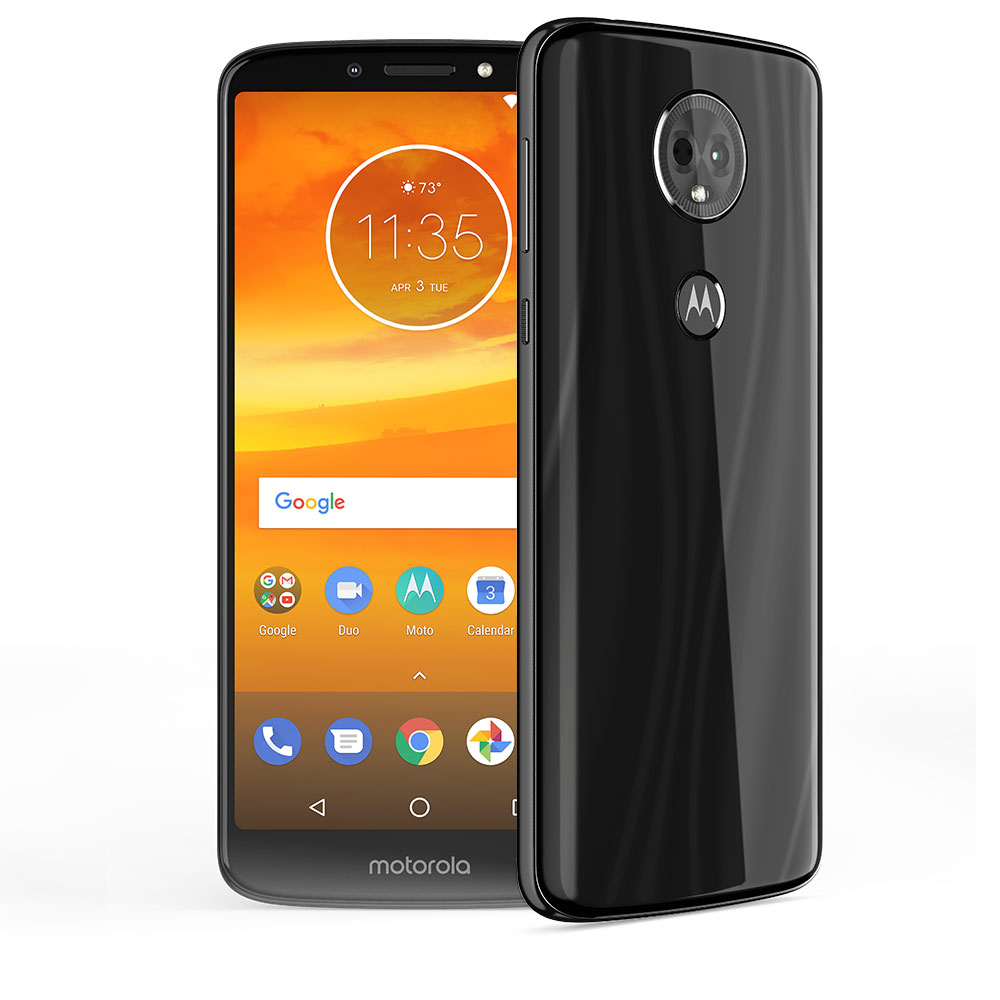
    Motorola, an old name in the cellphone industry, has been somewhat revived from the dead. The original company went under years ago, but Lenovo holds the rights to make handsets with the Moto name. That said, today we’re looking at the Moto E5 Plus, a “budget” phone with a huge screen. Is it worth the money, or should you stick to its siblings?

    Pricing and Availability

    The first stumble for the Moto E5 Plus is the availability. It’s only available on Sprint and Cricket, and neither of those are particularly strong networks. While they’re both serviceable, they’re less than ideal. That said, this is marketed as a budget phone, so being on budget networks shouldn’t be too big an issue. However, that’s the second stumble for this phone: the price. On Cricket, the Moto E5 Plus runs for $180, but on Sprint it’s $288. That’s absurd, to be honest, as you’re getting the exact same phone for $108 extra. Trust us, Sprint’s network and customer service don’t merit that much of an upcharge.

    At least on Cricket the $180 price sounds more reasonable. But how does the phone perform?

    Performance and Design

    In a word, the phone performs poorly. Yeah, unfortunately it’s not even worth $180. The camera, the screen and the processor are all just cheap. The screen isn’t as bright and vibrant, and there’s some notable delay on inputs. The processor doesn’t help here, as the phone sluggishly tries to keep up with apps. The camera is grainy, images are fuzzy, and the low-light performance is abysmal. If you’re on Sprint, don’t even think of getting this phone. If you’re on Cricket, it’s hardly worth it unless you love the design.

    On that front, the phone fares a bit better. The screen is quite large, which is nice if you have large hands. The resolution is really low, though, so images don’t look crisp. If you have small hands, you’ll hate this phone. The rounded design makes it easy to lose a grip on if your hands are smaller. That said, those with larger hands may like the design. Another positive, it has a long battery life, which is about the only good thing we can say about it.

    Moto E5 Plus Bottom Line: Skip This Phone

    If you’re looking for a good budget smartphone from Motorola, look for one like the Moto G6. That phone has a Gorilla Glass back, slick design and better overall performance. The crazy part it, the Moto G6 only costs $249, making it cheaper than Sprint’s price for this phone. All in all, this is a forgettable Android phone that’s overpriced for what it does. Skip this one!

  • EU: Google to Pay $5 Billion in Anti-Trust Fines

    EU: Google to Pay $5 Billion in Anti-Trust Fines

    Google takes a hit today as the European Commission hands down a ruling stating that the company is to pay 4.34 billion euros. That equates to $5 billion in fines, all related to anti-trust laws in the EU. The fines are in relation to the Android operating system. According to the Commission, the way that Android comes pre-installed with things like the Google Play store gives the company an unfair advantage in searches. As such, they have positioned their own search engine in such a way that meaningful competition can’t occur.

    The European Commission’s Anti-Trust Fine

    “Google has used Android as a vehicle to cement the dominance of its search engine,” said EU competition commissioner Margrethe Vestager. “These practices have denied rivals the chance to innovate and compete on the merits. They have denied European consumers the benefits of effective competition in the important mobile sphere. This is illegal under EU antitrust rules.”

    As such, the aforementioned fines will be laid at Google’s doorstep, and the company must change its operating system to be compliant with EU rules. This could include no longer shipping devices with Google apps like YouTube, Google Maps and the Google Play Store preinstalled in Europe.

    Google’s Response

    In response, Google has appealed the decision. Google CEO Sundar Pichai has defended his company against the claims of monopoly. Pichai reminded the EU that Google faces competition in the smartphone field from Apple and their popular iPhone brand. Additionally, Pichai reiterated that users are allowed to install non-Google competitors’ apps on their phones.

    Further, Pichai reminded the EU that Android has led to a diversification of the number of smartphones in the world. Since Google offers Android to any manufacturer free of charge, the number of different handsets has exploded. As such, Google argues, it’s only helped competition, not hindered it.

    Following Google’s appeal, the EU will take a second look at the charges and fines. This fight’s hardly over, but it seems the EU has taken it upon itself to act as international trust-buster.

  • Brava Pure Light Oven Feature Roundup

    Brava Pure Light Oven Feature Roundup

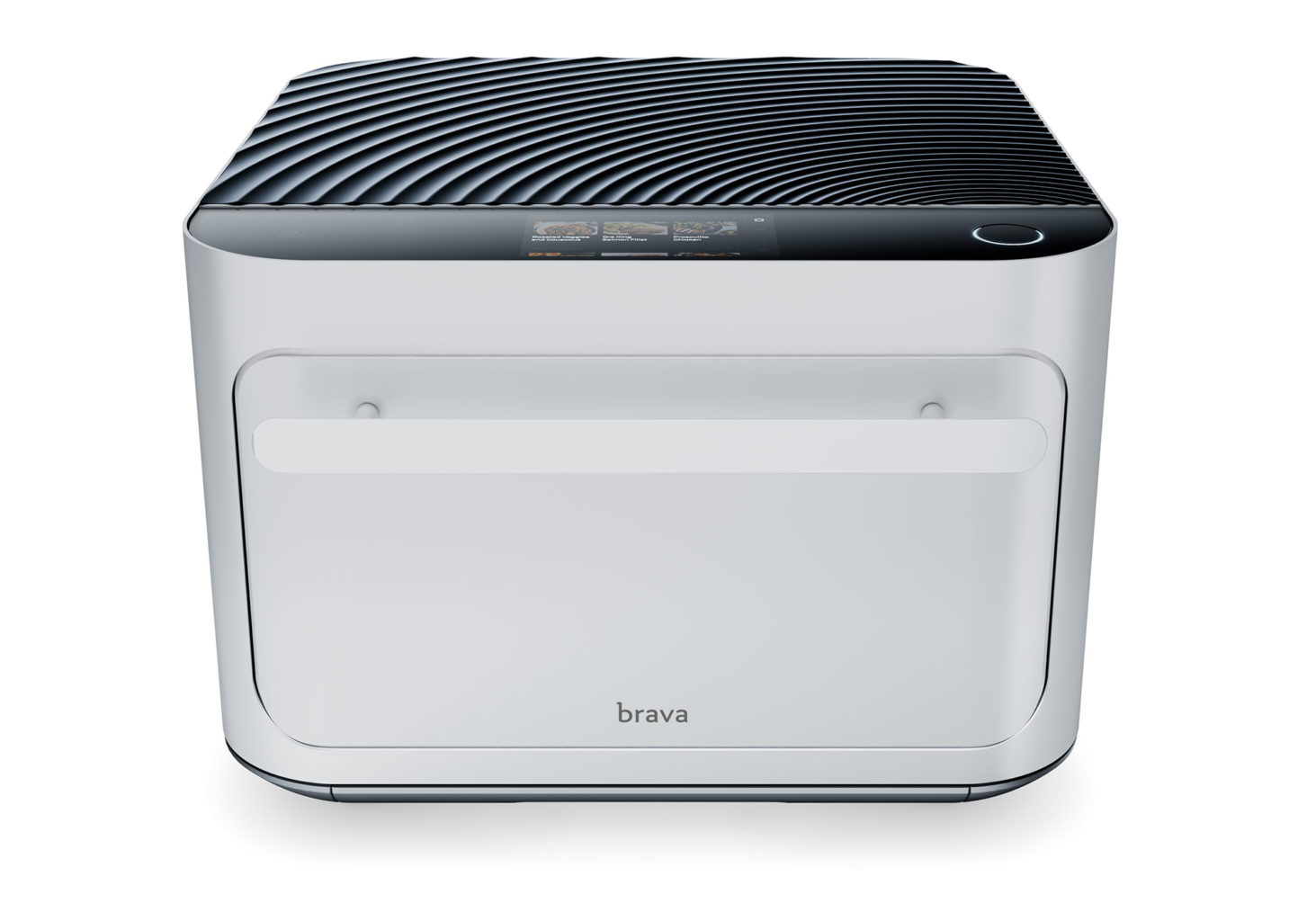
    There’s nothing that can ruin a good vacation faster than a sunburn. It’s hard to believe just how much you can be cooked by little more than light. Well, what if you could turn the cooking power of light from your skin to your dinner? That’s the concept behind the Brava Pure Light Oven. Today, we’re taking a closer look at this innovative gadget and rounding up its unique features. Let’s get cooking!

    It’s Not Magic, But It Seems Like It

    Brava’s biggest draw is the light-powered cooking it brings to bear. Using specialized bulbs and sensors, the oven tracks what type of food is in it and adjusts accordingly. As such, when you put a type of food in and tell the oven how to cook it, it responds with light energy. The wavelength of the light emitted allows the oven to penetrate deeper or hit the outside of the food. Things like searing and frying can be done equally well, as the Brava uses physics to bypass the normal issues with cooking.

    Physics Make This Oven Smart

    You don’t even need to watch food with a Brava. You simply pop it into the over, tell it what you want and let it go. The smart oven will then send light energy directly into the food. Not into the air around the food, or into the pan underneath it, no. The Brava Pure Light Oven sends the energy directly into the food you’re cooking. That means that the food will be cooked in a fraction of the time it would normally take to cook it. You don’t have to wait for anything to heat up, and you’re not transferring energy. As such, the food will be cooked faster, automatically, and perfectly every time. That’s revolutionary.

    Brava Pure Light Oven Pricing and Release

    The Brava oven will be available this November for around $1,000. That might sound steep, and in fact you might be thinking about similar premium kitchen products that have flopped in recent memory. Juicero, for instance, the $700 juicer that sank like the Titanic, comes to mind. Brava’s makers, however, are confident that their oven will find its market. And why shouldn’t they be? Their oven can cook a meal for two in minutes for less power than it would take to preheat an oven. That’s no mean feat! Expect the name Brava to be on everyone’s lips come November.