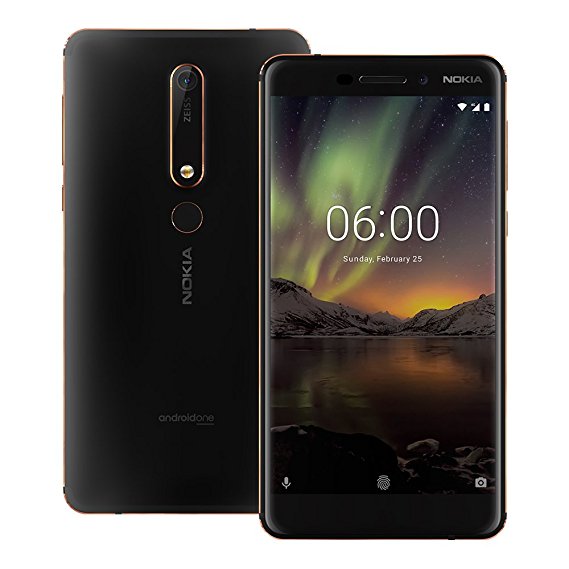
While Apple’s iOS phone operating system is only available on their proprietary phones, Android is an open-source platform. As such, the Android OS is rife with competition. Some of the fiercest competition this year is coming for the Galaxy line of smartphones from Samsung. On the one hand, Google’s own Pixel smartphones are gunning for the throne. Even Motorola, once a maker of budget-friendly phones, is aiming to be the greatest high-end Android these days. One phone, however, is aiming to bring great power at a great value. And that phone is the Nokia 6.1, coming in at an impressive $269.
The Specs
The Nokia 6.1 is a technically impressive smartphone considering its cost. It’s powered by a Snapdragon 630 and sports a 5.5-inch 1080p display. It’s working with 3GB of RAM, and it rocks 32GB of internal storage. The rear camera has 16 megapixels, and the phone even sports a 3.5mm headphone jack. Like most modern smartphones, it charges with a USB-C port, which is nice.
Design
All of that is housed in a solid-feeling metal casing, giving the phone heft and making it feel durable. The flash is somewhat far from the rear camera, and the phone has a good bit of character. The design feels premium, if somewhat minimal. One would expect a phone in this price range to be bland and faceless, but the 6.1 is no such thing. It simply feels like a modernization of Nokia’s older design principals. That said, the design isn’t perfect: the rear fingerprint scanner is somewhat small. However, that’s a small gripe, as the phone otherwise carries that legendary Nokia durability.
Nokia 6.1 Bottom Line
If you’re looking for a good, clean Android phone with a lot of design purity, this is it. No frills, no gimmicks and no heavily-rebranded Android OS cloud this phone. The experience is minimal, the presentation is tasteful, and the price is right. If this phone is any indication of the types of things we’ll see from the new Nokia, then we can’t wait to see what they make next.
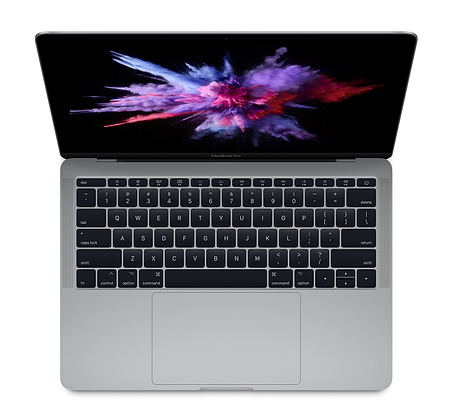
The MacBook Pro line has been in serious need of some love. They’ve been struggling to make a name for themselves in the increasingly-crowded mobile device space. Between the Surface line from Microsoft, smartphone competition and increasingly affordable Windows laptops, MacBook has been in trouble. Thankfully, the 2018 MacBook Pro is the update the line sorely needed.
2018 MacBook Pro: What’s New?
There are a few new things going on with this year’s MacBook. The first, and most notable, of course, is the updated keyboard. The previous butterfly keyboard, with its “chiclet” style, had few fans. It got stuck often, was noisy and generally hard to type on. This redesigned keyboard, by contrast, is quiet, responsive and much more durable. You’ll likely find it a market improvement over the previous keyboard.
The computer has received an under-the-hood overhaul, too. The 13-inch laptop comes with either an i5 or i7 processor, both of which are quad-core. The 15-inch option has either an i7 or i9 processor running the show, both with six cores. The 13-inch version has 2 TB of internal storage, while the 15-inch has 4 TB. That’s all pretty encouraging, to be sure!
The 15-inch sports impressive graphics thanks to the AMD Radeon Pro GPU, while the 13-inch has integrated Iris Plus 655 graphics. While the 13-inch will put out a decent image, those with serious design tasks on their plates should opt for the 15-inch.
A few other minor touches: the new laptops have the iPhone X’s True Tone technology. That means the screens will adapt to ambient light and match the lighting around you. The Touchbar (now standard on both 13- and 15-inch models) has True Tone as well. Neat!
Oh, and the laptops now support “Hey, Siri!” Alright, that’s pretty cool, if a bit frivolous.
Pricing and Release
The pricing on these laptops remains unchanged from last year, which is stellar. The 13-inch model is still $1,300 and the 15-inch runs $2,400. Now, those numbers aren’t low, but the MacBook Pro isn’t a budget machine. Both models are out now.
While the paint has barely dried on Windows 10, rumor has it that Microsoft has something up its sleeve. Synaptics, a company involved with AMD, has released a statement regarding their work on state-of-the-art biometric security measures. According to Synaptics’ press release, the system will be for use in “enterprise/commercial and consumer notebook PCs based on next-generation AMD Ryzen Mobile platform and Microsoft’s next-generation operating system.” Well, that’s pretty on-the-nose, huh?
New Operating System
Synaptics’ press release even mentions Windows Hello by name, calling the new OS a “forthcoming biometric security OS including Windows Hello”. This lends some credence to the idea that the upcoming system might be for use in handheld or tablet devices. Since personal home computers aren’t generally as unsecure as handheld devices, it would make sense if this new biometric-focused OS was for products like the Surface tablet.
This is all guesswork, of course, as there are no hard details from Microsoft. However, there are a few conclusions that can be rather definitively drawn. For one, Windows 10 hasn’t been out for very long, so it seems unlikely this new OS would be replacing it. Further, Microsoft has been fighting tooth and nail to break into the mobile market. Windows phones, the Surface line of tablets and the newest initiative, “Always-Connected PCs” are all evidence of that. It seems likely that this new OS would be aimed primarily at this market.
While Apple has perfected face-scanning biometric unlocking with the iPhone X, other companies are a bit behind schedule on that technology. Fingerprint scanners remain common, and for most cases, the most secure. However, some new smartphones have tried to experiment with face-unlocking, to hilariously mixed results. Notably, some Android phones have been unlocked by print-outs of their owners faces. Not exactly model security functions.
In fact, Microsoft’s own face-unlocking software, Windows Hello, was fooled by this exact same technique recently. As such, it makes sense that they’re working with Synaptics and AMD to shore up their security efforts.
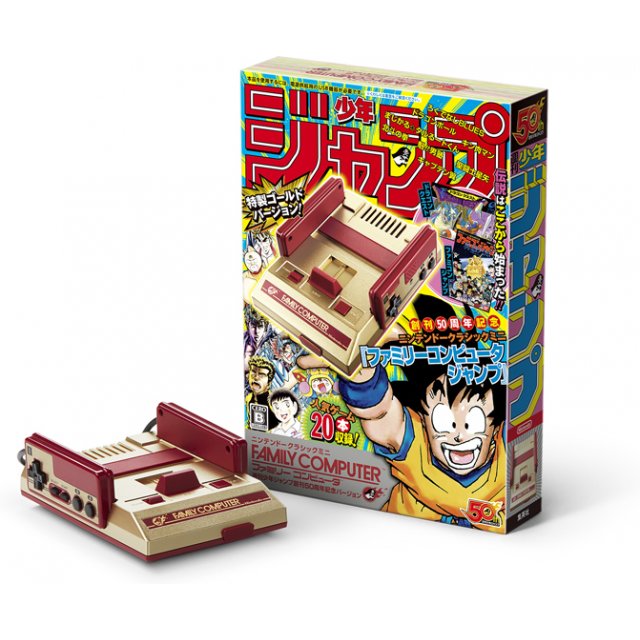
Nintendo accidentally struck gold with their miniature Classic Edition consoles in 2016. The first, the NES Classic Mini, sold out everywhere so fast that it was being sold at insane markups online. The follow-up console, the SNES Classic Mini, had slightly less distribution issues, but still sold out within a week. Just a few weeks ago, the company restocked both mini consoles, but that wave has also been sold out in most places. All of that is nothing compared to the fervor around one Japanese version of the system, though. The Famicon Classic Mini Shonen Jump Edition is exclusive to Japan, and it sold out in hours.
What’s in the Box?
The Shonen Jump edition of the Famicom Classic Mini is largely a different beast than either the NES or Famicom mini consoles While the original versions shipped with hits like Super Mario Bros, Legend of Zelda and Metroid, this one has some oddball choices. Namely, the games in this collection are almost all based on Shonen Jump properties. The manga magazine is mega-popular in Japan, and in the 80’s there were a number of successful licensed tie-ins.
As such, the games packed into this mini console aren’t the draw for most American collectors. For the most part, they’re all pretty niche. Interestingly, Dragon Quest does make an appearance on this system, as Shonen Jump mainstay Akira Toriyama did the art for that game. However, the system is otherwise loaded with licensed games that are all entirely in Japanese.
A Famicom Classic Mini with a Shonen Spin
The Shonen touches filter down to the design of the console itself. It has red and gold trim, making it very flashy and eye-catching. This may be the most alluring aspect to American collectors, as the box looks awesome on a shelf. Hilariously, the controllers are incredibly small on this re-release, as they slot into the tiny Famicom just like the original. This extends to the cords, unfortunately, as they’re comically barely more than a foot long.
However, most Americans wouldn’t be playing this one too much if they snagged one: all the games are in Japanese. Unless you can read Japanese and have a particular love for 80’s-era Shonen licensed games, you’ll likely find little to do with the library. However, if you do read Japanese, another crack at the first Dragon Quest game would always be welcome!
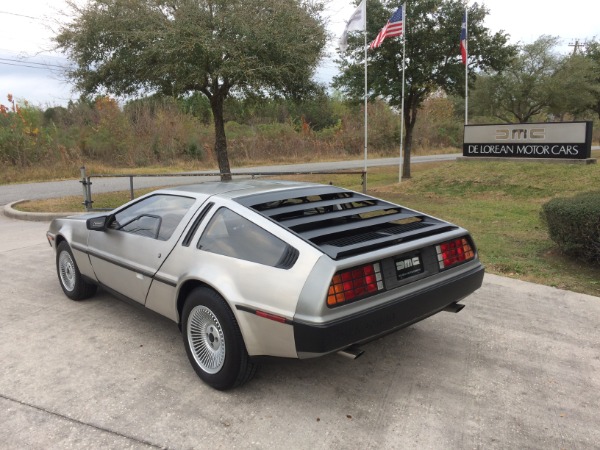
Full disclosure: I love everything about Back to the Future. It’s heartwarming, hilarious and just altogether wonderful. That doesn’t excuse the DeLorean from its many faults, though. The DeLorean is stylish, to be sure. But it has some glaring design flaws that make it a mess to use as a normal vehicle. On the small-scale, it has a windshield-mounted antenna, so good luck picking up radio signals. More glaring, however, was the car’s weight-to-engine ratio. The DeLorean was heavy, partly as a result of its spotty build thanks to the inexperienced workers making it. Further, to cut costs, the engine was underpowered. This resulted in a very sluggish, unresponsive drive and a generally disappointing experience. Marty hitting 88 MPH in a DeLorean is honestly more unlikely than Doc Brown making a time machine.
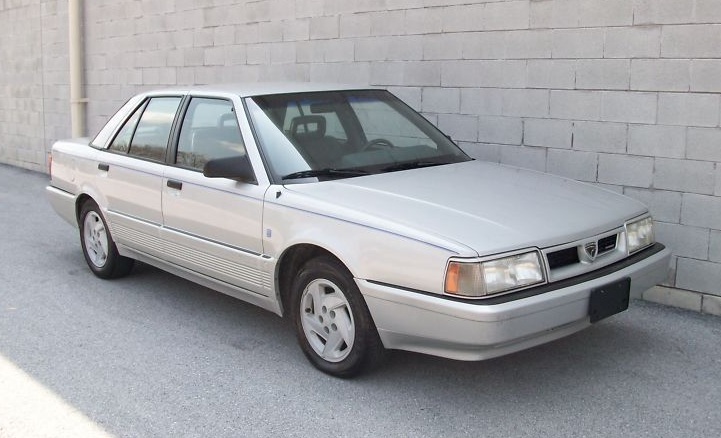
After being bought by Chrysler in the late 80’s, the Eagle brand suffered a pretty serious identity crisis. Chrysler had to swap out the original, somewhat fuel-efficient AMC engine for contractual reasons. In its place, the company put a PRV 3.0 Liter V6. This engine is incredibly thirsty, guzzling gas in a way that makes no sense for a car this small. Further, the car suffers from sloppy braking, has a dash-mounted gear-shifter and is generally just bland and boring. While some cars on this list have a few fans, the Eagle Premier is not one of them.
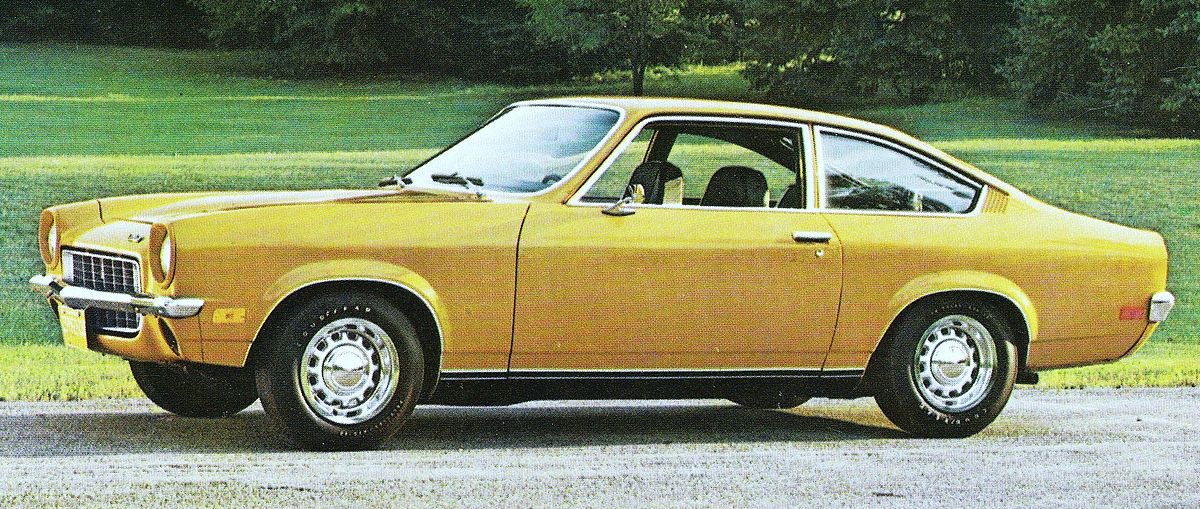
Astonishingly produced from 1971 to 1977, the Chevy Vega was created in the midst of several worker’s strikes. And boy, does it show. It was rushed to market and underdeveloped, and several flaws were still present in the vehicle when it went to mass-market. These flaws would go on to be found by customers: the aluminum block engine, for instance, would overheat and warp. This would cause it to rattle, lose oil and generally perform unreliably. And really, your customers shouldn’t be finding such glaring flaws in your design after the car has been mass-produced.
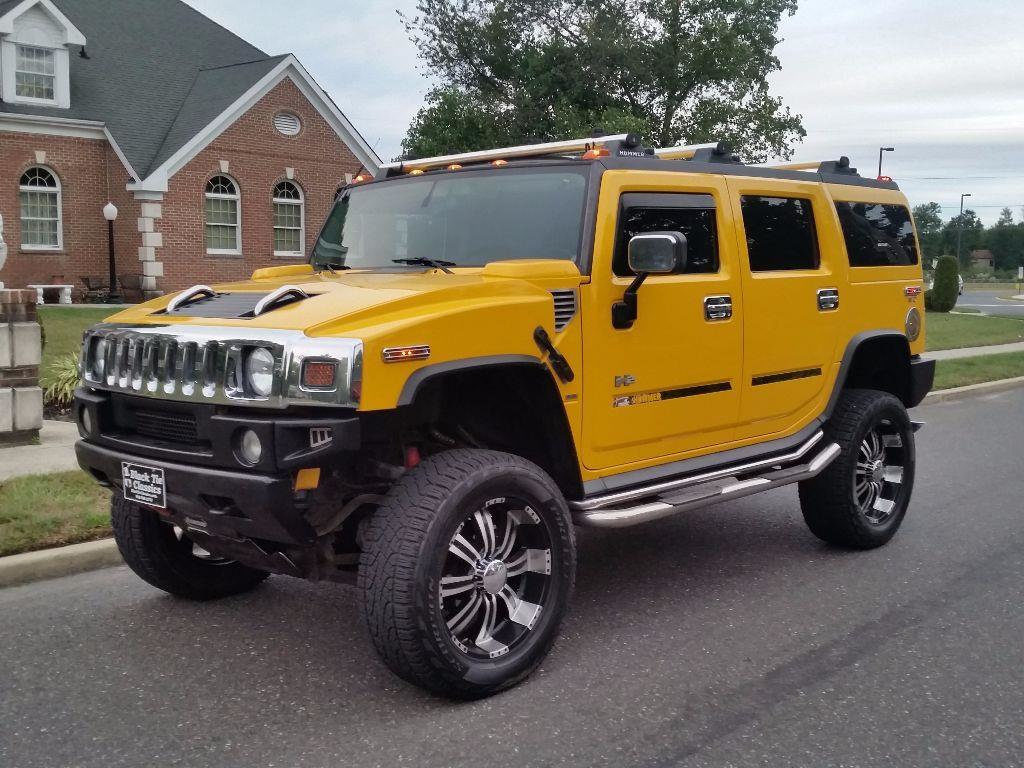
The golden years of dude-bro jocks riding in oversized gas-guzzlers came between 2003-2009. You see, those were the years that the Hummer H2 was in production. The Hummer had militaristic design angle and got nine miles to the gallon. Yes, nine. If you think a car could be more out of touch with its era, you’re wrong. The H2 hit the scene right as America was going to war in the Middle East over oil. And it looked like a tank. A tank that guzzled gas. Perhaps you’re following this to its logical conclusion: the vehicle was an insult to Americans and the world as a whole by what it represented. Not to mention, as a car, it was nothing special. It had heated seats and a nice stereo, sure, but it cost $53,000. All that to have a hard time parking anywhere and spend hundreds on gas every month? No thanks.
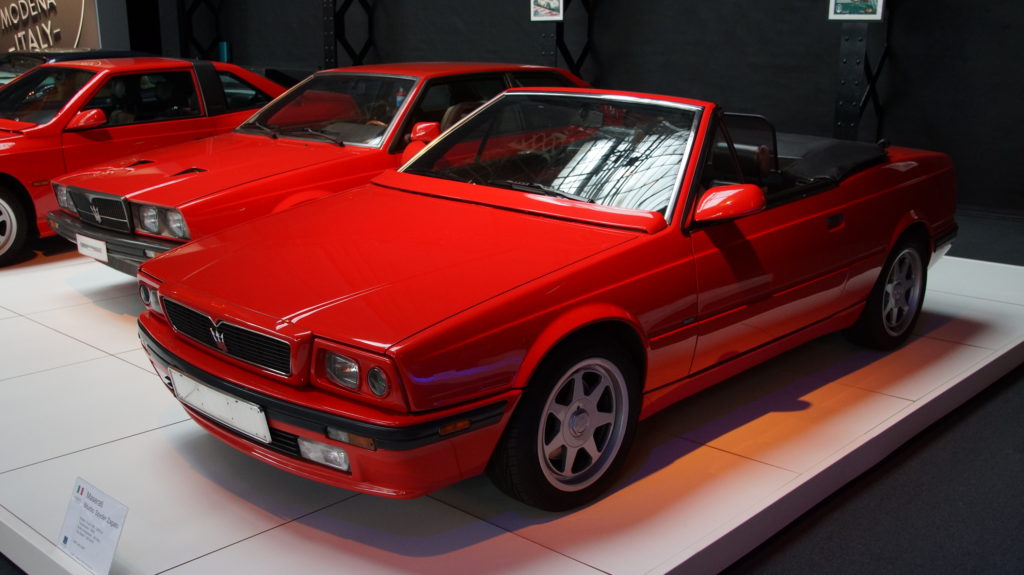
While the Biturbo, released in 1981, may bear the Maserati name, it doesn’t have that brand’s signature build quality. Maserati was a little low on funds in this era, and as such, they outsourced the design and assembly of the Biturbo’s body. And it shows, too. This unreliable mess of a car can go pretty fast, but it rattles and shakes and doesn’t slow down well after getting up to speed. The Biturbo has the dubious distinction of being the worst car from a fantastic carmaker. Surprisingly, it stayed in production until 1986.
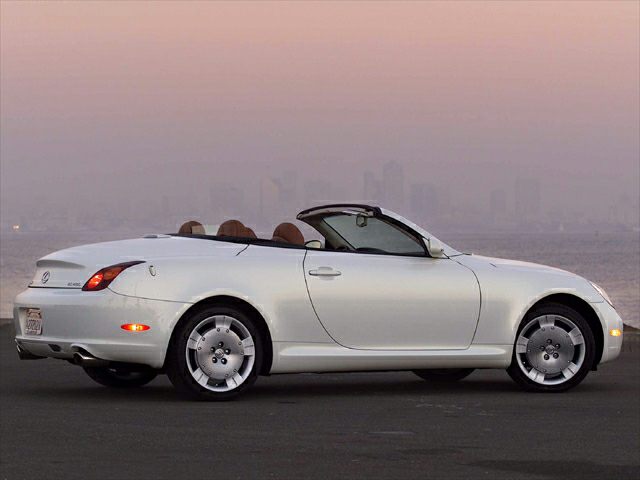
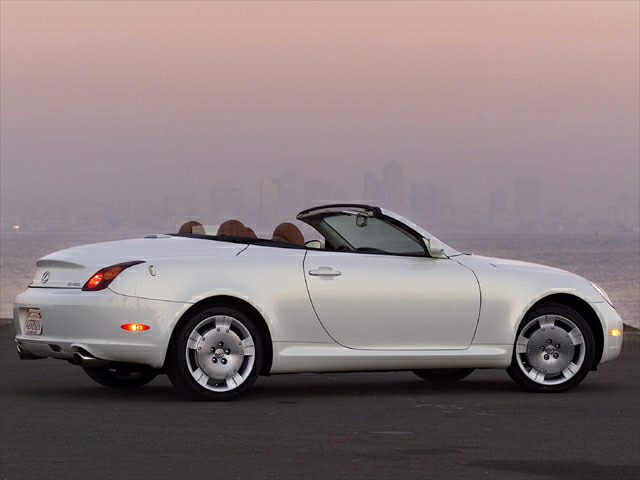
Another terrible car from a great carmaker, the Lexus SC 430 is a confusing vehicle. The SC 430 was released in 2001, and somehow remained in production until 2004. Priced as a luxury car, the vehicle packed a wimpy v8 engine and had a cramped interior. It didn’t have much in the way of style, either: it was designed to look like a yacht. Seriously, Lexus somehow missed all the “boat car” jokes and literally designed a car to look like a boat. And, get this: Lexus intended for the SC 430 to actually contend with BMW’s luxury offerings. No, seriously!
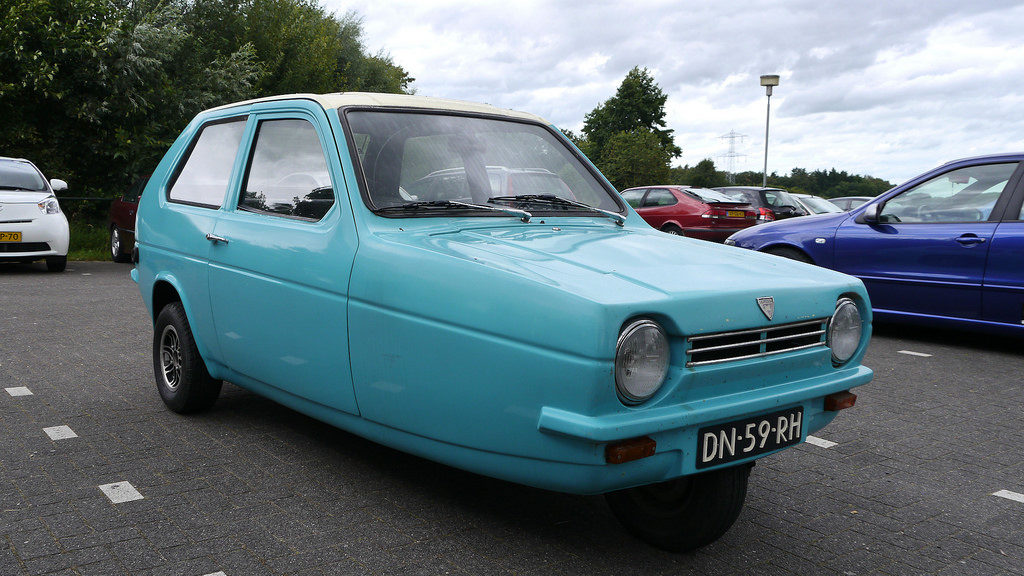
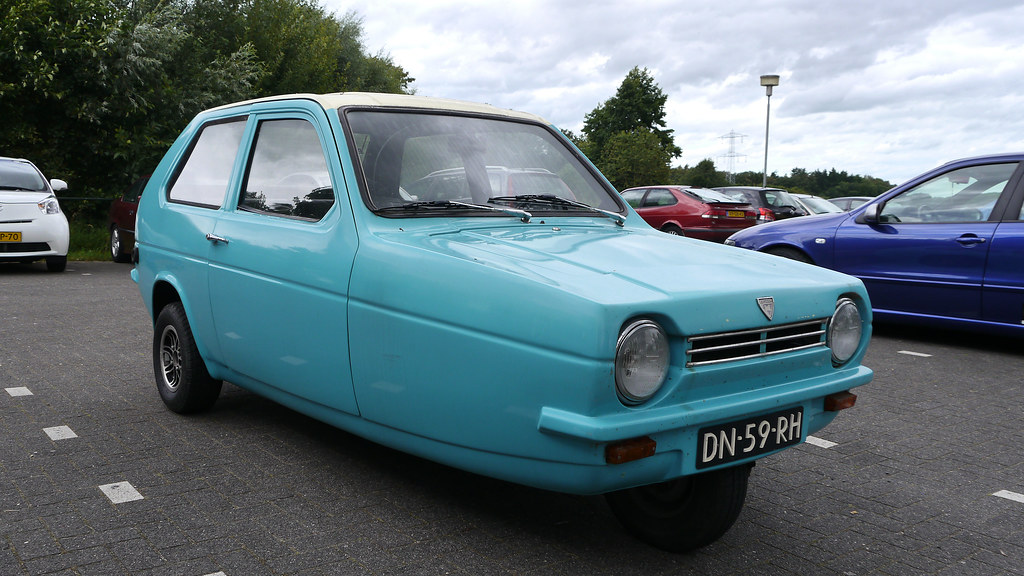
Famously derided on Top Gear for its three-wheeled design, the Reliant Robin Mk. 1 is a seriously ugly vehicle. The vehicle was rather popular in Northern England, as it was cheap, but it had a pretty major flaw. You see, when you make a three-wheeled vehicle, and that vehicle is top heavy, it flips over. A lot. And that’s really quite dangerous! While the famous Top Gear segment showing how the Robin is incredibly prone to topple over was staged, it still demonstrates how dangerous it is to have only one front wheel.
In 1961, the Amphicar made the scene. Yes, someone looked at their car and said, “let’s make it a boat, too.” Jokes aside, the car was made in West Germany and was intended to echo WWII era designs for amphibious vehicles. The Amphicar, however, sported an absolutely abysmal performance both on land and on water. The tiny little engine only carried 38.3 horsepower. If you’re going to make a car that’s also a boat, make sure it’s also a car, first. Worse still, though, the car wasn’t waterproof. It used a pump to control leaks. If you’re going to make a boat that’s also a car, make sure it’s also a boat first, too, apparently.
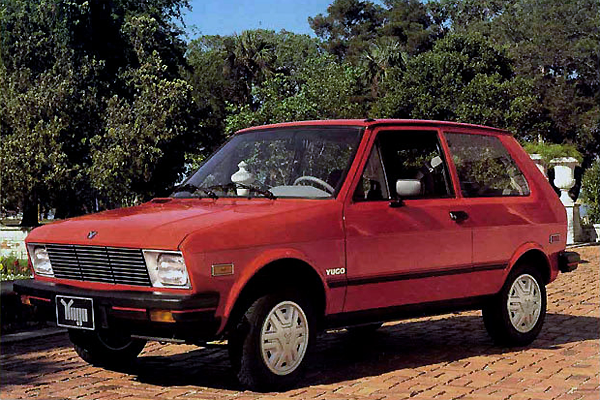
The Yugo has the distinction of being in production the longest of any of the vehicles on this list. Originally released in 1978, this awful little vehicle stayed around until 2008. The Yugo’s draw was just how cheap it was, coming in at $4,000. However, you get what you pay for, as the terrible car had a whopping 45 horsepower and topped out at 80 MPH. After 1991, the build quality of the Yugo got so poor that the vehicle had a reputation for its self-destructing habits. The timing belt was prone to snapping, and when that happened, the engine would essentially blow up. Maybe shell out a little more than $4,000 for a new car next time, guys!
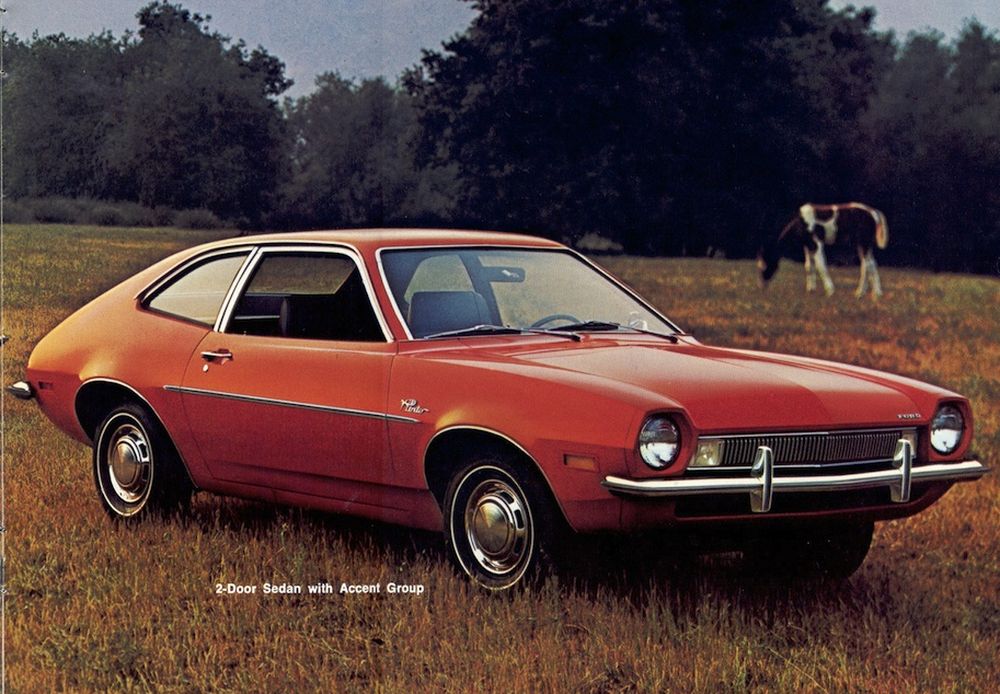
The Ford Pinto’s sins are numerous, and they all add up to make it the worst car ever. You likely knew this one was going to be on the list when you saw the name. That said, for those of you unfamiliar with the vehicle, we’ve give you the run down. Produced from 1971-1980, the Pinto is an unforgivably ugly vehicle. It has very little power under the hood, the suspension is terrible, and it has abysmal brakes. The worst part, though, was that the gas tank was located in the back of the car. This gave the Pinto a bad habit of literally exploding into flames when rear-ended. To add insult to injury, a Ford memo stating that they’d rather pay out settlements to victims than safety-test their vehicle led to a PR disaster. To this day, the Pinto’s infamy is widely-known.
Everyone loves to throw down with a great video game! What’s even better is getting to game on the go. What’s the best is saving money on a budget gaming laptop! Today we’re looking at the best gaming laptops that won’t break the bank.
Lenovo Legion Y530
Lenovo’s laptops are generally well-built, sturdy computers that don’t disappoint. Starting at $750 for a configuration that sports GTX 1050 graphics, or $840 for 1050Ti, it’s a solid price. If you just need a simple, sturdy laptop to play games on, this one is a solid pick. It’s got a minimalist design, a back-lit keyboard and a good display. This is an all-around solid pick and you can’t go wrong with Lenovo.
Asus TUF Gaming FX504GD
Asus is renowned for their balance of performance and price, and this one doesn’t disappoint. This laptop sports a comfortable, durable keyboard that’s great for gaming and will last for millions of keystrokes. In our opinion, the best configuration of this one is the $899 one with a 1050Ti GPU, a six cored i7 processor and a great display. It also boasts an edgy, industrial design that screams “awesome gaming laptop.”
Acer Nitro 5
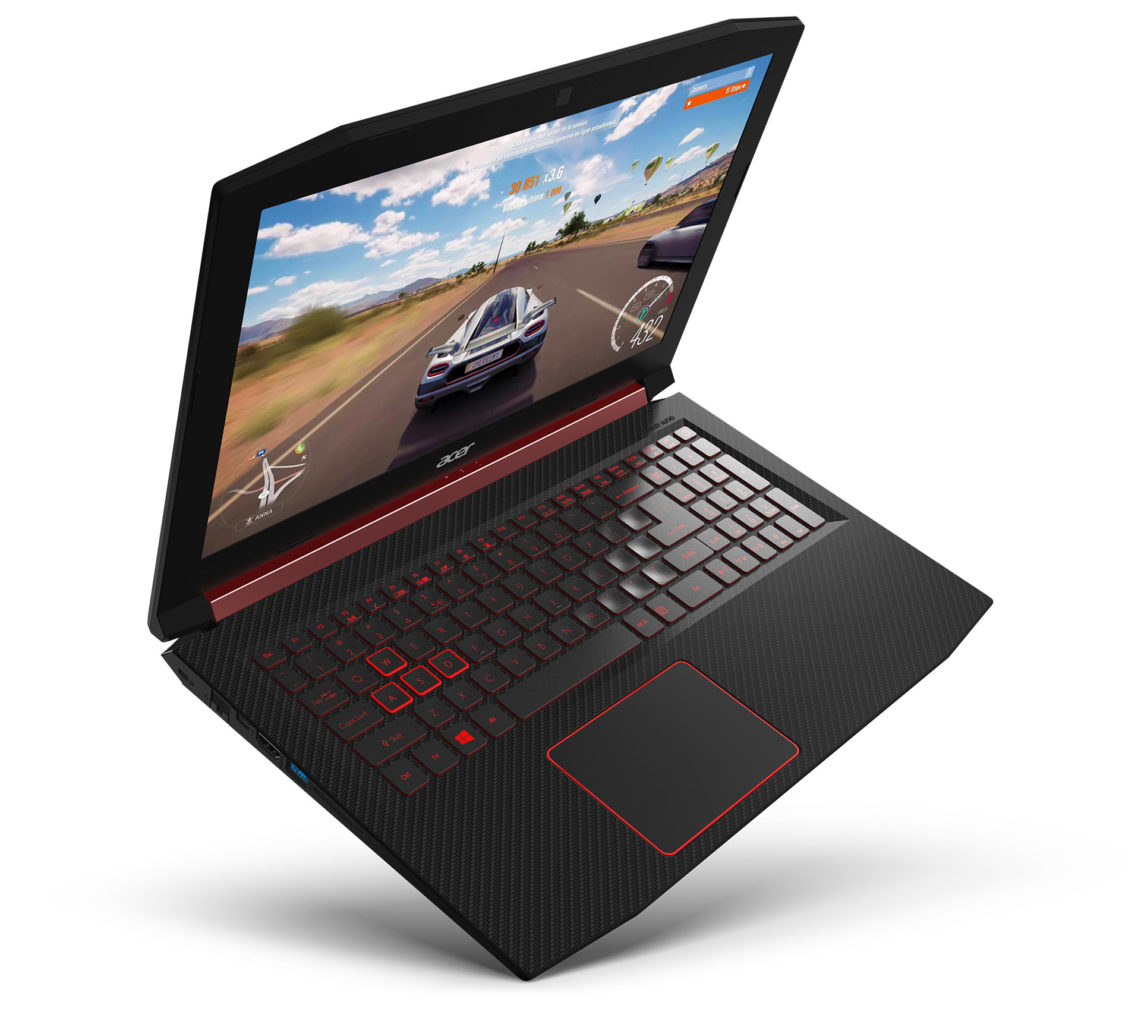
The Acer Nitro 5 is a great budget gaming laptop for those who want a ton of performance on a small budget. For $650, you get GTX 1050 graphics, which is a really great deal, dollar-for-dollar. For a sight more, at $730, you get 1050Ti, which is also a great deal and can even put out images on par with most gaming desktop rigs. If you want a really solid balance of power and cost, this is it. The Nitro 5 is a bit lacking in some other areas, and it could be considered a slightly cumbersome machine. That said, it’s still an amazing value for the power under the hood.
Best Overall Budget Gaming Laptop: Dell Inspiron 15 7000/G5 15
If you’re really looking to make your money stretch, the durable and reliably Dell Inspiron 15 is right for you. There are a number of various models available in this range, and configuration for any budget and gaming taste exist. If you’re trying to keep the budget low, the G3 15 Gaming configuration comes in under $700 and has GTX 1050 graphics under the hood. Alternatively, if you want a more high-end experience, the GTX 1060 Max Q enabled rig runs for $999. All that power, and it still comes in under $1000! Not bad, huh?
Laptops are very essential these days- for school, work, or just personal use. The price of a premium new laptop can cost up to $1,000, which is pricey for anyone. Numerous companies have made laptops more affordable while keeping the quality and capabilities of more expensive laptops.
You don’t have to feel like you’re settling when shopping for a laptop under $500. There are value-priced notebooks that include full-HD displays, solid performance and long battery life, plus all the ports you need. We picked all the best all-purpose laptops in $500 price range which we think are best laptops to suit the wide range of requirements of people. Here is a list of the best five laptops under $500!
1. Dell Inspiron i3567 Laptop
The latest version of this Dell laptop has a powerful system in place with 8GB of memory and a 128GB hard drive and a Intel Core i3-7100U 2.4GHz processor. It has a professional feel in it’s all black look with a 15.6-inch laptop with a screen resolution of 1366 x 768. The operating system runs smoothly with Windows 10 and is backed with a 12 month warranty, with 12 months of tech support.
A new, powerful hardware system
Has many ports and slots to use your external devices
8 GB Ram
7th Gen Intel Core i5 processor
It is not backlit enabled
Battery life up to 5 hours
2. Acer Aspire A515-51-50RR Laptop
The Acer Aspire 5 is one of the best budget full-size laptops you can find in stores today. It checks most of the right boxes: well built, slim and fairly light, gets a decent keyboard, an IPS screen and modern hardware, performs well, runs cool and quiet and lasts for a long while on a charge. This slim and sleek laptop is a great all round performing laptop, especially for the price. The visuals are spot on with vivid, bright colors.
LCD display and is backlit
2.50 GHz Intel Core i5-7200U processor
Storage: 1TB hard disk
Intel HD 620 graphics
Battery life up to 7 hours
All-plastic chassis
3. HP 15-ay191ms Laptop
The HP 15-ay191ms, a signature edition laptops that comes with a seventh-generation Intel Core i3 processor, 8GB DDR4 system memory, 1TB of storage and a touchscreen, but still remains insanely affordable. It’s one of those laptops you’d buy without a second thought if you find inexpensive chromebook attractive, but really, really need Windows. If you love touchscreen, this one’s for you! This laptop contains the Kaby Lake processor which makes this laptop consume little power. Apps are not an issue here, they all run very smoothly.
Touchscreen
Intel Core i3-7100U processor
8GB RAM
1TB hard drive
Lag-free performance
Battery life up to 6 hours
4. Dell Inspiron i3567-5185BLK Laptop
Yet another Inspiron made this list! This version comes in different color options and a textured finish. Packed with a large 15.6 Inches display and a decent 7th Gen Intel Core i5-7200U up to 3.1GHz CPU processor. This Dell laptop model would work well for portability with its 4.85 Pounds lightweight design and sleek black look. Great for school work or the family computer. A huge bonus with this laptop is it doesn’t heat up much!
2.4 GHz Intel Core i3-7100U processor
8GB RAM
TB hard drive
LED display with a built-in webcam and mic
Battery life is up to 6 hours
5. ASUS Chromebook Flip
This is one of the best convertible laptops on the current market. The Asus Chromebook Flip C302 is worthy of its premium stature with a gorgeous screen, tactile keyboard and a classy design that’s equally as comfortable to use in tablet mode or as a traditional laptop. The screen is a full HD touchscreen and can be converted from a laptop to a tablet by turning the screen. A top pick for a college student!
Need coffee? K-cups are the most convenient and fastest way to get your daily dose of caffeine in the morning. Great for people always on the go, K-Cups are a godsend to working people and stay-at-home parents everywhere.
Available in grocery stores and other retail stores nationwide, K-Cups have come to dominate the coffee industry. With tons of K-Cup options and accessories available, you can find any flavor and type of coffee you can imagine, making for a whole lot of options, and with K-Cup refill filters, you can use any brand of coffee you prefer and save money. If you are interested in learning more about K-Cups where to get them at the best prices, read more below.
When they first came out, there were only a few choices of K-Cups available, now there are literally hundreds to choose from. You can find Keurig brand K-Cups at most stores including popular flavors such as Keurig’s Donut Shop coffee. If you aren’t sure which cups you might like, you can purchase a variety sample pack, just like the ones you might find included with your Keurig machine. If you already have a coffee brand you prefer, you can find both home-brew brands like Folgers and Café Bustelo, and coffee shop brands like Starbucks, Peet’s Coffee and Dunkin Donuts in a variety of their flavors. With these conveniently ready-to-brew pods, you can make coffee almost instantly – just turn on your Keurig coffee machine, load the pod, press the button and you’ll have a piping hot cup of coffee in less than a minute.
How You Are Overpaying Now
When it comes to replenishing your supply, there are a few different ways to go about it. The most expensive way is to buy your K-Cups in the store. Often, you’ll find K-cups in packs of 10 for around $6 or $7, but this is not the most economical option. This brings you to $0.70 per cup of coffee…
How to Save Now
When it comes to saving money, the key is to buy the larger boxes because, the more you buy, the more you can save in the long run. While the packs of 10 are great for trying out certain flavors, you can buy larger boxes of 60 to 75 K-Cups for $35 to $40 in wholesale stores like Costco, in some grocery stores like Ralphs, or even online from websites like Amazon. Doing this could bring you to $0.50 per cup of coffee or less, saving you almost a quarter each cup that you drink. If you are anything like our staff at GoodFind, that savings adds up very quickly.
With Amazon, you can subscribe and save on K-Cups, having your preferred brand and flavor ordered and shipped to you automatically each month. Another option for subscription services is to use Keurig’s Auto-Delivery service that allows you to buy all Keurig branded cups as often as you like with a savings of 25% off. There’s also premium coffee subscription services like Coffee cargo, where you can try premium coffees that you can’t get anywhere else.
Other Options
Another great way to fill up is with refillable options. With K-Cup refillable pods and filters, you can use literally any coffee you prefer, because you can add your own ground coffee into the pod. This is a great way to get that same fresh ground taste right out of your Keurig machine. Refillable K-Cups called GoodCups can be purchased through Amazon and are loaded into the same spot where you would put your disposable K-Cups. Coffee Bean N Leaf Brews makes another great refillable coffee pod that is completely reusable and dishwasher safe. Of course, Keurig also makes their own refillable pod: the Keurig My K-Cup that allows you to use your own gourmet coffee by adding it to the filter provided. Replace the filter with the pod loader attached to your machine and you are ready to go. Using any refillable pod is not only a great way to have your favorite coffee not available in disposable cups, but it’s also great for the environment too!
Keurig Green Mountain said it plans by 2020 to change the plastic composition in the billions of K-cup single-serving coffee containers it sells annually, making them more lucrative to recyclers while removing one of the nagging complaints that mountains of the little pods are piling up in landfills.
“Our goal is 100 percent Keurig K-cup pods diverted from landfills by curbside recycling,” said Monique Oxender, the coffee brewer’s chief sustainability officer. “The consumer is going to brew it, peel and empty it, and pop the pod into the recycling bin in the same behavior they would do with a yogurt cup. We want them to make it a habit.”
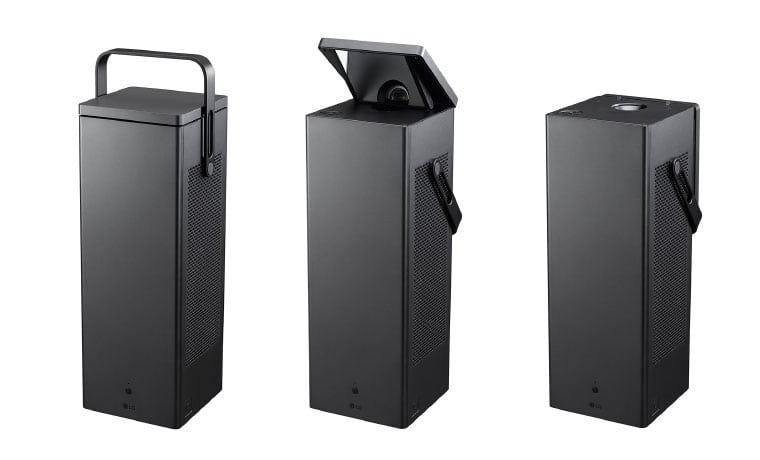
The latest tech from the South Korean manufacturer LG is set to embrace the Ultra-HD revolution in its LG Cinebeam 4k Projector, specifically the all-new HU80KA 4K Projector that we saw at CES earlier this year: LG has just released that the portable projector starting at $2,999.
The Great
Bright
Light
Beautiful Picture
Ultimately Portable
Best Value for 4k Screen Size
The Not
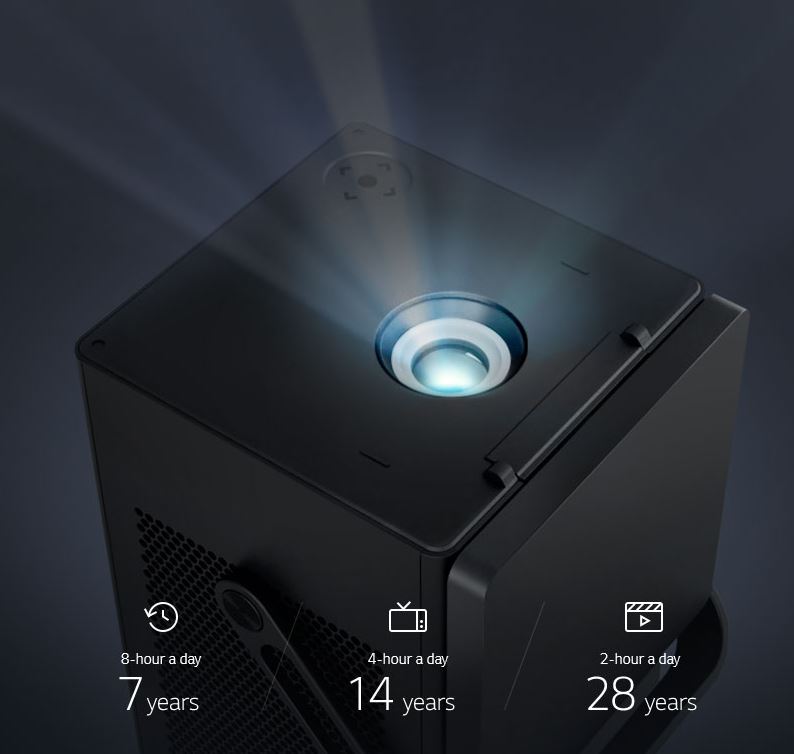
Limited Light Lifetime
The Conclusion
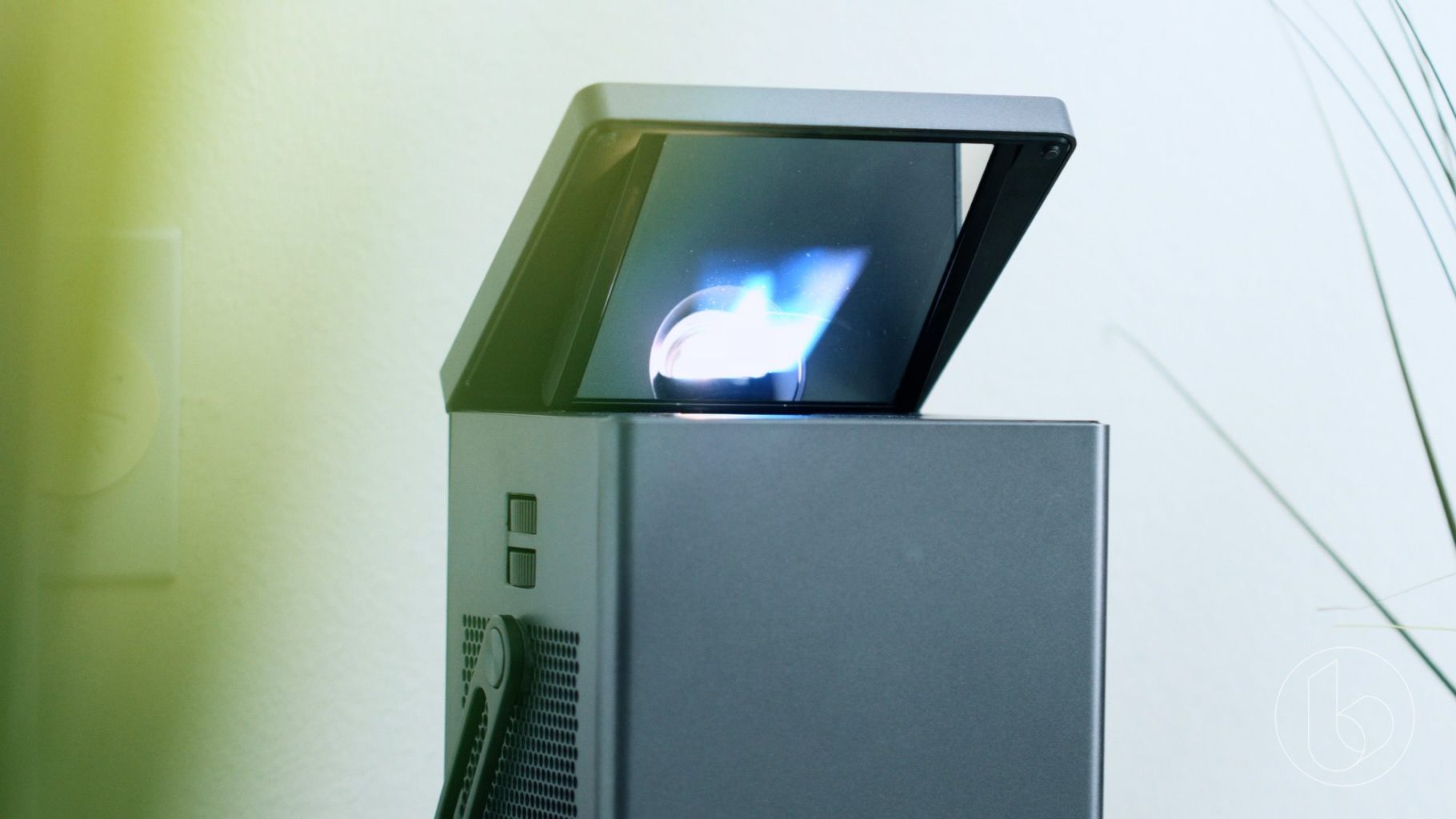
The LG Cinebeam 4k Projector is LG’s brightest projector yet, able to display a 150-inch picture at 2,500 lumens, while its HD projectors top out at 2,000 lumens. To take advantage of this extra brightness, the HU80KA also supports high dynamic range via HDR10, though unfortunately, Dolby Vision doesn’t appear to be supported. Two built-in 7-watt speakers provide enough audio power in case you’re bringing the projector with you, but you can easily connect it to an external speaker system or sound bar using the optical output, HDMI, or wirelessly via Bluetooth.
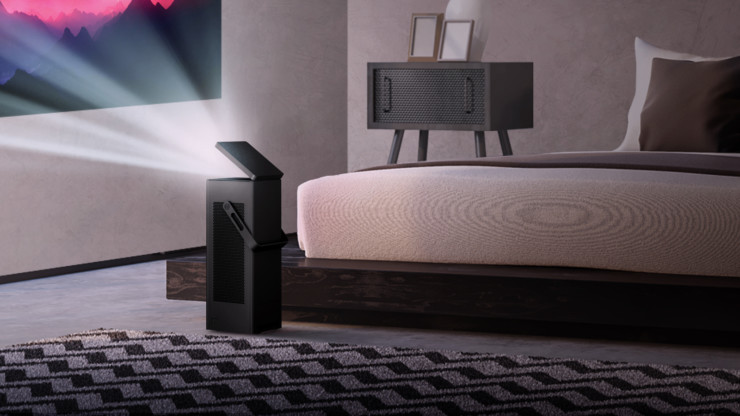
The LG Cinebeam 4k Projector is a versatile and beautifully glorious black box. Spunky one-two 7 W speakers that you can choose to hook up to external speakers and sound bars via optical or Bluetooth. Size and weight, this compact package comes in at about 14 pounds, but delivers far above its competition with a stunningly sharp laser engine that projects up to 2,500 lumens, allowing crisp viewing even in bright conditions. Coupled with LG’s innovative Trumotion Technology, the compact box paints an amazing 150″ screen (74″ by 132″) on your wall from 14.1 feet. Do the math, and a screen 70″ or greater can be projected directly on the ceiling. Makes it Nice for viewing in bead but also just adding a nice Star light canopy or thunderstorm right above your bed.
LG Cinebeam 4k Projector 77 Inch OLED
Even a mammoth 77-inch OLED is dwarfed by a 150-inch picture, and that’s exactly what the new LG Cinebeam 4k Projector UHD projector brings to the table. Even better, the CineBeam is available now for a price that is close to what you’d expect to pay for a 75-inch 4K TV — not bad for what promises to be one of the best home theater projectors around.
Not only can the LG Cinebeam 4k Projector deliver a huge picture, but it does so in a compact, portable form that doesn’t require you to find a table or stand for setting it at the exact right height. LG Says, as the projector’s mirrorless I-shaped engine allows the projector to display without problems whether it’s mounted on the wall, hung from the ceiling, or placed on the floor.
The Final Thought
Will the projector outclass OLED in terms of black levels? Probably not – especially without the aid of more advanced HDR formats like Dolby Vision or HDR10+. But, that said, its portability and price may help LG’s latest beamer beat out the competition in its design class.
Running relieves stress, strengthens your immune system and keeps you in shape! In the U.S. alone, more than 64 million people went jogging or running in 2016. Even with all the great benefits and growing popularity running can also cause a lot of extra stress on your feet, legs, and back. This is especially true if you are not wearing quality running shoes.
Trying to find good running shoes isn’t always easy, but these three running shoe retailers will help you find the best possible shoes to keep you running for as long as possible.
TOP 3 RUNNING SHOE RETAILERS
These top 3 retailers provide not only get great running shoes but also help you save by having better prices than most other retailers. The top three running shoe retailers are Finish Line, Running Warehouse, and Road Runner Sports. All three of these retailers offer the latest running shoes from well known brands like Nike and Adidas. They also offer lesser known brands if you are interested in trying new brands or prefer a particular fit or style. For those experienced runners who know a certain brand and shoe is perfect, you can find those shoes at a much lower price at these top retailers.
Do these retailers only sell shoes?
No, you can find many running and athletic accessories as well as athletic clothing in all three places. Their deals include items like socks, insoles, headbands, hats, shorts, and other apparel that makes running more comfortable and keeps you stylish.
What kind of shipping cost can be expected?
Running Warehouse offers free two-day shipping and free returns. You can opt to have a package of one to four pounds shipped overnight for $9.99. Road Runner Sports also offers free shipping. Finish Line’s shipping is a bit more complicated. If your package contains only new, non-sale items and the subtotal comes to over thirty dollars, they offer free shipping. If the order includes any discounted items, either sale or discontinued, there is a flat rate shipping charge of seven dollars. Some of their premium shoes are not included in either deal.
What about returns?
Finish Line offers returns up to 45 days. You only need to go online and pick the item you wish to return from your purchase history. You then receive a return label to print out and return your item free. Running Warehouse offers a full 90-day money back guarantee and will give you a return label to use for free shipping. Road Runner will refund any returns on new items within sixty days. For exchanges, VIP members can exchange new or used footwear within ninety days. For those who are not members, the exchange on new or used footwear is within forty days.
What is the Road Runner VIP program?
Road Runner offers a program that normally costs $28.99 a year, although they often run specials that allow new members to get their first year as low as $1.99. VIP members get access to deals not available to the general public. They also get a guarantee that they will get the best price anywhere in the country on a certain pair of shoes, a ten percent discount on all items at all times, a full ninety days to try shoes, socks, and insoles and a guaranteed return if they aren’t what you want.
How to find the right shoe for you
WHAT IS PRONATION, AND WHY DOES IT MATTER?
Picking the right shoe for your running style is as important as the retailer. That is why you should understand pronation and how it impacts your shoe selection. Pronation is part of the natural movement of the human body and refers to the way your foot rolls inward for impact distribution upon landing. Understanding your pronation type can help you find a comfortable running shoe.
• Underpronators (supinators) need a lot of cushioning to avoid impact injuries
• Neutral pronators can wear a wide variety of shoes
• Overpronators should look for support or structured cushioning shoes
• Push Off: pressure on smaller toes on outside of foot
• Injuries: plantar fasciitis, shin splints, ankle strain
• Foot type: high arches
CHECK WEAR PATTERNS ON YOUR SHOE
For Underpronators/Supinators:
The outside of your running shoes show the most wear. If you put your running shoes on a flat surface, you may notice a slight outward tilt.
For Neutral Runners:
The soles of your running shoes show wear in an S-shaped pattern, from the outer (lateral) heel to the big toe. If you put your shoes on a flat surface, you may not notice any tilt.
For Overpronators:
Extra wear on the inside of the heel and under the ball of the foot, especially the big toe. If you put your shoes on a flat surface, you may notice an inward tilt.