Ten Ways Amazon Became Valued Over $1 Trillion

A few days ago, Amazon became the second company in history to have its value crest the one-trillion-dollar mark. That’s an absolutely mind-boggling amount of money that we don’t even want to start thinking about. What’s even crazier is that, despite that huge value, the company hasn’t been pulling in absurd profits. In fact, in 2017 their profits were right around $3 billion. Don’t get us wrong, $3 billion is more money than anyone can ever hope to comprehend, but it’s chump change compared to $1 trillion. To put this in perspective, today we’re looking at the ten ways Amazon became valued over $1 trillion. To start, we have to go all the way back to 1994…
Ten Ways Amazon Became Valued Over $1 Trillion
Humble Beginnings
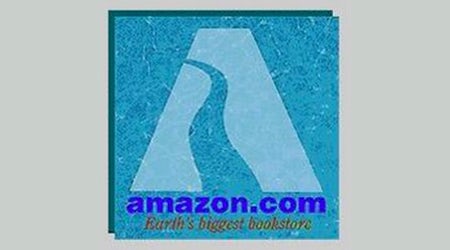
Photo Credit: 99Designs

Believe it or not, Amazon started its existence as an alternative to Barnes and Noble. It’s weird to think about, but one of the biggest companies in the world originated as an online bookseller. Their primary goal was to be an alternative to the large-scale book sellers of the time. By using an online-only business model, they could keep the overhead low and sell their products for less. However, they quickly learned that there was more money to be made in ecommerce than just selling books.
Perfect Positioning

Amazon broke onto the scene in 1994, positioning themselves correctly to begin making a great deal of money. The popularization of the internet in the mid-to-late-90’s certainly helped the fledgling bookseller. The dot com bubble of the late 90’s saw increased interest in online presence, domain names and ecommerce. This came as Amazon was diversifying their business and branching out into other areas.
Branching Out
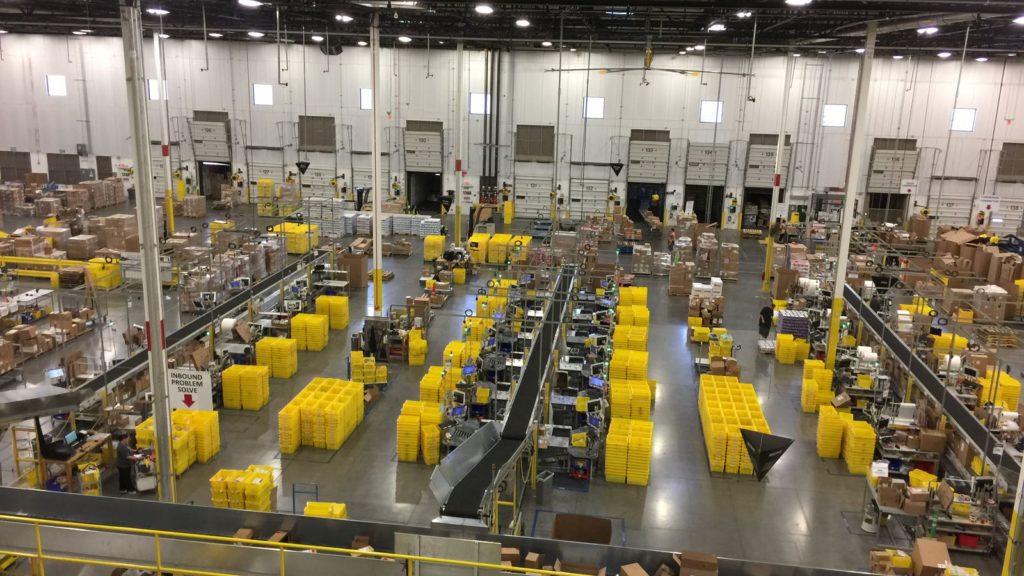
Photo Credit: CNET

Amazon spent the latter half of the 90’s branching out of books and into other forms of ecommerce. They developed a logistics operation that was efficient and took full advantage of their online storefront’s easy and convenient appeal. They incorporated goods from pet food to appliances and everything in between into their inventory. Their already-sizable book selling business stayed profitable, too, eventually edging out companies like Borders. Barnes and Noble, while still existent, is much diminished from what it once was.
Convenience and Logistics
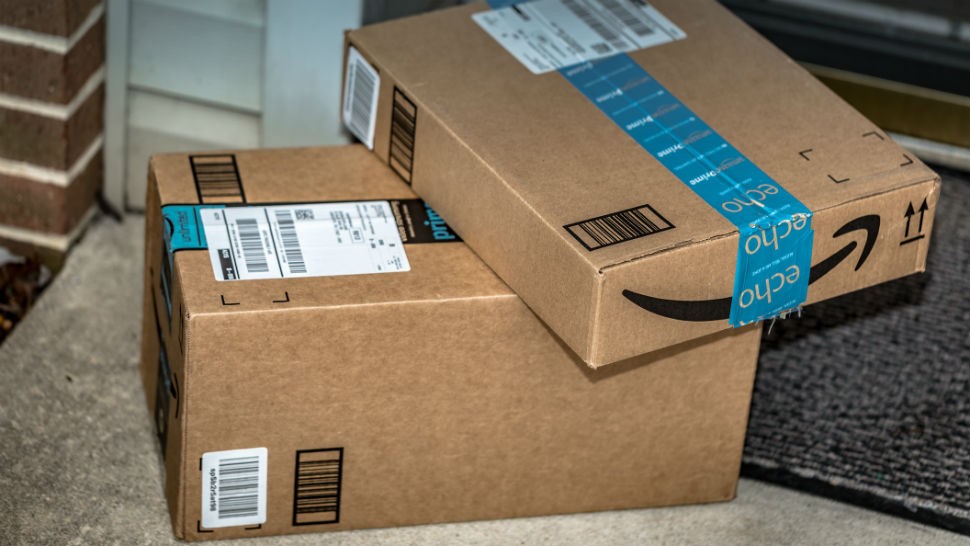
Photo Credit: Kim Kommando Show

Throughout the early 2000’s, Amazon survived the popping of the dot com bubble thanks to their inertia. They had created a sizable logistics operation that made them fast and reliable. Their vast inventory made them one-stop internet shopping. Smart branding and marketing made them come off as an underdog, helping customers get ahead of the “big guys.” No longer did customers have to shop when stores were open or fight with crowds. Department stores and malls began to feel the squeeze as Amazon captured more and more of the market.
Amazon Prime

Photo Credit: Amazon

Amazon’s success helped them develop a great deal of clout in the world of package delivery. Leveraging this, they introduced their Prime subscription program. The biggest draw to Prime for most users is the free, 2-day shipping. It’s a pretty stellar deal at 10 bucks a month if you order a ton of things on Amazon.
The program’s appeal helped catapult Amazon into the stratosphere with their ecommerce. People who don’t order as much essentially just give Amazon 10 bucks a month for free. Those who order more are more inclined to use Amazon since they get free shipping and get their products in just two days. It’s a win-win for the big A.
Amazon Prime Video

Photo Credit: Deadline

Another facet of Amazon’s Prime subscription, their premium video service competes with Hulu and Netflix. It’s been wildly successful, and originals like Jack Ryan have brought in tons of subscribers. It certainly helps that Amazon Prime is also an Amazon Video subscription, so its numbers are bolstered by those who just want free, 2-day shipping.
Twitch Acquisition

Photo Credit: Amazon

The next part of Amazon’s mission to take over the world was acquiring Twitch. The popular streaming platform hosts gamers who stream their live gameplay. The streams garner millions of views and rake in tons of ad revenue. Since purchasing the company, Amazon has seen a huge windfall from the platform. The timely acquisition has proven to be a stroke of business genius for the ecommerce giant.
Kindle, Fire and other Flame-Based Names
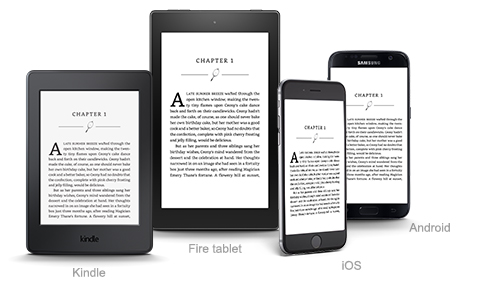
Photo Credit: Amazon
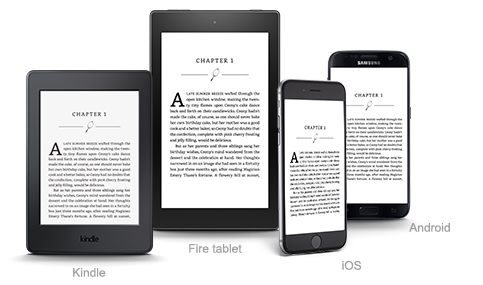
The first step into hardware for Amazon was the Kindle e-reader. It was rather popular and resulted in Barnes and Noble firing back with their own ill-fated Nook. Kindle was a modest success that was overtaken by the Fire line of tablets. Amazon’s Fire tablets have also given way to hardware like the Fire TV Stick and other streaming devices. However, all of these product lines have been overshadowed by the Echo.
“Alexa, Make us Money”
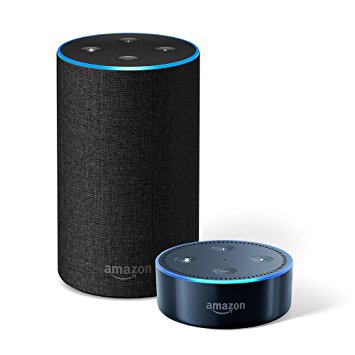
Photo Credit: Amazon
Amazon capitalized on the smart-assistant market with the introduction of their own assistant, Alexa. The mega-popular Echo line of smarthome speakers house the useful assistant, and they’re ubiquitous. Some critics say that the Echo devices are little more than wiretaps you pay to have in your house. Others claim that the smart speakers are convenient and awesome, and they can’t imagine life without them. The rest of the world, however, asks Alexa about the weather and laughs at memes about the virtual assistant.
The Future
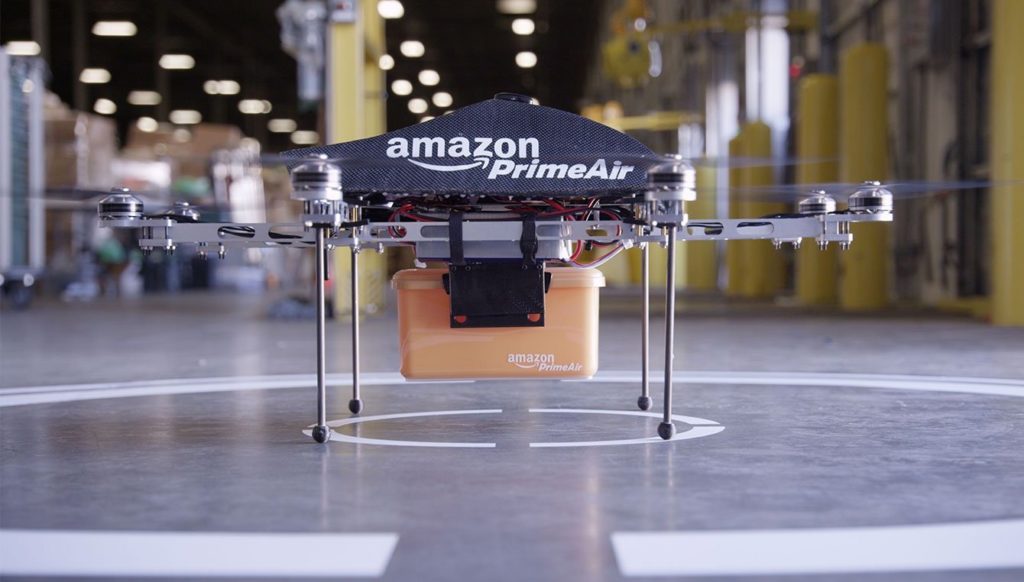
Photo Credit: Amazon
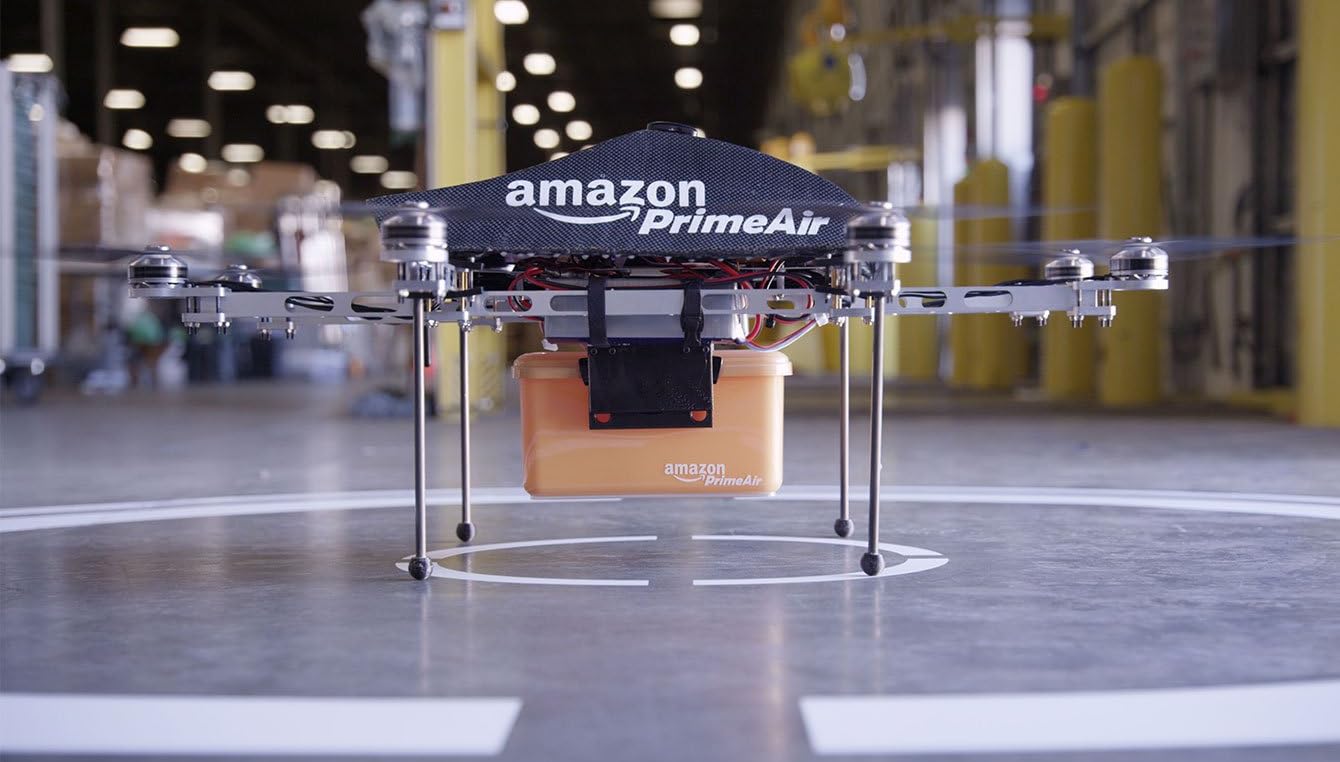
Amazon, along with Google and Apple, is well and truly on the way to becoming a megacorp. Their AI is advanced and everywhere, they deliver everything from food to video games, and they’re worth a trillion dollars. The future will see the juggernaut unleashing its drone fleet to deliver items with unprecedented speed. Amazon plans to open storefronts with no employees that are run entirely by robots. We wouldn’t be surprised if automated Amazon units replaced police officers by 2050, at this rate. One thing is certain: whatever happens in the future, Jeff Bezos has made a lot of freaking money.
Leave a Reply
You must be logged in to post a comment.