Author: Beau

  • Sony Glass Speaker an OK Sounding Work of Art

    Sony Glass Speaker an OK Sounding Work of Art

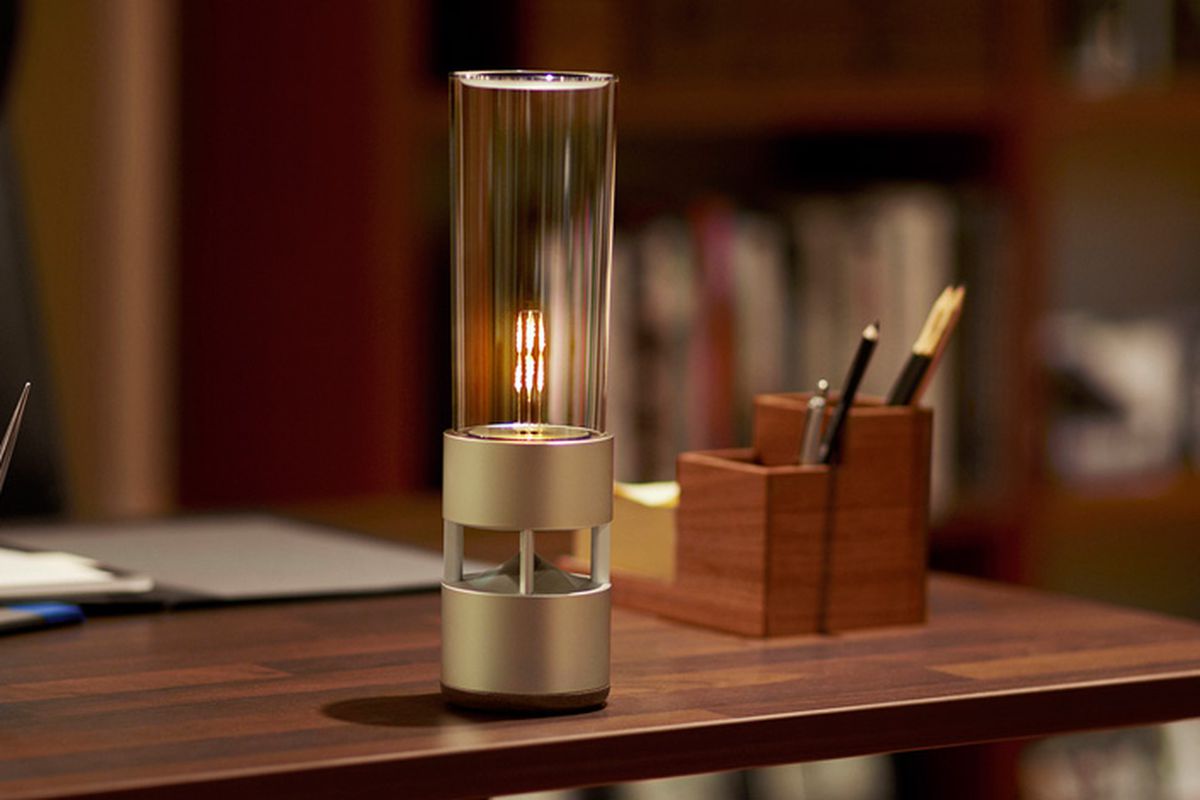
    The Sony LSPX-S1 Glass Sound Speaker brings light and incredible sound to any room with its soft LED filament combined with a cylinder-shaped design for the appearance of a lantern. This wireless audio device features an organic glass-tube tweeter surrounding the LED that also functions as the tweeter and a built-in 2-in woofer for clear, balanced music. Listen wirelessly over Bluetooth, plug in or use the built-in battery. The LSPX-1 is crafted with a solid aluminum body that delivers high-fidelity audio in a stylish design. The base of the Bluetooth speaker features a passive bass radiator built-in for big, powerful sound. Each of these features combine to craft a fully detailed 360-degree soundstage that sounds as beautiful as it looks. You can enjoy up to four hours of audio playback with the built-in rechargeable battery, allowing you to take the mobile speaker on the go.

    The Great

    • Beautiful, Almost an Art Piece
    • Portable
    • Bright,
    • Clear highs and rich bass delivered from seemingly hidden drivers
    • Dimmable LED light delivers warm, Edison bulb-like ambiance.

    The Not

    • Expensive
    • Not a ton of bass
    • Battery life is so-so.

    The Conclusion

    The Sony Glass Sound Speaker has a very cool, transparent design and is equipped with an integrated LED light that’s dimmable from your phone. It delivers clean, crisp sound at moderate volumes and has a built-in battery for portable use (4 hours of batter life).  If you can afford it, Sony’s Glass Sound speaker is beautifully designed, sounds good and complements minimalist, modern decors

     

    As a half wireless Bluetooth speaker, half lantern with a dimmable LED bulb that mimics a flame, it’s got double mood setting potential. It an also be moved around freely because it’s got an integrated rechargeable battery that gives you around four hours of music playback, depending on the volume level. You can also just leave it plugged in if there’s an outlet nearby.

    It’s one of those products you really want as soon as you see it, but its $800 price tag is an instant buzzkill unless you happen to be a lottery winner or a Rockefeller.

     

    OK, so this speaker’s a splurge, but it’s worth it! This gorgeous glass speaker by Sony will not only deliver 360-degree sound with exceptional quality, but it also improves the ambiance in your home via an LED filament light. The latter delivers a soft glow that resembles a candle or a lantern.

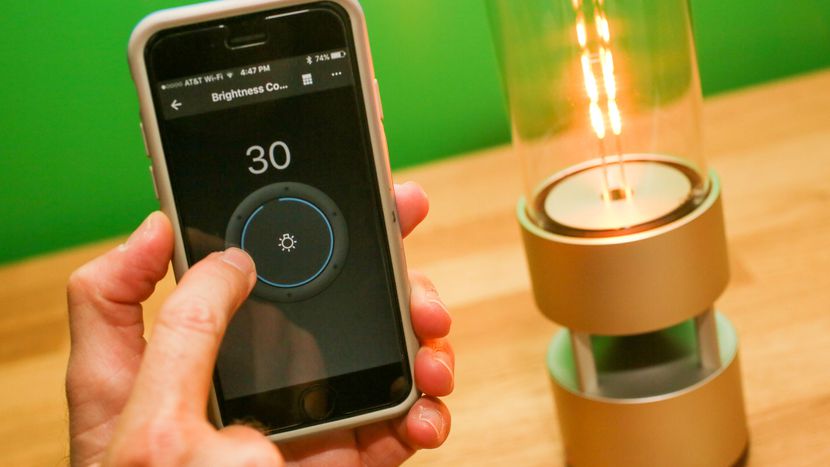
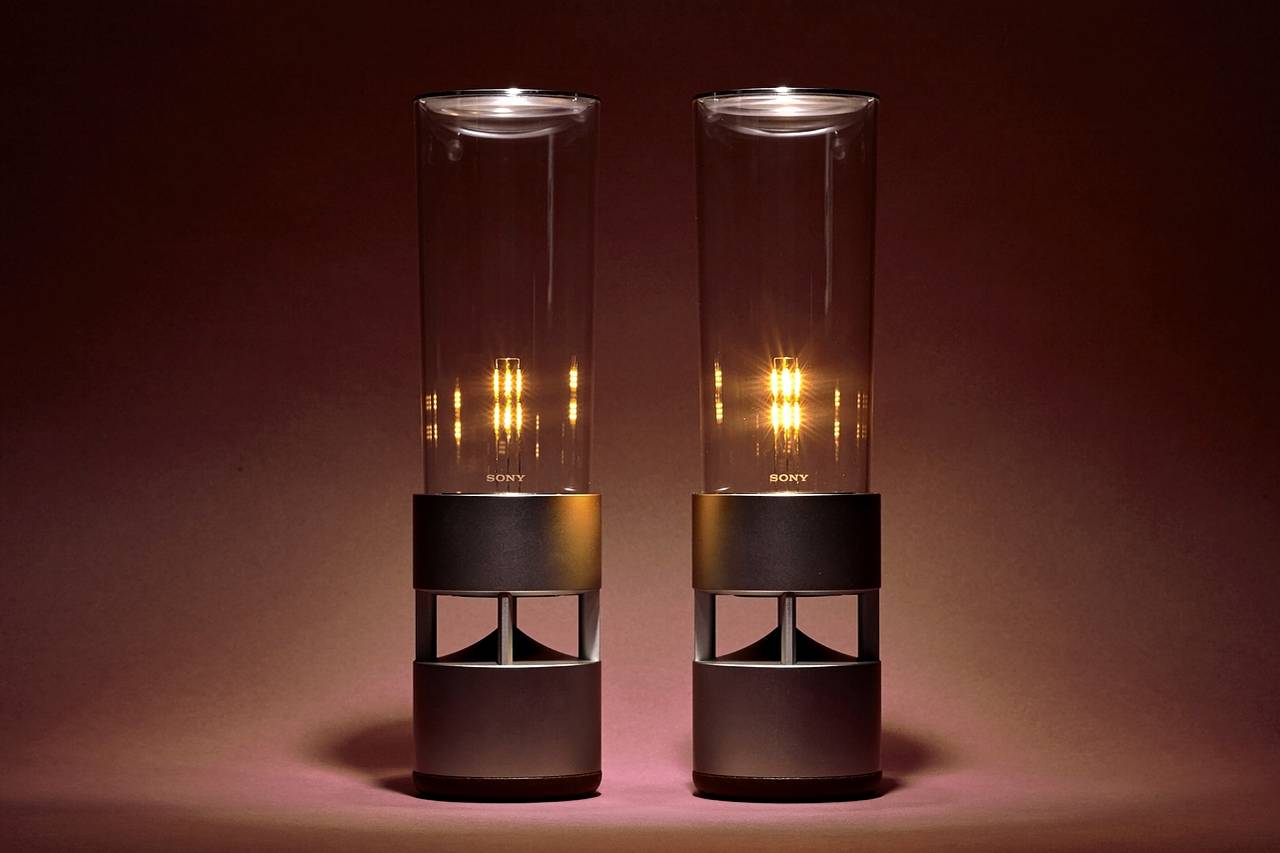
    You can control the speaker and its light via a smartphone app (available for iOS and Android), as well as pair a duo of LSPX-S1 units for an even more fulfilling sonic experience. Overall, it’s a pricey proposition that’s a true conversation piece.
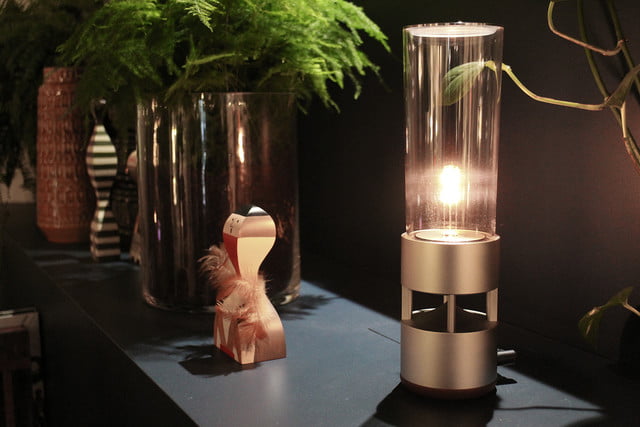
     

    The Design

    Ok, so its beautiful. Its like a magnificent piece of art you would want to be displayed and have stuffy conversations about. The unique design—a tall, clear tower enclosing an adjustable LED light—even earned the item inclusion in the Museum of Modern Art’s online store.

    According to the site, the speaker is one of MoMA’s best sellers. The ad copy gushes that Sony has managed to “create a new kind of living experience,” one that looks like a “sleek, softly glowing lantern but is also a powerful speaker with breathtaking sound quality.”
     

    The Sound

    The bass has mediocre impact and the lower bass is lacking in power. The midrange is thin and somewhat hazy. And, working my way higher in tone, the lower and mid-treble are subdued while the upper treble is overly prominent with a sizzly sound. The overall sound quality is somewhat harsh at higher volumes.

    With some speaker models, I find that adding a second unit really improves the overall sound, but that wasn’t the case when I  tested a pair of the Sony Glass Sound Speakers. Our testers found that the sound remained thin. Though the bass was slightly more robust, everything else was somewhat hazy and congested.
     

    The Final Thought

    While obviously not hi-fi, the sound quality was easily equal to that of most of the small portable Bluetooth speakers we’ve heard, and the Sony LSPX-S1 has two other advantages, one of which is that it looks lovely, and the other being that it doubles as a table lamp. Seriously, what more could you want for $800.
  • R-9 Smartglasses and I Can See The Future Clearly Now

    R-9 Smartglasses and I Can See The Future Clearly Now

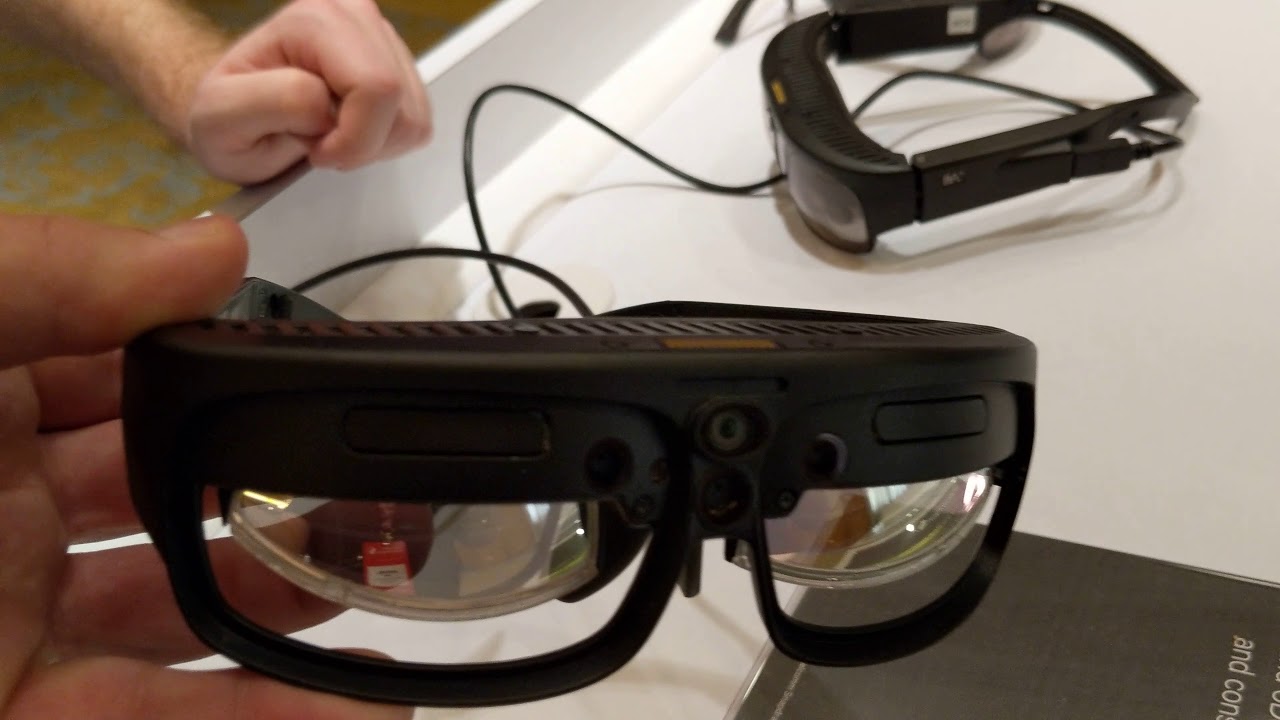
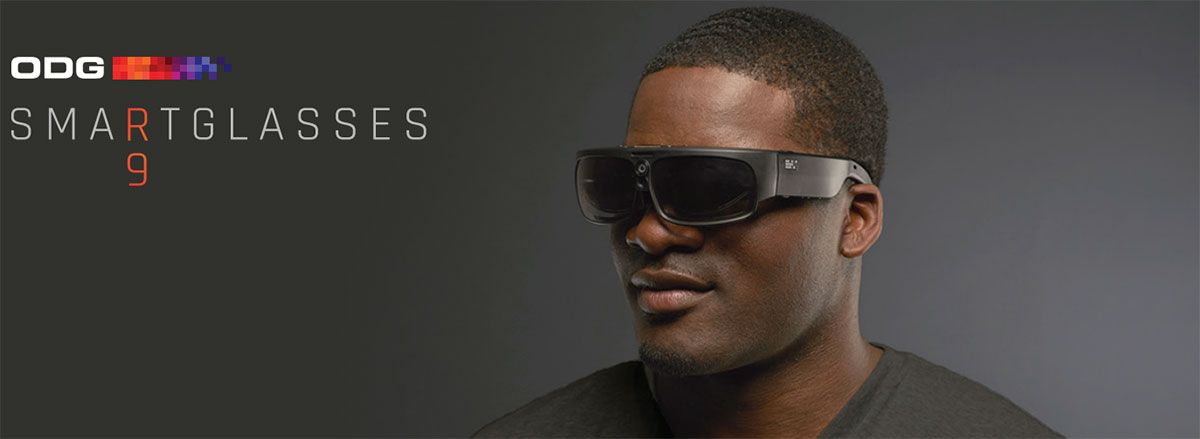
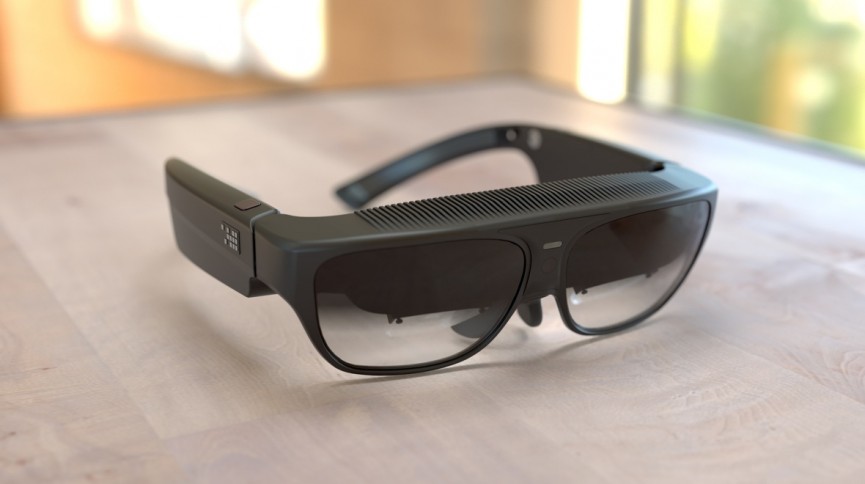
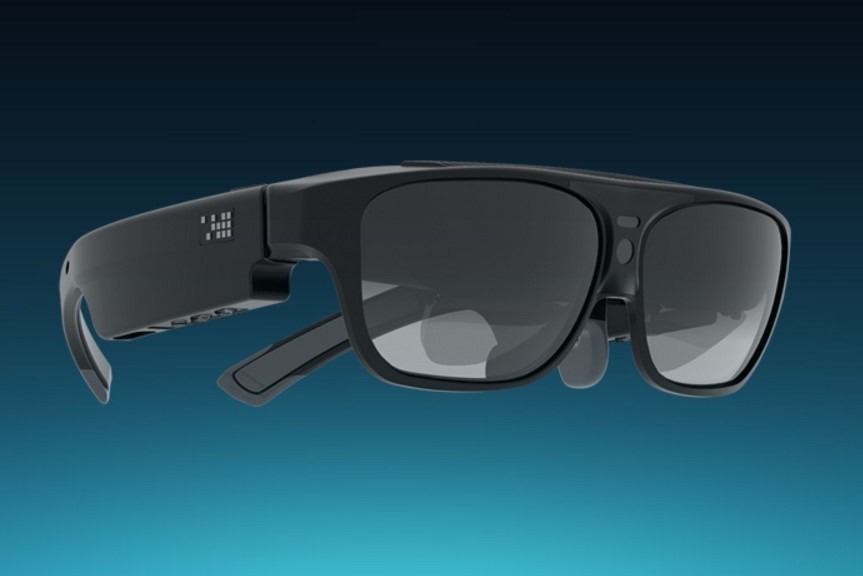
    R-9 smartglasses are ODG’s visual powerhouse and offer an extra-wide-field-of-view for enterprise design and visualization, gaming and entertainment, and extended reality development. Leverages Qualcomm’s Snapdragon 835 chipset, 6DoF and SLAM technologies to create, collaborate and consume content.


    These are the real deal with Dual-stereo depth cameras for advanced mapping and tracking, expansion port for customization, and Qualcomm’s Snapdragon 835 chipset for the ultimate XR experience. THX-certified, Hollywood-standard smartglasses delivering true cinematic quality.Powerful, versatile, and with a 50° field-of-view, R-9 is ideal for light enterprise and prosumer media consumption use. It plays movies with
    cinematic clarity, drops you inside immersive 3D interactive experiences, and reveals new worlds of invention and productivity. R-9 is also a flexible development platform for mobile virtual reality and mixed reality experiences, with module expansion capabilities that make it our most
    customizable device for a wide variety of environments and end user.

    The Looks

    Ive been looking for this type of solution, AR/VR glasses that can have a multiple use as real sunglasses. These units definitely look and feel much closer to real glasses than anything I have seen in the arena currently. They weigh far less than the HoloLens, and at a distance past 10 feet, could easily pass as a real pair of sunglasses.

    Unlike the HoloLens, the form factor of both the R-8 and R-9 are too small to wear with a pair of glasses. So one important feature that I had missed previously is their ability to have prescription lenses placed in them—with a simple snap. The ODG team had a selection of lenses at GDC for just that purpose waiting on the table for the glasses wearers in the room, thankfully.

    The Feels

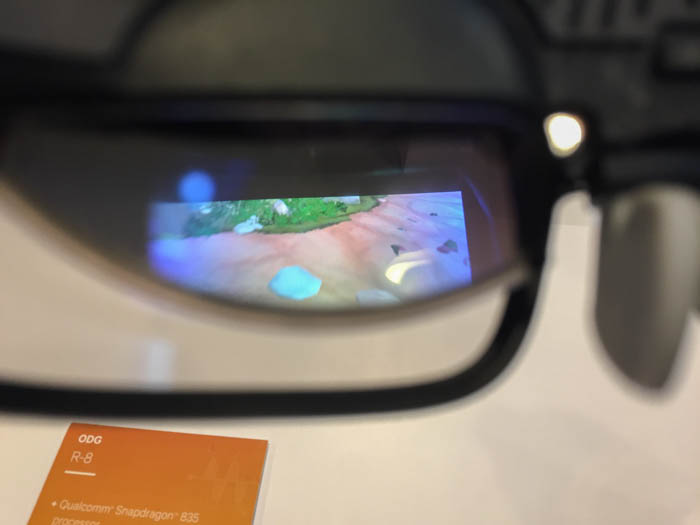
    The demos that I saw were fully immersive applications, more in line with a VR experience, through a non-occluded headset. This is arguably not an ideal test for smartglasses. The projection quality itself was good, though it was a little darker than expected. Also, it seemed a bit more transparent that I would have liked.

    In all fairness, both the transparency and image brightness are factors that could, and most likely are, attributed to being under florescent lighting. My personal frame of reference, and in essence my base of expectations, is my development environment which uses far less harsh lighting.


    What Do I Do With Them

    The R-8, aimed more squarely at consumer early adopters, trims down the specs a bit. Its field of view is a more modest 40 degrees, its display has 720p resolution, and there’s no port for expansion modules. But it’s also lighter — 4.5 ounces compared to the R-9’s 6.5 ounces — and cheaper, at under $1,000. It’s also got two 1080p cameras on the front that can capture stereo video. ODG expects to ship it in the second half of 2017.

    So what exactly are you supposed to do with these glasses? ODG admits that they’re not “designed to be worn all the time,” but are meant to be carried around for watching movies on a digital big screen, playing games, or using apps. It’s working with 21st Century Fox’s Innovation Lab on experiences that include 3D movies and an interactive augmented reality demo based on the Alien franchise. Combined with the Migu partnership, this provides at least the start of a catalogue, although we’re still waiting to see how well the glasses themselves hold up.


    The Final Thought

    While they were announced at the CES 2017 a year later and we still cant buy or own pair. The idea is novel and innovative but I feel like this will just be a high priced stepping stone to the real solution.


  • Laptop Lookout: MacBook Pro 15

    Laptop Lookout: MacBook Pro 15

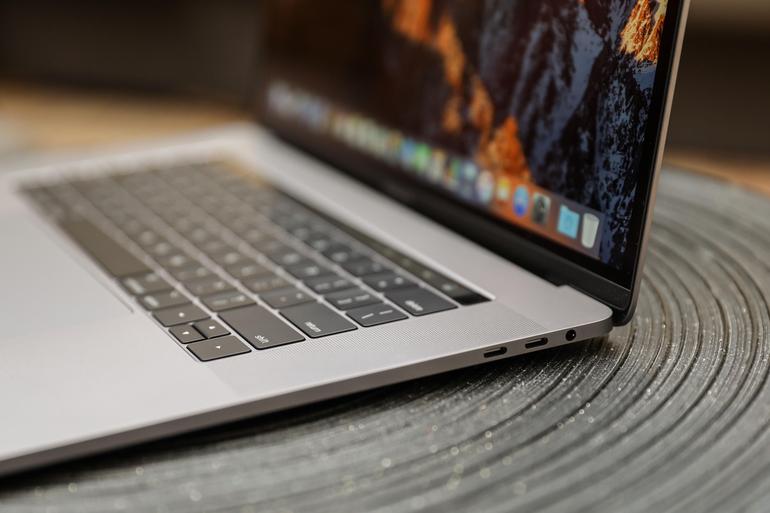
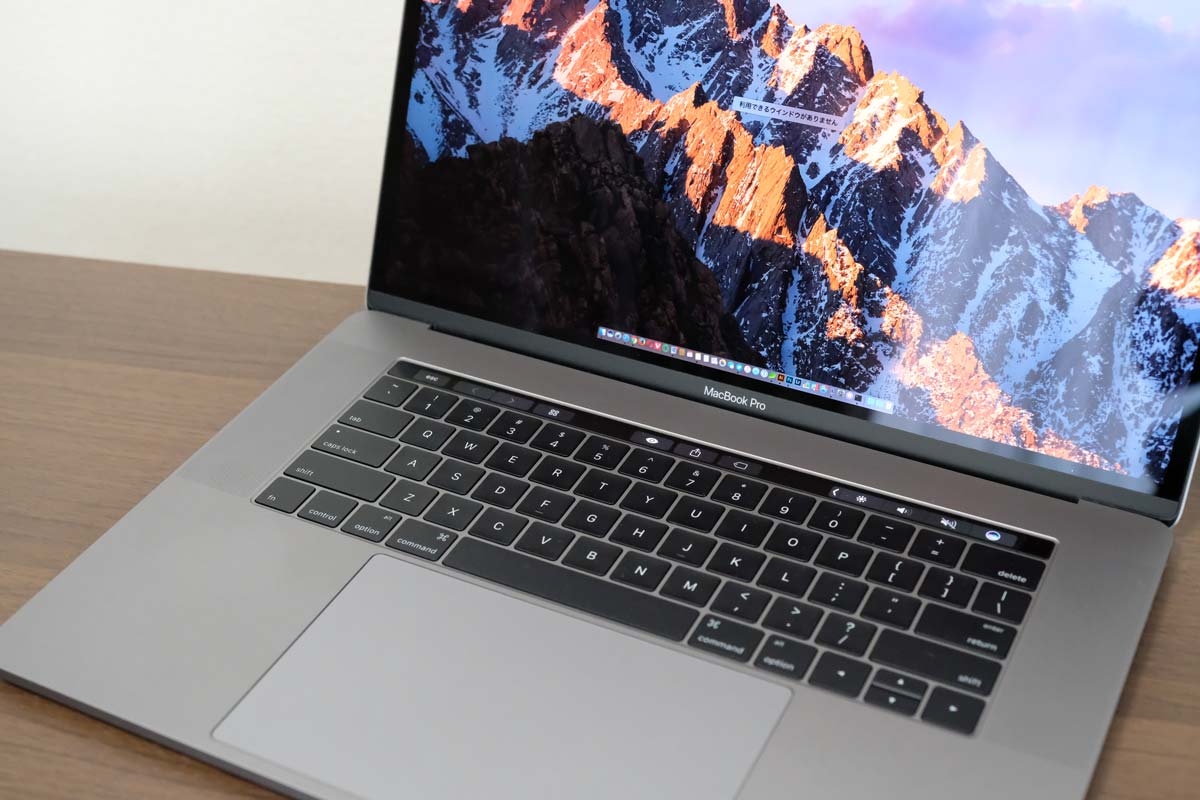
    It’s razor thin, feather light, and even faster and more powerful than before. It has the brightest, most colorful Mac notebook display ever. And it features the Touch Bar — a Multi-Touch enabled strip of glass built into the keyboard for instant access to the tools you want, right when you want them. MacBook Pro is built on groundbreaking ideas.


    The Great

    • Stronger processor
    • Faster RAM
    • Same excellent design

    The Not

    • Subpar battery life
    • Keyboard learning curve
    • Awfully pricey for the parts

    The Conclusion

    It is the standard for which all great laptops are measured and found wanting.


    The Pro status of Apple’s 15-inch MacBook depends on what sort of ‘pro’ you are. Traditionally creative pros would have turned to the Mac for their needs, be it design work, editing photos, working with video and animation, or other jobs that require decent graphic capabilities.


    The Design

    Weighing 4 pounds and measuring 0.61 inches thick, the 2017 15-inch MacBook Pro is lighter and thinner than my personal 2012 model (which is 4.46 pounds and 0.71 inches), but I noticed the thinness a lot more than I noticed the weight, as my bag would feel just as heavy no matter which machine I was lugging.

    Touch Bar Really Useful for Only One Thing

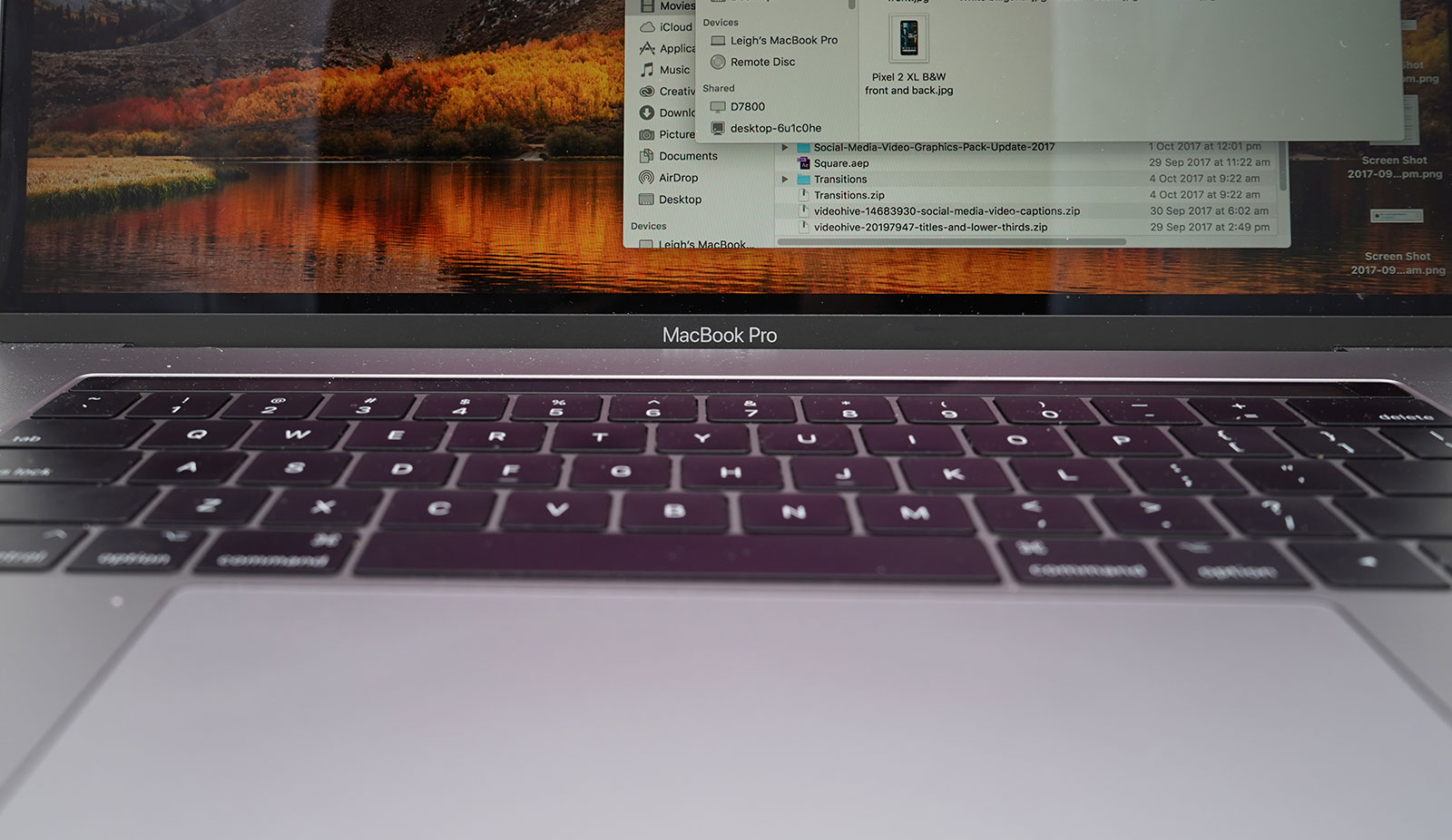
    The biggest innovation in the 2016 MacBook Pro (as well as this 2017 model) is Apple’s sliver of an OLED touch screen, which the company calls the Touch Bar My reaction? I’m sorry, but I want (most of) my effin Fn keys back.


    In my whole month with this MacBook Pro, I found that the Touch Bar was mostly an accident waiting to happen. The majority of my interactions with it happened unintentionally; while typing, I would activate the digital Esc key while trying to hit the ` or 1 keys.

    On the upside, the far right end of the Touch Bar contains a Touch ID sensor, which is my favorite part of the MacBook Pro’s outer body. The convenience it offers, allowing me to unlock my login IDs and passwords from the 1Password utility, is electric, especially when the alternative is typing out my complex, 23-character pass code.

    Though, having Siri as a button for easy, constant access is a major plus, given the wide control it has over macOS in comparison to other digital assistants.


    The Graphics Upgrade

    The 2017 Pro also gets an updated set of graphics hardware options. The integrated graphics chip goes from the Intel HD 530 to the HD 630 (part of that jump to the Kaby Lake platform), and the discrete graphics go from AMD Radeon Pro 450 and 455 parts to — you guessed it — Radeon Pro 555 and 560 options. Every 15-inch MacBook Pro laptop includes an AMD GPU, while the 13-inch models make do with Intel’s built-in graphics.

    If that’s the good news, then the bad news may be that if one or more of the features of the new MacBook Pro design kept you away, (the super-flat keyboard, the Touch Bar, USB-C ports, etc.) then this set of 2017 revisions isn’t going to do anything much to change your mind.


    Quick Spec Look

    • 15.4-inch LED-backlit display with IPS technology, 2880-by-1800 native resolution at 220 pixels per inch
      2.6GHz quad-core sixth-gen Intel Core i7 processor
      AMD Radeon Pro 450 graphics based on the 14-nanometer Polaris architecture
      16GB RAM
      256GB SSD
      4 x Thunderbolt port
      Touch Bar with Touch ID
      Price: $2,399 (up from $1,999 for the previous entry model)
      A fully kitted-out 15-inch MacBook Pro (featuring 2.9GHz quad-core i7, 2TB SSD, and Radeon Pro 460 with 4GB of memory) costs $4,299


    The Final Thought

    The updated 15-inch MacBook Pro gets faster processing and graphics options. It’s still the biggest and most powerful laptop Apple makes. The giant touchpad is easy to use and battery life is excellent. If you are in need of a new laptop look not further you will not find a better example of excellence.

  • Smartphone Spotlight: Huawei P20 Pro

    Smartphone Spotlight: Huawei P20 Pro

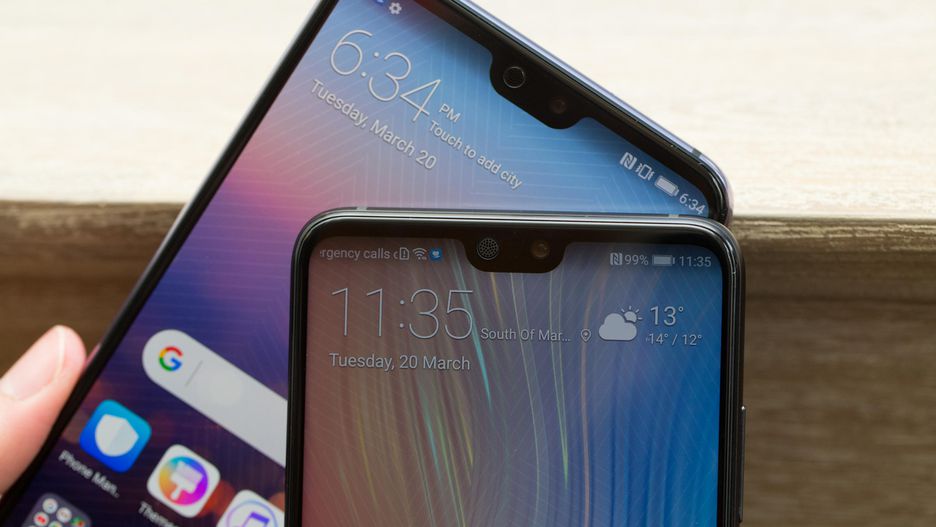
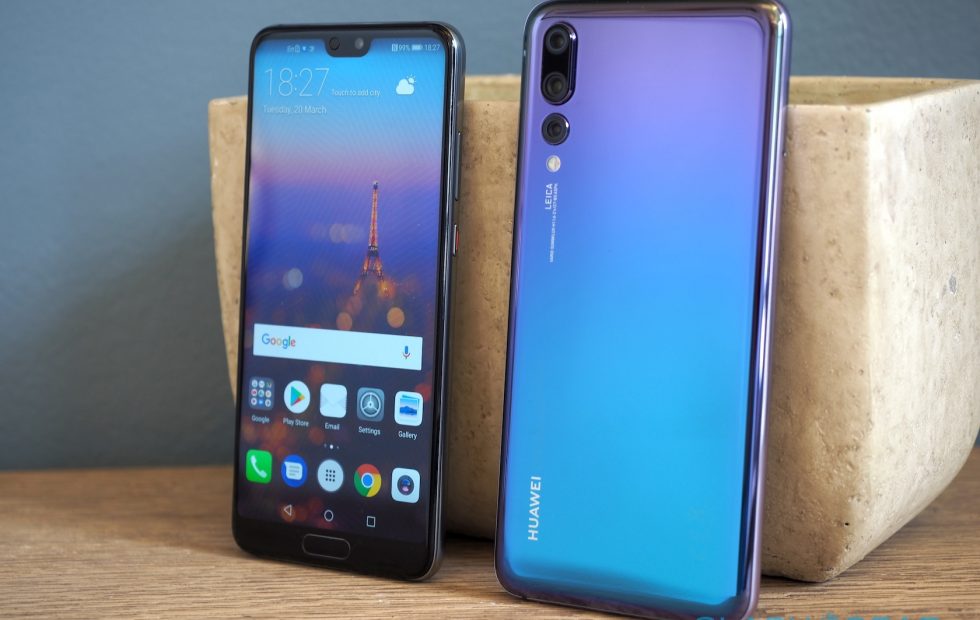
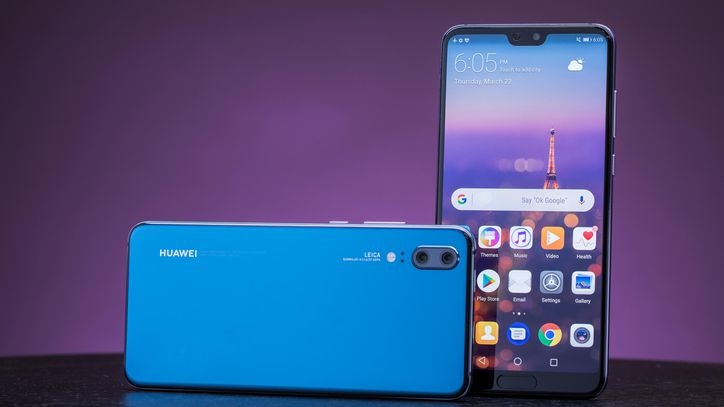
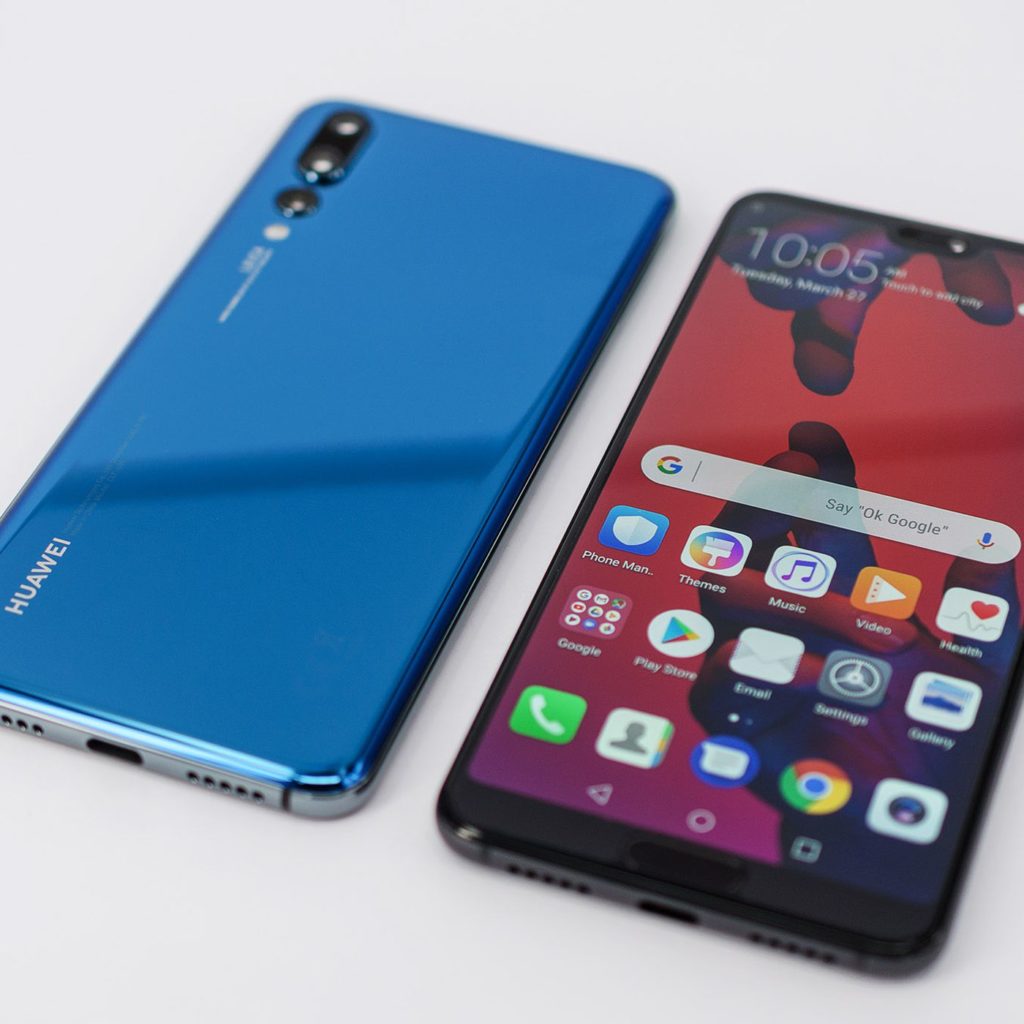
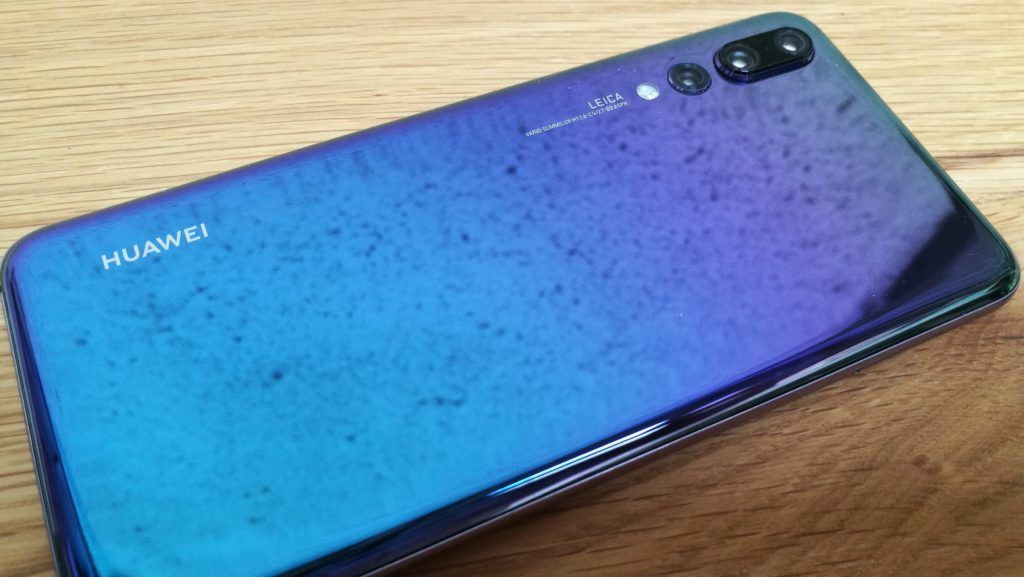
    HUAWEI’s P series has always been a pioneer of smartphone photography. Now the HUAWEI P20 Pro is once again leading the way with the revolutionary Leica Triple Camera, where aesthetic vision meets an advanced camera system that shines a light on intelligent photography. Inspired by the radiant energy of light itself, the HUAWEI P20 Pro is available in a new gradient color finish. The effect is a luminescent color progression that is unique amongst smartphones. Designed to be exceptional in every way.


    The Great

    • Fantasic camera
    • Big battery with lots of stamina
    • Optional (ish) notch
    • Fast face unlock

    The Not

    • No wireless charging
    • No headphone jack
    • Minor fizz to the OLED screen


    The Conclusion

    40MP, the world’s first triple camera, 5X Hybrid Zoom, artificial intelligence in all the ways, and the most unique color on any smartphone ever. These are just some of the features Huawei is hoping will make you check out its new flagship, the Huawei P20 Pro.


    The Huawei P20 Pro is a phone that stands out with its large, spacious display and its triple camera at the back. Its huge screen occupies most of its front, with a notch at the top housing the earpiece and front-facing camera. The triple camera arrangement is comprised of a massive, 40MP camera for regular shots, a 3X zoom telephoto cam, and a monochrome sensor enabling bokeh effects. On the inside is a powerful Kirin 970 chip, along with plenty of memory and a huge battery


    The Design

    The Huawei P20 Pro borrows several design cues from the iPhone X, with a vertical camera placement on the back and notch atop the screen. It stands out with three cameras and the unique twilight color, which awakens everyone’s inner wish for a real-life unicorn.

    Beneath the screen is Huawei’s fingerprint sensor, which is flat, wide, and allows you to unlock your phone while it’s laying face up on a table. I’m normally a bigger fan of Huawei’s rear-mounted fingerprint sensors thanks to their added support for summoning the notification shade, but the P20 Pro’s scanner is still fast and reliable and supports gesture controls for navigation.

    The power and volume keys on the right offer nice feedback and the power button has a nice accent color. The bottom houses a speaker, microphone, and USB Type-C port. There’s no headphone jack, but an adapter comes in the box. I’m not an audiophile so I usually pick convenience over function, so I’m fine with Bluetooth audio. It’s the easiest solution and the Huawei P20 Pro works well enough in this regard.


    The Camera


    If you’re interested in the Huawei P20 Pro, there’s a good chance it’s because of the camera array. There are three cameras on the back, one 40MP main sensor, a 20MP black and white one and a 3x zoom 8MP camera.

    You can shoot at 3x without digital zoom, and even get good results at 5x. The real star here is low light performance, though. Standard night shooting just about matches the best, but a dedicated night mode lets you take low light shots with dynamic range to rival an APS-C DSLR.

    The Huawei P20 Pro also has a very high-resolution 24MP front camera for detailed selfies and reliable face unlocking.

    Quick Spec Look

    HUAWEI Kirin 970 CPU, octa-core + micro core i7, 4 x Cortex A73 2.36 GHz + 4 x Cortex A53 1.8 GHz

    Size: 6.1 inches;

    Type: OLED;

    Colour: 16.7 M colours;

    Resolution: FHD 1080 x 2240, 408 PPI

    OS Android™ 8.1

    6 GB RAM + 128 GB ROM

    Rear camera:

    Tri-lens camera:

    40 MP (RGB, f/1.8 aperture) + 20 MP (Monochrome, f/1.6 aperture) + 8 MP (Telephoto, f/2.4 aperture), supports autofocus (laser focus, deep focus, phase focus, contrast focus)

    Note: The photo pixels may vary depending on the shooting mode.

    Front camera:

    Single-lens camera:

    24 MP, f/2.0 aperture, supports fixed focal length


    The Final Thought

    When all is said and done, the new Huawei P20 Pro will quite possibly be the hottest Android phone of 2018. On top of beastly specs and a very sleek design with one color that has a crazy gradient color effect, the P20 Pro has the best camera of any smartphone ever. The triple-lens design is truly unique, and it helps the P20 Pro pull in all sorts of extra data that tremendously improves image quality. There’s only one problem: the Trump administration doesn’t want you to have it. We will have to wait to see how this pending trade war works out before we see it in every teenagers hands in the US. There are 2 stores on eBay taking pre-orders now for the US and it will ship 4/18

  • Tech Throwback: Nokia N-Gage

    Tech Throwback: Nokia N-Gage

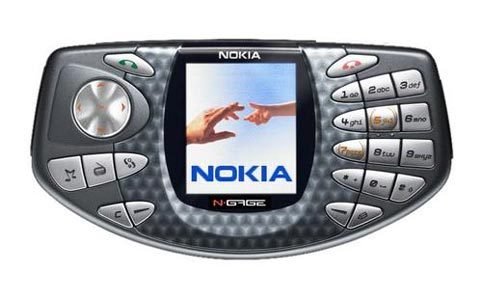
    I like to take a look at where I’ve been to evaluate where Im going. Technology is cyclical after all… wait no its not. That said I still like all the feels that come rushing back like a flood of nostalgia every time I get my hand on the tech I grew up with. Im going to go back periodically and take a looking at the stuff that used to blow our hair back and get our minds rolling. Some of these device blew up and changed the world, some where ahead of their time and some just fell flat and became colossal failures. Today I’ve got my hands on the old Nokia N-Gage


    Around 2000, gamers increasingly carried both mobile phones and handheld game consoles. Nokia spotted an opportunity to combine these devices into one unit. Nokia announced in November 2002 that they would develop the N-Gage, a device that integrated these two devices. Instead of using cables, multiplayer gaming was accomplished with Bluetooth or the Internet (via the N-Gage Arena service). The N-Gage also included MP3 and Real Audio/Video playback and PDA-like features into the system.


    The original phone’s taco-shaped design was considered clumsy: to insert a game, users had to remove the phone’s plastic cover and remove the battery compartment as the game slot was next to it. Another clumsy feature was the speaker and microphone being located on the side edge of the phone. This often resulted in many describing it as talking into a “taco phone” or “Sidetalking”, or simply that they had one very large ear, because the user held the edge of the phone against the cheek in order to talk into it. Usual for a phone, but unusually for a game system, it had a screen taller than it was wide, with a size of 2.1′ and resolution of 176 X 208, giving an aspect ratio of 11:13; most televisions and portable game screens were 4:3.

    We all thought the N-Gage would define the mobile gaming market: a device that can serve as a mobile game platform, a tri-band GSM phone, an MP3 player, an FM tuner, an e-mail client, and a personal information manager. Unfortunately, several design flaws severely limited the device’s usefulness, and t the N-Gage went down in history as a poorly implemented great idea.


    Hands On 15 years Later

    The original lithium battery on this device has failed but i was able to find a fresh replacement at a pretty reasonable price on eBay. It powers up just like you remember all Nokias did, it has that heavy toy feel as well. I got approximately 6 hours of game time and a few hours of music time. When I spent 5 hours playing games and listening to music, however, the battery died shortly after.

    Its Got Games

    The main purpose for this was to open up the mobile gaming market. We were all dieing to play video games where ever we went in the early century but their just wasn’t the options. Game boys and Sega had games but for a young adult wanted more those were for kids. I’ve been able to locate a copy of Civilization II ans Spider-man 2 and have been playing them all day. The N-Gage is the first place I played Civilization and started a long hobby over many tech devices since. Snake, some Xmen game and a few Tom Clancy games where available as well. Im sure as you all remember the games all came on a MMC card. I tried to condense all the games to one larger card but have been unsuccessful. Playing games on the N-Gage is kinda difficult, mostly because the buttons designed for a phone, are not well-suited for gaming.


    The Final Thought

    It was a leap forward, this was the device that got people thinking my phone can do more, it can be more then just a phone. The PDA functions and bluetooth synchronization lead to a big main stream increase in data being held on a phone. Before this I would only keep 40 or so contacts in my Nokia phones because they wouldn’t transfer from phone to phone. You have to re enter them all over again. I enjoyed my few hours with the phone but finished through everything it offered in a few hours and could imagine needing to revisit it again.

  • LG G7 ThinQ Unveiling

    LG G7 ThinQ Unveiling

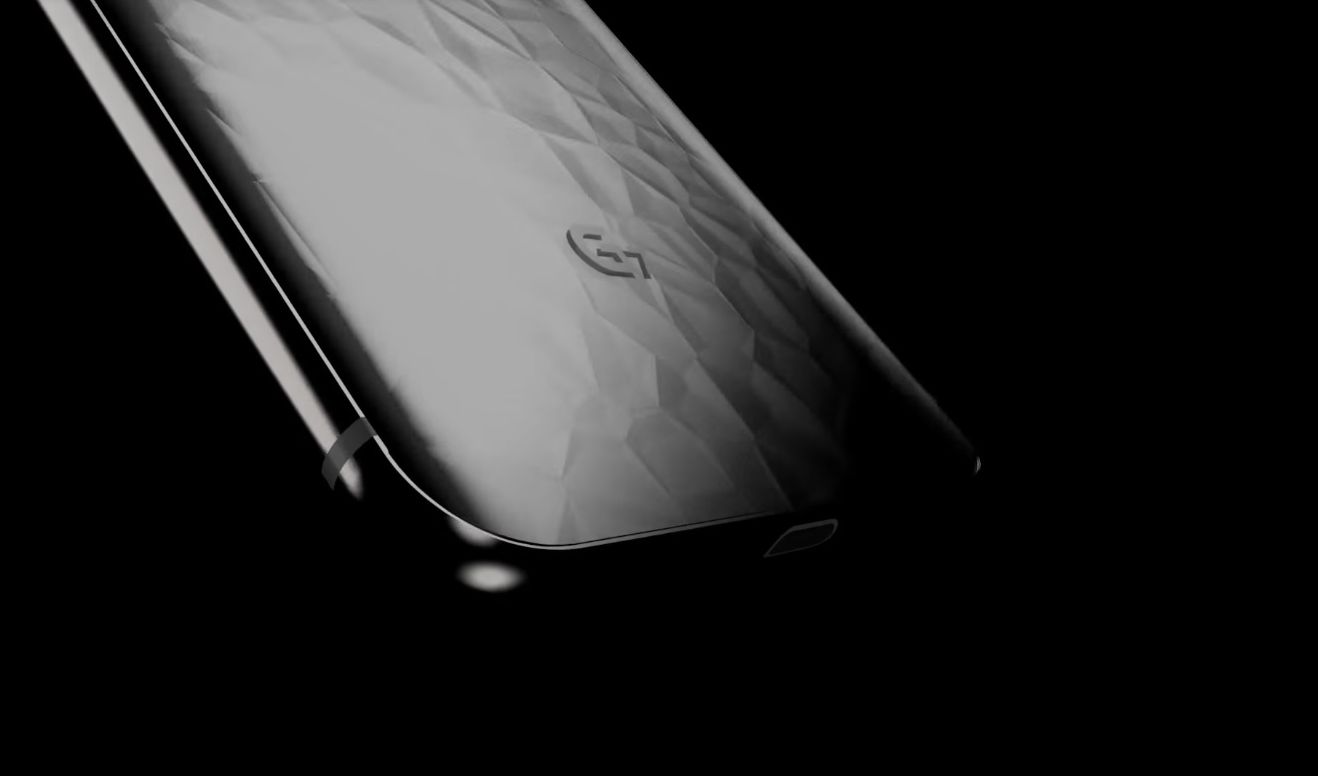
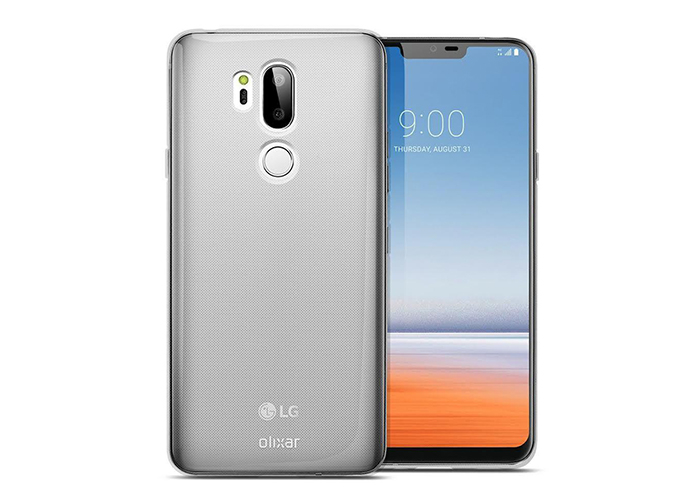
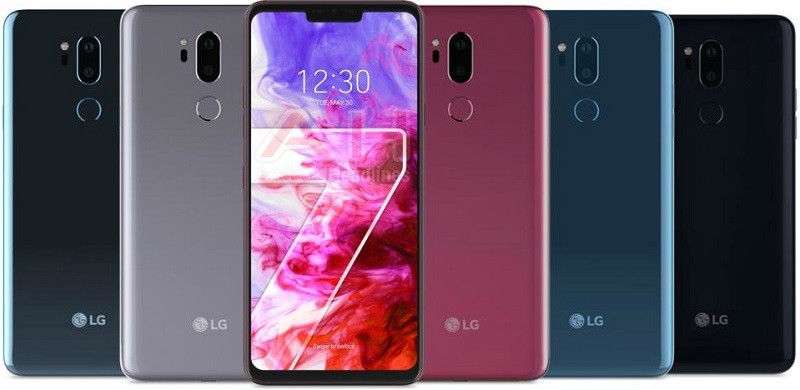
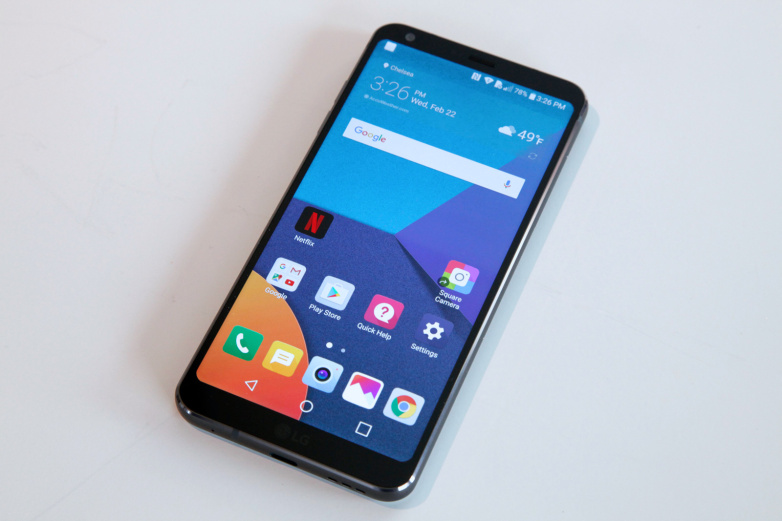
    Lg has set a May 2nd Unboxing event for their newest flagship the G7. There will actually be two launch events for the LG G7 ThinQ: one in New York City on May 2nd, for an international audience, and another in LG’s home turf of Seoul on May 3rd. Like the P20 Pro and the majority of Android flagships this year, the G7 is set to have a notch at the top of the screen


    LG is positioning artificial intelligence (AI) at the core of the G7. This is, in fact, why the company has opted to use the ThinQ moniker. While it might not be the most attractive name, it is one which has been specifically chosen to reflect the intelligence underlying the LG G7. As that intelligence goes well beyond just what the smartphone can do for you — in terms of the provision of contextual information — with the AI experience having been very tightly integrated with other elements on the G7 such as the camera, another major selling point of the upcoming Android flagship.
     

    The Lg Difference

    Lg is trying to pack a lot in to this G7 starting with the camera.  LG focusing on how the G7 can process what it sees and offer recommendations to get the most out of photos captured with the phone. Specifically, AI Cam will offer four “enhanced filter options” which will provide different levels of optimization based on aspects such as color, contrast, and saturation. According to LG, this will result in the G7 being far more capable in extreme low-light conditions compared to the LG G6, as well as the V30 and V30+. In fact, the G7 will be marketed as capable of capturing four times brighter images and videos compared to the G6 and V30 lineups.

    2D and 3D camera stickers will be available, allowing the user to paste over photos with various animated stickers. Following on from the V30’s introduction of Graphy, the G7 will boast an updated version of the service in the form of Graphy 2.0. At present, it is not quite clear how the new version will fundamentally differ from the previous one.
     

    LG has included what it refers to as a “Boombox Speaker” to the G7. On a more technical level, this means the G7 is capable of acting in the same way as a resonance chamber — LG actually claims it is one — and this means the G7 bounces audio signals internally before the signal is outputted to the listener, with the end result being a more booming sound overall.

    The Final Thought

    The LG G7 ThinQ is going to arrive as an all-singing, all-dancing smartphone. AI, cameras, and the two together are going to be some of the primary selling points, although even with the AI elements removed from the equation, the G7 will remain a feature-packed phone. Guess we will just have to wait until May to see.

  • Light L16, The New Camera Idea

    Light L16, The New Camera Idea

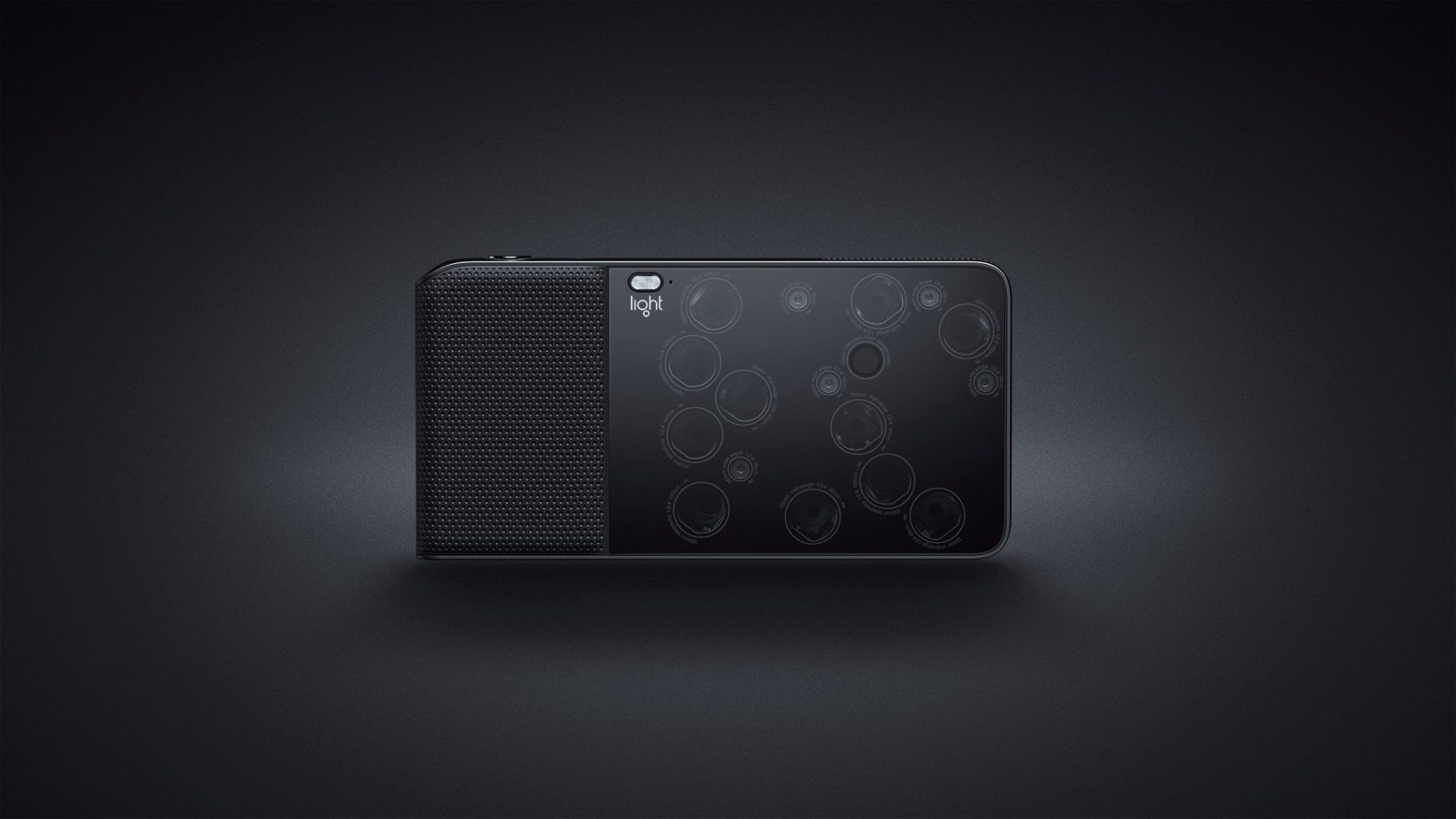
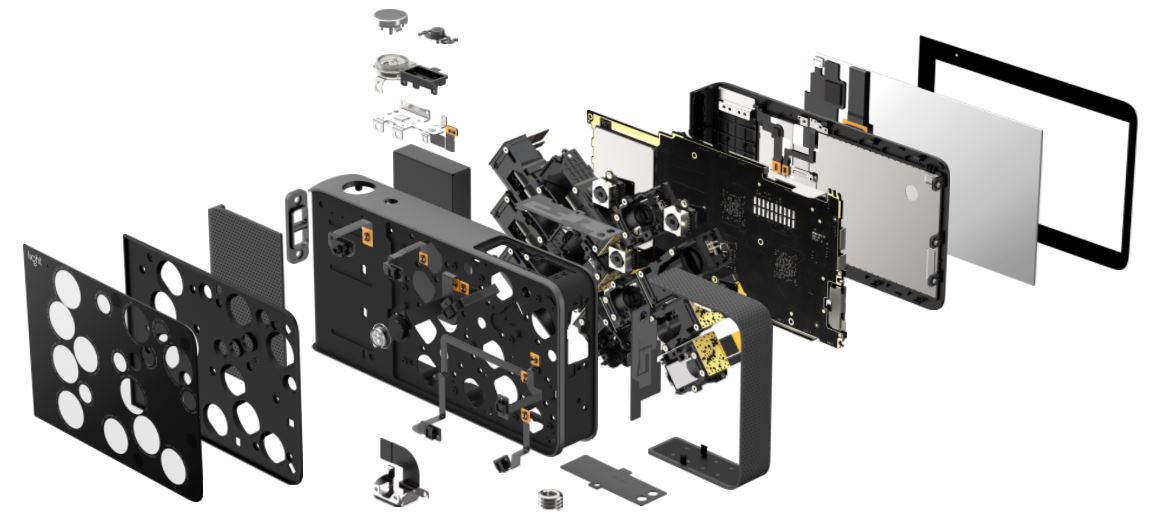
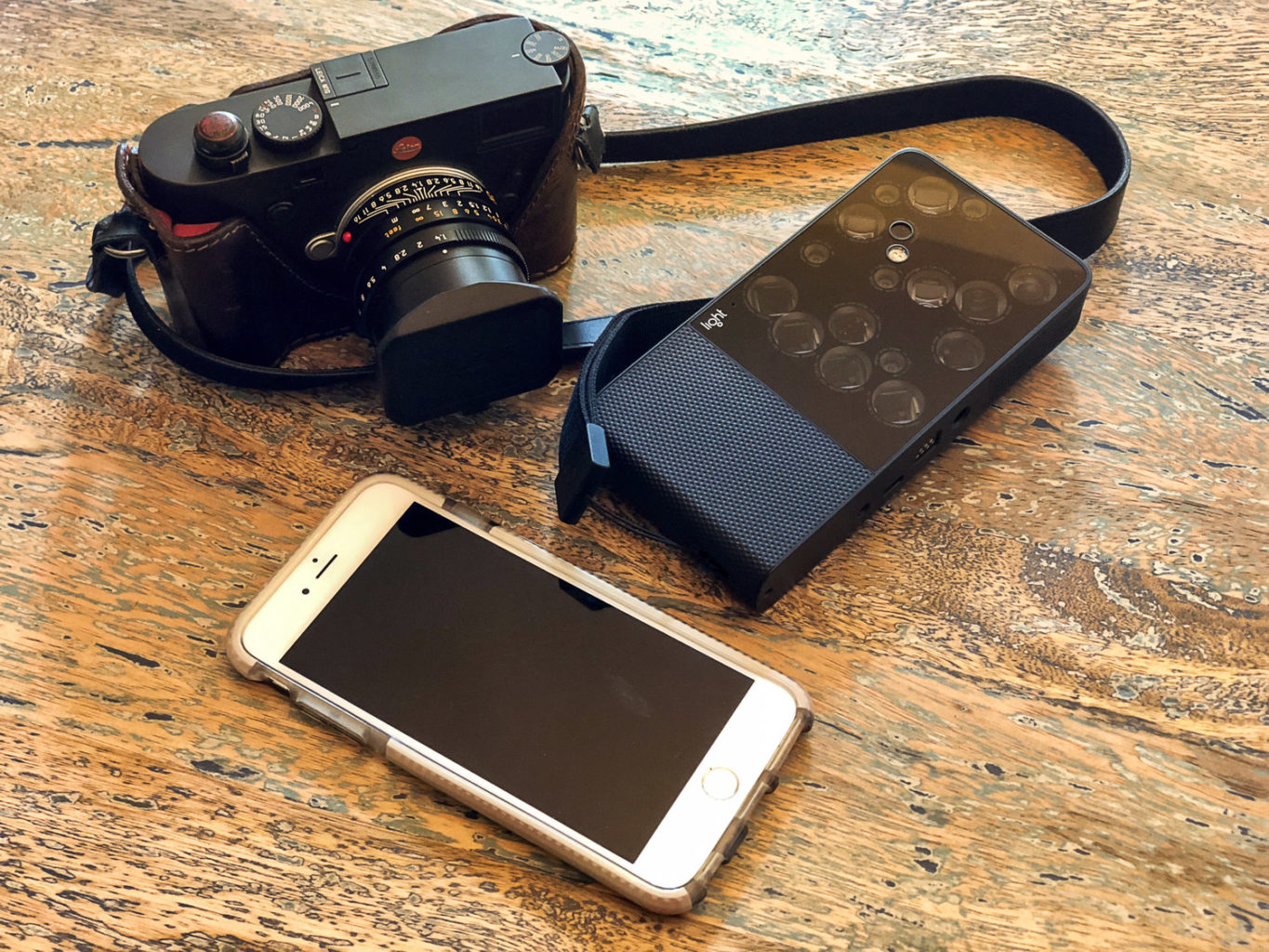
    The L16 combines breakthrough optics design with never-before-seen imaging technology to bring you the camera of the future. With more than 16 camera modules packed into its slim frame, the L16 captures the details of your scene at multiple focal lengths, then uses sophisticated algorithms to combine multiple exposures into a single high-resolution photo. The L16 replaces the bulk and weight of a traditional single-lens camera with many small lenses and sensors that lie at 45-degree angles across a flat plane. When the L16 is fired, light enters 10 or more apertures. Using folded optics, the L16 bounces this light off periscopic mirrors, through horizontal lens barrels and onto individual optical sensors. The result is one exquisite 52MP photo, formed from 10+ slightly different perspectives.

    The Great

    • Computational photography
    • New Approach
    • High Quality Pictures
    • One Camera Solution

    The Not

    • The Price
    • The Look
    • The Underwhelming Pictures


    The  Conclusion

    To get to the basics of it, the L16 makes use of 16 camera modules with varying focal lengths. “Computational photography” is used to fuse the individual photos with depth data that could produce results like a DSLR. Light’s approach towards the functioning is truly game-changing. The incredible zoom range is awe inspiring as it ranges from 28-150mm.

    Tell Me About This Thing

    The Light L16 camera is an engineering marvel. It takes 16 different smartphone-sized imaging modules, each carefully aligned behind a piece of glass, and uses them in concert with each other to create images that are bigger and better-looking than the results the individual cameras are capable of. It does all this in a form factor that’s two or three times thicker than, but not quite as wide as, an iPad mini, something that actually fits in a few pockets and is easy enough to stow in a bag. That’s Light’s selling point for this $2,000 camera: the L16 is ostensibly a full bag of camera gear in one body.


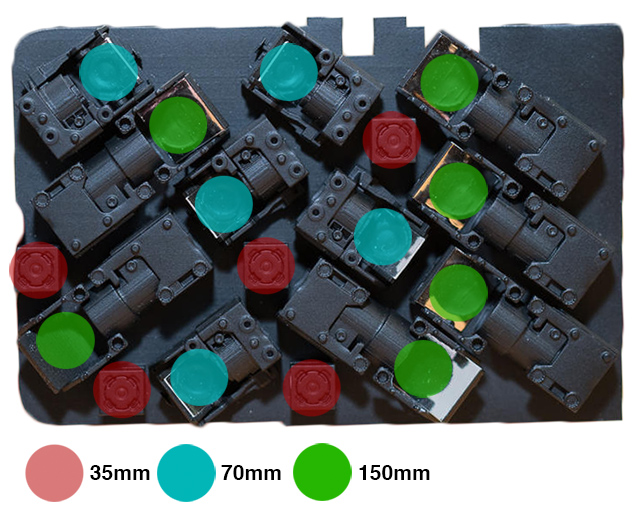
    If you’re having trouble grasping how the L16’s dizzying camera array works, think of it this way: you know how dual-lens phones like the iPhone or Note let you zoom from wide angle to telephoto in the camera app? This is that, stretched to the extreme. The 16-camera modules each have their own image sensor and lens, and they cover different focal lengths. There are five 28mm wide-angle modules, five midrange 70mm, and six 150mm telephoto ones.
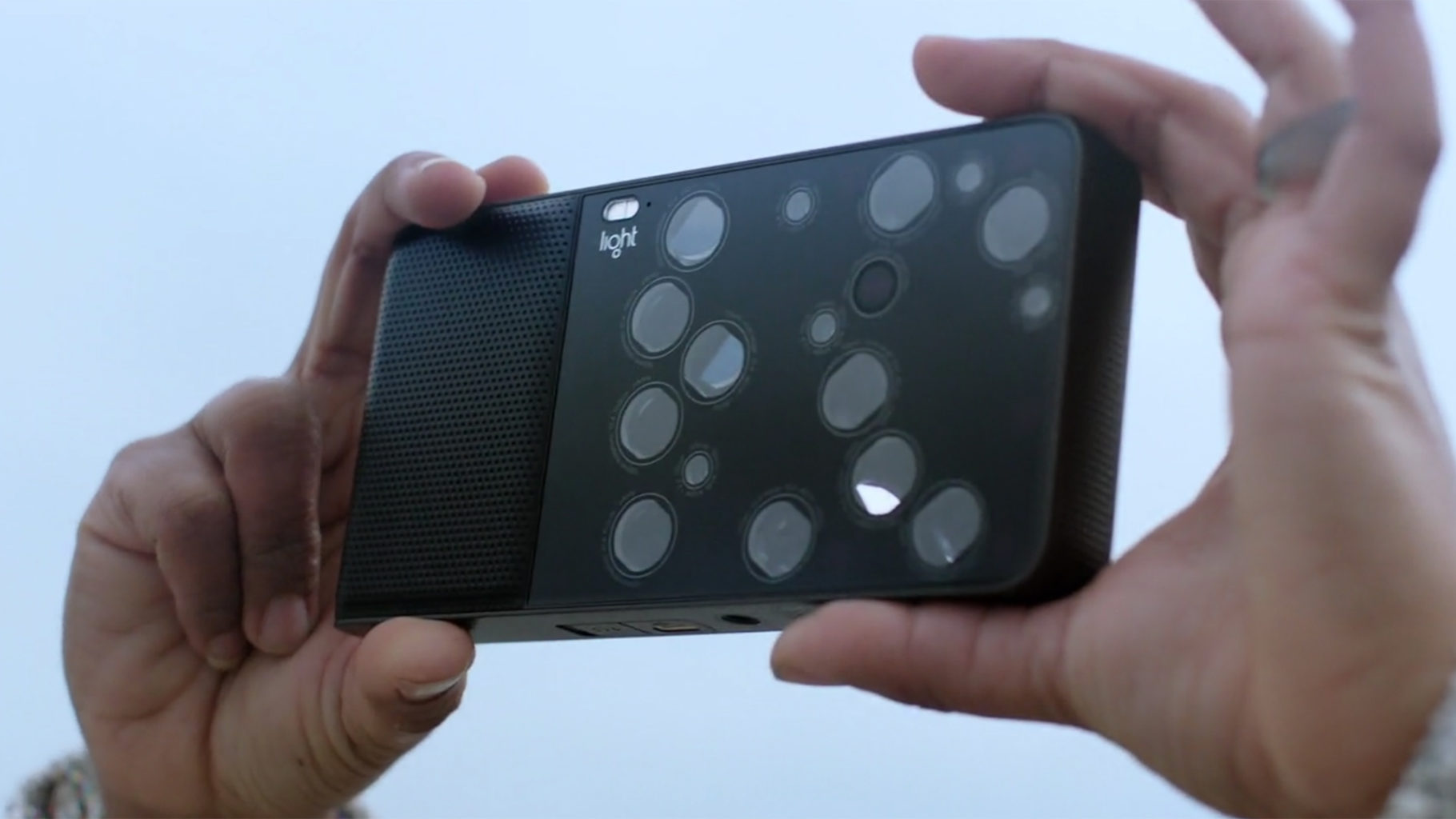
    The big difference between this camera and those phones is that the L16 simulates all the focal lengths in between 28mm, 70mm, and 150mm by combining data from multiple camera modules. So instead of digitally zooming in on the 28mm image to make it look like it was shot at 40mm, it’s replicating that focal length by stitching images together on the fly. This is also why the quality of the L16’s images can be a notch better than that of a single smartphone camera. The L16’s results are slightly greater than the sum of its physical parts, all thanks to some really clever software.

    What Do I think?

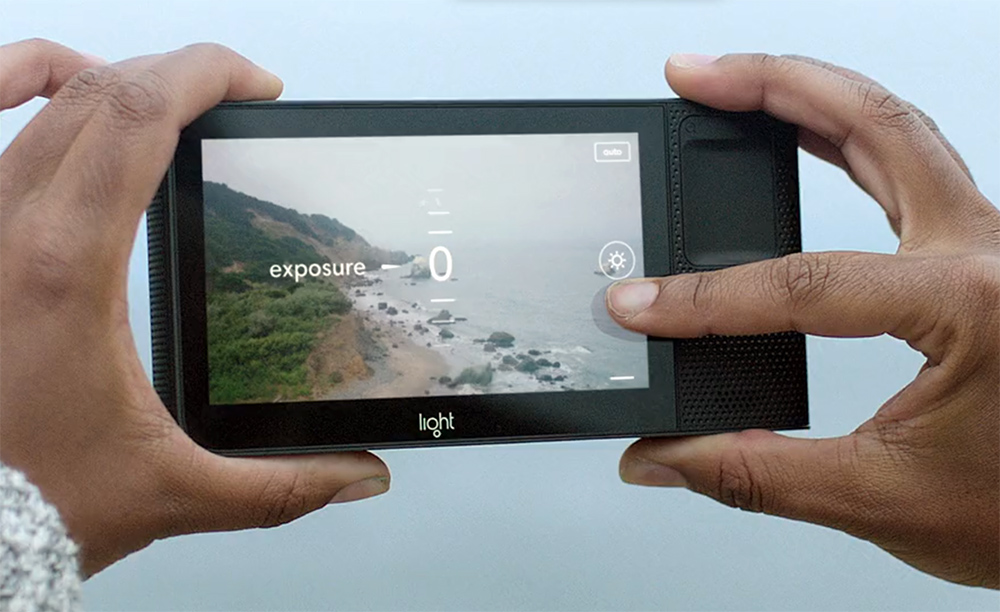
    To be honest, I’m not really sure what to think of the Light L16 camera. It’s a bit of a head-scratcher. On paper it’s a very clever idea: a multi-camera device that computationally creates high-quality, high-resolution photos from up to 16 small, low-resolution sensors, and yet is more pocketable than a big DSLR. The L16’s execution of this, however, at least at this point in time, leaves a lot to be desired. The design of the L16 is awkward, the shooting experience and performance are underwhelming, and the image quality is very inconsistent and often quite disappointing.

    This architecture gives Light a real flexibiilty for future products. Want a pocket-sized 400-600mm camera? Use different camera modules. Want a smaller 35-50mm camera? Drop some of the modules from the L16. It’s not quite that simple, but you get the point.

    Quick Spec Look

    • Full model name: Light L16
    • Resolution: 51.10 Megapixels
    • Sensor size: 1/3.2 inch
    • (4.5mm x 3.4mm)
    • Lens: 5.40x zoom
    • (28-150mm eq.)
    • Viewfinder: No / LCD
    • Native ISO: 100 – 3200
    • Extended ISO: 100 – 3200
    • Shutter: 1/8000 – 15 seconds
    • Max Aperture: 2.0
    • Dimensions: 6.5 x 3.3 x 0.9 in.
    • (165 x 85 x 24 mm)
    • Weight: 15.3 oz (435 g)
    • includes batteries
    • MSRP: $1,950
    • Availability: 10/2017
    • Manufacturer: Light

    The Final Thought

    This camera may not be something that the majority of people want or need, as smartphones are “good enough” and pretty close to the capabilities of the L16. I personally enjoy the semi-concerned glances of total strangers, clearly worried that the thing you just yanked from your bag is not a camera but a futuristic Men in Black sort of weapon.

  • Passwords Are Soon Going the Way of the Blockbuster

    Passwords Are Soon Going the Way of the Blockbuster

    Passwords, I cant remember, I try to develop a system to keep track. I have tried to use the same one for everything, then a variation, I tried to use the same word and change the last number. I spend half of my life resetting passwords. Well good news everybody, the password may soon be a thing of the past, yesterdays problem, and something ill write a tech throwback about in 15 years. A welcomed goodbye and welcome to biometric ID.


    Announced in a press release today (April 10) by the FIDO (Fast IDentity Online) Alliance and the World Wide Web Consortium (W3C), the new Web Authentication (WebAuthn) standard will let users move to biometric logins or verification via a USB security key.

    The new standard aims to lure users away from current password-based systems, which leave users open to phishing attacks and other ways of abusing stolen login credentials.

    The press release notes that “Google, Microsoft and Mozilla have committed to supporting the WebAuthn standard in their flagship browsers and have started implementation for Windows, Mac, Linux, Chrome OS and Android platforms.”A development status page for WebAuthn in Chrome shows that it is slated to be enabled by default in version 67, two major releases from the current version 65. The standard is already supported by Firefox, and Edge will be gaining support in the coming months.
    Login via USB security keys is already widely supported for products such as the Yubikey by major websites such as Facebook, Google and Bank of America

    Face ID and Apple

    Apple has already embraced this and has been implementing it slowly for several years, it started with the finger print sensor in the iPhone 5s. Now the iPhone X and FaceId are taking it to the next level. I havent entered a password on my iPhone X since I got it in November. It even remembers passwords from years ago before I started using the fingerprint reader for my password Chain.

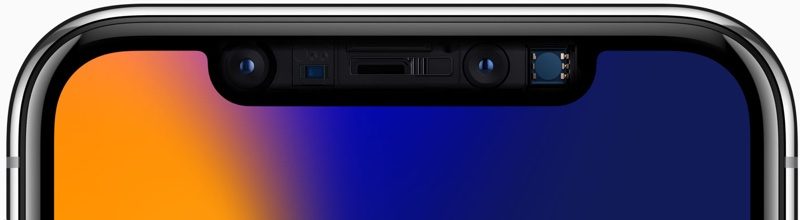
    Face ID is enabled through a TrueDepth front-facing camera on the iPhone X, which has multiple components. A Dot Projector projects more than 30,000 invisible dots onto your face to map its structure.

    The dot map is then read by an infrared camera and the structure of your face is relayed to the A11 Bionic chip in the iPhone X and transformed into a mathematical model. The A11 chip then compares your facial structure to the facial scan stored in the iPhone X during the setup process.

     

    The Final Thought

    Biometric Identification is the path to the future, we have seen it in every future set movie we have ever watched. The time is coming and we are making great progress to it. Apple alone has this nearly set with FaceID, adopt it in to multiple devices in a year or two and its set. Im glad to see all the big tech establishments embracing this and setting a standard for biometric ID. See you in the funny papers, Passwords.

  • Samsung DeX Pad a Big Leap Forward, and it Could Be Free

    Samsung DeX Pad a Big Leap Forward, and it Could Be Free

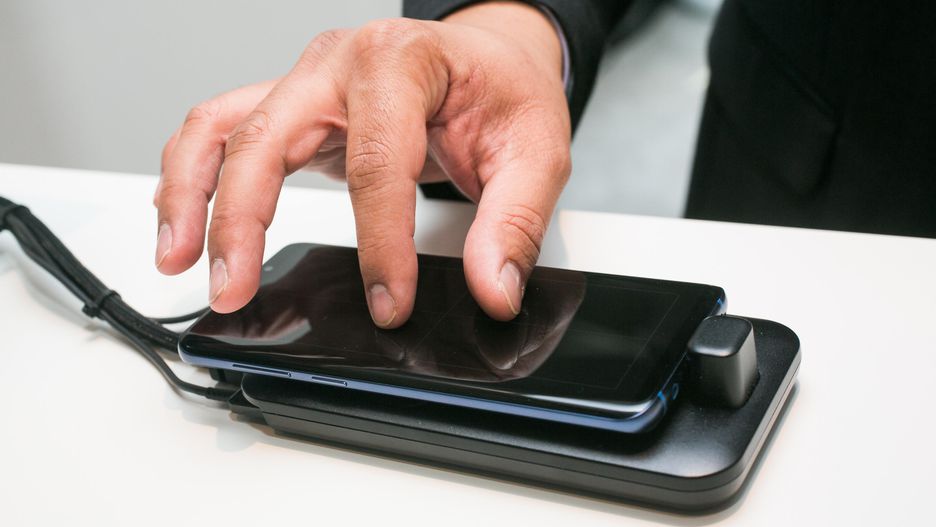
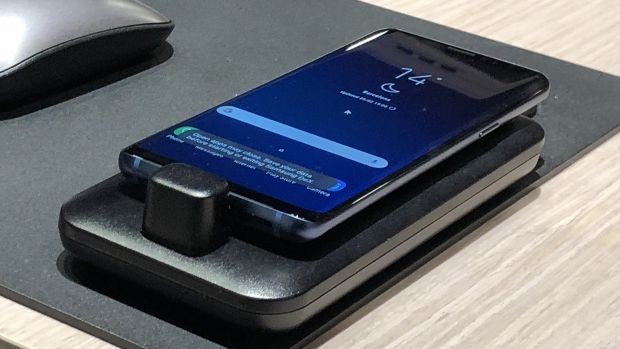
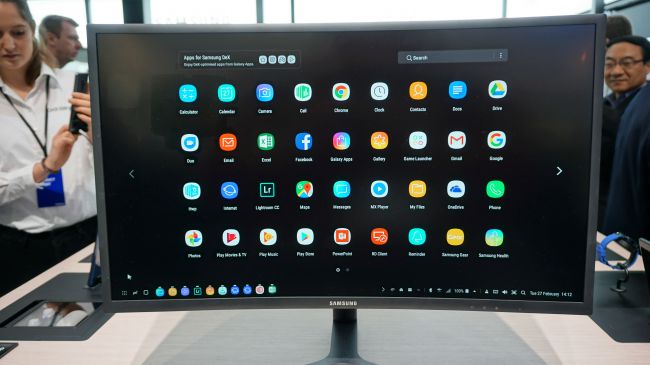
    Samsung is opening up a new device that will add a whole new level of smartphones. Samsung’s DeX Pad allows its smartphones to become minicomputers when they’re hooked up to the device. Connecting a smartphone to the dock allows the user to see the screen of the phone projected onto a monitor.The new Samsung DeX Pad that transforms newer Galaxy phones into a desktop-like virtualization tool is available for pre-order in the US, Samsung announced today.

    With the power we are seeing in the latest phones this could be a real jump in our tech evolution. I know you have asked Why do I need, a computer, tablet, smartphone, 2 laptops and 6 other specialized devices? This will be the first step in a consolidated universe.

    Samsung announced that it would be releasing the DeX Pad in the U.S. on May 13 for the price of $99.99. This new device was revealed back in February during the debut of the Samsung Galaxy S9. When a smartphone is connected to the dock, the phone’s screen can be seen on a much larger monitor.

    How to get a DeX Pad for free

    The new Samsung DeX Pad is like having “a secret Chromebook hidden in your phone.” But not everyone will be willing to pay for this extra.

    Luckily, while it costs $99  at retail, Samsung is bundling the DeX Pad with new Galaxy S9 and Galaxy S9 Plus deals in the US through its website starting today.

    Yes, this means early adopters who already bought Samsung’s new phones in the last few weeks get the short end of the stick if they want multitasking beyond 5.8-inch, and 6.2-inch and 6.3-inch smartphone screens.

    The Final Thought

    The Samsung DeX Pad has two USB-A ports, one USB-C port for powering the DeX Pad and your Galaxy smartphone, and an HDMI port. It outputs 1920×1080 and 2560×1440 resolution to a display. The DeX Pad supports the Galaxy S8, Note 8, and S9 models with the Android 8.0 update. I will have a on review for this upon its May 13th release, stay tuned.

  • HP Chromebook X2 Detachabley Terrific

    HP Chromebook X2 Detachabley Terrific

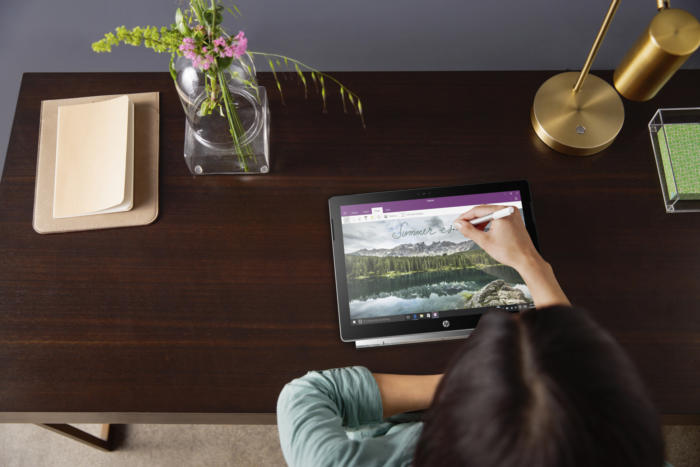
    So we have made it to a place in time where Chromebooks can run Android applications as natively as a Google Pixel 2, it is only natural that we’re starting to see detachable, hybrid Chromebooks that double as tablets.

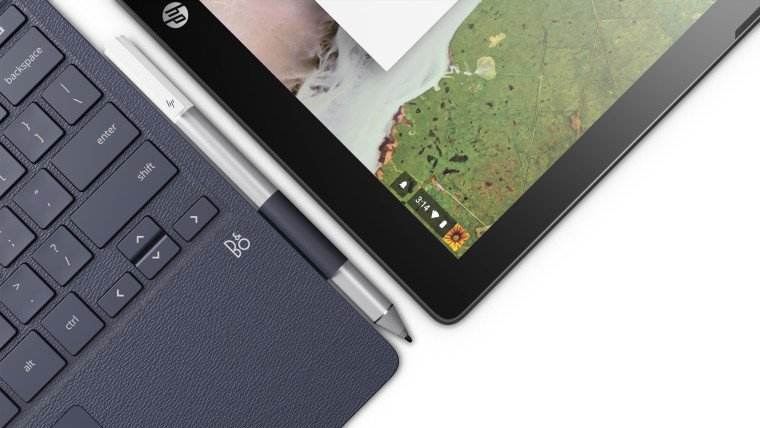
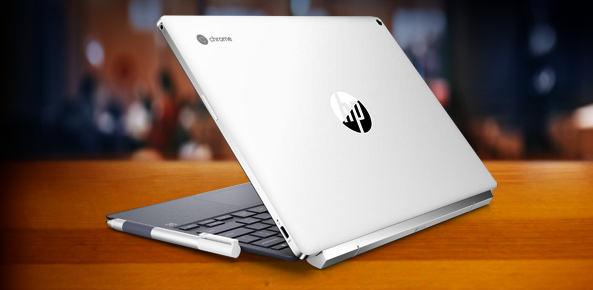
    Now HP is leading the charge in the 2-in-1 detachable Chromebook space with its Chromebook x2. Like the HP Spectre x2 before it, the HP Chromebook x2 is a thin and lightweight tablet that can be magnetically hinged to and unhinged from its included keyboard at will. That’s where the similarities end between the HP Chromebook x2 and its Windows-based predicessors.

    HP is making Chrome OS devices that can do away with the keyboard. It just unveiled the Chromebook x2, a 12.3-inch laptop that’s really a detachable tablet — unlike the earlier Chromebook x360, you can leave the keyboard behind instead of merely flipping it behind the screen (though you can do that too). There’s an included pen for note-taking and sketching, and you’ll find a 13-megapixel rear camera on top of a more conventional 5-megapixel front shooter.


    Hows it Running?

    The Chromebook x2 has a Core m3 processor from Intel’s prior generation of Kaby Lake chips, 4GB of RAM (it can be configured with 8GB, too), 32GB of storage, a 2400 x 1600 resolution, stereo speakers, a 5-megapixel front camera, a 13-megapixel rear camera, two USB-C ports, a microSD card slot, a headphone jack, and an estimated 10.5 hours of battery life. It weighs a little bit more than an iPad Pro, and it’s a little bit thicker than an iPad Pro, but not by much.

    HP also emphasized that the keyboard was designed to hold firmly enough to the tablet that it should feel like a clamshell laptop when the two are connected. I haven’t seen the Chromebook x2 in person, but HP’s images make it look relatively nice. While the Chromebook x2 looks like a bargain compared to the iPad, it’s expensive for a Chromebook, which people often buy for around $300.


    The Final Thought

    So if you’re looking for a more premium Chromebook, and you don’t want to shell out $1,000 for Google’s Pixelbook, the Chromebook x2 seems like a potentially interesting middle-ground. But we won’t know for sure until it comes out later this summer on June 10th.