Author: Cameron

  • Smart TV Roundup: Which One is Right for You?

    Smart TV Roundup: Which One is Right for You?

    Everyone needs to park it on the couch and watch some TV sometimes. After a long day, there’s nothing better than surfing some Netflix or Hulu and enjoying a nice show. Which Smart TV should you consider though? There’s just so many options out there! To help you narrow it down, here’s our favorite smart TVs rounded up! 

    Sony A1 OLED TV 

    Sony’s ultra-premium smart TV is a little pricey, depending on where you get it, running somewhere between $3,000-$4,000. But don’t let that scare you from checking it out! Sporting an amazing picture quality and a really stunning form factor, this TV makes an awesome centerpiece to a room.  

    This 65″ TV boasts all the awesome processing and features you expect from Sony. The picture quality never stutters or suffers under high framerate programming. This TV even incorporates Google Assistant or Alexa support for voice control! If you’re looking for one of the very best and don’t mind spending a bit of money, you’re looking for the Sony A1 OLED. 

    LG SIGNATURE OLED 65W7P W7 

    If you’re looking for something that looks absolutely bananas on your wall and impresses everyone, you’re looking for this. LG’s Signature OLED is a “wallpaper” style display, coming in at a positively unbelievable 2.57mm thick. You read that right. It is downright hard to fathom just how thin this screen is.  

    Even better than the eye-popping form factor of this LG is the picture quality. There is no TV on the market with a better display than this, full stop. That LG managed to make this display so powerful and thin at the same time is a testament to their pedigree. It’s not all magic, though: the TV comes included with a required sound bar. The sound bar is actually the processor for the TV, allowing the display to be as thin as it is. All said, this is quite an impressive TV, but it will cost you: $8,000 MSRP definitely stings.  

    Our Favorite Smart TV: SAMSUNG Q9F 4K QLED TV 

    The QLED line of TVs is just awesome. There’s no better word for them. If you’re looking for the best all-around TV for the price, this is our pick. Operating on the Tizen operating system, the QLED line is easy and accessible to use. The TV boasts great black values, bright colors and sharp images.  

    This TV is seriously smart, too, it’s not just in the name. It automatically detects connected devices and relabels inputs in the menu system. It programs the remote control according to connected devices. It’s really just impressive, easy-to-use and awesome technology. Couple that with the razor-thin connection cable and ability to mount the screen flush with the wall and it’s no wonder this is our favorite! 

  • Are You Hungry? Check Out Our Favorite Recipe Apps!

    Are You Hungry? Check Out Our Favorite Recipe Apps!

    I am terrible at cooking. Just absolutely terrible. I can’t make a scrambled egg without step-by-step instructions. Thankfully for me (and people like me) there are tons of great recipe apps. If you’re hungry and looking for a great app to help you make dinner, check out this round-up! These apps are available on both Android and iOS, so don’t sweat which platform you’re on! 

    BigOven 

    This simple and easy to use app has over 350,000 recipes. Now that’s a lot of meals! This app has some really neat functionality, too. Features like making a weekly planner for meals and making a grocery list make the app feel like an organizer and recipe app in one.  

    BigOven also has social functionality, allowing you to upload pictures of your recipes. You can even see what your friends who use the app are making! This functionality makes BigOven stand out from other recipe apps in interesting and helpful ways. 

    Cookpad 

    Featuring many social media-like feature, Cookpad is an interesting little app. Unlike most recipe apps, this one allows you to exchange recipes with your network of friends and family. The app builds a unique user profile as you upload and comment on recipes, helping you find recipes that are right for you. 

    Cookpad also lets others comment on your recipes. These comments could be for dishes that would pair well with the recipe, or for ingredient substitutions. Many vegetarian users or users with allergies love this aspect of Cookpad! If you’re looking for a great place to find and share recipes, Cookpad is for you! 

    The Coolest of all Recipe Apps: Yummly 

    Yummly’s best feature? It has a search function that helps you find recipes for your lifestyle. Whether you have a food allergy or prefer vegetarian meals, Yummly lets you search its huge database to find the right recipe for you. Even better, the app learns your preferences and suggests recipes for you that match your tastes! 

    Yummly also features Instacart support, unlike many other recipe apps. You can build a shopping list from a recipe and add that list to your Instacart. Then you can order everything on your list and have it delivered right to your door! This makes cooking dinner fast and convenient. This app is our favorite for good reason! 

  • TV Shows that Depict Technology Accurately

    TV Shows that Depict Technology Accurately

    Not everyone cares as much about technology as I do, which is fair. I’m kind of a nerd. But you know when you watch a movie or TV show and see something that just doesn’t… work? It just doesn’t work that way, guys! You can’t “enhance” footage from a CCTV camera! That’s not how recording technology works!  

    Alright, I’m good, I swear. With that, let’s introduce our favorite TV shows that get tech right. 

    Sherlock 

    This show is fantastic, for one thing. It’s engaging and smart and fast-paced, keeping the viewer on the edge of their seat. Story beats are often depicted through text messages, as is common in modern tales. Sherlock pioneered a visual technique that makes these texts flow beautifully in the action. 

    In Sherlock, texts appear as floating, stylish words onscreen near the characters reading them. This more accurately represents what it feels like in the moment when you’re reading your phone. By using this technique, Sherlock smartly sidesteps a common pitfall of TV set in modern day: how do you depict smart phone interfaces on screen? 

    Black Mirror 

    This show’s whole premise is how terrifyingly likely its scenarios are. Black Mirror is a modern blend of the Twilight Zone and cautionary sci-fi tales of the 50’s. Episodes meditate on the potential fallout of technological advances. One episode presents perfect recall through recording software embedded in your eyeballs. Another imagines a world where everyone has a social rating like a credit score displayed for all to see. 

    The anthology-like presentation and believable technology make Black Mirror a scary peek into our own potential future. Without the believable, down-to-earth technology, the show wouldn’t work on as many levels as it does. 

    Silicon Valley 

    Silicon Valley is a very goofy show about some very goofy software developers. Depicting the ins and outs of an internet start-up, Silicon Valley does a great job of accurately depicting the lives of programmers. From the accurate depictions of Silicon Valley offices to the types of desks and computers developers use, the show is certainly on the nose. 

    This is no surprise however. The show was created by Mike Judge, who also created King of the Hill and Office Space. Judge has also been part of an internet start-up himself, so he knows the source material personally. This lends the show a “real”-ness that ups the credibility of its technology–and its laughs.  

    Our Favorite Depiction of Technology on TV: Mr. Robot 

    The phenomenal and believable hacking on Mr. Robot comes courtesy of love and care from the show’s producer. Kor Adana, once a cyber security specialist, helps advise on the show. Adana uses knowledge from his previous vocation and ample consultation with real hackers to make the show believable.  

    On screen command prompts and use of actual technology help ground the show. The believable hacking and tech make the show that much more engaging, lending it credibility. This makes Mr. Robot as close as we’re likely to get to a televised version of Neuromancer. 


  • ChroMorphous: New Color Changing Smart Fabric Controlled by an App

    ChroMorphous: New Color Changing Smart Fabric Controlled by an App

    The next generation of wearable tech is upon us in the form of ChroMorphous, thanks to the hard work of researchers at the University of Central Florida. Their new battery-powered wearable tech changes color when turned on, and can be controlled directly from a phone app. Their color-changing clothes may just represent the future of clothing! If this sounds like a sci-fi novel to you, you’re not alone. 

    How Does ChroMorphous Work? 

    The tech, which is still in the early stages, incorporates a unique combination of micro-wires and color-changing pigments powered by electrical signals. The researchers call it ChroMorphous. The chameleonic fabric is somewhat dense and thick, with comparable texture to canvas, making it somewhat bulky.  

    The researchers are working on making the tech smaller and softer, however, with intentions of mass producing the stylish technology. This technology would likely be tremendously popular! Rather than buying different clothing to match with each other, you could just buy the styles you like and set the color on the fly! 

    Other Applications 

    Technology like this is likely to become the norm in the near future. At Ohio State University, researchers have created similar technology with micro-antennae capable of sending and receiving signals from smart devices. Such technology would allow for application in more than just fashion.  

    Virtual reality games, for instance, could make use of the tech to track users. Smart home devices could identify users and be controlled via body gestures with this kind of technology. Clothes themselves could become smart devices: synching with your home’s virtual assistant and updating your clothing on the fly.  

    The possibilities are really endless! 

  • Project Maven Causing Internal Strife for Google 

    Project Maven Causing Internal Strife for Google 

    Project Maven has led to some dissatisfied employees quitting from Google. According to a new report from Gizmodo, the Maven AI project has driven these employees away due to its combat applications. The original report holds that nearly a dozen employees left the tech giant after their concerns over the project went unaddressed. This type of brain drain is certainly bad for Google. Highly skilled programmers leaving the company only helps Google’s competitors: they are likely to hire such talented employees. Not to mention, continued development of military technology could damage Google’s brand.

    What is Project Maven? 

    Project Maven is an AI piloting program that Google has partnered with the Pentagon to complete. The program’s purpose is to create an AI that can pilot military grade drones. In April, nearly 4,000 Google employees signed a petition beseeching their employer to not have anything to do with drone strikes. More than a month later, some employees felt as though the company hadn’t done enough to distance itself from violence.  

    Militarily speaking, it is understandable why the Department of Defense would be interested in AI to pilot drones. However, such AI would also be quite dangerous, and it makes sense that many Google employees would have less desire to work on such a project than on something more peaceful. 

    Google’s Role in Warfare 

    Google isn’t exactly known for their advancements in military technology: they’re a consumer technology company. This is certainly an unusual direction for them. However, given their new push for dominance in the field of AI, however, Google seems to have attracted military attention—and military money.  

    What will this mean going forward? Will we see more employees leaving if the company pursues Project Maven further? Or will the company back away from this course of action? The answers to these questions may shape humanity’s relationship with AI. 

  • Considering a Tech Job? Check Out Our Top Ten Jobs in Tech!

    Looking for a tech job? Thankfully the tech world is a very different place than it once was.

    At one point in time, tech jobs were considered very niche and not many opportunities were available. In the modern day, however, some of the best jobs in the world are tech jobs! If you’re seriously interested in pursuing a career in technology, there are a lot of paths you could head down. With that in mind, here’s our 10 favorite tech jobs.

    Computer Support Specialist

    Starting our list is the computer support specialist job! This tech job has an average salary of around $52,000 per year. Computer support specialist responsibilities typically include helping people with operating systems, malfunctioning computers and login issues. Part computer whiz, part customer service expert, computer support specialists often work in call centers. Occasionally they will also work in traditional office settings, helping other employees of the same company.

    Web Developer

    Web developers are specialized coders who use code languages to create websites. The typical web developer makes around $66,000 per year and can expect steady work. Web developers tend to work for corporate or business clients who need a website built. Some designers work alone to create the front and back end of a website, while others are more specialized and work with a group of designers. In either event, knowledge of code and programming is required, making this a good fit for coders looking to use their skills artistically.

    Computer Programmer

    A computer programmer uses code like C++ or Python to tell software what to do. Making around $79,000 on average, computer programmers have no lack of available jobs. Indeed, nearly all tech companies have openings for programmers. Due to the nature of coding, many programmers are able to work for home, which is a plus for some. However, many note that programming can be tedious and stressful, so it’s certainly not for everyone. If you have the know-how and the will, however, it can be a great career to pursue!

    Computer Systems Administrator

    Systems admins work with servers and networking to ensure a company’s local network is operating efficiently. This tech job is for those who can think on their feet and problem solve rapidly: companies depend on their networks. When those networks aren’t working, the systems admin has to be able to react quickly and fix the problem. That said, these employees are certainly compensated for their hard work. A systems administrator makes an average of around $80,000 in a year.

    Database Administrator

    This tech job is a little more complex to explain. A database administrator is sort of like a curator of information. Most DBAs help maintain databases of a company’s most valuable info, keeping it organized and concise for readability. This job requires superb communication skills, as you will need to keep others informed of where to find relevant data. It also requires a detail-oriented, organized person with a good deal of computer knowledge. If you fit the bill, you’ll be happy to find that DBAs make around $85,000 a year.

    Computer Systems Analyst

    Computer systems analysts oversee system overhauls and upgrades. When a firm or business hires a systems analyst, the analyst figures out their client’s tech needs, shows them a proposal for a new system that will be more efficient and cost-effective, and then oversees the installation. As a job that requires constant interaction with clients and programmers and installers, this position is often held by outgoing and personable professionals. These analysts have a large number of responsibilities to manage. However, they also make a good deal of money doing it. The average systems analyst makes $87,000 a year.

    Information Security Analyst

    This is a very important job in any organization. Acting as an information security specialist requires great knowledge of counter-intrusion software and great patience in monitoring systems. Many who have deep knowledge of hacking and computer viruses find this field appealing. As a legal way to ply the trade of hacking and dissecting viruses, this is an interesting position. If you have the required skill and dedication, you can make an average of $92,000 a year.

    Computer Network Architect

    As a network architect you build and maintain an interconnected network of servers. In addition to the technical knowledge required to build these systems, network architects also manage staff. Overseeing teams installing new servers and maintaining networks is a key aspect of this tech job. Additionally, people in this position would work closely with their company to help them achieve their network goals. Network connectivity like cloud saves and other internet-based infrastructure are the work of network architects. Computer Network Architects make around $101,000 per year.

    IT Manager

    The highest average salary on this list, IT managers make an average of nearly $140,000 per year. However, that salary comes with a lot of responsibility! These managers typically work closely with other top management to help guide the organization. Tech needs are always changing, so this guidance is important for any business to grow. Additionally, any upgrades or changes to a business’s technology would likely be overseen by the IT manager.

    Our Top Pick for Best Tech Job: Software Developer

    Software developers help create the apps we interact with every day. From recipe apps to banking apps to social media, most every software suite was shaped by a software developer. Our pick for best tech job, software development is in high demand. And that demand isn’t going away anytime soon! Android and iOS are immensely popular and software development for them is sought after by many large companies. For those with the artistic and coding skill to develop software, this career pays well and offers loads of opportunity. With average salaries of $100,000 a year and tons of potential for advancement, software development is a great choice for tech job.

  • NES Classic to Return to Store Shelves in June

    NES Classic to Return to Store Shelves in June

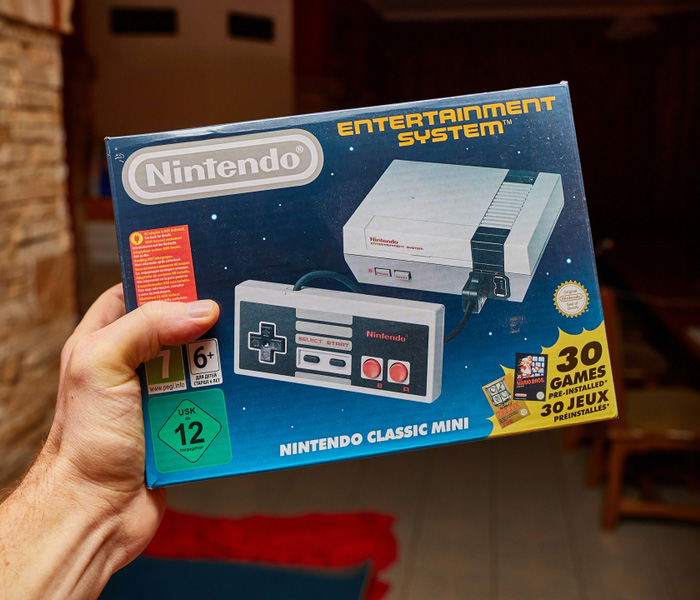
    The beloved Nintendo Entertainment System lives again, again! NES Classic Mini systems are slated to return to retailers June 29th, according to Nintendo, and the company claims the systems will be available until the end of the year. This is fantastic news for retro gaming enthusiasts looking to relive some of the most iconic games of all time!

    Tremendous Hit

    Since its initial release in Fall 2016, the NES Classic has been a tremendous hit, selling out its initial run in record time. Following its astonishing success, Nintendo released the SNES Classic, a miniature version of the NES’s successor, which experienced similar sell-outs. Finally, this Summer, fans who missed the initial release window will have a chance to snag the tiny retro console for MSRP, which is $60. For those who held out for a re-release, or simply couldn’t find a reasonable price on the secondhand market, this news is great!

    eBay Scalpers

    Notably, the NES Classic and its successor were both heavily targeted by eBay scalpers, scam artists who buy collectibles in large quantities and resell them on eBay and similar sites for absurd markups. Nintendo clearly didn’t expect such a massive demand for the systems, and scalpers capitalized on the low supply by further bottlenecking it and preying on nostalgia. This time around, however, Nintendo promises a much higher supple of both NES and SNES Classic systems, ensuring retailers will have them stocked for MSRP. This is awesome for customers, and terrible for scalpers. Win-win!

    NES Classic systems come preloaded with 30 iconic games, including Super Mario Bros, the Legend of Zelda, Metroid, Balloon Fight and more! You can grab one of your own and enjoy games from the 80’s that helped redefine the gaming industry when the system re-releases on June 29th.

  • Is Google Duplex Too Real?

    Is Google Duplex Too Real?

    We’re living in the future. If you needed a reminder of this, you need look no further than the prevalence of artificial intelligence on the cusp of becoming indistinguishable from humans. At their I/O 2018 conference, Google showcased their new Duplex technology. Duplex allows Google Assistant to make phone calls for you to set up appointments and reservations. The unique trick here is just how lifelike and eerie the Assistant sounds on the phone. It says “umm,” and “mmm-hmm.” It uses upward-lilting speech to sound authentic. It sounds completely human.

    How Far is too Far?

    Google claims that the Duplex technology will identify itself as such when it goes live. This, at least, covers our initial fears that people will be unaware that they are interacting with artificial intelligence. However, the presence of this technology alone could be cause for concern: what if another, less responsible company develops similar technology? What if scammers steal the technology and use it to operate elaborate phone scams? The potential for abuse is certainly high. It remains to be seen what protections Google has in place for this lifelike AI.

    So What?

    Maybe you don’t mind the idea of lifelike-sounding machines calling you. If they sound human and I’m not aware that they’re machines, so what? Why should I care? Google already promised it would even identify itself! To which I would say: I don’t think we need to worry about Duplex itself. I thoroughly believe Google will be responsible with this tech, if only because all eyes are on them. They are a leader in AI research and this is a pioneering piece of technology that many will likely follow. As such, I have no doubt Google will toe the line and act ethically with their new tech. The question remains, though: will those that follow do the same? Now that the door is open, who knows what kind of potential for misuse of this technology puts on the table.

    This is Just the Beginning

    Either way, Google is not alone in pushing the boundaries of AI applications. Microsoft and Facebook are also pursuing the future of AI in attempts to make their products synonymous with the burgeoning tech. These companies and others like them are all racing to hit the market with the most lifelike, the most impressive and least detectible AI before their competition. We can only hope they temper their haste to be the first to market with a desire to act ethically and responsibly with technology that will change the way we interact with our world.

  • Tech Trivia That Will Blow Your Mind!

    Tech Trivia That Will Blow Your Mind!

    If you’re like me, you love technology and you love trivia. And what better than trivia about technology? Today we’re rounding up our top ten favorite pieces of tech trivia!

    PayPal, then and now

    Photo Credit: Barron’s

    Way back in the dark ages of 1999, a survey found that PayPal, with its unique business model, was voted in the top ten worst business ideas. Ironically, the company is now worth millions of dollars.

    Apollo 11

    02-apollo11

    Photo Credit: TripAdvisor

    The Apollo 11, the first spacecraft to carry humans to the moon, is an iconic piece of technology in human history. Fascinatingly, the computers carried onboard have less processing power than modern-day cell phones. You carry technology in your pocket that would have been unthinkable fifty years ago.

    Email, pre-WWW

    03-rotaryphone

    Photo Credit: Amazon

    Before the World Wide Web and the establishment of URLs, individual web pages were numbered and accessing them was less than easy. In this era, it was possible to send email, but it required a rotary phone to connect to a now-obscure service called Micronet via your computer. The webpage number for email? 7776.

    The First Computer Mouse

    04-mouse

    Photo Credit: Newegg

    In the early 60’s, Stanford Research Institute professors Douglas Engelbart and Bill English Stanford unveiled their “X-Y Position Indicator for Display Systems,” a device designed to point to elements on a computer display. We would come to refer to such technology as a computer mouse!

    First designed for use with the Xerox Alto computer and demoed in 1968, Engelbart also showed off early version of word processing and computer graphics. Engelbart is also responsible for the name “mouse,” as he thought the cord that ran from the pointer to the computer was reminiscent of a mouse tail!

    Ever-shrinking Computer Memory

    05-supercomputer

    Photo Credit: AIS Computer Centers

    It’s well-known that memory is always getting smaller and more efficient: where once SD cards with a few gigabytes of memory cost $100, they now cost less than $30. Going back sixty years, however, is even more quaint.

    In 1956, IBM unveiled the RAMAC computer, one of the first devices to use a hard drive-like device for memory. The RAMAC (Random Access Method of Accounting and Control) had 5 megabytes of storage and weighed over 2000 pounds.


    Most of the Worlds Currency is Digital

    06-creditcards

    Photo Credit: PYMNTS.com

    According to educated guesses by global economists, only 8 percent of money in the world is physical cash. The rest exists only in the form of ones and zeroes on the internet. This is fascinating, showing just how much we’ve come to rely on technology for our global economy. With most transactions occurring digitally and paper money and coins becoming less prevalent, it won’t be surprising to see physical money phased out entirely eventually.

    QWERTY May have been invented to slow typists

    07-typewriter

    Photo Credit: USB Typewriters

    The story goes that, originally, typewriters were laid out in alphabetical order, but the QWERTY layout was implemented to slow down typists. Supposedly typists had become so fast that they were consistently jamming their typewriters as the arms would cross and lock up. In order to combat this, the QWERTY layout would set commonly used letters further apart, leading to less jams and overall more efficient typing.

    Domain Names used to be Free

    Photo Credit: Quora

    Until 1995 it was free to register a domain name. Let that sink in. From as little as 23 years ago, understanding of just how big and important the Internet was going to end up being was almost nonexistent. By 1995, though, a company called Network Solutions was given the rights to charge for domain name registration. A percentage of money from this, though, ended up going to the National Science Foundation for Internet Research.

    A Hollywood Star Helped Invent Wi-Fi

    09-HedyLamarr

    Photo Credit: Tablet Magazine

    Hedy Lamarr is remembered for her roles in early-era Hollywood films. She is also remembered by many for her exceptional contributions to computer technology! Together with George Antheil, she helped create radio signal technology that was intended to prevent torpedoes from being jammed. While her ideas were patented, they weren’t implemented until the Cuban Missile Crisis, when the Navy would use them to develop several new radio forms, including Wi-Fi.

    Amazon’s Name was Chosen so it Would Be Higher in Alphabetical Order

    10-amazon

    Photo Credit: Wikimedia Commons

    Amazon is the odd Internet giant that has been around since the early days. As a direct example, take the anecdote of how the company got its name. CEO Jeff Bezos originally thought to name the company Cadabra, but a combination of that name being misheard as “cadaver” and a desire for visibility changed his mind. In the 90’s it was common to browse the Internet using Yahoo’s search directory, which listed websites alphabetically. Thus, Amazon was chosen to put the company near the top of the list.

  • The Robotics Kit Roundup for Students

    The Robotics Kit Roundup for Students

    If you know any students who are enthusiastic about robotics and looking to build their own robots, you might be wondering which kits are the best. Never fear, because we’ve rounded up our favorite robotics kits for students. Read on to find out our favorite robotics kit for aspiring tinkerers!

    Meccano-Erector MeccaSpider Robot Kit

    This $100 kit is for children 10 or older. Taking between one and three hours to build, this spider-themed kit has some fairly neat features. Firstly, it sports on-board buttons that allow the builder to set it in different preset modes, such as “guard” and “game” modes. It has a reservoir for water so that it can shoot “venom” (which is awesome) and it sports an infrared sensor to detect opponents

    The robot can be controlled from a linked smartphone app, allowing for some fun, hands-on play with the device after it’s complete. This kit is part of the “STEM” initiative, a push by the Department of Education to prepare students for careers in science and robotics. The MeccaSpider is an intermediate level robot.

    UBTECH Jimu Robot DIY Buzzbot & Muttbot Robotics Kit

    For a reasonable $135 this kit can be built into either Buzzbot (a goofy-looking humanoid bot) or Muttbot (a goofy-looking dog bot). This one is somewhat simple, using a combination of six servos and a small computer to power the robot, whether it be the kid or dog robot.

    Using linked smart phone apps, kids can string together a series of saved poses, allowing them to animate scenes. These programmed procedures are a neat way to teach kids about programming while they also learn about robotics.

    Makeblock DIY Ultimate Robot Kit

    If you’re looking for a more expensive robotics kit that can build into many different types of robot, this kit is for you. For $350, the Makeblock DIY Ultimate Robot Kit can be built into a robo-bartender, a servo arm, a self-balancing bot and many more. Powered by Scratch 2.0, a kid-friendly programming language, this kit does a great job teaching kids tons of lessons in both robotics and programming.

    This robotics kit is also compatible with Raspberry Pi mini computers, which allows young mechanists to have a great amount of customization and control over their creations. If your little builder is ready for a step towards the “real thing, ” this kit is a great choice!

    Elegoo UNO Project Smart Robot Car Kit

    The least expensive robotics kit on this list, the Elegoo Smart Robot Car is only $74. This device is simple, with a small number of parts and a fast build time. This makes it a great choice for an aspiring builder’s first kit! It sports a few different modules, such as infrared and Bluetooth, making it a very customizable build.

    It also sports connectivity with third party modules, allowing for a unique build. Note, the expansion modules have to be compatible with a 3-pin XH2.54 interface to be used with this kit.