Author: Cameron

  • Best Hiking GPS Roundup

    Best Hiking GPS Roundup

    It’s that time of year again, when the weather is hot and it’s time to head outside! If you’re looking to go on a hike in the wilderness, you’ll want to bring a good hiking GPS with you to make sure you don’t get lost! There’s nothing worse than getting turned around and having no cellphone signal to help navigate your way back. In order to alleviate this problem, carrying a good satellite GPS receiver is a must! Which ones are our favorites? Read on to find out! 

    Spot X Satellite Messenger 

    A great pick for hikers, the Spot X allows users to send messages to people back home via satellite connection. While the subscription for the device is $20 per month, it’s worth it for the SOS feature. The device can send an SOS and real-time location tracking in case you get into a serious problem out in the wild. The device itself is $249, and it’s definitely a good pick at that price. It’s water-proof and drop-resistant and features a ten-day battery life. On the downside, it doesn’t have any maps pre-installed, but that’s a small gripe. All said, this is a great companion for any hiker. 

    Garmin Oregon 700 

    Utilizing both GPS and GLONASS to ensure accurate location tracking, the Oregon 700 is a fantastic GPS. The touch-screen display is small but responsive and designed for viewing in direct sunlight. The screen is Gorilla Glass, which makes it nigh-indestructible and easy to read. It even offers driving directions and directions on water! Hikers will love the compass and altimeter, allowing them to retain their bearing and track altitude. If you want a modern, serious GPS with a great interface, this one is for you. The Garmin Oregon 700 costs around $400 and can often be found on sale for $350 or so. 

    Our Favorite Hiking GPS: Garmin GPSMAP 64S 

    The $300 GPSMAP 64S is a steal for the price, and our favorite hiking GPS. Like the Oregon 700, the 64S uses both American GPS and Russian GLONASS to maintain orientation. It comes pre-loaded with a world map and it has 4GB of internal storage for waypoints and routes. The design is durable and has huge buttons that are easy to press even while wearing gloves. Smartphone connectivity is available to send updates like inclement weather, too! The device even has preloaded geocaches for treasure-hunters to go after! For its price, the GPSMAP 64S is the best GPS you can buy for hiking. Garmin’s products are really quite something, and you won’t be disappointed with this one.  

  • Coolest Electric Skateboard Roundup

    Coolest Electric Skateboard Roundup

    Yeah, you read that right. There are some really awesome electric skateboards out there! And, given that it’s the height of summer, what cooler way to ride around? While you’ve likely never considered shopping for an electric skateboard (that’s just fun to type!) we’ve got a few that are worth your time. If you’re looking to cruise around and enjoy the warm weather, try these awesome skateboards! 

    Acton Blink QU4TRO 

    The $1,700 Acton Blink QU4TRO has a ton of power and can really move. If you’re looking to strap on a helmet and really go for a ride, try this one out. It has a hub motor for each wheel and can go over 20 MPH. One of the most powerful electric skateboards on the market, it can travel over twenty miles on a single charge! The downside to all that power, of course, is that the board is heavy. It weighs somewhere around 25 pounds, so it’s not quite as zippy or light as other boards. The suspension compensates for that when in use, but it’s definitely a lot to lug around. If you’re looking for a powerful electric skateboard, though, this is the one for you! 

    ZBoard 2 Blue 

    This board is unique in that it doesn’t use a remote controller to power the motor. Instead, you lean on the foot pedals to accelerate or slow down, which is super-intuitive. It’s also very wide and somewhat heavy, coming in at 17 pounds. It moves pretty fast, around 20 MPH, and sports a pretty good battery. If you’re looking for a good board for commuting to class or work, try the ZBoard 2 Blue. It’ll set you back about $1,300, but it’s well worth it for the fun and convenience!  

    The Coolest Electric Skateboard, Inboard M1 

    The slick 14-pound Inboard M1 is a skateboard first and electric second. This one is perfect for those who want to enjoy the skatepark but use the motor to cruise home after. Featuring two hub motors and a good bit of power, the Inboard is great for skaters of any skill level, in any environment. The board is quite high-tech, featuring Bluetooth connectivity for controlling the motor and “regenerative breaking.” That unique feature helps put juice back in the battery when breaking, helping extend your rides!  

    The Inboard also has a swappable battery, allowing you to carry an extra to swap on the fly. This lets you ride for longer without worrying about charging up! This one is the best electric skateboard overall, easily worth its $1,400 price tag. 

  • Elon Musk Claims Sabotage of Tesla Model 3 Production

    Elon Musk Claims Sabotage of Tesla Model 3 Production

    The Tesla Model 3 has been a hotly-anticipated vehicle. However, prospective owners have been stymied by the car’s notorious production shortages. However, it seems that circumstances out of Tesla’s control may have led to some of their recent troubles. In an email obtained by CNBC, Tesla CEO Elon Musk claimed an unnamed employee has been actively working to sabotage production of the electric vehicles.  

    Betrayal from Within, or Corporate Sabotage? 

    Musk claims in the email, which was sent to all Tesla employees, that the unnamed employee is guilty of a wide range of sabotage efforts. Those efforts include directly tampering with code related to production systems and the leaking of confidential information to third parties. According to the email, the employee had become hostile to the company following the company’s refusal to promote them.  

    Musk, however, further elaborates that the sabotage was likely more to do with competitors than a personal vendetta. In the email the Tesla CEO reminds his employees that oil and gas companies are known for their underhandedness. As such, blame for these willful acts of sabotage may well lay at the feet of one of those companies. While the employee in question may have truly been disgruntled with the company, a hefty sum of cash from an oil company could have galvanized them to commit such acts. 

    Other Troubles for Tesla 

    The electric car manufacturer has had their share of other production issues. For instance, just this week, the company reported its fifth factory fire in the Model 3 production facility. In light of the news that sabotage from within is being fielded, that high number of fires could be further evidence.  

    Maybe Tesla’s production issues can truly be ascribed to sabotage by the infamously-malicious oil industry. Then, their difficulties shipping Model 3’s are much more forgivable. If these allegations are true, here’s hoping the culprits are brought to justice. If these allegations aren’t true, then the question still stands: what is going on at Tesla? 

  • Alexa to Come to a Hotel Near You

    Alexa to Come to a Hotel Near You

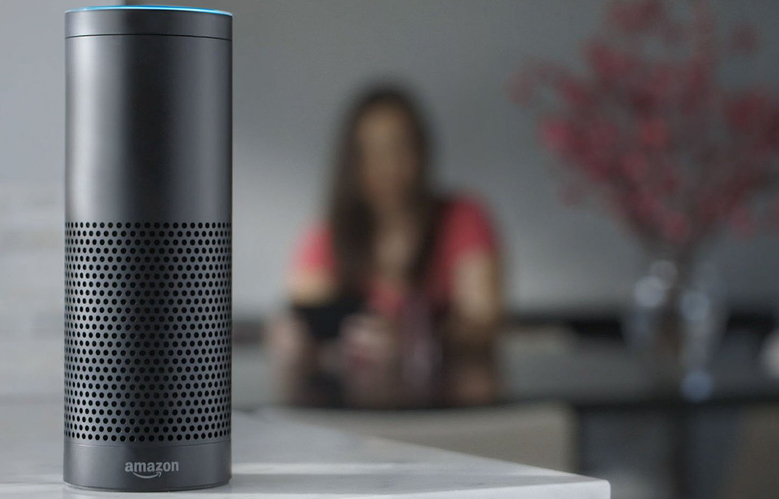
    Amazon has announced that they will be partnering with several hotels to bring an “Alexa for Hospitality” platform to them. This move marks a big push by Amazon to have their Alexa-based Echo services become more mainstream and recognizable. While many will likely find this convenient, some other may be put-off by the presence of an always-on mic in their rooms. 

    Convenience in Hospitality 

    Using Alexa to control smart-home features is already a luxurious feeling. Staying at a hotel with smart features enabled is a pretty natural step. Hotel-specific features like ordering room service are welcome additions, too! Hotels are looking forward to “deepening engagement” with their guests through the service. Hotels have promised unique skills for the virtual assistant through their service, as well. The service promises features like specialized music services and connecting to users’ existing Amazon accounts, too. By connecting their accounts, they could access their music and e-books through the hotel Echo devices. The account would be disconnected after check-out, of course.  

    Strengthened Alexa Privacy Features 

    Many people were less than shocked to hear that an Echo device sent a private conversation as a message accidentally. After all, when you have an always-on mic, the opportunity for such mix-ups are possible even without malicious intent. As such, some users will likely be unsure of having a microphone in their room listening to their every word. Amazon has promised that Hospitality-enabled Echo devices will delete all recorded audio and won’t allow for hotel staff to listen in.  

    However, they have also promised that Alexa for Hospitality will provide advanced analytics for hotels to show guest engagement. As such, it seems likely that data collected by Alexa will be viewable by hotel staff somehow. Amazon went on to clarify, however, that guests staying in hotels with the service can ask to stay in a room without an Echo.  

    How do you feel about Alexa? Do you think the personal assistant is a handy way to control smart-home features? Or are you hesitant to have an always-listening microphone in the room with you? Either way, it’s hard to deny how convenient the service is, and it’s a natural fit for hospitality. 

  • Oppo R15 Pro: Worth the Buy?

    Oppo R15 Pro: Worth the Buy?

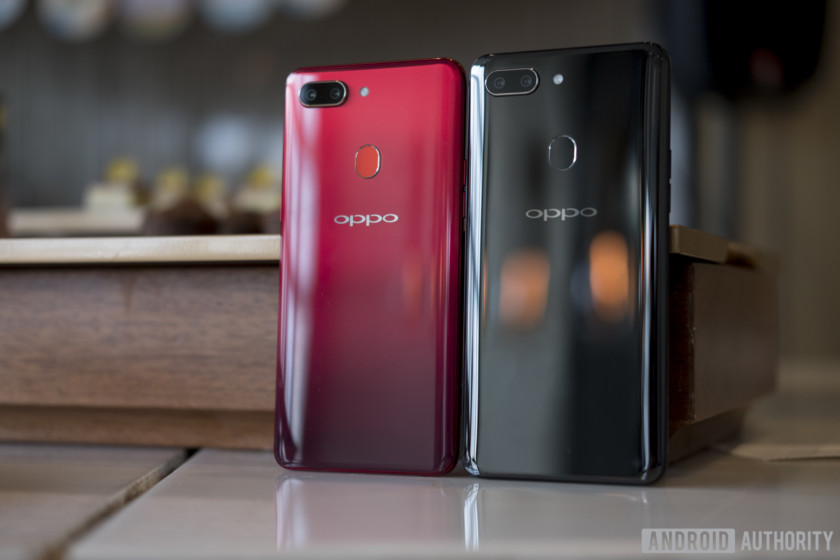
    You might have never heard of Chinese smartphone brand Oppo. Odds are good you’ve heard of their sibling company, OnePlus, though. Oppo, ironically, is the bigger brand in China, but OnePlus tends to steal headlines with their bold designs. The newest Oppo phone, the Oppo R15 Pro, is out now. Is it a worthy competitor in the crowded Android market, or is the brand’s obscurity in the US warranted? Let’s find out. 

    Design 

    The R15 Pro is a very clean, modern-looking phone, with a big 6.28-inch display. It sports an iPhone X-style notch, and, in fact, is very much an homage to the iPhone. The Color OS spin on Android OS is pretty much a one-to-one recreation of iOS 11, which isn’t exactly a bad thing. It does make the phone feel unoriginal, but it doesn’t detract from the end user experience. 

    The Oppo R15 Pro has asolid make, too. The phone sports a headphone jack, unlike some newer phones, and has a metal back. That somewhat old-fashioned design decision is underscored by the phone’s charging port, which is micro-USB. The charging port works fine, but it is odd to see such an old port when USB-C is officially the preferred charging method of other android phones. 

    Cameras 

    The cameras on this phone are quite solid. It has two back-facing cameras for portrait mode, and pictures taken in it look fine, if a little washed out. The back cameras are both 20-megapixel, while the front one is 16. Pictures taken normally look pretty good, considering this phone has a mid-range price! It even sports automatic HDR that looks really great.  

    Oppo R15 Pro Performance 

    While design and camera quality are important, the actual phone performance is the big deal. The R15 doesn’t disappoint, but it’s certainly no powerhouse. Sporting a 2.3GHz octa-core Kirin 970 processor, the phone does okay in most tasks. Gaming and other processor-intensive tasks are a little less snappy than on higher-end phones, but it’s usually fine.  

    The battery life is rather excellent, only a fraction worse than the OnePlus 6, which is still impressive. You’ll likely finish the day with a good chunk of battery left, which is great.  

    Bottom Line 

    The final word on the R15 Pro? It’s an excellent phone for its mid-level price. Coming in around $515, this phone has no glaring drawbacks and works reasonably well in most tasks. If you like the look of iOS but want to stick with an affordable Android, consider getting an R15 Pro. You’ll also get a ton of odd looks from people who have no idea what phone you have, which is cool!  

    Feature Image Credit: Android Authority 

  • Which Video Game is the Greatest?

    Which Video Game is the Greatest?

    The medium of video games has grown tremendously in the past few decades. What was once considered something akin to children’s toys is now considered an art form. Many who grew up playing video games are now adults and fondly remember the games of their childhood and how those games defined them. Since E3 passed just last week, let’s discuss our favorite game of all time, and some of the runners-up. This list, of course, is entirely subjective and it’s okay if you disagree. But, for our buck, these ten games represent the very best gaming has to offer. Even if some of these games haven’t quite aged well, we’re considering their impact at the time of release. Alright, let’s get into it! 

    10. Half Life 2 
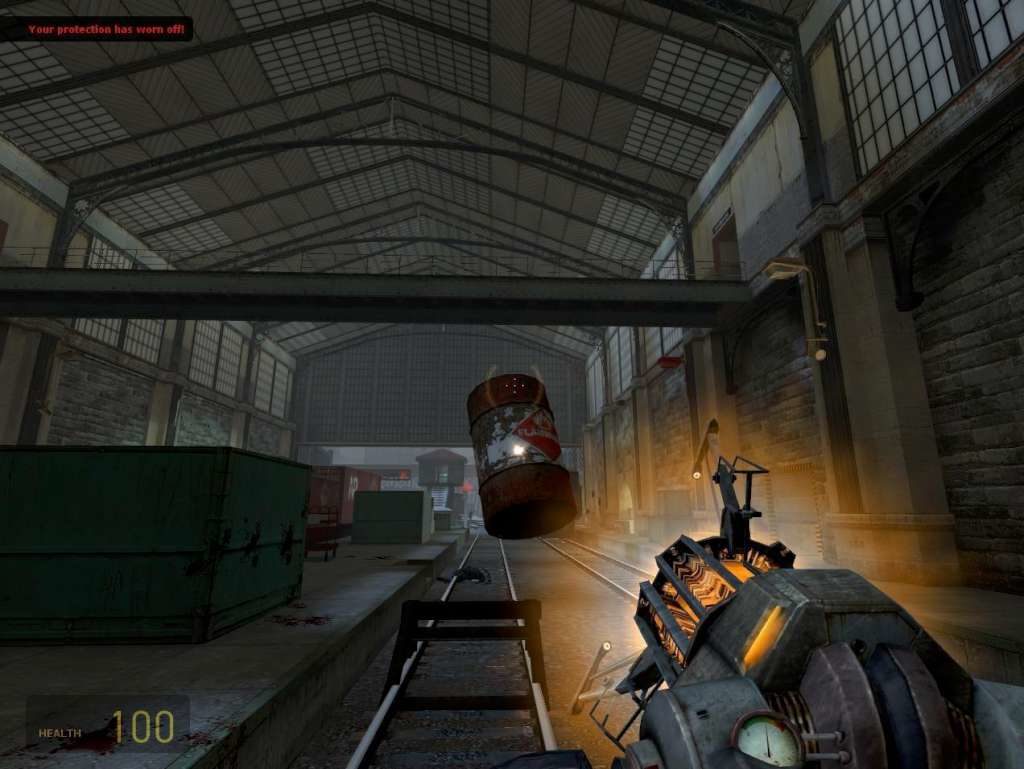
    Photo Credit: Kinguin 

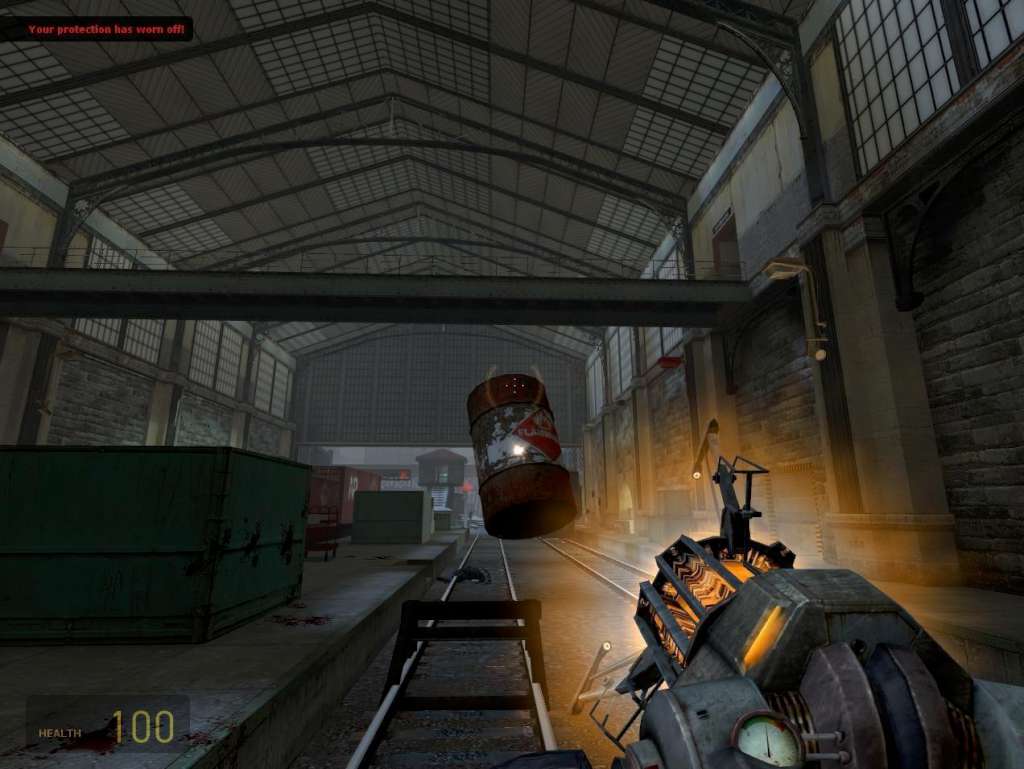
    When Half Life 2 opens, you’re introduced to an Orwellian, dystopian nightmare. A brutal police state is in place, and the only person who can change things is you. Smashing the state has never been as fun as this 2004 masterpiece made it. While the gunplay is tight and frenetic, the most memorable thing about this triumphant game, other than the worldbuilding, was the gravity gun. When the game released in 2004, it had one of the most robust physics engines of all time. Using the gravity gun to slice zombies in half in the creepy Ravenholm level is exhilarating.  

    The game features smart writing and amazing worldbuilding. The game has no cutscenes, never taking agency away from the player. Yet it still conveys its story in a way that draws genuine emotions. It makes the player earn every victory. By the time you bring down the villainous Dr. Breen, you feel like you personally just led a resistance against a police state.  

    The series may never receive a proper conclusion, but this game was truly something special. It’s almost bittersweet to look back on the company Valve once was. These days the once-legendary developer is content to make skins for Dota characters and operate the ludicrously successful Steam platform. There’s currently a fan-made sequel to Half Life 2 in the works. Maybe that will give us a satisfying conclusion. 

    9. Super Mario World
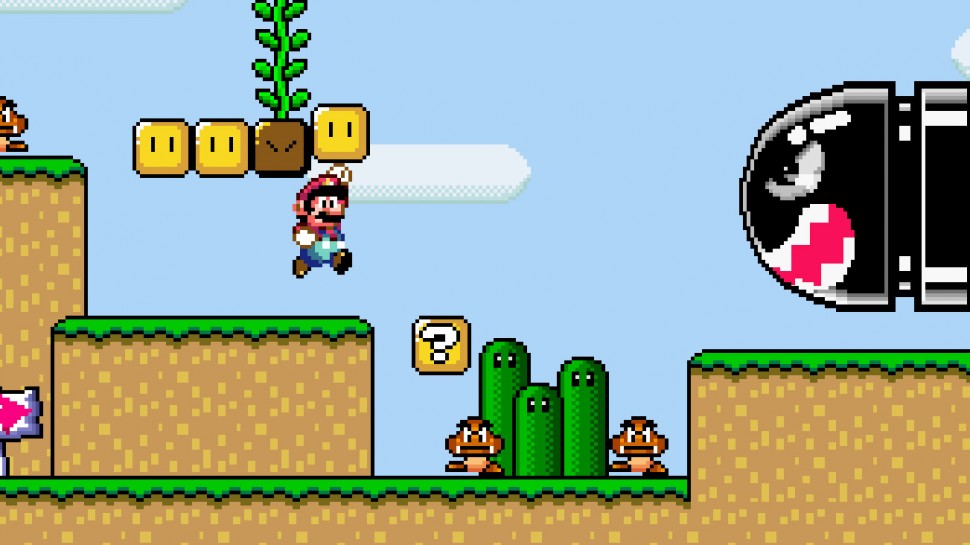
     

    Photo Credit: Nerdist 

    What is there to say about Super Mario World that hasn’t already been said? Released in 1990, Super Mario World was the synthesis of all the 2D platforming games that had come before it. The game rewards exploration and mastery in ways previous video games hadn’t dreamed of. Part of that was the new technological limits offered by the game’s system, the SNES. The biggest thing driving the game, though, is the drive and passion director Shigeru Miyamoto and his team brought to the game.  

    Every stage in every world is crafted with care. The sound design is crisp and catchy. The sprite animations are charming and inviting. Everything from running to swimming to flying through the air with the cape feels incredibly natural. To this day, nearly three decades later, no platforming game has managed to top the feel of control in this game. While some, like Donkey Kong Country, would go on to be as amazing in their own right, none would ever quite surpass Super Mario World.  

    8. Final Fantasy IV 

    Photo Credit: Final Fantasy Wiki 

    Released in America as Final Fantasy II in 1991, this entry in the series would come to define storytelling in RPGs. Featuring a sweeping, epic tale of heroism and redemption, Final Fantasy IV blends story and gameplay in exciting ways. When the protagonist redeems himself and swears off the darkness, his class changes to Paladin. When characters sacrifice themselves to save you, they’re gone from the party. Never before had an RPG managed to convey its story so well through gameplay mechanics.  

    While the series would go on to continue this trend with massive games like Final Fantasy VII, it was the fourth game that really introduced this kind of storytelling. The next time you boot up a story-driven single-player RPG, remember to thank Final Fantasy IV for paving the way. 

    7. Metal Gear Solid 3
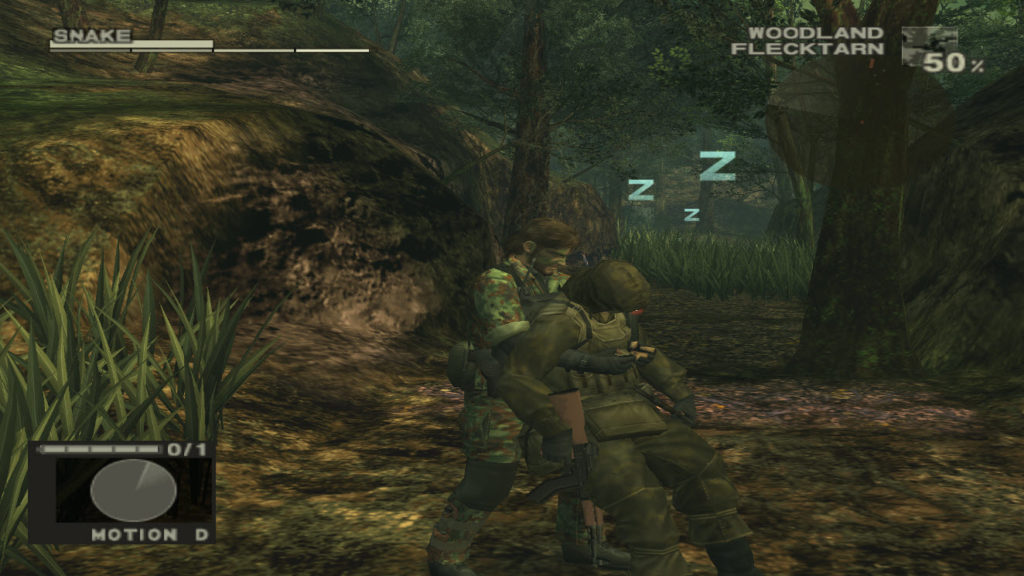
    Photo Credit: IMDb 

    The Metal Gear series has been around for more than 30 years and is responsible for some of the greatest games of all time. The greatest of the greats, though, is none other than the third entry in the Solid series. Metal Gear Solid 3 tells a Cold War-era spy thriller tale that also sets up the central conflict in the games that take place after it. Acting as a prequel to the first two games, MGS3 is a great stand-alone and excellent stealth game.  

    Enemies react to your presence naturally. You never feel unfairly targeted or caught. Using the game’s camouflage system is intuitive and natural. The voice acting is hilarious and awesome in all the right ways. The most memorable thing about the game, though, is the boss fights. Each of the primary antagonists gets a unique, drawn-out showdown with Snake, and their personalities define their fights. Each of the villains is named for an emotion, and each lives up to that emotion in their fight.  

    Cinematic, epic and gripping, Metal Gear Solid 3 remains one of the very best games of all time. If you haven’t touched the series before, at least try 3 and see what you think. If you fall in love, the rest of the series is superb and waiting for you. 

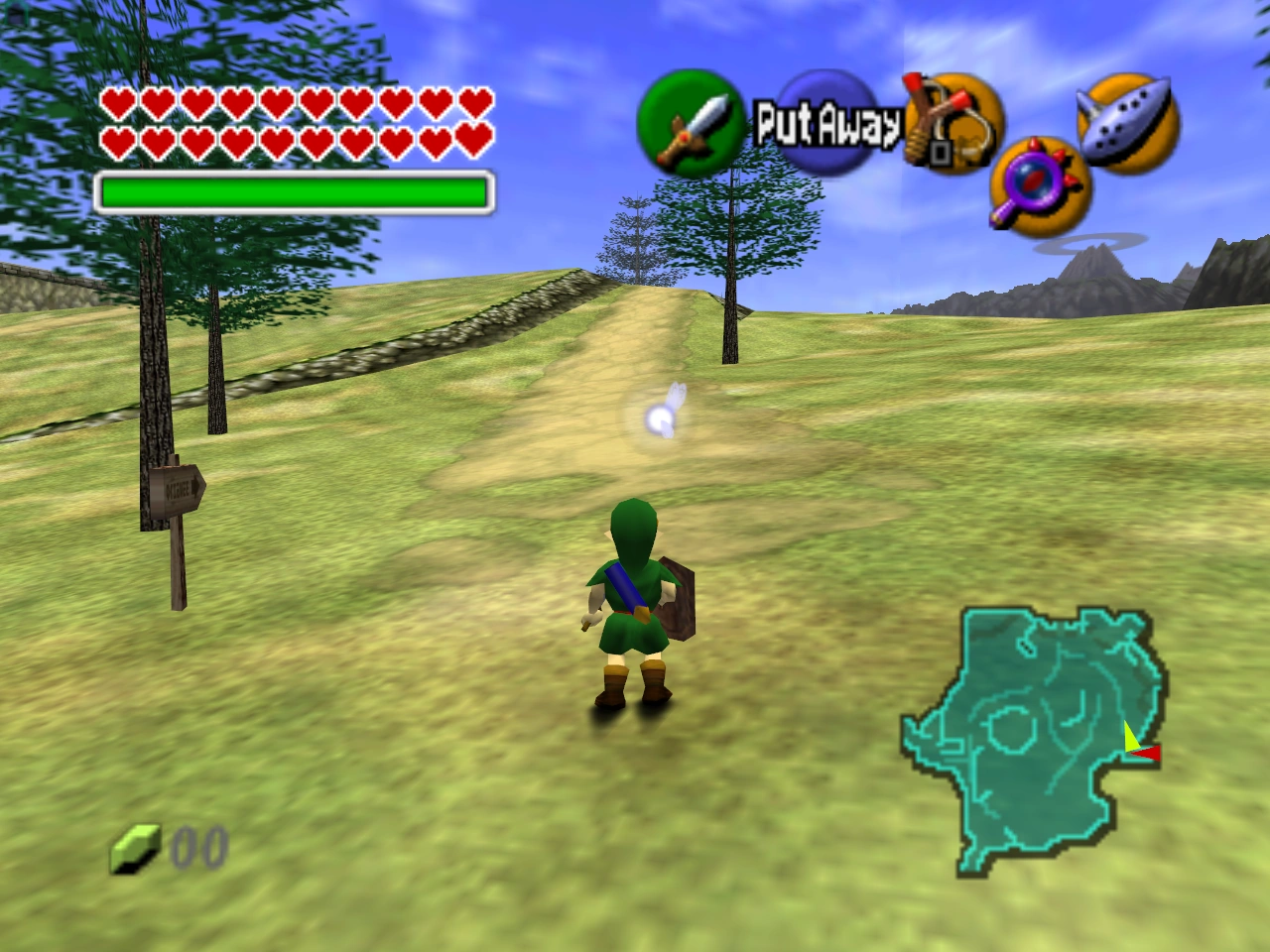
    6. The Legend of Zelda: Ocarina of Time
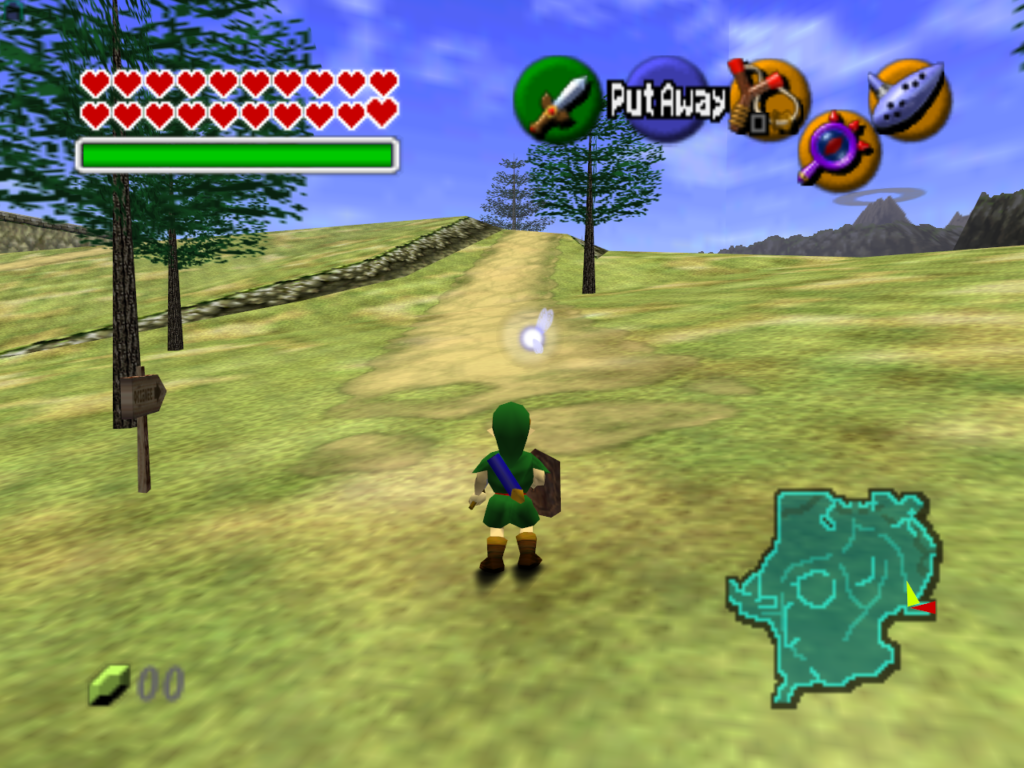
    Photo Credit: Zeldapedia 

    The first few notes of the title screen of this game still give me chills. Playing back through the game now, I see some of the cracks in the surface. However, back in the 90’s when it came out, this game was a revolution. Mario had just shown the world what a 3D platformer looks like when masterfully crafted. Now, it was Zelda’s turn to redefine the adventure formula.  

    The first time you pluck the Master Sword from its pedestal and find yourself transported forward in time, the game opens up. Suddenly, the heroic but childish quest takes a dark, mature turn. The world outside is bleak, and the villain has already won. In the past, Link is too young and inexperienced to fight Ganon. In the future, it’s too late. That twist, and the ensuing gameplay wrinkles involving time travel, still makes the game feel inspired and fresh.  

    While it’s been talked to death in recent years, the formula of 3D action-adventure games owes everything to Ocarina. If there’s anything to fault the game for, it’s the formulaic late-game dungeon structure. But, at the time, it didn’t feel formulaic at all! It felt like a natural progression of the kinds of dungeons seen in the 2D games. The legacy of Ocarina of Time is one still felt in modern Zelda games, even the dramatic departure represented by Breath of the Wild.  

    5. Pokémon Red and Blue

    Photo Credit: SnapPow.com 

    The game that launched a mega-franchise, Pokémon Red and Blue is more than the sum of its parts. Video games, up to this point, had been relatively fringe. In the late 90’s, though, the advent of Pokémon led to a serious media craze. Trading cards, movies, TV shows and more propelled the series into a full-blown cultural phenomenon. The original games that started it all still stand as excellent examples of RPG design. 

    Featuring a unique collect-and-battle system, Pokémon was uninterested in what the player character could do. Instead of crafting your party from adventurers with swords and spells, you crafted a party of cute monsters. Catching, training and evolving those monsters proved rather addicting, and the rest is history. While the original games haven’t aged well graphically, they’re still a blast to relive. I actually like to go back through and beat the main story every year or so, just for the heck of it. This was my very first video game, so it means a lot to me. I’m pleased that the series has had such lasting impact, and look forward to seeing where it goes next. 

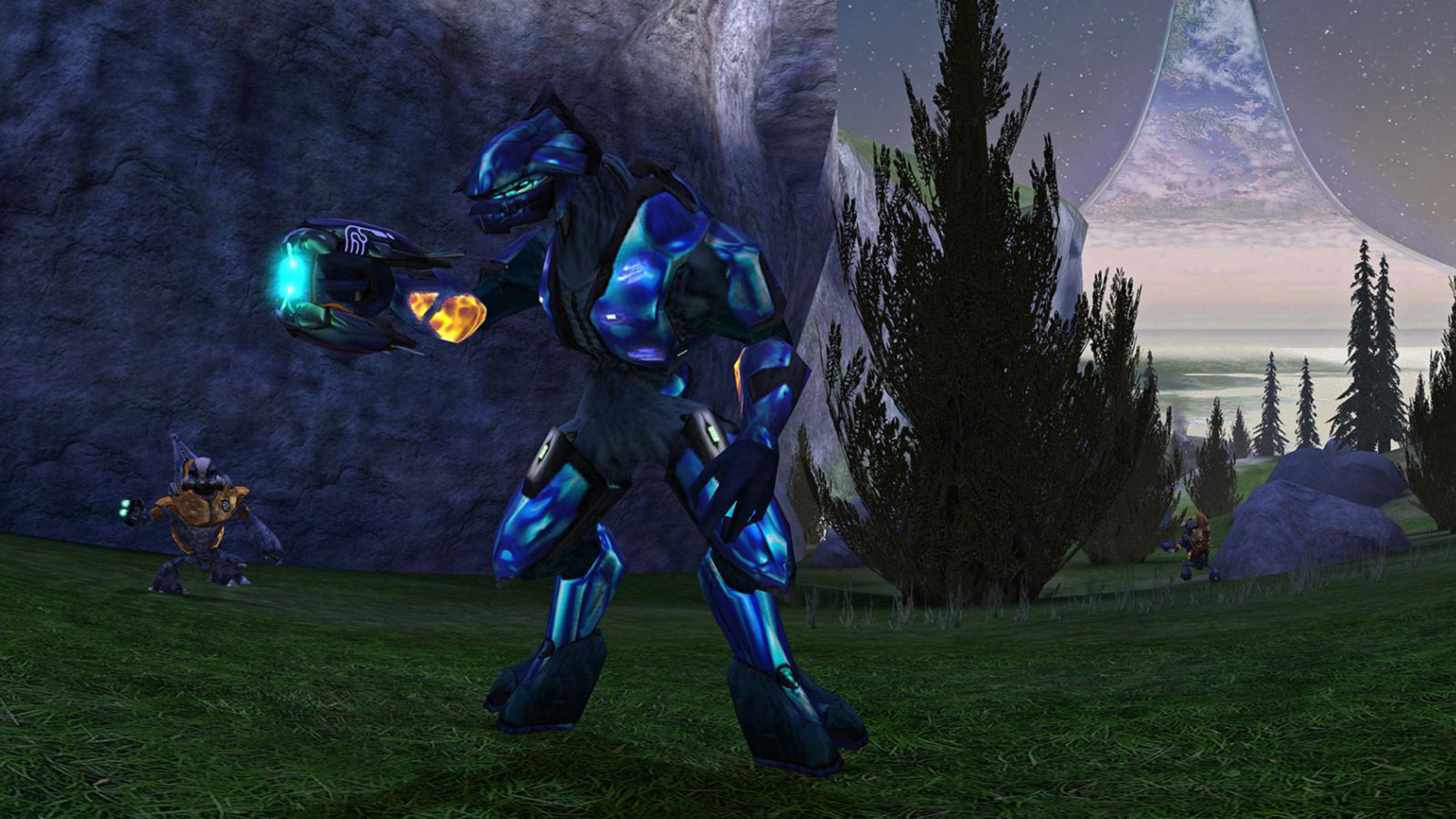
    4. Halo: Combat Evolved
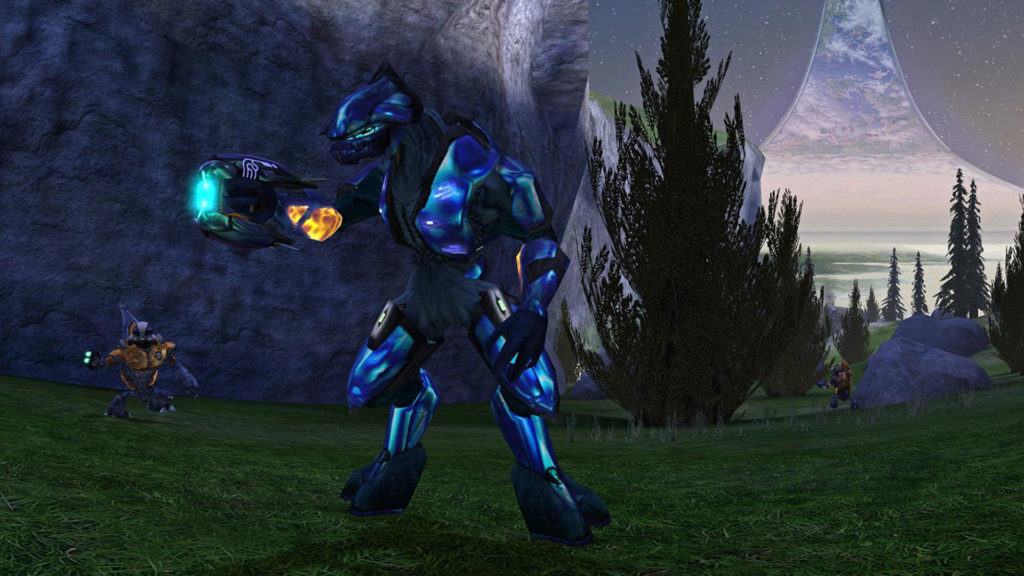
    Photo Credit: Halo Waypoint 

    There was once an era when shooting games on consoles were ridiculed. Mouse and keyboard control schemes were considered the only reasonable way to play first-person shooters. Then, Bungie released Halo: Combat Evolved in 2001. Featuring an aim-assist algorithm that makes the player feel like a crack-shot without holding their hand, Halo redefined console shooters. Goldeneye 007 and Perfect Dark, by contrast, had relied on design tricks that made the gun fights feel floaty and imprecise. Halo was revelatory, as the action was fast-paced, precise and brutal. 

    Multiplayer would be the bread-and-butter of future games, but the first Halo wowed audiences with its single-player. The score, the ambiance and the space-opera story all gave the game a monumental, mythical scale and scope. The enemy designs were intimidating and fun to shoot at simultaneously. Each level had a unique feel and challenged the player in new ways. The most memorable part of the game, though, was seamlessly piloting vehicles over soaring vistas. Hopping in and out of vehicles was tons of fun, and Halo provided a great open sandbox for gamers to play in. 

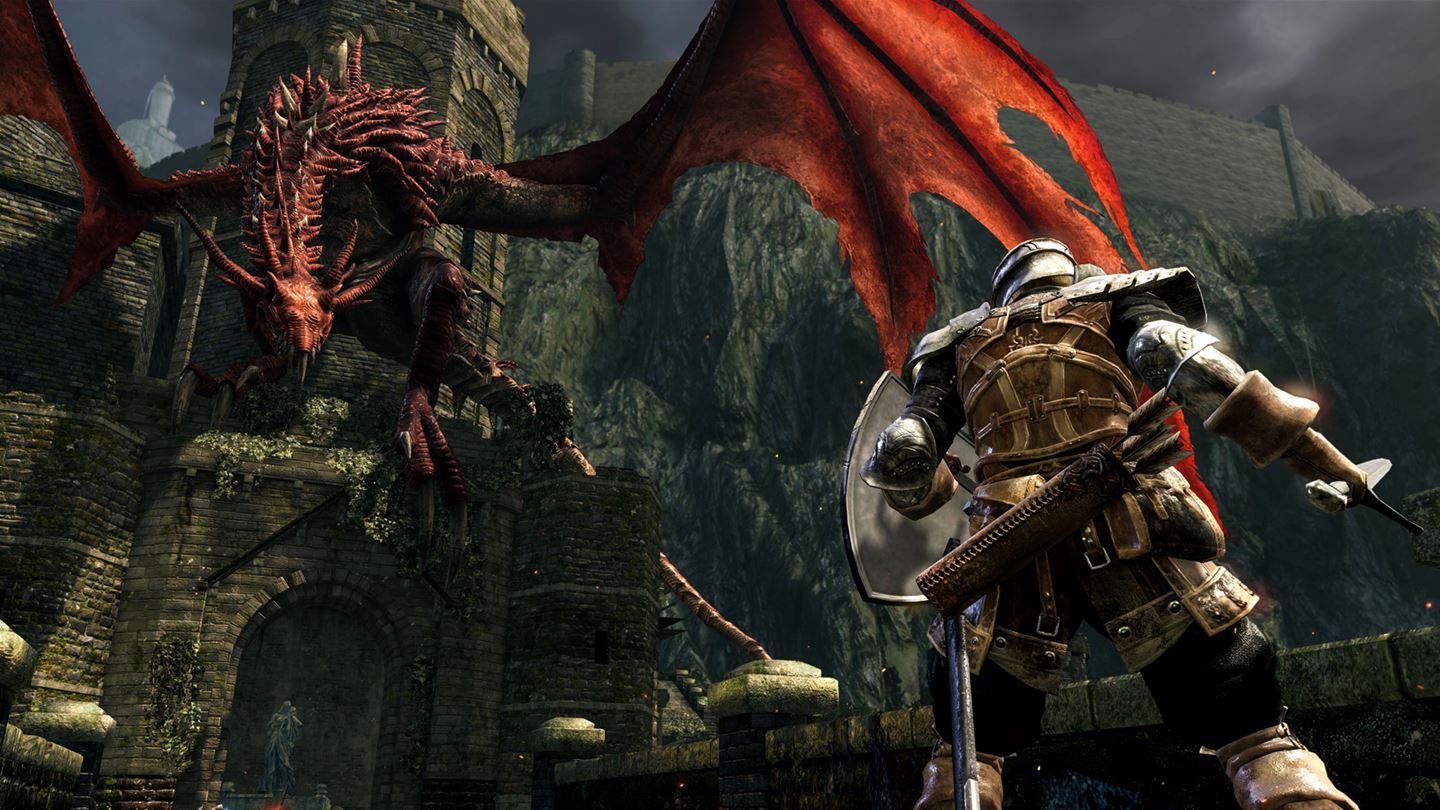
    3. Dark Souls
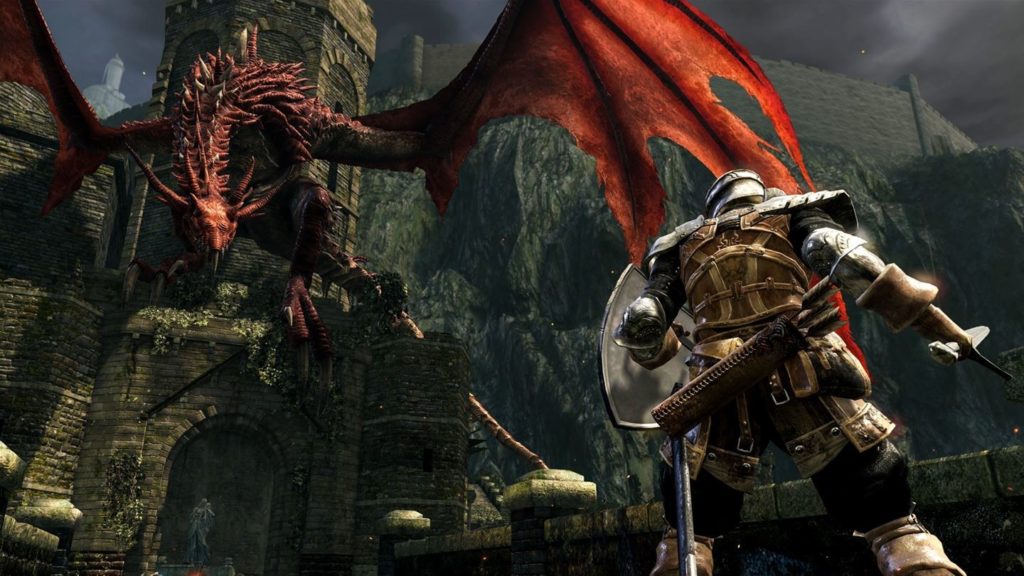
    Photo Credit: Windows Central 

    Dark Souls is haunting, mysterious, and will probably kill you. While these might not sound like the hallmarks of a great game, rest assured, Dark Souls is one of the greatest video games ever made. How can this be? The controls and mechanics are largely awkward and not explained in game. The difficulty curve is absurd, throwing the player into a world of constant peril and oppressive despair. What about that makes it a masterpiece? 

    Well, Dark Souls, unlike games like Super Metroid, doesn’t succeed as a game, but as a piece of art. It forces you to grapple with it, to understand its world and mechanics intuitively. You are never guided or coached, and your victories are yours alone. As are your defeats. Dark Souls is a game that respects the player enough to not spoon feed them; the player is expected to rise to the challenge.  

    The game’s story and world reflect this: it’s a bleak place. If you back down, or stumble, you will die, and the world will be no more. If you rise up and ignite the fires, maybe things will get better.  Maybe they won’t. This existential, brooding narrative pairs beautifully with the slow-paced, measured combat. Dark Souls represents a synthesis of story and mechanics that is truly moving.  

    2. Super Metroid
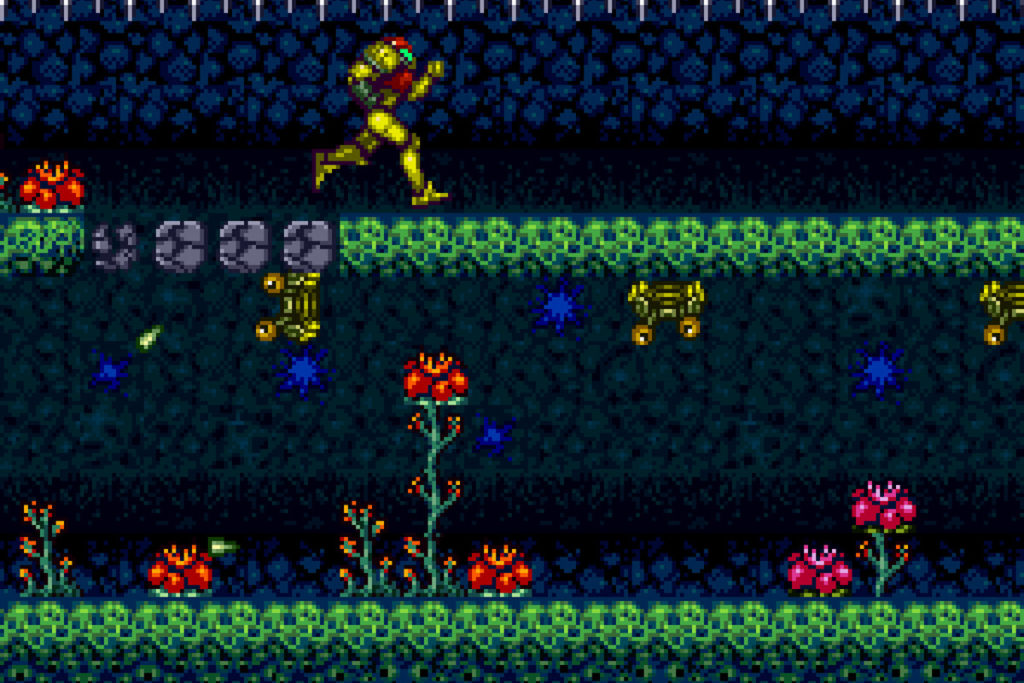
     

    Photo Credit: Polygon 

    Super Metroid is a master class in atmospheric storytelling. Planet Zebes feels truly alive, and Samus’ badass solo mission always feels like it’s a breath away from failure. The world is foreboding and mythical, hiding secrets behind every corner. Super Metroid succeeds in every way as a video game: rewarding curiosity, exploration and mastery. Boss fights are white-knuckle romps, new abilities make you feel truly powerful, and the story is actually engrossing.  

    When Retro Studios took Metroid into 3D with Metroid Prime, they honored the legacy of what many consider to be the greatest game of all time. While Super Metroid is certainly amazing, it does suffer from slightly uneven pacing. It is easy to get lost in the game, for better or worse. Finding one’s way forward is quite difficult, but always rewarding. That said, there is no such thing as a perfect game, and Super Metroid comes closer than many others in getting there. 

    The Greatest Video Game of all Time: The Legend of Zelda: A Link to the Past 
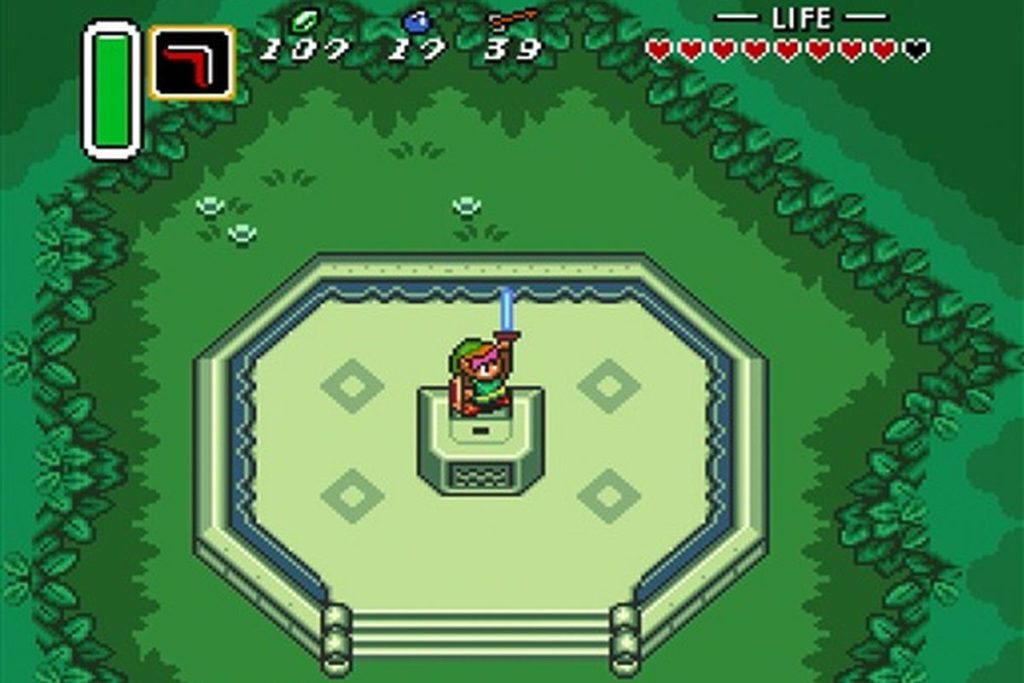
    Photo Credit: The Verge 

    If you’ve ever played a Zelda game, you know the formula. Link is called to save the Princess. He assembles three amulets, finds the Master Sword, and then conquers eight temples. He traverses between two worlds, and then defeats Ganon. All of these tropes began with 1991’s masterful Link to the Past. Representing a huge step forward in game design, Link to the Past stands as one of the greatest games of all time.  

    The music, the world and the enemies are all alive. Mystery and adventure await in every cave, behind every door. The dungeons are well-designed, thought-provoking and full of puzzles. Exploration is always rewarded with new secrets. If ever a game deserved to be called the very best, it’s this one. Every game wishes it could capture the same spirit of adventure and wonder as Link to the Past.  

    While the formula established here may have worn thin in subsequent games, it only got as popular as it did by being so darn fun. Few other games make you feel as much like the hero of your own story as Link to the Past. Now, if you’ll excuse me, I need to go beat this game again. 

    Feature Image Credit: Sporcle 

  • Total Control: Our Favorite Universal Remote

    Total Control: Our Favorite Universal Remote

    If your entertainment center has caused you to collect far too many remote controllers, it’s time for a universal remote. Logitech makes the best in the biz, but Sony has a pretty good entry worth considering too. If you’re looking to streamline your entertainment, look no further: we’ve got our favorites right here for you to check out.  

    Sony RMVLZ620 

    Sony’s universal remote has a catchy, memorable name and a slick design. One of those things is true. Jokes aside, if you want a straight-forward, bare-essentials universal remote, Sony’s is a great choice. At $25 it won’t set you back too much to streamline your living room. You can pair up to eight devices using pre-programmed codes. The one-touch macro buttons are a plus, and the backlit buttons are great for when you’re watching in the dark. If you want a simple, easy-to-use remote, this one is for you. 

    Logitech Harmony 650 

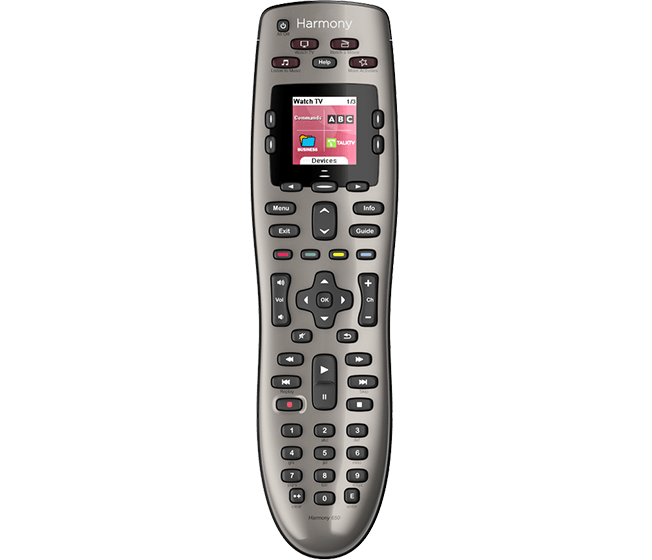
    The Harmony 650 is the best remote for your buck if you don’t need a crazy suite of features. For those who want full smart-home integration and app uses, check out the Harmony Elite or Companion. For general use, though, the 650 will get everything you need done. The best part about this solid remote is the price tag. It only runs $35, and it’s fairly easy to set up. You just have to set it up through your computer, but once it’s online it can control your whole system with a button press. This remote is fantastically powerful for its price. 

    Our Favorite Universal Remote: Logitech Harmony Companion 

    The Harmony Companion is a fantastic choice if you intend to sync it with your smart home technology. It can control everything from your TV to your Philips Hue lights. The best part of this one is the Alexa integration. While Logitech sells a more-robust Logitech Harmony Elite, that one costs $250. The Companion, however, only costs $135 and offers similar features. If you have Alexa and smart home technology already, the Companion is a great choice at a great price. It even features a smartphone app that can also be used as a remote for the devices that are paired. You can’t go wrong with this winner from Logitech. 

  • Google Maps and Uber Fall Out

    Google Maps and Uber Fall Out

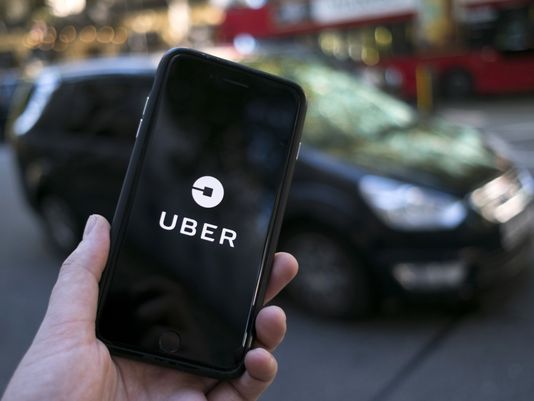
    Uber and Google Maps have been integrated since January of 2017. However, in the newest Android update, that integration has been rescinded. Previously, users were able to see prices and hail Ubers directly through the Google Maps app. Uber was the only service that offered direct integration through the Maps app. While several other services, like Lyft, are visible through Google Maps, only Uber could be paid for directly through the app.  

    Why are Google and Uber Done? 

    It’s unclear why this split took place. Perhaps the ride-sharing giant would rather customers open their app and use it. Maybe Google tired of supporting just Uber through their Map app and didn’t have plans to integrate other ride-sharing apps. In any event, users can still see ride sharing details in Google Maps. Now, however, they will be moved to the ride-sharing service’s app when they want to actually hail a ride and pay for it.  

    Continued Troubles for Uber

    Uber has been in a good deal of hot water lately. For one, they’ve been under fire for classifying their employees as contractors, thus avoiding paying for insurance for them. Additionally, the company faced allegations of turning a blind eye to sexual misconduct last year. Other issues last year, like fines from many states at localities, lack of diversity in hiring and leaks of medical information led to the demotion of then-CEO Travis Kalanick.  

    Since then, the company has reaffirmed its commitment to hold itself to a higher standard. The ethical issues of its impact on the gig economy, however, are unresolved. Between pressuring traditional taxi services and warping the economy of transportation, the company has had a substantial impact. Despite being worth billions of dollars, they own very little in the way of cars or employees. They are still able to classify their drivers as contractors and use the property of others to fund their own profits.  

    These issues likely had little to do with the app’s de-coupling from Google Maps, but who knows? Perhaps Google is trying to send a message on how they feel about companies like Uber. Or, more likely, Google simply decided it didn’t want to be so closely identified with a company that has a record as rough as Uber’s. 

    Feature Image Credit: USA Today

  • Tesla, Autopilot and Self-Driving Cars: Responsibility vs Marketability

    Tesla, Autopilot and Self-Driving Cars: Responsibility vs Marketability

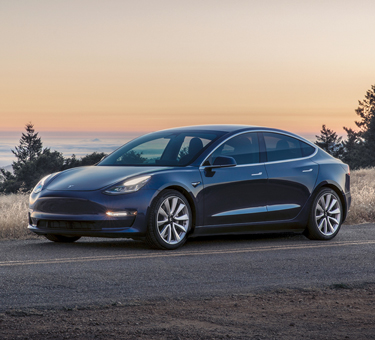
    Elon Musk is a magnetic and charismatic man. His companies, Tesla, SpaceX and the Boring Company all promise to redefine transportation. And, to a degree, they have. The Tesla Model 3 was the most hotly-anticipated car of all time. The SpaceX program has made promising strides in the realm of proposed commercial space flights. The Boring Company recently signed a deal with Chicago to bore a tunnel from O’Hare International to Downtown Chicago.  

    Yeah there is a specter looming, and it’s expectations. Musk and Tesla have poorly communicated and obfuscated the capabilities of Tesla’s Autopilot feature. In a recent Tweet, Musk referred to an upcoming Autopilot update as offering “full self-driving features.” This is in spite of a few fatal crashes that are purported to have happened due to overreliance on the Autopilot system. At what point does murky marketing language become irresponsible? What is the culpability of Musk and Tesla in these deaths? 

    The Walter Huang Incident 

    Walter Huang was killed when his Tesla impacted a central lane divider on a California highway. His vehicle was being controlled by the Autopilot software at the time of his death. The vehicle had been on autopilot for about 19 minutes when Huang died. Reports after the incident described the event as having occurred due to Huang’s overreliance on the Autopilot software. However, what degree of culpability can be said to rest with Tesla, and its CEO? Elon Musk is renowned for overhyping his vehicles and referring to Autopilot as “Self-Driving.”  

    “Self-Driving?” 

    Another fatal incident in Florida occurred in 2016 involving a Model S in Autopilot. More recently, Teslas in Autopilot have gotten in incidents involving parked fire trucks in both Salt Lake City and Los Angeles, respectively. These incidents have led to a more “nagging” reminder system in Teslas, reminding drivers to keep their hands on the wheel and eyes on the road. However, many have commented that such features actively contradict claims that the system is self-driving. 

    While the Autopilot software is certainly impressive, it is clearly not self-driving. Assertions by Musk to the contrary are irresponsible at best and downright negligent at worst. As long as the system is causing fatal accidents and requires constant driver monitoring, it can’t be called self-driving. Calling it anything other than what it is, which is advanced cruise control, is anti-consumer and dangerous.  

    Maybe the day will come when Tesla vehicles are truly self-driving. Perhaps Tesla is on the verge of a breakthrough, and next year their vehicles will be totally autonomous. However, until such a day that the system doesn’t cause fatal accidents, that promise might as well be for a distant future we will never live to see. 

  • HTC U12 Plus: Too Ambitious For its Own Good?

    HTC U12 Plus: Too Ambitious For its Own Good?

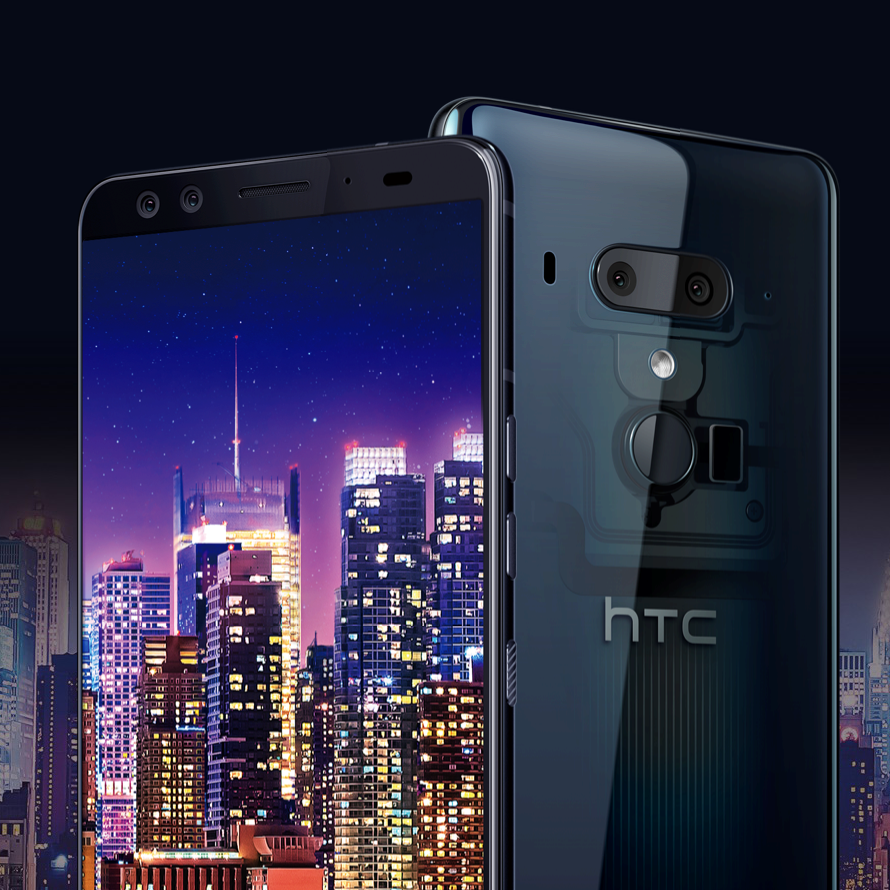
    The highly unusual and ambitious HTC U12 Plus is here. What’s the verdict? Well, it’s certainly weird. Let’s get into the specifics.  

    Buttonless Design 

    The lack of buttons on this phone is a lot more awkward than it needs to be. While the design decision makes sense, given that real buttons act as weak points in normal phones, the execution is poor. It feels forced, like it was a box to be checked off on a list titled “futuristic phone features.” While the side-squeeze customization is nice, it’s tiring to use. Being able to call up specific apps by squeezing the phone is certainly unique though, and we hope to see similar designs incorporated into future phones. It is worth wondering if the phone wouldn’t have been better off just having normal buttons. 

    Screen and Cameras 

    The screen is large and pretty, which is to be expected from a modern smartphone. It looks fine and is truly nothing special. It washes out in direct sunlight, unfortunately, making it feel a bit cheaper than most modern smartphones.  

    Similarly, the cameras are fine. You won’t be taking studio-quality pictures or filming any breathtaking footage, but they’ll suffice. The phone uses a dual-camera setup that works pretty well, which, again, is to be expected. It offers bokeh-style portraits, which has become industry standard, and they look quite good.  

    HTC U12 Plus Processor 

    HTC’s newest phone sports a Snapdragon 845 processor, which makes it speedy and responsive. It keeps up with modern smartphones like the Galaxy S9, but lags behind the iPhone X’s excellent A11 Bionic processor. That said, so does every other phone currently on the market, so it’s hard to knock the U12 Plus too much in that regard. 

    Battery Life 

    The battery life on the HTC U12 Plus is a joke, which is a shame. Testing has shown that the phone barely gets through 12 hours of video playback. This means you’ll have to charge it daily, and if you watch videos or play games often, consider carrying a charger with you. This would have disappointing in 2008, and it’s inexcusable in 2018. 

    Bottom Line 

    HTC’s newest phone costs $800 for the 64GB model, or $850 for the 128GB version. For a phone that is as awkward and disappointing as this, that price point is a deal breaker. Unless you particularly love the idea of a button-free phone, give this one a pass. Check out the Galaxy S9 or iPhone X for better phones in this price range, you won’t be disappointed.