Blog

  • 3 Big Takeaways from the Microsoft Build Confrence

    3 Big Takeaways from the Microsoft Build Confrence

    Microsoft has slowly become this generations IBM. What I mean by this is they are your Dads tech co, that is not a good thing. For the last 2 days Microsoft has been hosting the Build Keynote to show us all they are not dead yet. After sorting through the keynote here are the 3 big takeaways and what we can expect from Microsoft in the future.


    1. Cortana and Alexa Will Integrate

    Good news Everybody! Soon you’ll be able to speak with Cortana through an Amazon Echo or reach Alexa through your Windows 10 PC. Microsoft and Amazon will be making each of their smart assistants available on one another’s platform. This is not new news, as they did announce this last year but we are seeing progress toward the launch. This opens up the digital assistant game by drastically changing the device eco system for both products. Side-note, who will use Cortana when you have Alexa?


    2. iOs and Android Will Get Timeline.

    Just an app from Microsoft that lets you back up your phone to specific times. Wanna take your phone back to January before you got obsessed with the Love Balls app… done. With this upgrade that Microsoft has already had in Windows you will be able to  keeps track of all the apps you’re using and what you’re doing in them. You can open up the timeline to view your history and jump right back to where you were. A nice function of Timeline is  that it can sync across Windows 10 devices, So if you use the same apps on your phone and desktop, you’ll be able to pick something up on mobile that you started on a desktop.


    3.Your Phone

    Microsoft has another new app called Your Phone that will allow you to sync Android phones and iPhones with Windows 10. You’ll be able to use the app to send text messages, access your photos, and view mobile notifications from your computer. With a launch date this fall and it already going to beta I may be able to stop having 3 devices on my desk all day going off, mostly with the same notification.


    The Final Thought

    If you are not seeing a theme here, Microsoft is quietly expanding the comparability of the Microsoft device ecosystem. While there’s no doubt Windows 10 will continue to ship on laptops and desktops for years and years to come, Microsoft as a company is shifting its attention to a bigger picture. Its a pretty brilliant move

  • The Best Gaming Mouse for Your Buck

    The Best Gaming Mouse for Your Buck

    When it comes to PC gaming, picking the right mouse is important! It’s the way you aim, point, select, and shoot! Finding a mouse with all the right features and at the right price point can be difficult, and with that in mind we’ve compiled a round-up of our four favorite gaming mice. Let’s get right to it!

    Corsair Dark Core RGB SE

    If you’re looking for a wireless gaming mouse with tons of versatility and customizability, look no further! Corsair’s name is synonymous with quality in PC enthusiast circles, and for good reason! Their Dark Core RGB is no exception. With only one millisecond of latency and sporting a fantastic 16,000 max DPI, the Dark Core is the rare wireless mouse made with gaming in mind. The Dark Core is on the high end, price-wise, retailing for $80, but it comes with fully programmable, customizable buttons and bright, elegant RGB LEDs. Even cooler, the Dark Core makes use of wireless Qi charging, so if you pick up the Corsair MM1000 Qi Mousepad you can wirelessly charge your mouse after every gaming session.

    Logitech G903

    For those Logitech faithful, the G903 is a solid wireless mouse. A slight iteration on the older G900 model wireless gaming mouse, the G903 boasts a respectable 12,000 DPI and low latency. The mouse can also be wirelessly charged from Logitech’s own PowerPlay mousepad. The finish and feel of the G903 are both high-quality, as is expected of Logitech. It is worth noting that the G903 is somewhat overshadowed by the Corsair Dark Core, as all of the G903’s key features (wireless mouse with wireless charging, high DPI, low latency, etc.) are all replicated with aplomb by the Dark Core, all for a lower MSRP. The G903 is surprisingly expensive, at around $115 on Amazon, while the Dark Core is only $80.

    SteelSeries Sensei 310

    Affordable and reliable, the Sensei is one of two SteelSeries products on this list. The Sensei sports a TrueMove 3 optical sensor, offering nearly unmatched tracking and responsiveness. With a sleek metallic finish and superior make, and going for around $55 on Amazon, the Sensei is a stellar choice for gaming enthusiasts looking to not spend an arm and leg on a gaming mouse but still desiring a precise and accurate mouse.

    Our Favorite Gaming Mouse: SteelSeries Rival 600

    In our opinion, this is the absolute best gaming mouse in the world right now. Sporting a rock-solid 12,000 DPI and a revolutionary depth-sensor, the Rival has loads of bells and whistles for its price. It features customizable weight and full-spectrum RGB LED support, and also bears satisfyingly-clicky mechanical switches on the side. The Rival can be snagged from Amazon for right around $80. This putsit in the same price range as the also-excellent Dark Core. With its superb build quality, customizable buttons, RGB support and precise optical performance, there is really no better wired gaming mouse for the price. If you’re remotely serious about gaming and have $80 to spend on a peripheral, this is an auto-purchase.

    What Next?

    Now that you’ve got your pick for gaming mouse, it’s time to check out gaming keyboards! Check out our roundup of the best gaming keyboards to pair with your new mouse!

  • NVIDIA Shuts Down Unpopular GeForce Partner Program

    NVIDIA Shuts Down Unpopular GeForce Partner Program

    NVIDIA has canceled its extremely unpopular GeForce Partner Program after a mere two months. The program comprised a series of guidelines and regulations on various computer and laptop manufacturers that was intended to, in NVIDIA’s words, ensure that “gamers who want NVIDIA tech get NVIDIA tech,” by having manufacturers include NVIDIA graphics cards exclusively. This was met with harsh criticism from many sources and has been a PR nightmare for the already-maligned NVIDIA, who is largely seen as monopolizing GPU manufacturing.

    Why is this Happening?

    According to research done by Kyle Bennet of HardOCP, the GPP was much more insidious and bullying than it would appear on its face. The GPP heavily discouraged manufacturers from opting out, going so far as to hold back inventory from manufacturers who refused to participate in the terms of the program. This type of behavior has been called “anti-competition” and further emphasizes the growing tension of the ever-more monopolized world of GPU manufacturing.

    NVIDIA’s Response

    NVIDIA, of course, denied accusations of anti-competition behavior, claiming that reports of the GPP were grossly exaggerated, and that rather than fight a losing PR battle, they would sooner just cancel the program. This response is somewhat typical of the attitude that many describe as “condescending and anti-consumer” that NVIDIA is known to hold. Further, many have expressed concerns that shutting down the program, even as early as they have, changes little. According to Bennet’s report, the program was simply an evolution of practices NVIDIA was already engaging in.

    The Future

    NVIDIA’s GPP is likely still to have an effect on gaming PC’s and laptops that are still to be released, as any projects that were started or nearing completion during its short lifespan will already be compliant, meaning that the cancelation will likely have little short-term effect. Additionally, behavior like this is likely to draw attention from regulatory agencies such as the FTC in the United States, which may see programs like the GPP to be inherently anti-consumer and thus worthy of investigation into NVIDIAs other business practices. Consumers and manufacturers alike will likely feel the effects of the much-maligned GPP and NVIDIAs other initiatives for some time, whether or not NVIDIA official codifies them.

  • Our Favorite Smart Watches

    Our Favorite Smart Watches

    Whether you like the style or the function, smart watches are a must-have piece of tech for those with a busy lifestyle. Functioning as watch, notification alert, fitness tracker and more, smart watches make a natural addition to the lifestyle of a busy professional, a fast-paced mom, and everyone in between! Read on to find out which smart watches we love.

    Samsung Gear S3

    A very stylish and stealth-style smart watch, the Gear S3 runs on Samsung’s Tizen OS, unline most Adroid Wear-powered watches on the market. With a circular front-face and a premium make, the Gear S3 resembles a more traditional luxury timepiece, but also sports a robust suite of fitness tracking software and excellent internal infrastructure.

    As expected of a premium smart watch, the S3 alerts you of calls and texts, and has 4GB of internal storage for things such as Spotify playlists and apps. Tizen is still a new OS, however, and is somewhat lacking in apps and support. These minor gripes aside, the Gear S3 is a very high-quality smart watch and well worth the price.

    Asus ZenWatch 3

    Comfortable and extremely well-made, the ZenWatch 3 is a beautiful and sleek device. With an ultra-bright AMOLED display and a comfortable, minimalist design, the ZenWatch 3 is an elegant piece of technology. While it doesn’t sport robust fitness tracking, and has a somewhat cheap-feeling charging port, the ZenWatch 3 excels at providing a top-notch user experience.

    With a scratch-resistant screen and jewelry-quality steel construction, the ZenWatch 3 is as much a luxury watch as it is a piece of technology. Asus is known for their high build quality and durable technology, and the ZenWatch 3 continues this trend.

    Apple Watch Series 3

    Apple is well-known for their luxury products and high-quality user interface, and the Series 3 Apple Watch doesn’t disappoint. Apple diehards will be pleased with the OS, as it is as stylish and user-friendly as users would expect, and the interface is fast and responsive. The OLED display is bright and gorgeous, and the watch does a great job making itself discreet when not in use.

    Battery life is middling, lasting around 18 hours, but the watch is running a dizzying array of sensors and trackers, so this makes sense. Loaded with fitness tracking features and with no lack of app support, the Apple Watch remains a fantastic pick for smart watch.

    Garmin Fenix 3

    Our favorite overall smart watch, the Garmin Fenix 3 might seem like an odd pick. Garmin, known for their GPS products primarily, has a real winner on their hands with the Fenix 3. Boasting incredible battery life and exemplary durability, the Fenix 3 is great for athletes and outdoors-y people. Made from premium materials and clearly designed to operate in its own space apart from Samsung and Apple, what the Fenix lacks in style it makes up in droves with functionality.

    While the watch doesn’t support on-watch maps for GPS, it does provide superb GPS tracking when paired with a phone and keeps great track of where you’ve been and your fitness. For users who have no desire to carry a recognizable brand name, or aren’t looking for a piece of fashion, but instead a piece of tech, the Fenix 3 is an excellent choice.

  • The Best Gaming Keyboards

    The Best Gaming Keyboards

    For most, a keyboard is simply a keyboard. For a gamer, a gaming keyboard is a cross between a controller and a statement of purpose. A good gaming keyboard is an extension of oneself, the physical bridge to the digital world. Choosing the keyboard that works for you and the genres you play can be difficult. Making a wrong choice is expensive and frustrating. With that in mind, here is our round up of our four favorite gaming keyboards.

    SteelSeries Apex M750

    A somewhat minimal choice, the SteelSeries Apex features highly customizable keys and key colors, and is marketed primarily at professional gamers and aspiring professionals. The keyboard has a very standard layout, with no media keys or specialized buttons, and boasts an impressive array of backlighting options, including notifications for chat and an audio visualizer.

    The SteelSeries doesn’t have a USB pass-through and doesn’t have a terribly thick connecting cable, making it a very stripped-down keyboard. The SteelSeries doesn’t have adjustable feet, but this is a small gripe. For those seeking a simple, customizable keyboard with no frills and great linear, click-free key action, seek no more: the SteelSeries is for you.

    Logitech G610 Orion Brown

    For fans of the Cherry-MX brand of switches who don’t want to spend a fortune on a keyboard, the Logitech Orion Brown, retailing for $120, offers a great gaming keyboard on a budget. The G610 sports customization support through Logitech’s gaming software suite, making it a great choice for those who wish to customize the LEDs or disable certain keys during gameplay.

    Unlike the linear and click-less key switches found in the SteelSeries Apex, the Orion Brown features the titular Cherry-MX Browns, which are soundless but have a slight click at the end of their action. This allows a great tactile feedback for a user who wishes to use the keyboard for both gaming and typical typing.

    Razer Ornata Chroma

    Razer’s Ornata Chroma is our favorite keyboard under $100, sporting a unique switch feel and gorgeous RGB chroma LEDs. The Ornata Chroma sports “Mecha-Membrane” key switches. They are hybrid of the traditional gaming mechanical switches and the more general silicone dome switch style. This “Mecha-Membrane” has the click of MX Blue or Brown switches but a bit of the smoothness (or stickiness, depending on your perspective) of membrane-style keyboards.

    While the hybrid-style switches require a bit of acclimation, they provide an excellent experience for both typing and gaming, making the Ornata Chroma a fantastic choice for those who need to use the same keyboard for both gaming and normal typing tasks like work or writing.

    Corsair K95 RGB Platinum

    Our favorite gaming keyboard and Corsair’s current flagship gaming keyboard. Corsair is known for their exemplary computer components and peripherals, and the K95 Platinum upholds that sterling pedigree. Speaking of Sterling, the K95 uses the new Cherry MX Silver switches. These are a new take on the straight, linear action of the Cherry MX Reds. They sport a shorter travel time and smoother performance.

    These Silver switches are ideal for fast-paced games like Overwatch or similar first person shooting experiences. The Silvers feel like a slightly higher quality version of the Razer Ornata Chroma’s “Mecha-Membrane” style switches. They are much cleaner and with less “stickiness” in their action.

    The K95 is a somewhat larger keyboard, with wide key caps and tall keys. This makes it easy to tell which key your finger you’re on without having to look down to the keyboard. As expected of a premium RGB keyboard, the K95 offers a full suite of RGB customization and backlighting options. Using the Corsair Utility Engine, you can customize everything from RGB to macros. This makes it a fantastic choice for hardcore gamers. If you’re looking for the very best and not afraid to spend some money, look no further.

    What’s Next?

    You’ve checked out some of the best gaming keyboards around! Now it’s time to check out every keyboard’s closest friend: mice! Our roundup of our favorite gaming mice  can be found here!

  • YouTube in Hot Water Following Controversy over Ads for Essay Writing Service

    YouTube in Hot Water Following Controversy over Ads for Essay Writing Service

    YouTube has taken down hundreds of videos from various content creators in response to a number of ads from “educational aid” service EduBirdie. EduBirdie offers essays on numerous topics, all unique and written with respect to various academic guidelines, such as MLA or Chicago style.

    The Ukranian company markets themselves as a scholastic aid, claiming that the essays they sell are for “research into the subject, generating initial input for further reasoning and citations…paraphrasing in accordance with major educational standards as well as tailored to your college / university guidelines for plagiarism.” While this sounds innocuous, it is clear that the essays this company sells are intended to be passed off as student work when they are, in fact, not.

    Integrity

    While EduBirdie claims that the essays they sell are simply to help students get a better grasp of the topic and have more to go on when writing their own essay, these claims do little to alter the perception of their service. Given that the essays sold are unique and not archived, it is hard to believe they are not intended for use as ghostwritten papers. If the site had archives with credited contributors and actual study aids, it might actually seem more plausible that their essays were not intended for duplication. However, no such archive exists, and even the most scrupulous students could even feel the incentive to simply try to pass the nigh-untraceable work off as their own.

    Legality

    While selling essays is not technically illegal in the US or the UK, it is still against YouTube’s guidelines for their content creators. While YouTube is generally very hands-off when it comes to ads and sponsors, they took direct action in this case and took down hundreds of videos that ran EduBirdie ads. By way of response, EduBirdie stated that they allow their endorsements to be integrated into content however the creator feels is most natural and relevant to the target audience.

    Impact

    According to the BBC report that broke this news, the videos that were removed had garnered a combined 700 million views. Students use YouTube commonly for both entertainment and research, and with the increasingly-competitive job market in the US, it can seem logical that stressed-out, overworked students would turn to these “academic aid” services in order to pass a particularly difficult class.

  • Top 5 Tech Gifts to Blow Away Your Low-Tech Mom This Mothers Day

    Top 5 Tech Gifts to Blow Away Your Low-Tech Mom This Mothers Day

    Its Monday, and you forgot Mothers day is less then a week away. I do it every year, I only remembered it this year because as usual it falls on the same weekend as the TPC at Sawgrass. Thankfully I have an Amazon Prime account and more then two days to go. So lets take a look at the hottest tech for the coolest Mom.


    1. FitBit Versa- $200

    The Fitbit Versa isn’t just an affordable, attractive fitness tracker. New moms will appreciate all the convenient apps, like a stopwatch for timing nursing sessions or NFC payments for Starbucks when she has (d’oh!) forgotten her wallet. The additional $40 Fitbit Coach subscription also gives her access to quick seven- or ten-minute workouts, if she needs to get moving a little bit but can’t leave the house. Just don’t let her check the sleep tracker.

    2.Romba 690- $375

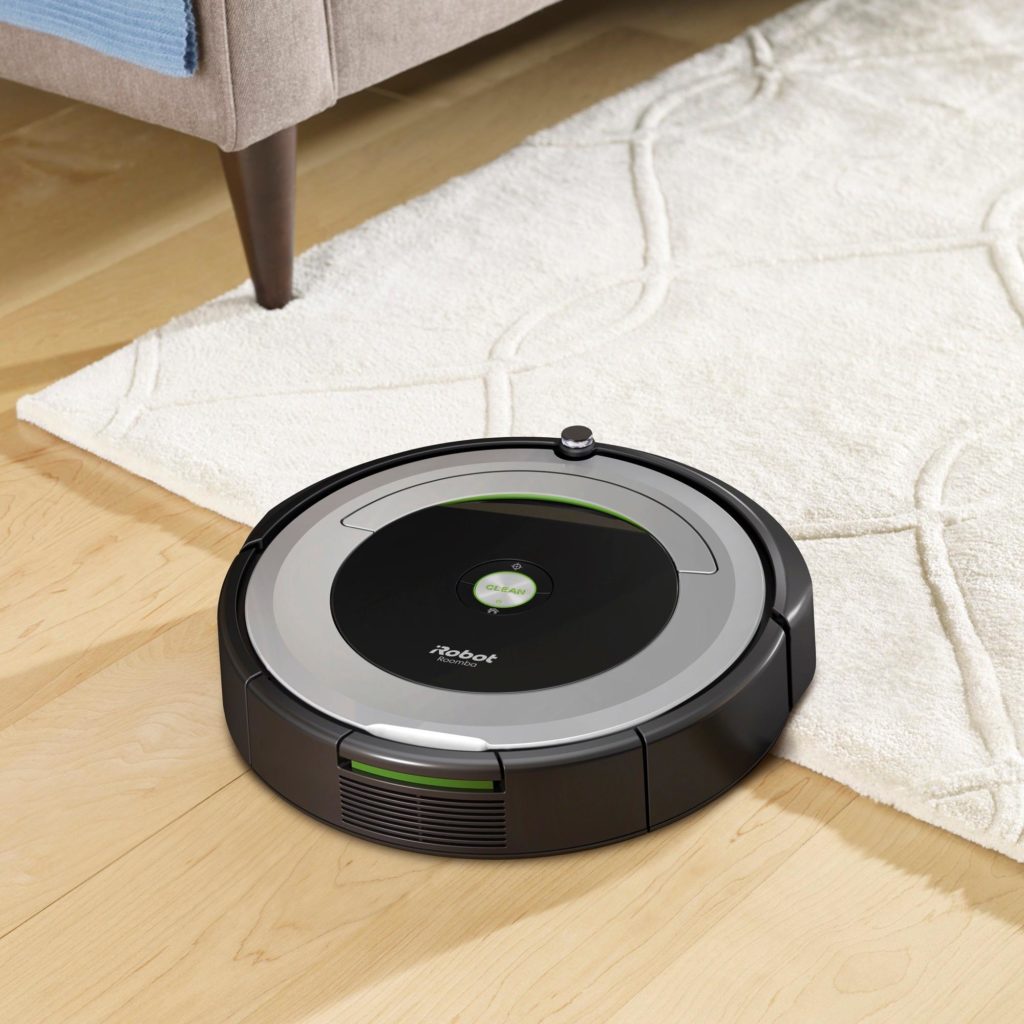
    Moms been vacuming for you your whole life, get her a Robot to do it for her. You know your mom could fill her house with robots to do every boring, tedious, and time-consuming chore, she probably would. But since she can’t, take one small thing off the list and get her iRobot’s midrange robot vacuum, which has a surprising amount of cleaning tech for a reasonable price. The 690 has iRobot’s uncannily accurate Dirt Detect system, virtual wall barriers, and clean, simple app. She can even use it as a tiny, tiny ottoman when it’s done.

    3. Roku Ultra 2017- $90

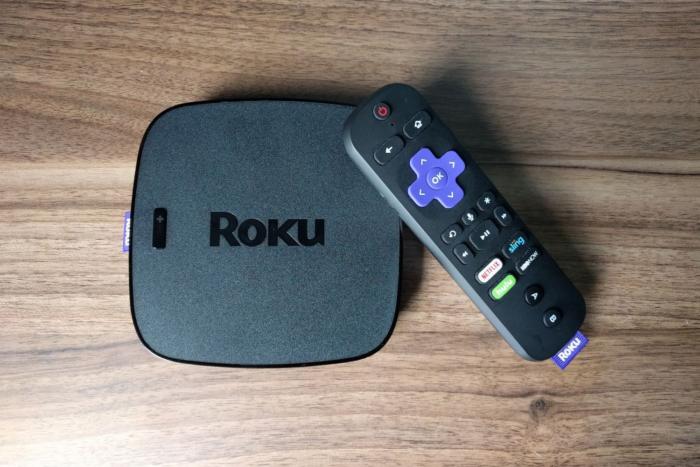
    One big reason for the new Roku Ultra box adds a private listening mode and a handy remote finder button. Yes our mom constantly looses the remote, especially to the streaming service HD box, the Roku Ultra has all the benefits of the Roku but with the remote finder.

    4. Iphone 8+ – $949

    Your Mom needs a new phone, bite the bullet and take care of this for her. Get her something big, easy to see and not to complicated. The iPhone 8 plus is perfect for all Moms. While we know the X is the device to have, the new gesture control may be a bit much. Mom across the world are still a bit weary of the facial recognition, plus the home button is comforting for them. Be a good child and get her a new iPhone.


    5. Tile- $20

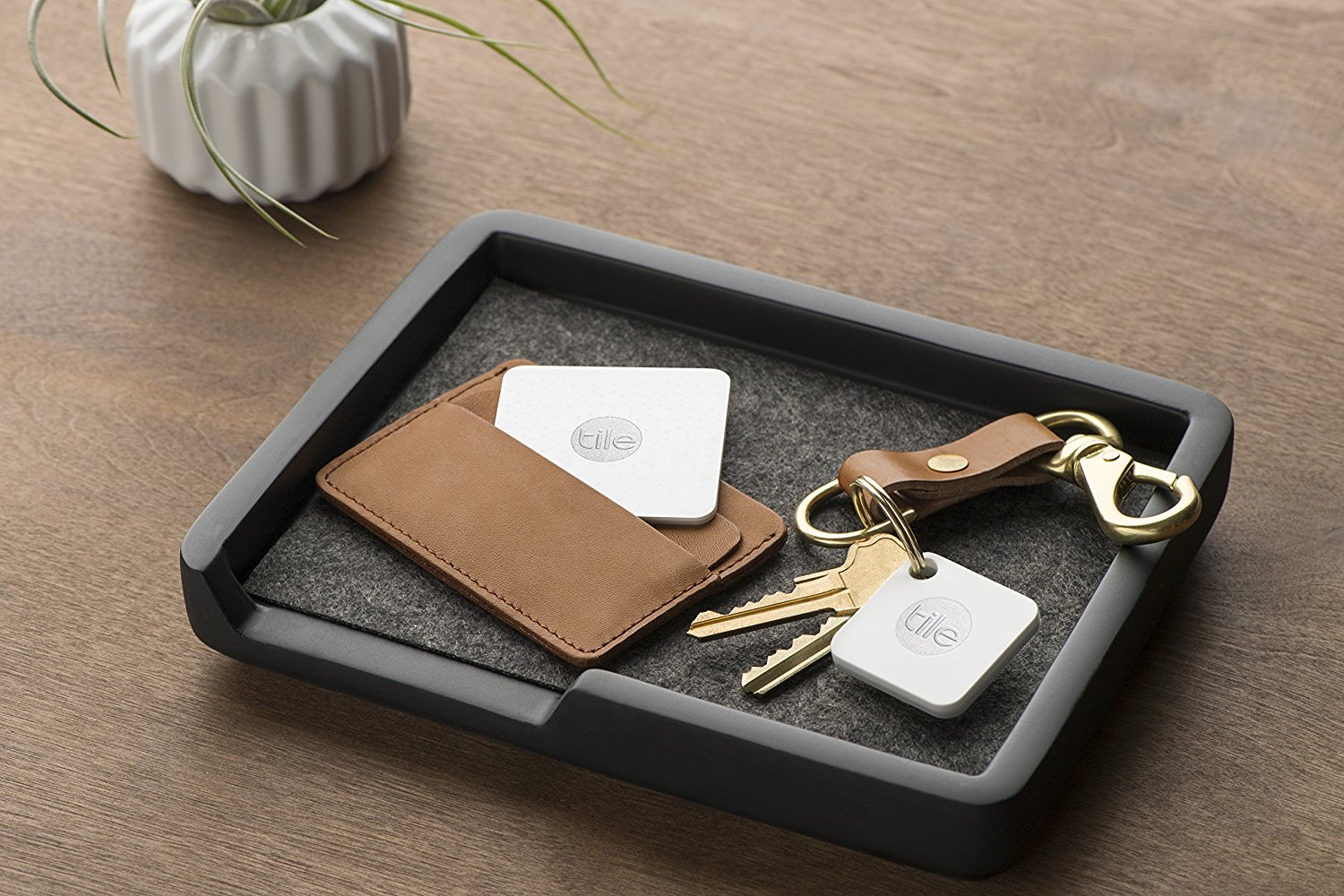
    Maybe dropping a big gift on Mom inst in the budget this year, fret not we have you covered. Your mom is getting older all the time, you have already notices I’m sure the increased frequency in which she is loosing her keys, phone, purse, glasses, or those cheater classes she has started to wear. The Tile can help, It’s a small, battery-powered device that beeps when you ring it from a phone, or it can ring your phone when you press the button on the front.


    The Final Thought

    Getting your Mom something for Mothers Day she doesn’t understand is the easiest way for her to brag to her friends what terrific children she has. She needs that, she deserves a nice day, she could use some new tech. Its the very least you could especially If you are going to miss dinner because you are at a Golf tournament in Florida for the weekend.

  • Top Ten Coolest Raspberry Pi DIY Projects

    Top Ten Coolest Raspberry Pi DIY Projects

    Anyone who has ever built their own computer and watched it whir to life for the first time can tell you the sheer joy of creating a complicated piece of technology with their own two hands. Operating in that same space is the Raspberry Pi family of DIY-friendly microcomputers. The new Raspberry Pi 3 B+ and the Raspberry Pi Zero W (which sports built-in wi-fi!) are flexible, all-purpose boards capable of tons of awesome applications! Everything from miniature Macintosh computers to retro console emulators can be built from these slick little circuit boards, and here we round up our top ten favorite Raspberry pie DIYs!

    A Disposable GIF Camera
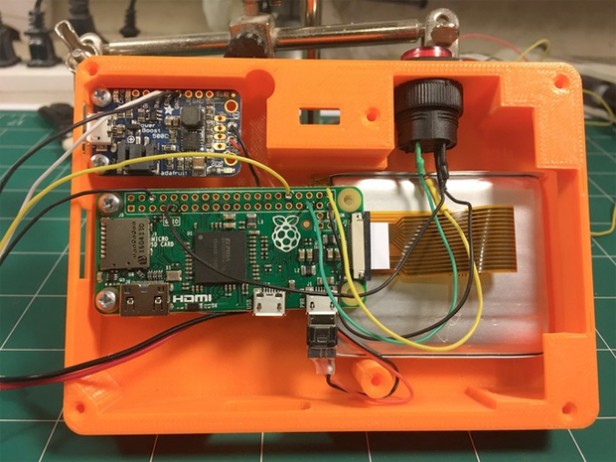
    Photo Credit: TrustedReviews.com

    A neat little piece of throwback-style tech, the Pix-E, pet project of Nick Brewer, takes advantage of the Pi Camera Module and GifCam, PiCamera and GraphicsMagic to create easily-sharable GIFs. With 3-D printable cases and paper print-outs that emulate a 90’s aesthetic, the Pix-E is a stylish and functional piece of DIY tech. It does require a bit of engineering skill: some bread-boarding and a bit of soldering are required to get this sucker moving. The Pix-E would make a neat little addition to a vacation or hike, making GIFs on the fly as you move from place to place!

    DIY NES Classic Mini
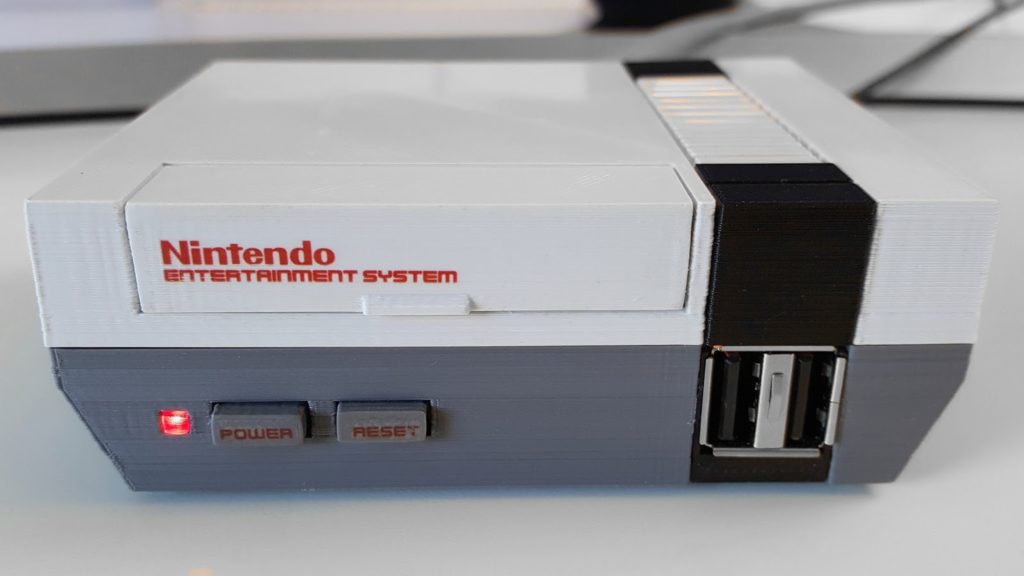
    Photo Credit: RetroPie

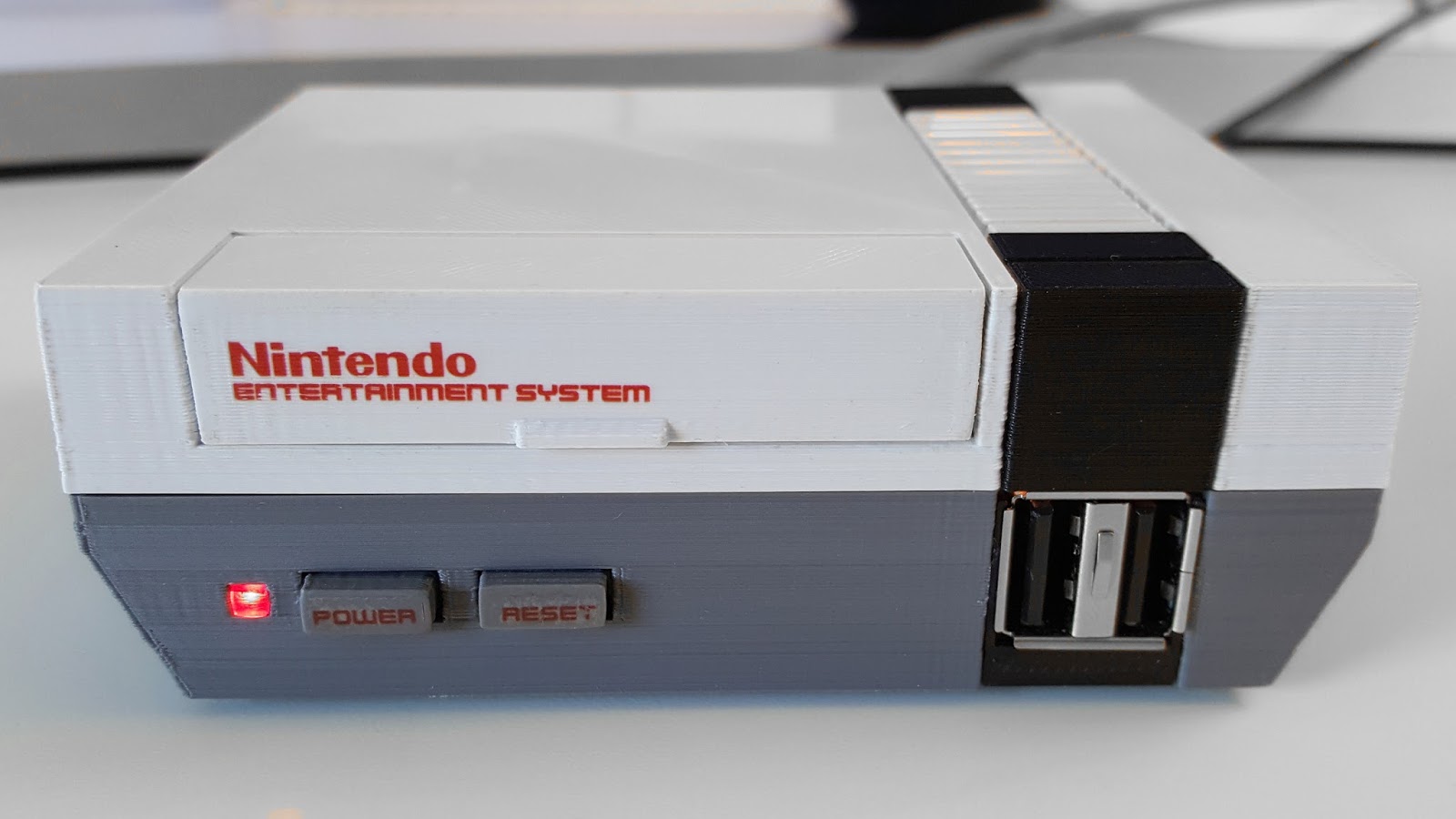
    The NES Classic was a much bigger hit than Nintendo anticipated (turns out people love retro games! Go figure!) and sold out everywhere in a matter of weeks. eBay scalpers sell the mini console for many times more than MSRP, and even if you are lucky enough to lay hands on one, it is only outfitted with 30 games. In order to add more, you would need to do some serious hacking to your expensive collector’s item.

    Thankfully, a bit of tech know-how allows you to build your own using Raspberry Pi boards! Using the Pi Zero board and RetroPie software, you can create near-perfect emulation for a fraction of the price of an NES Classic on eBay. You can even get an NES-like case to house the console (or 3-D print one!), completing the look and feel of a retro console!

    Stylish Word Clock

    Photo Credit: HardTech.tv

    Where clocks were once commonplace pieces of simple technology found in everyone’s house, smart devices and interconnected smart watches have all but rendered the traditional clock obsolete. This word clock, by comparison, is a very cool piece of tech to have on a shelf: eye-catching and easily understood, this simple project can lend a hip and stylish vibe to any room! A simple program, some LEDs and a bit of soldering, and boom! A fashionable way to make sure you’re not running late!

    A Functional Desktop Computer
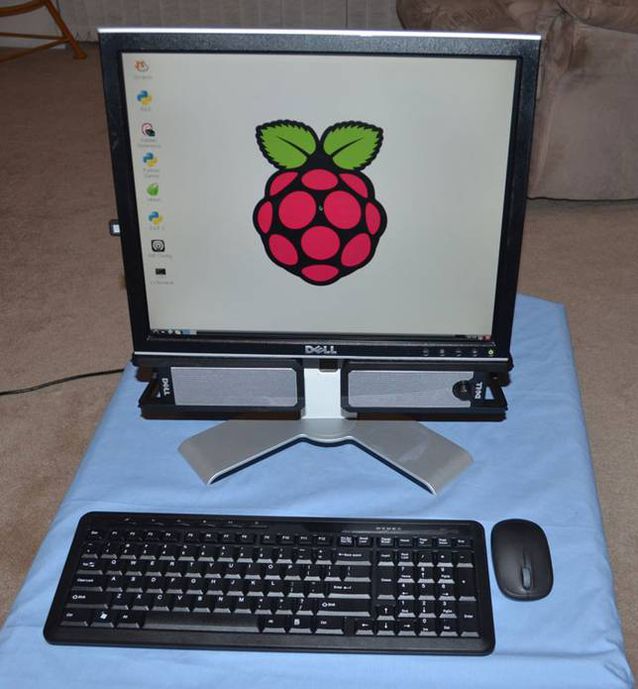
    Photo Credit: Michael Davis

    As adorable as it is functional, the Raspberry Pi can even be used as the brains of a desktop computer. While it certainly won’t be running any modern games or pulling duty as your full-time home computer, it’s a cute project and would work great as a computer for a young child or a student who simply needed access to email, word processors and a simple web browser for research. The desktop even has a very stylish upside: it’s CPU is a tiny circuit board, so it’s easy to mount behind the monitor to save space in an office or bedroom!

    A One-Touch Audiobook Player
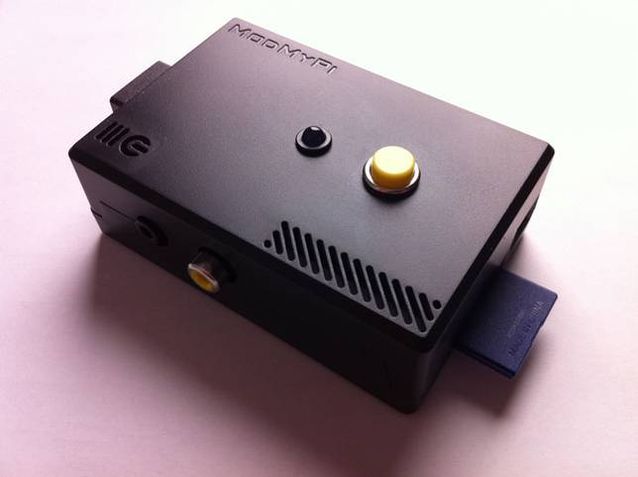
    Photo Credit: Michael Clemens

    The schematics for this minimalist design were drawn up as a prototype to help older users with disabilities easily access audiobooks. The playback device reads the data from a USB port, and then plays the media with a push of the top button. In addition to being very useful for those with disabilities, the player is very minimal and light, and those who wish to keep their smartphone memory from being filled by audiobooks may wish to use this device instead, carrying USB thumb drives loaded with books instead!

    A Kodi Media Center
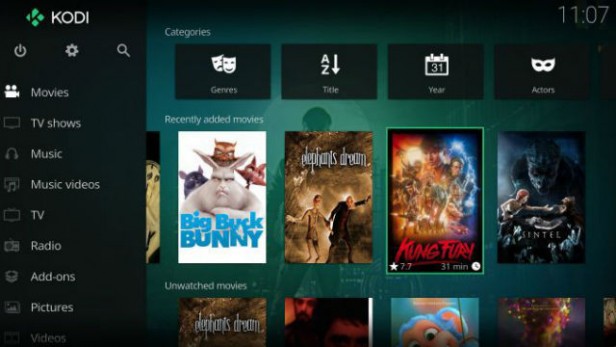
    Photo Credit: TrustedReviews.tv

    While Roku devices, Amazon’s FireStick and SmartTV devices are popular for using official streaming services like Netflix and Hulu, those wishing to customize and personalize their media experience are often drawn to the Kodi platform. Raspberry Pi-based media centers make natural pairs for Kodi, as the two of them are both user-friendly DIY-style products. Using a Wi-Fi USB converter, or a Raspberry Pi Zero W, connecting to wi-fi with a Pi based streaming box is simple and easy. Saving money and getting to watch TV is a win-win in our book!

    MintyPi2.0 Retro Console

    Photo Credit: YouTube.com

    The tiny, endearing and portable MintyPi retro console fits inside an empty Altoids can. Using Zero W boards allows for built in wi-fi to update and games. With a form-factor reminiscent of the GameBoy Advance SP model, the MintyPi is a delightful little device and controls beautifully. While creating one of these devices requires a good deal of 3-D printing, soldering and technical know-how, the finished product is an enviable, minty little piece of tech! Full guides for how to build these are available online!

    Mini Lego Macintosh
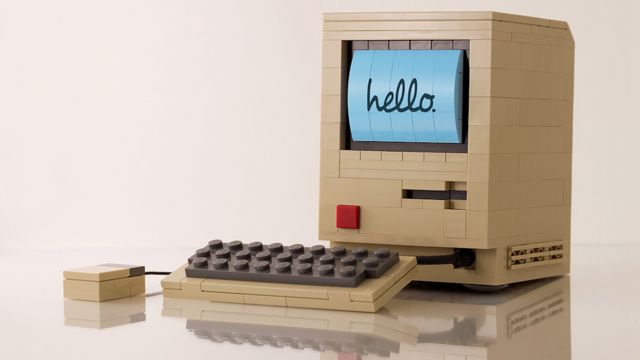
    Photo Credit: Mactrast

    Using a very small e-paper display, sporting a lego housing and powered by a Raspberry Pi board, Jannis Hermanns created this tiny, adorable Mac. The device technically functions but is so tiny and simple that it’s mostly a labor of love and adorable conversation piece. While Hermanns has posted guides for how to create these online, creating your own Mini Mac would require quite a bit of soldering and careful work with tiny parts. However, Mac and Lego enthusiasts would likely find such a project very rewarding!

    Arcade Table
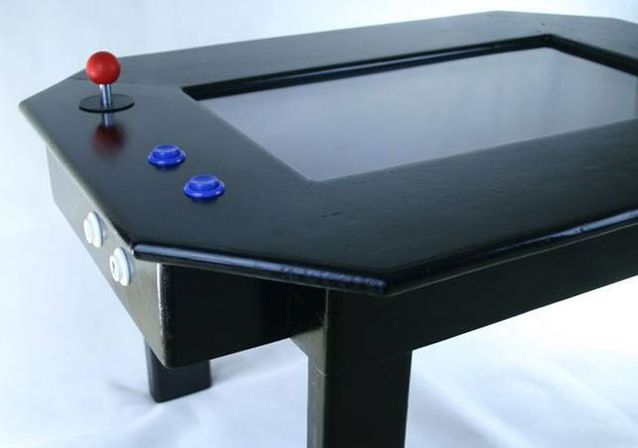
    Photo Credit: grahamgelding

    Echoing the table-top arcade design of pizza parlors and bowling alleys, this cool blend of furniture and technology is powered by a Raspberry Pi board. Capable of playing classics like Space Invaders, Galaga, Asteroids and Pac-Man, as well as browsing the internet and displaying cool images, this table would make a welcome addition in any game room or den. While a good bit larger and more involved than many other projects on this list, this gaming table would make a striking impression on friends who came to game!

    Electric Skateboard

    Photo Credit: YouTube.com

    Our favorite DIY project yet has got to be this stellar electric skateboard project made by YouTuber “the Raspberry Pi Guy,” who is known for his DIY work on his channel. Powered by a Raspberry Pi board and controlled from a Wii Remote (yes, that Wii. I know, right?) this electric skateboard is an awesome intersection of extreme sports, video game peripherals and circuit boards. Really, a nerdy kid’s dream tech. The assembly and code for this project are all quite simple compared to how awesome the finished project is, and as such makes a great DIY for a user looking for a first “big” project!

    Anxious to get started? Be sure to check out our top recommended Raspberry Pi Starter Kits!

  • God of War is the Fastest Selling PS4 Game of All Time

    God of War is the Fastest Selling PS4 Game of All Time

    He’s Back, Baby

    It took Kratos five whole years to star in another video game, but it only took him three days to sell 3.1 million copies of his new game. Released on April 20th, God of War is the first game in the series set after the story of 2010’s God of War III. The game’s blistering sales pace outstrips other PlayStation mainstay Uncharted: the fourth Uncharted sold 2.7 million units in its first week, holding the previous record for fastest-selling PlayStation 4 game.

    Return to Form

    These sales numbers are in stark contrast to a decade or more of game publishers moving further and further from the massive, triple-A style single-player games in favor of multiplayer experiences and ill-conceived always-online features. Sales of this magnitude represent a bit of a paradigm shift for large game studios, showing an increase in focus on huge production values and immersive worlds being built for single-player adventures.

    New Land, Same God Slayer

    The newest God of War sees the series move on to a new setting, pitting Kratos against all manner of Norse mythological beasts, instead of the Greek gods and monsters he once fought. If you haven’t had a chance to check it out yet, you should. The game is a return to form for single-player adventure, following on the heels of other PS4 heavy-hitters like Horizon: Zero Dawn and Nier: Automata. Featuring intense, edge-of-your seat combat, over-the-top action set pieces and a genuinely engrossing and affecting story, God of War has more than earned its spot at the top of the PS4 roost.

  • The Best Raspberry Pi Starter Kits

    The Best Raspberry Pi Starter Kits

    The tiny, easily customizable computer Raspberry Pi is a very popular choice for aspiring tinkerers and DIY enthusiasts. The flexible, affordable Raspberry Pi technology is somewhat daunting for new users, so to help you make an informed decision, we’ve rounded up our favorite Raspberry Pi starter kits! Whether you’re looking to make a retro game console or a DIY desktop computer, we’ve found the kit for you!

    Vilros Raspberry Pi 3 RetroPie Arcade Gaming Kit

    For gaming enthusiasts who may have missed the chance to own an NES or SNES Classic during their limited release windows, Vilros has this excellent starter kit for $84. Unlike the official Nintendo mini consoles, the RetroPie is not limited to certain specific games or even systems. The RetroPie software included with the kit can emulate a wide variety of retro systems, including the Game Boy, Dreamcast, Neo Geo and others.

    This kit comes with a power supply cable, heat sinks, an HDMI cable, a 32gb microSD card, and, importantly, two SNES-style USB controllers. The highlight of this kit is the adorable and sturdy NES-style case that can house your tiny computer, completing the retro aesthetic of any emulation project.

    Raspberry Pi 3 Desktop Starter Kit

    The Desktop Starter kit is a great, affordable option for those who have an HDMI cable already on hand and simply want to get started tinkering. For $60, this officially licensed starter is a great value, and comes with a case for the computer, a power supply, a 16gb microSD card, and comes pre-loaded with NOOBS and Raspbian software.

    This starter kit is great for those who simply wish to start on projects right away, or who have projects that don’t require HDMI cables and want to save money over more involved starter kits, like the aforementioned Vilros Retro Kit. It is worth noting, however, that this kit also doesn’t have any heat sinks, which means you’ll need to provide those yourself if you don’t want to risk damaging your computer. However, for those who are already savvy builders with tech know-how, this kit is a great way to introduce yourself to the Raspberry Pi platform.

    Sunfounder Picar-S Raspberry Pi 3 Robot Car Kit

    The most expensive starter kit on this list, but also the most involved, the Robot Car Kit is $160 and tons of fun. This kit comes with everything you need to build your own remote-controlled car, and comes equipped with sensors to detect light sources, follow preprogrammed paths and even navigate around obstacles!

    The car can even be controlled via an app from a phone or a computer, making it an excellent project for a young robotics enthusiast or an aspiring builder! As a first foray into more “active” Raspberry Pi builds, this car kit is a fun way to learn about the Raspberry Pi platform, and mechanics in general.

    CanaKit Raspberry Pi 3 Complete Starter Kit

    Canakit’s starter is a fantastic all-around choice for enthusiasts to begin their projects. For $70 you get a Raspberry Pi 3, a glossy black case, a 2.5-amp power supply cable, heat sinks, an HDMI cable, and an all-important 32gb microSD memory card. This kit comes pre-loaded with NOOBS software to get you started, and CanaKit also offers a $50 version of the kit with a clear case for those who wish to show off the circuit board that makes their computer tick.

    This kit is by far the best selling Raspberry Pi starter, and for good reason: everything you need to start your own projects is right here. Made with newcomers to computer-building in mind, this kit has all the basics you need to get started with your own inventions. Highly recommended to those with little to no experience building computers or working with hardware!

    Want More Raspberry Pi?

    If you liked this article, make sure to check out our Top 10 Raspberry Pi DIY Projects! Maybe you’ll find inspiration for your next project!