Category: Android

  • Google’s New Pixel 4: Should You Upgrade?

    Google’s New Pixel 4: Should You Upgrade?

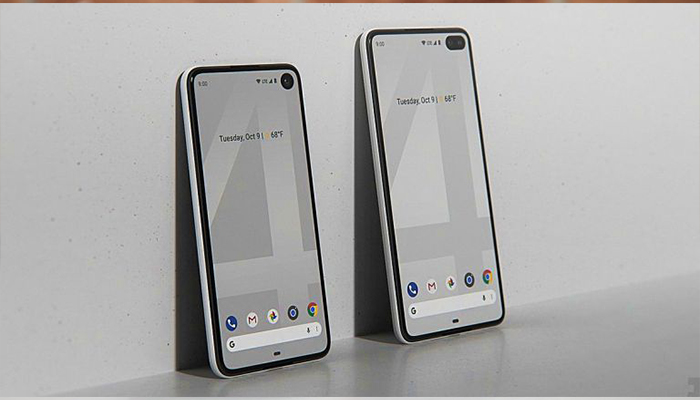
    With the Pixel 4 bringing so much newness to the table, why in the world should you keep your Pixel 3? It shouldn’t come as any surprise that the Pixel 4 is loaded with upgrades compared to the Pixel 3. For some, the changes Google’s made might be enough to encourage them to upgrade, here’s why:

    While the Pixel 3 isn’t nearly as flashy as its newer sibling, it’s still plenty capable these days and should get you through another year of use just fine. There’s no denying that Google created a killer smartphone with the Pixel 4.

    With a camera that captures detail that the competition can’t, a futuristic way to use your phone without even touching it, your own personal Google Assistant, and a fast and responsive display, Pixel 4 packs new technology into a must-have new design.

    Get the perfect photo

    Pixel 4 brings Google’s biggest camera upgrade yet. The Pixel 4 comes two cameras on the back of the phone and includes a new telephoto lens. When you combine this new hardware feature with Google’s Super Res Zoom software, it gives you exceptional image quality, even planets away.

    Night Sight already takes beautiful photos in full darkness, and now you can use Night Sight for shots of the night sky, the stars, and even the Milky Way (when you find a clear night). Pixel 3 and 3a will also get a version of this capability with the latest camera app update!

    Your new Google Assistant

    Thanks to a deeper integration into Pixel 4, the Google Assistant is now a faster way to get more things done, think of it like your own personal assistant. Google redesigned the Assistant so it doesn’t take up too much room on your screen, letting you better multitask across other apps. It can quickly open apps, search your phone, share what’s on your screen, and more.

    It also considers the context of your query to do a better job answering. For example, you can ask the Assistant to “show my photos from Miami” and then say, “the ones in South Beach.” Then, you can share a picture by saying “send it to Brad.”

    A phone that senses what you want it to do

    Pixel 4’s Motion Sense feature uses a miniature radar sensor to detect movement around your phone. It can sense when you’re reaching for the phone and will initiate face unlock, or turn off your screen when you’re not around. New Quick Gestures let you skip songs when you don’t want to pick up your phone. Just wave your hand to snooze alarms, dismiss timers, or silence your phone.

    Built for performance and security

    With 6GB RAM, a 90hz display, and Pixel Neural Core, Pixel 4 is fast and powerful. Pixel Neural Core is the engine for on-device processing, always-on computing, and machine learning, meaning more tasks are done on the device for performance and privacy.

    Pixel 4 also includes Google’s custom-built Titan M security chip to protect your most sensitive data and ensure the integrity of the operating system. Combined with the latest version of Android 10, monthly security updates for 3 years, and access to Google’s advanced security services, Pixel 4 is designed to keep your data secure.

    Pricing

    Beginning today, October 15, you can pre-order a Pixel 4 for $799 and Pixel 4 XL for $899, and phones will ship on October 24, globally. Pixel 4 comes in three colors, including white, black and a limited-edition orange!
  • Want the New Galaxy S Pen for Free? Here’s How:

    Want the New Galaxy S Pen for Free? Here’s How:

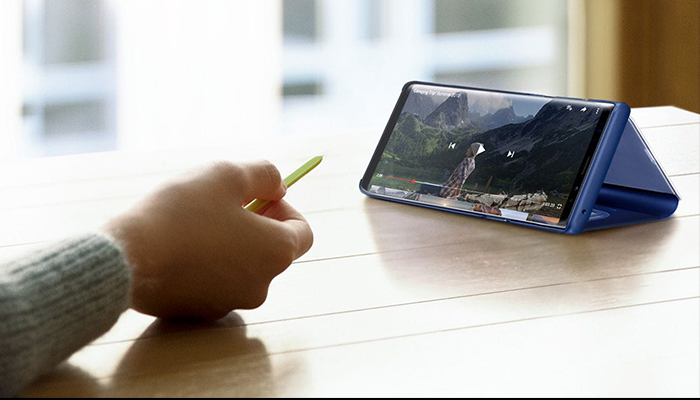
    The Samsung Galaxy line of devices still has that one feature, that one tool that no other phone pulls off quite as well – the S Pen stylus. Are you interested in the new S Pen but not quite ready to dish out $1,000+ on a new smartphone? Here’s a hack on how you can get it for free:

    If you’re like most Android or Apple users, you probably just upgraded your smartphone not too long ago. But, as usual, the new versions keep rolling out. Who can keep up? We’ve got great news, these retailers are slashing $100 – $150 off the Samsung Galaxy Tab S4, which includes the brand-new S Pen! We’ve got the scoop on the best deals.

    Samsung is a dominant player in the smartphone industry, so it should come as no surprise that the company also makes a great range of tablets. Named of the best iPad Pro alternatives, the Samsung Galaxy Tab S4 brings more than just a tablet experience into the table. You can now take advantage of the portability of a tablet with the productivity of a desktop computer, all in one device.

    If you’ve been eyeing that brand-new S Pen and could use a new tablet, this is your chance! Check out this list of retailers slashing major $$$ off prices:

    Amazon

    Amazon currently has a deal on the Samsung 9.7-inch Galaxy Tab S3 (S Pen included) that lets you have it for only $449 – that’s 18% lower than its usual $550 price tag. From entertainment and creativity to productivity, there’s so much you can do with the Samsung Galaxy Tab S3. Grab the black version today on Amazon at a discounted price of $449 while in stock.

    Walmart

    If you are looking for an all-around premium tablet, the Samsung Galaxy Tab S4 10.5-inch Tablet a legit contender – and it comes with that S Pen you’ve been eyeing. Available in 64GB and 256GB models, Walmart is giving away $150 discounts on both variants, selling it now for $498 and $598 from its original price of $648 and $748, respectively.

    Best Buy

    The cheapest Samsung Galaxy Tab S4 model typically sells for $650, but you can get one right now for just $500 from Best Buy. Apart from the $150 discount, customers who purchase the tablet will also receive a free S Pen and a $50 e-gift card, and a six-month Trend Micro Internet Security subscription.


  • Samsung Galaxy S Pen: Best Phone Peripheral Ever?

    Samsung Galaxy S Pen: Best Phone Peripheral Ever?

    Samsung’s Note series of phones started the trend of the massive, tablet-like smartphones called “phablets”. What was once a niche size of phone for those who wanted massive screens and huge batteries has become industry standard. Now, nearly every flagship smartphone has a “plus” or “XL” version that comes with even more bells and whistles. As such, the Galaxy Note has become a little less special for its size. That said, it still has an ace in the hole that makes it impressive.

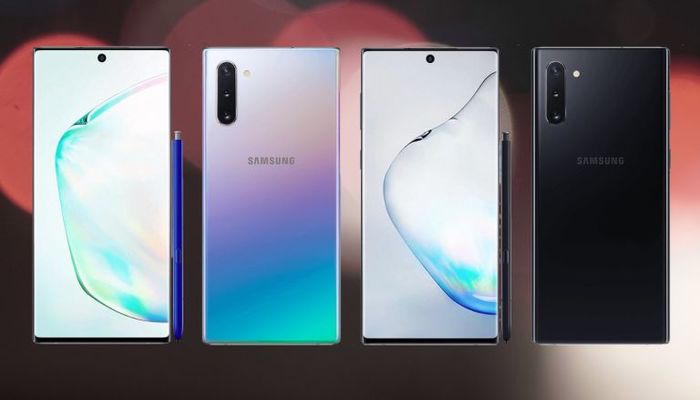
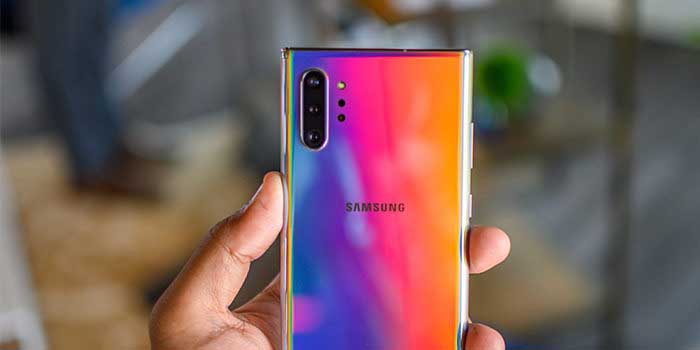
    That ace in the hole comes from the S Pen peripheral. Part stylus, part Bluetooth remote controller, the S Pen is a huge part of the Note’s ability to overperform as a productivity phablet. Now in its ninth generation as the Galaxy Note 10 (remember, they skipped 6 and went straight to 7 from 5), the Note is back with even more features for its unique stylus. Let’s take a look at what may be the best smartphone peripheral ever: the S Pen.

    S Pen Origins

    Undoubtedly, the Galaxy Note was originally meant to win over power-users who loved the stylus of their Blackberry devices. Handheld PDAs and productivity technology were red-hot in the late nineties and mid-aughts, but after the iPhone blew the doors off of the smartphone market and started a touchscreen revolution, brands like Blackberry fell out of fashion. That’s where the Note came in, complete with a handy stylus and tons of productivity-minded functionality.

    Originally, the S Pen was essentially just a Bluetooth-enabled stylus. It was helpful for navigating precise menus and checking emails, of course. You could take notes with it, as the phone’s name suggests, as well. As such, it was a popular choice among both professionals and students, allowing them to organize their important documents and notes all from their smartphones. Essentially, the S Pen allowed the Note to work almost like a laptop.

    Newest Features

    The Note line of phones has always sported the most cutting-edge tech seen in Samsung handsets, and each new iteration has brought new features to the S Pen. While each successive phone has brought new features like in-display fingerprint scanners and bezel-free screens, the S Pen has also been changed to keep up.

    For example, on the Note 10, the S Pen has the ability to convert your handwriting to text. This is a huge feature for people who need to take quick notes on the fly and then have text versions of them quickly, such as assistants, professionals and students. These text copies can then be copied and pasted into other fields, allowing you to rapidly create transcripts of your notes.

    Air Actions

    Another new feature on the S Pen for Note 10 is the introduction of Air Actions. These are somewhat like gestures you can perform with the pen in order to make your phone take certain actions. For instance, when you’re using the camera, you can use Air Actions to change the camera mode, or to zoom in. Alternatively, you could even use the button on the S Pen to snap a picture, even when you’re not directly at your phone.

    While the Air Actions are a little wonky at first, they become quite intuitive after a few uses. When you add it all together, between the zoom function and switching camera modes, as well as snapping pictures with a button press, it’s easy to see the Note 10 as a great phone for fans of photography! Other new features on display with the new S Pen include AR doodles, which allow you to draw objects onto a digital space and share the drawing with your friends. All said, there’s a lot to love about the new S Pen, and it carries on a great tradition of productivity aids for Note smartphones!


  • Which Galaxy is Which? Our Guide to the Crowded Samsung Phone Lineup

    Which Galaxy is Which? Our Guide to the Crowded Samsung Phone Lineup

    Samsung has been pretty busy making smartphones in their Galaxy family of phones. No fewer than nine Galaxy devices are new for this year, so it might be difficult deciding which is right for you. Thankfully, we’ve got the lowdown for you: here’s our guide to the Galaxy family of phones.

    Samsung Galaxy Guide

    Samsung Galaxy S10

    For starters, the Galaxy S10 is the flagship phone of the Galaxy line. It offers the most standard-style experience, with a medium screen size, solid build quality, great battery life and a sharp display. Lots of unique features, like the in-display fingerprint scanner and the ability to wirelessly charge, aren’t quite as new and flashy as they once were.

    However, just because its family of phones offers some of its cool features elsewhere doesn’t mean you should write off the S10: at $900, it represents a great price for the mainline Galaxy phone lineup. For those looking for a great, standard-style handset with the best build quality and don’t mind a high price tag, the S10 is one of the best Android phones out there.

    Galaxy S10 Variants

    The S10E is the budget version of the Galaxy S10, occupying a similar space to the iPhone XR and Pixel 3A. Unlike its bigger brother, the S10E retails for only $750, and it sports a smaller overall display and handset size. If you’re looking for a phone with a lot of features and a smaller profile that fits easily in a pocket, the S10E is a good option. However, if you love massive displays and cutting-edge tech, consider looking into the full-fledged S10 line.

    On the other end of the spectrum from the budget S10E is the S10 Plus, a $1,000 smartphone with a 6.4-AMOLED screen that looks downright amazing. Fans of huge screens and long battery life should consider the S10 Plus a must-buy, as it offers both in abundance. If you can swing the huge price, this is easily the best S-line Galaxy phone that Samsung has yet made, though its massive size might be a bit of a drawback for those who prefer smaller handsets. A 5G-enabled version of the S10 Plus is also available for $1,300.

    Samsung Galaxy Note 10 Line

    The Note line of phones popularized the massive “phablet” size handsets that are commonly sold as “Plus” or “XL” models of other flagship lines. Ironically, despite the note being the “plus size” Galaxy phone, the Galaxy S10 Plus offers a bigger screen than the Note 10. The main difference, however, is that the Note sports the excellent S Pen, a productivity aid that doubles as a Bluetooth trigger for the camera. Coming in at $950, the Note 10 actually slots comfortably between the S10 Plus and the standard S10.

    Samsung Galaxy Note 10 Plus sports an extremely massive 6.8-inch display that easily bests every other Galaxy device (barring, of course, the Galaxy Fold). It retails for $1,100, making it the most expensive non-folding Galaxy device as well as the largest. Unlike the standard Note 10, the Plus offers expandable memory with an SD card. There is also a 5G-enabled Note 10 Plus, retailing for $1,300.

    Samsung Galaxy A50

    The discount-priced Galaxy A50 is one of our favorite budget Android phones. The A50 sports an in-display fingerprint scanner, a big 6.4-inch screen and three great cameras. For the old-school users, this phone also sports a conventional 3.5mm headphone jack! For only $350, this is a great entry-level, budget smartphone. If you’re looking for something with lots of new bells and whistles, though, the A50 might not be the best choice for you.

    Samsung Galaxy Fold

    The yin to the Samsung Galaxy A50’s yang, the Galaxy Fold will retail for $1,980 and offers a tremendous 7.3-inch, tablet-like inner display. The front face of the folded device is only 4.6 inches, though its far from the main attraction on this stylish and futuristic phone. If you’re looking for the fanciest and craziest smartphone in the world, the Fold is what you’re after. That is, of course, if you can swing the two thousand bones to buy the thing.


  • 5 Best Features in the Samsung Galaxy Note 10 and Galaxy Note 10 Plus

    5 Best Features in the Samsung Galaxy Note 10 and Galaxy Note 10 Plus

    To kick off the unveiling of the new Samsung Galaxy Note 10 and Galaxy Note 10 Plus, we’ve gathered a list jam-packed with the 5 coolest features included in the new smartphones. The Galaxy Note 10 is not just a new smartphone, it’s a gaming console, a film studio, a computer, comes with your own personal magic wand – and its all in one device!

    1. Smaller – and bigger
    The Samsung Galaxy Note has always been identified as a “big phone.” Users are pleased to see a smaller, hand-friendly version of the Note 10. It is about 0.2-inches smaller than the Note 9 and the Note 10+. 0.2-inches may not sound like much, however it makes a significant difference when it comes to fitting in your hand. On the contrary, this is the first time Samsung has rolled out two versions of the Note to include the Note+ for those who prefer a bigger smartphone.

    2. 3D Scanning
    While Samsung is not the first to roll out 3D scanning, they came up with a cool application for 3D scanning with Augmented Reality. Consumers can now 3D scan objects and drop them into their photos and videos. It doesn’t stop there; consumers can even animate them using motion capture. This will be huge for consumers that put out content on social media platforms such as Instagram and TikTok.

    3. Super-fast charging
    Long gone are the days where your smartphone battery dies a few hours after charging. With a quick 30-minute charging session, the Galaxy Note 10 will hold battery juice all day long. Samsung did this by including a 45W charger to amp up the wattage in comparison to competitors that have a 30W charger.

    4. S-pen
    Say goodbye to selfie sticks and self-timers because the Galaxy Note 10 comes with an S-pen that will allow consumers to take remote photos. It gets even better, with an accelerometer and gyroscope in the S-pen, consumers have their own personal magic wand with gesture-recognition technology.

    5. 5G
    The future is here – 5G is the latest version of cellular networks. This is a once in a decade upgrade to the way consumers can wirelessly deliver data, making the Galaxy Note 10 one of the fastest and most powerful smartphones in the market. Just how much faster? In this new era, the Galaxy Note 10 with 5G will average out to be roughly 20 times faster than the traditional 4G network you are currently using.


  • New Samsung Galaxy 10 Details Leaked Only Hours Before Launch

    New Samsung Galaxy 10 Details Leaked Only Hours Before Launch

    Samsung’s Galaxy Note 10 is said to be one of the best and most powerful phones of 2019. The Note 10 is launching today, August 7, but that hasn’t stopped the leaks and videos – here’s everything we know.

    To announce the launch of the new Galaxy Note 10 today, August 7, Samsung is hosting a live press conference in the Big Apple, Brooklyn to be exact. The launch event kicks off at 1PM PST / 4PM EDT (9PM BST). Rumor has it that with all the leaks over the past few months combined, it is doubtful that Samsung will have very many surprises in store for us. Here’s what we know.

    Galaxy Note 10 Leaks

    Assuming the combined Galaxy Note 10 leaks are legitimate, Samsung will be announcing two versions of the new Galaxy Note today – The Note 10 and the Note 10 Plus. Equipped with 6.3-inch and 6.8-inch screens, the new smartphones will certainly not disappoint. According to the leaks, they will both be sporting an all new S-Pen, which will basically serve as your personal magic wand with air gestures for your new smartphone. But wait, there’s more!

    Alongside a rumored “Superfast Charge” that will feed the Note 10 hours of battery juice in just a matter of a few minutes, a Verizon ad campaign has gone live to promote the new smartphone, confirming it to include a 5G option when purchasing. This brings the total number of new Galaxy Note 10 to four options! What does 5G mean?

    5G Speeds

    5G is the latest and fastest version of cellphone technology, made to download and upload at lightning speed! So, whatever you are currently doing on your smartphone, you’ll be able to do it faster and better with the new Galaxy Note 10 5G option. But we know the real question you’re wondering – How much will this cost you?

    Cost

    Well, there is no getting around the fact that with every new smartphone that comes out, the higher the price tag that comes with it. When we look at the Note 9, there is no doubt that it is a very, very expensive phone, and we are not expecting the Note 10 to be any less pricey. While the price has not yet been officially confirmed, we have the scoop.

    According to Droid-Life, we should see the Galaxy Note 10 start off around $950 and the Galaxy Note 10+ to start off at $1,100. On the contrary, a leak from Russia indicated that the Note 10 will at a price point between $1,100 – $1,200. Is it worth it?

    Features

    While the Galaxy Note 9 was jam-packed with worthwhile features, in many ways it felt like only a small upgrade from the Note 8, released just the year before. We have high hopes from the Samsung Galaxy Note 10 to justify the hefty price tag that comes with it.

    While all recent Samsung smartphones have included water resistance, the Galaxy Note 10 is equipped with protection that is expected to have a significantly stronger defense against high-pressure and high-temperature water. That’ll come in handy the next time you drop your phone in some water.

    Video Leak

    In the leaked clip, it appears that the Galaxy Note 10+ comes with a small punch-hole cut out for the front camera. While the top smartphones that are currently in the market have the capability to record with HDR video, the Galaxy Note 9 does not. This is a very weak point to an otherwise great camera.

    We are hopeful that the Galaxy Note 10’s high price point will include not only HDR recording, but like many competitors a 4K HDR recording feature. Could the imminent release of the new smartphone race to the top of the best Android Phones? There is not a long wait to find out.


  • Galaxy Watch Active 2: True Apple Watch Competition?

    Galaxy Watch Active 2: True Apple Watch Competition?

    Samsung’s forays into wearable tech have been met with scattered success. However, until now, they’ve been playing second-fiddle to the Apple Watch on some features, like ECG and fitness tracking. Samsung looks to correct that with the Galaxy Watch Active 2, their second smartwatch this year. Let’s take a look at the newest wearable from the Korean manufacturer.

    Galaxy Watch Active 2

    Design

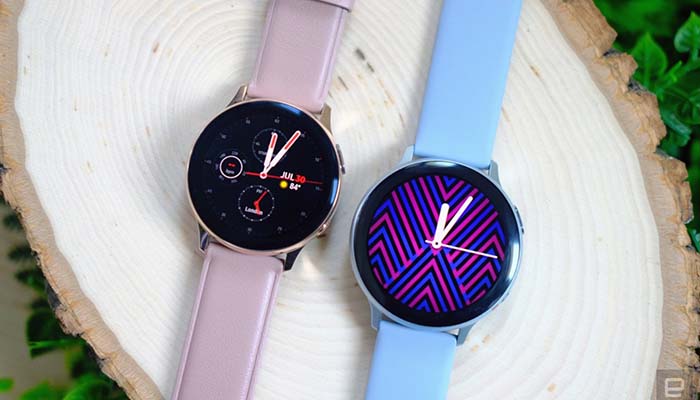
    When you’re wearing a piece of technology as a part of your wardrobe, it’s important that it has a strong design and looks fashionable. Thankfully, the Galaxy Watch Active 2 is a smart and stylish little watch, sporting a few appearance options and an attractive, round face. The watch comes in a few colors, ranging from silver, black, gold and “lily gold,” as well as with options for either aluminum frame or stainless-steel frame.

    Also, the choice of frame dictates which type of band you get. The aluminum frame sports rubber straps for the band, while the stainless-steel frame has a leather band. The face can be purchased in either 40mm or 44mm, depending on your preference and wrist size. The 40mm watch face retails for $280, while the 44mm goes for $300.

    Health Features

    One of the biggest draws for the Apple Watch Series 4 last year was its medically-certified ECG that can detect arrythmia of the heart. Samsung promises that the Active 2 sports ECG technology as well, though it has yet to be officially certified like Apple’s. This does mean that the ECG won’t be online right away, but it could likely be activated later after the feature is reviewed by medical professionals.

    Another health upgrade comes in the form of the heart rate-sensing LEDs. While the previous Active sported only 4 LEDs for detecting your heart rate, the Active 2 will be sporting a full 8. This means that it will likely detect heart rate more accurately, and will be able to pick up finer gradations of rate change. This is great for those who want to track their activity and keep up with their fitness.

    Software

    Instead of Wear OS, Google’s open operating system for wearable tech, the Active 2 runs on Tizen, which is Samsung’s proprietary watch operating system. A number of new software features will be on display with the Active 2. For instance, Google Translate will be baked into the watch, which is a welcome addition. Similarly, apps like Spotify won’t require you to sign in again if you’re already signed in on a paired smartphone.

    A fun and unique software addition called “My Style” offers a unique new way to find great watch faces. This feature allows you to take a picture of your clothing and have the watch create a custom face to match. This is great for style-conscious users who want to make sure their tie and watch match! We love the round face and stylish appearance of the Active 2, and “My Style” gives it yet another wonderful fashion application.

    Other New Features

    Another new feature that we love is the return of the spinning outer bezel for accessing apps and controlling the watch. This was present on the older line of Galaxy watches but disappeared on the Active. The one present on the Active 2 isn’t actually a physical spinning bezel, but is instead a haptic feedback response that feels great.

    An LTE model will be made available, though we don’t yet know what the pricing info on that model will be. The LTE model will allow you to make phone calls, send messages, stream music and even watch YouTube videos all from your wrist without needing your phone nearby. All in all, we’re excited to see the Active 2 hit the market, as it will likely prove an excellent competitor for Apple’s Watch line.


  • Should Samsung Fans Get the Galaxy Fold or the Note 10?

    Should Samsung Fans Get the Galaxy Fold or the Note 10?

    Samsung fans have a busy end-of-year ahead of them. If you love your Samsung phones and you’re looking to keep up with the hottest new technology, there are two phones vying for your attention. The first is the Note 10, the newest iteration of the popular phablet line of Android smartphones. The second is the revolutionary folding Samsung Galaxy Fold. Which should you buy?

    Galaxy Fold vs Note 10

    Price Point

    It’s important to start with the price point, as these phones are dramatically different in base price. The Note line of smartphones typically retails for around $1,000, while the Samsung Galaxy Fold will retail starting just under $2,000. This means that fans looking for a more traditional phablet may stick with the Note 10, while those looking for the most cutting-edge offering from Samsung will look to the Galaxy Fold.

    Galaxy Fold Issues

    If you remember hearing about the Fold a while back, there’s a reason for that. It was meant to launch in April, and even went up for pre-order then. The Galaxy Fold was delayed to address some issues with the screen and hinge that cropped up with review devices. A few issues like screen failures, bulges from debris working under the screen and an odd issue with a film that could be removed from the screen, have been directly addressed by Samsung.

    Now, the device is set to launch by the end of September, putting its launch date right alongside the Note 10’s likely launch. It’ll also be going head-to-head with Apple’s newest offerings, meaning that competition in the already-crowded premium smartphone market will be intense.

    Note’s Odd Position

    When the first Galaxy Note was released in 2011, its 5.3-inch screen was massive compared to the competition. However, most smartphone manufacturers now make “plus” or “max” versions of their phones that sport screens as large as 7.2 inches for the Huawei Mate 20 X. Ironically, even the Galaxy S10 has a Plus model with a screen roughly the same size as the recent Note handsets.

    When Samsung unveils more details about the Note 10 on Wednesday, we’ll find out where the screen size falls on this spectrum. However, for those truly invested in having a huge screen for all their entertainment and browsing, the Note isn’t exactly the king anymore. That title goes to the absolutely massive screen on the Galaxy Fold.

    Folding Innovation

    The entire purpose of the Note when it was first unveiled was to bridge the gap between tablets and smartphones by offering a compromise. A tablet small enough to fit into your pocket, or a phone big enough to compete with tablets; whichever way you want to look at it, this was the market purpose of the Note. However, new technology makes a much more interesting compromise possible.

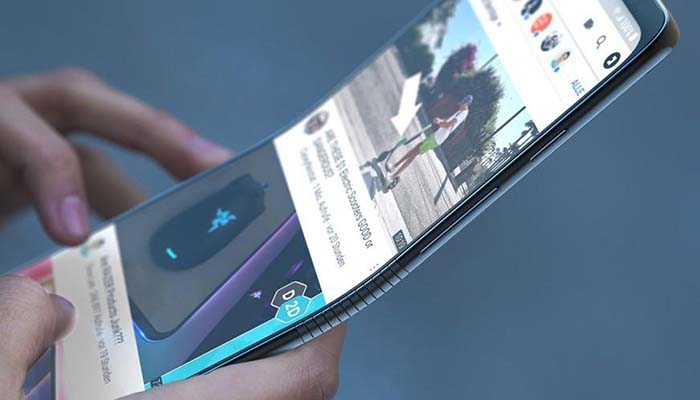
    The Fold’s screen is made of a unique plastic that folds up and bends when you close the device. This allows it to have a massive, tablet-like screen when you’re using it, but then folds down to a manageable smartphone size when you’re not using it. This means it’s literally a tablet that will fit in your pocket. However, will this convenience be worth $2,000 for Samsung fans?

    Bottom Line

    If you want to stick with the tried-and-true Note style, complete with S Pen functionality and the same form factor you know and love, the Note 10 will be a good pick for you. It’ll likely retail for around $1,000, which isn’t cheap, but it’s a far cry from the Fold’s $2,000 asking price. Meanwhile, if you want to be on the cutting edge of Samsung’s newest tech, the Galaxy Fold offers an exciting new form factor and could be a glimpse into the future of smartphones.


  • Samsung Still Makes Tablets? Galaxy Tab S6 Review

    Samsung Still Makes Tablets? Galaxy Tab S6 Review

    Believe it or not, Samsung still makes tablets. The newest Galaxy tablet, the Tab S6, offers a number of exciting new features to differentiate itself from the pack. While general interest in tablets may be down, Samsung seems to want to change that.

    While tablets were all the rage in 2013, the interest in them has cooled notably in the past few years. More and more phones are getting huge screens, while laptops are getting smaller, lighter and more affordable. Tablets are just being squeezed from too many directions. However, the Galaxy Tab S6 is here to prove that there’s still innovation to be found in the world of tablets.

    Under the Hood

    As you’d expect from any premium tablet, this thing is a beast in terms of processing power and overall strength. A Qualcomm Snapdragon 855 powers the device, allowing it some serious chops when it comes to rendering graphics, multitasking and playing games. In general, if you’re looking for the strongest Android tablet on the market, the Tab S6 has you covered.

    The screen is a huge, gorgeous AMOLED, coming in at 10.5 inches and sporting bright, vibrant colors. Much like the Galaxy S10, the screen is so crisp and clear that it gives you plenty of real estate to appreciate just how good the excellent camera on the device is. Quad speakers on the Tab S6 offer a ton of sound quality, creating a sonic landscape that is encompassing and deep without even needing headphones.

    New Features

    The S Pen that works with the tablet is great, as usual. It’s tremendously useful for productivity tasks, taking notes and thumbing through presentation slides. It’s also useful as a long-range camera shutter, allowing you to take pictures from your tablet even if you’re across the room from it. The strong magnets in the back of the Tab S6 allow you to slap the S Pen on there to get a charge. About ten minutes of charge should get you through a day of use, according to Samsung.

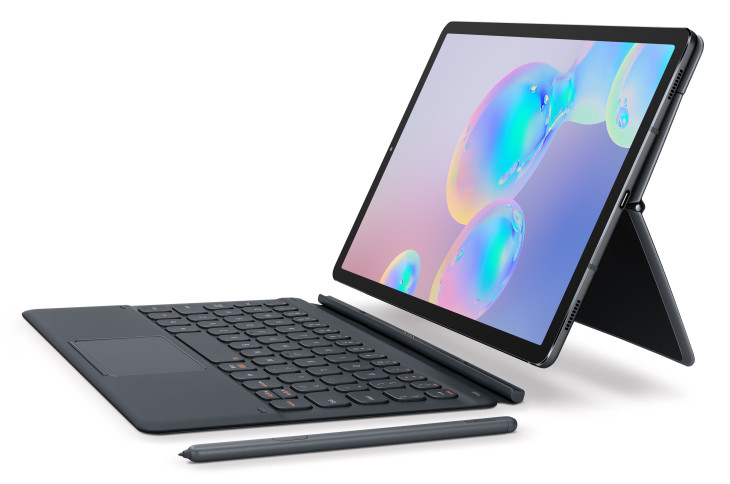
    The Book Cover Keyboard accessory makes the Tab S6 feel almost like an Android-powered laptop. It’s stellar for productivity, allowing you to use your tablet like a powerful, small computer for tasks like composing emails or writing essays. Combined with the excelled DeX desktop interface that comes with this version of Android, and you’ve got a very powerful, versatile device.

    DeX has mouse support, and, as such, the new Book Cover Keyboard has a trackpad. This allows you to use the Tab S6 essentially just like a laptop. Unlike most two-in-ones, which are laptops pretending to be tablets, the Tab S6 is actually a tablet doing a good laptop impersonation. While it won’t be replacing your MacBook for editing videos, it’s a great device for people who need to tackle everyday tasks.

    Other Goodies

    Thanks to the super-powerful processor running under the hood, the Tab S6 seems positioned to be a strong mobile gaming platform. Thanks to a partnership with Discord, Android promises you’ll be able to use the Game Launcher overlay to chat with your friends even while you’re gaming. The high resolution display and powerful processor have the Tab S6 well-suited to even the most demanding of Android games on the App Store. Simply put, this thing could crush some Fortnite.

    The on-screen fingerprint scanner and USB-C compatibility are just icing on the cake. The tablet comes in a variety of colors, including gray and blue, and will retail starting at $650. It comes with the S Pen, but the Book Cover Keyboard is an extra $180. Later this year, Samsung promises to launch a version of the Tab S6 with LTE built-in.


  • Is $1000 too Much for a Smartphone? Price Trends

    Is $1000 too Much for a Smartphone? Price Trends

    In the last few years, we’ve seen premium smartphone prices get a little out of control. When Apple unveiled the iPhone X and the public found out it would cost a cool $1,000, people were a little shocked. Likewise, when the Samsung Galaxy S9 was announced to be at that same price point, people were concerned about the trajectory of smartphone prices.

    The latest move in this direction has been the absurd asking price for the upcoming Samsung Galaxy Fold. The super-premium smartphone will retail for nearly $2,000, making it twice as expensive as the line that many feel is too high for smartphones. In addition to this, smartphone sales are lagging across the board. What does this mean for the industry?

    Sales Trends

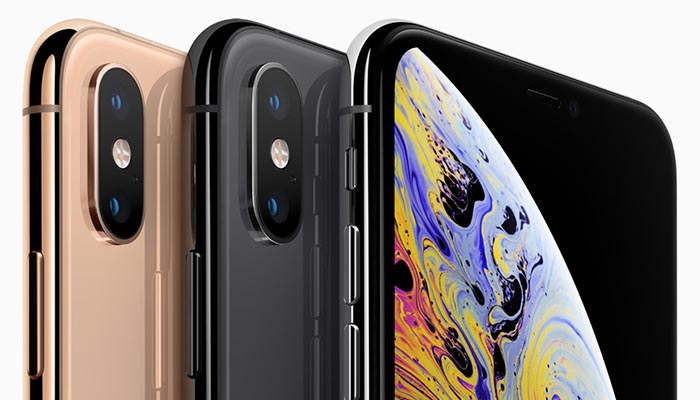
    Apple has been posting consistently slumping sales for the iPhone line. This isn’t due to the quality of the phones: ostensibly, the iPhone XS is the best iPhone ever. The XR, it’s less-expensive cousin, has sold far better, though, despite having notably weaker hardware under the hood. This is because it costs a solid $250 less. It seems consumers don’t mind shelling out $750 on the high end, but $1,000 is simply unreasonable for the average consumer.

    Samsung has experienced similar sales trends. Their tremendously expensive Galaxy S9 and Galaxy S10 handsets have sold poorly when compared to their predecessors, though Samsung’s A-series of more budget-friendly phones has sold incredibly well. If this has taught phone manufacturers anything, it’s that less-expensive phones are the preferred type in the modern landscape. But why is that?

    Stronger Phones, Longer Lifespans

    There was a point in time when people would trade their phones out for the newest model once every two years or so. This cycle was so consistent that manufacturers literally had strong years and weak years to incentivize it. Today, though, the average consumer is waiting three years or more before they trade their phone up for a new one. Phones aren’t just more expensive, they’re better across the board than in the past.

    In general, smartphones are better now than ever before. Crisp screens, unbelievable cameras, fast processors. Even phones in the $500 to $750 range are unbelievably powerful. For the average consumer, a strong phone with a good camera that gets tons of software updates is just as good as the hottest new thing. Besides, why shell out $1,000 for a new phone when your current phone works fantastically well?

    Software, not Hardware

    Hardware revisions in recent years have slowed in intensity greatly. At one point in time, each new generation of phones brought huge increases in power and speed. Now, each new model year is iterative instead of revolutionary. There’s not a lot distinguishing the iPhone X from the XS, or the Galaxy S9 from the S10.

    Instead, software updates are the meat of the current smartphone cycle. Android is polishing their next OS update, Android Q, while Apple is hard at work on iOS 13. These two are likely to be bigger news than whatever new handsets the two companies drop this September. After all, iPhones all the way from the SE can use the new iOS, making them feel like they have a new lease on life.

    What Will Change

    It wouldn’t surprise us if the big phone manufacturers slowed down significantly on hardware production. Rather than trying to dress up minor revisions as brand-new handsets, it’s more likely we’ll see them issue a main flagship phone, its budget sibling and an XL version, and hold on to those for around three years. Then, when a major shift does come along, they can push out their newest handset, organically picking up new users along the way with software updates.

    Or maybe they’ll keep throwing $2,000 folding phones at us. Who knows?