Category: Apple

  • Top 3 Wireless Chargers

    Top 3 Wireless Chargers

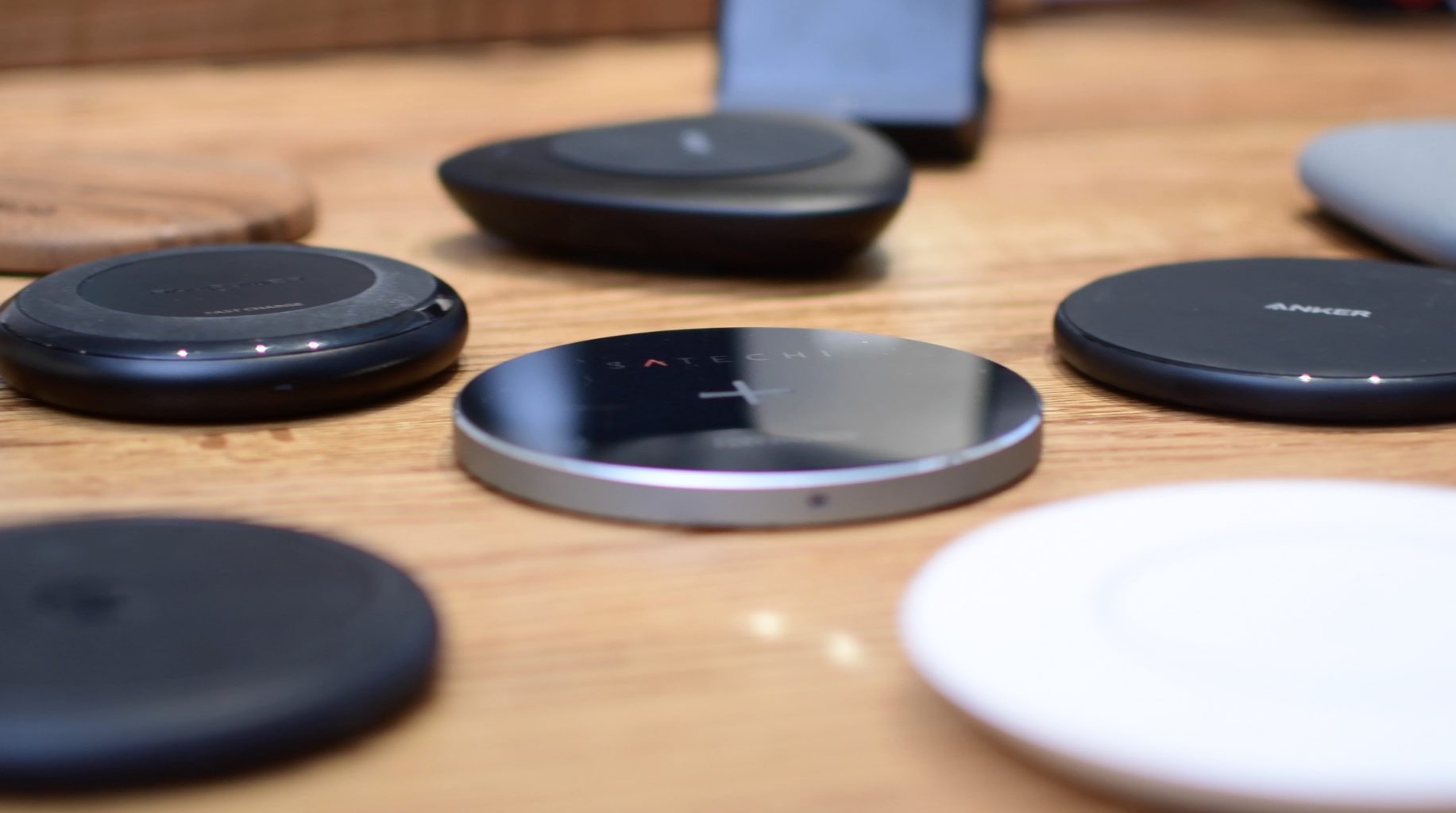
    Electronics and technology are constantly evolving to make our lives more convenient. Nowhere is this more apparent than in the cell phone and cell phone accessories market. One of the newest and hottest developments to make life a little easier is the wireless cell phone charger.

    This gadget makes charging your phone easier and faster than ever before. No longer do you need to worry about fooling with your charger cord. Simply dock your device on top of the charger and begin charging without having to plug anything in.

    Especially if you have a newer iPhone, wireless charging is a feature you should be taking advantage of. Your iPhone 8 or later features integrated wireless charging that allows for an easy and intuitive charging experience. Your iPhone has a glass back that works with Qi-certified chargers that are available as accessories and in cars, cafes, hotels, airports, and furniture. Qi is an open, universal charging standard created by the Wireless Power Consortium (WPC).

    There are many Qi-certified chargers available in the market, which charge an iPhone with the latest version of iOS and most Android devices at rates up to 7.5 watts. With so many aftermarket and cheap chinese wireless charging products out there on the cheap it is important to pick the right wireless charger. Read on to find out more about the top quality wireless chargers!

    Native Union Drop Wireless Chargers

    Shut up and take my money. These are the best, most efficient and best looking. The Native Union Drop Wireless Chargers provide fast and secure charging for iPhone 8, iPhone 8 Plus, iPhone X, iPhone Xs, iPhone Xs Max, iPhone XR, and all other Qi compatible devices. Designed with a silicone tread, it keeps your device in place while charging and prevents overheating for optimum charging speed, up to 10W. Mounting in the car right now.

    They are offiner a special on the Native Union Drop Wireless Charging set. The set includes a SmartCharger, featuring dual USB-A ports to charge two devices at once, Smart-IC Technology to guarantee your devices are charging at their maximum speed, and sophisticated protection measures to ensure safety for you and your devices. SMART CHARGER’s small and compact design with foldable pins makes it pocket-sized, perfect for travel and those tricky to reach power sockets. Hands Down, the way to go and they are very affordable. If you have to have a charger in the kitchen, the beautiful Native Union Drop Wireless Chargers is what you want. The charging set is only $69.99.

    Mophie Wireless Charger

    The mophie wireless charging base is optimized to quickly and easily charge your iPhone XS, iPhone XS Max, and iPhone XR, as well as iPhone X, iPhone 8 Plus, and iPhone 8. Simply set your iPhone on the wireless base and charging begins immediately. The non-slip housing ensures perfect placement and the included wall adapter means you have everything you need to get charging right in the box. comes in at a nice $39.99.

    Case Mate’s Power Pad

    The Case Mate Power Pad isn’t the cheapest option on the list, running about $60, but it is probably the most effective. Case Mate’s Power Pad is extremely versatile, compatible with both Android and Apple phones . This rectangular pad comes in black or white and offers Qi wireless charging. Including fast charging at 9W for Samsung smartphones or 7.5W for Apple’s iPhones. The cable is attached to the pad and plugs into the 18W Quick Charge wall adapter. This will come in the box. There is a  stand which allows you to prop your phone in portrait or landscape while it charges. The versatility and options make it a great find for someone who wants a charger that does it all.  Keep in mind, however, that this isn’t the most stylish looking option on the list, but its features and quality more than make up for its appearance.
  • iPhone XS, XS Max and XR Breakdown

    iPhone XS, XS Max and XR Breakdown

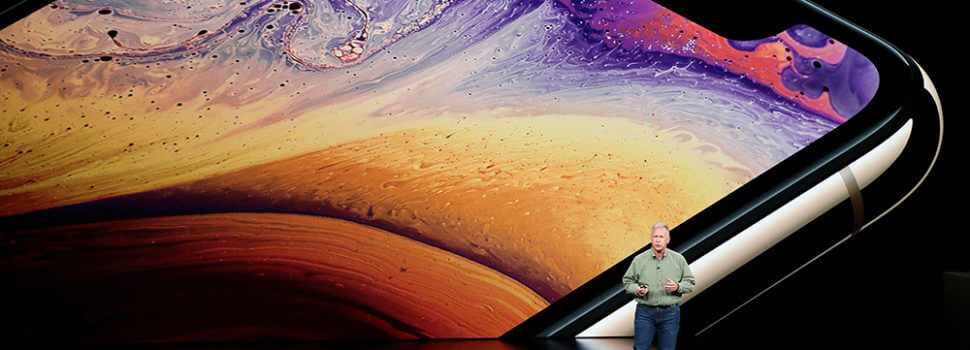
    There has been months of speculation and hype about new iPhone X models rumored to be coming. “Today, we’re going to take iPhone X to the next level,” CEO Tim Cook said during the presentation and unveiling of new iPhone models.

    The iPhone X released last year was a total rethinking of the iPhone with features like Face ID and a edge to edge screen. Anticipation was high among iPhone fans and the day is finally here, and we have all the recaps.  Apple finally took the wraps off its new iPhones, including the iPhone Xs Max, its largest iPhone ever. With 3 new phone announcements, let’s take a look at what makes them different and sort through all the new details and features.

    iPhone Xs and Xs Max

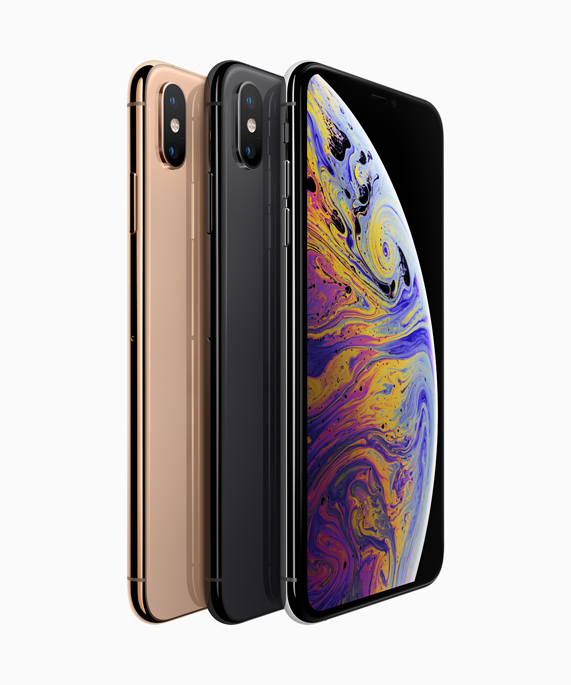
    First off Apple  introduced the 5.8-inch iPhone Xs, which also has an OLED screen. The iPhone Xs is made of surgical-grade steel, is covered in new glass and comes in gold, silver and space gray. With the new A12 chip, more on this later, it allows the storage to be increased to 512 gb. The Xs will have 3 size options, 64gb, 256, or 512gb. The smaller 64gb is cutting a little close these days but 256gb should still be more than enough for 99% of the users out there.

    The iPhone XS will also incorporate more real-world machine learning for features such as augmented reality and FaceTime. The iOS upgrade will also open the door for Siri shortcuts, which users can customize.  For all the Instagram photographers out there the back camera has a 12-megapixel wide-angle camera and 12-megapixel telephoto camera, along with improvements to flash. For the selfie lovers the front camera will feature 7 megapixels.

    Both devices are identical with only one difference, the iPhone Xs is 5.8 inches, the iPhone Xs max is 6.5 inches. There also have been improvements to the overall strength of the glass screen, which is a great improvement for those of us with butter fingers.

    The iPhone XR

    Alongside with the Xs models Apple also revealed it’s midrange iPhone model, the XR.  The XR is the  bargain model that will be more affordable with most of the same features as the Xs. The iPhone XR has an LCD display called liquid retina and it features a 6.1-inch screen. It’s the same size as the iPhone 8 Plus, but with a larger screen because of it’s edge to edge screen.  The iPhone XR will also feature Face ID, and include the A12 Bionic chip like the XS. The big difference among these phones is the back camera: a single 12-megapixel wide-angle camera for the XR. The front camera will feature the same true depth features as the XS.

    On battery life, XR will offer an hour and a half more on one charge than the iPhone 8 Plus. Specs-wise, the XR is notable for matching many of the specs of the new XS, but one notable omission is 3D Touch, which  isn’t available with XR model. 

    While the 6.1-inch display seems large, the reduced bezels above and below the display  will make the XR slightly smaller than a traditional “Plus” iPhone and only slightly larger than the 5.8-inch iPhone XS. The iPhone XR will be available in a variety of colors including black, white, blue, coral, yellow and red.

    Pricing

    The iPhone XR will come in three sizes: 64GB, 128GB, and 256GB, and start at $749. Pre-orders arrive October 19, and ships October 26. XS available in 64GB, 256GB and 512GB starting at $999. The XS Max will start at $1,099. Both Xs models are available for pre-order immediately with shipping to begin on September 21st.


  • iPhone XS, XS Max and XR Breakdown

    iPhone XS, XS Max and XR Breakdown

    There has been months of speculation and hype about new iPhone X models rumored to be coming. “Today, we’re going to take iPhone X to the next level,” CEO Tim Cook said during the presentation and unveiling of new iPhone models.

    The iPhone X released last year was a total rethinking of the iPhone with features like Face ID and a edge to edge screen. Anticipation was high among iPhone fans and the day is finally here, and we have all the recaps.  Apple finally took the wraps off its new iPhones, including the iPhone Xs Max, its largest iPhone ever. With 3 new phone announcements, let’s take a look at what makes them different and sort through all the new details and features.

    iPhone Xs and Xs Max

    First off Apple  introduced the 5.8-inch iPhone Xs, which also has an OLED screen. The iPhone Xs is made of surgical-grade steel, is covered in new glass and comes in gold, silver and space gray. With the new A12 chip, more on this later, it allows the storage to be increased to 512 gb. The Xs will have 3 size options, 64gb, 256, or 512gb. The smaller 64gb is cutting a little close these days but 256gb should still be more than enough for 99% of the users out there.

    The iPhone XS will also incorporate more real-world machine learning for features such as augmented reality and FaceTime. The iOS upgrade will also open the door for Siri shortcuts, which users can customize.  For all the Instagram photographers out there the back camera has a 12-megapixel wide-angle camera and 12-megapixel telephoto camera, along with improvements to flash. For the selfie lovers the front camera will feature 7 megapixels.

    Both devices are identical with only one difference, the iPhone Xs is 5.8 inches, the iPhone Xs max is 6.5 inches. There also have been improvements to the overall strength of the glass screen, which is a great improvement for those of us with butter fingers.

    The iPhone XR

    Alongside with the Xs models Apple also revealed it’s midrange iPhone model, the XR.  The XR is the  bargain model that will be more affordable with most of the same features as the Xs. The iPhone XR has an LCD display called liquid retina and it features a 6.1-inch screen. It’s the same size as the iPhone 8 Plus, but with a larger screen because of it’s edge to edge screen.  The iPhone XR will also feature Face ID, and include the A12 Bionic chip like the XS. The big difference among these phones is the back camera: a single 12-megapixel wide-angle camera for the XR. The front camera will feature the same true depth features as the XS.

    On battery life, XR will offer an hour and a half more on one charge than the iPhone 8 Plus. Specs-wise, the XR is notable for matching many of the specs of the new XS, but one notable omission is 3D Touch, which  isn’t available with XR model. 

    While the 6.1-inch display seems large, the reduced bezels above and below the display  will make the XR slightly smaller than a traditional “Plus” iPhone and only slightly larger than the 5.8-inch iPhone XS. The iPhone XR will be available in a variety of colors including black, white, blue, coral, yellow and red.

    Pricing

    The iPhone XR will come in three sizes: 64GB, 128GB, and 256GB, and start at $749. Pre-orders arrive October 19, and ships October 26. XS available in 64GB, 256GB and 512GB starting at $999. The XS Max will start at $1,099. Both Xs models are available for pre-order immediately with shipping to begin on September 21st.


  • 2 New iPad Pro

    2 New iPad Pro

    It is time for me to do some detective work and start to decipher where and when we will see a new iPad Pro. I was fairly certain they would mention it in the gather round event, but historically they have held another event in October for new iPads and Macs. Putting my internet sleuthing skills to the test, here is what I’ve come up with.

    2 iPad Pro Conclusions

    Apple’s release of iOS 12.1 earlier today has already given us a peek at a new feature: Memoji syncing. In that article, I suggested that this feature would make sense with the release of new iPads with a TrueDepth camera system later this year. Currently, Memoji is only supported on the iPhone – but adding support to the iPad would mean users would want to sync their characters between each device. Conclusion number 1. The new iPad Pro will have Memojis.

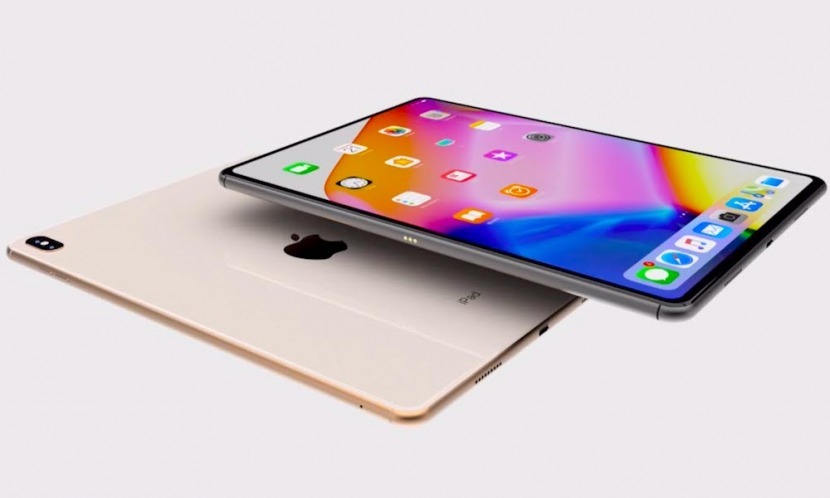
    An icon found in iOS 12 developer beta 5 has lead me to a key details about Apple’s iPad Pro. A blue icon update for the iPad shows a more iPhone x looking device as compared to the previous blue icon for the iPad. This is not a leak but merely an update to the icons in the developer tool. The icon itself is a symbol that will be used for the battery usage UI. The tiny blue iOS 12 icon shows a tablet with thinner, more uniform border lines and a home row of apps at the bottom. Having analyzed these side by side I’m ready for my second conclusion. Conclusion number 2 – the new tablet will have ultra-thin bezels, just like the iPhone X, but no notch. The existing iPad icon does show a home button and a front-facing camera at the top.

    The Final Thought

    Though Apple hasn’t announced anything officially, there’s a huge amount of buzz about two new Pro models surfacing before the end of 2018. Rumors are in full swing and the next big apple announcment awaits.  WHat we do know is Apple is prepping two new tablets for late 2018 — one that measures “around 11 inches,” which could be the rough equivalent of the current 10.5-inch model, and a 12.9-inch model.

  • Feature Roundup: iOS 12 Now Live

    Feature Roundup: iOS 12 Now Live

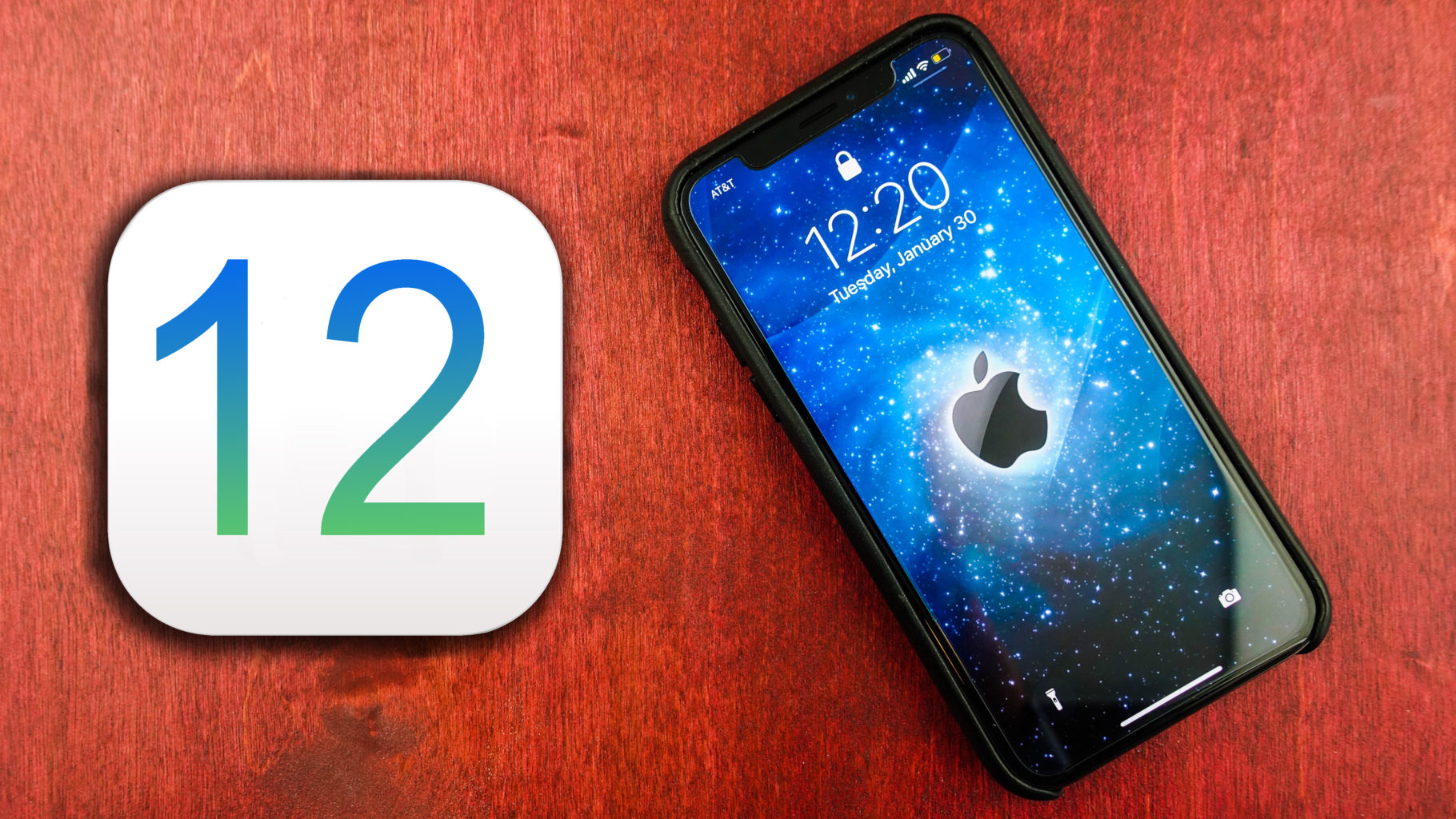
    The long-awaited update for iOS, iOS 12, has finally arrived! If you haven’t yet, you can download it now. And we highly advise it: it’s awesome! If you’ve already got the update and wondering what new features there are to play with, we’ve got a quick roundup for you. Here’s some of the coolest new features in iOS 12!

    iOS 12 Feature Roundup

    ARKit 2

    The new implementation of augmented reality is all over iOS 12. Namely, ARKit 2, a new developer’s kit, has been activated in this version of iOS. It allows for things like messages and News to even implement AR! It seems Apple is convinced that AR is the future, and they’re really pushing for it to take off.

    Photo Features

    Photos will now attempt to perform more intelligently, thanks to AI-enhanced technology. Things like examining which shots look best and which look shareable will be sorted by your phone automatically. Also new to this iOS update is the photo search function, allowing you to sort your photos by tons of criteria. Things like date, location and more will be searchable!

    Screen Time

    A lot of phone makers are starting to make moves that they understand the dangers of tech addiction. After all, everyone could stand to spend less time on their phones. As such, initiatives like Screen Time are great to see! Apple’s Screen Time functionality allows you to monitor your app usage and see what you’re spending the most time on. That’s rather healthy, actually!

    You’ll also be able to limit use of certain apps, having the iOS tell you when it’s time to quit. You can even set Do Not Disturb setting for certain times of day, or at certain locations.

    Memoji

    The new Memoji feature will allow you to create a custom Animoji that looks like you! It’s a fun use of the iPhone X’s Face ID technology. Tracking your face to create the moving emoji is a fun time-waster at worst, and a cute way to communicate at best!

    Siri Shortcuts

    Siri just got a bit more useful! The Siri Shortcuts feature allows you to program shortcuts into Siri. Creating shortcuts essentially allows Siri to perform a variety of functions from one keyed phrase. Setting up “take me home” could have Siri turn on your music and navigate to home, for instance. This works all the better with Apple’s iHome smart home tech!

  • Google Pixel 3 and Pixel 3 XL Breakdown

    Google Pixel 3 and Pixel 3 XL Breakdown

    The third iteration of Google’s flagship phone isn’t a huge leap forward. There’s no in-display fingerprint scanner, 3D facial recognition or ridiculous specs. Instead, the search engine giant is doubling down on what it does best.

    The Pixel 3 and 3 XL got Google’s start treatment on Tuesday at a launch event in New York, and we got straight to work checking them out. Already, the phones reject major smartphone trends. First, there’s one camera on the back, not two or even three (but you do get two on the front). Second, they start at under $1,000 each. Third, there’s no wild color; the “craziest” still looks kind of white. And finally, there’s no gimmicks to speak of. Google is clearly focused on functionality rather than just things that sell.

    Pixel 3 & Pixel 3 XL

    On paper, these flagships make the jump when it comes to hardware and software, but otherwise just riff off of 2017’s Pixel 2 ($649 at Google Store). And then I picked them up. Holding the 5.5-inch Pixel 3 and 6.3-inch Pixel 3 XL in my hand was a different story. These are sleek, almost slippery devices with rounded edges and thoughtfully curved elements, like the slightly tacky clear panel on the back.
    The Pixel 3 and 3 XL are undoubtedly Google’s most refined Pixel phones yet. If performance holds up during our testing, I can see how this could be a go-to phone for Android fans, not because they’re innovative, but because they’re both appealing to hold and use due to the buttery smooth stock operation system, Android P.

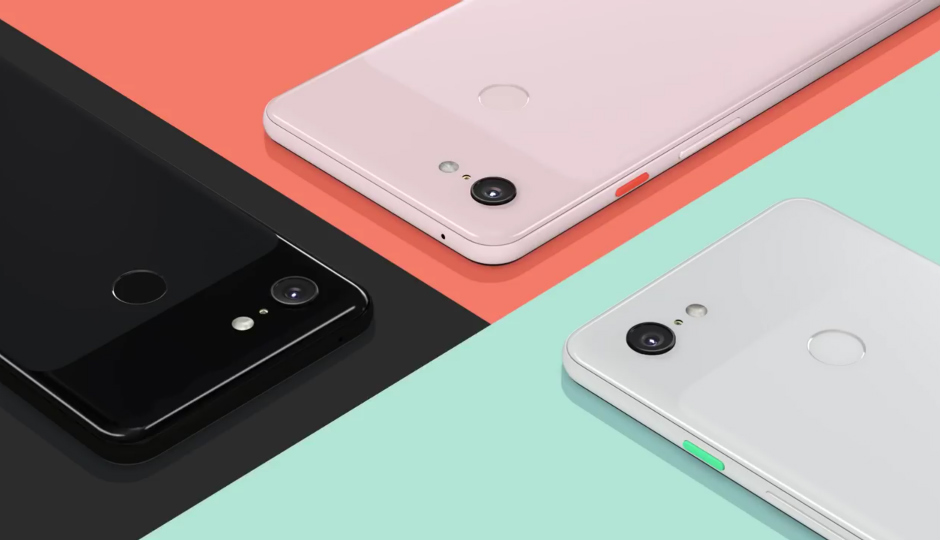
    You can buy the new Pixel 3 phones in black, white and “Not Pink.” The glossy plane on the Pixel’s signature two-tone backing has shrunk over the years, and slightly curves down at the corners rather than cut straight across. In fact, nearly everything about the Pixel 3 is subtle, and that could very well be the phone’s main strength.

    New Pixel 3 features that matter
    Larger, 5.5-inch (Pixel 3) and 6.3-inch (3 XL) displays
    Pixel 3 XL has a notched screen; Pixel 3 does not
    Two front-facing cameras
    Qualcomm Snapdragon 845 processor
    4GB RAM
    Android Pie
    Slightly larger battery capacity for both phones compared to Pixel 2 devices
    Portrait mode shots can also save photos without the portrait filter effect
    Wireless charging support with $79 (£69) Pixel Stand
    Use AI voice assistant to field unwanted calls
    Turn the phone over to silence incoming calls
    Titan M security chip exclusive to Pixel 3 phones

    Pixel 3’s most interesting camera tricks are under the hood
    Google’s Pixel cameras have always been less about flashy gimmicks and more about the kind of software processing that Google can milk from its equipment. After all, Google is a software company at its core. Computer learning and camera AI are major ingredients in the Pixel 3. Both phones have a single 12.2-megapixel rear camera and two 8-megapixel lenses on the front.

    Here are some camera highlights:

    Super Res Zoom: Promises sharp, clear detail when you digitally zoom in to a scene — that’s without a telephoto lens.
    Night Sight: Google promises clear, bright low-light photos without the need for a flash, which can blow out shots or make them unnaturally bright. This will build off Google’s already considerable low-light strength.
    Photobooth mode: Turn on this setting and the Pixel 3 will snap photos when the subject smiles or makes a funny face.
    Top Shot: When motion capture is turned on, Top Shot, which arrives “later,” will recommend a better version of a shot you may have missed. It’s intended for correcting candid photos, like someone cannonballing into a pool. You can also choose your own from what the phone grabbed while the motion capture was on.
    Group selfie: This isn’t so much a convenient mode or button you press as you flipping the camera toward yourself and manually zooming out to the wide-angle lens.
    Playground: For AR enthusiasts, swipe a button in the camera to toss characters, including Star Wars’ BB-8, Marvel’s Iron Man and Childish Gambino (aka Donald Glover) into the landscape you see through the viewfinder.


  • Google Pixel 3 and Pixel 3 XL Breakdown

    Google Pixel 3 and Pixel 3 XL Breakdown

    The third iteration of Google’s flagship phone isn’t a huge leap forward. There’s no in-display fingerprint scanner, 3D facial recognition or ridiculous specs. Instead, the search engine giant is doubling down on what it does best.

    The Pixel 3 and 3 XL got Google’s start treatment on Tuesday at a launch event in New York, and we got straight to work checking them out. Already, the phones reject major smartphone trends. First, there’s one camera on the back, not two or even three (but you do get two on the front). Second, they start at under $1,000 each. Third, there’s no wild color; the “craziest” still looks kind of white. And finally, there’s no gimmicks to speak of. Google is clearly focused on functionality rather than just things that sell.

    Pixel 3 & Pixel 3 XL

    On paper, these flagships make the jump when it comes to hardware and software, but otherwise just riff off of 2017’s Pixel 2 ($649 at Google Store). And then I picked them up. Holding the 5.5-inch Pixel 3 and 6.3-inch Pixel 3 XL in my hand was a different story. These are sleek, almost slippery devices with rounded edges and thoughtfully curved elements, like the slightly tacky clear panel on the back.
    The Pixel 3 and 3 XL are undoubtedly Google’s most refined Pixel phones yet. If performance holds up during our testing, I can see how this could be a go-to phone for Android fans, not because they’re innovative, but because they’re both appealing to hold and use due to the buttery smooth stock operation system, Android P.

    You can buy the new Pixel 3 phones in black, white and “Not Pink.” The glossy plane on the Pixel’s signature two-tone backing has shrunk over the years, and slightly curves down at the corners rather than cut straight across. In fact, nearly everything about the Pixel 3 is subtle, and that could very well be the phone’s main strength.

    New Pixel 3 features that matter
    Larger, 5.5-inch (Pixel 3) and 6.3-inch (3 XL) displays
    Pixel 3 XL has a notched screen; Pixel 3 does not
    Two front-facing cameras
    Qualcomm Snapdragon 845 processor
    4GB RAM
    Android Pie
    Slightly larger battery capacity for both phones compared to Pixel 2 devices
    Portrait mode shots can also save photos without the portrait filter effect
    Wireless charging support with $79 (£69) Pixel Stand
    Use AI voice assistant to field unwanted calls
    Turn the phone over to silence incoming calls
    Titan M security chip exclusive to Pixel 3 phones

    Pixel 3’s most interesting camera tricks are under the hood
    Google’s Pixel cameras have always been less about flashy gimmicks and more about the kind of software processing that Google can milk from its equipment. After all, Google is a software company at its core. Computer learning and camera AI are major ingredients in the Pixel 3. Both phones have a single 12.2-megapixel rear camera and two 8-megapixel lenses on the front.

    Here are some camera highlights:

    Super Res Zoom: Promises sharp, clear detail when you digitally zoom in to a scene — that’s without a telephoto lens.
    Night Sight: Google promises clear, bright low-light photos without the need for a flash, which can blow out shots or make them unnaturally bright. This will build off Google’s already considerable low-light strength.
    Photobooth mode: Turn on this setting and the Pixel 3 will snap photos when the subject smiles or makes a funny face.
    Top Shot: When motion capture is turned on, Top Shot, which arrives “later,” will recommend a better version of a shot you may have missed. It’s intended for correcting candid photos, like someone cannonballing into a pool. You can also choose your own from what the phone grabbed while the motion capture was on.
    Group selfie: This isn’t so much a convenient mode or button you press as you flipping the camera toward yourself and manually zooming out to the wide-angle lens.
    Playground: For AR enthusiasts, swipe a button in the camera to toss characters, including Star Wars’ BB-8, Marvel’s Iron Man and Childish Gambino (aka Donald Glover) into the landscape you see through the viewfinder.


  • iPhone XS, XS Max and XR Breakdown

    iPhone XS, XS Max and XR Breakdown

    There has been months of speculation and hype about new iPhone X models rumored to be coming. “Today, we’re going to take iPhone X to the next level,” CEO Tim Cook said during the presentation and unveiling of new iPhone models.

    The iPhone X released last year was a total rethinking of the iPhone with features like Face ID and a edge to edge screen. Anticipation was high among iPhone fans and the day is finally here, and we have all the recaps.  Apple finally took the wraps off its new iPhones, including the iPhone Xs Max, its largest iPhone ever. With 3 new phone announcements, let’s take a look at what makes them different and sort through all the new details and features.

    iPhone Xs and Xs Max

    First off Apple  introduced the 5.8-inch iPhone Xs, which also has an OLED screen. The iPhone Xs is made of surgical-grade steel, is covered in new glass and comes in gold, silver and space gray. With the new A12 chip, more on this later, it allows the storage to be increased to 512 gb. The Xs will have 3 size options, 64gb, 256, or 512gb. The smaller 64gb is cutting a little close these days but 256gb should still be more than enough for 99% of the users out there.

    The iPhone XS will also incorporate more real-world machine learning for features such as augmented reality and FaceTime. The iOS upgrade will also open the door for Siri shortcuts, which users can customize.  For all the Instagram photographers out there the back camera has a 12-megapixel wide-angle camera and 12-megapixel telephoto camera, along with improvements to flash. For the selfie lovers the front camera will feature 7 megapixels.

    Both devices are identical with only one difference, the iPhone Xs is 5.8 inches, the iPhone Xs max is 6.5 inches. There also have been improvements to the overall strength of the glass screen, which is a great improvement for those of us with butter fingers.

    The iPhone XR

    Alongside with the Xs models Apple also revealed it’s midrange iPhone model, the XR.  The XR is the  bargain model that will be more affordable with most of the same features as the Xs. The iPhone XR has an LCD display called liquid retina and it features a 6.1-inch screen. It’s the same size as the iPhone 8 Plus, but with a larger screen because of it’s edge to edge screen.  The iPhone XR will also feature Face ID, and include the A12 Bionic chip like the XS. The big difference among these phones is the back camera: a single 12-megapixel wide-angle camera for the XR. The front camera will feature the same true depth features as the XS.

    On battery life, XR will offer an hour and a half more on one charge than the iPhone 8 Plus. Specs-wise, the XR is notable for matching many of the specs of the new XS, but one notable omission is 3D Touch, which  isn’t available with XR model. 

    While the 6.1-inch display seems large, the reduced bezels above and below the display  will make the XR slightly smaller than a traditional “Plus” iPhone and only slightly larger than the 5.8-inch iPhone XS. The iPhone XR will be available in a variety of colors including black, white, blue, coral, yellow and red.

    Pricing

    The iPhone XR will come in three sizes: 64GB, 128GB, and 256GB, and start at $749. Pre-orders arrive October 19, and ships October 26. XS available in 64GB, 256GB and 512GB starting at $999. The XS Max will start at $1,099. Both Xs models are available for pre-order immediately with shipping to begin on September 21st.


  • Apple Event: Updates to the iPad Pro

    Apple Event: Updates to the iPad Pro

    Apple is having another event this month to introduce new products and provide updates. This is the follow up event to the iPhone XS event early last September. We are expecting even more great new products and some updates to our favorites.

    The event has come to be known as “There’s more in the making” so you know something special will be unveiled. Apple sent out unique and individualized invitations and the event is always a must attend for the tech world. We will bring you all the updates and juicy details from the event.  Let’s take a look at what we got coming out, especially updates to the iPad Pro!

    The Updates to the iPad Pro

    Apple unveiled what it’s calling the biggest change to the iPad since its inception eight years ago. Its new features play in to Apple’s mission to make the tablet more adaptable and appealing to a larger audience.

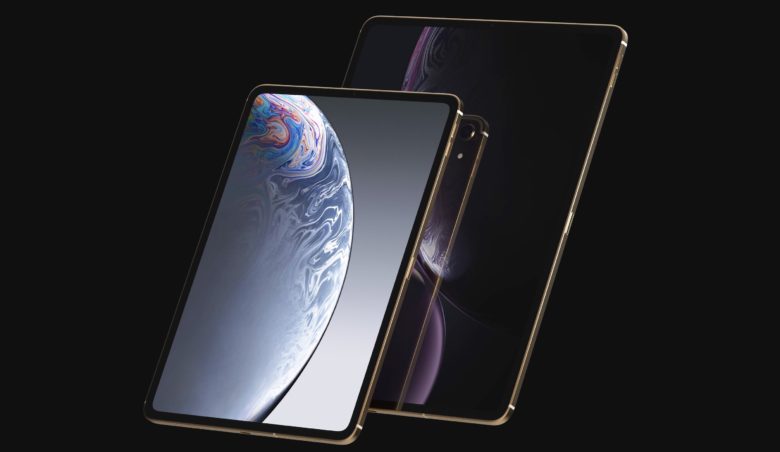
    Apple announced their new and bigger 11-inch and 12.9-inch iPad Pros in New York today, which now come with Face ID, a USB-C charging port, and a new “Liquid Retina” display. With 5.6 million pixels, iPad Pro features the highest-resolution Retina display of any iOS device. The 12.9-inch screen makes everything you do — editing 4K video, designing presentations, running a business — easier, faster, and more engaging. And the Multi-Touch subsystem has been re-engineered, expanding the ways you can interact with iPad. Aesthetically, they’ve got slimmer bezels that only come in black, like the new MacBook Airs. The black bezels, when paired with the Smart Keyboard Folio, make the iPad Pro look closer to a laptop than it ever has before. They also allow for the 11-inch model display to fit a bigger screen into the same overall dimensions as the prior 10.5-inch model.

    There’s a new iPad Pencil stylus with support for gestures that let you switch between the different digital brush styles. You won’t lose this one as easily as last year, since it clips to the side of the iPad with magnets. It even wirelessly charges when attached to the iPad, an improvement over the silly Lightning plug from last year.You’ll pay more for the iPad Pencil and a keyboard, though, which cost $129 and $179, respectively.

    The new iPad Pro is 5.9 mm thinner — about 15% slimmer than its predecessor. And that Home button….Gone. It has been updated with the iPhone x gesture controls. The iPad Pro also features a nearly edge-to edge-display and rounded corners. Its beautiful and very sharp looking. You can also charge your iPhone, essentially turning it into your own personal power bank. At the heart of iPad Pro lies the new A9X, a third-generation chip with 64-bit desktop-class architecture. It delivers up to 1.8 times the CPU performance and double the graphics performance of iPad Air 2. So even the most demanding apps run effortlessly.

    iPad Pro runs iOS 10, the world’s most intuitive, advanced, and secure mobile operating system. And with improved built-in apps and multitasking features like Slide Over, Split View, and Picture in Picture, iOS 10 helps you get more done in powerful yet simple ways. Whether you’re researching on the web while writing a book report or browsing your photos while creating a presentation, you’ll get more out of your iPad than ever before.

    There’s a new iPad Pencil stylus with support for gestures that let you switch between the different digital brush styles. You won’t lose this one as easily as last year, since it clips to the side of the iPad with magnets. It even wirelessly charges when attached to the iPad, an improvement over the silly Lightning plug from last year.

    For work, you can attach a keyboard. It felt just like the keyboard Apple launched with last year’s iPad Pro 10.5 but can adjust the screen to two different viewing angles, which is a nice touch.

    The Final Thought
    It’s the company’s first iPad not to include a home button, which allowed Apple to extend the screen vertically for a much more immersive experience. The bezels have been downsized on all four sides. Like the iPhone XR, Apple is referring to this screen as a Liquid Retina Display.The new iPad Pro comes in two screen sizes: 11 inches and 12.9 inches. The 11-inch model has essentially the same proportions as the prior 10.5-inch model. And the 12.9-inch model puts the same-sized display into a much smaller form factor. The new iPad Pro starts at $799 for the 11-inch and $999 for the 12.9-inch. Preorders begin today, and it ships on November 7th.


  • Sprint’s iPhone Deals

    Sprint’s iPhone Deals

    I spent many years working retail for the big 3 cellular carriers. I was on the front lines of every iphone release day. Oh the excitement and thrill of the new iphone, it was electric. We felt it, the customers felt it and it was contagious. Lines would form, smiles galore, the phones would sell and commissions where counted. We call it iPhone day, It was a holiday for me. Still to this day I am inundated with questions about the procurement process of the new iphone. So lets talk about the best deals from the biggest iphone suppliers. It is now the time to details Sprint’s iPhone Deals


    Sprint’s iPhone Deals


    Sprint has sone really mind blowingly good offers,  with the 64GB iPhone XS available for $0/month or the 64GB XS Max for $4.17/month following an eligible trade-in. These include iPhone X, iPhone 8 Plus, iPhone 8, iPhone 7, iPhone 7 Plus, Samsung Galaxy S9, Samsung Galaxy S9+, LG G7 ThinQ, Samsung Galaxy S8, Samsung Galaxy S8+, Samsung Galaxy S8 Active, Samsung Galaxy Note8, Google Pixel 2, and Google Pixel 2XL.

    SO yes you can get a free iPhone Xs if you trade in an iphone 7? What what?!? Here is how it breaks down. With the value of the trade-in, you’ll get $41.67 per month credit for both 64GB models of the iPhone XS and XS Max, applied within two billing cycles. The new devices must be purchased on an 18-month lease, with a new line and approved credit.

    In addition to that if you move over an existing number from another carrier and i switch to Sprint you’ll get $100 for each new line of service that you add when you lease a new smartphone. The credit will come in the form of a $100 Prepaid Mastercard for each new line that you add.

    Some Additional Details

    On Sprint’s Flex 18-month lease the iPhone XS is $41.67 a month for 64 GB, $41.67 a month with $150 down for 256 GB, and $41.67 a month with $350 down for 512 GB. The iPhone XS Max on Flex 18-month lease is is $45.84 a month for 64 GB, $45.84 a month with $150 down for 256 GB, and $45.84 a month with $350 down for 512 GB.With an eligible trade-in, the iPhone XS 64GB is $0 a month or the XS Max 64GB is $4.17 a month with a new line and 18 month lease.

    The Final Thought

    Hands down the best deal in the industry if you can handle Sprints subpar service. Their wireless plan are the cheapest and best bang for your buck already. If you are thinking of switching, now’s the time to move to Sprint, you can not beat Sprint’s iPhone deals.