Category: Cars

  • Tesla Updates Autopilot to Insist on Safer Driving

    Tesla Updates Autopilot to Insist on Safer Driving

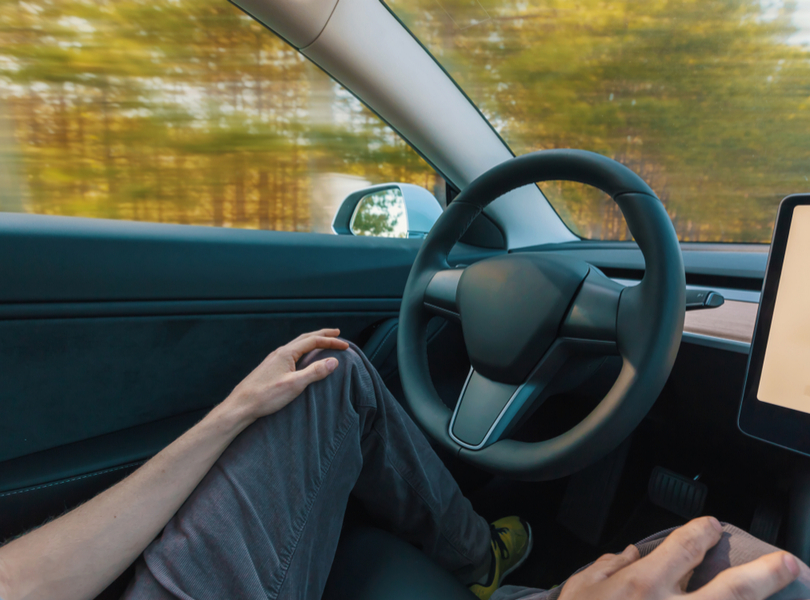
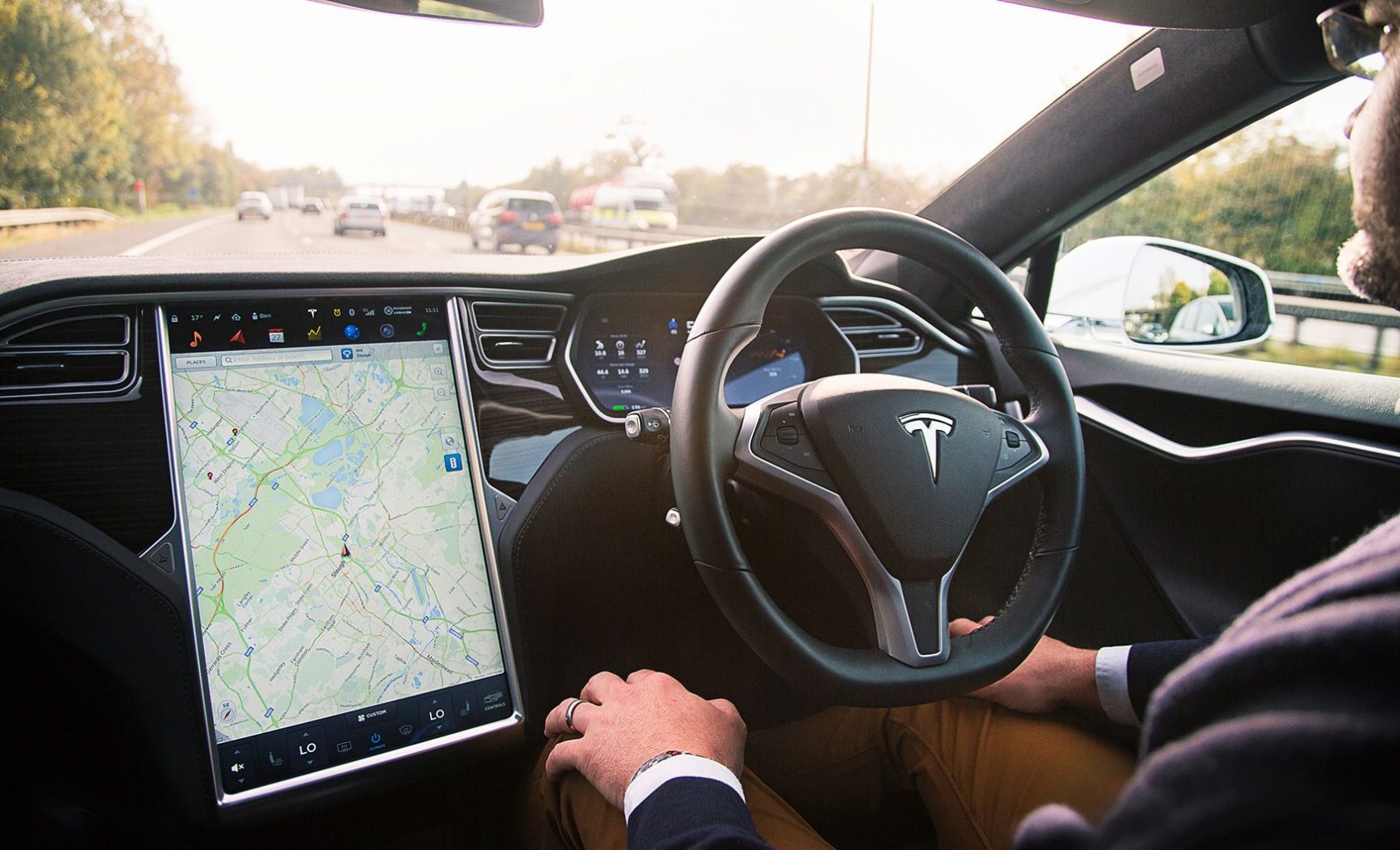
    Following three crashes involving Autopilot since the start of the year, Tesla is pushing out an update called 2018.21.9. This new update shortens the time a driver can have their hands off the wheel of their vehicle before it begins to warn them to return their hands to the wheel. These measures seek to reduce the number of accidents that involve Autopilot by making sure the driver stays aware of the road while using the technology. 

    The Tension of Safety and Convenience 

    Tesla CEO Elon Musk is convinced that Autopilot increases safety on the road. This claim is dubious at best, and Tesla’s own safety regulations somewhat undercut it. If Autopilot is meant to be so safe, why are drivers encouraged to stay razer-sharp and aware while it is online? Truly, what is the point of an autopilot feature if you’re supposed to stay as aware and ready to intervene as you would if you were just driving anyway?  

    Tesla’s current update now alerts the driver once their hands have been off the wheel for thirty seconds. This begs the question: is the technology even ready yet? Elon Musk seems convinced that it is safe, and that true self-driving technology is just around the corner. Yet, it doesn’t look that way from the outside looking in. Every few months another autopilot-related accident occurs, and then Tesla issues another update. At what point does that update involve simply disabling Autopilot?  

    Walter Huang’s Case 

    The most recent fatality involving Autopilot was Walter Huang. Huang’s vehicle veered into a concrete lane divider while using Autopilot and he was killed by the impact. While Tesla maintains that Huang would have had to be ignoring the road in order for the crash to occur, a report from the National Transportation Safety Board suggests otherwise. The report holds that Huang last touched the wheel about six seconds before the crash. 

    This suggests that Tesla’s 2018.21.9 update would have had no effect on Huang’s death. Should the Autopilot function alert the driver five seconds after they release the wheel? At what point do we simply say that this experiment has failed? 

    Tesla and Ambition 

    There is something truly inspiring about a company trying to push the limits of technology. And, truly, Tesla seems to be on the edge of some amazing breakthroughs. However, when the safety of the public is compromised, any and all bets are off. Pushing technology through despite its glaring safety holes is irresponsible. Musk’s insistence on its safety in spite of the accidents is frustrating at best, and negligent at worst.  

    Maybe there will come a day when Tesla is the leader in self-driving car technology. Maybe one day we’ll look back at these days as the growing pains of a new form of transportation. But today, Walter Huang is dead. Whether or not he was paying attention to the road, his Autopilot steered him to his death, literally. This technology clearly still needs some serious work. 
  • Tesla Model S Crashes While Using Autopilot… Again

    Tesla Model S Crashes While Using Autopilot… Again

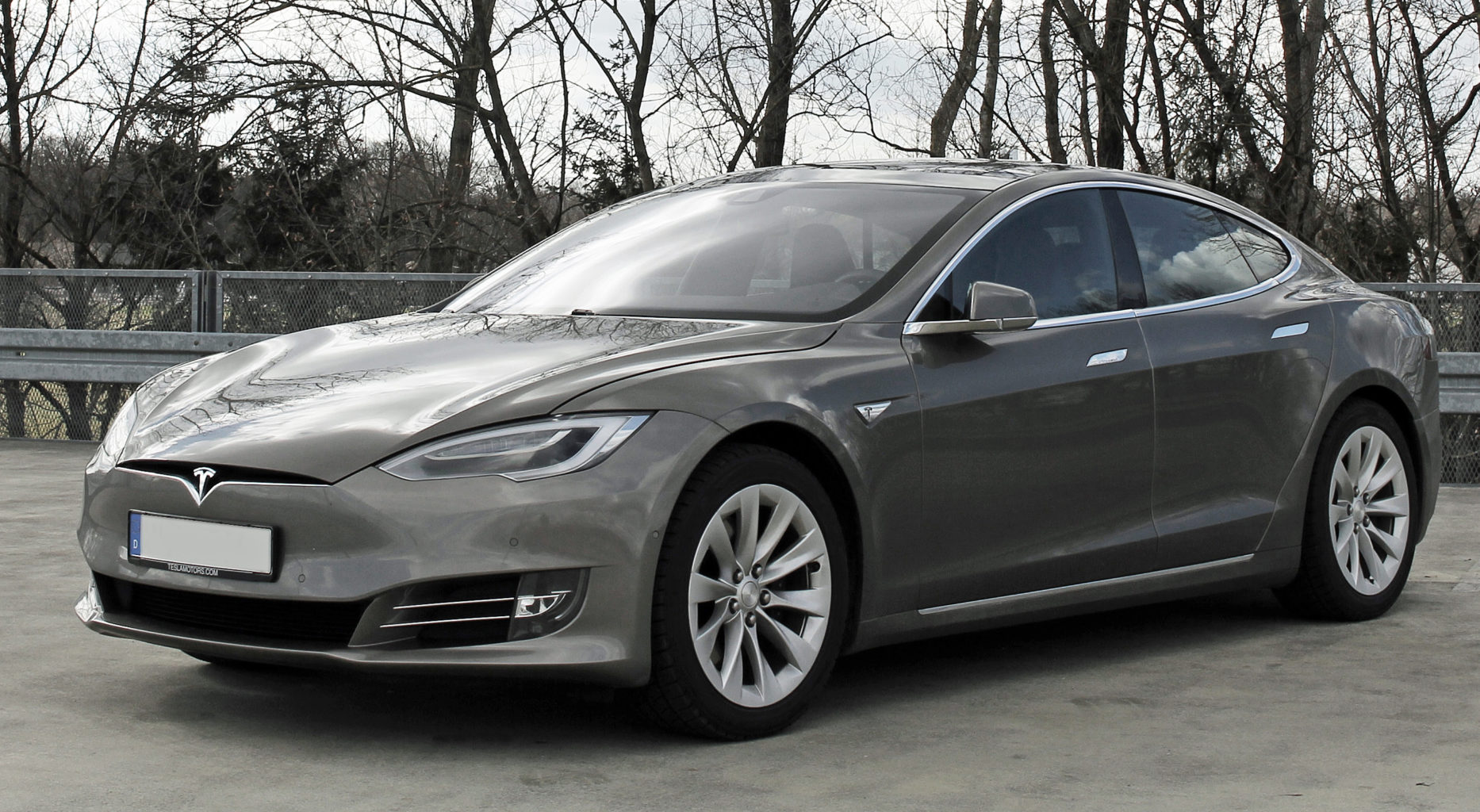
    While Elon Musk focuses on putting “boring tunnels” underneath LA to ease traffic jams, his company’s cars can’t stop running into emergency vehicles. In Laguna Beach, California, on May 30th, a Model S in autopilot mode crashed into an unoccupied police car. This isn’t the first (or second) time this has happened, either. In January, a Model S in Culver City, California hit a fire truck. Then, again, in April, a Model S in Utah id the exact same thing. Both vehicles were also operating in Autopilot mode. What’s going on here? Does Elon Musk have a secret plan to set his cars loose on emergency services to undermine the country? No, probably not. 

    Why Does the Model S Keep Crashing? 

    It’s fair to remind everyone that there are hundreds of car accidents every single day. It just so happens that a lot of attention is paid to those that occur when an Autopilot program like Tesla’s is in play. While the luxury car company strongly reminds drivers to remain aware of their surroundings when using the feature, it seems many operators fail to do so.  

    But why emergency vehicles? What gives? Well, it makes sense when you see the details. In the three aforementioned cases, the emergency vehicles were stopped on side of a road. Autopilot’s braking works best when the vehicle is following another moving vehicle. However, emergency vehicles at an angle that are also not moving might not be enough to trip the Autopilot’s sensors.  

    Insurance Companies Don’t Like the Autopilot’s Instability 

    Hopefully Tesla owners didn’t go broke buying their Model S, because the thing is becoming expensive to insure. Reports from the Insurance Institute for Highway Safety show that the Model S is the most expensive car in the US to take out a policy on. The average cost of insuring one? Around $1,800 a year! That’s almost as much as I had to pay when I was a teenager with a few accidents on his record!  

    To offset this, Tesla has partnered with Liberty Mutual to keep rates for their cars more reasonable. Liberty Mutual and Tesla have an “InsureMyTesla” program that seeks to address these absurd rates. In a statement given to Ars Technica, a Tesla spokesperson stated, “Tesla guarantees that there will always be an insurance provider that will charge less for a Model S or X than any other car with a similar driver, price and vehicle category.” 

  • San Francisco Gearing up To Tackle Uber and Lyft on Employee Benefits

    San Francisco Gearing up To Tackle Uber and Lyft on Employee Benefits

    Just how independent is an independent contractor? And if your company is worth billions, what responsibility do you have to your employees? San Francisco is taking the two big ride sharing apps to task over how they answer these questions. While the two companies currently hold that their drivers are independent contractors, Dennis Herrera, the city attorney, feels a bit differently. Herrera seeks to find out whether Uber and Lyft are doing their due diligence. As it stands, the ride sharing apps classify their drivers as contractors, thus denying them employees benefits.  

    Dodging Paying Employee Benefits? 

    Herrera’s stated goal? In his word, he’s seeking that Uber and Lyft provide “proof that Uber and Lyft have lawfully classified drivers as independent contractors or provide their drivers with minimum wage, sick leave, health care contributions, and paid parental leave.”  

    Hererra, in a Tuesday statement, elaborated: “We are not going to turn a blind eye if companies in San Francisco deny workers their pay and benefits. We are not going to tolerate any company shirking its responsibility to pay for benefits and shifting that burden onto taxpayers when drivers without health insurance turn to the emergency room. If your company is valued at $62 billion, you can afford to give your workers health care.” 

    A Disturbing Trend 

    Finding cleaver ways around paying employee benefits is a hallmark of the “gig economy” in which we sadly find ourselves. Uber and Lyft aren’t the only companies playing fast and loose with regards to their employees and their benefits. Airbnb skirts the issue altogether by owning no properties, and GrubHub and Bite Squad both use similar language as Lyft and Uber when referring to their drivers.  

    This gig set up is incredibly attractive to these companies. They need not set aside money for benefits, as discussed, but they save on more than just that. They also don’t spend as much on renting office space, since employees work from their own homes or vehicles. Training expenses are cut dramatically, as contractors require less oversight than employees.  

    While this is great for businesses, it is rather unfortunate for lower-income workers seeking full-time employment. Many companies are unable or unwilling to hire employees full-time, leading to the workers resorting to gigs for income. Those workers aren’t provided benefits and have no long-term career opportunities afforded to them by their hard work. While Uber and Lyft aren’t the only companies guilty of this decentralization, they are certainly emblematic of it. Hopefully for workers, pushes like Hererra’s will become the norm in cities and states across the US. 

  • Self-Driving Technology Will Change the Face of Transportation in Unexpected Ways

    Self-Driving Technology Will Change the Face of Transportation in Unexpected Ways

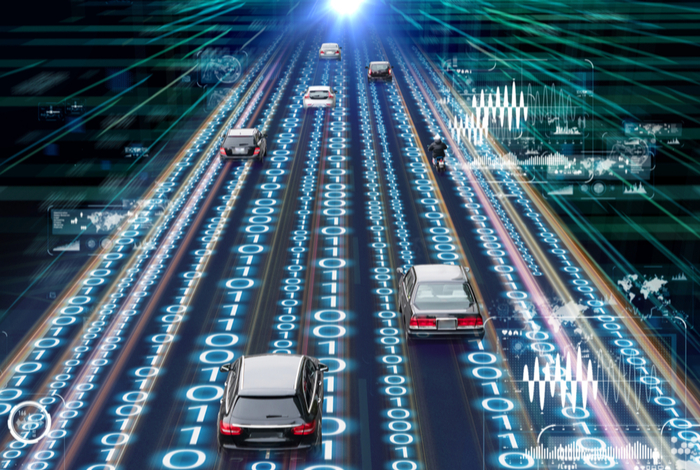
    When you think of self-driving cars, you’re likely thinking of hopping in a normal car and telling it where you want to go. The car would then take off, using lidar to navigate to where you want to be. And this is certainly an eventuality that will come to pass. However, it is not the only thing self-driving tech will enable. In fact, it’s not even the most exciting change that the technology will bring about. The technology will be redefining taxis, busses and even deliveries in the very near future. 

    Self-Driving Cars Making Deliveries 

    Many companies, like Nuro, have been looking into automated delivery vehicles. Nuro’s particular automated car is a comparatively small when looking at it next to a car. It has room only for cargo, not intended to transport humans. This type of delivery vehicles could revolutionize delivery. Without need for paying a human driver, or paying for the insurance on a human, delivery fees could plummet.  

    Nuro themselves speculate that their technology could make delivery fees for things like groceries as low as a dollar. This could lead to a dramatic reduction of the number of cars on the road, as people wouldn’t have to drive around town to shop. Shopping could be handled predominately from smart phone interfaces. This would work to make roads safer, and deliveries more convenient. 

    Is it a Taxi? A Bus? Is it Both? 

    Companies like Uber and Lyft have been operating a quasi-taxi-bus hybrid by way of their Pool and Line services, respectively. Waymo is developing a taxi-like service that will be driverless, looking like a conventional ride-hailing app but with no human operator. Drive.ai is developing a driverless service that would look like Uber Pool. Users would be able to hail a driverless shuttle and share it with other users with the same destination.  

    These advances could lead to much-reduced fare prices, making taxi and bus services much more affordable for the average person. This could also lead to even safer, and less congested, roads. Driverless cars could coordinate their maneuvers to reduce traffic slowdown, and pooled services would lead to an overall reduction of cars on the road. Scenes of clogged intersates, like those found in Los Angeles, could well become a thing of the past. 

    Ramifactions 

    A transportation revolution of this scale is certainly some time off. For the time being, taxi drivers, pizza delivery drivers and truckers are all safe to keep their jobs. However, in the next few years, there will likely be less demand for human drivers in those fields. Instead, the job market for software developers who update and maintain the driverless scrips would boom. Technicians skilled in repairing and maintaining such vehicles would be in more demand, as well.  

    While the loss of jobs from automation is certainly a cause for concern, it won’t stop progress. Horseshoe makers and carriage drivers didn’t stop the advent of the automobile. Will driverless technology be as big a revolution as the automobile itself? We’ll find out very soon. 

  • Mobileye Self-Driving Car Runs Red Light During Demonstration

    Mobileye Self-Driving Car Runs Red Light During Demonstration

    Is a complex mathematical treatise a sufficient substitute for real-world safety testing? Israeli company Mobileye, owned by Intel, is seeking to show that its unique approach to self-driving cars is more practical and effective than methods employed by companies like Waymo. Their CTO, Amon Shashua, wrote in a blog post in October: “We target a vehicle that gets from point A to point B faster, smoother, and less-expensively than a human-driven vehicle; can operate in any geography; and achieves a verifiable, transparent 1,000-times safety improvement over a human-driven vehicle without the need for billions of miles of validation testing on public roads.” Is this likely, or are these bold claims by the unorthodox company? 

    Mobileye’s Self-Driving Cars 

    While most self-driving cars rely heavily on lidar and radar systems in order to read their surroundings, Mobileye favors an all-camera set up. According to Mobileye, their self-driving cars use cameras to make a 3D model of the real world and then use software to decide what to do with that information. This is in contrast to other, more conventional vehicles in this same industry that don’t rely on cameras alone.  

    Sensor Fusion as An Alternative? 

    “Sensor fusion,” a process by which a self-driving car could be made to use both cameras and lidar, is an end goal for Mobileye. Whether their proposed method of designing these cars will work or not is uncertain. Recent demonstrations have shown Mobileye-powered cars even speeding through red lights, which is more than a little troubling.  

    It would seem that Mobileye has banked heavily on sensor fusion being a foolproof way to ensure their vehicles are safe. This rides on the assumption that cameras will only fail in situations that lidar will succeed in, and vice versa. However, this assumption itself seems erroneous: what about situations where neither sensor works? Not to mention the hassle of coding to get the two sensor types to cooperate. And, as every programmer knows, the more lines of code something has, the more likely it is to have bugs. 

    Responsibility-Sensitive Safety 

    Where Waymo and similar companies prefer hours of real-world road testing for safety, Mobileye has shown a desire to prove their cars are safe via math and statistical models. Mobileye has even gone so far as to create a Responsibility-Sensitive Safety, or RSS, model that attempt to mathematically quantify all the ways a vehicle could be at fault in an accident. By putting this RSS model in all their vehicles, Mobilieye claims it would then be impossible for them to be at fault in an accident. 

    The logical gaps in this are pretty clear: the model can’t possibly cover every scenario that could occur. Or, even if it does, it can’t be implemented by every self-driving car all the time. The real world simply doesn’t allow for clean, clinical, one-hundred-percent-accurate models. So why would Mobileye push for this shortcut instead of just safety testing their technology? 

    Business Model Influencing Safety Model 

    Waymo, as an example, is making their self-driving cars in order to operate a driverless taxi service. They aren’t beholden to any specific deadlines and they aren’t selling their technology to anyone else. Mobileye, on the other hand, is: they sell parts to many major car manufacturers. To this end, it is important to them to have marketable, safety-tested self-driving technology quickly. Spending excess time on real-world testing must seem a waste to a company on a deadline.  

    This doesn’t even account for climate and surroundings. Mobileye’s parts have to work in nearly any climate, whether that be snowy, sunny or rainy. Waymo, by contrast, has the luxury of rolling out their taxi service wherever they please. This allows Waymo to choose ideal conditions, where Mobileye has no such luxury. While this doesn’t excuse lax safety standards, it at least explains them. 

    Here’s hoping that their self-driving technology is up to snuff by the time it goes live. Mobileye wants to make money, certainly, but if it comes at the cost of more motorists or pedestrians being killed by software or hardware malfunctions, then it’s not worth it. 

  • Top 10 Cars With the Best Mileage in 2018

    Top 10 Cars With the Best Mileage in 2018

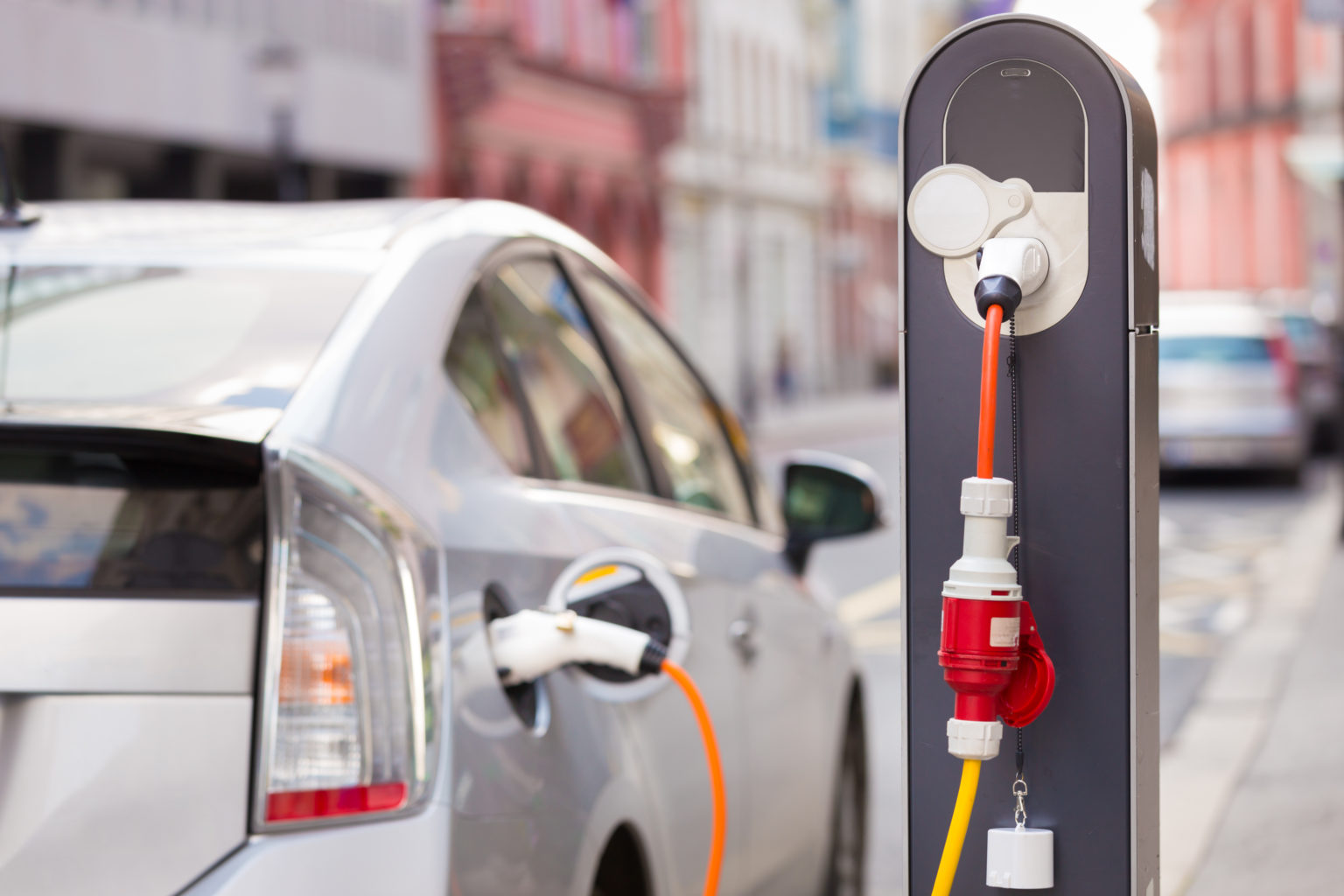
    Whether you want to save some money or save the environment, a gas saving car is something that interests many people. There are even cars on today’s market that are hybrids that you can plug in and run on electricity. Below is a list compiled of ten cars with the best mileage today.

    10) 2018 Kia Niro FE – 52 mpg city/49 mpg highway/50 mpg combo

    This Kia is subcompact SUV with a great deal of cargo space. It has many extra technology features and is one of the most efficient on the market. The Kia Niro FE is a hybrid vehicle, meaning you can use gasoline and plug it in to charge.

    9) 2018 Toyota Camry Hybrid LE 51 mpg city/53 mpg highway/52 mpg combo

    This hybrid Camry is one of the most powerful hybrids available on today’s market. Combined, the gasoline and electric puts out a 208 horsepower. A great addition to this car, it has a safety feature to warn of potential collisions and pedestrians, called Toyota Safety Sense.

    8) 2018 Toyota Prius Eco 58 mpg city/53 mpg highway/56 mpg combo

    This pick is completely gasoline run, and it has one of the best fuel economies. The safety score reigns high, as it also has the Toyota Safety Sense and other safety features. The score for this vehicle overall is great with almost a 9/10.

    7) 2018 Hyundai Ioniq Blue 57 mpg city/59 mpg highway/58 mpg combo

    Another top choice that is a great hybrid, it gets almost sixty miles per gallon just based off gasoline. That is insane! The price is an amazing one for a hybrid vehicle, if you are wanting something that is not going to break the bank, here is your best bet.

    6) 2018 Kia Optima PHEV 103 mpg-e/40 mpg combo

    Without using any gasoline, the Optima can travel up to 29 miles using electricity. This car is high-quality and has an amazing sound system. You can even hook up your phone to the car to the 10-speaker Harmon Kardon sound system.

    5) 2018 Kia Niro PHEV 105 mpg-e/46 mpg combo

    The crossover body style of this vehicle allows for more cargo space! This hybrid allows up to 26 miles of electric range. You are able to use Kia’s UVO eco infotainment system to do things like set up to charge your vehicle and even to heat the steering wheel!

    4) 2018 Chevrolet Volt 106 mpg-e/42 mpg combo

    One of the first vehicles to come out with a hybrid system, it has a perfect safety score of 10/10. You can’t beat the 53 miles this car runs solely on electricity. It is packed full of great features, the Chevy’s Teen Driver system being a unique one.

    3) 2018 Honda Clarity PHEV 110 mpg-e/42 mpg combo

    Honda is a very popular pick for a car, this hybrid can travel 47 miles just on electricity. The gasoline engine is strong with an amazing 212 horsepower. This car has many safety features like the LaneWatch camera and an adaptive cruise control.

    2) 2018 Hyundai Ioniq PHEV 119 mpg-e/52 mpg combo

    This version of the Ioniq has a more high class look to it yet has great cargo space. It is also a lot more economical than you may think; it can travel up to 29 miles alone on just electricity.

    1) 2018 Toyota Prius Prime 133 mpg-e/54 mpg combo

    Last, but not least, this car is the best pick of all hybrid vehicles. It has two electric motors and can run on that electric for up to 25 miles. Between charging this car and filling up on gas, the Prius Prime will last 640 miles! Other ways to help get the most of your miles in this car are to use the Entune Prime App to adjust the climate control.

  • Top 10 Cars With the Best Mileage in 2018

    Top 10 Cars With the Best Mileage in 2018

    Whether you want to save some money or save the environment, a gas saving car is something that interests many people. There are even cars on today’s market that are hybrids that you can plug in and run on electricity. Below is a list compiled of ten cars with the best mileage today.


    10) 2018 Kia Niro FE – 52 mpg city/49 mpg highway/50 mpg combo

    This Kia is subcompact SUV with a great deal of cargo space. It has many extra technology features and is one of the most efficient on the market. The Kia Niro FE is a hybrid vehicle, meaning you can use gasoline and plug it in to charge.


    9) 2018 Toyota Camry Hybrid LE 51 mpg city/53 mpg highway/52 mpg combo

    This hybrid Camry is one of the most powerful hybrids available on today’s market. Combined, the gasoline and electric puts out a 208 horsepower. A great addition to this car, it has a safety feature to warn of potential collisions and pedestrians, called Toyota Safety Sense.


    8) 2018 Toyota Prius Eco 58 mpg city/53 mpg highway/56 mpg combo

    This pick is completely gasoline run, and it has one of the best fuel economies. The safety score reigns high, as it also has the Toyota Safety Sense and other safety features. The score for this vehicle overall is great with almost a 9/10.


    7) 2018 Hyundai Ioniq Blue 57 mpg city/59 mpg highway/58 mpg combo

    Another top choice that is a great hybrid, it gets almost sixty miles per gallon just based off gasoline. That is insane! The price is an amazing one for a hybrid vehicle, if you are wanting something that is not going to break the bank, here is your best bet.


    6) 2018 Kia Optima PHEV 103 mpg-e/40 mpg combo

    Without using any gasoline, the Optima can travel up to 29 miles using electricity. This car is high-quality and has an amazing sound system. You can even hook up your phone to the car to the 10-speaker Harmon Kardon sound system.


    5) 2018 Kia Niro PHEV 105 mpg-e/46 mpg combo

    The crossover body style of this vehicle allows for more cargo space! This hybrid allows up to 26 miles of electric range. You are able to use Kia’s UVO eco infotainment system to do things like set up to charge your vehicle and even to heat the steering wheel!


    4) 2018 Chevrolet Volt 106 mpg-e/42 mpg combo

    One of the first vehicles to come out with a hybrid system, it has a perfect safety score of 10/10. You can’t beat the 53 miles this car runs solely on electricity. It is packed full of great features, the Chevy’s Teen Driver system being a unique one.


    3) 2018 Honda Clarity PHEV 110 mpg-e/42 mpg combo

    Honda is a very popular pick for a car, this hybrid can travel 47 miles just on electricity. The gasoline engine is strong with an amazing 212 horsepower. This car has many safety features like the LaneWatch camera and an adaptive cruise control.


    2) 2018 Hyundai Ioniq PHEV 119 mpg-e/52 mpg combo

    This version of the Ioniq has a more high class look to it yet has great cargo space. It is also a lot more economical than you may think; it can travel up to 29 miles alone on just electricity.


    1) 2018 Toyota Prius Prime 133 mpg-e/54 mpg combo

    Last, but not least, this car is the best pick of all hybrid vehicles. It has two electric motors and can run on that electric for up to 25 miles. Between charging this car and filling up on gas, the Prius Prime will last 640 miles! Other ways to help get the most of your miles in this car are to use the Entune Prime App to adjust the climate control.

  • The Genesis Essentia Takes the Cake.

    The Genesis Essentia Takes the Cake.

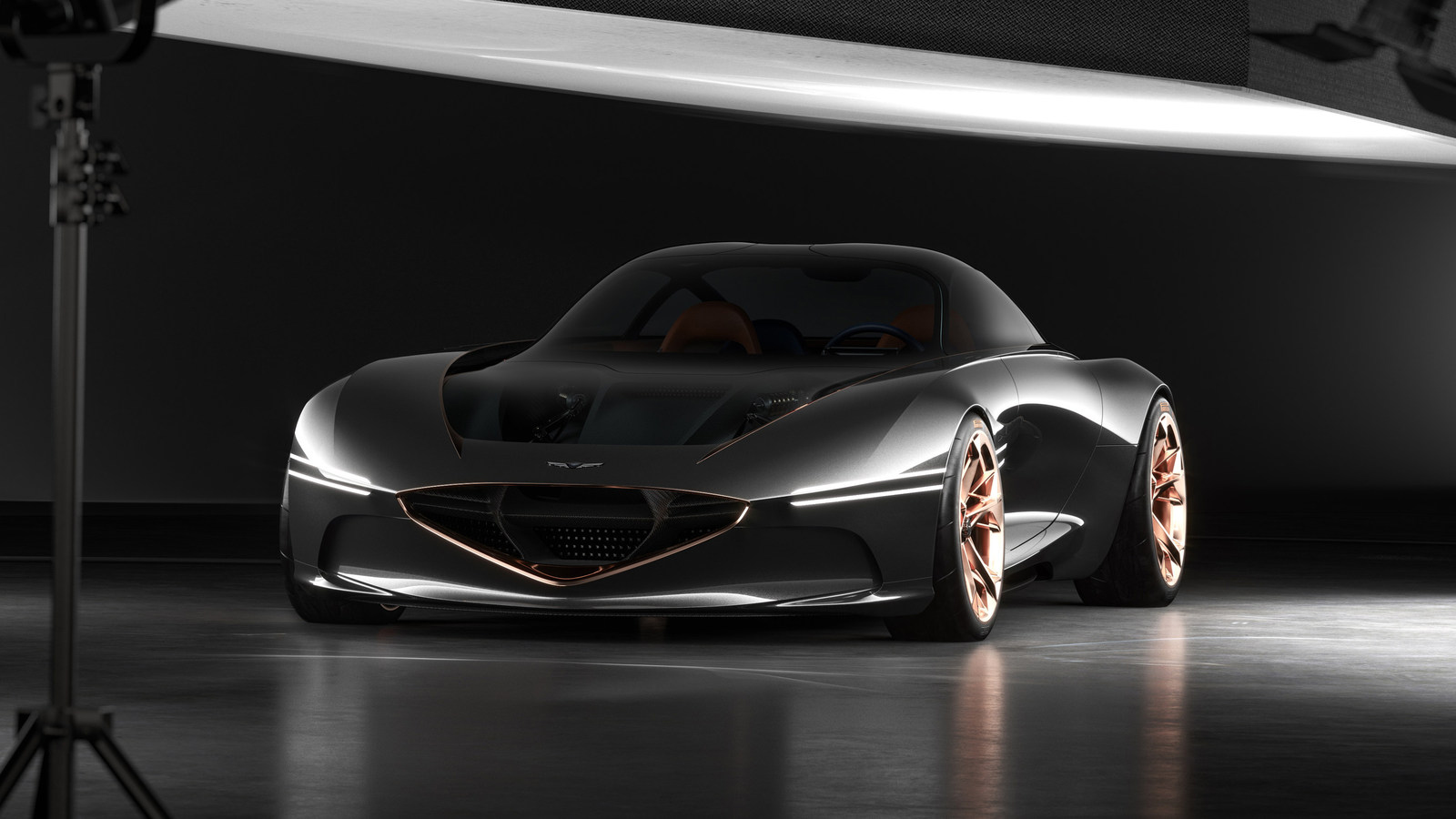
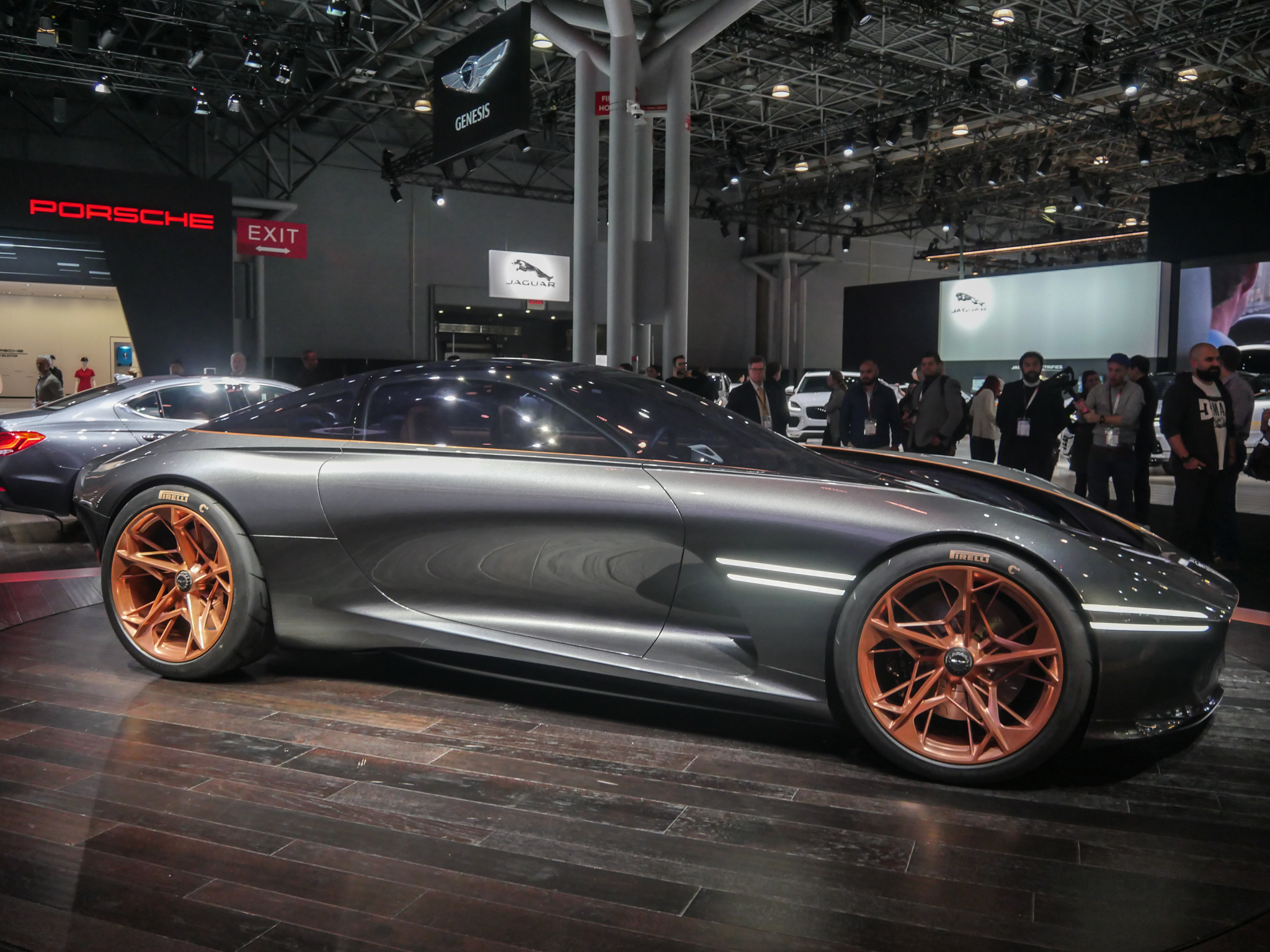
    NEW YORK—The New York International Auto Show was chalk full when it came to concept cars. Jaguars debuted the anticipated I-Pace and Hyundai’s Kona Electric vehicles created quite the buzz. But the star of the show was the jaw dropping, strictly protoype car, Genesis Essentia.

    The Essentials.

    The Essentia has a lightweight carbon-fiber body and a multi-motor electric powertrain engine. The grille is an “evolution of the Genesis Crest” and the clear hood allows for an glitsy and impressive view of the pushrod suspension. It gets “quad lights,” similar to what Genesis premiered on the Air outlets behind the front wheels reduce drag. The sleek body matches the extremely slim, borderline dangerous head and tail lamps. The body’s perfectly ergonomic frame almost completely eliminates undercarriage turbulence. “Slim lights are difficult because it’s hard to get them bright enough with the given surface area,” a designer stated, “But this will be a Genesis signature, driven by tech.” He alluded to the fact that South Korea has become a world leader in LED technology, adding to the cultural DNA of the car.

    undefined

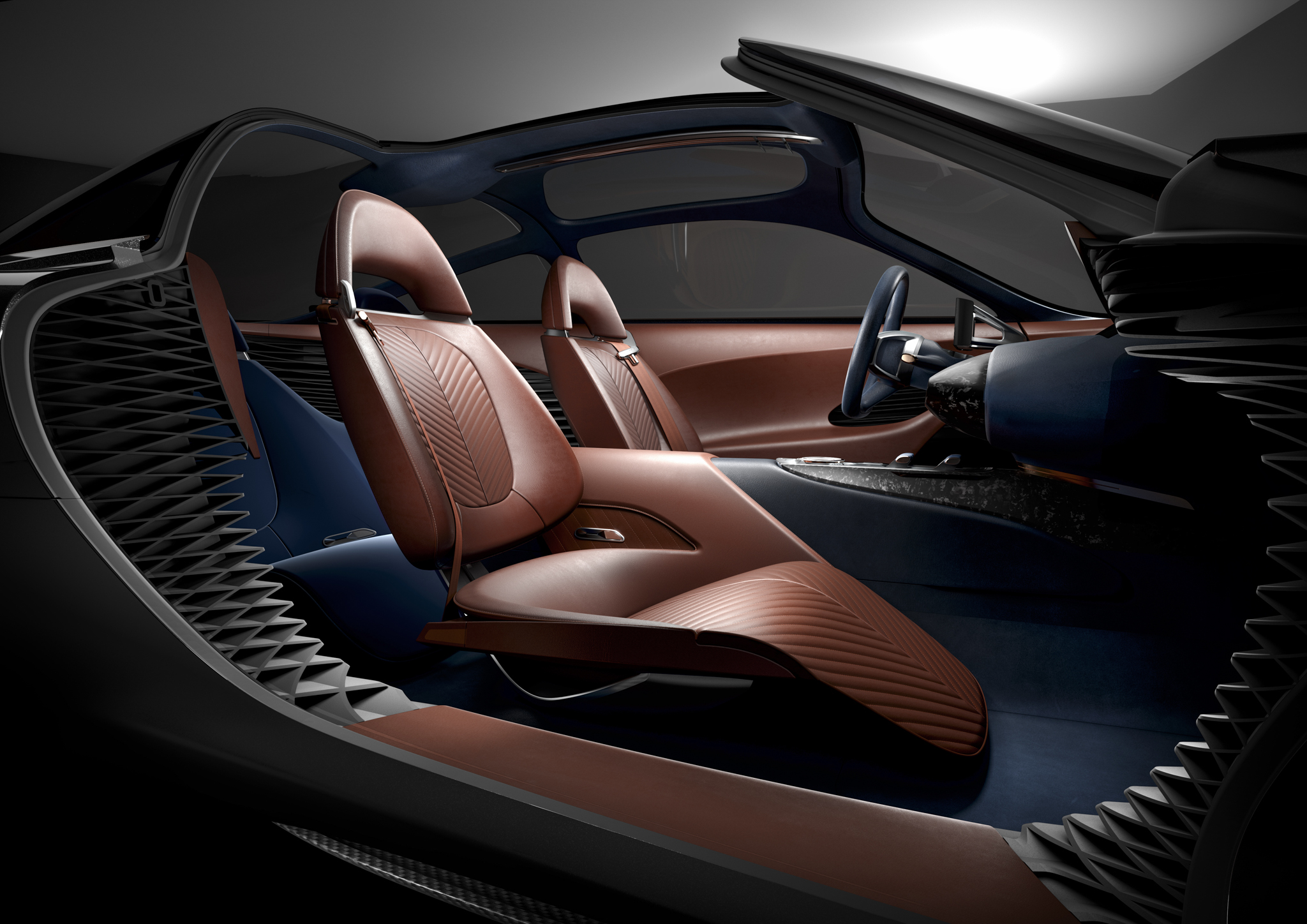
    The super futuristic-looking interior features an oversized and almost panoramic display stretching the length of the dash and hand sewn seats that match the interior doors and footwell. That main widescreen in front of the driver is operated by a central rotary controller. Genesis commented on all the expected technology that comes with the car and it’s pretty impressive…vehicle-to-vehicle connectivity, pairs with smarthomes, features voice recognition, etc.. According to the car designers, “The last thing we want to do is create a retro design, even though we talked about which cars meant a lot to us, and the Cobra Daytona Coupe as well as the Ferrari Lusso came into the discussion, but modernism is just as important, plus we use unique design solutions that make this a modern car,” Selipanov told Ars. “We’ve recently launched concept cars here at NY, so we decided to show something even more special and inspirational indicating strong brand direction. We also had the idea this should be an electric GT, but overall, our guiding theme of athletic elegance would be foremost.”


    The Summary.

    Even though the Genesis Essentia is likely to stay the prototype car of our dreams, the design efforts made will not be in vein. These prototypes often set precedents and create so much influence on mainstream car manufactures. I hope to see it’s impressive designs and features resounding through companies for years to come.


  • Muse Speaks to Me While I Drive

    Muse Speaks to Me While I Drive

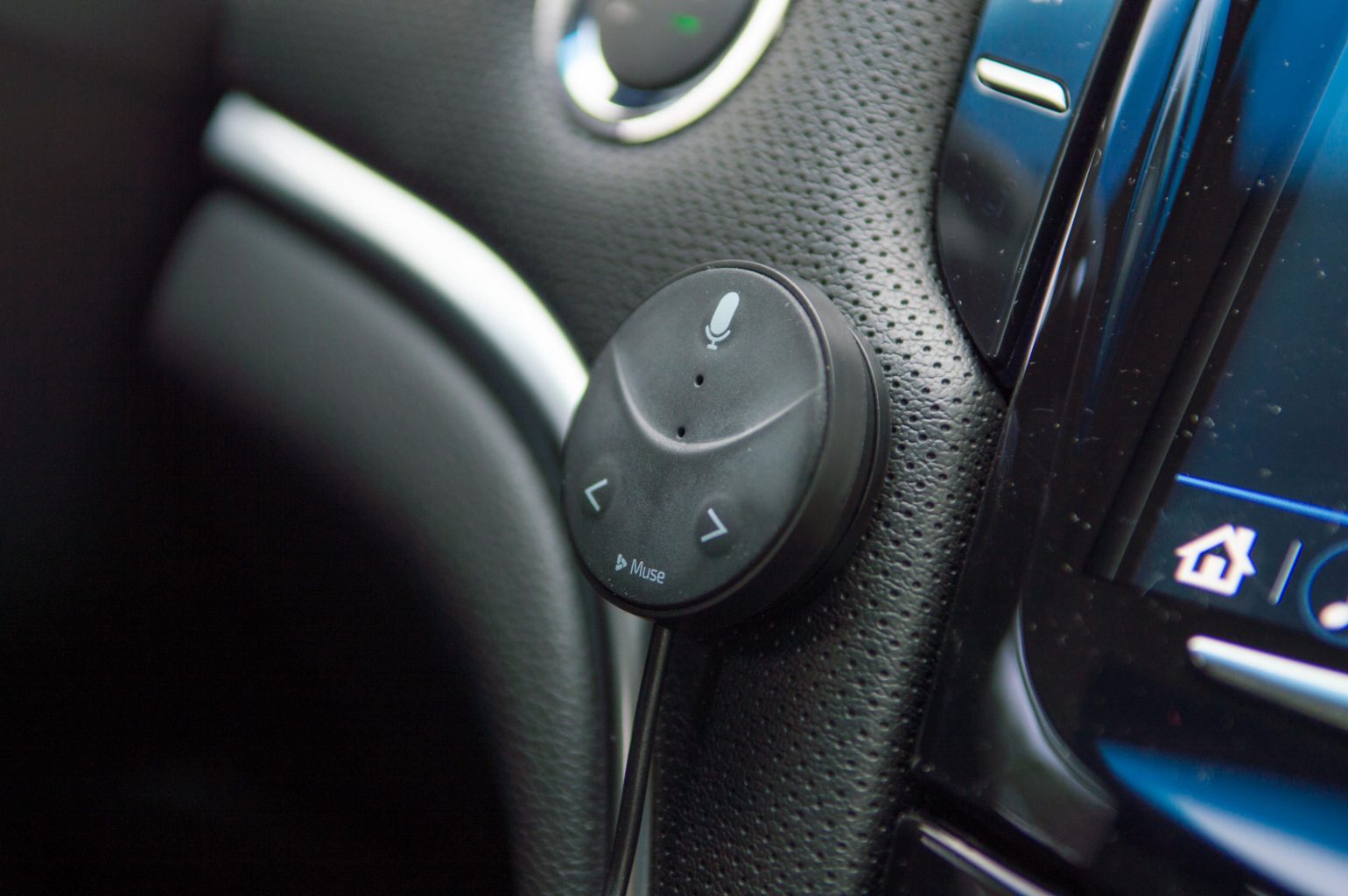
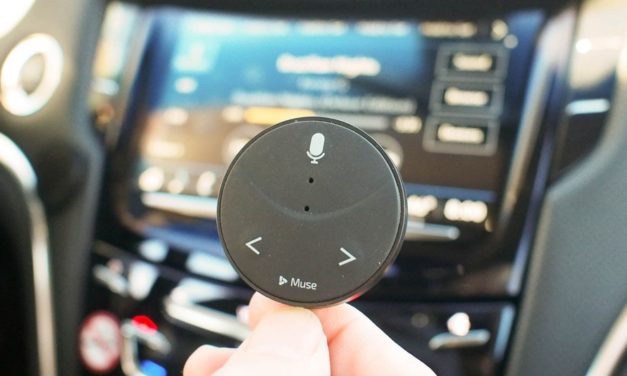
    Speak Music’s Muse is terrific way to bring Alexa voice commands to your car. Plug the Oreo-sized accessory into your car’s USB port or lighter socket and connect it to your phone via Bluetooth and you’ll be able to order Alexa to play and control your music, get the weather, add items to your to-do list, control your smart home device

    The Great

    • Small
    • Inexpensive
    • Easy setup
    • Lets you stream music

    The Not

    • No turn-by-turn directions
    • Lacks Spotify integration
    • Alexa slow to respond

    The Conclusion

    This small Bluetooth dongle lets you use Alexa while you’re driving, but the voice assistant could respond faster.

    I Said To Myself

    Do you have no one to talk to while you drive? Have you ever said to yourself I wish I could bring Amazon’s versatile voice assistant to your car and say goodbye to boring commutes or fumbling with the phone. Be productive and entertained while keeping our eyes on the road and hands on the wheel but no one was there to listen to you? Well Now there is

    Muse Auto is a small Bluetooth device that brings the power and convenience of Amazon Alexa to the car. Just plug it in, pair with your smartphone and say “Alexa”.

    How Does It Do

    Like other in vehicle Alexa peripherals this needs to link to your phone and use your phone’s data through the Muse app. I found connecting to the Muse by Bluetooth plus using cellular data chews through my battery super fast. I end up closing the app when I leave my car and restarting it each time I get in the car. I also plug in my phone to keep it from dying. Pretty easy workarounds.

    For voice commands you need to say the wake word, wait a few seconds until you hear a low sound, give the command, then you hear a second sound that the command was received. My trouble is the first sound is too quiet and not distinctive so I can’t always tell if the Muse heard my wake word.

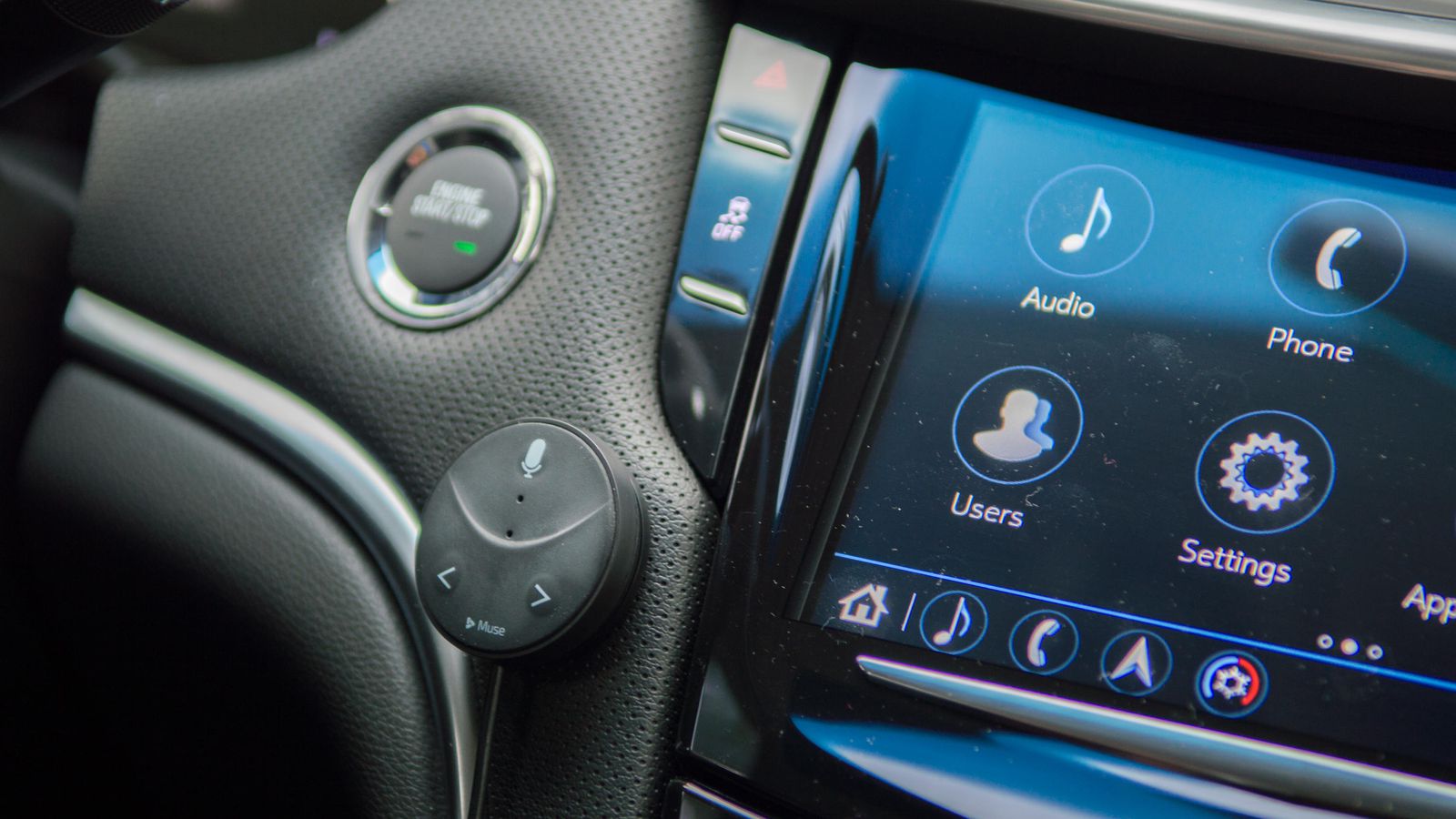
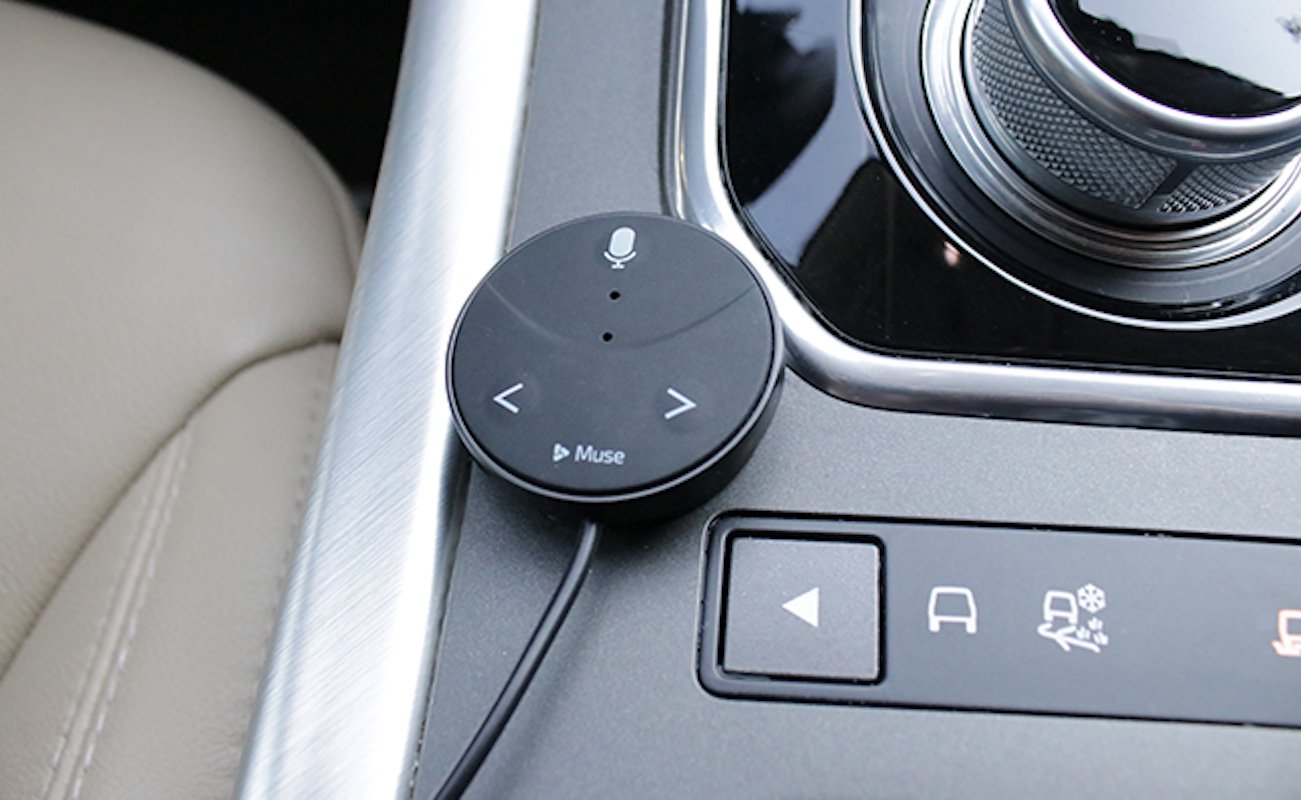
    Very easy to install. Downloaded the app and it walked me right though it. The device is small and I mounted mine on the driver’s side of my center console where only I can see it.  Yeah I’m stealthy like that. When I want to interact with Alexa I just set the car audio input to Bluetooth, a one button push in my Ford, and it works. It’s pretty cool to be able to “talk” with Alexa in my car. The kids like to play 20-questions and I get the news read to me on the way to work. There is a short delay between calling out “Alexa” and hearing the soft tone which indicates the device is listening to you, but I got the timing down after a few tries and now she obeys my every command! I’m king of the car again

    The Final Thought

    Overall the Muse is adequate if you don’t mind yelling “Alexa” a whole bunch, or plugging in your phone, or fiddling with an app when you start or leave your car. Not ideal for quick trips but if you’re taking a long trip or have a substantial commute it can be worth setting it up before the trip. Most of the issues can be handled with software updates so I’ll hang on to it. And there is something cool about turning up the thermostat when I leave work then pulling in the driveway saying “I’m home” and having the lights turn on. So there is a little Alexa magic. It’s just not seamless yet.

  • Top 5 Augmented Reality Apps for iOS

    Top 5 Augmented Reality Apps for iOS

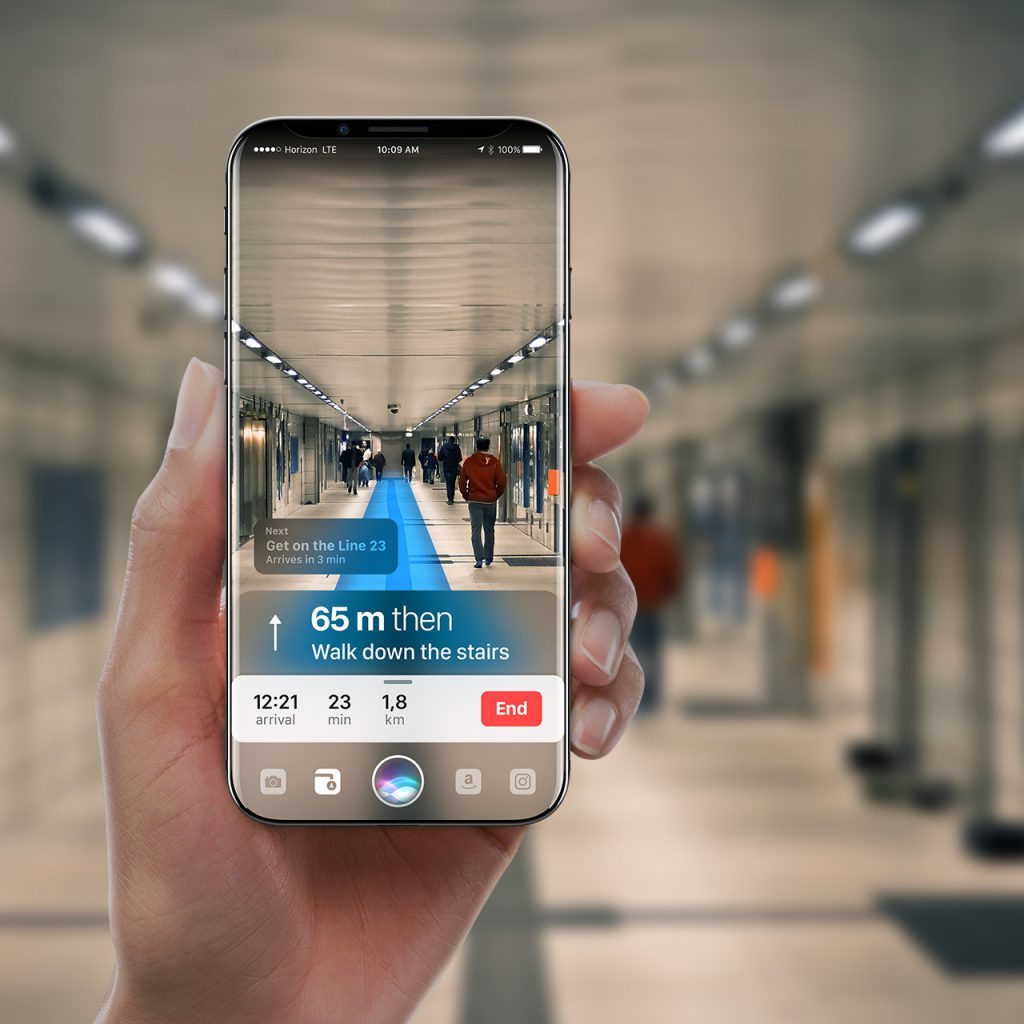
    We have all been hit with an augmented reality buzz on all our apps. From Pokémon go to every shopping app, we are being given the ability to use our camera to bring a whole new layer to our lives. Here are the top five out of the box and interesting applications for augmented reality

    1. Miratia City Treasure Hunts

    Miratia is smartphone treasure hunt games played live outdoors.Miratia games are played live on the streets of your current city. Become your own Indiana Jones and set up a treasure hunt with historical places through out all your sight seeing visits. This is endless fun, and adds a whole new dimension of traveling and exploring new cities. Finally Paris is interesting,  and Budapest will never be the same.