Category: Electronics

  • Google’s Pixel 3 to Follow in Apple’s Footsteps: Another Notch Smartphone

    Google’s Pixel 3 to Follow in Apple’s Footsteps: Another Notch Smartphone

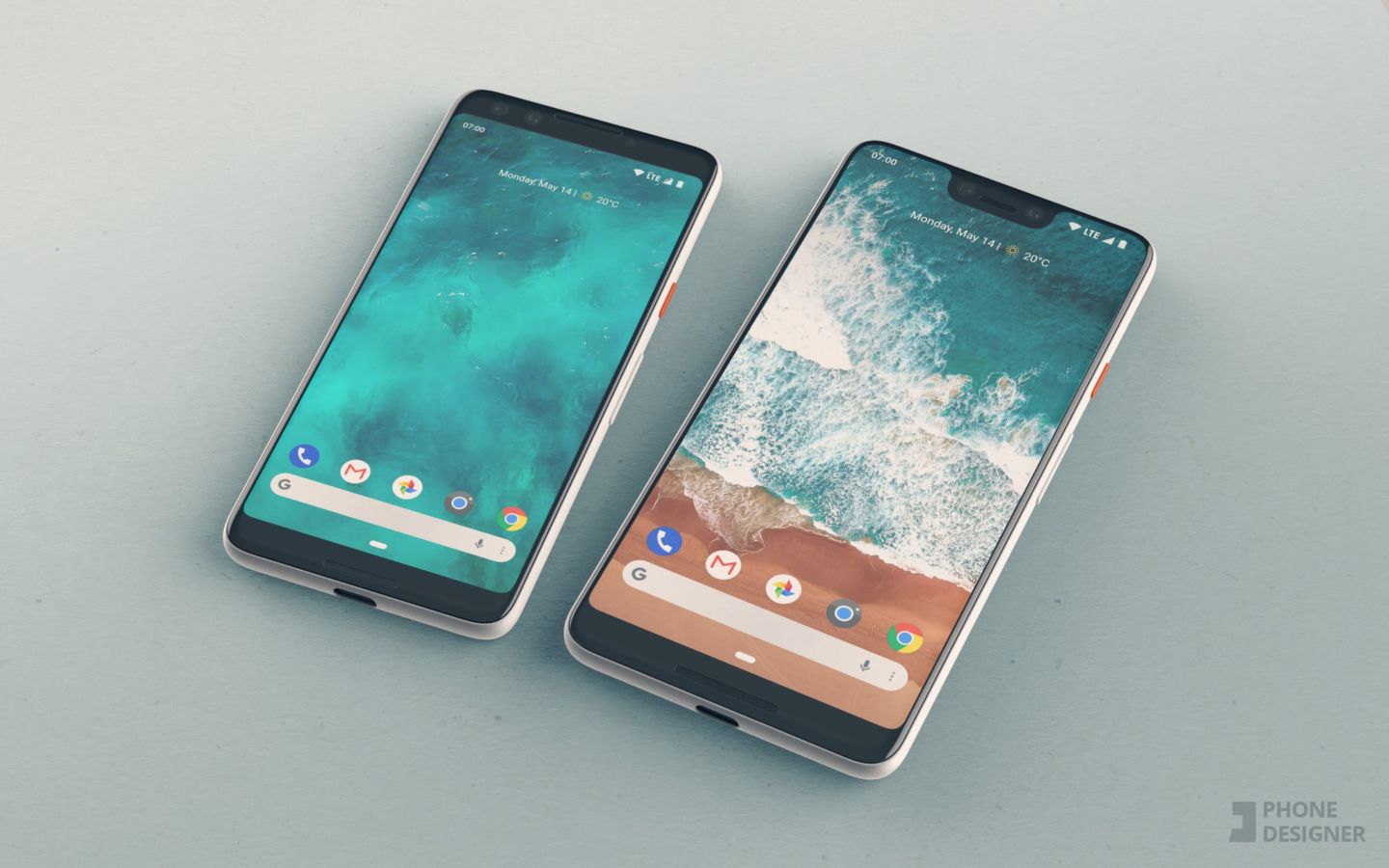
    Google is still set on taking over the world, one piece of technology at a time. It’s only natural that they’ll continue to push the envelope with their flagship phone line, the Pixel. It was Google that created the Android OS, after all. A premium smartphone OS deserves a premium smartphone! The newest reports on the next Pixel model are coming from Bloomberg. According to the report, the XL model of the Pixel 3 is set to have a screen notch. 

    Much has been written over the divisive smartphone notch popularized by Apple’s iPhone X. While it has some detractors and others who love it, the notch is certainly here to stay. This is evidenced by many top brands embracing it with this year’s flagships. Chinese smartphone makers OnePlus and Xiaomi have both designed their flagships with the notch, and now even Google is getting in on the trend. Last year’s Pixel 2 was one of the best phones released, so Google’s next release is hotly anticipated. 

    The Rumor Mill 

    According to the Bloomberg report, the Pixel 3 will come in both normal and XL models. The phone is also set to be manufactured by Foxconn, the same company that manufactures the iPhone. Additionally, this follows a deal between Google and HTC, meaning this phone will likely sport a design similar to other phones made by HTC.  

    The Bloomberg Report described the Pixel 3 XL, the one with the notch, as such: “nearly edge-to-edge screen, except for a thicker bezel known as a chin at the bottom of the phone. The display also will have a notch—or a cutout—at the top.” The normal-size Pixel 3 will have standard bezels, more like the iPhone 8, giving it a more traditional look. 

    Pixel 3: Other Details 

    That same Bloomberg report put forth October as a release window for the phone. Verizon is slated to be the only carrier, though the phones will surely also work with Google’s Fi wireless service. Oddly, the projections for the phone show it with two front facing cameras but only one camera on the back. Perhaps it will only support Bokeh portraits in selfie mode? This one is a big of an enigma.  

    Still unknown are details like the types of biometric scanners the phone will support. Will it have a face scanner like the iPhone X? Those two front-facing cameras make it likely. What about a fingerprint reader? Will it be on the back, like the Pixel 2? Will it be in-screen? Or will it even have one? Hopefully these questions will be answered in the coming months.  

    Feature Image Credit: Phone Designer 

  • Self-Driving Technology Will Change the Face of Transportation in Unexpected Ways

    Self-Driving Technology Will Change the Face of Transportation in Unexpected Ways

    When you think of self-driving cars, you’re likely thinking of hopping in a normal car and telling it where you want to go. The car would then take off, using lidar to navigate to where you want to be. And this is certainly an eventuality that will come to pass. However, it is not the only thing self-driving tech will enable. In fact, it’s not even the most exciting change that the technology will bring about. The technology will be redefining taxis, busses and even deliveries in the very near future. 

    Self-Driving Cars Making Deliveries 

    Many companies, like Nuro, have been looking into automated delivery vehicles. Nuro’s particular automated car is a comparatively small when looking at it next to a car. It has room only for cargo, not intended to transport humans. This type of delivery vehicles could revolutionize delivery. Without need for paying a human driver, or paying for the insurance on a human, delivery fees could plummet.  

    Nuro themselves speculate that their technology could make delivery fees for things like groceries as low as a dollar. This could lead to a dramatic reduction of the number of cars on the road, as people wouldn’t have to drive around town to shop. Shopping could be handled predominately from smart phone interfaces. This would work to make roads safer, and deliveries more convenient. 

    Is it a Taxi? A Bus? Is it Both? 

    Companies like Uber and Lyft have been operating a quasi-taxi-bus hybrid by way of their Pool and Line services, respectively. Waymo is developing a taxi-like service that will be driverless, looking like a conventional ride-hailing app but with no human operator. Drive.ai is developing a driverless service that would look like Uber Pool. Users would be able to hail a driverless shuttle and share it with other users with the same destination.  

    These advances could lead to much-reduced fare prices, making taxi and bus services much more affordable for the average person. This could also lead to even safer, and less congested, roads. Driverless cars could coordinate their maneuvers to reduce traffic slowdown, and pooled services would lead to an overall reduction of cars on the road. Scenes of clogged intersates, like those found in Los Angeles, could well become a thing of the past. 

    Ramifactions 

    A transportation revolution of this scale is certainly some time off. For the time being, taxi drivers, pizza delivery drivers and truckers are all safe to keep their jobs. However, in the next few years, there will likely be less demand for human drivers in those fields. Instead, the job market for software developers who update and maintain the driverless scrips would boom. Technicians skilled in repairing and maintaining such vehicles would be in more demand, as well.  

    While the loss of jobs from automation is certainly a cause for concern, it won’t stop progress. Horseshoe makers and carriage drivers didn’t stop the advent of the automobile. Will driverless technology be as big a revolution as the automobile itself? We’ll find out very soon. 

  • GDPR: What to Expect

    GDPR: What to Expect

    The European Union provision known as General Data Protection Regulation went into effect on May 25th, 2018. While it may seem as though this would only impact Europe, it actually will have some ramifications for American companies, too. Any companies with European customers will have to be compliant with the GDPR from May 25th on. This means even companies like Facebook will have to comply with the plan. 

    What Does GDPR Ask of Businesses? 

    The GDPR asks a few things. The first is that European customers can ask to see what data a business has collected from them at any time, and that information must be provided. The second is that said data can be expunged at a customer’s request at any time. These protections are completely reasonable on the behalf of a customer, but many businesses may be resistant to such wide-reaching protections. 

    What Penalties Do Businesses Face by Not Complying? 

    This is the kicker: a business that fails to comply with GDPR is subject to forfeiting four percent of their annual revenue to the EU. While that might not sound like a lot, a company like Facebook or Amazon rakes in millions and millions of dollars every year. Even four percent of that is a small fortune. What’s more, it seems unlike the US Government would do anything to protect businesses found in violation of these rules. It seems only fair, of course, that a business with European customers follow European guidelines.  

    What This Means for Americans 

    Since these companies will have to implement this functionality if they wish to remain compliant, this will likely result in increased data protections for American customers, too. Americans currently have no such protections on the books, which is unfortunate, given the state of cyber security. Breaches like Cambridge Analytica and the Target hack have soured many Americans on large companies’ security protocols.  

    Hopefully legislation like this is on its way in America, too. Increased protections for the data of users is hardly a bad thing for anyone. Companies would be wise to self-regulate in this regard in the meantime. However, since no guarantees of such altruism are forthcoming, legislation is the next logical step. With luck, we’ll see such legislation follow suit in the US. 

  • Samsung vs. Apple Ruling: What this Means for the Future of Smartphone Design

    Samsung vs. Apple Ruling: What this Means for the Future of Smartphone Design

    The long-running and high-profile court case between Samsung and Apple has finally wound down. The verdict? Samsung is to pay $539 million to Apple for infringed patents. That’s a lot of money, but not quite the billion dollars Apple claimed it was owed. The final number is, however, markedly higher than Samsung’s conservative estimate of $28 million in damages owed to Apple. What will this decision mean in the long run with regards to smartphone design?

    Apple: Design First 

    Apple fought tooth and nail in this suit. The company has always maintained that they are a design-first firm. To that end, they were adamant in their assertion that Samsung’s infringement of their design patents constituted significant damages. The nitty-gritty of the case got pretty obscure, but here’s the broad strokes. Apple had patents for a rectangular-face, round-cornered smart phone (with and without bezels.) They also had a patent of a colorful grid of apps. 

    Samsung’s phones sold between 2010 and 2011, Apple argued, infringed on these patents. The courts found in Apple’s favor, but things didn’t end there. The issue came down to the difference between the individual phone components versus the phone as a whole. Apple claimed that Samsung owed damaged based on the sales of each entire phone they sold. Samsung, however, claimed that they only owed damages on the components Apple had patents for. 

    Samsung’s Point of View 

    Samsung argued that Apple only had patents on certain aspects of the phone designs they had sold in the timeframe of 2010-2011. They felt as though the damages they would need to pay should reflect this, as well as deducting the cost of business for marketing and designing said phones. While their points were well-made in some respects the jury found them unconvincing.  

    The jury found that the display screen couldn’t be considered a separate entity from the phone. How could it? The bulk of the smart phone is its screen, and the screen hardly works without the phone components. If one were to disassemble a smart phone, they would have nothing of real practical use. Samsung’s argument would work better in a case with bigger, more distinct components. The screen, however, was found to be an integral part of the phone. 

    What This Means for Smartphone Design 

    The huge fine slapped on Samsung will certainly give manufacturers pause with regards to smartphone design. Apple’s patents are somewhat broad, though in some ways they can be seen as fair. Apple did kick off the modern smartphone, after all, so isn’t it only fair they hold these patents? The other side of that coin, of course, is a concern for monopolization. If Apple can defend a patent this broad in court, smaller competitors may well be swallowed whole by them.  

    Samsung will feel the sting of this ruling, but they won’t be going away anytime soon. The Korean tech giant is worth billions, and they can afford to go toe-to-toe with Apple in court. Smaller underdogs wouldn’t stand a chance, though. This case has left an odd taste in the mouths of onlookers. Many are happy to see creative design defended by a federal court. Many of those same people are also wary of a giant like Apple tightening its chokehold on the smartphone market.  

  • Tech Throwback: Kodak Brownie Camera

    Tech Throwback: Kodak Brownie Camera

    I like to take a look at where I’ve been to evaluate where Im going. Technology is cyclical after all… wait no its not. That said I still like all the feels that come rushing back like a flood of nostalgia every time I get my hand on the tech I grew up with. Im going to go back periodically and take a looking at the stuff that used to blow our hair back and get our minds rolling. Some of these device blew up and changed the world, some where ahead of their time and some just fell flat and became colossal failures. Today I’ve got my hands on the old and original Kodak Brownie Camera.


    The Original

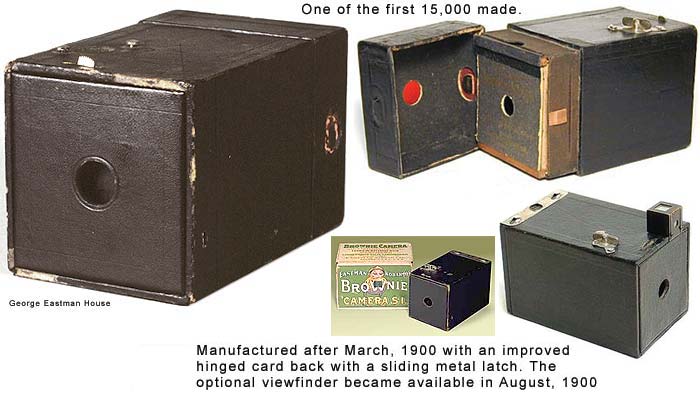
    IF you have ever taken a real photography class, you know the best way to teach someone how a camera works is to have them make there own Kodak Brownie Camera. Kodak Marketed toward there camera to the turn of the century children. They were issues and  carried by soldiers. At the hefty 1900’s price tag of $1 (about $29 today)  they were affordable to everyone. Its a small, brown leatherette and cardboard camera and introduced the term “snapshot” through its ease of use and low cost.  it was introduced in February 1900, the Brownie took cameras off tripods and put them into everyday use. For Kodak, the low-cost shooter was the hook that allowed the company to reel in money through film sales. And for the rest of the world, it helped captured countless moments and shape civilization’s relationship to images.

    The first model of the camera was invented by Frank A. Brownell. The name comes from the brownies in popular Palmer Cox cartoons. Consumers responded, and over 150,000 Brownie cameras were shipped in the first year of production. Over the years it was extremely popular and many versions of it existed.  There where many models over the years with feature and functionality improvements. My personal favorit was the Beau Brownie..

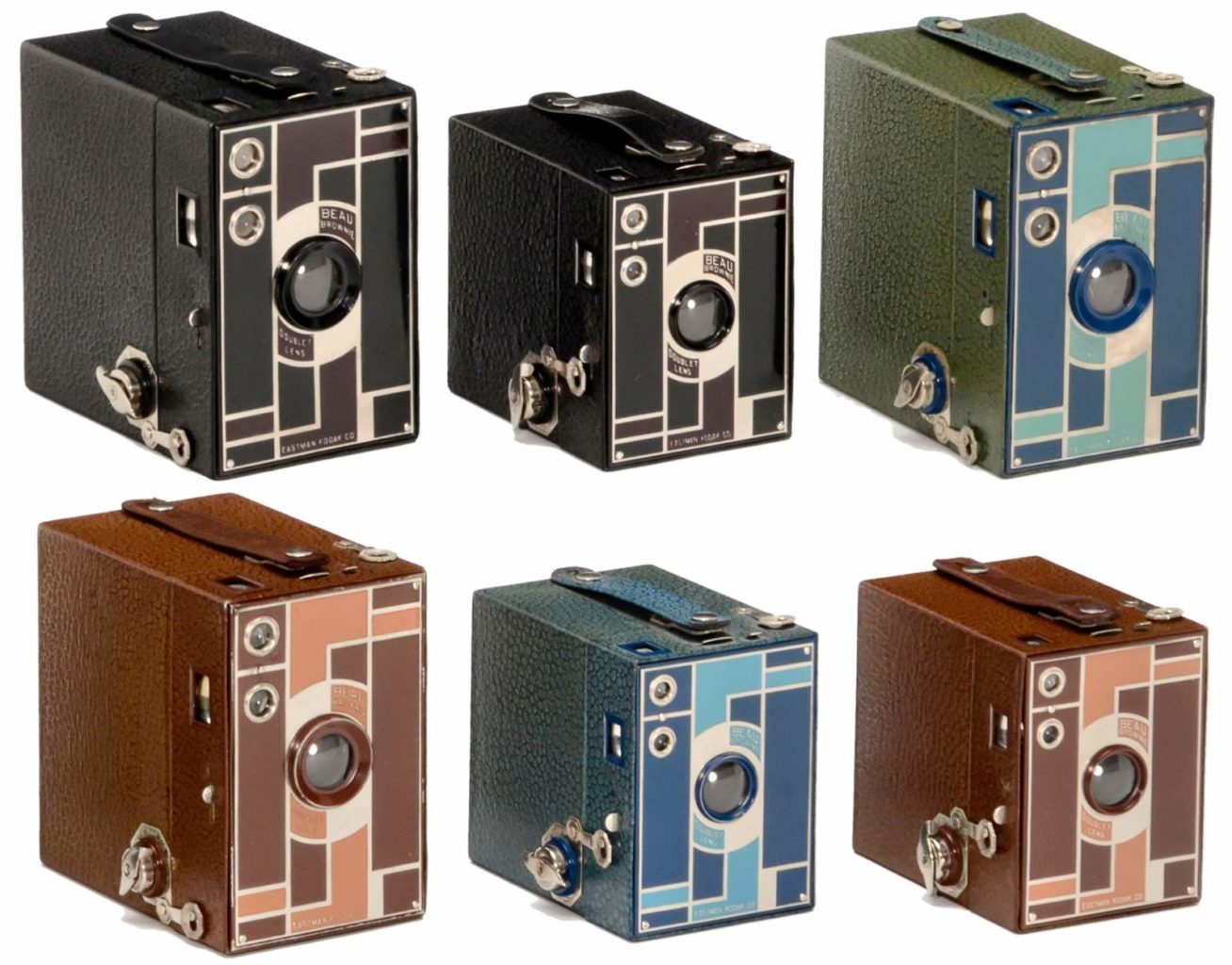
    Beau Brownie

    The Beau Brownie  was  a new version of the Brownie sold  from 1930 to 1933. They  had very little technical variation from the immensely popular Brownie cameras. With the only one big technical difference being the introduction of a new doublet lens, allowing the same picture to be projected on a film plate over a shorter distance and this made the Beau Brownies nearly 2″ shorter than their conventional counterparts. With an updated Art Deco design with an  enameled two-tone front plate, it was a stunning example of period tech. It was produced in  in five color combinations: black and burgundy, brown and tan, two-tone blue, two-tone green, and two-tone rose.

    Basic Operation

    The Brownie operates under the following sequence of events:

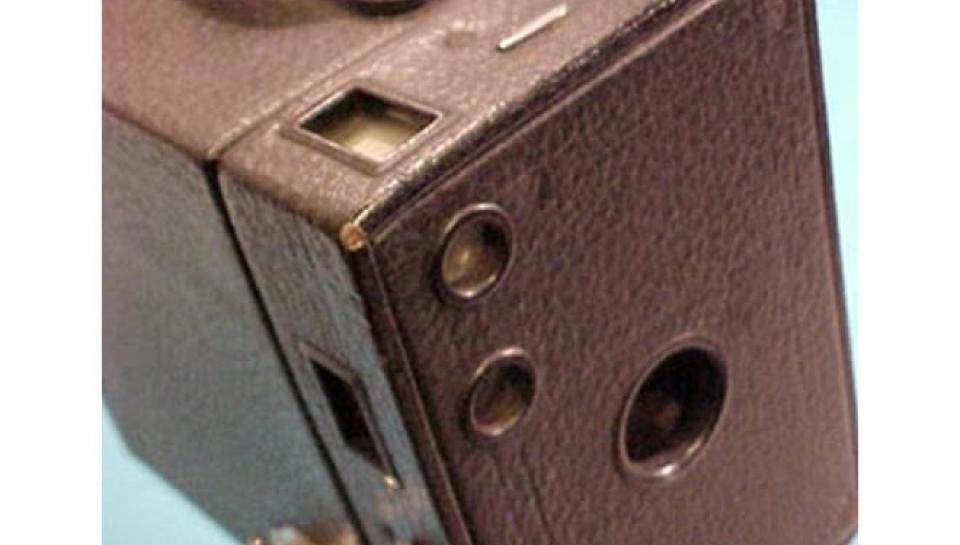
    1. A shutter in the front of the camera is opened allowing light to pass through the lens. This light is reflected from the object being photographed.
    2. As the light passes through the lens it forms an image of the object being photographed. As it continues through the lens, this image is inverted (turned upside-down).
    3. The lens projects the inverted image onto light-sensitive film at the back of the box. This is known as exposure of the film. The longer the shutter is left open, the more light is allowed onto the film.

    Does it get any simpler?

    The Final Thought

    One look at theses you instantly know what is is and where it came from. There are a little over a hundred variation of this original, portable, and everyday camera, but one definitely has its place in your heart,assuming you are older then 45 of course. Its evolution over its 100 year span was predictable and outstanding all at the same time holding true to its core design.  All I can say about the Kodak Brownie Camera is It came, It saw, and It captured an entire century.

  • The Best Beach Gadget: Which Ones Should You Pack?

    The Best Beach Gadget: Which Ones Should You Pack?

    Who doesn’t love the beach? Well, fragile electronics, to be honest. Between sand, sun and sea, there are countless ways your favorite beach gadget could be damaged on a fun vacation. With that in mind, we’ve got a roundup of our favorite gadgets that can survive a trip to the beach! 

    Olympus Tough TG-5 

    Nothing beats a fun beach trip, and there’s no better way to keep your memories of it than by snapping photos. The Olympus Touch TG-5 is a fantastic camera for fun in the sun: it’s waterproof, durable and can survive a seven-foot drop! It’s fast shutter and 4K recording are all the more impressive when considering how tough the Olympus Tough is! It’s a touch expensive, though, retailing for around $400.  

    JBL Charge 3 

    If you’re chilling on the shore and wishing you had some tunes, you’re wishing you had a JBL Charge 3. Sporting amazing, huge sound for its small size, great battery life and strong performance, it’s a great speaker. Even better, it’s rated IPX-7, which means it’s water resistant and perfect for the beach. 

    Fitbit Versa 

    The Versa is a fantastic fitness tracker/smart watch hybrid for the beach! This handy device sports a waterproof body and awesome tracking functionality. Want to track your swimming or jogging on the beach? The Versa is the beach gadget for you! 

    Our Favorite Beach Gadget: Amazon Kindle Oasis 

    Picture it: you’re lying on the beach, reading a book, the waves lapping against the sand. Then a big wave comes up and knocks your book out of your hands, soaking it and ruining it. That’s a buzz kill! Our suggestion? Bring an Amazon Kindle Oasis! It’s totally waterproof and reads well in sunlight. Even better, it sports physical page-turn buttons, letting you turn the pages even with wet hands. 

  • Ready for Some Tunes? Find out Which High-Fidelity Headphones are Our Favorites

    Ready for Some Tunes? Find out Which High-Fidelity Headphones are Our Favorites

    Whether you’re rocking out on the go or jamming in your living room, there’s something really quite special about getting lost in your music. What headphones are the best for losing yourself to the beat? Read on to find out which high-fidelity headphones are our favorite! 

    Sony MDR Z7 

    Sony’s name usually indicates a degree of quality that most audio brands can’t match. The MDR Z7 is no exception: it’s a phenomenal piece of technology. In fact, these headphones are probably Sony’s best bet at squaring off with true “audiophile” headphones. The quality of these high-fidelity headphones is no joke, but neither is the price. These great-sounding headphones will set you back $700. 

    While Sony isn’t usually a company known for producing audiophile-quality headphones, the MDR Z7 breaks that trend with aplomb. While many headphones in this price range opt for an open-back design to open the sound, these instead go with a closed-back design to keep ambient sounds out. They still manage to have a great, open sound though. These are a great choice for anyone looking for a great audio experience on the go without sacrificing quality! 

    Beyerdymanic T90 

    While the MDR Z7 is great for on-the-go listening, the Beyerdymanic T90 headphones are much more well-suited for home listening. Their open-back design leaks sound, but also offers a fantastic, open sound profile. The Beyerdymanic T90’s make use of incredibly powerful Tesla magnets to produce their sound. And it shows: the sound profile is balanced, rich and incredibly high-fidelity. There are few compromises found in these headphones. 

    What’s more, they can usually be found for around $600 online! With these high-fidelity headphones, you get audiophile-quality without paying an audiophile price! 

    Our Favorite High-Fidelity Headphones: Sennheiser HD 800 

    These supremely comfortable headphones are our absolute favorite. They’re luxuriously well-built and gorgeous, and feature some of the most incredible sound quality you can get from headphones. Their most impressive feature isn’t just how loud they can be, how much bass they can produce, etc. No, their most impressive feature is how they cease to be when the music comes on. These headphones don’t feel like a medium for the sound, they’re a portal to the concert hall where the song is being played. 

    There are a few drawbacks to these headphones, though. For one, they’ll set you back quite a bit: they cost around $1,000 online. Secondly, there’s no converter for a 3.5mm jack, which makes them pretty much exclusively for home use. That said, these are still some of the best headphones you can find, and they make a great companion to any home entertainment system. 

  • HP Spectre x360 15 Impresses With 4K

    HP Spectre x360 15 Impresses With 4K

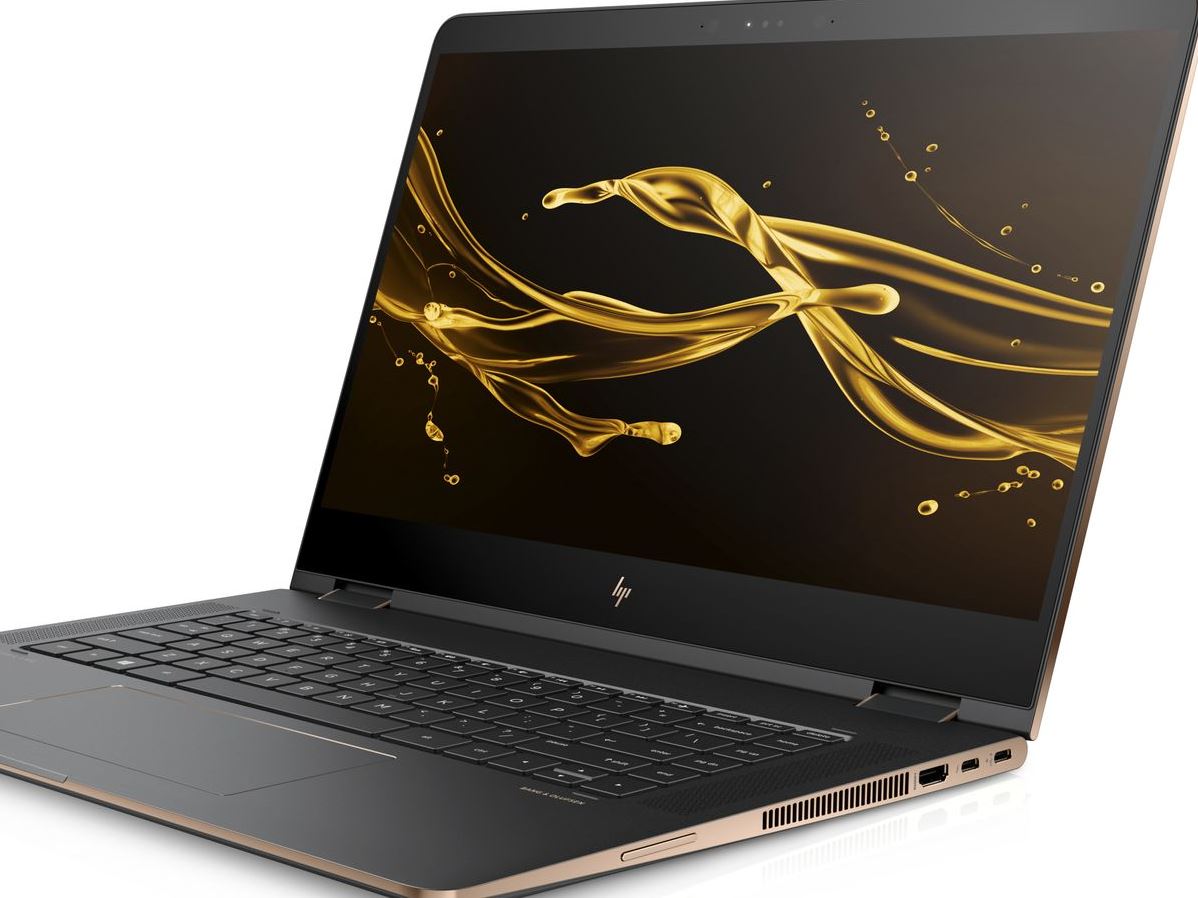
    The HP Spectre is a big, gorgeous convertible laptop that doesn’t fail to impress. While it isn’t the most portable device in the world, it more than makes up for that in power and flexibility. Today we’re breaking down our favorite new features of the HP Spectre x360 15 for 2018. 

    Design and Feel 

    This year’s Spectre is a fantastic machine and is built very well. The hinges feel smooth and steady when opening the laptop, and the finish feels sleek and high-quality. The display is certainly the star of the show: the Spectre comes stock with a 4K touchscreen. There is, interestingly, no option for a standard 1080p display, which certainly accounts for the computer’s price. Retailing for $1,220, this one is definitely aimed at professionals who want a big, bold display with a touch screen. 

    Performance 

    The base version of the laptop comes with a quad-core Intel processor and an MX150 graphics card, courtesy of Nvidia. These are both solid components and will serve all but the most demanding of users. Those who do demand more, though, will be happy to hear a version with a much beefier hexa-core Intel processor and a Radeon RX Vega M graphics card is also available. Both versions perform great, keeping up with common applications and never putting out too much heat or noise from the strain.  

    Keyboard and Pen 

    The computer comes included with an HP active pen, which is great for most common applications. Seriously creative-minded individuals can instead opt to buy the Tilt Pen, which is around $90. While the active pen is awesome for most uses, those who plan to be extensively drawing will appreciate the more flexible and responsive Tilt Pen. 

    The keyboard is also great, and thanks to the redesign from last year’s Spectre, is huge. It even sports a full number pad to the right of the normal keyboard! The keys have a good, non-slippery finish and their action is fine, if a little “sticky.” Those accustomed to mechanical keyboards might be a bit put off, but this laptop was definitely not made with serious gaming in mind. 

    Bottom Line: Spectre x360 15 is Great for Creative Pros 

    If you’re looking for a convertible that performs well and has a great display, this one is a fine pick. If you’re looking for a serious gaming laptop, of course, you’ll need to look elsewhere. Similarly, if you’re in the market for a budget laptop for doing homework and watching YouTube videos, this one isn’t the right choice. However, if you need a good computer for both work and drawing, look no further than the 2018 HP Spectre x360 15. 

  • Sony 4K Projector Redefining 4K Displays

    Sony 4K Projector Redefining 4K Displays

    4K TVs are limited in what they can display, size-wise, by their very nature. If you’ve been shopping around for an affordable 4K TV, you’ve probably noticed this. Panels can only get so big. What if you want a 4K image on an 85-inch display? What if you want the 4K quality without the same energy draw? Surely a 4K projector would be the right way to go. Enter Sony’s Ultra Short Throw Projector LSPX-A1.  

    Is It a Coffee Table? 

    No, it’s not just a piece of furniture, though it may look like one. The coffee-table sized projector housing is very slick, fitting right in with modern décor. It sports an incredible array of speakers in its stylish housing: the legs conceal tweeters, the body houses a subwoofer and three mid-level speakers are hidden in the front panel. The Ultra Short Throw LSPX-A1 is a tremendously stylish piece of technology. 

    Is it a Good 4K Projector, Though? 

    Impressions from attendees at CES 2018 point to this being one of the most impressive projectors they had ever seen. When flush with a surface, the Ultra Short Throw produces an 85-inch image. If you pull it back a bit, it can scale all the way up to a 125-inch image, which is downright massive. This dwarfs any conventional panel TV and takes up far less space than said panels. While traditional TVs are often seen as a status symbol, there’s a lot to be said for the clean simplicity of a room without one.  

    The only downside to this incredibly impressive projector? It’s impressive price tag. If you want to outfit your living room with this gorgeous projector, you’ll have to shell out $30,000. No joke, it actually costs that much. Maybe that Samsung 4K TV doesn’t look so pricey after all… 

    Bottom Line 

    Jokes aside, this is a gorgeous centerpiece for a room. If you’re in the market for a luxury 4K display, this is the item for you. Maybe someday stylish furniture pieces like this will be the norm! In the meantime, if you have one of these, expect to be the envy of your social circle. 

  • Nintendo Begins Selling Switch Without Docks… In Japan

    Nintendo Begins Selling Switch Without Docks… In Japan

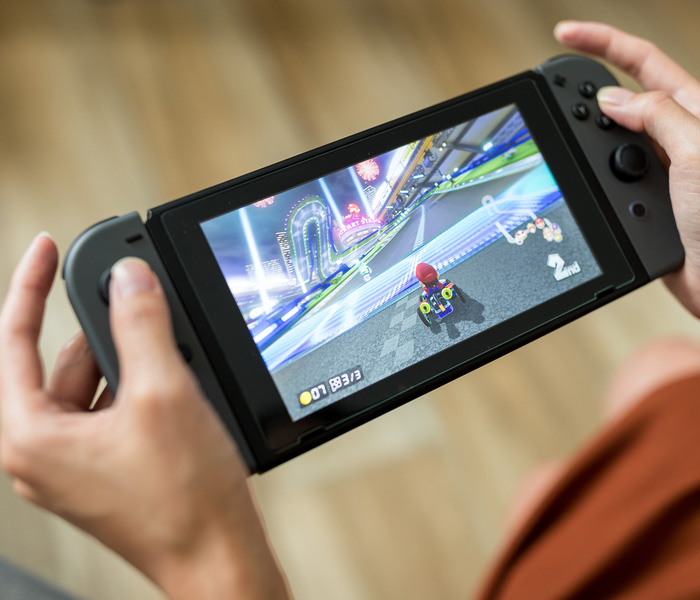
    In a move to outfit even more households Switch owners, Nintendo has started selling dock-less Switches in Japan. The “second Switch” version of the console is markedly cheaper than the standard retail version, going for ¥24,980. That’s about $220 in USD. How does this version stack up? 

    What’s in the Box? 

    By spending a little less, you get just the Switch, Joy Cons and Joy Con Grips. You don’t get the Comfort Grip, also affectionately known as the Dog Bone, which is something of a bummer. As we said, this version also doesn’t have a dock, which means it doesn’t have an HDMI cable either.  

    Oddly, this version also doesn’t include a charging cable. If you want to charge it, you’ll have to either use someone else’s dock or a standard USB-C cable. Be wary when using non-Nintendo cables, though, as the Switch is infuritatingly not USB-C compliant. We’d hate to see someone brick their switch just trying to charge it! 

    Who is This For? 

    Nintendo seems to be primarily marketing this device at people who already live with a Switch owner. Since it doesn’t even come with a charger, this version is clearly aimed at those who could use someone else’s dock.  

    The hybrid console has some users (about 20 percent) who elect to use it primarily as a handheld gaming device, forgoing the dock altogether. Those users would benefit from the cheaper price and lack of included dock as well. 

    Dockless Switch Coming to the US? 

    While this definitely seems better suited to the Japanese market than the American one, Nintendo may be able to benefit from releasing it here. For one, users who already have a Switch (and thus, a dock) would be able to get it for loved ones. Birthday presents for kids, gifts for spouses, etc., would be more palatable for some at a cheaper price.  

    Secondly, users who are uninterested in using the Switch as anything other than a handheld aren’t unheard of. If said users already have a USB-C cable and are wary of the Switch’s specifications, this could be an ideal budget entry to the system for them. Not to mention, users could later pick up a dock by itself from Nintendo.  

    Maybe we’ll hear more about a potential American release around E3. Until then, if you want a cheaper console with no dock, you’ll have to hit the secondhand market.