Category: Electronics

  • Passwords Are Soon Going the Way of the Blockbuster

    Passwords Are Soon Going the Way of the Blockbuster

    Passwords, I cant remember, I try to develop a system to keep track. I have tried to use the same one for everything, then a variation, I tried to use the same word and change the last number. I spend half of my life resetting passwords. Well good news everybody, the password may soon be a thing of the past, yesterdays problem, and something ill write a tech throwback about in 15 years. A welcomed goodbye and welcome to biometric ID.


    Announced in a press release today (April 10) by the FIDO (Fast IDentity Online) Alliance and the World Wide Web Consortium (W3C), the new Web Authentication (WebAuthn) standard will let users move to biometric logins or verification via a USB security key.

    The new standard aims to lure users away from current password-based systems, which leave users open to phishing attacks and other ways of abusing stolen login credentials.

    The press release notes that “Google, Microsoft and Mozilla have committed to supporting the WebAuthn standard in their flagship browsers and have started implementation for Windows, Mac, Linux, Chrome OS and Android platforms.”A development status page for WebAuthn in Chrome shows that it is slated to be enabled by default in version 67, two major releases from the current version 65. The standard is already supported by Firefox, and Edge will be gaining support in the coming months.

    Login via USB security keys is already widely supported for products such as the Yubikey by major websites such as Facebook, Google and Bank of America
    Face ID and Apple

    Apple has already embraced this and has been implementing it slowly for several years, it started with the finger print sensor in the iPhone 5s. Now the iPhone X and FaceId are taking it to the next level. I havent entered a password on my iPhone X since I got it in November. It even remembers passwords from years ago before I started using the fingerprint reader for my password Chain.

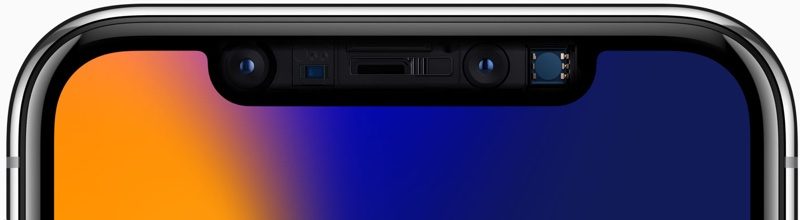
    Face ID is enabled through a TrueDepth front-facing camera on the iPhone X, which has multiple components. A Dot Projector projects more than 30,000 invisible dots onto your face to map its structure.

    The dot map is then read by an infrared camera and the structure of your face is relayed to the A11 Bionic chip in the iPhone X and transformed into a mathematical model. The A11 chip then compares your facial structure to the facial scan stored in the iPhone X during the setup process.

     

    The Final Thought

    Biometric Identification is the path to the future, we have seen it in every future set movie we have ever watched. The time is coming and we are making great progress to it. Apple alone has this nearly set with FaceID, adopt it in to multiple devices in a year or two and its set. Im glad to see all the big tech establishments embracing this and setting a standard for biometric ID. See you in the funny papers, Passwords.
  • Blackmagic Design Releases 4K Pocket Cinema Camera

    Blackmagic Design Releases 4K Pocket Cinema Camera

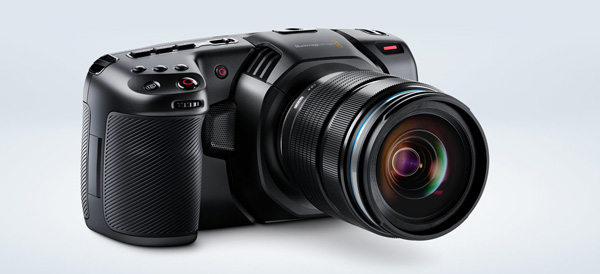
    The folks over at Blackmagic Design have unveiled their newest version of the Pocket Cinema Camera. The new model, first seen at NAB 2018, supports 4K HDR RAW video.

    Perhaps most importantly, the retail cost of $1,295 makes this camera the least expensive way to get started shooting 4K HDR.

    Pocket Cinema Camera 4K

    Following on the heels of the popular Pocket Cinema Camera, the 4K version supports 4K HDR RAW at 4,096 x 2,160 resolution and 60 fps in 12-bit RAW or 10-bit ProRes. The redesigned body is much more modern than the original Pocket Cinema, and since it’s built with carbon-fiber, it is much lighter.

    Before you worry about dropping it, Blackmagic countered the new, lighter weight with a bigger grip. It also has larger dials and buttons for recording, ISO, shutter, aperture, white balance and other standard camera features. This is a departure from the previous version, where the rear display controlled most of the settings.

    Full-Size Sensor

    The old Pocket Cinema featured a Micro Four Thirds mount but had a smaller than full-size sensor. The 4K version has a full-sized Micro Four Thirds sensor with native DCI 4K resolution and 13 stops of dynamic range.

    Storage Options Aplenty

    The Pocket Cinema 4K can record ProRes or RAW to standard SD, UHS-II or CFast 2.0 cards. You can also record 4K directly to a media drive by using the USB-C expansion port. This is a great feature for those who dread transferring files… All you need to do is plug the external drive into your computer and you are ready to edit!

    Brighter Touchscreen

    Another bump up from the previous model is the brighter 5-inch touchscreen. The original Pocket Cinema caught a lot of flak for being so dim. With the screen you can frame shots, check focus or use the menu. There are also histograms, focus and peaking indicators and 3D LUTs that can be viewed on the screen.

    DaVinci Resolve 15

    Also launching with the Pocket Cinema Camera 4K is a new version of DaVinci Resolve. This “massive update” now includes the Fusion compositing VFX package to allow even more work to be done in the same program.

    DaVinci Resolve 15 includes support for Apple Metal and CUDA and can recognize multiple GPUs.

  • Samsung DeX Pad a Big Leap Forward, and it Could Be Free

    Samsung DeX Pad a Big Leap Forward, and it Could Be Free

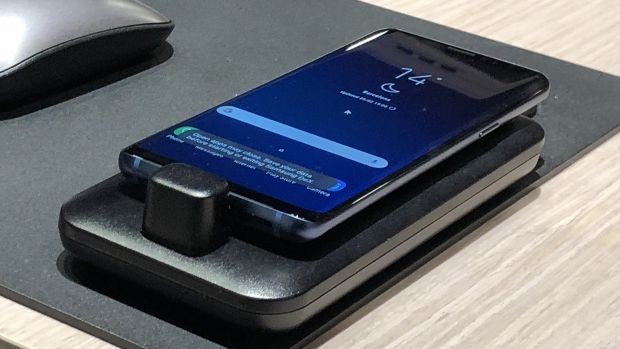
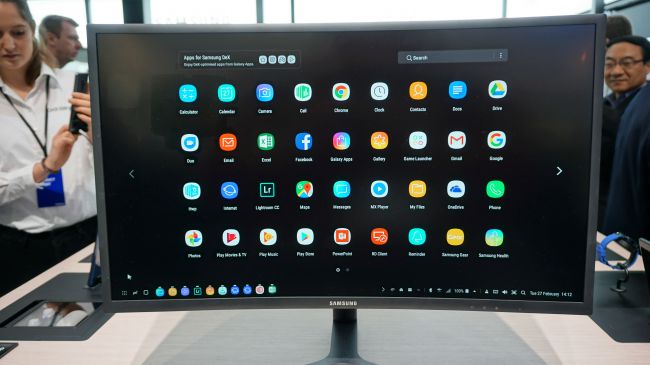
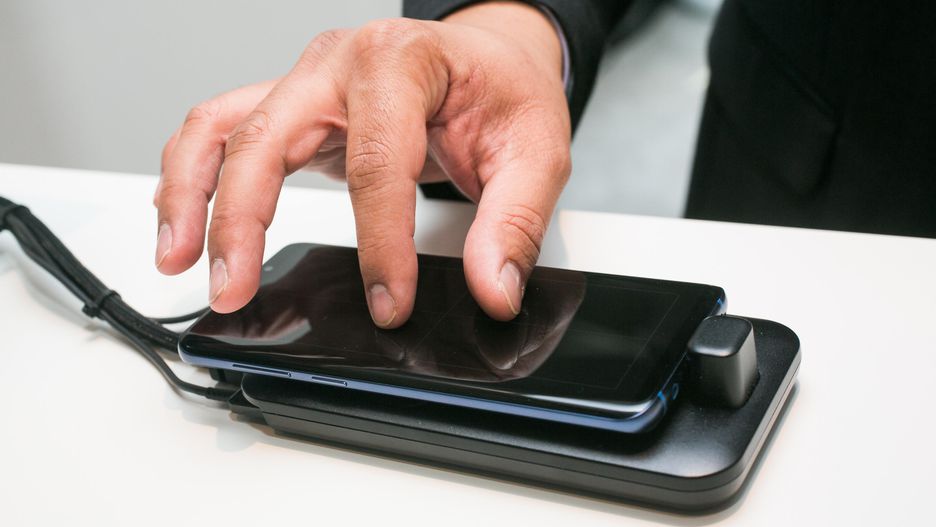
    Samsung is opening up a new device that will add a whole new level of smartphones. Samsung’s DeX Pad allows its smartphones to become minicomputers when they’re hooked up to the device. Connecting a smartphone to the dock allows the user to see the screen of the phone projected onto a monitor.The new Samsung DeX Pad that transforms newer Galaxy phones into a desktop-like virtualization tool is available for pre-order in the US, Samsung announced today.

    With the power we are seeing in the latest phones this could be a real jump in our tech evolution. I know you have asked Why do I need, a computer, tablet, smartphone, 2 laptops and 6 other specialized devices? This will be the first step in a consolidated universe.

    Samsung announced that it would be releasing the DeX Pad in the U.S. on May 13 for the price of $99.99. This new device was revealed back in February during the debut of the Samsung Galaxy S9. When a smartphone is connected to the dock, the phone’s screen can be seen on a much larger monitor.

    How to get a DeX Pad for free

    The new Samsung DeX Pad is like having “a secret Chromebook hidden in your phone.” But not everyone will be willing to pay for this extra.

    Luckily, while it costs $99  at retail, Samsung is bundling the DeX Pad with new Galaxy S9 and Galaxy S9 Plus deals in the US through its website starting today.

    Yes, this means early adopters who already bought Samsung’s new phones in the last few weeks get the short end of the stick if they want multitasking beyond 5.8-inch, and 6.2-inch and 6.3-inch smartphone screens.

    The Final Thought

    The Samsung DeX Pad has two USB-A ports, one USB-C port for powering the DeX Pad and your Galaxy smartphone, and an HDMI port. It outputs 1920×1080 and 2560×1440 resolution to a display. The DeX Pad supports the Galaxy S8, Note 8, and S9 models with the Android 8.0 update. I will have a on review for this upon its May 13th release, stay tuned.

  • HP Chromebook X2 Detachabley Terrific

    HP Chromebook X2 Detachabley Terrific

    So we have made it to a place in time where Chromebooks can run Android applications as natively as a Google Pixel 2, it is only natural that we’re starting to see detachable, hybrid Chromebooks that double as tablets.

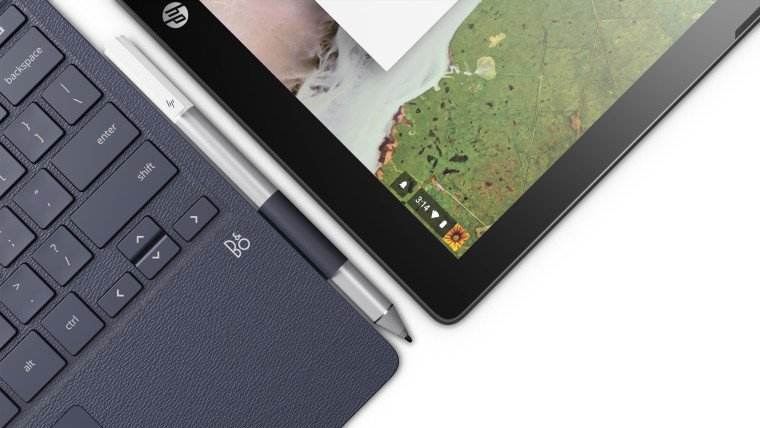
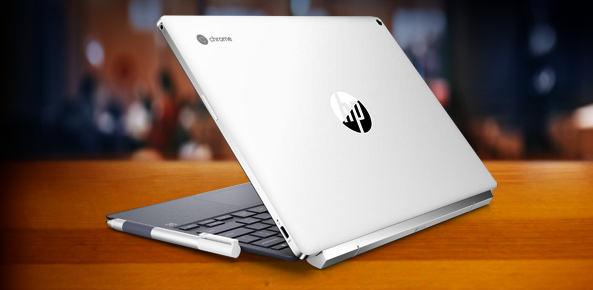
    Now HP is leading the charge in the 2-in-1 detachable Chromebook space with its Chromebook x2. Like the HP Spectre x2 before it, the HP Chromebook x2 is a thin and lightweight tablet that can be magnetically hinged to and unhinged from its included keyboard at will. That’s where the similarities end between the HP Chromebook x2 and its Windows-based predicessors.

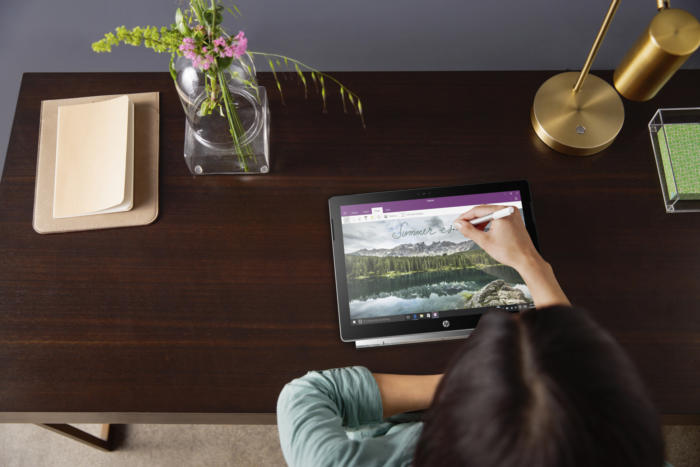
    HP is making Chrome OS devices that can do away with the keyboard. It just unveiled the Chromebook x2, a 12.3-inch laptop that’s really a detachable tablet — unlike the earlier Chromebook x360, you can leave the keyboard behind instead of merely flipping it behind the screen (though you can do that too). There’s an included pen for note-taking and sketching, and you’ll find a 13-megapixel rear camera on top of a more conventional 5-megapixel front shooter.


    Hows it Running?

    The Chromebook x2 has a Core m3 processor from Intel’s prior generation of Kaby Lake chips, 4GB of RAM (it can be configured with 8GB, too), 32GB of storage, a 2400 x 1600 resolution, stereo speakers, a 5-megapixel front camera, a 13-megapixel rear camera, two USB-C ports, a microSD card slot, a headphone jack, and an estimated 10.5 hours of battery life. It weighs a little bit more than an iPad Pro, and it’s a little bit thicker than an iPad Pro, but not by much.

    HP also emphasized that the keyboard was designed to hold firmly enough to the tablet that it should feel like a clamshell laptop when the two are connected. I haven’t seen the Chromebook x2 in person, but HP’s images make it look relatively nice. While the Chromebook x2 looks like a bargain compared to the iPad, it’s expensive for a Chromebook, which people often buy for around $300.


    The Final Thought

    So if you’re looking for a more premium Chromebook, and you don’t want to shell out $1,000 for Google’s Pixelbook, the Chromebook x2 seems like a potentially interesting middle-ground. But we won’t know for sure until it comes out later this summer on June 10th.

  • Three of Our Favorite 4K Projectors

    Three of Our Favorite 4K Projectors

    There’s no denying that televisions can provide a great viewing experience. But if you want the true movie theater feel in your home, then you need a projector. Projectors can also be very handy for easier portability, so if backyard viewing is your thing, then a projector trumps a large television any day of the week!

    Here are some of our picks for the best 4K projectors available. Enjoy some ultra-HD goodness!

    Optoma UHD60 4K Ultra UD Home Theater Projector – $1,799

    Not only does the Optoma offer the stunning 4K resolution that you would expect, it also supports HDR10 color technology. This means the blacks are blacker and the colors are more vivid than ever (if the source film supports HDR).

    With 3,000 lumens and a contrast ratio of 1,000,000:1, the Optoma is able to deliver razor sharp images that you can see in 4K detail from up to 10 feet away. 1.6X zoom and 1.30 to 2.22 throw ratio means you can fit your images in various spaces 140 inches and up. The Optoma features a single DLP chip system for easy set up.

    Vivitek HK2288-WH 2000 Im Bright Ultra HD 4K DLP – $1,425

    This is the best budget 4K projector you can buy currently. At this price point, there is no competition!

    This Vivitek features a 2,000 lumen bulb and a 1,000,000:1 contrast ratio. Like the Optoma, it supports HDR10 for enriched brightness and beautiful color reproduction.

    Also, like the Optoma, this Vivitek features a DLP chip system.

    Epson Home Cinema 5040UB – $2,299

    The Epson 5040UB features a 3-chip design which ensures that there is never a rainbow effect to your picture. It also supports HDR10 high dynamic range and high contrast. Like the others, it features a 1,000,000:1 contrast ratio for better brights and darker darks.

    At 2,500 lumens, it lands between the Vivitek and the Optoma on the bulb output. You can set up to 10 positions for motorized focus, zoom and lens shift.

    Another great feature is the Bright 3D Drive which allows for 3D projection.

  • The Genesis Essentia Takes the Cake.

    The Genesis Essentia Takes the Cake.

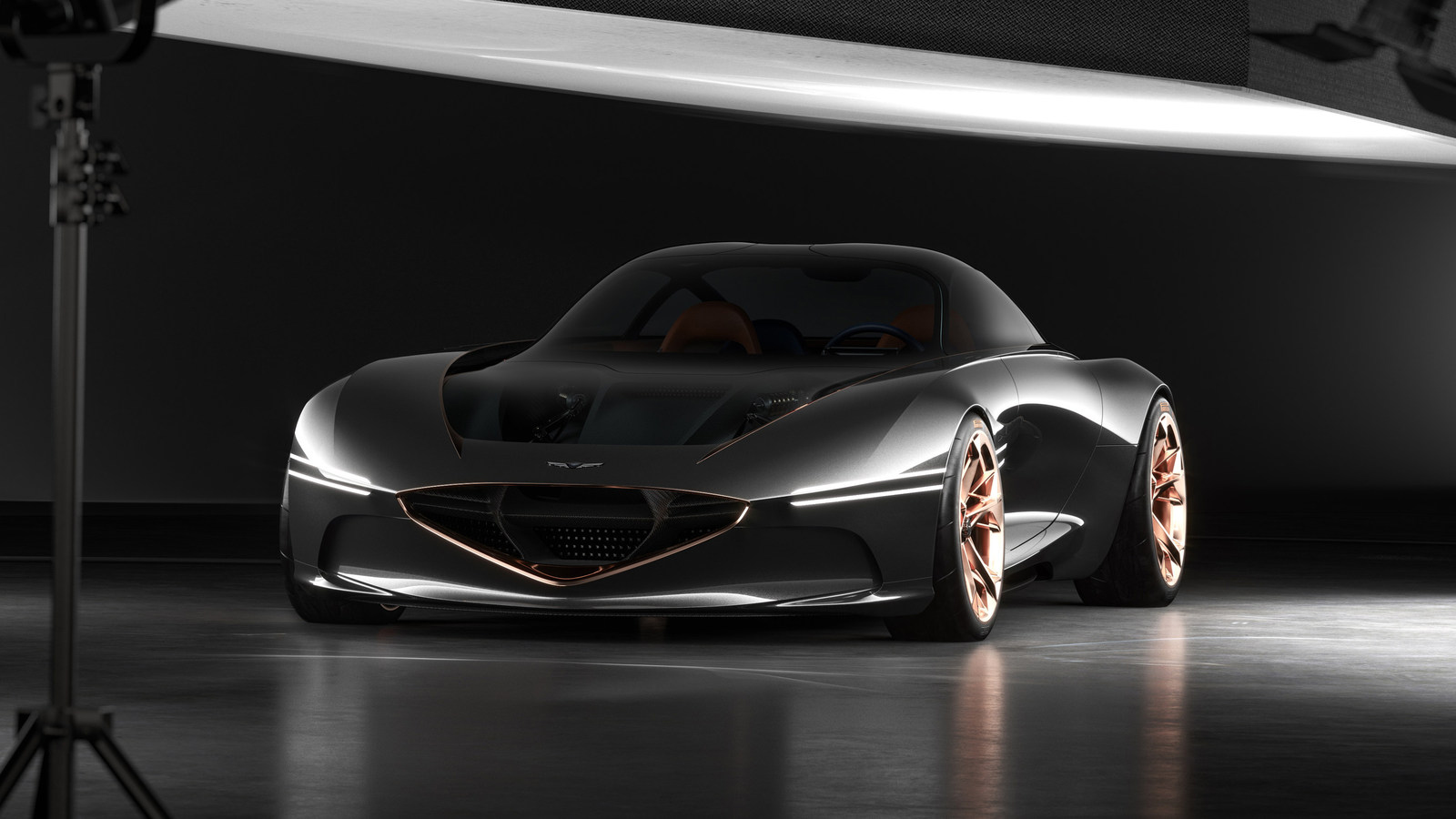
    NEW YORK—The New York International Auto Show was chalk full when it came to concept cars. Jaguars debuted the anticipated I-Pace and Hyundai’s Kona Electric vehicles created quite the buzz. But the star of the show was the jaw dropping, strictly protoype car, Genesis Essentia.

    The Essentials.

    The Essentia has a lightweight carbon-fiber body and a multi-motor electric powertrain engine. The grille is an “evolution of the Genesis Crest” and the clear hood allows for an glitsy and impressive view of the pushrod suspension. It gets “quad lights,” similar to what Genesis premiered on the Air outlets behind the front wheels reduce drag. The sleek body matches the extremely slim, borderline dangerous head and tail lamps. The body’s perfectly ergonomic frame almost completely eliminates undercarriage turbulence. “Slim lights are difficult because it’s hard to get them bright enough with the given surface area,” a designer stated, “But this will be a Genesis signature, driven by tech.” He alluded to the fact that South Korea has become a world leader in LED technology, adding to the cultural DNA of the car.

    undefined

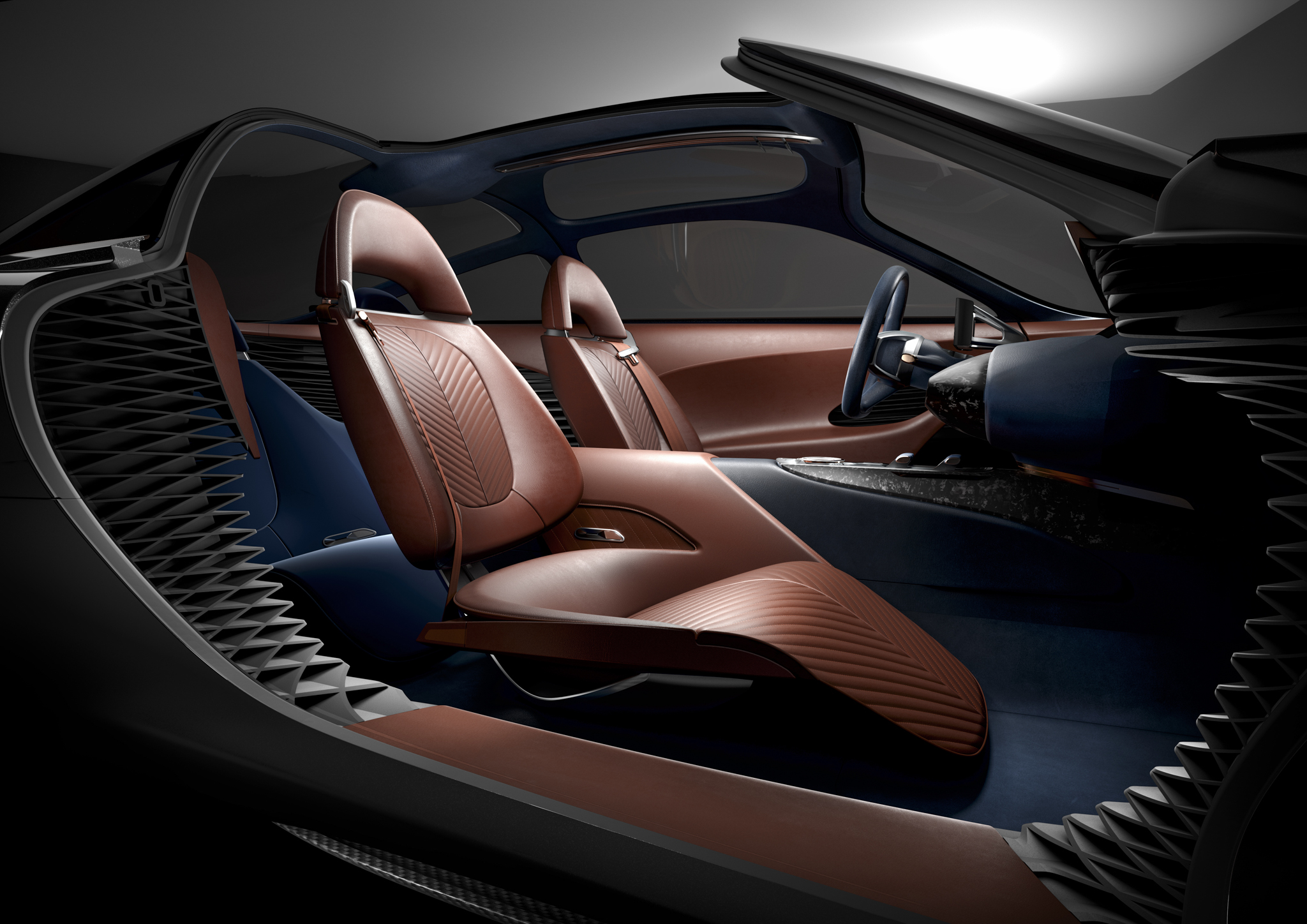
    The super futuristic-looking interior features an oversized and almost panoramic display stretching the length of the dash and hand sewn seats that match the interior doors and footwell. That main widescreen in front of the driver is operated by a central rotary controller. Genesis commented on all the expected technology that comes with the car and it’s pretty impressive…vehicle-to-vehicle connectivity, pairs with smarthomes, features voice recognition, etc.. According to the car designers, “The last thing we want to do is create a retro design, even though we talked about which cars meant a lot to us, and the Cobra Daytona Coupe as well as the Ferrari Lusso came into the discussion, but modernism is just as important, plus we use unique design solutions that make this a modern car,” Selipanov told Ars. “We’ve recently launched concept cars here at NY, so we decided to show something even more special and inspirational indicating strong brand direction. We also had the idea this should be an electric GT, but overall, our guiding theme of athletic elegance would be foremost.”


    The Summary.

    Even though the Genesis Essentia is likely to stay the prototype car of our dreams, the design efforts made will not be in vein. These prototypes often set precedents and create so much influence on mainstream car manufactures. I hope to see it’s impressive designs and features resounding through companies for years to come.


  • Smartphone Spotlight: Razor Phone

    Smartphone Spotlight: Razor Phone

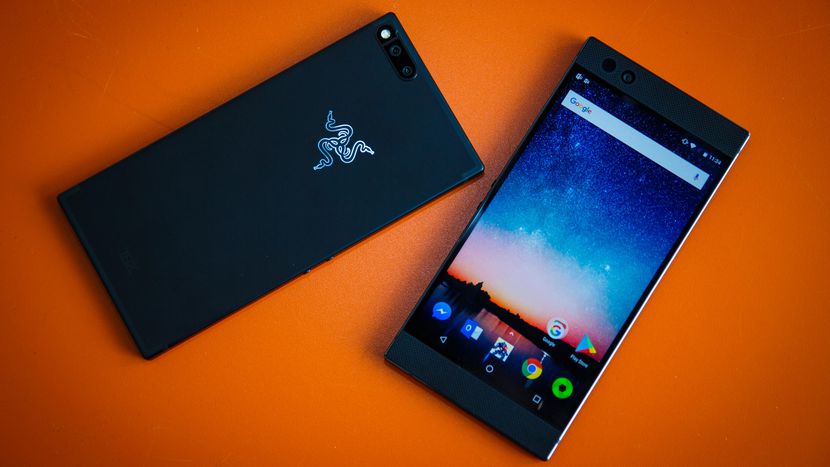
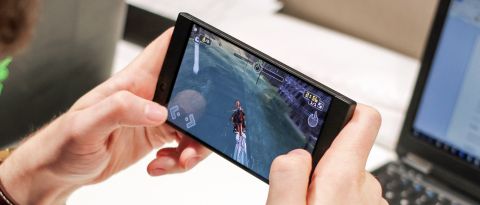
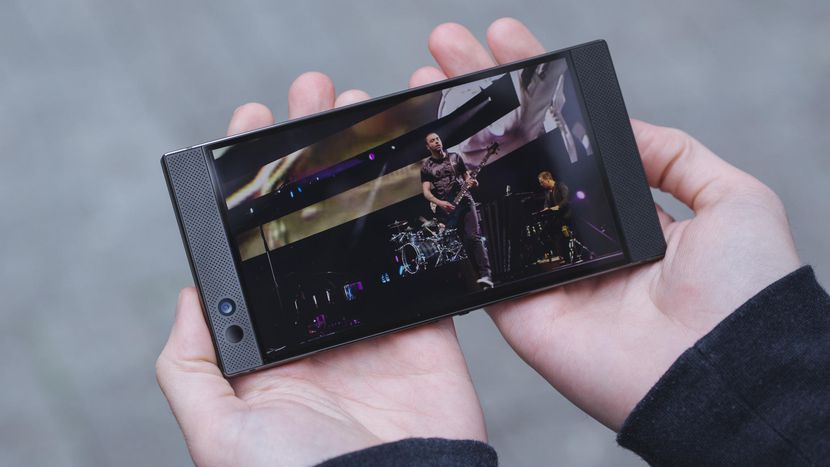
    No no the the Motorola Razr phone you are thinking of, The Razor Phone.  Razor phone set the standard in mobile gaming with the Razer Phone: the world’s first 120Hz screen on a mobile phone. Powered by UltraMotion™ technologyand accurate touch response, you get zero lag or stutter—just fluid, buttery smooth motion for all your games.

    The Great

    • Dolby Atmos Surround Sound
    • Unique, handsome design
    • Display and Ultramotion are gorgeous
    • Top-notch performance
    • 24-bit DAC built into USB Type-C adapter
    • Loudspeaker is LOUD
    • 120 Hz Refresh Rate

    The Not

    • Terrible photography experience
    • Display could be brighter
    • Too big for one-handed use
    • No headphone jack
    • Battery life only average

    The Conclusion

    The question is, does it do anything another high-powered smartphone can’t? I’ve found the camera to be lackluster, but this is a phone that certainly has some standout features.


    This Is a big for with minimalist in mind. Lets start with the the LCD 5.7-inch screen size and resolution aren’t what make the Razer Phone’s screen special. Rather, it’s the first phone with a screen that offers a 120Hz refresh rate. This means it’s able to show you more frames on the screen per second. It’s especially helpful when gaming, as it makes playing games smoother and more visually impressive.

    This is a gamers phone, built with gamers in mind. It shows with the 120 hz rate. Now the differences in day-to-day use between 60Hz — the standard in smartphones — and 120Hz is like spotting the differences between 1080p and 1440p. They’re there, but only visible in some situations to the eagle-eyed. You can choose your preference of refresh rate (between 60, 90, or 120Hz) in the Razer Phone’s settings, and scrolling through your Twitter feed in 60Hz and 120Hz reveals only a small change in smoother scrolling.

    It’s the same when scrolling around the Android operating system. You’ve got to want to see differences to spot them, and we couldn’t find many differences between the experience on it and a Samsung s9

    Biggest Weakness is the Camera

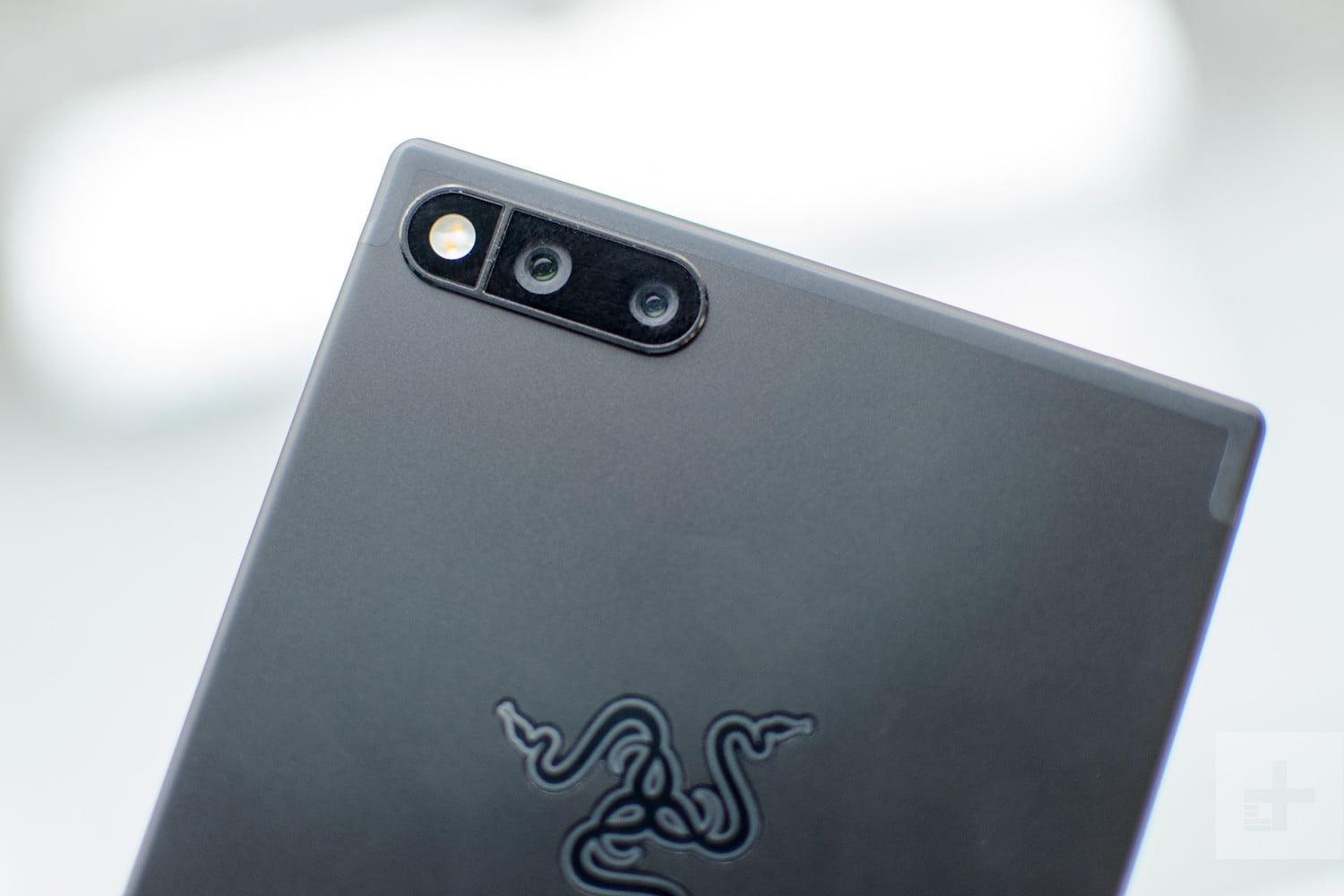
    Speaking of being less than stellar, the camera isn’t great. Put lightly, it’s a bit of a mess. We already had our caution hats on after the hands-on over a month ago, when we saw that the dual camera set up was lacking features, or even a slider to show which lens you’re using. Despite all the time that’s passed since then, it’s a shame to see Razer hasn’t added much optimization, speed, or features. Dual 12 MP cameras provide either normal or telephoto zoom levels. The regular focal length lens pumps in light at f/1.8 aperture compared to the other’s f/2.6. And without OIS, the camera is already a bit behind its competition.

    Responsive Android Software

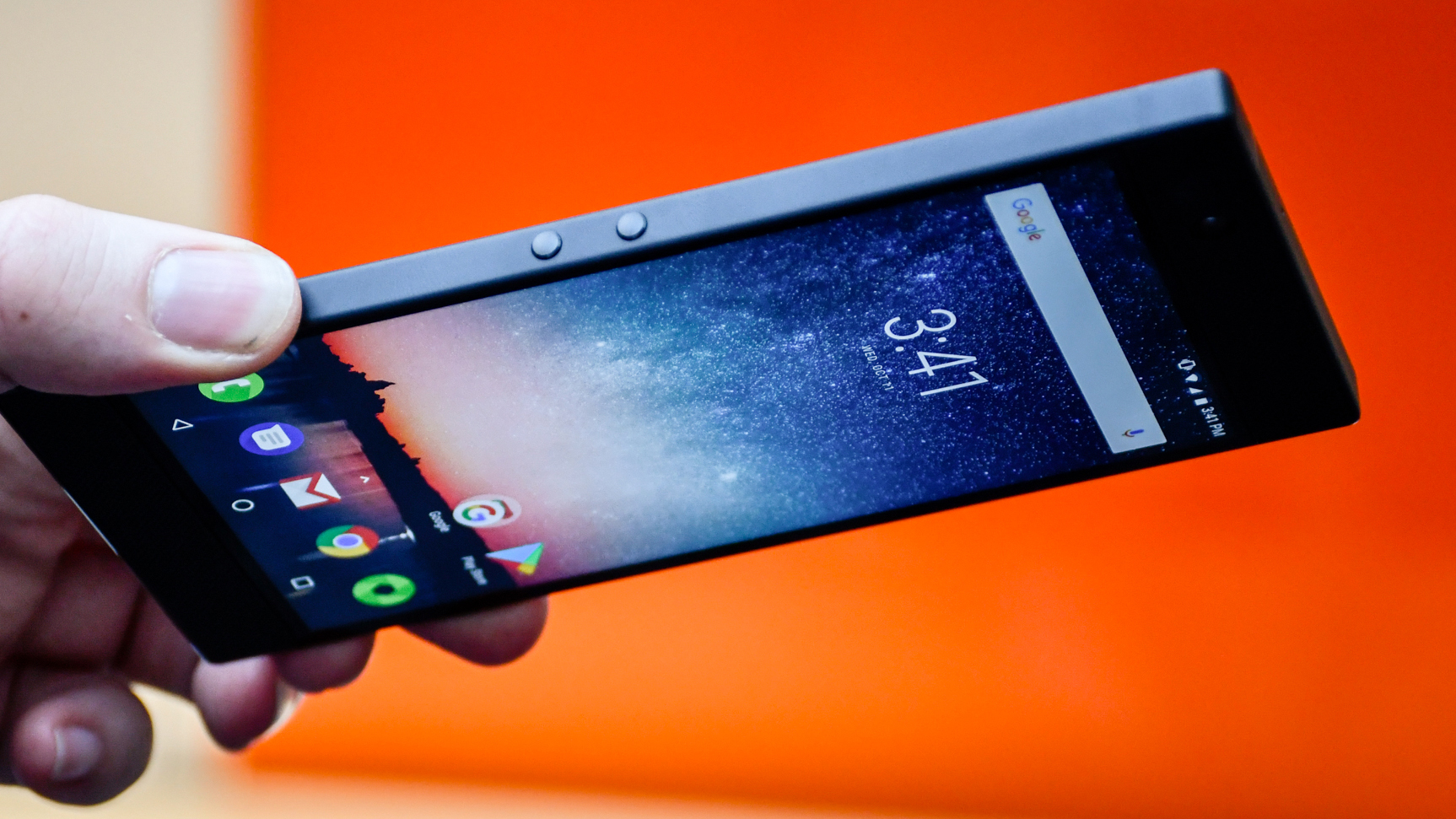
    This is due in part to the screen and the third-party Nova launcher software, but the Razer Phone has a really smooth and responsive user experience. Everything loads quickly thanks to the Qualcomm Snapdragon 835 chip and a limited amount of bloatware.

    Switching between apps or even using two at the same time in side-by-side mode is never a sluggish experience. Even my recent Samsung Galaxy S8+ started getting bogged down quickly after I got it, and that’s not something I’ve had to deal with on the Razer Phone.


    The Final Thought

    After using the Razer Phone for the last  month, I’m comfortable calling it an amazing smart device. It is available now for $700, and it easily competes with other high-end phones in that price range with one glaring exception. Do you want to trade your camera for a better refresh rate? Kinda, I like Netflix.

  • Xiaomi Rumors and Gossip

    Xiaomi Rumors and Gossip

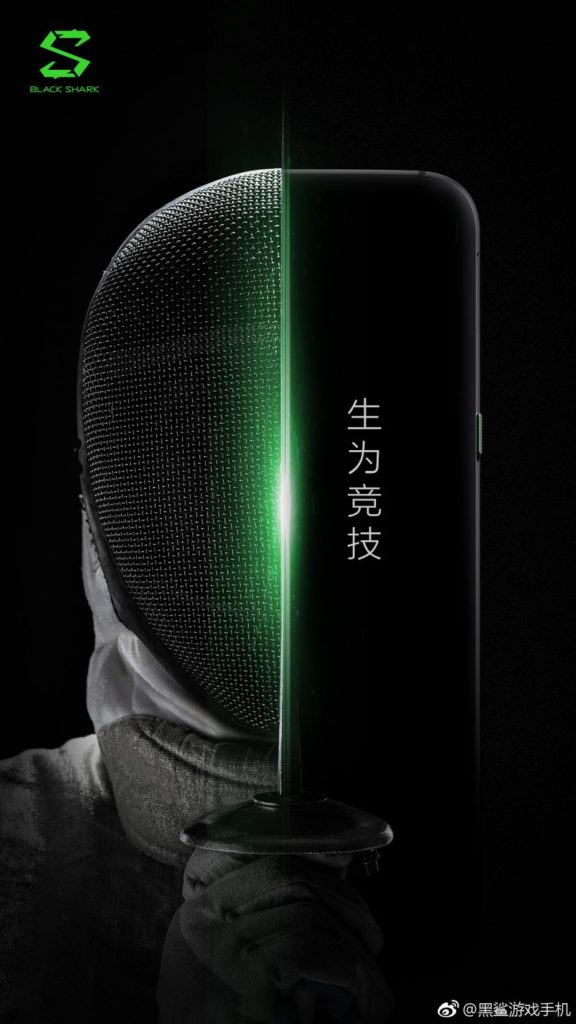
    Xiaomi is getting ready to launch a gaming-oriented phone, similar to what we’ve seen with the Razer phone. The phone is slated for an official unveil next Friday, April 13, and a new teaser out  gives us a glimpse at the design language. So far not alot of details have been released, we all know what it will probably look like.

    Unlike previous Xiaomi phones, the upcoming device will feature the Black Shark branding and not the Mi label, suggesting this could be the first phone in a new gaming-focused sub-brand.

    While we don’t know much, my inside sources tell me it will host the Snapdragon 845, with 8gb of ram and a 256 gb hd.  The hd size gives good indication this will be aimed at the gaming market. The Razor supported a 120 Hz refresh rate, Its safe to expect the same.

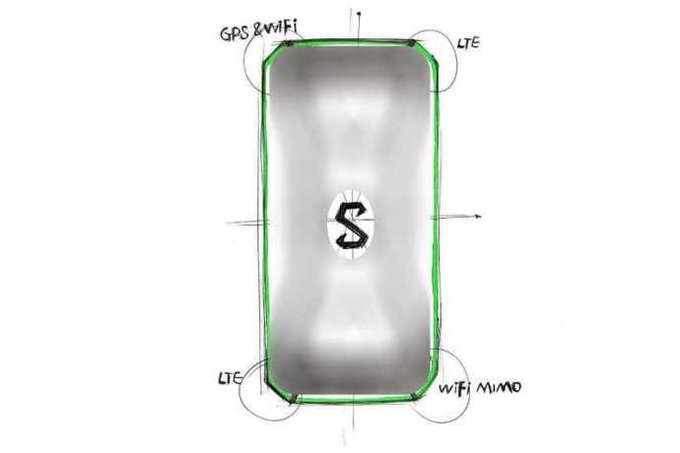
    As can be seen in the image, the Black Shark Phone looks set to take on the shape of an X with the top and bottom sides of the device being much more angular than traditional smartphones. In fact, a total of eight sides are featured on the device’s frame. Because of this, the company chose to include the antenna bands on both the top and bottom corners, meaning four antenna bands will be included – the Chinese OEM’s device is the first to feature this antenna layout. Beginning clockwise, the top-left corner will be dedicated to the GPS and Wi-Fi antennas, while the right side will be reserved for LTE. Moving on to the bottom, the right-sided antenna will be for Wi-Fi MIMO, and the left module will once again be dedicated to LTE. Now, although this is only a sketch, Black Shark itself later confirmed the accuracy of it, stating that the layout should help improve signal reception even when a user is gripping the device.
     

    The launch is set for next Friday the 13th, we should know all about Xiaomi’s upcoming Black Shark phone then. Until then we can fantasize about holographic screen projections and full VR experiences. See you next friday


  • Tech Throwback: The Newton

    Tech Throwback: The Newton

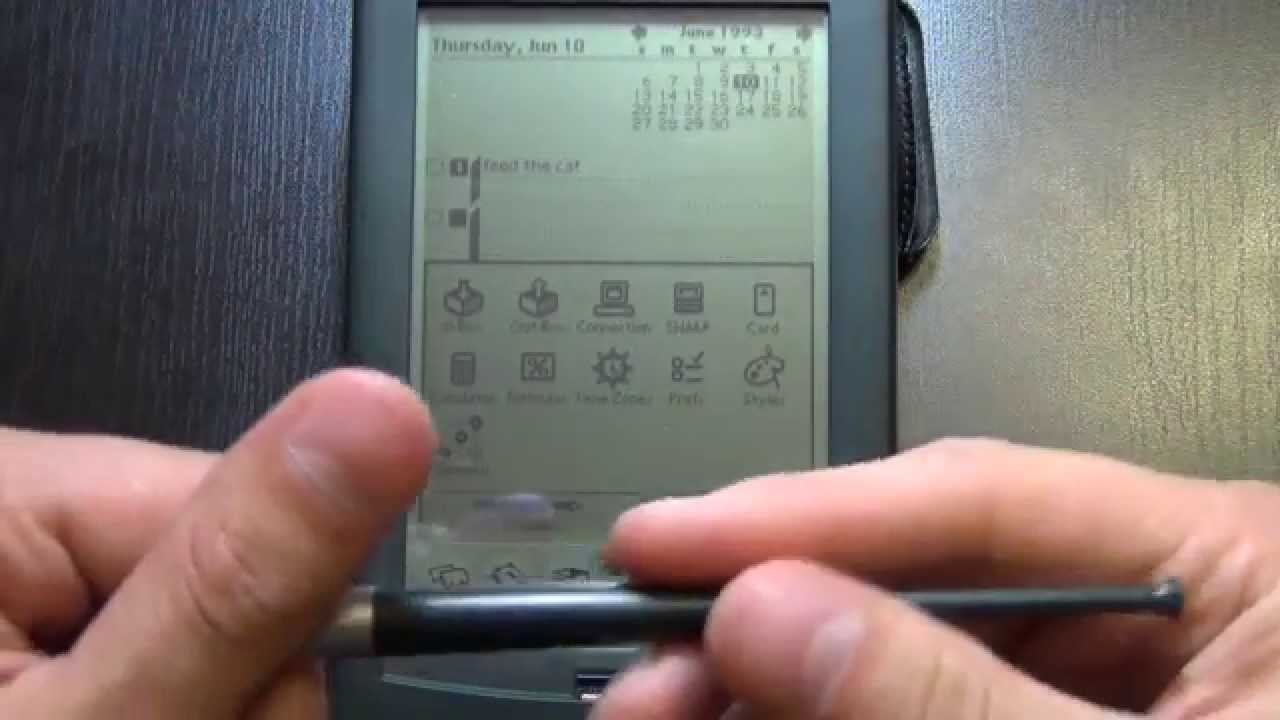
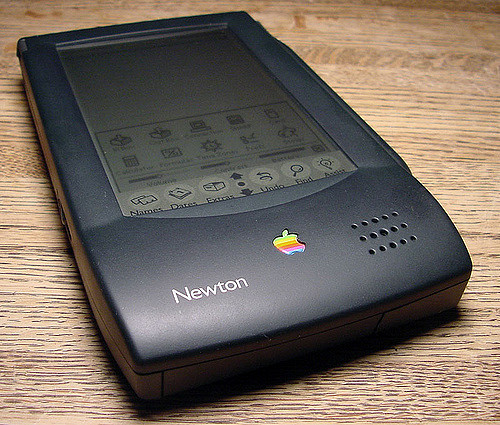
    I like to take a look at where I’ve been to evaluate where Im going. Technology is cyclical after all… wait no its not. That said I still like all the feels that come rushing back like a flood of nostalgia every time I get my hand on the tech I grew up with. Im going to go back periodically and take a looking at the stuff that used to blow our hair back and get our minds rolling. Some of these device blew up and changed the world, some where ahead of their time and some just fell flat and became colossal failures. Today I’m powering up the old Apple Newton..


    Give Me The Back Story

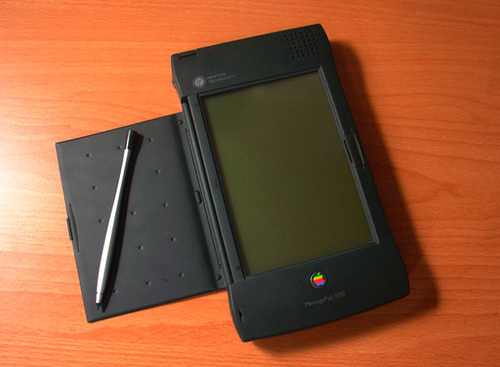
    The Newton is a series of personal digital assistants, PDAs as i like to call them, But that term wasent used and adopted till years after the Newton. It was developed and marketed by Apple Computer, Inc. An early device in the PDA category – the Newton originated the term “personal digital assistant” – it was the first to feature handwriting recognition. Apple started developing the platform in 1987 and shipped the first devices in 1993. Production officially ended on February 27, 1998. Newton devices run on a proprietary operating system, Newton OS; examples include Apple’s MessagePad series and the eMate 300, and other companies also released devices running on Newton OS. Most Newton devices were based on the ARM 610 RISC processor and all featured handwriting-based input.

    The Newton was considered innovative at its debut, but it suffered from its high price and problems with the handwriting recognition element, its most anticipated feature. The handwriting software was barely ready by 1993 and its tendency to misread characters was widely derided in the media. I my hands on one the first time when I was 12, almost 35 years later im ready to dive back in.


    Powering this up, shocked it still works. picked this working newton off eBay, with the flash card and assured it would turn on for $150. Yes its abit much for the actual functionality but that is not why I bought it. The Nice this is it runs off of AAA batteries, got to change them pretty frequently and you lose all your data each time they die but I’m able to pick them up at any store so the device will never die completely.
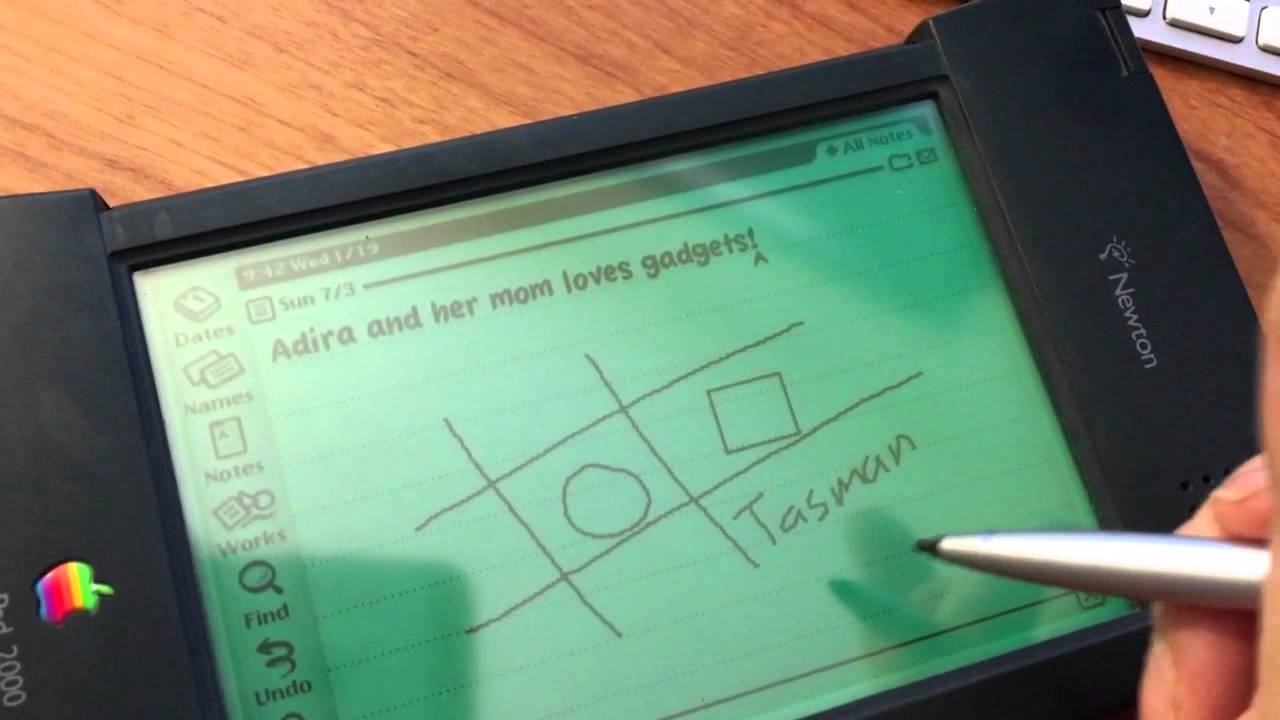
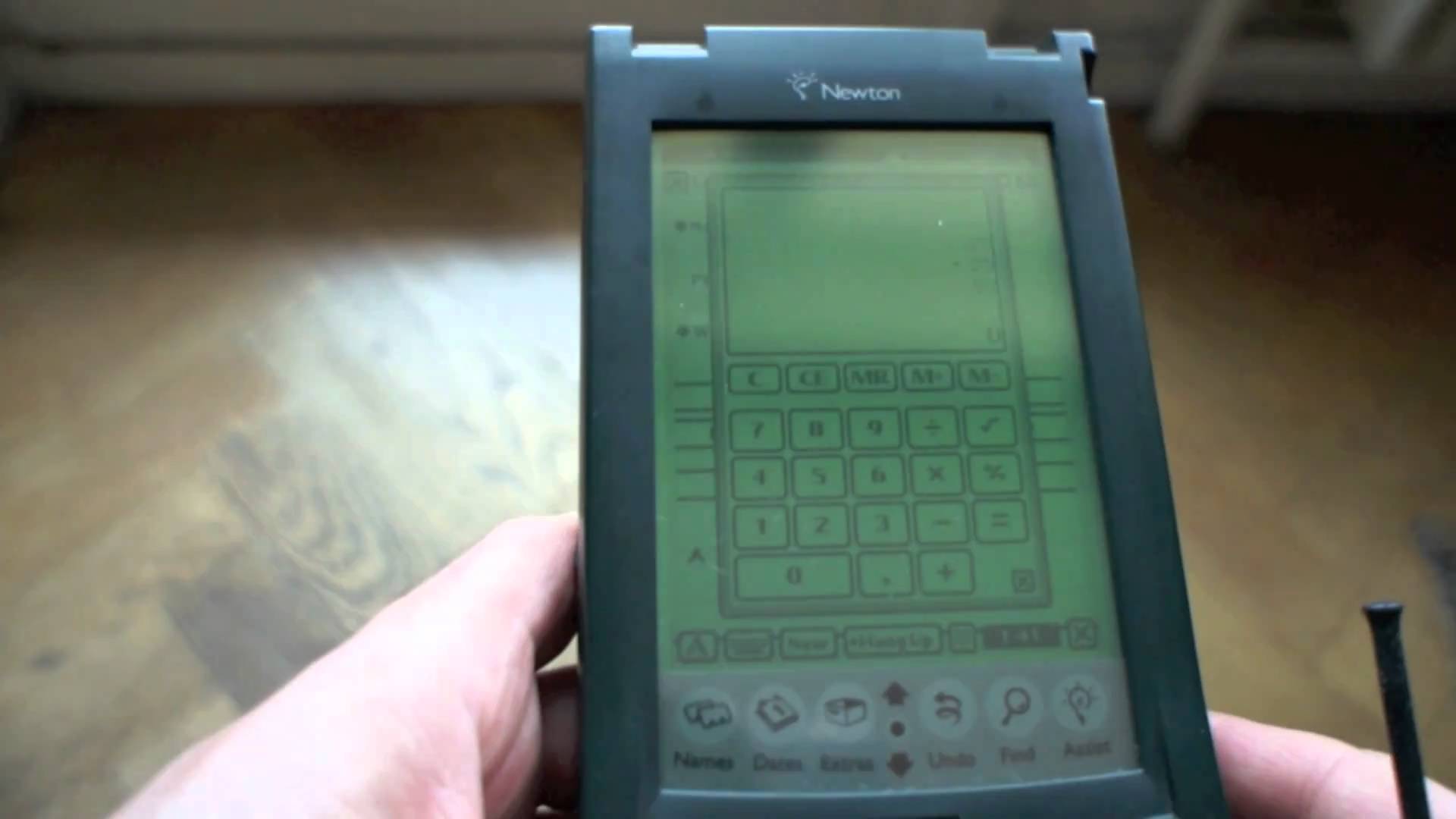
    Its pretty bulky I cant fathom how at the time they thought this was compact enough to carry around. its is a little over an inch thick and 7 inchs tall. Meanwhile I complain my phablet is to big.

    What’s This One Do

    It literally does nothing and I can barley see the green screen, its only functions are a contacts applications and a notepad,  a calendar,  calculator, currency converter and a timezone map. All the things I use on a daily bases, would be completely useless with out, and take for granted on a daily bases.  I do remember being able to get software application for it on a 3.5 floppy disk though.

    You can get up to a 4mb flash memory card for storage to prevent the battery erasing issue, a 4 mb card would store about 200 note, 250 contacts, 500 calendar events.  I do have to note that the flash memory seriously slowed down the processing power. So about 3 weeks worth of info for me.

    As much as I’ m laughing at this technological failure, it truly was ground breaking and revolutionary. We would see viable tech like it for almost 10 years and even still they hadn’t made much advancement on it. It really was ahead of its time and paved the way for the iPhone that would be released 20 years later. It was the first affordable device to compute handwriting, the first pocket touch screen, we still weren’t seeing full sized touch screen and wouldn’t for many years.  I think the commercial failure of this device dragged technology back a decade and had it been a corporate success who know where we would be today.


    The Final Thought

    Its magically revolutionary and fantastically simple. Its is the true prototype of our world today, it set the table for us and we ignored it. If Apple could have just crammed in a beeper, we could have had a primitive text messaging device. Im keeping it and will put a back up of info on it just in case of a tech apocalypse.


  • SmartPhone Spotlight: OnePlus 5T

    SmartPhone Spotlight: OnePlus 5T

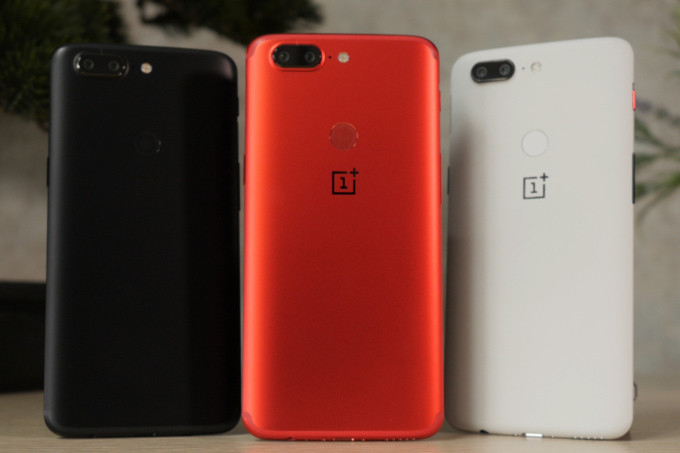
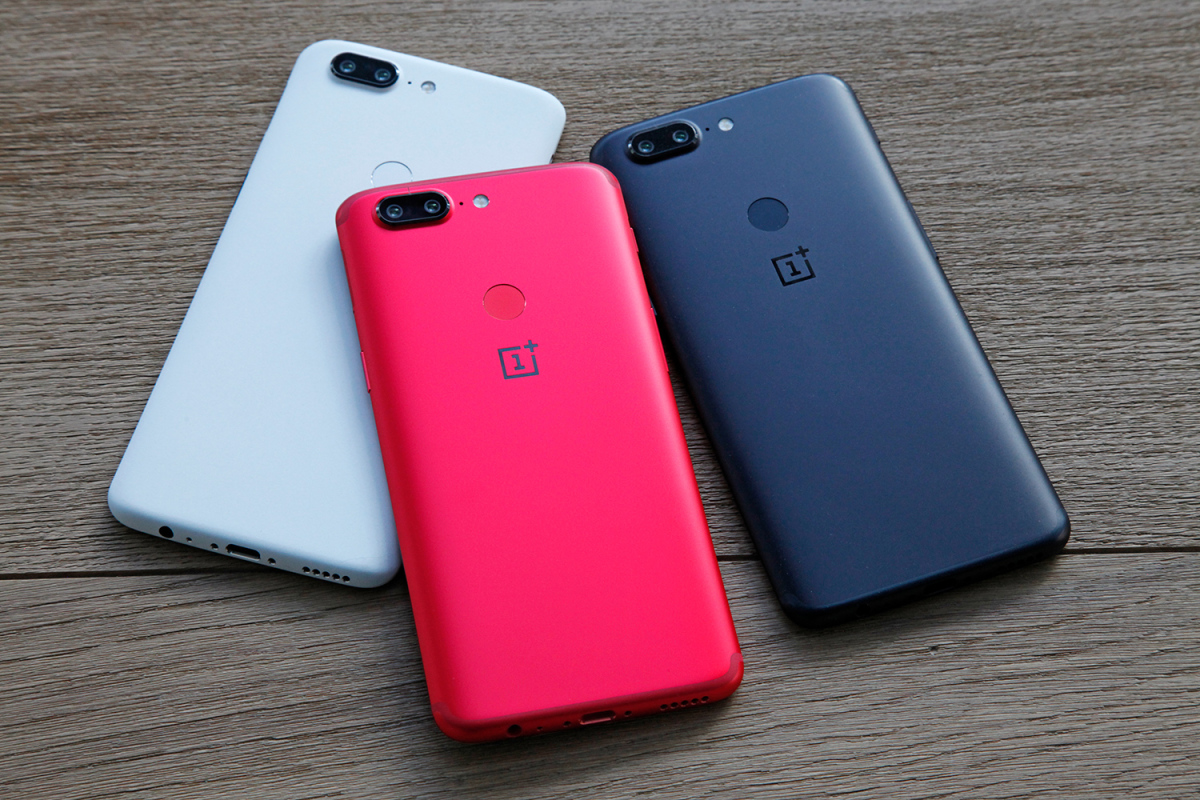
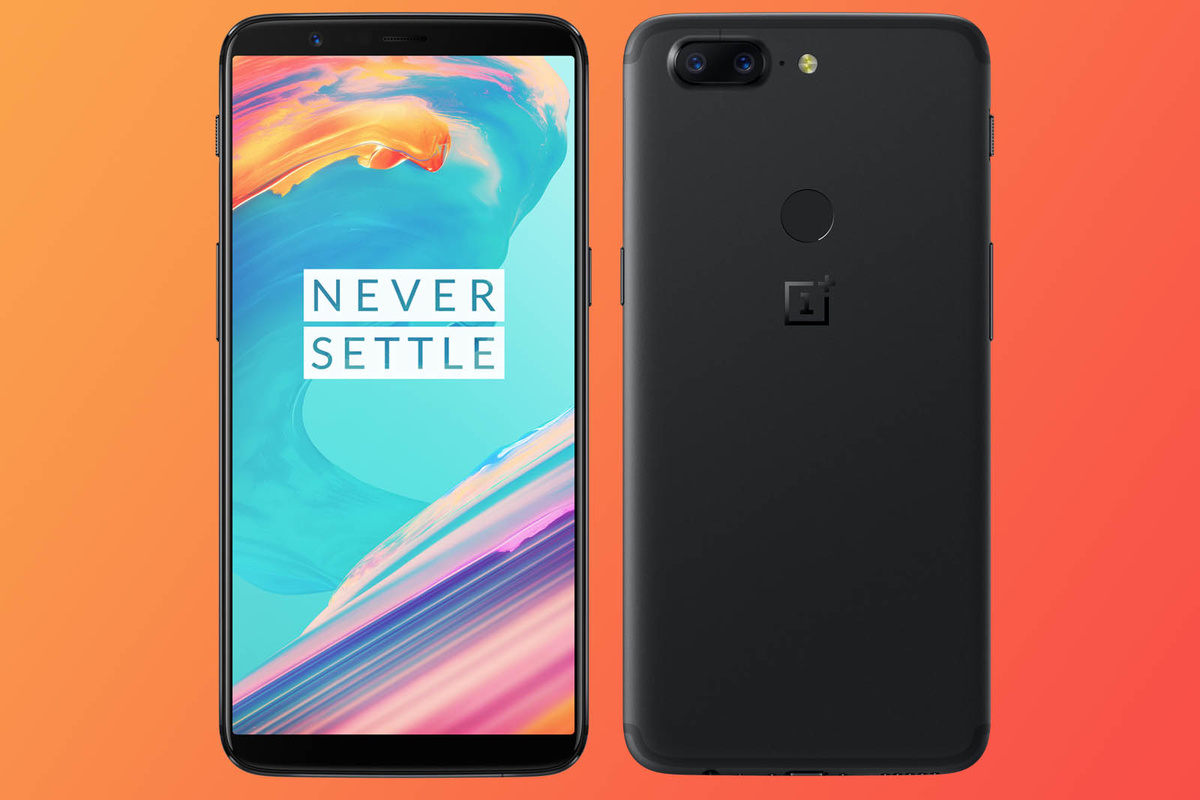
    OnePlus’s deal has always been offering flagship-level internals coupled with minimalist software, all for significantly less than similarly-specced devices. The OnePlus 5T has all the right stuff you’d expect for late 2017: a Qualcom Snapdragon 835 processor, SoC, a 6-inch, 18:9 screen, and a dual-camera. Is the the smartphone you deserve?

    The Great

    • Beautiful Screen
    • Blistering performance
    • Great battery life
    • Flagship-caliber cameras
    • Very fast charging:
    • Amazing value

    The Not

    • No wireless charging or microSD slot
    • Lacks optical zoom
    • Not water resistant

    The Conclusion

    If you’re willing to put up with a few small compromises then you could argue the OnePlus 5T could be even further up this list. One thing is for sure though: in terms of value for money it won’t disappoint.


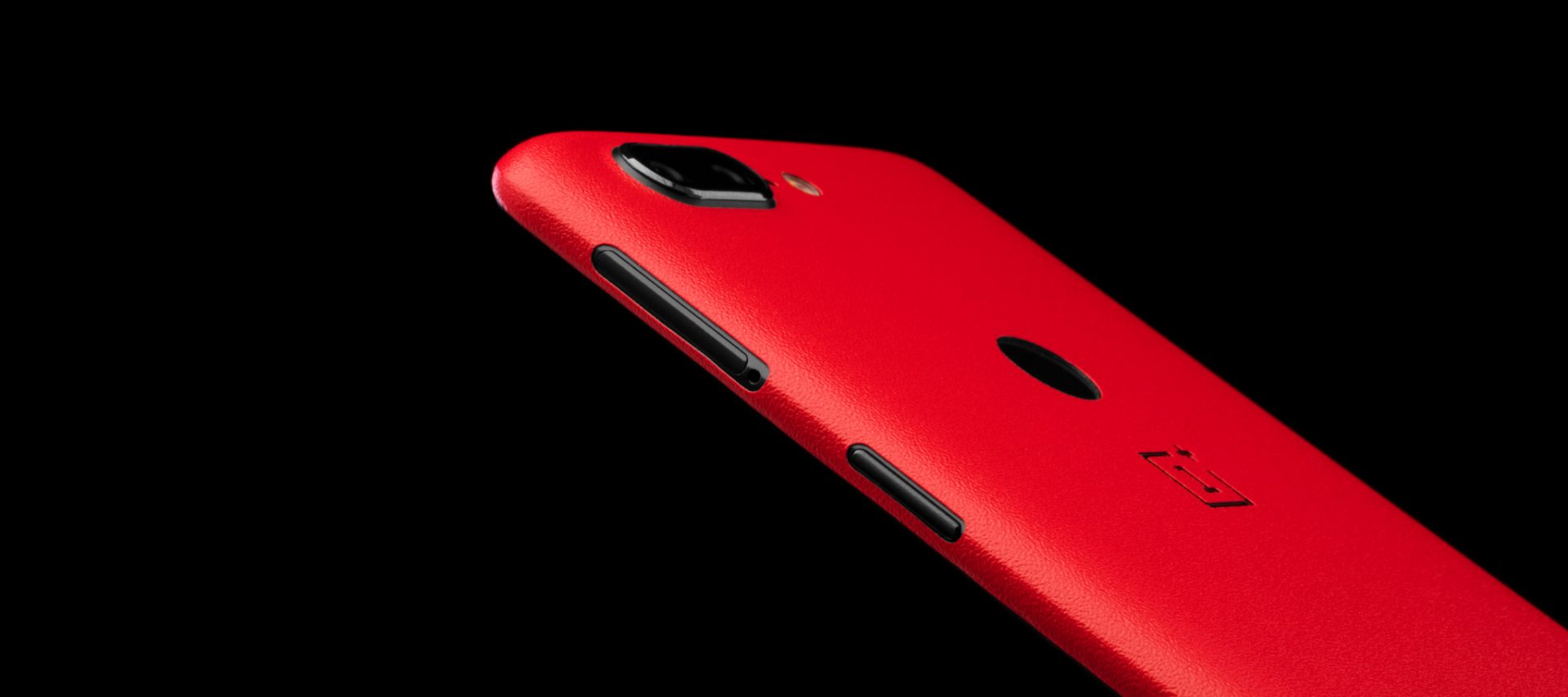
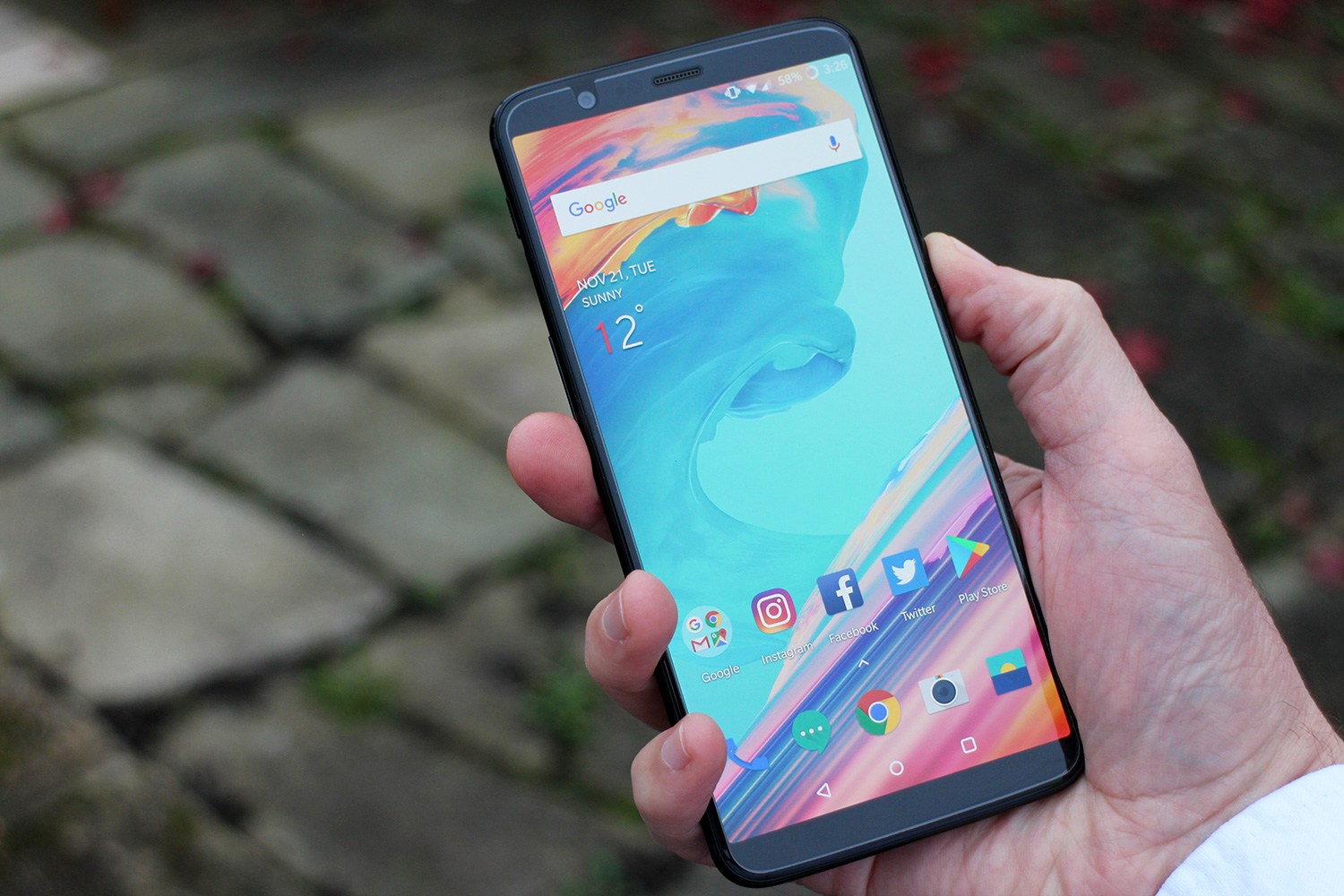
    If it’s an affordable flagship you’re after, well, see what theThe OnePlus 5T has to offer. It’s bringing facial recognition, a 6-inch 18:9 display, dual rear cameras, a premium metal body and the latest power under the hood, all for a price that comfortably undercuts Apple, Samsung and friends.
     

    Screen:

    The 6-inch AMOLED display on the OnePlus 5T is fantastic, especially given the low price tag. It’s the best screen ever seen in a OnePlus handset and features the same 18:9 aspect ratio seen on the other Android flagship phones.


    Battery life:

    Solid all-day battery life is what you’ll get out of this phone. So it fits nicely in with the competition then – not as good as the LG V30 but comfortably as good as the Galaxy S9 and the rest.


    Camera:

    The camera, again, is decent without being standout. You won’t have any problems with it and you’ll be able to take some amazing photos with it. It’s not as good as the Pixel 2 but the far cheaper price tag will explain why.


    Quick Spec Look

    • Release date: November 2017
    • Weight: 162g
    •  Dimensions: 156.1 x 75 x 7.3mm
    •  OS: Android 7.1
    • Screen size: 6-inch
    • Resolution: 1080 x 2160
    •  CPU: Snapdragon 835
    •  RAM: 6/8GB
    • Storage: 64GB/128GB
    • Battery: 3,300mAh
    •  Rear camera: 20MP + 16MP
    • Front camera: 16MP


    The Final Thought

    If you are seriously looking at this phone, you shouldn’t be. This is the phone you get when your parents got a buy one get one free deal at their local cell phone shop. IF you are looking for a quality android, this has the specks but there are better options, go grab the LG V30.