Category: How To

  • Best Dog Food Brands for Discerning Owners

    Best Dog Food Brands for Discerning Owners

    If you’re a dog owner, you know that picking the right dog food can be incredibly difficult. There are a number of competing brands looking for your dollars, and not all of them are best for your dog. However, finding which one is the best can be stressful: you don’t want to subject your dog to food that isn’t good for them just to find out which one is the best.

    There are a number of brands that use sub-par ingredients, fillers and various other negative contents that could be bad for dogs. Ideally you want to find dog food that has no harmful igredients, above-average meat content, acceptable carb amounts and a good amount of fats when compared to proteins. Let’s take a look at some of our top picks for taking care of your dog’s dietary needs.

    Instinct Original

    Instinct Original Dry Dog Food is a great dog brand for all adult dogs and puppies, across any breed. Whether you have a tiny chihuahua puppy or a fully-grown Great Dane, Instinct Original Dry Dog Food is a great pick. The food offers a great protein-to-fat ratio, and has a good amount of real meat in the ingredients. It includes beef as well as chicken meal and white fish meal, and is filled out with peas.

    If you’re worried about your dog getting enough protein for their amount of exercise, then Instinct is a great choice for you. While most lower-quality dog food brands fill out the bulk of their food with grains or other low-nutrition fillers, Instinct is primarily composed of protein and lower on fat and carbs than most competitors. This makes it a great pick if you’re trying to keep your dog on a diet, too!

    Dr Tim’s Pursuit Active Dog Formula

    Many active people love keeping their dogs with them when they go out. It’s fun to get outside and get active with your dog: they love the exercise and you love the time spent bonding. If you’re always going on jogs, hikes and runs with your dog, they need to be getting the right fuel to help them stay in shape. That’s where a brand like Dr. Tim’s comes in. Dr. Tim’s Pursuit Active Dog Formula carries all the nutrients and protein your dog needs to keep up with an active lifestyle.

    The best thing about keeping your dog active is that it’s good for their long-term health. Everyone wants their dog to live longer and be healthier in the long run. The best way to look out for your dog’s long-term health, of course, is to help them stay active with you! This food is good for all dog breeds, and is okay for puppies if they’re from small or medium breeds.

    Victor Hi-Pro Plus

    You might not have heard of Victor Hi-Pro Plus dry dog food, but it’s a great brand for all adult dog breeds and small or medium breed puppies. The budget is right for food of this quality too: if you’re worried about breaking the bank, this is a good high-quality dog food for a reasonable price. You can rest assured knowing you’re not skimping out on your pup, as the main ingredients in this dog food are beef meal, chicken fat and pork meal.

    The fat-to-protein ratio is about 67%, making it a significant upgrade over lower-quality brands of dog food. Whether you’re switching your dog over to this food to get them on a healthier diet or starting a puppy out right, it’s hard to go wrong with Victor Hi-Pro Plus dry dog food. It’s simple, it’s quality and it’ll keep your dog in good health.



  • Best Smart Home Devices for 2019

    Best Smart Home Devices for 2019

    If you’re just getting into smart home technology, you might be wondering what the best smart gadgets for your home are. You’re not alone: tons of people are interested in making their house a smart home but don’t know what products are the best for doing just that. Today, we’re helping you figure that out with our buying guide for smart home technology.

    Best Smart Home Devices

    Amazon Echo

    The first part of any smart home is the hub. You need something to act as a central hub, or a brain, for your smart home. While there are a ton of options on the market, we recommend Amazon’s Echo line of products. There are products at all price points in the range, from the budget-friendly Echo Dot all the way up to the larger Echo Show and standard-sized Echo speaker. We highly recommend the Echo Dot to people who haven’t used smart speakers or smart home technology before.

    The Echo Dot 3rd Generation can be found at Amazon for $50, though if you go with an older generation you can get a speaker for even less than that. The Echo sports Alexa, Amazon’s stellar virtual assistant, who you can issue vocal commands to in order to control your smart home technology. Turning on your lights, ordering off of Amazon and even locking you door can all be controlled with your voice through Alexa.

    TP-Link Kasa Smart Plug Mini

    Smart plugs are the go-to smart technology for anyone just breaking into smart home tech. The reason? It can turn pretty much any simple device into a smart device. Let’s say, for instance, you have a favorite lamp in your living room, but it’s in an awkward position that’s hard to get to. Well, all you need to do is hook up a smart plug, name that plug “living room lamp” and synch it with your smart home hub.

    Once you’ve got it hooked up, you can use your hub to command the lamp on or off through your voice alone. Simply calling out “turn on the living room lamp” will signal the plug to send a current to the lamp, and like that, you’ve got a smart lamp without having to buy any other new technology. With some creativity, you can see how useful these smart plugs can be for someone just starting out.

    Philips Hue

    If you want something a little fancier for your smart lighting, we suggest the Phillips Hue line of products. These smart bulbs connect to your smart home hub and then you can use either the Hue app or your voice to control them. True to their name, these lights can cycle through a wide variety of colors and shades, so you can light a room to whatever color or lamination you’d like.

    Nest Thermostat

    One of the most useful smart home devices is the Nest Learning Thermostat. As its name suggests, this is a smart thermostat that learns your patterns to help make sure your home stays comfortable. Once it knows when you wake up, when you leave for work and when you get back, the thermostat will start to automatically set the temperature to your comfortable ranges. This is more than just convenient: it means you’ll likely see lower power bills.

    Beyond that, you can also use normal voice commands to change the temperature in your home. Little beats calling out to your smart hub to drop the temperature a bit and having your home not only listen, but follow through. It makes you feel like you’re living in the future to assume command of your home with your voice.


  • Losing Weight Without Dieting: Changing Lifestyle

    Losing Weight Without Dieting: Changing Lifestyle

    Fad diets are a dime a dozen. Maybe you’ve even tried some yourself. There’s been all kind recently: paleo, keto, the list goes on. What many people find is that when they do a fad diet, they lose a bit of weight at first, but then they burn out, eat normally and gain the weight back. How can you lose weight without having to worry about your lifestyle just putting it back on? Well, you have to change your lifestyle.

    Losing Weight Without Dieting

    Healthy Lifestyle

    A healthy lifestyle is made up of a combination of tons of different factors. There’s a lot of important things you need to pursue to be healthy, but the place you need to start is a determination to live better and a mindset that puts your health above everything else. Dedication and discipline are of utmost importance when it comes to living a holistically healthy lifestyle.

    Regular Exercise

    Get out every day and exercise. It doesn’t matter whether this is weightlifting, running, yoga, tai chi or rock-climbing, you just need to get out and move. If you’re never burning calories, your body is storing them as fat. That’s just basic nutrition. Whatever you need to do to squeeze in at least half an hour of exercise per day, do it.

    Maybe you like playing video games. Well, don’t let yourself play until you’ve gotten in a half-hour jog through your neighborhood. Maybe you love shopping. Don’t buy any new shoes until you’ve hit your half-hour goal for yoga for a straight week. The specifics don’t matter: what matters is that it works for you and it gets you moving and burning calories.

    Sleeping Better

    A huge factor in living a healthy overall lifestyle is sleep. If you’re not sleeping right, you’re going to feel bad and you’re going to find it hard to lose any weight. Make sure you’re getting to bed at a reasonable hour, getting between 6 and 8 hours of sleep, and waking up at a decent time. Sleeping in late every day is a surefire way to encourage your body’s metabolism to be slow.

    To help encourage better sleep, you can try a few things. Make sure you don’t drink any caffeine within eight hours of when you want to sleep. If you’re following our advice about regular exercise, you’ll probably be tired enough by the end of the day to hit the hay. If you work second or third shift, try to stop doing so if you can. Ask for a transfer to day shift or try to change jobs. If you can’t, then try to keep your sleeping schedule as consistent as possible.

    Junk Food

    We know we said this was an article about losing weight without dieting, but trust us on this one: you need to cut the junk food out. This includes greasy, fried foods, snack foods and everything high in saturated fats. If you want to snack, that’s fine, just make sure its on something like carrots, apples, bananas or other fruits and veggies. They’re good for you and they’ll help you keep from overeating during meal time.

    While you’re at it, make sure you cut sugary soft drinks and sports drinks out of your normal diet. This isn’t to say you need to go on a diet: feel free to eat whatever else and operate normally. However, if you want to live an overall healthy lifestyle to encourage weight loss then you’re going to want to leave these incredibly fatty, sugary foods out of your diet. If you follow these steps, you’re not guaranteed to lose weight, but we do guarantee you’ll feel a lot better.


  • Best Car Insurance Companies for 2021

    Best Car Insurance Companies for 2021

    Let’s be honest: you’re required to have car insurance. That’s a given if you’re going to drive your car anywhere outside of closed, privately-owned tracks. Just because you have to have it doesn’t mean it has to stink, though. You deserve only the best car insurance, from only the best car insurance companies. Today we’re taking a look at some of the best car insurance companies for the money in 2021.

    We’re looking at a combination of factors when deciding on the best: customer service, customer satisfaction, price and a good shopping experience. There are tons of car insurance companies all vying for your dollar, so the one you go with needs to have only the top marks in order to be worthy of your hard-earned cash. Let’s get into it.

    Amica Insurance

    Amica isn’t the biggest names in terms of recognition, but they are a juggernaut in the field of customer satisfaction. Amica consistently scores huge marks from their customers in terms of satisfaction: people with Amica feel taken care of, important, and well-covered. Try this one on for size: Amica has proportionally lower complaints from customers than any other agency in the country, even accounting for their small size.

    That’s not to mention their awesome free perks. Car insurance policyholders with Amica get all kinds of goodies like free lock and airbag replacement. You also get a complete reimbursement of your lost wages if you have to go into court at Amica’s request: they have you covered. If you lose your keys, or they get stolen, they’ll cover the cost of getting you replacements. Oh, and did we mention that in most states they won’t take depreciation out of your new car in the first year if you total it?

    Erie Insurance

    Another smaller company with a low profile and stellar customer reviews, Erie Insurance is beloved by their policyholders. The consistently get five-star satisfaction reviews, and they offer a ton of killer perks. The only problem, however, is that they operate in a small selection of states. Only Wisconsin, Ohio, Illinois, Indiana, Kentucky, New York, West Virginia, Maryland, Tennessee, North Carolina, Virginia and Pennsylvania are covered.

    If you do happen to be covered, however, Erie is well-worth considering. They offer a rate-lock so that you know your premiums won’t go up unless you add cars or drivers to your policy. After three years, you get accident forgiveness so that your first at-fault accident doesn’t carry a surcharge. They also offer goodies like a diminishing deductible and even pet injury coverage if your pet is hurt in a car accident.

    Nationwide

    Nationwide insurance is the only insurer on this list with a large national profile, and for good reason. Normally operating at the scale they do makes it difficult to keep customers satisfied, but they manage to be both massive and care about their policyholders. Ignoring their obnoxious televised commercials, Nationwide is a good company to have in your corner. They consistently score five-star customer satisfaction reviews, and they have a very low number of customer complaints year over year.

    The much-talked-about vanishing deductible is one of Nationwide’s staples, and it can really add up: after five years of safe driving, you’ll have $500 off your deductible. In some states, Nationwide offers accident forgiveness, which can be a lifesaver if you get into a little fender bender and don’t want your rates to go up. Likewise, their “On Your Side Review” offers you the yearly chance to go over your life and needs to make sure you’re getting the right coverage and all the discounts you need. In short, Nationwide treats their customers with care and tries to make sure they feel valuable and cared for.


  • Do You Need Homeowner’s Insurance? The Facts

    Do You Need Homeowner’s Insurance? The Facts

    When you hear about homeowner’s insurance, you might be thinking “I don’t need that.” However, just because you’re not required to have homeowner’s insurance by law like you are with car insurance doesn’t mean you don’t “need” it. There are a number of reasons you should consider getting a homeowner’s insurance plan.

    Today we’re going over the kinds of things that are covered by homeowner’s insurance to help you make a wise decision. You spend a lot of money on a house: make sure it’s protected.

    What Homeowner’s Insurance Covers

    Homeowner’s insurance typically covers damage done to your home from unforeseen incidents. Keep in mind that this can change from policy to policy, of course. However, typically speaking, HO-2 homeowner’s insurance covers things like fires, storms, hail, wind and explosions. Most versions of homeowner’s insurance can also cover you against crimes, such as vandalism, theft and damage from riots.

    HO-3 homeowner’s insurance, on the other hand, covers pretty much any type of damage that could be done to your home and any type of property loss. HO-3 policies, of course, have some exceptions, so make sure you read up on any policy you’re considering thoroughly. HO-3 policies are also the most expensive type of insurance you can get for your home, though you can rest assured knowing your things are all insured.

    When it Might Be Required

    While homeowner’s insurance isn’t usually required by law, many homeowners are required to have it through their mortgage company. Unless your home was gifted to you by a relative or left to you in an inheritance, you likely have to finance the home with a mortgage. Except in very unusual circumstances, this means you will be required to insure the home.

    If you’re in a townhome community or a condo, your HOA might require you to insure the property, as well. This could mean you just need renter’s insurance, if the HOA has a master policy that covers the entire community. Otherwise, you’ll need conventional homeowner’s insurance. In either case, it’s still a good idea to have insurance, even if it’s not required.

    Why You Should Care

    You might be thinking “okay, this is all well and good, but why should I care?” Your home is one of the biggest financial investments you’ll ever make, possible across your lifetime. As such, it doesn’t make any sense for you to not take care of it. It’s where you and your family call home, it’s where you’ll make memories and raise kids. It’s an important place to cover!

    In the event that something bad happens to your home, like a fire or a break-in, you’ll be seriously kicking yourself if you don’t have insurance. The cost to cover your losses would likely be tremendous if you had to pay it out of pocket: likely significantly more than you would have saved not paying for a homeowner’s insurance policy.

    Liability and Belongings

    Another important aspect of homeowner’s insurance, and a big reason you might consider getting it, is that it covers your liability in case someone gets hurt on your property. Whether it’s someone just visiting, a person walking by or anything in between, if someone gets hurt on your property and wants to sue you, your insurance can cover it.

    Likewise, if someone steals your belongings, or they’re destroyed in an accident, your insurance will cover the loss. This is why doing home inventories and keeping a good track of all of your things is so important. If you’re a collector and have lots of high-dollar valuables in your home, this goes double. Make sure your property and your belongings are covered!


  • Combating Stress at the Workplace: Relaxing Techniques

    Combating Stress at the Workplace: Relaxing Techniques

    One of the most common causes of workplace depression and burnout is stress. If you find your work stressful and taxing, you might be looking for some ways to help reduce and manage your stress levels. It might feel difficult to do so when you’ve got tons of responsibilities and workplace stressors, but there are some techniques you can try to help yourself relax.

    How to Combat Workplace Stress

    Breathing Techniques

    Take a deep breath, and then slowly exhale it. Count to ten as you do so. Put all of your worries and issues out of your mind. Treat this breathing meditation as your way to expel stress from your body, breathing it out slowly and letting yourself relax. Repeat this technique a few times, as needed. You can also try to simply change your normal breathing pattern to be deeper and go on for longer.

    This practice is good for a number of reasons. The extra oxygen you take in from breathing deeply helps you to calm down by slowing your nervous system. Breathing deeply can activate your parasympathetic nervous system, allowing you to relax and calm your mind.

    Take a Walk

    If your workplace is conductive to it, take a walk. If not, try going for a walk before or after work. Just get out of your normal space and go for a stroll around your workplace, in your neighborhood or in a park. Just try to get out and take it easy. Walking is great because it allows you to do nothing at all, letting you be alone with your thoughts as you actively do nothing.

    Walks through your favorite areas are great for relaxing. This is because you’re able to slowly take in your surroundings, with no responsibilities bearing down on you. Unlike driving, which can be stressful, walking around aimlessly doesn’t include that same feeling of rushing that you get when going to work or to the store.

    Gum

    Chewing gum can be a great way to help you work out some stress. If you’re at work and feeling some pressure bearing down on you, pop out some gum and go to town. Chewing it allows you to work out nervous energy and aggression, chomping away while you focus and try to de-stress. Just make sure you’re not annoying the people around you.

    Make sure it’s a flavor you like, too! Mint tends to be a good calming flavor, while cinnamon might be a bit on the hot side for someone trying to relax. You know your preferences, so make it something that you know will help you to focus and relax.

    Stress Ball

    Keeping a stress ball or some similar object close at hand while you work can be a good way to directly address your stress. Squishy, resistant objects make great stress balls or stress devices, as they allow you to mush them and squish them without destroying them. People often feel restless and aggressive when they’re stressed out, so having a stress or worry ball to crush repeatedly can be rather healthy.

    Meditation

    Try to meditate when you need to clear your mind and center yourself. Meditation techniques take many different forms, from the overtly religious to the purely psychological. Whatever your beliefs, meditation has been proven to help people to relax and focus. Try a few simple meditation techniques that take only a few minutes. You can step away from your work duties for a moment, gather your thoughts and center yourself, then return to work feeling mentally reinvigorated. This not only helps your stress levels, but helps you to get your work done more efficiently.


  • Headache Pain Relief: Weathering the Worst Symptoms

    Headache Pain Relief: Weathering the Worst Symptoms

    If you’ve got a mean headache brewing under the surface, you know that horrible feeling. You begin to rub your temples, breath out your nostrils instead of in, and try to get away from loud noises and bright lights. Today we’re going to look at some of the best ways to get relief from your headache pain.

    Headache Pain Relief

    Over the Counter

    One of the most straightforward ways to deal with headache pain is to just take an over the counter pain reliever. These include NSAIDs, like ibuprofen and Tylenol. There are also headache powders you can take, which are usually loaded with caffeine and other ingredients, to help reduce your headache symptoms.

    Dedicated headache relief medicine also exists. These tend to be a great way to throw pain relief directly at whatever type of headache you’ve got brewing. The downside to these types of medication is that they don’t work right away. You’ll often have to wait for as long as two or three hours for your body to metabolize the medicine for it to take effect. For quicker-acting relief, you’ll need to use a headache powder, as we mentioned earlier.

    Setting

    If your headache symptoms stem from migraine tendencies, you might need to change your setting to deal with them. Migraines get worse in the face of bright lights, loud sounds and rooms of extreme temperature. Try to get somewhere dark and quiet with a nice, neutral temperature where you can recover. If you’re still having trouble recovering, try breathing in through your mouth and out through your nose, warming your sinuses.

    Headaches can be caused by inflamed blood vessels around the skull. In these cases, you could get a bit of relief by pinching the bridge of your nose or rubbing your temples. These simple acts are similar to a massage, sending signals to your nerves to relax. This could, in turn, cause your blood vessels to stop expanding and constricting your skull.

    Stay Hydrated

    Many headaches are caused by dehydration. If this is true of yours, a great preventative action could be to try to stay well-hydrated. Keep a reusable bottle for water with you during your job or during class. This will allow you to drink water when you’re thirsty and help to keep you hydrated throughout the day. Make sure to refill it between classes or on breaks from the job.

    Another common cause of headaches is not eating enough food. Make sure you don’t skip any meals throughout the day. In the morning, make sure you get some breakfast. Don’t be afraid to grab some healthy snacks if you’re hungry between meals! Keeping your body hydrated and full of the right nutrients is a cornerstone of good health.

    Relaxation

    Other headaches can be caused by stress, plain and simple. These are the simplest, but also some of the hardest to address. How do you get rid of stress? If you’re suffering from a headache and can’t get away from the stress that is causing it, such as at work, you’ve got a few options available to you. You can keep a stress ball with you to help physically work out any stress you may have.

    Another option is to listen to calming music throughout the day, if your school or work is conductive to this. Consider adopting a mantra, a personal saying, that you can repeat throughout the day to help calm yourself. Other calming techniques include deep-breathing exercises, short jogs while between classes or during breaks, and doing yoga or tai chi before or after school or work. Hopefully some of these tips help you tackle your headaches and manage your pain symptoms!


  • VPNs: What They are, and Why You Need One

    VPNs: What They are, and Why You Need One

    You might have heard a bit about VPNs on the internet or around the office, but you’re not sure what they are or whether you need one. Today we’ll be taking a more in-depth look at VPNs, what they do, and whether getting one is right for you.

    Do You Need a VPN?

    What’s a VPN?

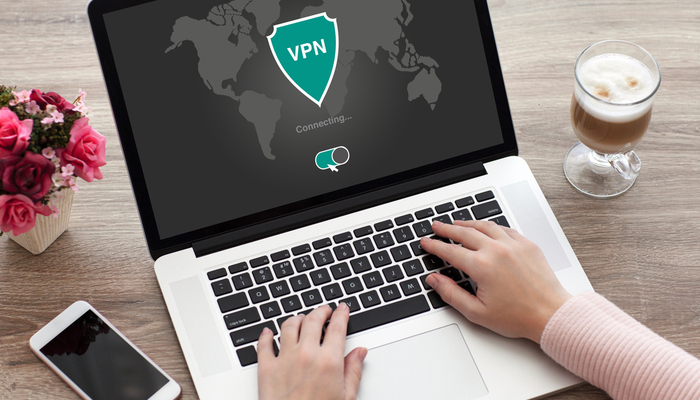
    Let’s start by defining some terms. Firstly, we need to explain what a VPN even is! “VPN” stands for “virtual private network”. Essentially, these private networks allow you to securely connect with another network over the internet. VPNs keep your data private from any software that would spy on you, and they offer incredibly secure connections to other servers on the internet.

    Originally, VPNs were created for business employees to work remotely, connecting to the secure business network from their home office. However, their popularity in recent years has little to do with corporate espionage or remote work, though they are still used for this. No, the modern applications of VPNs are much more varied, though they share a common thread: secure connections.

    Modern VPNs

    Today, VPNs are popular among internet users because they allow them to privately browse the internet without drawing attention from advertisers or the site’s own regional locks. VPNs forward all of your internet activity to a remote network, essentially “outsourcing” your internet access and then feeding it back to your home computer.

    One of the most common uses for today’s VPNs include sidestepping region restrictions by “geospoofing,” or fooling a website into thinking you’re accessing it from a different location than your current one. This has a multitude of uses, from watching videos on streaming services that your region can’t see to avoiding government-mandated internet censorship.

    The Benefits

    The benefits of VPN usage are mainly connected to the fact that you’re essentially browsing the internet through a remote server. This allows you to appear as though you’re not located where you’re accessing the internet from. This, in turn, offers you a bit of anonymity on the internet, so you can safely use unsecured WiFi networks, avoid internet censors and even avoid detection for some of your activities.

    VPNs are quite popular among torrent users for this very reason. In many countries, it’s illegal to share files of music or movies, so torrent sites and the people who frequent them often use geospoofing to avoid the law enforcement of their localities. Of course, we can’t condone this usage, as intellectual property rights are an important cornerstone of the exchange of information.

    How to Get One

    Now for the fun part: actually getting a VPN. It’s not as simple as Googling “VPN” and just flipping a switch, you have to find a VPN service you’d like to use, or perhaps use one a friend has set up. Some services are free and offer only the very basics of a virtual network. Other services, like Nord VPN and Tunnelbear, have paid tiers that give you access to more features and a more robust geospoofing selection.

    In short, if you want to use a VPN to simply encrypt your browsing and watch some videos that aren’t available in your country normally, a free VPN will be fine for you. Otherwise, if you’re a power user with more varied needs, you might need to opt to pay for a more robust VPN service. Another option is to set up your own VPN, though most people don’t have the resources to set up servers in various countries and then encrypt traffic to them from their home computer. In either case, just make sure that whatever you do isn’t illegal, as cybercrimes can still carry stiff penalties depending on where you live, and VPNs won’t protect you from law enforcement.


  • How to Use a Credit Card to Repair Your Credit

    How to Use a Credit Card to Repair Your Credit

    If your credit score is less than ideal, you might be wondering what the best way to repair it is. While there are a number of ways to address your credit, one of the most surefire ways to pull it back into a favorable position is to use a credit card. This might sound counterintuitive if your credit score is already bad due to credit card debt, but hear us out.

    There are a few rules of thumb you need to follow with any credit card, but they go double for when you’re using them to repair your credit. Today we’re going over some of the basics to help you fix your credit standing. If you follow these tips you should see your score going up gradually, and in a few years you’ll have great credit!

    Remember, most of all, to be patient. Your credit score isn’t going to become excellent overnight, and requires you to work diligently at paying back your debts and paying bills on time to stay high.

    Paying Off Outstanding Debts

    Let’s begin with the most pressing issues. If you have a lot of outstanding debts that are dragging down your credit score, it’s time to hose them down. Let’s say you’ve got debts on three credit cards that are bearing down on you. Find the one with the highest interest rate and put any extra money you make towards paying it off. Make minimum payments on your other debts while you do this.

    By using this “target priority” technique, you can begin to chip away at the worst of your debt. This does two things for you. Firstly, it gets all that extra interest the debt would have accumulated out of the way. Secondly, it means your credit score will start to get repaired as your payments stay regular and your debt-to-income ratio evens out.

    Using a Small-Limit Card

    On the flip side, if you have no credit history or a bad credit history and don’t owe much in debt right now, you’ll want to use a credit card. For instance, let’s say you’re fresh out of college or school, you have a consistent job and you’re looking to get a car loan but have no credit history. Don’t sweat it! Just apply for a small-limit credit card with no annual fees and a low interest rate. Something really small, even with a limit of $100 or $200, works well here.

    Just use this card for small purchases, like buying groceries or getting food at a restaurant. Be careful to only spend what you can afford to pay back before the end of the month so that you don’t float any balance and accrue interest owed on it. After a few months of consistently using, and paying back, this small credit card, you’ll see your credit history start to build up.

    Good Spending Habits

    As another example, if you’re repairing your credit history after a rough patch, you can use a similar approach. However, with a bad credit history, as opposed to no credit history, it may seem difficult to find a credit card that seems like a decent deal. In such cases, even if you find a card with a high interest rate, consider using it just for making small purchases.

    Even if a card has a high interest rate and a low limit, using it consistently and simply paying it back before the end of the month can be a great way to show credit agencies you’re more responsible than you once were. By paying the bill off monthly, you’re able to both keep the interest from building up while also improving your credit score.


  • Perk Up! Best Organic Energy Drinks

    Perk Up! Best Organic Energy Drinks

    We all need a nice boost from time to time. Maybe you didn’t get enough sleep, or maybe you’ve got to pull an extra-long shift. In either event, an energy drink can be a great way to give yourself that boost to make it through the day. That said, you might not want to pick up just any old energy drink: a lot of them are quite bad for your health.

    Today we’ll be looking at a few organic alternatives to normal energy drinks. These are options that might not be healthy, per se, but they’re not as detrimental as drinks like Monster or Red Bull. Let’s start with some of the basics!

    Black Coffee

    The warm, bitter drink of choice for health-conscious people who need a boost is, of course, black coffee. If you don’t add any cream or sugar to the morning beverage, it’s got zero calories and it’s actually pretty good for you. There’s not really much to it, so all you get from black coffee is the caffeine content.

    As you well know, one of the most concentrated and efficient ways to get caffeine is just through drinking coffee. So, if you want a good way to get energy without taking in a ton of sugars and other compounds from energy drinks, go with a nice, black coffee. If you’re looking for the boost later in the day and don’t want such a hot drink, you can go with an iced coffee or a cold brew, both of which are also fine for your health.

    Black Tea

    Maybe the bitter, intense flavor of coffee isn’t your cup of tea. Jokes aside, if you don’t like coffee, maybe you’ll like black tea. You can drink it hot or cold, just like coffee, and it offers caffeine and no calories. That is, if you take it without any cream or sugar. This might all be sounding pretty familiar.

    In the case of sweetened tea, of course, that changes the conversation. Southern-style sweet iced tea has a tremendous amount of sugar added in, making it a decidedly different beverage. If you’re trying to watch out for your health, try to avoid ingesting that much added sugar! Black tea is quite good for you if you take it with nothing added, and it’ll give you a great boost of caffeine to get in gear.

    Schekter’s Organic Energy Drink

    Schekter’s is a true energy drink, in that it’s a canned concoction with a proprietary caffeine blend and an interesting taste profile. The basic flavor is a pomegranate taste, with hints of elderberry and lemon juice, giving the drink an unusual but good taste profile.

    The energy from this drink is described as “clean” and “jitter-free,” coming courtesy of an all-natural caffeine blend in the drink. As such, this drink isn’t dissimilar from coffee, aside from the added sugars from the fruit juices in the recipe. If you don’t mind a bit of extra sugar, this is a good option.

    Sambazon Amazon Energy Drink

    Another “proper” energy drink, Sambazon Amazon Energy Drink is also marketed as all-natural and organic. The drink has a number of antioxidants, courtesy of the acai berry and acerola cherry in the recipe. The company proudly proclaims that it obtains the ingredients used in the drink from the Amazon Rainforest, using sustainable methods to source them.

    The caffeine mix in the drink is obtained from guarana, green tea and yerba mate, and is supposedly a “cleaner” boost than some competitors. The amount of caffeine in one can is comparable to a double shot of espresso. That makes this a rather impactful drink, so it should help you tackle any challenges in your day!